Anti-Inflammatory Diet
February 29, 2008 by Kitchen Table Medicine
Filed under Anti-Inflammatory, Antioxidants, Arthritis, Cancer, Cholesterol, Chronic Fatigue Syndrome, Heart Disease, High Blood Pressure, Inflammation, Injury Care, Lupus, Pain Management, Rheumatoid Arthritis, Sjogrens
Who should be on the anti-inflammatory diet? Well– just about everyone!
Anyone with arthritis, chronic pain, chronic disease, cancer, cardiovascular disease such as high cholesterol and high blood pressure, autoimmune conditions such as rheumatoid arthritis, lupus, or sjogrens, as well as those looking to slow the aging process and disease prevention will benefit from an anti-inflammatory eating plan. Eating healthy is the gift that keeps on giving!
My first day in Human Pathology class back in med school I learned about how inflammation led to cellular destruction and that cellular destruction was ultimately the root cause of disease. Little did I know at the time that it was just about everything I needed to know for treating disease. Many years later, as I watch most chronic disease clear up if not vastly improve just from the implementation of the anti-inflammatory diet, I am consistently reminded of the importance of treating the inflammatory load in the body.
To understand the detriments of inflammation on a cellular level, imagine that your body is a factory.
Now let’s pretend that the cells that make up all your tissues are simply the product of an assembly line in this factory. The factory is required to produce a certain quantity of functional cells every day, regardless if cells are destroyed or made improperly. Every time the factory loses cells, or makes dysfunctional cells, the assembly line will then need to speed up that much more in order to achieve that day’s production quota.
I’m sure you can quickly see that the faster the line speeds up the more room for error there then becomes.As the line speeds up to max capacity quality goes down and quantity of error goes up.
In order to manage the “factories” called our bodies properly we must learn how to keep the assembly line running at a nice steady consistent virtually error free rate.
So what causes these errors?
Arachidonic acid is the biochemical “mother of all evil” when discussing inflammation.
Most pharmaceutical medications as well as anti-inflammatory herbs work to inhibit the enzymes like cycloxygenase and lipoxygenase that convert this bad fat in to the inflammatory products that cause us pain, destroy our joints, and ultimately make us sick. Most physicians heavily rely on anti-inflammatory meds like “COX Inhibitors” also known as “NSAIDS” that are either prescription or over the counter pain relievers for treating a myriad of complaints. COX just stands for cycloxygenase. COX is the enzyme that converts arachidonic acid in to inflammatory products that cause us pain or make us sick.
Why depend on taking a daily drug to reduce inflammation when you can simply achieve the most of it through diet?
Arachidonic acid (AA) is the fat found primarily in animal fats. The body can still produce AA on it’s own from vegetable fats in the event that we do need some inflammation to help the healing and remodeling process that is necessary for short term illness and injury. However the body tends to REALLY overshoot when it comes to inflammation.Anyone that has had some very painful swelling from an injury can understand how unnecessary most of the inflammatory response actually is. When dealing with chronic inflammation however, we need to do the best that we can to tone down this overshooting of the inflammatory response.
Fried foods are just like throwing gasoline on the inflammatory fire.
The unstable molecules in the fried foods just contribute to the chaos.
- The best thing you can do for your long term health is to get fried foods out of your diet. Do not use butter or margarine.
- Please never use shortening!
- Olive oil should be used at all times unless cooking over 350F which then cold pressed canola or rapeseed oil should be used.
- Flax seed oil should not ever be used for cooking due to it’s low smoking point, but can be used as salad dressing, or drizzled over steamed veggies for a nutty flavor.
The other most important step is to reduce if not eliminate animal fat consumption. This is why many people do well on a vegan diet (no animal products at all). You should check with your doctor to determine if a vegan diet is the right choice for you, as it is not the easiest to follow and may not be recommended for your particular body type and metabolism. At the very least you can eliminate red meat from your diet, all processed meats like hot dogs and sausages should absolutely be avoided as the nitrates in them particularly increase inflammation, as well as the ridiculously high fat content. Eggs have a high AA content and thus are best to be avoided or consumed in moderation.
Remember: Animal fat=Inflammation.
Eat lean poultry, fish, and plenty of wild Alaskan salmon.www.ewg.org to find a list of low mercury content fish that are not endangered. Fat free organic dairy products may also be acceptable for those without severe disease.
Although consuming omega 3 fats in the form of Alaskan salmon is most optimal, I understand it is not always practical.Those with severe inflammation will benefit from adding cod liver oil or fish oil in to their diet. Check with your naturopathic doctor to determine the dose that is appropriate for you. Those with bleeding disorders and on anti-coagulant medications should not take fish oil. The reason that fish oil is so anti-inflammatory is that it competes with arachidonic acid for the same enzymes to produce opposing products.In the presence of fish oil, arachidonic acid has less raw materials to produce inflammatory products. The average daily dose of fish oil is about 1tsp to 1 tbl daily. Be sure to take it with food. I like the lemon flavored cod liver oil by Carlson in the green bottle. It can be found at any health food store.
Other substances in the diet aside from arachidonic acid can also lead to inflammation.Anytime you have food allergies or intolerances, you will have an increased level of inflammation in your body as your immune system is forced to work overtime.You can do an ALLERGY ELIMINATION DIET to determine which foods you are most sensitive to.Most patients are triggered by a favorite food. Not typically what anyone ever wants to hear, but that is why I get paid the big bucks to be the bad guy. Aside from favorite foods top inflammation offenders are: Wheat, dairy, soy, citrus, peanuts/nuts, corn, chocolate, alcohol, caffeinated beverages, bananas, and beef.
Now at this point after I recite such a list most patients will look at me and say “But Doc that is my entire diet!” which then I will be forced to respond “Well no wonder you are so sick…”It may seem tough at first, but giving up foods that make us sick means giving up disease, and ultimately being healthy is what makes us the most happy and productive. Nothing should be more important to you than your health.Especially not a silly little food! If you are having a difficult time with these changes, and demonstrating to yourself this level of care and self love, please work with a therapist to sort out the issues surrounding making the necessary health improvements.
Some patients will notice a marked improvement in their arthritis by avoiding the night shade family, some will not.
The “night shade” family is comprised of potatoes, eggplant, tomatoes, and peppers.The chemical solanine is thought to specifically cause pain in some individuals although it is not specifically researched.
You can try a 2 week elimination of the nightshade family with a re-introduction challenge as explained on the ALLERGY ELIMINATION DIET page and see if these foods are problematic or not. You will simply need to play around with all these foods that typically cause allergies and irritations and figure out which if any are causing you trouble. Typically after a week you should notice a marked improvement without that food in your diet, more severe disease may require two to three weeks without the food. Children respond faster and will typically resolve in 3 to 4 days.
Reducing sugar consumption is also key to reducing the inflammatory load.
Sugar basically “rusts” our system. Sugars in our system get stuck to healthy cells and basically “tags” them for destruction.A process called “glycosylation”.To prevent this inflammatory/aging process start with eliminating all white refined sugars and flour products like white breads, bagels, white rice, and other “evil white foods” from your diet.Find substitutes whenever possible, and enjoy your favorites judiciously. Follow the LOW GLYCEMIC INDEX DIET and learn how to appropriately pair high protein and high fiber foods with your carbohydrates to reduce the total glycemic load, which will stop your system from prematurely “rusting”.
Learn to eat more cleanly by adopting a WHOLE FOODS DIET.
Getting processed foods out of your diet is extremely important.So now that we have discussed the bad stuff in the diet that needs to go, let’s talk about the good foods that should be eaten liberally. Certain foods have magical anti-inflammatory properties. The more you can learn to use foods as medicine, the less medication you should inevitably be required to take.
Foods as medicine are great for people that already are on medications as they are less likely to have negative interactions than herbs and other natural supplements.
Please however always check with your doctor before making any changes to your health care routine.
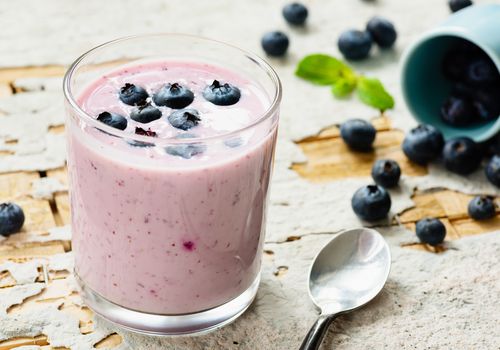
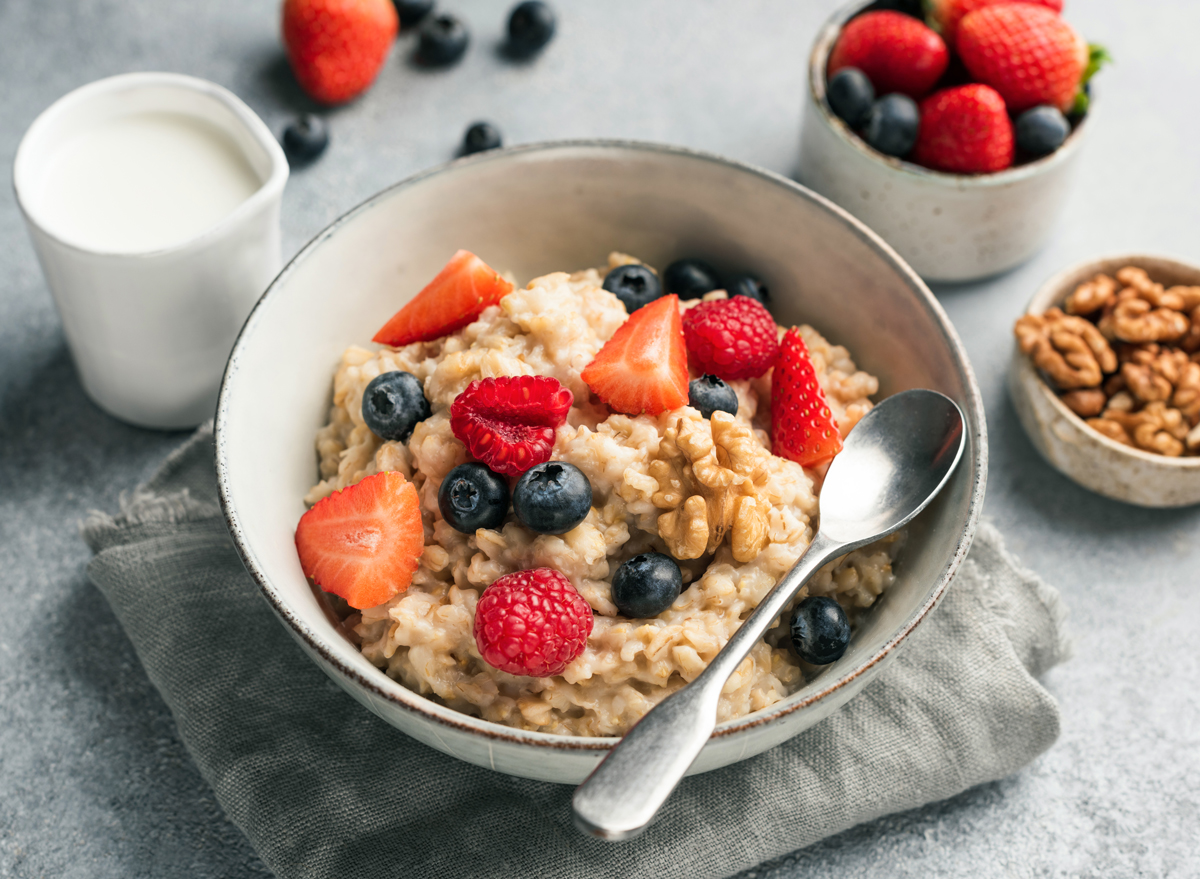
My favorite anti-inflammatory food is BLUEBERRIES
I prescribe one cup of frozen blueberries daily to all my patients with inflammation, heart disease, or diabetes. Most people are happy to add such a delicious food in to their diet, but occasionally I will have a patient balk at the cost of eating so many blueberries each month.If you are already taking medications or other supplements, you are clearly paying quite a bit for your health already so adding a superfood in like blueberries is well worth the $30 a month. You could buy a bottle of some herbal product for that same price, or you could just enjoy eating blueberries.
- Blueberries are highly anti-inflammatory and their proanthocyanin behavior is fundamentally protective to our cardiovascular system.
- In my opinion there is not a more delicious, advantageous way to improve your health than by eating a cup of frozen blueberries a day.
- I like to enjoy them as an evening snack, and let them sit out and thaw about 20 minutes before eating.
- You can also add them to smoothies or your morning cereal.
- Cooking them does not destroy their important pigments, and the freezing process actually makes these proanthocyanins more bioavailable for absorption. A rare exception to the rule that fresh is best!
Green leafy vegetables should also become your new best friend as they are an important anti-inflammatory and anti-oxidant food.
Greens are chock full of magnesium a nutrient that most of us are typically deficient in anyways, eating as many servings of green vegetables daily as possible will serve you well. A diet of brown rice, vegetables, lean meats, non-citrus fruits, water and green tea is the ultimate goal to work towards.And honestly, it is the basis of nearly every “therapeutic diet” that we prescribe for just about every disease out there. No wonder treating inflammation is so fundamentally important!
If you add in some turmeric (found in curry spice), ginger, and green tea you should do really well with reducing your total inflammatory load.
Turmeric is a natural COX2 inhibitor and is a better anti-oxidant than vitamin E. Ginger is highly anti-inflammatory as it inhibits phosopholipase which then has the dual effect of inhibiting both COX and lipoxygenase .The catechins in green tea are shown to be anti-oxidant and inflammatory modulating. These can be enjoyed as foods or taken in supplements. Again if you are on any medications please check with your physician before using any herbs or making any changes to your health care routine.
Last but certainly not least is my plug on addressing your emotional state.
Toxic emotions such as anger, depression, and excessive worry or anxiety can lead the body out of balance. A new exciting research field on the forefront is “Psychoneuroimmunology” this is the study of how our emotional state affects our nervous system and how that in turn affects our immune system.The immune system is largely responsible for most inflammation.Having a positive mind set and letting go of past issues is as important as diet in experiencing optimal wellness!
So that is my simple anti-inflammatory formula for success.
Follow the recommendations in order systematically making one change at a time, or start with the changes that will be the most simple for you to build up your confidence and energy to deal with some of the tougher ones. If you are doing all of that and still noticing symptoms after some marked improvement you should continue to work with your Naturopathic Physician or other healthcare provider to determine what other dietary modifications or alternative medicines will benefit you.
Please do drop me a comment if you have any questions!
~Dr. Nicole Sundene
Naturopathic Physician
www.KitchenTableMedicine.com
REFERENCES
“Biochemistry” Fifth Edition by Berg, Tymockzko, and Stryer. “Herbal Medicine: From the Heart of the Earth” by Sharol Tilgner, N.D. “Medical Herbalism” by David HoffmanEastwood MA. Interaction of dietary antioxidants in vivo: how fruit and vegetables prevent disease. QJM 1000;92(9):527-530 Hidaka H, Ishiko T, Furuhashi T, et al. Curcumin inhibits interleukin 8 production and enhances interleukin 8 receptor expression on the cell surface: impact on human pancreatic carcinoma cell growth by autocrine regulation. Cancer. 2002;95(6):1206-1214John JH, Ziebland S, Yudkin P, et al. Effects of fruit and vegetable consumption on plasma antioxidant concentrations and blood pressure: a randomized controlled trial. Lancet. 2002;359(9322):1969-1974. Kremer JM. N-3 fatty acid supplements in rheumatoid arthritis. AM J Clin Nutr. 2000;71:348-351.McDougall J, Bruce B, Spiller G, et al. Effects of a very low-fat, vegan diet in subjects with rheumatoid arthritis. J Altern Complement Med. 2002;8(1):71-75Seaman DR. The diet induced proinflammatory state: a cause of chronic pain and other degenerative diseases? J Manipulative Physiol Ther. 2002;25(3):168-179.Stark AH, Madar Z. Olive Oil as a functional food: epidemiology and nutritional approaches. Nutr Rev. 2002;60(6): 170-176. Kawachi I, Sparrow D, Spiro A III, et al. A prospective study of anger and coronary heart disease. The Normative Aging Study. Circulation 1996;94(9):2090-2095Kawachi I, Sparrow D, Vokonas PS, et al. Symptoms of anxiety and risk of coronary heart disease. The normative aging study. Circulation 1994;90:2225-2229. Kiecolt-Glaser JK, McGuire L, Robles TF, Glaser R. Emotions, morbidity, and mortality: new perspectives from psychoneruoimmunology. Annu Rev Pschol. 2002;53:83-107
A user friendly book I recommend on this topic is “The Inflammation Cure” by William Joel Meggs, M.D., Ph.D. if you would like to read more on the biochemistry of what I have discussed here.
How are you Dealing with Life’s Trash?
February 27, 2008 by Kitchen Table Medicine
Filed under American Sickcare System, Depression, Detox, Discipline, Motivation
A while back in med school I was totally broke and stuck at the grocery store deliberating over buying the small box of kitchen trash bags or the large box.
There was a significant savings in money from buying the larger box. Unfortunately, I was so poor at the time that the three bucks made a huge difference in my mind. After a long process, I thought about it and realized that the “trash in my life” was not going anywhere anytime soon.
I grabbed the large box of kitchen bags because buying the small box of garbage bags in my mind was not accepting the fact, nor making a serious commitment to removing the “trash” in my life.
Regardless if the trash in your life is compulsive behaviors, addictions, depression, anxiety, bad relationships, financial problems or what not, the first step to resolving the issue is to make a commitment to doing something about it every single day over a very long period of time. “Inch by inch is a cinch. Yard by yard is hard” they say… Read more
©KitchenTableMedicine.com, LLC ™Ten Ways to better Cope with Depression
February 27, 2008 by Kitchen Table Medicine
Filed under Depression
The challenges of depression can be extremely isolating and overwhelming, please keep in mind that some of the advice here is for PREVENTING depression, and some is for TREATING depression. Implement that which works for you, and don’t worry about anything else.
1. Have an emergency plan in place for when severe depression strikes, and be sure that you can easily activate your support group if necessary. A support group should include your physician, crisis/suicide hotline numbers, and friends and family that are familiar with your condition.
2. Eliminate Alcohol. As often as possible eliminate or drastically reduce the use of alcohol and other simple sugars such as what is found in refined and processed foods. Alcohol is a depressant, and although it may temporarily “help” someone with depressed mood, the long term consequences of overuse are dangerous and it thus should be avoided whenever possible.
3. Get outside!!!Sunlight increases our bodies stores of Serotonin the neurotransmitter known to make us happy.On a blue sky sunny day we need 15 minutes of exposure outside in order to achieve the estimated 10,000 lux of light equivalent most people need in order to feel happy.On an overcast day one must spend an entire hour outside in order to achieve the same light exposure. If you live in a low light area and experience worsening depression in the winter months you may want to consider purchasing a light box. Light boxes should be used in the morning and never after 4pm. Read more
©KitchenTableMedicine.com, LLC ™Pomegranate Juice and Heart Disease
February 27, 2008 by Kitchen Table Medicine
Filed under Antioxidants, Cholesterol, Heart Disease, Superfoods
So, I had basically banned juice in our house for years either because of its high-fructose corn syrup content or because it is always a better idea to just drink water and eat a piece of fruit.
However, this has changed recently in regard to one particular fruit: the pomegranate. The pomegranate, when transformed into juice, does some amazing things for the body, and in particular, the cardiovascular system.
First and foremost it has been shown to lower blood pressure, and inhibit the formation of plaque along artery walls (aka atherosclerosis). Not only has it been shown to inhibit new plaque formation, but it also can reverse the atherosclerosis that has already occurred!
This last result is pretty amazing. The study was done in Israel and involved ten patients taking 50 mL of pomegranate juice every day for a year, after which a doppler ultrasound of the carotid artery showed up to a 30% decrease in the thickness of the artery. Patients who did not take the pomegranate juice showed a 9% increase in the thickness of their carotid arteries. Read more
©KitchenTableMedicine.com, LLC ™How Coffee Causes Fatigue
February 27, 2008 by Kitchen Table Medicine
Filed under American Sickcare System, Caffeine, Coffee, Fatigue
Do you Really Need that Afternoon Cup of Coffee?
I will not dispute the fact that many people (me included) simply do better with a nice cozy cup of coffee or tea to start their day. But what I do wonder, is if people really need that afternoon stimulant pick-me-up.
They say in order to ensure a good night’s sleep that one should not consume caffeinated beverages after 2pm. Caffeine in our system leaves us jittery and irritable and unable to engage in sound sleep for the most part. The lack of great sleep one night leads to a groggy morning the following day, which then sets the stage for another drowsy afternoon fueled by caffeine…and the caffeine-sleep pattern perpetuates.
So, you may be intrigued enough at this point to consider giving up your afternoon stimulants, yet may be left wondering “what can I do to treat a bad case of the afternoon slumps”.
When I worked at Virginia Mason we would refer to 4pm as “Slump time”. The nurses would feed me peanut M & M’s which they referred to as “Prozac” to treat my “slumpies”. After making it through Naturopathic Medical School I have learned a few helpful tips better than peanut M & M’s for treating the afternoon slumpies:
First of all PREVENTION is the best medicine, so be sure to eat protein and vegetables for lunch. A high carbohydrate lunch will simply make the slumpies a million times worse. Before reaching for an afternoon cup of caffeine, consider trying the following first: Read more
©KitchenTableMedicine.com, LLC ™Should the Coffee you Drink be Organic?
February 27, 2008 by Kitchen Table Medicine
Filed under Caffeine, Coffee, Organic
If you simply think about where most coffee is grown, the argument in your mind against buying organic coffee should dissipate as quickly as a fresh shot of espresso in steamed milk.
Most coffee is grown in third world country environments.
Coffee is also notably one of the most pesticide ridden foods. Although organic coffee might be a tad bit more expensive, I opt to spend my organic dollars on it as it only makes sense to me that one of my main vices be as clean as possible.
Although it would be best for the environment if we all always bought everything organic, I understand that this is not always feasible.
The “Dirty Dozen” are the top 12 most pesticide ridden foods that you should be buying organic. Read more
©KitchenTableMedicine.com, LLC ™Evolution and Weight Loss
February 27, 2008 by Kitchen Table Medicine
Filed under Diet Tips, Discipline
Have you ever wondered why when you have a craving it is for such yummies as chocolate, cheese, or chips?
We as human beings have evolved to want to eat the sweetest and fattest things that we can because it gives us more “bang for our buck”. Or, more calories to store in our hips, thighs and belly for the long winter nights.
Everyone who is alive today has made an incredible evolutionary journey through times of very little food. We have a built-in need to want to store fat for the times of lean. What happens now, particularly in the United States, is there are no times of lean. We can get food at all hours of the day and mostly we do.
So understanding that part of what is driving us is a biological imperative may help you be kinder to yourself when you find yourself with an empty bag of chips in your hand at midnight. This does not mean, of course, that you should throw up your hands and decide that you have no control whatsoever and should then eat pizza (which is one of my favorite foods) and dessert any chance you can.
You do have control over your immediate environment. For instance, if it is not in the house, then late at night when you get the “bingies” (this is my weakest time, I don’t know about you) you won’t find anything to binge on. When you are first trying to lose weight, your body’s evolutionary “memory” will make it very hard to resist these foods so it is better not to be surrounded by them.
©KitchenTableMedicine.com, LLC ™Astragalus for Immune Support
February 27, 2008 by Kitchen Table Medicine
Filed under Herbal Medicine, Immune Support, Influenza
I love the herb Atragalus membranceus because it is a wonderful immune system “shield” for the winter months.
Avoiding sick people at home, the work place, and social functions is nearly impossible during the winter months so protecting yourself with proper hand washing, and ensuring that your immune system is properly “winterized” is an easy enough thing to do.
Although these sick individuals should do us all a favor and stay home, they still for whatever reason valiantly roll in to the work place, exposing us all to the latest cough, cold or flu.
Be sure to use the root of this plant.
You can take this in capsule or tincture form, or a simple tea can be made by simmering 1 heaping tablespoon or ½ stick of the dry root per 8 oz cup of water for about 15 minutes. Astragalus tea can be added to soups, or cooked in to brown rice for an edible immune system treat. Read more
©KitchenTableMedicine.com, LLC ™Why your Work should Pay you to be Healthy
February 27, 2008 by Kitchen Table Medicine
Filed under Motivation, Stress, Vitamins, Work Health
A simple tip I recommend to many of my patients that struggle with remembering to take their various supplements, is to simply let their work pay them to take their vitamins!
A smart employer knows that a healthy and happy employee is ultimately more productive and contributory to the work environment.
Most employers will be happy to see you spending your work breaks stretching, running up and down stairs, flossing your teeth, meditating, eating healthy snacks, drinking water, and taking vitamins.
You can simply keep your supplements at your desk, which should ensure compliance with your health regimen at least five out of the seven days each week! Read more
©KitchenTableMedicine.com, LLC ™Butterfish: Better than Salmon?
February 27, 2008 by Kitchen Table Medicine
Filed under Heart Disease, Omega-3 Oils, Superfoods
You have probably been buying and eating salmon for years, knowing that its omega-3 fat content is nice and high to help protect you against heart disease. However, have you heard about wild Alaskan black cod (also known as sable, butterfish or bluefish)?
By my book, anything that is known as butterfish has to be good.
This fish can contain as much as 50% more omega-3 fats than salmon and has a very mild flavor (as opposed to salmon which can be too fishy for some tastes).
For anyone who is concerned about fish populations (and that should be everyone who likes to eat fish!) this is an abundant and sustainable fish because it has been well managed. Read more
©KitchenTableMedicine.com, LLC ™What is Influenza?
February 27, 2008 by Kitchen Table Medicine
Filed under Colds/Flus, Influenza, Stomach Flu
It seems many people commonly confuse “the flu” with influenza. I think most people commonly refer to a stomach flu (also known as viral gastroenteritis) as the flu. Viral gastroenteritis caused by rotavirsus, or adenovirus is what makes us vomit and sit on the toilet with relentless diarrhea. These “stomach flu’s” although miserable are typically self limiting and resolve after 24 to 72 hours.
What doctors call “The Flu” is the actual notorious influenza virus that can be lethal to elderly and immunocompromised folks is a nasty two week long affair that involves a high fever usually over 102 F, chills, body aches, sore throat, cough, and may also include diarrhea and vomiting but less commonly. If you have these miserable symptoms it is extremely important that you stay home and take care of yourself so that you are not infecting those with weak immune systems that can have severe complications from this illness. Read more
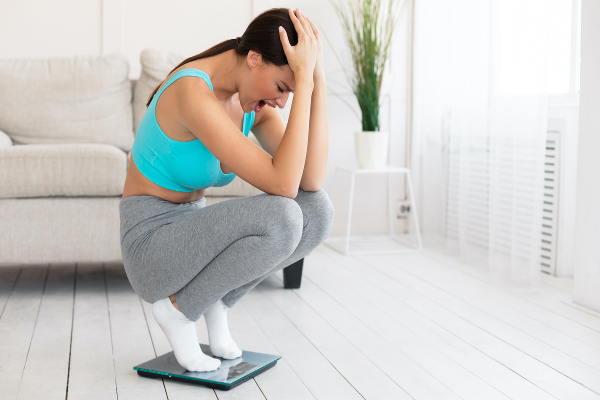
©KitchenTableMedicine.com, LLC ™SCALE OBSESSION Weighing too Often is Unhealthy
February 27, 2008 by Kitchen Table Medicine
Filed under Weight Loss
Some people just can’t stay away from the scale. Others are convinced there is a magnetic force that draws them to the wicked device. No matter how hard they try to avoid it, all the sudden they are standing on the evil machine staring down at the display waiting for the verdict. For some it is an addiction and for others just a curiosity. The problem lies when the results begin to dictate our mood, our diet, and our self-esteem.
Sometimes I think the person who invented the scale should be shot. It’s amazing how those little numbers representing your weight can absolutely ruin your day. Even on the good days, the days you feel skinny and great – you can get on the stupid machine and get crushed like a school girl getting her heart broken by her first love. The ironic part about it all is we jump right back on the very next day.
What is our obsession with the scale? For some it’s a measurement of success. A much needed pat on the back when we have been busting our tail in the gym. In a sick way it gives others the confirmation they want to hear saying “see, you ARE fat!” The scale gives some compliments and others judgment, but in the end it is just a scale that measures your body weight – that’s all.
Scales don’t tell you how much fat you are losing. A normal scale doesn’t reflect your muscle or water weight either. Our weight can fluctuate daily. Let’s be honest. Just like you can eat and drink a pound or two, you can expel a pound or two also. Certain times of the month women weigh heavier due to bloating and water retention. The bottom line is there must be guidelines when it comes to weighing yourself. Otherwise, you’ll drive yourself nuts with all the normal daily fluctuations!
First, you should pick a regular weigh-in day and stick to it. If you can’t fight the temptation to jump on the scale between weigh-ins I suggest you either put your scale up or give it away. It may be healthier to use the scale at your gym or grocery store.
Next, you should weigh yourself on the same device each time. Your weight can fluctuate depending on the scale so you should always use the same scale to get the most accurate reading. Lastly, the longer you go between weigh-ins the greater the chance for a big number. For instance, my mom didn’t weigh herself for weeks after starting her weight loss program. She wanted the first number she saw to reflect a big weight loss. Her clothes were letting her know she was on the right track and the scale just confirmed her success.
Remember, a healthy weight loss is only one to two pounds a week. Be realistic, stick to your plan and be prepared to make appropriate lifestyle changes in order to get the results you want.
Author: Bonnie Pfiester, personal trainer
www.longevityclubs.com
How to Prevent Bladder Infections
February 27, 2008 by Kitchen Table Medicine
Filed under Bladder Infections
Most people who suffer from recurrent bladder infections are already diligent about wiping front to back, drinking plenty of water, and peeing after sexual intercourse. Although you might need antibiotics when a full blown infection starts, prevention as with just about anything is key. Many herbs for bladder infections are known to be helpful, but I prefer to use foods as medicines whenever possible.
Most people know that cranberry juice is good for bladder infections. E. coli, the bacteria that causes most bladder infections is unable to adhere to the lining of the bladder thanks to cranberry. What most people don’t know is that there is not a therapeutic cranberry juice out there that really tastes that good! If you are drinking a “delicious” glass of cranberry juice every day then you are probably not doing much to prevent a bladder infection.
When shopping for cranberry juice, be sure to read the label and purchase only 100% pure cranberry juice. A juice loaded with grape juice, apple juice or heaven forbid high fructose corn syrup is simply not going to be effective. Because blueberry juice is also beneficial to the bladder you can make cranberry juice more palatable by drinking a blend of equal parts. You can also experiment with different herbal teas and make an herbal ice tea with juice.
Although these pure berry juices are a bit more expensive than their artificial counterparts they are worth their weight in gold not just for their preventative properties but also because of their anti-oxidant value. Berries are a great part of an anti-aging program. So when you are drinking your daily juice to prevent bladder infections you are also doing a great service to your cardiovascular system and general health!
“An ounce of prevention is worth a pound of cure” ~ Chinese Proverb
Author: Dr. Nicole Sundene, Naturopathic Physician
©KitchenTableMedicine.com, LLC ™Blueberries and Antioxidants
February 27, 2008 by Kitchen Table Medicine
Filed under Antioxidants

So by now everyone knows that blueberries are good for you. In fact, not only are they good for you, they have been found to be the fruit highest in antioxidant activity in a recent research study done at Cornell University.
Why is antioxidant activity important to you?
Well, one of the main ways in which our cells are destroyed or damaged is through the activity of free radicals, which the antioxidant power of blueberries can halt. Also, blueberries have been found to be as effective in preventing urinary tract infections as cranberries. Fresh or frozen wild blueberries are your best bet and at 1 cup a day, an easy and tasty way to work towards your 5-9 daily servings of fruits and vegetables!
Wolfe KL, Liu RH. Cellular Antioxidant Activity (CAA) Assay for Assessing Antioxidants, Foods, and Dietary Supplements.J Agric Food Chem. 2007 Oct 31;55(22):8896-907.
Schmidt BM, Howell AB, McEniry B, Knight CT, Seigler D, Erdman JW Jr, Lila MA. Effective separation of potent antiproliferation and antiadhesion components from wild blueberry (Vaccinium angustifolium Ait.) fruits. J Agric Food Chem. 2004 Oct 20;52(21):6433-42.
Author: Dr. Emily Gonzalez, Naturopathic Physician
©KitchenTableMedicine.com, LLC ™How to Naturally Lower Cholesterol
February 27, 2008 by Kitchen Table Medicine
Filed under Cholesterol, Fiber
So you may have just received the bad news from your doctor that your “cholesterol is high” and that “you need to start a diet to lower your cholesterol”
Ugh!!! What to do?
This diet most likely excludes many of your favorite foods….meat and fried foods to say the least!!
Before we get started, let’s talk about why we even care about this thing called cholesterol…
High cholesterol levels over time deposit in the linings of your arteries and cause a condition known as “atherosclerosis” or hardening of the arteries. Hard arteries cause high blood pressure. Remember when you were a child and you would stick your thumb over the hose and watch how much further you can make the water shoot? Well this same principal is what causes your blood pressure to elevate from clogged arteries. The plaques that form can also be of concern as they can break off and close down blood supply to the heart or the brain and cause a “heart attack” or “stroke” respectively.
So, in the long term we are primarily concerned about this “high cholesterol” turning in to high blood pressure, heart attacks, stroke, erectile dysfunction, and other not so fun things.
Cholesterol levels become high as a result of increased dietary intake, or increased production in the liver. What your doctor is mostly concerned about is what is referred to as the “bad cholesterol” or “LDL cholesterol”. Contrary to popular belief, LDL is not actually a cholesterol, it is a protein that transports cholesterol molecules to be deposited in the arteries.
Yikes!!! No wonder this LDL thing is so bad!!!
So we want to decrease this LDL cholesterol while increasing the “good cholesterol” also known as the “HDL cholesterol”. HDL sucks up cholesterol from the arteries and brings it back to the liver for recycling. Hooray!! The more of this HDL cholesterol the better, right?
Aside from medications or natural supplements that should be instigated and monitored by your doctor there are several things that can be done on your own to improve this LDL/HDL ratio.
First of all we want as many molecules of HDL cholesterol out there sucking up cholesterol from the arteries as possible. Guess what the best way to do that is?
Exercise is the best known way to increase your HDL levels.
Please check with your doctor and insure that you are healthy enough to start a new exercise routine.
Aside from exercise we obviously need to follow a low cholesterol diet to reduce the amount of intake from foods.
A great way to reduce the amount of cholesterol that is already circulating through our system is through a high fiber diet.
Fiber sucks up cholesterol like a sponge. When we eat, the liver secretes cholesterol rich bile in to the intestine to help break down our food, this bile will get re-absorbed back to the liver through a process known as “Entero-hepatic circulation”.
One way to circumvent this process is to eat tons of fiber to bind the bile and thus cholesterol and other toxins so that they can be eliminated properly from the body and not re-absorbed.
Fiber is fabulous because it will not only lower your cholesterol levels but it is the best thing you can do to detox your system.
Be sure to drink plenty of water when increasing your fiber levels.
Be sure to also increase your fiber levels gradually.
The final key component that I will discuss to get you started on your cholesterol lowering program is the use of antioxidants.
Vitamins and nutrients found in fresh fruits and vegetables such as vitamin C are very important anti-oxidants for the reduction of cardiovascular disease that develops from high cholesterol levels. The free radicals in fried foods for instance help create the “Glue” for holding these plaques of cholesterol down. An anti-oxidant such as vitamin C destroys the shark like free radical molecules wreaking havoc in your bloodstream.
By reducing the amount of cholesterol that is allowed to be glued down to your arteries you are reducing the long term consequences of cardiovascular disease and other complications that typically result from high cholesterol.
A high fiber low cholesterol diet rich in anti-oxidants as well as exercise are the key to any cholesterol lowering program, if you are overwhelmed by making these changes all at once, simply pick one thing to work on at a time. Working hard on these foundations to a cholesterol lowering program should prevent having to increase your medication levels whether prescription or alternative in the future.
“Inch by inch is a cinch. Yard by yard is hard.”
Author: Dr. Nicole Sundene, Naturopathic Physician
©KitchenTableMedicine.com, LLC ™Smile to prevent Heart Disease!
February 27, 2008 by Kitchen Table Medicine
Filed under Heart Disease, High Blood Pressure
As I look outside today, it is a typical winter day in Seattle: cold, damp, and overcast with a light drizzle. The last thing I feel like doing on a day like today is smiling. However, it may be just the thing that helps me feel better in the here and now, and helps my heart in the long-run.
The act of smiling is known to release endorphins, hormones which make you feel, well, fabulous. Things that have made me smile include The Simpsons circa mid-1990s, Me Talk Pretty One Day by David Sedaris (especially read aloud), 30 Rock (love Alec Baldwin), and any stand-up by Amy Schumer.
Think of something that makes you smile, and keep reading!
Now that those endorphins are working for you, you will be pleased to read that in 2001 researchers from Johns Hopkins found that a positive attitude is the best prevention for heart disease. Good attitudes were shown to cut in half the risk of a heart attack, regardless of age, race, and gender of those with more pessimistic attitudes.
So smile today and your heart will love you for years to come!
Author: Dr. Emily Gonzalez, Naturopathic Physician
©KitchenTableMedicine.com, LLC ™Allergens in the Bedroom
February 27, 2008 by Kitchen Table Medicine
Filed under Allergies
Allergies causing snoring and sleep apnea commonly interfere with a good night’s sleep. Allergens in the bedroom from pet dander, goose down pillows, dust mites, mold and mildew are the most likely culprits.
If you suffer from allergies you can reduce the total load of exposure by purchasing hypoallergenic pillows, bedding, and mattress covers. Pillows and comforters can also be placed in the dryer for at least 45 minutes once weekly to reduce the growth of dust mites and mold. An air purifier in the bedroom is a worthwhile investment for those suffering with allergies. Since we spend a third of our day in bed creating a clean, healthy, and restful bedroom is of fundamental importance!
Author: Dr. Nicole Sundene, Naturopathic Physician
©KitchenTableMedicine.com, LLC ™Where is the Best Place to Store Medicines?
February 27, 2008 by Kitchen Table Medicine
Filed under Kitchen Sink
Did you know that the worst place to store your medicine, both prescription and otherwise, is the medicine cabinet? This is because the bathroom is both warm and humid, wonderful when you are congested or have a cough, but terrible for the shelf life of your medicine.
This is especially true for tablets and capsules, which can quickly lose their potency before their expiration date. Also make sure to remove the cotton ball that comes in the top of some containers as this can attract moisture and bacteria. A cool and dark place away from the bathroom, like a linen cabinet or a dark Tupperware container stored out of children’s reach (of course) is a better option for storage.
Author: Dr. Emily Gonzalez, Naturopathic Physician
©KitchenTableMedicine.com, LLC ™Knitting to Reduce Stress
February 27, 2008 by Kitchen Table Medicine
Filed under Stress
How can you create a beautiful and fashionable accessory while at the same time lowering your stress level? With knitting, of course.
Research carried out by the Benson-Henry Institute for Mind Body Medicine has found that knitting (and crocheting) have been shown to decrease heart rate and induce a relaxation response, much like the meditation response. The repetitive motion and the setting aside of thoughts as the motion is repeated is the key to the relaxation response.
Anyone who has knit for any period of time will tell you that they feel quite relaxed while doing so (unless of course they are laboriously “tink”ing or undoing their knitting). So get out your needles and yarn and prepare to feel relaxed and cozy with your new scarf!
Author: Dr. Emily Gonzalez, Naturopathic Physician
©KitchenTableMedicine.com, LLC ™Weight Loss Goals by Bonnie Pfiester
February 25, 2008 by Kitchen Table Medicine
Filed under Diet Tips, Discipline, Weight Loss
Many of us may even have the same annoying resolutions we neglect to keep each year. It’s not that we don’t want to keep them, but I think we forget that resolutions are not just words, desires or a phase. A resolution is supposed to be a pledge, an oath, a promise – and it requires change.
Think of it like a marriage. Marriage is the ultimate commitment where we make very important promises, which also requires change. “In sickness and in health, for richer or poorer, ‘til death do us part.” There is a reason for these promises. God knows we will not always want or feel like loving the other. We pledge our commitment to love the other no matter what. These vows are the beginning of a whole new way of life which requires a daily decision to stick with it.
Of course, weight loss and health will always be at the top of the list of resolutions made. It’s not going to be enough to want to be skinny. It’s not going to even be enough to write it down or join a gym. You must commit to making a lifestyle change and stick with it.
Once a person is married, it is not healthy to continue doing some of the things they once did when they were single. In the same way, there are things that must change when deciding to live a healthy lifestyle. You can’t just do whatever you want without repercussions. The whole “have your cake and eat it too” rarely works in marriages or diets. In order to be healthy, you have to live healthy – day in and day out, whether you feel like it or not.
For this to work, you and your new lifestyle must be a priority. I don’t know many things that trump your health. Family is important and so are your friends, but you can’t be a good spouse, parent, boss, employee or friend if you don’t have your health. Unfortunately, unlike a marriage, you can’t divorce yourself either. You are stuck with you for the rest of your life so you are fooling yourself if you think it’s not a priority.
Truth is, this time you can’t afford for it not to be.
Author: Bonnie Pfiester, personal trainer
©KitchenTableMedicine.com, LLC ™