Nutrition Care During Menopause
January 16, 2008 by Kitchen Table Medicine
Filed under Menopause
Nutrition is a very important component in treating symptoms of menopause. A diet rich in whole grains, fruits, vegetables, beans (especially soy), nuts and healthy oils, and limited in animal fat and refined sugar can be extremely beneficial.
Poor nutrition is implicated as a contributing factor in 5 of the 10 leading causes of death in women, including heart disease, cancer, stroke, diabetes, and diseases of the liver and kidneys. It’s also a key factor in osteoporosis (thinning of the bones), putting women at risk for fractures. Together with nutrition, physical activity is also essential for preventing these diseases.
Women of all ages can strive to get the nutrients they need by eating a healthy diet with servings from all food groups. For those women who are unable to meet their nutritional needs on a daily basis, supplements can help. Older women have increased needs for calcium, vitamin D and vitamin B-12. Taking a supplement together with good food choices ensures women that they are meeting the current dietary recommendations.
Calcium
After 50, women need more calcium to maintain bone strength (1,200 and 1,500 milligrams a day). This is the same amount girls and young women need to build bones. In dietary form, older women can fulfill their increased demands for calcium by drinking extra milk (an 8-ounce glass contains 300 milligrams of calcium). They can also get 300 milligrams of calcium by eating an 8-ounce cup of yogurt or 1 to 2 ounces of cheese. Some brands of orange juice are fortified with calcium, in the same amount per serving as milk, yogurt or cheese.
Vitamin D
Exposure to sunlight triggers vitamin D formation in the skin, but older women don’t convert sunlight into essential vitamin D as efficiently as they did when they were younger. Women 50 to 70 years old should consume 400 international units (IU) of vitamin D daily. Women over 70 need even more; the recommended amount is 600 IU daily. Most multivitamins provide 100% of the recommended amount of vitamin D. A glass of milk provides 100 IU of vitamin D, but vitamin D is not available in yogurt or cheese.
Vitamin B-12
It is recommended that older women get 2.4 micrograms of vitamin B-12 daily. This vitamin is present in all animal products, such as meats, poultry, fish, eggs, and milk. It is also less efficiently utilized by our bodies as we age. Most multivitamins provide at least 2 micrograms of vitamin B-12.
Soy Products
Many of today’s “foods for women” contain soy, which is being studied for its ability to help prevent heart disease. Soy also has a weak estrogenic effect. Phytoestrogens – chemicals found in plants such as soy – can mimic the human hormone estrogen. It’s unknown at this point whether the similarities between the estrogen-like substances present in soy have the potential to stimulate estrogen-dependent human breast-cancer cells.
Until more is known, women who have had estrogen-influenced breast cancer should use soy in moderation. As for soy’s ability to reduce hot flashes after menopause — a lot of studies are being done, but the results are inconclusive.
“Women’s” Foods and Vitamins
Compare food labels. Remember that whole grains, fruits, vegetables, legumes and dairy products provide the most health benefits. Make sure to carefully evaluate vitamin labels too. Many supplements are tailored to meet the needs of adults in the middle age range, and might not be appropriate for older adults. For instance, older women should avoid vitamins with iron unless a physician recommends extra iron. Speak with your nutritionist or primary care physician about which supplements may be appropriate.
Use Herbals Cautiously
There are many herbal remedies for women’s health, there are no general recommendations. Some women try black cohosh for relief of hot flashes, but this herb should not be taken for longer than six months. Also, some women take valerian to thwart insomnia.
Some herbs can interfere with or intensify the action of blood thinners and other drugs, so you should always ask a health practitioner before taking any herbal products.
Eating a variety of foods, supplemented by a multivitamin, is the best way to get the nutrients needed during the stages of menopause.
 Dr. Nicole Sundene, NMD is a licensed Naturopathic Medical Doctor at Fountain Hills Naturopathic Medicine 16719 E Palisades Blvd, Suite 205, Fountain Hills, AZ 85268.
She believes we should utilize natural medicines to treat the root cause of disease rather than just treating symptoms, as symptoms are a message of imbalance sent from the body and will persist until they are properly addressed.
For appointments please visit http://FHnaturopathic.com for more information about Naturopathic Medicine services.
©KitchenTableMedicine.com, LLC ™
Introduction to Solid Foods
January 16, 2008 by Kitchen Table Medicine
Filed under Pediatrics
 The American Academy of Pediatrics recommends breast milk as the only source of nutrition for the first six months of an infant’s life. Breast milk contains antibodies that support immune function as well as optimal nutrient ratios, including iron that change as the child grows. Of course, the mother should be sure to continue eating a nutritionally adequate diet. Solid food introduction can begin around six to eight months of age. Signs that suggest that an infant may be ready for solid foods include cutting teeth, more frequent feedings while still seeming to be hungry, able to sit up, swallowing food instead of pushing it out with the tongue, pushing food away and showing great interest in foods that the family is eating.
Some research suggests that foods given too early can result in food allergies or intolerances. Prior to six months of age the baby’s digestive tract is not mature enough to fully digest most foods. Foods should be introduced one at a time allowing a full week before a new food is added. In the week following the introduction it is important to look for signs of food reaction, such as:
- Rash around the mouth or anus Diarrhea or mucous in stools
- Watery eyes Constipation
- Hyperactivity or lethargy Skin reactions (rash, itching, redness)
- Runny or stuffy nose Allergic shiners (dark circles under eyes)
- Ear infections Persistent cough/wheezing
- Change in personality/academics
- Sneezing
An allergic or intolerant reaction to food does not necessarily mean that your child will remain allergic or intolerant of that food. If any reactions occur in association to the introduction of a particular food, discontinue that food and reintroduce it again in 6 months.
GENERAL RECOMMENDATIONS
The mother should always nurse the infant first before offering a solid food. Offer whole foods in as close to natural state as possible (i.e. fresh fruits, vegetables and grains and mashing or grating them to avoid choking and to make them more easily digestible). You may offer food from your own diet as long as it is a single food, not combined with other ingredients, in order to isolate allergic reactions. Offer sippy-cups with water around 6 months just to introduce the idea and to encourage intake of fluids. One or two meals daily is sufficient for 6-7 month old infants. At about 9 months you may let your baby attempt to feed him/herself as part of their exploration. Avoid offering fruit juice or high carbohydrate drinks like rice milk as they are low in nutritional value and high in sugar.
This is a general guideline and individual nutritional advice should be sought from your physician.
Resources
• Bove ND, Mary. An Encyclopedia of Natural Healing for Children and Infants. Keats Publishing, CT. 1996.
• Dyson ND, Linda. Pediatric Topics.2001.
• Linton ND, Molly. Clinic Notes and Patient Handout. 1997.
• Mohrbacher, N. and Stock, J. The Breastfeeding Answer Book (revised). La Leche League International. Schaumburg, IL. 1997.
• Pressl, M. and Wall, G. Lactation Consultant Training Manual. Evergreen Hospital. 2000.
• Piscane, A. et al. “Iron Status in Breast-Fed Infants”. J Ped. 1995 Sep; 127 (3): 429-31.
• Walker, M. “A Fresh Look at the Risks of Artificial Infant Feeding”. Journal of Human Lactation. 1996. P. 9, 2, 97-107.
Revised 6/28/01 clinic/handouts/Introduction of Solid Foods
Dr. Nicole Sundene, NMD is a licensed Naturopathic Medical Doctor at Fountain Hills Naturopathic Medicine 16719 E Palisades Blvd, Suite 205, Fountain Hills, AZ 85268.She believes we should utilize natural medicines to treat the root cause of disease rather than just treating symptoms, as symptoms are a message of imbalance sent from the body and will persist until they are properly addressed.
For appointments please visit http://FHnaturopathic.com for more information about Naturopathic Medicine services.
©KitchenTableMedicine.com, LLC ™
Foods and Beverages that Trigger Rosacea Flare-ups
January 16, 2008 by Kitchen Table Medicine
Filed under Rosacea
Common Foods
Liver
Yogurt
Sour Cream
Cheese (except cottage cheese)
Chocolate
Vanilla
Soy Sauce
Yeast extracts (bread is OK)
Vinegar
Eggplant
Avocado
Spinach
Broad-leaf beans and pods
Citrus fruits (including tomatoes, bananas, red plums, raisins, figs)
Spicy and thermally hot foods
Foods high in histamine (see below)
Beverages
Alcohol, especially red wine, beer, bourbon, gin, vodka, champagne
Hot drinks, including hot cider, hot chocolate, coffee, and tea
Foods High in Histamine
Fermented foods (salami, pepperoni, sauerkraut, fermented fish, tempeh)
Artificial food coloring, especially tartrazine (yellow 5)
Benzoates including food sources of benzoates, benzoic acid, and sodium benzoate
BHA and BHT
All prepared dairy products made with restricted ingredients
All cheese
All yogurt
Butter milk
Products made with:
Anise
Artificial colors and flavors
Bleached flour
Anise
Chocolate/Cocoa
Cinnamon
Cloves
Curry powder
Hot paprika (cayenne)
Nutmeg
Seasoning packets with restricted ingredients
Margarine
Preservatives
Restricted fruit
Some jams, jellies
Any food made with or cooked in oils with hydorlyzed lecithin, BHA, BHT
Grain products
Commercial pie, pastry, and fillings
Baking mixes
Dry dessert mixes
All breakfast cereals except those make with plain grains
Most crackers except Grissol Melba Toast, RyVita, Rye Krisp, Wasa Light or Golden Crackers
All packaged rice and pasta meals except with natural/allowed ingredients
Vegetables:
Eggplant
Pumpkin
Sauerkraut
Spinach
Tomato
All vegetables prepared with restricted ingredients
Fruits
Apricot
Cherry
Cranberry
Currant
Date
Loganberry
Nectarine
Orange
Papaya
Peach
Pineapple
Prunes
Raisins
Raspberries
Strawberries
Fruit dishes, jams, juices, made with restricted ingredients
Meats and legumes
All fish and shellfish
All processed meat
All leftover cooked meat
Raw egg white (as in some eggnog, hollandaise sauce, milk shakes)
Soy beans
Red beans
Fats and prepared foods
Fats and oils with color and/or preservatives
Hydrolyzed lecithin
Prepared salad dressing with restricted ingredients
Prepared gravy
Flavored syrups
Prepared icings/frostings
Spreads with restricted ingredients
Cake decorations
Confectionary
Commercial candies
Flavored gelatin
Mincemeat
Prepared relishes and olives
Soy sauce
Miso
Commerial ketchup
Pickles
Flavored milks
Fruit drinks (except pure juices of allowed fruits and vegetables)
Carbonated drinks (except carbonated mineral water)
Alcohol: Beer, wine and cider and all other alcoholic beverages
Medications and Vitamin Supplements
Tartrazine is in some medications (both prescription and non-prescription), and some vitamin supplements. Essential medications should be tartrazine-free. Pharmacies keep a list of manufacturers who produce tartrazine-free products. Some toiletries and cosmetics may cause contact dermatitis.
Cosmetics
The following products may contain benzoates, check labels:
Eye cream
Hair dyes
Hair sprays
Skin creams
Perfumes
Soups
Sun screens
Vanishing cream
Other cosemetics
Dr. Nicole Sundene, NMD is a licensed Naturopathic Medical Doctor at Fountain Hills Naturopathic Medicine 16719 E Palisades Blvd, Suite 205, Fountain Hills, AZ 85268.She believes we should utilize natural medicines to treat the root cause of disease rather than just treating symptoms, as symptoms are a message of imbalance sent from the body and will persist until they are properly addressed.
For appointments please visit http://FHnaturopathic.com for more information about Naturopathic Medicine services.
©KitchenTableMedicine.com, LLC ™
Restless Leg Syndrome (RLS)
January 16, 2008 by Kitchen Table Medicine
Filed under Restless Leg Syndrome
There are at least two patterns common in Restless Leg Syndrome (RLS). In the first, pain and/or numbness occur in the lower limbs, sometimes also in the upper limbs, which is relieved by movement or local massage. The pain may range from mild discomfort and “jumpiness” upon going to bed, to more severe stabbing pain, or perhaps crawling sensations. It should be distinguished from nocturnal leg cramps, in which one is awakened from sleep with calf pain not relieved by massage, movement or pain medications.
The second type of RLS involves no pain or discomfort, only movement. It occurs at night and may not disturb sleep (one may not be aware of the movement) although it often occurs in those suffering from insomnia. It is most commonly found in people in their fifties.
RLS has been a frequent complaint of pregnant women and of individuals on dialysis due to kidney failure. However, it is possible for anyone to experience these symptoms.
The cause or causes of RLS remain unknown, but it has been associated with certain nutritional deficiencies. Folic acid supplementation has brought relief in cases of the first type. Other symptoms that can be seen in folic acid deficiency are depression, irritability and forgetfulness. Once an individual has developed a deficiency, the ability to absorb the nutrient may be diminished, so that additional measures may be required to restore normal functioning. Ultimately, if there is no problem with absorption, a diet with foods rich in folic acid, such as green leafy vegetables, wheat germ and bran, yeast, liver and egg yolk, may be adequate following a period of supplementation and alleviation of symptoms.
RLS has also been found in cases of iron deficiency anemia, and in those cases iron supplementation has alleviated the symptoms. Standard blood work will not always indicate this level of deficiency of iron (and the same may be said of folic acid). Iron supplementation should be accompanied by vitamin C for increased absorption, and it should not be tried unless it is indicated. Foods high in iron include liver, beans, molasses and green leafy vegetables.
Vitamin E has also been used effectively to treat RLS. It protects red blood cells from damage, averting a mild or local anemia. It has also been useful in the treatment of nocturnal leg cramps, although there may be other nutritional factors involved in the latter. Foods rich in Vitamin E include wheat germ, green plants, egg yolk, vegetable oils, nuts and liver.
Some sufferers of RLS have found relief by eliminating xanthines from their diets. These include caffeine and similar stimulants found in coffee, tea, soda pop and chocolate.
Dr. Nicole Sundene, NMD is a licensed Naturopathic Medical Doctor at Fountain Hills Naturopathic Medicine 16719 E Palisades Blvd, Suite 205, Fountain Hills, AZ 85268.She believes we should utilize natural medicines to treat the root cause of disease rather than just treating symptoms, as symptoms are a message of imbalance sent from the body and will persist until they are properly addressed.
For appointments please visit http://FHnaturopathic.com for more information about Naturopathic Medicine services.
©KitchenTableMedicine.com, LLC ™
Nutrition For Otitis Media With Effusion
January 16, 2008 by Kitchen Table Medicine
Filed under Colds/Flus, Ear Infections
 Recurrent ear infections in children are often related to food allergies and environmental toxins such as cigarette smoke. With this in mind, here are some dietary suggestions for you and your child.
FOODS TO INCLUDE
• Foods that reduce mucous: garlic, onion, watercress, horseradish, mustard, parsley, celery, green tea, lemon
• Foods rich in proteolytic enzymes: fresh pineapple, papaya; these have an anti-inflammatory effect, but be careful of excess amounts of sugar
• Foods rich in bioflavonoids: fresh citrus fruits, leafy vegetables, dark berries, cherries, dark grapes
• Plenty of fluids (preferably water)
• Vegetable and fruit juices diluted with water 1:1 to prevent intake of excessive amounts of sugar (no orange juice, as it is a common allergen)
• Breast milk to infants to enhance their immunity and inhibit the onset of food allergies
• A multiple vitamin/mineral supplement to children no longer breast feeding to boost their immune system and enhance their overall vitality
• Specific vitamins and minerals: vitamins A, C, and E, beta carotene, zinc, selenium (these nutrients are especially involved in enhancing immune function)
FOODS TO ELIMINATE
• Foods that are mucous-forming: cow’s milk, cream, butter, cheeses, roasted peanuts, oranges, orange juice, bananas, excessive sugar
• Refined sugar, refined flour, other refined and processed foods
• Food allergens: dairy products, eggs, wheat, corn, orange, peanuts and peanut butter, soy, chocolate
Dr. Nicole Sundene, NMD is a licensed Naturopathic Medical Doctor at Fountain Hills Naturopathic Medicine 16719 E Palisades Blvd, Suite 205, Fountain Hills, AZ 85268.She believes we should utilize natural medicines to treat the root cause of disease rather than just treating symptoms, as symptoms are a message of imbalance sent from the body and will persist until they are properly addressed.
For appointments please visit http://FHnaturopathic.com for more information about Naturopathic Medicine services.
©KitchenTableMedicine.com, LLC ™
Diet For Interstitial Cystitis
January 16, 2008 by Kitchen Table Medicine
Filed under Interstitial cystitis/Irritable bladder
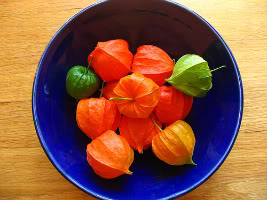 The symptoms of interstitial cystitis and irritable bladder can often improve from avoiding certain foods thought to specifically aggravate this condition.
Be sure to see your physician if you think you suffer from the chronic urgency, frequency, and burning pain involved in these conditions.
1. For rapid relief of discomfort, take 1 teaspoon of baking soda dissolved in one cup of water. This helps to prevent urine acids from interacting with damaged tissue.
2. Drink plenty of water to dilute urine.
3. Ice packs or heating pads may help to ease pain.
4. The foods listed below contain amino acids and/or other acids which contribute to bladder destruction and discomfort. Some foods may be more irritating for certain individuals than others. Avoid all foods listed below until symptoms have resolved:
Foods to be Avoided
- Alcohol
- Apples
- Apple juice
- Avocados
- Bananas
- Beer
- Brewer’s Yeast
- Cantaloupe
- Carbonated drinks
- Champagne
- Cheeses (all)
- Chicken livers
- Chilies/spicy foods
- Chocolate
- Citrus fruits
- Coffee
- Corned beef
- Cranberries
- Fava beans
- Figs
- Grapes
- Guavas
- Lemon juice
- Lima beans
- Mayonnaise
- Nutrasweet (Aspartame)
- Nuts (except pine nuts)
- Onions
- Peaches
- Pickled herring
- Pineapples
- Plums
- Prunes
- Raisins
- Rye bread
- Saccharine
- Sour cream
- Soy sauce
- Strawberries
- Teas
- Tomatoes
- Vinegar
- Vitamins buffered with aspartate
- Wines
- Yogurt
Resource and Recommended reading: Gillepsie, M.D., Larrian, “You Don’t Have to Live With Cystitis.”
Dr. Nicole Sundene, NMD is a licensed Naturopathic Medical Doctor at Fountain Hills Naturopathic Medicine 16719 E Palisades Blvd, Suite 205, Fountain Hills, AZ 85268.She believes we should utilize natural medicines to treat the root cause of disease rather than just treating symptoms, as symptoms are a message of imbalance sent from the body and will persist until they are properly addressed.
For appointments please visit http://FHnaturopathic.com for more information about Naturopathic Medicine services.
©KitchenTableMedicine.com, LLC ™
Gallbladder Diet
January 16, 2008 by Kitchen Table Medicine
Filed under Gall Bladder Disease, Liver Support
 Your gallbladder is a “pouch” below the liver that stores a fat emulsifying liquid (bile) produced by the liver.
While a small amount of cholesterol in the bile is normal, bile acids and lecithin are necessary to keep the cholesterol soluble. When there is more cholesterol than the bile salts and lecithin can dissolve, gallstones begin to form.
This type of gallstone, made primarily of cholesterol, occurs most frequently. There are also many types known as “mixed” because they contain varying amounts of calcium and bilirubin along with cholesterol.
Gallstones (cholelithiasis) and inflammation of the gallbladder (cholecystitis) are the two most common forms of gallbladder disease. Gallstones are usually present when there is an inflammatory process going on within the gallbladder, and there is a controversy as to which of these disorders occurs first.
What follows are dietary guidelines to decrease both the cholesterol saturation of the bile and the irritation and inflammation of the gallbladder. Since the two conditions are so closely related, the same dietary guidelines apply. If you feel any of them need to be modified for your unique situation, please ask your doctor.
- If applicable, reduce your total caloric intake. Being overweight is associated with an increased incidence/risk of gallstones.
- Avoid fats, particularly if you are experiencing any symptoms, as fats stimulate contractions of the gallbladder. This means avoiding all dairy products, fried foods, meats, chocolate, nuts, olives, avocados, gravy, creamy sauces, etc. Even if you are not currently symptomatic, these foods are to be avoided and high quality fats are encouraged in moderation for overall health and to help keep the bile flowing. These “good fats” are available in foods such as fish (baked, broiled, poached, or grilled, not deep fried), soy beans and soy-derived products, olive oil, cold-pressed vegetable oils and flaxseed oil.
- Avoid all refined and processed foods. They are generally high in fat and sugar, and low in fiber. All three of these factors, together or independently, tend to increase gallstone formation.
- A high fiber diet is also recommended for overall health benefits, but specifically in this case as fiber prevents constipation and binds fats to encourage their excretion. High fiber foods include grains, vegetables, fruits and legumes (beans).
- Eat primarily a vegetarian diet. Vegetarianism is associated with reduced risk/incidence of gallbladder disease. This may be due to the fact that vegetarian diets generally consist of fewer calories, less fat and more fiber than non-vegetarian.
- Avoid all foods that you have a known sensitivity to (wheat, dairy, etc.). They do not cause gallstones, but can trigger attacks.
- Eliminate eggs, onions and pork from your diet and make note of any changes in your symptoms. These foods are particularly irritating to the gallbladder in many individuals.
- The following foods may also cause gastric distress, and should be omitted from your diet if they are not tolerated well: broccoli, cauliflower, corn, cucumbers, green peppers, radishes, turnips, dried peas, and various beans.
- Certain spices can cause distention of the intestinal tract and increased intestinal movement (peristalsis), which may be irritating to the gallbladder. Avoid any spices that cause you discomfort.
- Drink at least 8-10 eight ounce glasses of water a day to keep your system properly hydrated. Additionally, drink juices and teas freely, but avoid coffee and alcohol as they put extra stress on your liver. When drinking juices, dilute them with water (mix half water, half juice), as they have a high natural sugar content.
- Incorporate beets and artichokes into your diet liberally. These foods help to nourish and strengthen your liver, the primary organ responsible for processing cholesterol.
- Read food container labels to avoid “hidden” fats, sugars, and chemicals.
Dr. Nicole Sundene, NMD is a licensed Naturopathic Medical Doctor at Fountain Hills Naturopathic Medicine 16719 E Palisades Blvd, Suite 205, Fountain Hills, AZ 85268.She believes we should utilize natural medicines to treat the root cause of disease rather than just treating symptoms, as symptoms are a message of imbalance sent from the body and will persist until they are properly addressed.
For appointments please visit http://FHnaturopathic.com for more information about Naturopathic Medicine services.
©KitchenTableMedicine.com, LLC ™
Chronic Fatigue Syndrome
January 16, 2008 by Kitchen Table Medicine
Filed under Chronic Fatigue Syndrome, Fatigue
 OVERALL PLAN
- Avoid exposure to infectious agents
- Build immune system, lower susceptibility
- Obtain supportive therapies for any concurrent ailments
NUTRITION
- Diet analysis
- Computerized diet analysis
- Therapeutic dietary planning
Home Treatments
- Avoid sugar, caffeine, alcohol, and suspected allergens.
These all lower the immune response. - Minimize saturated fat intake.
Compromises basic metabolic processes. - Increase raw food consumption.
More complete nutrients
Maintain the digestive tract in good condition. - Eat in a calm environment.
More complete digestion. - Supplement with vitamins and minerals
Strengthens the immune system
Aids digestion. - Emphasize ascorbic acid.
Anti-oxidant
Anti-allergy
Anti-viral. - Emphasize Beta-Carotene.
Free radical scavenger. - Emphasize tyrosine.
Stimulates neuropathways
Anti-depressant.
BOTANICALS
- Hypericum (St. John’s Wort)
Antidepressant
Antiviral - Glycyrrhiza (Licorice)
Anti-inflammatory
Anti-viral
Adrenal support - Silybum (Milk Thistle)
Liver detoxifier, protector - Eleuthrococcus (Ginseng)
Adrenal support
Anti-depressant - Echinacea (for acute conditions)
T-cell stimulation
Interferon stimulation
Increases macrophages (white blood cells)
PHYSICAL MEDICINE
- Massage
Relieves stress - Manipulation
Reestablishes integrity of nervous system
Relieves stress - Constitutional Hydrotherapy
Stimulates immune system
Relieves stress - Fever Treatment
Stimulates immune system
Anti-viral
EMOTIONAL SUPPORT
- General counseling
Relieves stress - Visualization
Heightens awareness
Centers focus - Positive thinking
Stimulates immune system
Relieves stress - Relaxation technique
Relives stress
HOME TREATMENTS
- Hot/Cold showers
Stimulates immune system - Exercise
Maintains all systems - Decrease number of responsibilities
Relieves stress - Meditation
Heightens awareness
Centers focus
Relieves stress - Local support groups
Dr. Nicole Sundene, NMD is a licensed Naturopathic Medical Doctor at Fountain Hills Naturopathic Medicine 16719 E Palisades Blvd, Suite 205, Fountain Hills, AZ 85268.She believes we should utilize natural medicines to treat the root cause of disease rather than just treating symptoms, as symptoms are a message of imbalance sent from the body and will persist until they are properly addressed.
For appointments please visit http://FHnaturopathic.com for more information about Naturopathic Medicine services.
©KitchenTableMedicine.com, LLC ™
Liver Supportive Foods
January 16, 2008 by Kitchen Table Medicine
Filed under Detox, Environmental Medicine, Liver Support

The first step in supporting proper liver function is following a health promoting diet low in animal foods and sugar, and high in whole plant foods such as vegetables, whole grains, legumes, fruits, nuts, and seeds. Such a diet will provide a wide range of essential nutrients the liver needs to carry on its important functions. In addition, it may be helpful to take a high potency multiple vitamin and mineral supplement, use a special nutritional and herbal supplement to protect the liver and enhance liver function, and go on a 3 day fresh juice fast at the change of each season. To have a healthy liver, these are some things to definitely stay away from:
- Saturated fats, hydrogenated fats/oils
- Non-organic meats, poultry, eggs and dairy
- Refined sugar, refined and processed foods
- Alcohol, drugs, and coffee
DIET
- Special foods rich in properties that help protect the liver from damage and improve liver function include:
o High sulfur containing foods like garlic, legumes, onions, and eggs
o Good sources of water-soluble fibers such as pears, oat bran, apples, and beans
o Cabbage family vegetables especially broccoli, Brussel sprouts, and cabbage
o Artichokes, beets, carrots, dandelion
o Many herbs and spices like turmeric, cinnamon, and licorice.
JUICE/TEA
- Red beet mixed with carrot (1/2 cup) once a day.
- Dandelion root tea: steep 1 teaspoon in 1 pint boiling water for 20 minutes. Take once a day.
SUPPLEMENTS
- A high potency multiple vitamin and mineral is helpful to deal with the toxic chemicals we are exposed to. Antioxidant vitamins like vitamin C, beta-carotene, and vitamin E are important in protecting the liver from damage as well as helping in detoxification mechanisms. Also important are nutrients like B vitamins, calcium, and trace minerals; they are critical in the elimination of heavy metals and other toxic compounds from the body.
- Choline, betaine, methionine, vitamin B6, folic acid, and vitamin B12 are important as well. These nutrients are referred to as “lipotropic agents.” Lipotropic agents are compounds, which promote the flow of fat and bile to and from the liver. In essence, they produce a “decongesting” effect on the liver and promote improved liver function and fat metabolism.
- Formulas containing lipotropic agents are very useful in enhancing detoxification reactions and other liver functions. Lipotropic formulas have been used for a wide variety of conditions by nutrition-oriented physicians including a number of liver disorders including hepatitis, cirrhosis, and chemical-induced liver disease.
- It is important to take enough of the formula to provide a daily dose of 1,000 mg of choline and 1,000 mg of either methionine and/or cysteine.
HERBS
- Milk thistle (Silybum marianum) known as silymarin - a group of flavonoid compounds - exerts a tremendous effect on protecting the liver from damage as well as enhancing the detoxification processes.
- Silymarin prevents damage to the liver by acting as an antioxidant. Silymarin is many times more potent in antioxidant activity than vitamin E and vitamin C. The protective effect of silymarin against liver damage has been demonstrated in a number of experimental studies.
LIFESTYLE
- Adopting a healthy lifestyle that will support a healthy liver includes avoiding alcohol and exercising regularly. Some helpful ideas are:
• Deep breathing exercises: inhale for a count of 4, hold for a count of 12, and exhale for a count of 8. Start with 2 minutes and work up to a goal of 5-10 minutes each day.
• Take a brisk walk or another form of cardiovascular exercise 20-30 minutes each day.
• Drink clean filtered water (at least 2 quarts a day).
• Avoid aluminum cookware; try stainless steel instead.
Source: http://www.doctormurray.com
Dr. Nicole Sundene, NMD is a licensed Naturopathic Medical Doctor at Fountain Hills Naturopathic Medicine 16719 E Palisades Blvd, Suite 205, Fountain Hills, AZ 85268.She believes we should utilize natural medicines to treat the root cause of disease rather than just treating symptoms, as symptoms are a message of imbalance sent from the body and will persist until they are properly addressed.
For appointments please visit http://FHnaturopathic.com for more information about Naturopathic Medicine services.
©KitchenTableMedicine.com, LLC ™
Liver Support Protocol
January 16, 2008 by Kitchen Table Medicine
Filed under Detox, Environmental Medicine, Liver Support
 Our livers are responsible for filtering out all the environmental toxins that we are exposed to as well as those that we ingest. Consult with your physician to decide what kind of liver support protocol is best for you. The following is a sample approach to optimizing the liver’s ability to detoxify the body from pollutants and toxins.
JUICE & TEA
Red beet juice (1/2 cup) mixed with carrot juice (1/2 cup) once a day
Dandelion root tea - steep 1 tsp. in 1 pint boiling water for 20 minutes, take once a day
NUTRITION
Foods to include - Brewers yeast (3-5 tbsp/day), endive, cucumbers, garlic, onions, artichoke, sprouted seeds, grains, tahini, vegetable products (raw or juiced). No condiments except lemon juice and only a little salt. At least 40 ounces of liquid a day, green juice (can be mixed with some carrot juice). Liquid chlorophyll.
Foods to exclude - all processed and refined foods, salt, strong spices, sugar, alcohol, drugs, synthetic vitamins, fats, oils, non-organic meats and dairy (due to hormones), coffee, heavy starches (potatoes, rice, bread, cereal), proteins, vitamins, herbal supplements, chicken, eggs, milk or milk products. Do not use aluminum cookware.
Deep breathing (10 times a day for 30 seconds each time)
Brisk walk or other exercise 20-30 minutes a day
Sweating through exercise or sauna.
Many herbs such as Milk Thistle have been shown to protect the liver as well as aid it’s natural detoxification process. Consult with your physician to determine if you need to start a supplement routine to support your liver.
Dr. Nicole Sundene, NMD is a licensed Naturopathic Medical Doctor at Fountain Hills Naturopathic Medicine 16719 E Palisades Blvd, Suite 205, Fountain Hills, AZ 85268.She believes we should utilize natural medicines to treat the root cause of disease rather than just treating symptoms, as symptoms are a message of imbalance sent from the body and will persist until they are properly addressed.
For appointments please visit http://FHnaturopathic.com for more information about Naturopathic Medicine services.
©KitchenTableMedicine.com, LLC ™
Nutrition Care for the Common Cold
January 16, 2008 by Kitchen Table Medicine
Filed under Colds/Flus
 Ninety percent of common colds are due to viral infections. The body’s immune system must be relied upon to deal with the virus, as antibiotics are not useful against viruses. The best treatment for the common cold is to support the immune system with diet, rest, and vitamins and minerals.
DIET: Diet modifications necessary to support the immune system include:
- Decrease consumption of solid foods.
- Increase consumption of water and fluids.
- Decrease consumption of simple sugars and fruit juices.
- Avoid mucous – producing foods: dairy, wheat, and eggs.
REST: The only treatment is available for uncomplicated cases of the common cold when experiencing symptoms include: bed rest, plenty of fluids, gargling with warm salt water, and petroleum jelly for a raw nose. Rest and decreased activity cannot be overemphasized.
VITAMINS AND MINERALS: The immune system requires adequate amounts of vitamins and minerals to function most effectively. Typical adult dosages for use during an infection are as follows:
- Vitamin C – 500 milligrams every two hours*
- Bioflavonoids - 1 gram per day
- Vitamin A - 5,000 IU per day OR
- Beta Carotene - 25, 000 IU per day
- Zinc - 30 milligrams per day
Note: *Vitamin C has been shown to decrease the duration of a common cold if given at the initial onset.
SPREAD OF THE COMMON COLD: Contamination studies have demonstrated that viral infections are spread much more readily by direct contact than through the air. Therefore cleanliness and not sharing utensils, toothbrushes, etc. should be observed. This is especially important with babies and young infants as they have a greater tendency to be held and touched.
Source: The Clinician’s Handbook of Natural Medicine, Pizzorno, Murray & Joiner-Bey, 2002
Dr. Nicole Sundene, NMD is a licensed Naturopathic Medical Doctor at Fountain Hills Naturopathic Medicine 16719 E Palisades Blvd, Suite 205, Fountain Hills, AZ 85268.She believes we should utilize natural medicines to treat the root cause of disease rather than just treating symptoms, as symptoms are a message of imbalance sent from the body and will persist until they are properly addressed.
For appointments please visit http://FHnaturopathic.com for more information about Naturopathic Medicine services.
©KitchenTableMedicine.com, LLC ™
Immune Support With Nutrition
January 16, 2008 by Kitchen Table Medicine
Filed under Immune Support
Everyone needs good nutrition. Each system in our bodies requires many nutrients. Some nutrients our bodies require are energy, vitamins, minerals, and protein. You might ask, “What is the immune system and why should I think of it when I choose to eat?”
The immune system is a network of organs and cells throughout the body. The parts of the system work with each other to keep you healthy. They protect the body against germs and dust in the air. The immune system does its work through networks of chemical reactions. The system works best when all of the required nutrients are present. When the immune system can work at its best, you feel your best.
All the energy and nutrients the immune system needs are found in whole foods. Today in the U.S., processed foods are used to save time, increase shelf life, and decrease spoilage. Processing destroys vitamins and breaks down fiber. The nutrient value is not as great as that of a whole food. Making meals from scratch can help to improve our well-being and prevent illness.
Today there are many features of the way we live that can weaken our immune system. Smog and chemicals can damage parts of the network that are the immune system, causing the whole system to work more slowly or not as well. In the diet, too much sugar, alcohol, or fat, can do the same. It is a system that needs more care at certain times in life than at others. Stress, aging, or surgery can make the immune system less able to prevent infectious disease in infants, those 65 and older, and hospitalized or immunosuppressed patients.
One job of the immune system is to find and destroy cancer cells before a tumor causes damage or spreads. To help the immune system one can limit contact with cancer causing compounds. Burned food such as meat charred over a grill is a source of such compounds. Instead of throwing steaks on the grill the next time you want an easy meal to cook, try this baked fish. You prepare it in the oven. Thirty minutes later it’s ready. It’s quick and easy and also lower in fat than steak is. Too much fat in the diet is believed to increase the risk of some cancers.
TOMATO CROWN FISH
1 ½ cups water
2 Tbs lemon juice
1 lb cod fillets
slightly less than 1/8 teaspoon pepper
½ small green pepper, finely chopped
2 Tbs finely chopped onion
1/3 cup dry bread crumbs
½ tsp. Basil
1 Tbs canola oil
1 large or 1 ½ medium tomato, sliced 1/8 to ¼ inch thick.
Preheat over to 350 degrees F. Add lemon juice to water and pour over fish. Let it stand 30 minutes. Drain the fillets and place in an oiled baking dish. Sprinkled with pepper and chopped onion and bell pepper. Place the tomato slices over the top. Blend the bread crumbs, basil, and oil. Spread this seasoned crumb mixture evenly over the tomatoes.
Bake 25 minutes, until the fish is firm and flakes easily with a fork.
Yields 4 servings. Serve with a large salad of tossed leafy greens, and brown rice, corn on the cob, or boiled potatoes. Leftover portions make a tasty cold lunch the next day.
Adapted from: Jane Brody’s Nutrition Book by Jane Brody.
Speaking of fat, margarine is not a good substitute for butter. It is oil, which has been partially saturated. It is exposed to hydrogen gas at high pressure and extreme heat. In the process, the structure of some of the fats is changed in a way the body can’t use. You may have heard of trans-fatty acids. These fats don’t fit into compounds vital to many functions. Some of these compounds serve as relay links between cells of the immune system. You can make a spread that is half butter and half oil. It has the soft texture of margarine, the flavor of butter, and only one-half the saturated fat of butter. If less processed oil (cold pressed) is used, it also provides some Vitamin E which is found in vegetable oils and not in animal fat.
To assure that there is a Vitamin E content, a Vitamin E capsule could be opened and added to the oil as you make this spread. The lecithin granules in the recipe are available in health food stores.
BUTTER SPREAD
½ cup canola or safflower oil
½ cup (1/4 pound) softened butter
1 Tbs nonfat milk
1/8 tsp. soy lecithin granules
1 Tbs water
¼ tsp. salt (optional)
Blend together the equal parts oil and softened butter until smooth. This much alone can be the final product, stored in the refrigerator. The remaining ingredients are blended in to help the spread stay firm a little longer when left at room temperature, as during a meal. The salt is entirely optional and only for taste.
Adapted from The New Laurel’s Kitchen by Laurel Robertson.
Each day immune cells use the Vitamin A, B-complex, folate, C and E, carotenes and flavonoids, and the minerals zinc, copper, and selenium. Meat is the best source of zinc. The rest of these nutrients are in fruits and vegetables. It’s best to get nutrients by eating a variety of fresh, whole foods before taking supplements. Why? you might ask. Food has so many things we have only just discovered. We are learning more about all the different components of food each day. There are likely many things in food we don’t know about that may work together with the nutrients we have discovered.
Cabbage is high in Vitamin C and folate, and many people love coleslaw. The recipe below has much less fat than coleslaw often does. With apple, raisins, carrot, and almonds, it has sweetness, iron, Vitamins B6 and B1, copper, Vitamin A, beta carotene, Vitamin E, and zinc. Flavonoids are in the inside pulpy part of bell peppers.
COLORFUL COLESLAW
2 cups green cabbage, shredded
2 cups red cabbage, shredded
½ cup carrot, diced
½ cup celery, diced
½ cup red or green bell pepper, diced
½ cup apple or pear, chopped
½ cup cucumber, peeled and diced
sliced radishes (optional)
¼ cup finely chopped green onions
(optional: raisins, grapes, or slivered almonds)
3 Tbs cider vinegar
1 Tbs Dijon mustard
½ Tbs soy sauce or tamari
1 tsp. Honey
dried parsley to taste
¼ tsp. caraway seeds
¼ tsp. celery seeds
1 Tbs canola oil
Combine the vegetables in a large bowl. In a small bowl, mix the vinegar, mustard, soy sauce, and honey. Toss the parsley into the vegetables and pour the dressing over. Sprinkle caraway and celery seeds on top. Toss all together to mix well. Chill for 2 hours so all flavors are nicely blended. Serves 6.
Adapted from Doctor McDougall’s Health-Enhancing Recipe Book by Mary McDougall.
Are you looking for a savory change from rice? Something quick and easy? Below is a tasty way to cook turnips and rutabagas that may surprise you. Turnips and rutabagas are both high in Vitamin C and belong to the group of cruciferous vegetables, which has been linked with a lower risk of cancer. Compared with white rice, this dish provides more of Vitamins A, B6, folate, B1 and B2.
ROASTED TURNIPS AND RUTABAGAS
1 head garlic
2 lb turnips and rutabagas (total)
4 to 6 shallots, peeled
2 Tbs vegetable oil (suggested: olive or canola)
Salt and black pepper to taste
Preheat oven to 375 degrees F. Break the garlic head into individual cloves. They can be roasted in the skins and easily slip out after. Peel and cut the turnips and rutabagas so the pieces are close to the same size, roughly 1 ¼ inches thick. Leave the shallots whole. Put all the vegetables except the garlic into a roasting pan. If there is no crowding a Pyrex 9”x13” dish works fine. Toss with the oil to coat all the pieces. Add 1 tsp. dried rosemary or thyme, crushed, or 2 tsp. fresh, and salt, and toss. Pepper is not added until after the roasting because its bitterness becomes stronger when cooked for this length of time. Roast 30 minutes, then turn the heat up to 425 degrees and add the garlic. Continue roasting 20 minutes more. Season with pepper and serve hot or at room temperature. Serves 4.
Adapted from Cook’s Illustrated, January/February 1994.
Dr. Nicole Sundene, NMD is a licensed Naturopathic Medical Doctor at Fountain Hills Naturopathic Medicine 16719 E Palisades Blvd, Suite 205, Fountain Hills, AZ 85268.She believes we should utilize natural medicines to treat the root cause of disease rather than just treating symptoms, as symptoms are a message of imbalance sent from the body and will persist until they are properly addressed.
For appointments please visit http://FHnaturopathic.com for more information about Naturopathic Medicine services.
©KitchenTableMedicine.com, LLC ™
HIV Side Effects and Nutrition
January 16, 2008 by Kitchen Table Medicine
Filed under HIV, Kitchen Sink
Many people with HIV and those taking HIV medications experience a variety of adverse side effects. Dietary changes can be crucial in minimizing these side effects. Common side effects include diarrhea, nausea/vomiting, reflux and heartburn.
Besides being uncomfortable, diarrhea and vomiting can cause excessive losses of fluids, nutrients, and electrolytes, leading to dehydration and electrolyte imbalance. What is eaten can make a big difference. Consultation with a dietitian will ensure that nutrient needs are being met while managing these side effects.
Treatment for Diarrhea:
- Avoid all dairy products - lactose intolerance is very common in people with HIV.
- Avoid greasy, high-fat foods.
- Avoid high-fiber food, whole grain foods, and popcorn.
- Avoid clear apple juice. Sometimes citrus juices can also cause problems.
- Eat more foods such as oatmeal, applesauce, grated apples, pears, potatoes (no skin), white rice, bananas, canned fruit (rinse off the syrup), yams, squash, and taro root. Limit raw salads, bran, seeds, and grain husks.
- Avoid foods high in sugar.
- Drink plenty of non-caffeinated beverages, water, sports drinks, non-caffeinated sodas and broths. Suck on popsicles.
- If cramping and gas is a problem, avoid carbonated drinks, beans, cabbage, broccoli, cauliflower, highly spiced foods, sweets, and sorbitol-sweetened chewing gum.
- Avoid caffeine, alcohol, and nicotine.
- The following recipe is helpful in reducing diarrhea. For persistent diarrhea, eat congee three times a day or more, plus fluids.
Congee
1 cup white rice
6 cups water
1 teaspoon salt Cook until soft for about 40 minutes. Let thicken for 15 minutes. This will be the consistency of thin porridge or thick soup.
Treatment for Nausea:
- Avoid high fat foods.
- Drink clear and cool beverages.
- After keeping down fluids for a few hours, try small, frequent amounts of food.
- Eat white, bland foods such as crackers, toast, potatoes, rice, bread, cereal, and noodles.
- Eat cold foods.
- Aromas often aggravate nausea - stay out of the kitchen or sniff lemon wedges.
- Ask medical providers about medication to reduce nausea.
- Avoid skipping meals. A little food in your stomach helps to feel better.
- Drink ginger tea: boil 2 cups of water with ¼ inch of peeled ginger root. Let set for 10 minutes. Remove ginger and add honey or sugar to taste.
- Drink ginger ale or anything with ginger in it.
- Read medication labels: make sure to take with food or take without food as directed.
Treatment for Reflux and Heartburn:
- Avoid large meals; eat five to six small meals each day.
- Avoid eating meals or snacks for at least 2 hours before lying down.
- Avoid or limit the following foods that make reflux worse: caffeine (tea, coffee, colas), alcohol, chocolate, high fat foods (gravies, cream sauces, butter, oils, fried foods, salad dressing, high fat meats, chips, dip), peppermint, spearmint, and oils of garlic and onion.
- Limit the following foods that may irritate the stomach: coffee, tomato products, hot spices, pepper, citrus fruit and juices, and all carbonated beverages.
- Sleep with the head of the bed elevated by at least 4 inches.
- Avoid clothes that fit tightly around the waist.
Dr. Nicole Sundene, NMD is a licensed Naturopathic Medical Doctor at Fountain Hills Naturopathic Medicine 16719 E Palisades Blvd, Suite 205, Fountain Hills, AZ 85268.She believes we should utilize natural medicines to treat the root cause of disease rather than just treating symptoms, as symptoms are a message of imbalance sent from the body and will persist until they are properly addressed.
For appointments please visit http://FHnaturopathic.com for more information about Naturopathic Medicine services.
©KitchenTableMedicine.com, LLC ™
Enhancing Your Vitality
January 15, 2008 by Kitchen Table Medicine
Filed under Fatigue, Immune Support
Fatigue, frequent infections, and chronic, conditions, (such as asthma, allergies, skin conditions, headaches, arthritis, heart disease, and cancer) are common occurrences in our culture. If you are experiencing these or other adverse health conditions, your health care provider can work up a health plan specific to your case after taking a complete case history and doing any appropriate physical exam and lab tests. Whether or not you are experiencing any of these, there are measures you can take on your own to treat or prevent ailments, which decrease your vitality. By doing so, you can enhance your sense of well-being and freedom from disease.
 DIET
DIET
While your nutritionist/dietitian can make a specific dietary plan based on your particular case, some general healthful guidelines are as follows:
- Eat Whole Foods, Especially of Plant Origin Whole foods are excellent sources of nutrients as they occur in nature. This is also a good way to increase fiber intake. Fiber allows normal elimination of waste products through the colon, causing decreased absorption of toxins. Fiber can also bind cholesterol and breakdown products of intestinal bacteria, hastening their departure from the body.
- Eat Fresh Vegetables and Fruits Besides providing fiber as discussed above; these foods are good sources of vitamins and minerals, which are required for enzyme reactions and overall health. They are also sources of carotenes and bioflavonoids, which scavenge free radicals, preventing tissue damage, inflammation, cancer, migraines, arthritis, vascular disease, etc.
- Drink lots of water 2 liters (64 oz) of water per day keeps cells hydrated and speeds up the removal of waste products from the body.
- Avoid Sugar Sugar depresses the immune system and competes with Vitamin C for uptake by white blood cells.
- Avoid Processed Foods Between the food additives and the decreased nutrients, they not only provide inferior nutrition, but may also have damaging effects.
- Avoid Foods to Which You Suspect You Are Allergic In addition to creating mucus, drowsiness, gas, etc., it is clearly compromising to the body to be repeatedly exposed to substances it can’t tolerate. In addition, these foods can cause asthma, eczema, arthritis, migraines, and other chronic conditions as well as susceptibility to acute infections.
LIFESTYLE:
Avoid Caffeine: Caffeine causes increased secretion of adrenaline and cortisol (stress hormones) from the adrenal glands, which suppresses the immune system. Coffee also irritates the digestive system, causing food to move through more quickly and decreasing nutrient absorption.
Stress Reduction: Living with less stress not only feels better, but there are concrete explanations for its effect on overall health. Stress decreases the body’s ability to fight infections. Stress also impairs digestion. Life is meant to be fulfilling and enjoyable. Yet it is so common in our culture to feel overwhelmed by life situations. If stress is a major part of your life and you feel you have no options, consult an emotional and/or occupational counselor. Living with an unpleasant situation can not only decrease your happiness, but can impair your overall health, contributing to conditions as serious as high blood pressure, heart disease, ulcers, etc. Conversely, laughter and enjoyment increase immunity as well as well-being.
Avoid Alcohol: Alcohol suppresses immune function. In addition, in order to detoxify the body of alcohol, it places quite a load on the liver, impairing its ability to participate in its other functions, including energy production.
Avoid Tobacco: Tobacco not only damages the tissue of the respiratory system with which it comes in contact, but it also creates free radicals which damage tissue elsewhere, especially blood vessels, allowing the buildup of cholesterol plaque, causing the condition called atherosclerosis, or hardening/narrowing of the arteries. The cancer causing agents in tobacco increases the risk of cervical cancer. Smoking also depresses the immune system and causes Vitamin C deficiency. It is a source of carbon monoxide, a toxin to the body.
EXERCISE:
Exercise increases respiration and circulation. Thus, more oxygen and nutrients are delivered to the tissue and waste products are removed more quickly. Exercise also relieves stress and enhances well-being. Note: For many patients, it may be advisable to consult one’s health care provider for guidance in designing an exercise program if not already accustomed to exercise.
Dr. Nicole Sundene, NMD is a licensed Naturopathic Medical Doctor at Fountain Hills Naturopathic Medicine 16719 E Palisades Blvd, Suite 205, Fountain Hills, AZ 85268.She believes we should utilize natural medicines to treat the root cause of disease rather than just treating symptoms, as symptoms are a message of imbalance sent from the body and will persist until they are properly addressed.
For appointments please visit http://FHnaturopathic.com for more information about Naturopathic Medicine services.
©KitchenTableMedicine.com, LLC ™
Managing Hypoglycemia
January 15, 2008 by Kitchen Table Medicine
Filed under Hypoglycemia
The main treatment of hypoglycemia is the use of diet to stabilize blood sugar levels. All simple, processed, and concentrated carbohydrates must be avoided, while the consumption of complex-carbohydrate; high-fiber foods should be emphasized. Legumes should be consumed regularly and frequent small meals are more effective in stabilizing blood sugar levels. Eat six small meals/snacks per day.
 Include in your diet:
• whole grains (i.e. millet, brown rice, quinoa, wheat, amaranth, rye, barley and buckwheat)
• legumes
• fresh vegetables
• fresh raw seeds/nuts and their butters (i.e. flax, sesame, pumpkin, almonds, hazelnuts)
• garlic & onions
• avocados
• string beans
• Jerusalem artichokes
• fruit eaten in small amounts with protein or complex carbohydrates
• unprocessed soy products
 Avoid consumption of:
• sugar in all it’s forms i.e. fructose, sucrose, cornsyrup, molasses, honey, rice syrup etc.
• soft drinks, fruit juices and carrot juice
• excessive protein, especially red meat
• excessive salt
• white flour and products made from it
• highly refined, processed and canned foods including t.v. dinners and breakfast cereals
• tobacco
• alcohol
• caffeine (coffee, tea, chocolate, cola, drinks, aspirin, bromo-seltzer and excedrin
• Read the labels, or ask for ingredients in restaurants.
Other Helpful Ideas:
• Exercise as vigorously as you can on a daily basis
• If you are overweight talk to your doctor about a sensible plan for reducing your weight.
• If following the above instructions does not sufficiently reduce your symptoms add protein to each of the six meals/snacks you are eating.
• Other helpful ideas: learn visualization/affirmation or meditation techniques.
It is important to keep your hypoglycemia under control because unchecked hypoglycemia may exacerbate pre-menstrual tension, overtax your adrenal glands and eventually lead to diabetes.
Dr. Nicole Sundene, NMD is a licensed Naturopathic Medical Doctor at Fountain Hills Naturopathic Medicine 16719 E Palisades Blvd, Suite 205, Fountain Hills, AZ 85268.She believes we should utilize natural medicines to treat the root cause of disease rather than just treating symptoms, as symptoms are a message of imbalance sent from the body and will persist until they are properly addressed.
For appointments please visit http://FHnaturopathic.com for more information about Naturopathic Medicine services.
©KitchenTableMedicine.com, LLC ™
High Blood Pressure Diet
January 15, 2008 by Kitchen Table Medicine
Filed under Heart Disease, High Blood Pressure
 Hypertension is another name for high blood pressure.
It is a condition that occurs when the pressure inside of your arteries is too high. Because it is a silent disorder the only way to detect hypertension is to have your blood pressure measured.
Hypertension is a very common problem that affects about 50 million people in the United States alone.
That’s about 1 out of every 4 adults. It is more common as people grow older and is more common and more serious in African Americans.
What do the numbers mean?
Blood pressure measures the natural pressure created by blood pumping through your veins and arteries. Blood pressure is read as two numbers, one over the other. The top number, or systolic blood pressure, measures the blood pressure when the heart pumps. The bottom number, or diastolic blood pressure, measures the blood pressure between heartbeats when the heart rests.
Hypertension is blood pressure that is over 140/90
Optimal blood pressure is under 120/80
Risk factors you can control
9 out of every 10 people who have hypertension do not have a known cause for their condition. A family history of hypertension is a risk factor for developing the condition. With or without a family history, you have a chance of avoiding or controlling hypertension by:
• Keeping your weight under control
• Keeping physically fit
• Eating a healthy diet low in sodium and rich in nutrients potassium, magnesium and calcium
• Limiting alcohol intake (no more than 2 mixed drinks or two 12 oz. cans of beer or two 6 oz. glasses of wine daily)
• Never smoking or quitting immediately
• Avoiding medications that might increase your blood pressure:
o Decongestant nasal sprays and pain medications called non-steroidal anti-inflammatory drugs (NSAIDS)
Therapeutic foods
• Increase consumption of vitamin C-rich foods (citrus fruits, strawberries, red peppers, dark green leafy vegetables)
• Increase consumption of vitamin E-rich foods (almonds, hazelnuts, wheat germ, peanut butter)
• Increase consumption of magnesium-rich foods (soybeans, tomatoes, beans, nuts & seeds, squash, broccoli, dark green leafy vegetables, tofu, wheat germ, halibut, swiss chard)
• Increase consumption of potassium-rich foods (grapefruit, grapes, tomatoes, beans, apricots, asparagus, beets, broccoli, corn, cucumbers, dates, salt-water fish, lamb)
• Increase consumption of calcium-rich foods (yogurt, sardines, salmon (canned with bones), milk, cheese, dark green leafy vegetables, broccoli)
• Try cooking with less salt. Experiment with spices such as, parsley, basil, oregano, ginger, sesame, dill, cilantro, curry, pepper, and thyme to reduce the amount of salt used in cooking
• Cut back on sodium, including that in processed foods and in many drugs (check labels for soda, sodium, or salt). Avoid commercial sauces like soy or Worcestershire and commercial salad dressings (check labels for sodium content)
• When eating out, ask for your food cooked without added salt
Physical Activity
Start slowly and build up gradually. American College of Sports Medicine (ACSM) recommends 20 to 60 minutes of aerobic activity 3 to 5 days per week. Aerobic activity will strengthen your heart and reduce your risk of developing heart disease. It will also help to control your weight. Try brisk walking, jogging, biking, hiking, group exercise classes (water aerobics, kick-boxing, judo), running stairs, rowing, and team sports (football, soccer).
Hypertension can lead to other serious health problems:
Routinely monitoring your blood pressure is important. Hypertension has been called a “silent killer” because it has no specific symptoms and it can lead to death. People who have hypertension that is not treated with lifestyle modifications and medications (if necessary) are likely to experience one or several of the following conditions:
• Coronary artery disease, heart attack, heart failure, or abnormal heart beat.
• Kidney failure
• Peripheral vascular disease, hardening and narrowing of the arteries (atherosclerosis) that supply blood to the arms, legs, and other parts of the body
• Retinopathy, or damage to the tiny blood vessels that supply blood to the light-sensitive lining of the back of the eye
• Stroke
Sources:
American Heart Association. “Why Should I Care?” http://www.americanheart.org/hbp/care.jsp
National Heart, Lung and Blood Institute, Publication 03-5232, 2003.
Dr. Nicole Sundene, NMD is a licensed Naturopathic Medical Doctor at Fountain Hills Naturopathic Medicine 16719 E Palisades Blvd, Suite 205, Fountain Hills, AZ 85268.She believes we should utilize natural medicines to treat the root cause of disease rather than just treating symptoms, as symptoms are a message of imbalance sent from the body and will persist until they are properly addressed.
For appointments please visit http://FHnaturopathic.com for more information about Naturopathic Medicine services.
©KitchenTableMedicine.com, LLC ™
Helpful Tips to Reduce Sodium
January 15, 2008 by Kitchen Table Medicine
Filed under Heart Disease, High Blood Pressure
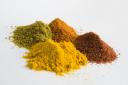 Sodium, a component of table salt, is a mineral found naturally in most foods. Everyone needs some sodium but most people get much more than they need.
In some people sodium causes water retention that leads to swelling. Besides the discomfort this may cause, it can lead to high blood pressure that increases the risk of heart attack, stroke, and kidney damage.
Decreasing the amount of sodium in the diet helps reduce extra fluid and swelling which allows the blood pressure to begin to return to normal. Most Americans should consume no more than 2.4 grams (2,400 milligrams) of sodium a day. That is about 1 teaspoon of table salt a day. For someone with high blood pressure, the doctor may advise less.
Tips to Reduce Salt and Sodium
- Buy fresh, plain frozen, or canned “with no salt added” vegetables.
- Use fresh poultry, fish, and lean meat, rather than canned or processed types.
- Use herbs, spices, and salt-free seasoning blends in cooking and at the table.
- Cook rice, pasta, and hot cereal without salt. Cut back on instant or flavored rice, pasta, and cereal mixes, which usually have added salt.
- Choose “convenience” foods that are low in sodium. Cut back on frozen dinners, pizza, packaged mixes, canned soups or broths, and salad dressings – these often have a lot of sodium.
- Rinse canned foods, such as tuna and beans, to remove some sodium.
- When available, buy low- or reduced-sodium or no-salt-added versions of foods.
- Choose ready-to-eat breakfast cereals that are low in sodium.
Experiment with seasonings
- Thyme, sage, parsley, or Tabasco
- Basil, mint, bay leaves, or vinegar
- Oregano, rosemary, chilis, cayenne, or fresh tomatoes
- Saffron, curry, onions, or lemon juice
- Dill, fresh garlic, or dry mustard
- Fresh ginger, cumin, sesame seeds, tahini, or Vegit
**Consult with a medical doctor (MD) before using salt substitutes**
Foods to Avoid that are High in Sodium
Avoid the following high-sodium foods, or look for low-sodium or sodium-free versions.
- Meat, fish, poultry and other high-protein foods
- Salted or smoked meats and fish, bacon, ham, luncheon meats, sausage, salt pork, hot dogs, canned tuna, salmon, sardines, anchovies, meat and shrimp, Canadian bacon, corned beef, processed cheese, salted peanut butter, soy meat substitutes
Snack foods
- Potato chips, corn chips, pretzels, cheese doodles, salted nuts, salted crackers, salted popcorn, party dips, Gatorade
Vegetables
- Canned tomatoes, paste, sauce, and juice, olives, pickles and relishes, sauerkraut
- Convenience and processed foods
- TV and packaged dinner dishes, canned/frozen soups, commercial broth, Cup-a-Soup, gravy mixes, sauce mixes, stuffing, breaded entrees, bread mixes, dehydrated soups, bouillon cubes, instant and ready-to-eat cereals
Seasonings and condiments
- Garlic, onion, and celery salt, meat tenderizer, steak sauce, chili sauce, soy sauce, tamari, tartar, and barbecue sauce
- Commercial salad dressings, ketchup, seasoned salt substitutes, horseradish, prepared mustard, lemon pepper, and sea vegetables
Avoid added salt when cooking and eating out
- When a recipe calls for salt, cut the amount in half as a first step. Gradually reduce salt further as taste tolerance adapts.
- Be aware that restaurant food is often salty- choose dishes and restaurants that provide low-sodium options and/or eat out less often
NOTE: Some prescription, and over-the-counter medications do contain sodium that may contribute to increases in blood pressure. Ask a doctor or pharmacist for the names of specific medications that may be an issue.
Sources: U.S. Department of Health and Human Services, National Institutes of Health, Your Guide to Lowering Blood Pressure, 2003 & Swedish Heart Institute, A Patient’s Guide to Heart-Healthy Nutrition, 2002
Dr. Nicole Sundene, NMD is a licensed Naturopathic Medical Doctor at Fountain Hills Naturopathic Medicine 16719 E Palisades Blvd, Suite 205, Fountain Hills, AZ 85268.She believes we should utilize natural medicines to treat the root cause of disease rather than just treating symptoms, as symptoms are a message of imbalance sent from the body and will persist until they are properly addressed.
For appointments please visit http://FHnaturopathic.com for more information about Naturopathic Medicine services.
©KitchenTableMedicine.com, LLC ™
Herpes Simplex Diet
January 15, 2008 by Kitchen Table Medicine
Filed under Canker Sores, Herpes
 Enhancement of the immune status is key to the prevention and control of herpes infection. A diet that avoids arganine-rich foods while promoting lysine-rich foods can be quite effective.
Foods to Emphasize
Especially during active cases of Herpes
- Vegetables
- Legumes
- Dairy products if not allergic to them (Cheese, Yogurt, Kefir, Cottage Cheese, Sour Cream, Milk).
- All Fish & Seafood
- Chicken
- Turkey
- Eggs
- Organ Meats
- Potatoes
- Brewers Yeast
Foods to be Eaten with Discretion
These foods must be balanced with L-Lysine* and foods in the first group when herpes is inactive. During active herpes, these foods must be eliminated.
- Whole grain products (Cereals, Bread, Pasta, Pancakes, Lentils, Barley and other Grains.
- Oats
- Corn
- Rice
- Peas & Beans
- Sprouts
- Chick Peas
- Carob
- Foods containing seeds (Eggplant, Tomato, Squash)
- Fruits and Berries, which contain seeds, may be eaten.
- Citrus Fruits (may irritate canker sores)
* Foods high in lysine include most vegetables, legumes, fish, turkey, and chicken.
Foods to Always Avoid
- Chocolate
- Peanuts and Peanut Butter
- Sugar
- Cakes and Sweets
- Alcohol
- Coffee & Tea
- Nuts (Almonds, Brazil Nuts, Cashews, Filberts, Pecans, Walnuts)
- Seed Meal (Tahini, Sesame Butter)
- Sunflower Seeds
- Coconut
- Bleached White Flour Foods
Dr. Nicole Sundene, NMD is a licensed Naturopathic Medical Doctor at Fountain Hills Naturopathic Medicine 16719 E Palisades Blvd, Suite 205, Fountain Hills, AZ 85268.She believes we should utilize natural medicines to treat the root cause of disease rather than just treating symptoms, as symptoms are a message of imbalance sent from the body and will persist until they are properly addressed.
For appointments please visit http://FHnaturopathic.com for more information about Naturopathic Medicine services.
©KitchenTableMedicine.com, LLC ™
Foods Most Likely to Trigger a Migraine Headache
January 15, 2008 by Kitchen Table Medicine
Filed under Headaches, Migraines
 Studies show that ingestion of the following foods or substances may induce migraine headaches in susceptible individuals.
Fruit:
Apple, banana, grapes, melon, peach, strawberries, avocado, citrus fruits, pineapple, raspberry, red plum
Vegetables:
Carrots, corn, onion, tomato, potato, cabbage, eggplant, pickles, spinach
Beans/Legumes:
Black eyed peas, peanuts, pinto beans, soy, broad beans
Nuts:
All types
Grains:
Oats, rice, rye, wheat
Animal Products:
Beef, cheese, chicken, cow’s milk, egg, fish, goat’s milk, pork, wieners
Aged Meats, canned or smoked fish, cheese, chicken or beef liver, dry pork & beef sausage, egg white, pickled herring, sour cream
Beverages:
Coffee, tea, wine (esp. red), beer, and other types of alcohol
Sweets:
Cane sugar, chocolate
Additives:
Benzoic acid, MSG, tartrazine
Miscellaneous:
Fried foods, garlic, yeast and yeast extracts, fermented foods, Marmite, sauerkraut, soy sauce, vinegar
References:
1. Pizzorno JE, Murray MT: Migraine Headache. In Textbook of Natural Medicine, 2nd ed. Harcourt Brace and Company Limited 1999, pp 1406-1408.
2. Shils ME, Olson JA, Shike M (eds): Modern Nutrition in Health and Disease, 8th ed. Lea & Febiger 1994,p 1607.
3. Joneja JM: Biogenic Amines. In Dietary Management of Food Allergies and Intolerances, 2nd ed. JA Hall Publications Ltd. 1998, pp 149-163.
4. Joneja JM: Diet and Migraine. In Dietary Management of Food Allergies and Intolerances, 2nd ed. JA Hall Publications Ltd. 1998, pp 311-317.
Dr. Nicole Sundene, NMD is a licensed Naturopathic Medical Doctor at Fountain Hills Naturopathic Medicine 16719 E Palisades Blvd, Suite 205, Fountain Hills, AZ 85268.She believes we should utilize natural medicines to treat the root cause of disease rather than just treating symptoms, as symptoms are a message of imbalance sent from the body and will persist until they are properly addressed.
For appointments please visit http://FHnaturopathic.com for more information about Naturopathic Medicine services.
©KitchenTableMedicine.com, LLC ™
How to Better Digest Beans
January 15, 2008 by Kitchen Table Medicine
Filed under Kitchen Sink
Oligosaccharides (sugar molecules) in beans are responsible for producing gas (flatulence). Sometimes human digestive enzymes can not fully digest the oligosaccharides, which can lead to the production of gases as waste products. Here are tips on reducing the likelihood of flatulence:
Soaking
• Soak beans for 12 hours or overnight in four parts water to one part dry.
• For best results, change the water 1-2 times. Lentils and whole dried peas require shorter soaking times.
• When ready to cook, drain off all soaking water and discard. Cook the beans in fresh water.
Ingredient and Seasoning Choices to Decrease Flatulence
• For improved flavor and digestion, and more nutrients, place a piece of dry kombu (a sea vegetable) in the cooking pot. Kombu contains glutamic acid which acts as a natural bean tenderizer. Add a 1” piece of dry kombu for every 1 cup of dry beans.
• Two tablespoons of the herb winter savory or four tablespoons of the Mexican herb epazote added to beans as they cook will reduce the effects of the gas-producing sugars. Other seasonings that help are cumin, fennel, and ginger.
Cooking Beans
• After bringing beans to a boil, scoop off and discard the foam that is produced- this reduces even more of the gas-producing effects.
• Continue to boil for 20 minutes without the lid to let the steam rise off. This helps to break up and disperse the indigestible enzymes.
• Add salty products near the end of cooking. If added at the beginning, the beans will not cook completely and skins will remain tough. Season with sea salt, miso, or soy sauce.
• Don’t add baking soda- it destroys nutrients, and affects the flavor and texture.
• Let beans cook slowly for a long period of time so they are very tender. All beans have different cooking times- check for desired texture.
Other Tips
• Eat more beans. Expect a digestive adjustment when beans are new to the diet; the digestive system initially produces gas as a result of the sugars in the beans, which will gradually decrease over time. Eat small amounts frequently to allow the body to get used to them.
• Improve overall digestion. Chew all foods slowly and thoroughly.
• For persistent gas try pouring a little apple cider vinegar or brown rice vinegar into the cooking liquid during the last stages of cooking. Vinegar softens legumes and breaks down the protein chains and other indigestible compounds. Another option is to marinate the cooked beans in a solution of 2/3 vinegar and 1/3 olive oil, creating a salad-type dish. Marinate while still warm.
Sources: Pitchford, Paul Healing with Whole Foods 3rd edition, North Atlantic Books, 2002
Lair, Cynthia Feeding the Whole Family 2nd edition, Moon Smile Press 1998.
Dr. Nicole Sundene, NMD is a licensed Naturopathic Medical Doctor at Fountain Hills Naturopathic Medicine 16719 E Palisades Blvd, Suite 205, Fountain Hills, AZ 85268.She believes we should utilize natural medicines to treat the root cause of disease rather than just treating symptoms, as symptoms are a message of imbalance sent from the body and will persist until they are properly addressed.
For appointments please visit http://FHnaturopathic.com for more information about Naturopathic Medicine services.
©KitchenTableMedicine.com, LLC ™