Children are Eating their Weight in Sugar Each Year
October 29, 2008 by Dr. Nicole Sundene
Filed under Diabetes, Dr. Scott Olson, Kitchen Sink, Pediatrics, Sugar
 By
By Research shows children are eating their weight in sugar each year!
That bag of candy your child lugs home after a long night out trick-or-treating is certainly heavy, but, if your child is typical, that amount of sugar is only a small portion of what they are going to eat throughout the year.
Children, it appears, are eating their body weight in sugar every year.Recent research looking into what children are eating has found that they are eating more sugar than ever before and that the major source of all that sugar is exactly what you might guess: fruit juice and soda.
When all tallied, a typical child in America is eating somewhere between 1/4 and 1/2 pound of sugar a day, that means somewhere between 100 to 150 pounds of sugar end up in their little bodies each year.
A study released by the journal, Pediatrics, looked into how much sugar children are getting from their drinks (soda and fruit juice); and here is what they found:
- Children get 10 to 15 percent of their total calories from these two drinks (soda and fruit juice).
- Children aged six to nineteen drank an average of 30 oz of soda or fruit juice every day.
- Two to five-year-olds drank an average of 15.5 oz of juice or soda a day.
- The size of an average drink a child consumes has climbed 46 percent (almost double) sine 1972.
It is astonishing to think that 10 to 15 percent of the calories these children are getting are coming from just soda and fruit juice, because that 10 to 15 percent doesn’t included added sugars from what they eat for breakfast, lunch, or dinner, or the cookies, candies, ice cream or other sugary snacks they consume. It also doesn’t include the hidden sugars in crackers, chips, peanut butter or fast foods they eat.
Total sugar amounts become even crazier when adding all the additional foods they eat that act like sugar in their bodies such as starchy vegetable (such as potatoes) and many grains.
It is clear that our children are overdosing on sugar.
Really? A Half a Pound of Sugar a day?
Whenever I write that children (and, yes, adults too) eat between 1/4 to 1/2 pound of sugar a day, people always question the amount. Let’s see how easy it is to make eat that much sugar every day.
In order to make this calculation, you have to remember that 30 teaspoons of sugar is equal to 1/4 pound of sugar.
Look at how many teaspoons of sugar are in typical foods:
- Twelve ounces of soda contains 8 teaspoons of sugar, a 16oz soda contains 10.5 teaspoons.
- Breakfast cereals contain 4 to 6 teaspoons of sugar (more than that if they sprinkle sugar on top).
- Donuts contain between 8 to 20 teaspoons of sugar.
- Cookies have between 2 to 4 teaspoons of sugar (each).
- For a more complete list, look here: Percentage Of Sugar In Common Foods.
Look how easy it is to get that 30 teaspoons (or 1/4 pound) of sugar:
- Three sodas almost gets you there.
- A few donuts would do the same.
- Breakfast cereal, a soda, peanut butter, a few cookies and desert means you hit your quota for the day.
Who’s Responsible?
The most surprising revelation in the article in journal, Pediatrics, was that fact that children are getting the bulk of this sugar at home. Most (55 to 70 percent) of sugar-sweetened beverages were consumed in the home, while only 7 to 15 percent in schools. Preschools and Daycare tilt the percentage away from parents as they typically hand out more sugary drinks than a regular school.
These results show that parents actually have a lot of influence over what their children are eating and need to consider these facts with every trip to the grocery store.
Is Everyday Halloween?
Yes, parents should be concerned about how much sugar their children are eating on Halloween, but this holiday is far from atypical when we are talking about sugar consumption. Kids are eating a lot of sugar every day.
The long-term affects of sugar-eating are many and children are especially susceptible to sugar as is shown by the incredible rise in childhood obesity and diabetes.
Parents can do a lot to determine the health of their children and help them to make better choices about sugar. Since the majority of the sugar eaten by children happens at home, it should be easy for parents to curtail its use. The first best step is to stop buying soda and fruit juice, which may cause a mini-revolt, but is in the best interest of everyone.
Reference: O’Connor TM, Yang SJ, Nicklas TA. Beverage intake among preschool children and its effect on weight status. Pediatrics. 2006 Oct;118(4):e1010-8. PMID: 17015497
~Dr. Scott Olson
Naturopathic Physician
Dr. Scott Olson is a Naturopathic doctor, expert in alternative medicine, author, and medical researcher. Spurred on by his patients’ struggles with sugar addiction, he was determined to discover how addictive and harmful sugar can be and ways to overcome that addiction.
The result of that study is his book Sugarettes, which details the addictive qualities of sugar and the harm that sugar does to our bodies.
Dr. Scott also maintains a blog which highlights the latest in health and healthy living. Subscribe or stop by to check out his latest research on sugar addiction.
 Dr. Nicole Sundene, NMD is a licensed Naturopathic Medical Doctor at Fountain Hills Naturopathic Medicine 16719 E Palisades Blvd, Suite 205, Fountain Hills, AZ 85268.
She believes we should utilize natural medicines to treat the root cause of disease rather than just treating symptoms, as symptoms are a message of imbalance sent from the body and will persist until they are properly addressed.
For appointments please visit http://FHnaturopathic.com for more information about Naturopathic Medicine services.
©KitchenTableMedicine.com, LLC ™
Flu Shots: Pros and Cons of Employee Vaccination Programs
October 29, 2008 by Dr. Nicole Sundene
Filed under Influenza, Kitchen Sink, Lifestyle Tips, Preventative Medicine

“Do I need a flu shot?” This question always comes up repeatedly this time of year, and I will attempt to present an unbiased review of the pro and con opinons of being vaccinated against influenza.
In the second part of this article we will examine the ethics behind employee mandated flu vaccination programs, and the questionable ulterior motives of flu vaccine manufacturers promoting these mandatory programs.
First of all, I would NOT like my honest critical eye on the cons of the flu vaccine to stop anyone from getting a flu shot. If you feel you need a flu shot—then by all means please go get one right now.
However, if you are a person that prefers to thoroughly examine new medications or vaccines before implementing them, then this discussion is for you. The Center for Disease Control (CDC) makes blanket recommendations based off the research conducted by flu vaccine manufacturers.
These recommendations are designed with the intention to keep as many people healthy and free of influenza as possible, however they address the needs of a POPULATION, whereas this discussion is intended to weigh the benefits vs the risks for the INDIVIDUAL.
Remember that if you do opt out of having a flu shot you have a certain ethical responsibility to the immunocompromised people that can die from influenza related complications. If you indeed get influenza, you should STAY at HOME.
Can a Flu Shot Give Me the Flu?
Before I start my discussion I just need every single person reading this article to wrap their brains around the fact that the flu shot does NOT give you the flu…the flu shot does not even contain a live virus, it just contains an inactive component of the virus so that your immune system can easily recognize the flu virus before it makes you sick. If you get the flu a few days after getting vaccinated it is likely that you CAUGHT the flu in the exact place that influenza is likely proliferating—your doctor’s office.
If you feel ill immediately after having the flu vaccine you are probably having an allergic reaction because you are allergic to eggs; are experiencing normal side effects as your immune system forms antibodies; or are the unlucky one to end up with a rare but very severe and serious condition thought to be related to vaccines called Guillan Barre syndrome.
What are the Side Effects of the Flu Shot?
Typical side effects of the flu shot are fatigue and muscle aches. It is perfectly normal for this to occur for a short period of time while your immune system creates antibodies to the newly introduced vaccine particles. Occasionally some may experience cold like symptoms or soreness at the injection site. Extreme symptoms may occur if you are allergic to eggs. Extreme and (rare) numbness and tingling, or paralyzing symptoms such a Guillan Barre should be reported to your doctor immediately.
How Many People Develop Guillan Barre?
Although only about 2 in 100,000 develop Guillan Barre Syndrome (GBS). There has not been a clear connection between the development of GBS and flu vaccine since the 1976 swine flu vaccine. Most cases develop for unknown reasons. The disease is thought to be autoimmune in nature and the immune system attacks healthy tissues in the body, including the nervous system which then may result in paralysis.
Currently the CDC is more concerned about the meningococcal vaccine causing GBS and is investigating complaints related to the administration of Menactra. While GBS is a rare and highly unlikely side effect of influenza vaccine, it may occur with the administration of ANY vaccine. Symptoms typically start with numbness in the hands and feet which may continue to paralysis.
If you think you have these symptoms, or have ever had these symptoms after receiving a vaccination you should notify your doctor immediately, most doctors will not administer vaccinations to anyone suffering from or recovered from GBS.
How Does the Flu Shot Work?
The shot simply primes your system to the new protein sequence of THIS YEARS flu. Early recognition is how the vaccine works to prevent the flu. However, if scientists are unable to correctly identify the new molecular sequence of the flu they anticipate will afflict people in the northern hemisphere this year- six months in advance, then the shot will not be effective in preventing the flu you are exposed to through coughing, sneezing, and other close contact.
How Effective is the Flu Shot?
If researchers pick the correct flu sequences for their vaccines, then the shot is estimated to be preventative for up to 70-90% of HEALTHY people under the age of 65. That is pending of course that the antigenic strains were chosen appropriately. So those numbers are rarely seen, do not promise protection for the immunocompromised, and are the BEST case scenario. Flu vaccine is 80% effective in PREVENTING death from influenza related pneumonia in the elderly.
Why do I Have to get a Flu Shot Every Year?
The influenza virus is constantly changing…thus the vaccine must change each year as well. Effective vaccines provide protection for up to a year and a half. Ineffective vaccines still provide partial protection and typically lesson the severity of the flu.
Who Decides if I Need a New Flu Shot?
Well only YOU can decide if you need a flu shot (unless you are a government employee or work at certain hospitals). Many doctors and nurses push flu shots heavily on patients because that is simply all they know and are what they are taught by the CDC. However, the guidelines made by the CDC are ultimately put together with research done by the producers of the flu vaccine, therefore of course the guidelines are going to be erring on the side of OVER vaccinating everyone in our population.
It all boils down to selling more flu vaccines. This is a major money making industry and should therefore for ethical purposes be cast a critical eye as flu vaccinating is becoming more common yet many previously healthy people are complaining of side effects. Protection from the flu is also nowhere near a guarantee. The vaccine is brand new every single year and is nowhere near as efficacious as most other vaccines we commonly administer.
Are Vaccines Safe?
While vaccines are great preventive medicine, and prevention is the name of the game here at Kitchen Table Medicine, I still think that vaccines are not perfect, and the safest vaccines are the ones that have withstood the test of time, and cycled through multiple generations without incident. Because influenza is constantly modifying it’s own structure, scientists creating a flu vaccine also have to update the flu shot every single year.
This means that the flu vaccine you are given this year is entirely different from last year. This prevents us from ever really knowing if the flu shot can withstand the test off time, because it is essentially a new shot each and every year! Anything new always gets a critical review from me, which is why I choose to exercise extreme caution before administering any new vaccine.
The Hippocratic Oath advises we “First Do No Harm”. In most healthy individuals side effects from flu vaccines can be reportedly quite miserable, and while we are still looking at how vaccination practices may be affecting our children with autism, I think it is better to be cautious in our thinking. With that word of caution being said the most important thing for you to do is READ ON and decide if you or your close contacts are at risk of DYING from influenza…and if so then the benefits likely outweigh the risks.
What is Influenza?
Now influenza is not the stomach flu we commonly refer to as “the flu”. This shot is not preventing you from developing symptoms of a viral gastroenteritis that commonly causes diarrhea and vomiting for 2-3 days. Influenza is “the flu” and influenza causes a high fever, cough, sore throat, headache, chills, muscle aches, vomiting and fatigue-and may develop in to a life threatening case of pneumonia for the elderly and immunocompromised.
How Many People Get Influenza Each Year?
According to the Center for Disease Control 10-20% of the American population will be afflicted with influenza each year.
Who Dies from the Flu?
Although most people feel like they are going to die from the flu, chances are they won’t. Typically the very young, the very old, and those that have weakened immune systems from chronic disease such as HIV, cancer, diabetes as well as chronic heart or respiratory problems are at risk of developing secondary infections such as pneumonia that result in death. Influenza doesn’t typically kill people, it just sets the stage for pneumonia to take over.
How Many People Die from Influenza Each Year?
According to the CDC an estimated 36,000 people die from pneumonia related to influenza. These deaths are not your average healthy people. They are the very old, the very young, and the immunocompromised by chronic disease. If you are in this high risk category then you likely should get a pneumococcal vaccination as well.
Who Should NOT have a Flu Shot:
- People currently ill, feverish, or symptomatic.
- People with previous allergy or extreme reaction to the flu shot.
- People that have developed Guillan Barre from a previous vaccination.
- People with allergies to eggs should absolutely under no circumstance have a flu shot. Even if you suspect that you have an egg allergy you should be cautious with most vaccines as some are grown inside chicken eggs.
It is therefore possible to have a severe anaphylactic allergic reaction to the flu vaccine. Always notify your physician of food allergies for this exact reason. Chances are your food allergy doesn’t really matter that much, except in occasional cases like the flu shot.
Better to be safe than sorry though, right? If you fall in the high risk group and are uncertain if you have an egg allergy ask your doctor to be tested, and if negative for egg allergy you are then able to get the flu vaccine.
CDC Highly Recommends Flu Shots for:
- Immunocompromised people: HIV, cancer, diabetes, and other chronic diseases that suppress the body’s ability to fight infections such as influenza.
- People with chronic respiratory problems: Asthma, COPD, emphesema, lung cancer, babies with respiratory problems.
- People with chronic heart Problems
- Children between the ages of 6 months and 18 years (new change this year, previously was only for children over the age of 6 months and under the age of five).
- Women that will be pregnant during the flu season (get it before you are pregnant if you can, pregnant women should always be cautious about taking ANY medicine while pregnant).
- People who live or work in nursing homes.
- Family members and household contacts of babies under six months of age (six months is the earliest you can vaccinate a child).
- Anyone working with or living with people in this category that are at risk for dying from the flu.
Flu Shot is Considered Optional for:
- Those between the ages of 18 and 50. (CDC changed the pediatric recommendations this year, previously it was 6 to 50. Although two subsequent years of study in the efficacy of flu vaccine in children under the age of five found that the vaccine was ineffective as noted in the research study listed below. Your child does not have to be vaccinated against your wishes. If a doctor or nurse tries to insist on this-find a new doctor!)
- Those that are healthy and without chronic disease.
- People that are NOT in frequent close contact from the aforementioned people that die from the flu.
Flu Shots are Mandatory For:
- Government Employees
- Employees of certain companies: Thanks to some great marketing tactics by the makers of the flu vaccine, flu shots are now mandatory for employees of many hospitals.
Can Employers Mandate Flu Shots?
- Currently 48 states allow exemptions for those that do not believe in vaccination for religious purposes.
- Otherwise, chances are your options aren’t that great for getting out of an employer mandated flu shot. Some hospital’s go as far as to demand allergy testing if you claim you are allergic to the flu shot. If you are allergic to the shot your employer may request that you go in for testing and if you prove negative to allergy, you may still be vaccinated. If positive allergy for the shot (egg proteins) is determined you then will be told you have to take an anti-viral influenza prophylactic medication for six months that has known severe side effects including depression and suicide per certain NEW hospital protocols.
I understand why a hospital would want to force flu shots on nurses and doctors in close contact with critically ill patients. However, isolated telephone receptionists, IT help desk people, delivery drivers, and other people that don’t even work inside the hospital are also affected by these blanket flu shot policies.
What are Employee’s Rights with Mandatory Flu Shots?
Many employees that have had bad reactions to a flu shot feel that being forced to have a flu shot is against their constitutional rights. Nurses filed a lawsuit against the hospital I previously worked for and WON, flu shots then became optional for nurses, as the hiring contract only mandated a current measles vaccination, and even Hepatitis B was considered optional upon hiring. So you can always sue for your rights.
However, in my experience working for a hospital that made this mandatory-you really don’t have a whole lot of a choice and are just “stuck” with your shot.
Your best option is to just quit. That is exactly what happened at the hospital I worked at for 8 years. People were in such an unbelievable tirade over being forced to have a flu shot that many of them just gave notice after working there for decades. On the final day that employees had to get their flu shot-there was an organized walk out.
What are the Legal Concerns around Employers Mandating Flu Shots?
We don’t know the long term consequences of each new flu vaccine developed and administered each and every year-employers mandating flu shots may be at serious legal risk if ever a bad vaccine batch were to come out, and harm ensued to employees as a result of an employer’s blanket policy. Employers risk class action lawsuits if harm results from flu shots they mandate. Employer’s that want to promote vaccination should do so while making it optional.
Why Do Employers Make Flu Shots Mandatory?
Money of course. Money is what drives most corporate decisions in business, and health care just like everything else is unfortunately a business. Keep in mind that certain employers are only making influenza inoculation mandatory because flu shot manufacturers want to sell more vaccines. Money is almost always the bottom line. The hospitals in return get a break on the cost of vaccines, or “free vaccines for ALL of their employees” by jumping on the “mandatory flu vaccine wagon”. The more hospitals persuaded in to this program for financial reasons, the more inevitable it shall be that other employers will follow suit. The hospital I previously worked for was used as a “role model” in presentations by the flu shot manufacturers that provided our free flu shots.
This is the long term goal of flu vaccine manufacturers-to create a larger distribution of there product. It is not for public health concerns-it is simply for marketing. It is highly unethical for hospital employers to force vaccines on their employees simply because they want to get a break on the price of their flu shots. It is also highly unethical for employers to force flu shots on their employees simply because they want to cut down on the number of sick days used during flu season. A GOOD employer will offer flu shots. A BAD employer will make flu shots mandatory.
Most hospital employees upon hire are only REQUIRED to have their MMR vaccine updated for public health reasons. These new flu vaccine protocols are highly unethical and violate employees rights. Even the Hepatitis B vaccine comes “strongly recommended” and is not mandatory by many hospitals.
The mandatory nature of flu shots is a publicity stunt organized by flu shot manufactures. As more hospitals get on board with this deal then flu shot manufacturers will have that much more leverage to persuade other large corporations to also make flu shots mandatory for employees. This means big bucks for the flu shot manufacturing industry. For Americans it means an unnecessary violation of our constitutional rights. First your employer tells you flu shots, then what’s next for your employer to decide about your health? Forcing flu shots on employees that do not work with critically ill patients is not only unnecessary it is unconstitutional, and sadly unethical.
On the other hand, if you are working closely with critically ill patients such as those with cancer, HIV, severe respiratory problems, and the ICU-it truly is in their best interest that you are vaccinated against the flu, and in my opinion as a health care provider your moral obligation and responsibility. There is no way to know if you are in a prodromal infectious early state of influenza and if you work in the ICU, with HIV or cancer patients you can kill them by exposing them to the flu.
Flu shot manufacturers should be allowed to promote mandatory vaccine programs for only those types of settings. Business owners absolutely have NO right to make decisions about their employee’s health care especially when we move this discussion outside of health care. Most doctors don’t even tell patients what to do when it comes to the difficult decisions that surround vaccinations these days.
What Does an Immunologist Recommend about Vaccine Decision Making?
As taught by Dr. Sheryl Berman, an esteemed immunology professor and researcher, “the best doctors educate patients on the facts about vaccines and let the patient decide.” When Berman was then asked what her personal recommendations are for each vaccine she replied, “As an immunologist I get asked all the time what the right choice is around different vaccines. The answer I give is always the same-the right decision is the decision that is right for you. Only you can make that decision. Educate yourself on all the facts, risks, and benefits before making your decisions about vaccinations.”
CEO’s of businesses should never be allowed to make health care decisions. And they furthermore should not be making health care decisions because they want to save a few bucks.
A flu shot is absolutely ethically warranted for health care employees of in-patient settings. If you don’t want to get a flu shot-then simply find a job somewhere else that does not involve the critically ill. If you REALLY care about your critically ill patients-you will get a flu shot. For everyone else, it should be optional.
What are my Community Responsibilities?
Remember that just because you got vaccinated from the flu does not mean you still can’t get the flu. I believe it is an important MORAL obligation to stay at home if you are sick with the flu. Your doctor will also agree and will be happy to write you or your child a note.
Just because the flu won’t kill you, doesn’t mean that it can’t kill someone else that you are exposing your germs to. Be sure to quarantine yourself or your children until you are no longer symptomatic. If more people would be considerate in this manner we likely would not have as many influenza related deaths. If you are unable to take time off when ill, then you should heavily consider vaccination.
Is it Healthy to get Sick?
Yes, actually being sick according to nature cure philosophy inspires your immune system to do a thorough “clean up”. A good solid sickness where you cough out and blow out and sweat out a bunch of junk is actually quite detoxifying. Suppressing symptoms typically inhibits the natural healing process of our systems and prevents the “Extreme Home Makeovers” that many of us need in order to prevent chronic disease. Chinese Medicine also agrees with this belief in their saying “Many disease long life. One disease short life.” Although acute illness such as the flu may seem like a short term set back, it likely is preventing greater diseases in your system by allowing your immune system to run full force and do a thorough clean up job.
What if There is a Shortage on the Flu Vaccine?
Remember, if there is a flu shot shortage please be considerate to those that truly need the flu shot and skip your vaccination until it is available to the general healthy population. You can ask your doctor or pharmacist to put you on a waiting list and notify you when new shipments come in.
How Else can I Prevent the Flu?
Keep your immune system healthy, don’t smoke, get adequate sleep, cover your face when you cough and sneeze with your ELBOW-not your hands, reduce stress during flu season, take vitamin C 1000mg three times a day, eat immune support breakfast, and immune supporting foods, consume 5-9 servings of fruits and vegetables daily, use preventative herbs such as astragalus daily (not echinacea-that is for when you first develop symptoms), increase fish oil and vitamin A (not for pregnant women); decrease alcohol, caffeine, sugar, processed foods, and animal fats.
PLEASE wash your hands regularly before and after touching your face, coughing, sneezing, or being in close contact with someone that is ill. For the third and final time I would like to remind everyone that regardless if they get the flu shot or not-if you come down with symptoms that appear to be influenza you need to STAY at home to protect those at risk of influenza related deaths.
Resource: CDC.gov
1. Centers for Disease Control and Prevention. Recommendations regarding the use of vaccines that contain thimerosal as a preservative. MMWR 1999;48(43):996-8.
2. Centers for Disease Control and Prevention. Prevention and control of influenza; recommendations of the Advisory Committee on Immunization Practices (ACIP). MMWR 2002; 51(RR03):1-31.
3. Centers for Disease Control and Prevention. Recommendations regarding the use of vaccines that contain thimerosal as a preservative. MMWR 1999;48(43):996-8.
4. Szilagi PG “Influenza vaccine effectiveness among children 6 to 59 months of age during 2 influenza seasons: a case-cohort study.” Arch Pediatr Adolesc Med. 2008 Oct;162(10):943-51.
5. Heinonen OP, Shapiro S, Monson RR, Hartz SC, Rosenberg L, Slone D. Immunization during pregnancy against poliomyelitis and influenza in relation to childhood malignancy. Int J Epidemiol 1973;2:229–35.
6. Izurieta HS, Thompson WW, Kramarz P, et al. Influenza and the rates of hospitalization for respiratory disease among infants and young children. New Engl J Med 2000;342:232–9.
7. Neuzil KM, Wright PF, Mitchel EF, Griffin MR. Burden of influenza illness in children with asthma and other chronic medical conditions. J Pediatr 2000;137:856–64.
8. Kirshon B, Faro S, Zurawin RK, Samo TC, Carpenter RJ. Favorable outcome after treatment with amantadine and ribavirin in a pregnancy complicated by influenza pneumonia: a case report. J Reprod Med 1988;33:399–401.
9. Neuzil KM, Reed GW, Mitchel EF, Simonsen L, Griffin MR. Impact of influenza on acute cardiopulmonary hospitalizations in pregnant women. Am J of Epidemiol 1998;148(11):1094-102.
10. Shahab SZ, Glezen WP. Influenza virus. In: Gonik B, ed. Viral diseases in pregnancy. New York, NY: Springer-Verlag, 1994:215–23.
~Dr. Nicole Sundene
Naturopathic Physician
KitchenTableMedicine.com
Dr. Nicole Sundene, NMD is a licensed Naturopathic Medical Doctor at Fountain Hills Naturopathic Medicine 16719 E Palisades Blvd, Suite 205, Fountain Hills, AZ 85268.She believes we should utilize natural medicines to treat the root cause of disease rather than just treating symptoms, as symptoms are a message of imbalance sent from the body and will persist until they are properly addressed.
For appointments please visit http://FHnaturopathic.com for more information about Naturopathic Medicine services.
©KitchenTableMedicine.com, LLC ™
Why Buy Organic Coffee?
October 27, 2008 by Dr. Nicole Sundene
Filed under Caffeine, Coffee, Diet Tips, Kitchen Sink, Organic
 By
By What is organic coffee? Why would you buy organic coffee? Does it really matter? Is coffee good for you or bad for you? These are some of the things we will take a look at in this post.
Often we only hear about how coffee is bad for us, regardless of whether it is organic or not. Some might even say, “If coffee is bad for me anyway, why would I even bother to buy organic? While I’m certainly no doctor, there’s a principle that generally holds true: Too much of a good thing can be bad. Certainly research suggests that there are many health benefits of coffee. We will take a look at just a few of those before moving on to the subject of organic coffee.
Health Benefits of Drinking Coffee
While there are certainly other health benefits, WebMD list these benefits of drinking coffee:
- Decreased risk of type 2 diabetes (oddly enough, the more the better for this – so they say), colon cancer, Parkinson’s disease, cavities, and gallstones
- It can also increase your mood and help with headaches.
- “Overall, the research shows that coffee is far more healthful than it is harmful,” says Tomas DePaulis, PhD, research scientist at Vanderbilt University’s Institute for Coffee Studies.
- I’m sure Dr. Nicole could list some more for us, and she even gives us this great latte recipe: Perfect Dairy Free Latte, so there must be something good about coffee!
What is Organic Coffee?
As you would likely expect, organic coffee is coffee that is grown and processed without the use of artificial fertilizers, pesticides, herbicides or fungicides. Read on to learn the details.
Why Buy Organic Coffee? What are the Benefits?
1. Environmental benefits:
The agricultural techniques used to grow organic coffee need to work with the coffee plant’s natural preferences. Since coffee plants naturally love shade often organic coffee is shade grown and bird friendly. What does that mean exactly?
Shade grown and bird friendly coffee is, as you would expect, grown in the shade. Organic bird friendly coffee is grown under a canopy of rainforest trees. In these trees are numerous varieties of birds that feed off the insects under the canopy so there is not as great of a need for insecticides. Also, the tree roots prevent erosion and leaves from the trees help provide natural fertilizer so there is not a need for chemical fertilizer. In bird friendly coffee growing environments nature remains and the earth unharmed. The main problem with this process is that the natural process takes longer for the bean to mature than the processes which use chemicals.
2. Health benefits:
Coffee farms which use chemicals in the farming process do harvest more beans, but the chemicals strip the beans on the plants of many of their natural antioxidants and health benefits. Chemicals also strip the soil of its nutrients so there are less nutrients going into the plant and thus the bean. So if you want the real health benefits of coffee organic is the way to go. Plus, it helps take away the guilt! Go ahead and enjoy the benefits (in moderation of course).
3. Taste benefits:
If you’ve never had a cup of organic coffee, boy, are you in for a treat! Chemicals not only wash away the nutrients, but they also deplete the tastes. Coffee beans in an organic natural environment mature slowly allowing the taste to fully develop. The result is a rich smooth coffee. And yes, the smell is out of this world!
Top 3 Organic Coffee Favorites:
Dr. Nicole asked me to share my favorite organic coffees from my coffee shop. So I’ll end with my top 3 and why they are my favorites:
Organic Peruvian Decaf. This was the first Raven’s Brew Coffee© I ever tasted. It is very very smooth with just the right amount of sweetness and chocolate. I instantly became a Raven’s Brew organic coffee drinker because of my first sip of this one.
Organic Nayarit Decaf. This soon became my favorite decaf variety. Again, very smooth - silky like feel in the mouth. Hints of toffee with a light citric taste.
Organic Mahogany Sweets. Very smooth, sweet and chocolaty. (In my opinion, chocolate goes with just about everything.) Its description is “certified organic bliss.” I couldn’t say it any better.
Jennifer regularly blogs at Principles for Peace. The focus of her site is on inner peace and it is set in a bookstore/coffee shop environment. There you will find regular posts about obtaining inner peace, books recommended for inner peace and her coffee shop. Don’t forget to subscribe to her posts once you get there.
Check out these other great reads by Jennifer Abbott: “A Simple Formula with a Big Life Impact”, “How to Stop Negative Thinking”, “The Art of Peaceful Bill Paying”
Dr. Nicole Sundene, NMD is a licensed Naturopathic Medical Doctor at Fountain Hills Naturopathic Medicine 16719 E Palisades Blvd, Suite 205, Fountain Hills, AZ 85268.She believes we should utilize natural medicines to treat the root cause of disease rather than just treating symptoms, as symptoms are a message of imbalance sent from the body and will persist until they are properly addressed.
For appointments please visit http://FHnaturopathic.com for more information about Naturopathic Medicine services.
©KitchenTableMedicine.com, LLC ™
Fitness: How to Get Motivated!
October 27, 2008 by Dr. Nicole Sundene
Filed under Exercise, Kitchen Sink, Motivation
 Do you ever fall off the wagon with your exercise routine?
Do you feel like you should be exercising but just don’t have the motivation to get started? If so-this post is for you. I chose one of the most MOTIVATING people in fitness to interview, Kelly Olexa the author of “Aim High”.
The following are Kelly’s best tips on starting a new fitness program, staying motivated with your current fitness program, as well as her best exercise tips and tricks!
I hope Kelly’s infectious enthusiasm will be the cure for stagnation across the nation. Read this and then GET MOVING PEOPLE!
Kelly, what are the best ways to motivate someone in to starting a new exercise routine?
To motivate someone to start a new exercise routine, it is critical to first create the right mindset and establish your goal. To do this, one can consider three questions:
#1 If I knew I could not fail, what would I change about my body?
#2 Doing what I am currently doing (eating the way I do, exercising the way I do), will I achieve that goal?
#3 If not, am I willing to do whatever it takes to reach that goal, knowing that if I do the work, I WILL SUCCEED? Once you have that mindset, once you see what you really want, then you develop an Action Plan that maps out how you will achieve the desired results. Taking that “Big Hairy Audacious Goal” and breaking it down into “bite-sized” pieces can be very motivating in itself – because it is easier to see yourself walking down the block first, as opposed to running a marathon. BELIEF in yourself and your capability to achieve your goals is likely the most critical predictor of success.
What keeps you motivated to exercise?
Continually keeping my eye on my goal is what keeps me motivated. To do that, I must continually “feed my brain” with reminders of my goal; whether I focus on pictures of a physique I aspire to, stay actively engaged with other like-minded individuals, read motivating books, watch inspiring movies, etc. If you don’t continually re-focus on your vision, you can lose sight of the goal altogether.
When did you become interested in fitness?
I honestly first became interested in fitness after seeing the movie “Truth or Dare” with Madonna. Seeing her chiseled physique, I knew that THAT was what I wanted to achieve.
Describe your typical work out week:
It has been a continual evolution, but presently I train 6x a week, about 2 hours a day. I weight train first for an hour followed by cardio for fat loss. The cardio is alternated by HIIT one day, then slower steady cardio the next and so on.
What are the 5 simplest fitness tips for busy people to work in to their day:
In this day and age, we are ALL busy. Whether you work or not, have kids or not – that is irrelevant. These are FACTORS to consider, yes, but not EXCUSES to bail out. There is a wealth of information available and myriad different workout programs anyone can follow. They do NOT require a huge investment in time. If you have DESIRE, DEDICATION AND FOCUS, you can do it. So, my 5 tips for busy people:
#1 Set aside one day a week to pre-cook healthy food. Make enough for a week and store in containers for easy packing. PACK YOUR LUNCH. This will save you time and money.
#2 If at all possible, squeeze in your workout in the morning or on your lunch break. It is very easy to be run down and tired at the end of the day. I’ve switched my routine to lunchtime workouts and it made a huge difference!
#3 Squeeze in activity everywhere; take the stairs, park your car farther out, take 4 10-minute breaks a day and do some simple bodyweight moves in your office. It’s easy and it all adds up!
#4 Drink water all day. As you chug the water, you will FEEL healthier and you’ll be WALKING to the restroom more!!
#5 If you watch TV EVER, that is time you could dedicate to working out. If you really want to watch TV and haven’t worked out, do some situps/pushups during the commercials.
What motivated you to start your fitness blog, “Aim High”?
I had been working out on my own and wanted to take things to the next level. I’d been reading other fitness blogs and found myself learning much from them. But mostly, I started my blog for ACCOUNTABILITY. I thought, even if just my good friend Sherry is reading this, who cares? The “world” can see that I am saying this is what I am aiming for, and that accountability is a HUGE HELP!!
If you had only 20 minutes to exercise every day…what would you do?
This is easy. I would do a Circuit Style workout (like Red Carpet Ready or Turbulence Training) which combines weight training and, because you move so fast and don’t stop, you elevate the heart rate and get in a great cardio workout also!
What is your best tip for staying motivated with your exercise routine? Accountability & Support.
For me, when I started my blog, it opened up a whole new world of like minded friends and a SUPPORT network of men and women that constantly encourage me and build me up. A MUST HAVE!!!!
Thanks for your wonderful tips Kelly! If you would like to contact Kelly for private coaching or follow Kelly’s day to day work out routine and diet to keep motivated simply visit her at KellyOlexa.com.
Read more exercise articles.
Dr. Nicole Sundene, NMD is a licensed Naturopathic Medical Doctor at Fountain Hills Naturopathic Medicine 16719 E Palisades Blvd, Suite 205, Fountain Hills, AZ 85268.She believes we should utilize natural medicines to treat the root cause of disease rather than just treating symptoms, as symptoms are a message of imbalance sent from the body and will persist until they are properly addressed.
For appointments please visit http://FHnaturopathic.com for more information about Naturopathic Medicine services.
©KitchenTableMedicine.com, LLC ™
The Raw Foods Diet
October 27, 2008 by Dr. Nicole Sundene
Filed under Anti-Aging, Anti-Inflammatory, Diet Tips, Diets, Digestion, Fruits and Veggies, Raw Foods Diet, Superfoods, Weight Loss, Wheat Free/Gluten Free, Whole Foods Diet
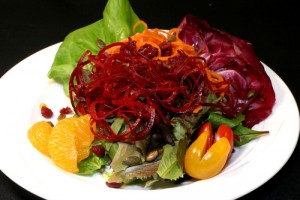 Ever wonder what is going on with this new “Raw Food’s Diet” everyone is talking about?
Well actually the diet isn’t all that “new” it is simply a snapshot of the way our ancestors ate before the advent of factory refined foods.
Don’t worry you don’t have to be a vegetarian to benefit from raw foods eating, raw foods can and SHOULD be enjoyed by EVERYONE! And…no this is not about gnawing on a nasty raw piece of chicken or steak. I do NOT recommend the consumption of raw meats. Instead enjoy more raw fruits and vegetables fresh picked and full of nature’s abundant energy. A raw foods diet can also be done as a quick detox if you are feeling sluggish and need an easy “pick me up”.
You don’t have to go 100% raw either, you can benefit from this diet simply by eating less cooked “dead” foods and more fresh foods that are full of life.
To help you get the basics down I interviewed the mother of raw foods eating herself…Earth Mother, the author of “In the Raw”.
What is “Raw Food” eating?
Ask 10 different people that question, Doc, and you’ll likely get 10 different responses. So, I’ll tell you what “raw food eating” is for me: eating food in its natural state, not refined, not processed. That means, I consume a primarily plant-based diet, consisting of fresh fruits, vegetables, nuts, seeds and sprouts.
Do you realize that we are the only animal on the planet that cooks its food? Strange, huh? We are living beings, yet we consume food that is dead, or cooked. Nutrients and enzymes are heat sensitive and destroyed at temperatures above 118 degrees. So, 85-90% of my plant-based diet is uncooked, or raw. By choosing to eat this way, I am infusing my body with live enzymes.
What made you decide to go raw?
The short answer? I was sick and tired of feeling sick and tired, all the time.
While at the local library, a book on the “New Arrivals” shelf jumped out at me: Crazy, Sexy Cancer by Kris Carr. What possessed me to check that book out, I’ll never know, but I am so glad I did. Kris’ story of being diagnosed with an extremely rare, incurable cancer and her journey toward health and healing is so inspirational. A big part of her healing journey has been adopting a raw foods lifestyle. The back of the book is loaded with resources and I started checking out websites and other books. The more I learned about eating raw, living food, the more sold on the idea I became. It was when I read The Raw Food Detox Diet by Natalia Rose that I thought, “I can do this!”
What were the biggest challenges of adopting the raw foods diet?
It was a big change for me. BIG. I grew up in a Hungarian household, where I was weaned on chicken paprikash and stuffed cabbage. Vegetables were potatoes and corn. Not too many salads, because Dad thought “they taste green.” As I grew into an adult and began living on my own, I couldn’t be bothered with cooking. Convenience was key — get more, faster. So, I ate food in packages and racked up frequent flyer miles at the drive-thru windows. I thought the four food groups were Starbucks, cheeseburgers, fries and milkshakes.
There was the whole emotional component around food too. I’ve had to change my relationship to food. I used to live to eat. Now, I’m learning to eat to live.
What changes have you noticed in your health since switching to a raw foods lifestyle?
I’m really glad you said “lifestyle.” Diet implies something you start and then stop when you reach your goal (or fizzle out). Lifestyle, on the other hand, is the way in which someone chooses to live and reflects their beliefs and values.
The changes to my health have been amazing. Gone are the debilitating headaches, the fire-breathing dragon heartburn, the constant fatigue, the edema, the chronic depression, the joint pain…oh, and 62 pounds! My energy level is through the roof. I sleep like a baby at night. My skin is smooth, clear and radiant.
I have a mental clarity today that I have never experienced in my life. I don’t quite know how to describe it, but it feels like I have broken a long-term drug addiction. It feels almost like I was walking around before under the constant influence of alcohol, and then suddenly becoming alcohol-free. The thing is, I had already been sober for 18 years!
Who should NOT be on a raw foods diet?
Can’t think of a single person who would not benefit from incorporating more raw, living foods into their diet. But, if you do not want to feel better, strengthen your immune system, reverse the effects of aging, stop counting calories, fat grams and carbs forever, then by all means, do not eat a diet high in raw plant foods.
***Dr. Nicole pops in and says: Pregnant women and rapidly growing children should work with their doctor before continuing a strictly raw foods diet to ensure that the required amounts of iron, B12, protein, zinc, and omega -3 oils are attained. Also people with a history of disordered eating should be cautious before implementing any restrictive diet plan.
Who should benefit from a raw foods diet?
Everyone!
People have reversed heart disease, diabetes, high blood pressure, obesity, cancer, fibromyalgia, autism, depression, arthritis, and a host of other illnesses by consuming a raw, vegan diet. And the thing is, you will begin to feel the benefits almost instantly.
Really. Look, we live in a society that craves the quick fix and wants instant gratification. When you start to feel and look so much more healthy and vibrant, it’s a great motivating factor. Start where you are. Begin now.
Intimidated? Natalia Rose lays out a simple, safe program that anyone can follow in “The Raw Food Detox Diet”. It doesn’t have to be traumatic. You don’t have to change your lifelong eating habits overnight and go 100% raw or vegan tomorrow.
Can you give us a snapshot of your diet for the past 24 hours?
Sure. Let’s look at yesterday.
- 1 quart fresh juice (kale, cucumber, sweet pea sprouts, apple, ginger)
- 2 bananas
- 1/2 cantaloupe
- large salad w/raw ranch dressing (mixed greens, yellow bell pepper, cherry tomato, red onion, cucumber, avocado, dried cranberries, spicy sprouts)
- raw harvest butternut soup
- 1 quart fresh juice (purple cabbage, carrot, apple)
- Asian salad w/carrot-ginger dressing (baby romaine, baby bok choy, sugar snap peas,mung bean sprouts, fresh basil and cilantro)
- Pad Thai (purple cabbage, carrot, zucchini, young coconut, raw cashews) w/raw “peanut” sauce, served over seaweed noodles
- 2 dates
Please share your favorite recipe.
Oh gosh, only one? Keep it simple is my motto, so here’s a super easy and super delicious “pasta” dish.
Zucchini Fettuccine with Sesame Mango Sauce
- 2 zucchini
- 4 mango diced
- 1 lemon juiced
- 2 Tbsp raw tahini
- 1/4 C water
- chopped mint leaves for garnish
- black sesame seeds for garnish
Spiralize the zucchini into fettuccine noodles, using a spiral slicer or a regular vegetable peeler. To make the sauce: blend mangoes, tahini, water, and lemon juice in blender until smooth. Top the zucchini noodles with sauce and garnish with chopped mint leaves and sesame seeds.
How can people learn more about The Raw Foods Diet?
Enroll in the University of Google and go wild! Just doing a search on “raw food diet” ought to keep you busy for a while. Visit your local library and start reading. Besides Kris and Natalia’s books, I’d recommend “Rawsome: Maximizing Health, Energy and Culinary Delight With The Raw Food Diet” by Brigitte Mars. “Green for Life” by Victoria Boutenko is another great place to start.
I think besides educating themselves, one of the most important things a person who is transitioning to a raw foods diet can do is to connect with other individuals who are living this lifestyle. A wonderful cyber community of raw foodies that I belong to is Raw Fu. You’ll find loads of support from folks who have been eating this way for years and years, as well as newbies. There’s an upcoming Holliday Mini Challenge you can get involved in or sign up for the 100 Day RawFu Challenge that kicks off on January 1st!
To participate visit Raw Fu: http://www.rawfu.com/
What a great idea for detoxing after the holidays! Thanks for being a guest at my kitchen table Earth Mother! For more great tips and recipes ideas for eating raw please visit Earth Mother at: http://earthmother-intheraw.blogspot.com/.
More Raw Food Resources:“5 Simple Steps to Transition to a Raw Food Diet”, “Raw Food FAQ”, FREE Raw Food Weight Loss Report, Delicious, Simple Raw Food Recipes and Pictures
Dr. Nicole Sundene, NMD is a licensed Naturopathic Medical Doctor at Fountain Hills Naturopathic Medicine 16719 E Palisades Blvd, Suite 205, Fountain Hills, AZ 85268.She believes we should utilize natural medicines to treat the root cause of disease rather than just treating symptoms, as symptoms are a message of imbalance sent from the body and will persist until they are properly addressed.
For appointments please visit http://FHnaturopathic.com for more information about Naturopathic Medicine services.
©KitchenTableMedicine.com, LLC ™
Editorial Note: The Kitchen Table is Popping!
October 24, 2008 by Dr. Nicole Sundene
Filed under Kitchen Sink
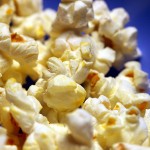 Just wanted to “pop” in and give everyone an update about the latest with Kitchen Table Medicine.
We are now officially an online magazine, so please stop by the home page and check out the beautiful new magazine theme courtesy of my dear friend Chris Ruddlesen. Also visit the newly updated authors page to see all the fresh holistic perspectives that will be leading future mind/body/spirit discussions at the kitchen table.
I remember back just a year ago when I set up the website I had about 6-10 lonely page views a day. I would wonder who these readers were…until I sadly realized they were just me making edits…  Back then I was writing my heart out and no one was even reading it! Now we have over 6000 to 10,000 daily page views AND 40,000 hits a day! The site has far surpassed my initial goals and I am absolutely delighted to see such an interest in naturopathic medicine.
Kitchen Table Medicine is now the 189,000th most popular site on the internet which may not be that impressive to you until you think of the BILLIONS of websites out there. We are also now in the top 0.19 percentile of the MOST POPULAR blogs in the world, and have consistently been featured as one of the most commonly read blogs at the #1 blogging network on the internet- BlogCatalog.com! Stanford University has also asked to feature our content at their preventative wellness site Wellsphere.com.
I am delighted to report that articles from Kitchen Table have been repeatedly featured on the front page of GLCzone.com the premier wellness site for health bloggers, and we have spent a great deal of time on the front page of Digg.com the #1 social news site on the internet.
Wow people really love our healthy news you can use! Thanks so much for all the Fan Mail 
As far as visitors go, I have learned that traffic on the internet is a lot like making popcorn. You have to be patient. Whether you are warming up your popcorn machine or turning on a brand new website you have to wait around a bit feeling hungry and hopeful for that corn to start popping. You get a few initial exciting “pops” here and there and continue to wait in anticipation. Eventually things really get popping and sometimes the bowl fills over!
Well the bowl has filled over three times now at Kitchen Table Medicine!
 What this means is that I have had to upgrade the website three times to manage all the traffic we have been getting. Even our fantastic GREEN host, Dreamhost is impressed! Our new GREEN host means that we are officially a green website!
Really it is unbelievable that just one popular article on olive oil actually shut my site down for over a week. I had no idea people loved olive oil so much! TWENTY THOUSAND PAGE VIEWS IN A DAY! WOW!
The now “popping” popularity of Kitchen Table has been an ongoing source of inspiration for me, and I really don’t think I have EVER worked so hard at anything in my entire life. Not even when I was working 100 hour weeks between Bastyr and Virgina Mason. I literally work until the wee hours of the night editing errors and answering questions. I am so glad to receive emails of thanks from readers hungry for this kind of information and grateful for the easy access to naturopathy online.
In the past year, I have learned a great deal about how the internet works, HTML code, graphic design, FTP, and webhosting—ultimately realizing that there is a great deal of complexity to online content publication. It really isn’t as simple as it looks.
Although there is the fantastic advantage to rapidly getting information to you, there is still a great deal of upkeep on the back end. But, I am learning and have actually helped a few friends launch their professional blogs, like my friend Dr. KC at Docinthebiz.com.
Right now I am still busily working to go through the site and fix errors that have resulted from the upgrades and correct the mistakes I made early on when posting articles. If you find any pages that look bad simply copy and paste the URL and email it to me or post it in a comment on this page. I always appreciate your feedback on this new project.
In the interim I have invited some very special expert guests to the kitchen table and I hope you will enjoy the wisdom they have to offer. Dr. Benjamin Lynch of HealtheGoods.com has volunteered to help me answer reader questions, and we will soon offer that feature again. His diverse expertise on Environmental Medicine should provide Kitchen Table readers with an enlightening GREEN perspective about their health.
Thanks for your patience, support, and encouragement!
Be Healthy & Enjoy Life,
Dr. Nicole
Special thanks to our sponsors: Crystal Cabinets, Task Lighting, and U-line for supporting my mission to makeover all the kitchens in America and make them WHOLE FOODS HEALTHY!
Dr. Nicole Sundene, NMD is a licensed Naturopathic Medical Doctor at Fountain Hills Naturopathic Medicine 16719 E Palisades Blvd, Suite 205, Fountain Hills, AZ 85268.She believes we should utilize natural medicines to treat the root cause of disease rather than just treating symptoms, as symptoms are a message of imbalance sent from the body and will persist until they are properly addressed.
For appointments please visit http://FHnaturopathic.com for more information about Naturopathic Medicine services.
©KitchenTableMedicine.com, LLC ™
Fueling for Fitness
October 24, 2008 by Dr. Nicole Sundene
Filed under Bonnie Pfiester, Exercise, Kitchen Sink, Sports Nutrition
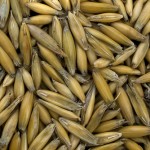 By Bonnie Pfiester, Fitness Trainer
Fueling up for fitness is the key to success.
Choosing the right fuel for a workout depends on the workout you’re fueling up for. It’s like fueling up a car. The fuel used for drag racing is totally different than fuel used for Nascar. Dragsters just need to get to the finish line as fast as possible, which is only about a thousand feet away. Nascar fuel needs to help you go fast, steady and strong so you can go the distance. In many ways the same principles apply to fitness.
Fueling up for fitness and weight loss can be very different. For instance, if you need to make it through an intense workout, like weight training or a boot camp style class, you’ll need something that can power you through your entire workout. Lifting a weight or powering a jump requires blood sugar readily available.
Unfortunately, if you choose the wrong fuel or don’t to fuel up at all you’ll end up broken down on the side of road for sure. Every time someone falls out in boot camp or weight training it’s because someone either didn’t’ eat - or didn’t eat right. A sugary Slim Fast drink or a 100 Calorie breakfast bar won’t last 15 minutes through intense training. That’s like putting dragster fuel in a Nascar. It’s simply not made to go the distance.
A dragster can go through more than twenty gallons of top fuel from warm-up to finish line. The same thing happens when you fuel up with high-processed foods or foods high in sugar– you simply burn through it too quickly. Once your body uses it all up, your blood sugar drops, leaving you dizzy, light-headed and often nauseous.
You need a fuel source that will help you go the distance. Low Glycemic foods like oatmeal, long grain rice, quinoa, squash, nuts and many vegetables take longer for the body to break down, releasing glucose more slowly and steadily. This means a steady and reliable energy source for your workout.
On the other hand, a fat-burning workout doesn’t require the same fuel source for energy. Of matter of fact, you want to force your body to use fat stores for energy instead of food. Since low-impact aerobics, jogging and walking don’t require instant power, you can wait for your body to make the blood sugar needed to keep you moving. Much like a hybrid, you can use stored up energy, or fat stores, for fuel.
When it comes to fueling up for fitness, choosing the right fuel for the right exercise is key to success. Now that you’re all fueled up, like Darrel Waltrip says, “Boogity, boogity, boogity! Let’s go racin’ boys!”
~Bonnie
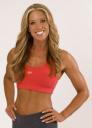 Bonnie Pfiester is a Personal Trainer, wife to the famous fitness trainer Steve Pfiester of the reality TV show “Fat March”, and owner of the women’s health club Longevity Fitness.
You can enjoy more of Bonnie’s fitness and beauty articles at www.BonniePfiester.com or here at the kitchen table by visiting the Bonnie Pfiester page.
You are invited to leave your fitness and sports nutrition questions in the comments below for Bonnie to briefly answer or write about in future articles.
Dr. Nicole Sundene, NMD is a licensed Naturopathic Medical Doctor at Fountain Hills Naturopathic Medicine 16719 E Palisades Blvd, Suite 205, Fountain Hills, AZ 85268.She believes we should utilize natural medicines to treat the root cause of disease rather than just treating symptoms, as symptoms are a message of imbalance sent from the body and will persist until they are properly addressed.
For appointments please visit http://FHnaturopathic.com for more information about Naturopathic Medicine services.
©KitchenTableMedicine.com, LLC ™
Squash: Autumn’s Cheapest Super Food
October 24, 2008 by Dr. Nicole Sundene
Filed under Diabetes, Diet Tips, Fruits and Veggies, Kitchen Sink, Preventative Medicine, Superfoods
 By Dr. Nicole Sundene
Right now squash is the HIT super food of the season.
Squash is not only a CHEAP food, it is also a highly nutritious lower glycemic complex source of carbohydrates that can be enjoyed by dieters and diabetics when paired with a lean protein source.
Whether you are growing pumpkins, butternut squash, or acorn squash in your garden you can easily turn any squash in to a nutritious soup to boost your immune system during the cold and flu months.
Because of the beautiful orange and yellow pigments, squash is a rich source of beta carotene and other important carotenoids that prevent cancer.
Growing your own food is not only rewarding, but also is a cost-effective way to provide your family with fresh organic produce.
Eating seasonal produce is a simple way to improve your health by increasing variety in your diet. Now is the time to pick up some squash at your local farmer’s market, or find it on sale at your super market.
Kitchen Tip: Steam squash till tender, then drizzle with olive oil and give a sprinkle of sea salt. You can also mash it up for a great healthy substitute to mashed potatoes. Try baking squash in the oven at 350F 20-40 minutes until done (recipe depends on how thickly you cube or slice the squash). You can also take cubed cooked squash and blend with coconut milk to make a delicious anti-viral soup recipe!
Please feel free to share your favorite squash recipe in the comments section. Foodies are always invited to leave links to their squash recipes on this page for all to enjoy.
Happy Healthy Autumn Everyone!
~Dr. Nicole
Naturopathic Physician
Dr. Nicole Sundene, NMD is a licensed Naturopathic Medical Doctor at Fountain Hills Naturopathic Medicine 16719 E Palisades Blvd, Suite 205, Fountain Hills, AZ 85268.She believes we should utilize natural medicines to treat the root cause of disease rather than just treating symptoms, as symptoms are a message of imbalance sent from the body and will persist until they are properly addressed.
For appointments please visit http://FHnaturopathic.com for more information about Naturopathic Medicine services.
©KitchenTableMedicine.com, LLC ™
Organic vs Commercially Farmed Food
October 14, 2008 by Dr. Nicole Sundene
Filed under Diet Tips, Fruits and Veggies, Kitchen Sink, Whole Foods Diet
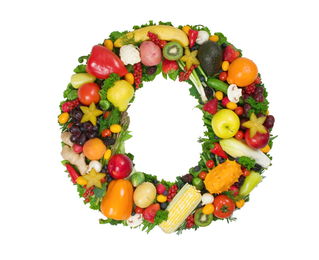 By Stephen Cox
A while back here in Australia there was a sudden storm of information in the media regarding studies into the differences, if any, between organic food and “regular” commercially farmed food.
At the time I was unaware, but later I was informed by my mother, who is a manager in a major supermarket chain here in Australia, that the release of the research findings and the media interest coincided with the major supermarkets testing consumers response to new organic products in their stores.
The results of the studies showed that there was no additional nutritional value in the more expensive organic produce. However, I have since learned that there are a number of rather underhand tricks so-called scientific studies in this area use to produce the results they want. For starters I would always advise caution regarding accepting the conclusions of any scientific study until you have ascertained some key information for yourself first.
The first question to ask is who paid for the research to be undertaken? Scientific research is big business and costly to undertake. Often the people paying the bills have vested interests and many things are open to manipulation so that desired results can be achieved. Imagine if your boss gave you hundreds of thousands of dollars for a project and you produced the exact opposite results he or she wanted. Chances are you wouldn’t have a job for long much less a successful career.
The second key point when it comes to accepting the findings of research is to ensure you take a close look at exactly what the process the researchers undertook to produce their results was. You will also want to take a look at the actual results pre the drawing of final conclusions by the researchers. I’m amazed at how often researchers make seemingly discontinuous leaps in their conclusions that do not appear to be supported by the results of their own study.
If all that seems a bit like too much effort then let me break down some of the things researchers have done to skew the results of their organic vs. commercially farmed produce studies. A number of years ago there were only a handful of organizations certifying organic producers. If you are going to pay for organic produce you need to ensure it is certified by an organization that requires stringent audits and at least a three year transition period during which only organic farming methods are used. This ensures any lingering residues from past farming practices are no longer present.
In the last couple of years organic certification bodies have sprung up all over the place. Some are little more then websites that require the farmer or company pay a fee before they then send out an organic certification. Such certifications are little more then a bad joke compared to legitimate organic certifiers who require rigorous on site audits and a transition period of three or more years before organic certification is awarded.
The end result is a situation where a large farming corporation or conglomerate of commercial farmers purchases a small test farm from some broke small time farmer. Then they buy a bogus organic certification for the farm, grow produce that by any decent standard isn’t organic and send that produce off to the researchers who are undertaking a study sponsored by that very same corporation. The results of the study are rather unsurprisingly that “organic” produce is no different to regular commercially farmed produce. In reality of course the results are completely bogus.
Other studies have made use of real organic food but transported it thousands of miles to research facilities at which time the quality of the food had degraded sufficiently for it to be declared no different to fresh food of the regular commercially farmed variety. Anyone with a modicum of intelligence could have predicted such an outcome given the facts.
In the second part of this article coming soon we will take a look at what factors actually do play a role in the nutritional and ultimate health value of your fruit, vegetables and animal products. We’ll examine some commercial farming practices and I’ll introduce what I feel is a very important idea – that for us to be healthy the food we eat, be it animal or vegetable, must itself also be healthy.
For more great articles by Stephen Cox you can visit BalancedExistence.com. Here are a few of my favorite must reads: “Juice Causes Diabetes”, “Are You Becoming Dumber?”, “How to Overcome Daily Fatigue and Tiredness”.
Dr. Nicole Sundene, NMD is a licensed Naturopathic Medical Doctor at Fountain Hills Naturopathic Medicine 16719 E Palisades Blvd, Suite 205, Fountain Hills, AZ 85268.She believes we should utilize natural medicines to treat the root cause of disease rather than just treating symptoms, as symptoms are a message of imbalance sent from the body and will persist until they are properly addressed.
For appointments please visit http://FHnaturopathic.com for more information about Naturopathic Medicine services.
©KitchenTableMedicine.com, LLC ™
My Favorite Health Bloggers
October 11, 2008 by Dr. Nicole Sundene
Filed under Kitchen Sink
 The following are all of my favorite websites and people that I have stumbled upon while navigating the “blogosphere”.
I am officially stamping them with the Dr. Nicole “Seal of Approval” for being 100% healthy and health promoting!!!
Kitchen Table Medicine is still under construction while we are working to handle the dramatic increase in traffic we have been experiencing since early summer.
For those of you that still want to be working on your health and wellness and can’t stand waiting for me any longer—I have compiled this list of all my favorite personal development and health bloggers. Please grab a cup of green tea and enjoy perusing these WONDERFUL sites full of fabulous and FREE information!
Big Congratulations to all the wonderful writers on this list:
Dr. KC’s Pschotherapy Blog at DocintheBiz.com
Ya-ttitude: Atttitude for the 21st Century!
The Discomfort Zone: A Life Coach’s Blog by Life Coach Tim Brownson
Miss Matchmaker.net: Advice for healthy relationships!
Success Soul By Shilpan
Zenplease
Dr. Cason: The Pediatrician Next Door!
Mindset Mastery By Sean Rasmussen
Creative Journey Cafe
Healthy Living Lounge By Carole Fogarty
Rheumatoid Arthritis Research News
Herbal News Daily
Diabetes Diet News
Thanks for your patience while we are under construction! We will return to our regularly scheduled nagging
er …health coaching schedule shortly!
Feel free to nominate a site, or ask to be added to this list. Simply add us to your blog roll, or leave a comment on this thread, and as time permits I will check out your site. If you pass the test for being 100% healthy and health promoting (no spammers please) then you will be given our seal of approval!
~Dr. Nicole
Dr. Nicole Sundene, NMD is a licensed Naturopathic Medical Doctor at Fountain Hills Naturopathic Medicine 16719 E Palisades Blvd, Suite 205, Fountain Hills, AZ 85268.She believes we should utilize natural medicines to treat the root cause of disease rather than just treating symptoms, as symptoms are a message of imbalance sent from the body and will persist until they are properly addressed.
For appointments please visit http://FHnaturopathic.com for more information about Naturopathic Medicine services.
©KitchenTableMedicine.com, LLC ™
The Secret Pleasures of Menopause
October 7, 2008 by Dr. Nicole Sundene
Filed under Kitchen Sink, Menopause
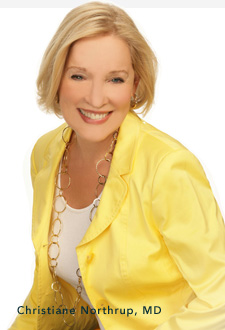 Oprah’s favorite OB/Gyn is at it again! Dr. Christiane Northrup’s latest book on menopause will be available on October 15th. I was excited to receive an early copy of the book, and think that its only flaw really is that it is directed JUST towards menopausal women.
Dr. Northrup’s self help tips are truly beneficial to women of all age groups, so why wait until menopause to find out these secrets?
Honestly, I wish I would have read this book ten years ago. “The Secret Pleasures of Menopause” is rich with advice that helps women embrace their femininity from a mind/body/spirit perspective.
The book is well rounded, full of positive affirmations, provides a vast array of diet and lifestyle tips, and explains how to optimize your body’s own production of nitric oxide, a biochemical made infamous by the Viagra industry.
Whether or not you choose to read the book, I hope all women can discover the most important concepts about menopause emphasized in this book:
- Menopause is a natural part of life, and not a curse.
- A comprehensive mind/body/spirit approach is the best way to keep your body balanced and healthy during this transition time.
- Healthy diet and lifestyle choices optimize the production of needed hormones and biochemicals.
~Dr. Nicole Sundene
Purchase The Secret Pleasures of Menopause through Amazon.
Dr. Nicole Sundene, NMD is a licensed Naturopathic Medical Doctor at Fountain Hills Naturopathic Medicine 16719 E Palisades Blvd, Suite 205, Fountain Hills, AZ 85268.She believes we should utilize natural medicines to treat the root cause of disease rather than just treating symptoms, as symptoms are a message of imbalance sent from the body and will persist until they are properly addressed.
For appointments please visit http://FHnaturopathic.com for more information about Naturopathic Medicine services.
©KitchenTableMedicine.com, LLC ™