Natural Alternative to Toxic Anti-Bacterial Products
December 31, 2008 by Kitchen Table Medicine
Filed under Best, Kat Lee, Kitchen Sink
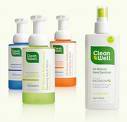 Using anti-bacterial products such as hand sanitizers and soaps containing harmful ingredients (like triclosan) has become commonplace in our world today. As a result we’ve seen bacteria become stronger and more resistant to antibiotic treatment.
The founders of the Clean Well company began looking for an all natural way to kill germs, and found that there are several naturally occurring oils that have antimicrobial properties. After much research and development, they were able to patent a substance they call “ingenium”, a formula of natural oils - mainly thymus, or thyme - that has been FDA approved to kill MRSA (staph), E.Coli, and Salmonella.
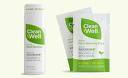 They’ve used ingenium to produce both an anti-bacterial soap, as well as an alcohol-free hand sanitizer. Now I don’t have to spray alcohol on my hands during this time of year when they’re so dry already! The hand sanitizer has such a nice citrus scent, and comes in a spray bottle as well as convenient wipes. Their site includes a handy store-finder so you can stock up!
I had pretty much sworn off sanitizers or anti-bacterial anything until I read about Clean Well. They have used the resources existing in nature to battle germs — and won. Visit the Clean Well website to learn about the sustainability of their products - this truly is a “green” company that any environmentally conscious person can stand behind.
 Dr. Nicole Sundene, NMD is a licensed Naturopathic Medical Doctor at Fountain Hills Naturopathic Medicine 16719 E Palisades Blvd, Suite 205, Fountain Hills, AZ 85268.
She believes we should utilize natural medicines to treat the root cause of disease rather than just treating symptoms, as symptoms are a message of imbalance sent from the body and will persist until they are properly addressed.
For appointments please visit http://FHnaturopathic.com for more information about Naturopathic Medicine services.
©KitchenTableMedicine.com, LLC ™
All Natural Deodorant Options
December 31, 2008 by Kitchen Table Medicine
Filed under Kat Lee, Kitchen Sink, Reader Questions
 I don’t know about you, but I am extremely picky when it comes to my deodorant. I enjoy smelling nice, and I’m sure everyone around me appreciates it too… When I first became aware of all the hazards associated with traditional deodorant sticks, I was at a loss as to what to do. Now, after trying numerous all natural deodorants - I’ll pass on my experience and (hopefully) save you some time and trouble!
Tom’s of Maine Long Lasting Care Deodorant Stick
I have to say that Tom does a great job producing a nice smelling deodorant stick that does not include aluminum or any other objectionable ingredients. Unfortunately, it didn’t last past lunchtime for me. I’ll admit I can be pretty hard on deodorants, and I do know some people who love it.
Pros:
- Aluminum Free
- Chemical Free
- Full ingredient disclosure on the website
- Nice fragrances to choose from
Cons:
- Decidedly NOT long-lasting, sorry Tom
Crystal Body Deodorant Salt Stick
This is basically a giant piece of salt (odd, I know) that helps eliminate odors. To use, you simply moisten the salt stick, apply like regular deodorant, pat the stick dry and put away. This deodorant kept me daisy fresh all day. Thumbs up!
Pros:
- Aluminum Free
- Paraben Free
- All natural (it’s salt - doesn’t get much more natural than that)
- Worked extremely well
Cons:
- You have to moisten the stick with every use
- You have to dry the stick with every use (sorry, maybe I’m lazy)
- Eventually, bits of the stick start to flake off and this can create some sharp spots - not good when we’re applying something to such a sensitive area.
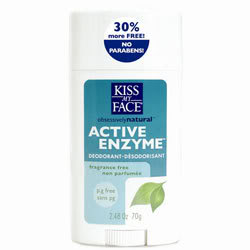 Kiss My Face Active Enzyme Deodorant Stick
This product went on very smooth, and was completely fragrance free (which I liked). However, it does come in a few different scents if you want something that smells pretty. Unfortunately for me, it didn’t last as long as I had hoped. It did outperform Tom’s, but didn’t last all day. Again, I do know people who love this stuff, so I’m sure it has something to do with individual body chemistry.
Pros:
- Aluminum Free
- Paraben Free
- Includes Kaolin Clay, a potent toxin absorber
- Very smooth and not “wet”
Cons:
- The only con is that it didn’t last all day for me
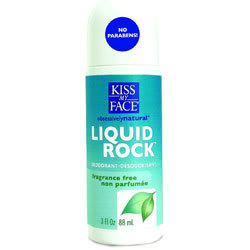
Kiss My Face Liquid Rock Deodorant
This one by Kiss My Face was also fragrance free, but comes in a variety of scents. This is essentially the same as the Crystal Stick above, but in a roll on format that contains liquid inside. The plus here is that there is no “wetting” and “drying” involved. It’s just like any other roll-on deodorant. It also performed just as well as the salt stick - lasting all day even in the unseasonably warm weather we’ve had recently.
Pros:
- Aluminum Free
- Paraben Free
- Chemical Free
- Convenient Roll On
- Lasts All Day
 Cons:
Cons:
- I’ve tried to think of at least one con - but I can’t. There you have it.
Due to the lack of “con’s” - I’m awarding this one with my seal of approval!
-Kat
Dr. Nicole Sundene, NMD is a licensed Naturopathic Medical Doctor at Fountain Hills Naturopathic Medicine 16719 E Palisades Blvd, Suite 205, Fountain Hills, AZ 85268.She believes we should utilize natural medicines to treat the root cause of disease rather than just treating symptoms, as symptoms are a message of imbalance sent from the body and will persist until they are properly addressed.
For appointments please visit http://FHnaturopathic.com for more information about Naturopathic Medicine services.
©KitchenTableMedicine.com, LLC ™
Kiss My Face Fragrance Free Lotions
December 31, 2008 by Kitchen Table Medicine
Filed under Best, Dry Skin, Kat Lee, Kitchen Sink, Olive Oil
by Kat Lee
Kiss My Face Olive and Aloe
My hands are not normally very dry, for which I am thankful; but when winter hits, my hands get dry and start to itch. And of course, every year, I scratch them. I know I shouldn’t but I do. Then, when I decide to put on some lotion, what happens? They BURN! Like fire. And brimstone (whatever that is).
I’ve tried unscented lotions before but for some reason, they still burn (and the lotion still smells). My husband already deals with dry skin, so in the winter it’s even worse. He just deals with the fact that most lotions will burn. I said “most”, because I’ve found one lotion that does not.
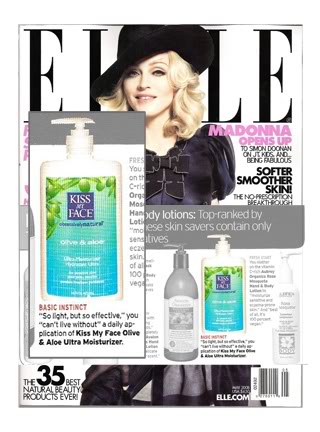 Kiss My Face makes a fragrance-free lotion called Olive and Aloe that I have found works fabulously. Featured in Elle Magazine in May 2008, the main ingredients are… (drumroll please)… olive oil and aloe vera. I’ll bet you wouldn’t have guess that, eh? All kidding aside, olive oil and aloe vera are two very soothing emollients that make this lotion an absolute dream for wintertime. The lotion also contains lavender and chamomile, both known for calming the skin. And while it does contain these oils, you cannot smell them at all; it is very literally “fragrance free”.
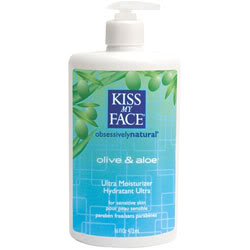
- Aqua, Stearic Acid, Isopropyl Palmitate, Vegetable Glycerin, Cetyl Alcohol, Sodium Borate, Aloe Barbadensis (Leaf Juice), Olea Europaea (Olive Fruit Oil), Avena Sativa (Oat Protein), Butyrospermum Parkii (Shea Butter), Helianthus Annuus (Sunflower Seed Oil), Lavandula Angustifolia (Lavender) Extract, Chamomilla Recutita (Matricaria Flower Extract), Foeniculum Vulgare (Fennel Extract), Sambucus Nigra (Elder Flower Extract), Calendula Officinalis (Flower Extract), Citrus Aurantium Dulcis (Orange Flower Extract), Salvia Officinalis (Sage Leaf Extract), Achillea Millefolium (Yarrow) Extract, Prunus Amygdalus Dulcis (Sweet Almond Oil), Xanthan Gum, Retinyl Palmitate (Vitamin A Palmitate), Tocopheryl Acetate (Vitamin E Acetate), Allantoin, Lecithin, Cetyl Esters, Polysorbate 80, Squalane*, Titanium Dioxide, Trisodium EDTA, 1,2 Hexanediol (and) Caprylyl Glycol, Phenoxyethanol, Sorbic Acid, Citrus Aurantium Dulcis (Orange Peel Oil), Citrus Nobilis (Mandarin Orange Peel Oil), Citrus Medica Limonum (Lemon Peel Oil), Citrus Grandis (Grapefruit Peel Oil), Evernia Prunastri (Oakmoss Extract), Viola Odorata (Flower Extract)
*Olive derived
Dr. Nicole Sundene, NMD is a licensed Naturopathic Medical Doctor at Fountain Hills Naturopathic Medicine 16719 E Palisades Blvd, Suite 205, Fountain Hills, AZ 85268.She believes we should utilize natural medicines to treat the root cause of disease rather than just treating symptoms, as symptoms are a message of imbalance sent from the body and will persist until they are properly addressed.
For appointments please visit http://FHnaturopathic.com for more information about Naturopathic Medicine services.
©KitchenTableMedicine.com, LLC ™
Jesus was Homeless Too! Please Help Seattle’s Nickelsville
December 24, 2008 by Dr. Nicole Sundene
Filed under Kitchen Sink
 Did you know that the “Greatest Christmas Story Ever Told” was about people that were essentially homeless?
Although the situation was temporary and brought on by the need to pay taxes, Mary and Joseph certainly found themselves in quite the Bethlehem predicament, “and they wrapped him in swaddling clothes and laid him in the manger.”
Certainly not the perfect Pottery Barn moment that all parents imagine with their new baby!
It is freezing here in Seattle, and with snow all around I am very concerned about our homeless citizens. The shelters this time of year are flooded, and those that have decided to form their own community, “Nickelsville” have been given tremendous grief by the city.
Fortunately the University Christian Church has opened their heart and parking lot to this homeless protest agains the city of Seattle, but the homeless people in Nickelsville still need our help with the freezing conditions.
The city of Seattle may not have the power to end the rising rates of homelessness, but the individuals within the city walls certainly do.
All it would take is for everyone to open up their hearts to the root cause of homelessness.
What is the Real Cause of Homelessness?
If I had to sum it up in one sentence I would jump out on a limb and say, “lack of family.”
Feel free to argue with me on this one, and maybe you will be right, but when you consider the deeper cause of homelessness behind the superficial labels of alcoholism, drug addiction, joblessness, illness, inability to work due to mental or physical challenges you start to realize that lack of family or a community support system is the true cause of homelessness. Many people are mentally ill, jobless, chronically ill, addicted to drugs and alcohol—but they aren’t homeless.

Why aren’t they homeless? Why isn’t every jobless alcoholic homeless?
Why isn’t every person with depression homeless?
Why isn’t every chronically ill or handicapped person homeless? Why isn’t every drug addict homeless?
Because they have a family looking out for them.
Think about your family situation. How many family members away from homelessness are you?
If the answer is zero you are certainly at risk of homelessness in this rough economy. If you are thinking, “well I could always move in with my parents, or my sister, or my aunt, or my grandma, or my other aunt, or a cousin, or…or…” then you are far removed from ever becoming homeless.
You are likely seven to ten family members away from being homeless.
Harrowing circumstances happen to everyone, that is just life, but with the unconditional support of a family you will likely always have shelter over your head and food in your belly.
Because your family cares about you.
Many people dread visiting family during the holidays for whatever stressful reason, but look around next time you are at a family gathering with appreciation. These are the people that prevent you from being homeless.
If I ever had a Christmas wish to come true, I wish we could extract all the ridiculous commercialism from Christmas and focus on the actual point of the holiday. Just think of all the money we have all wasted on decorations, that could build homes, buy food and blankets, provide shelter. The commercialism of Christmas in itself could likely end homelessness as each family spends an average of $1200 on unfulfilled consumerism.
The Christian “Savior” was once homeless and in need of help, and the only help he had were Three Wise Men with frankincense, gold, and myrrh. Let’s be smart and instead get some decent shelter, food and warm clothes for our Seattle homeless!
What do Homeless People Really Need?
After working with the homeless for two years throughout my internship with Bastyr, I learned that what homeless people really need is someone to listen. What they need is for someone to care about them “no matter what.” They need someone to believe in them.
They need someone to check in with them and make sure they are sticking to their goals. They need someone to hold their hand and tell them everything will be okay. You know-the way our families do?
Sure there are those individuals holding signs on the street corner that want twenty bucks and what is it to you to give it to them, but handing a homeless person twenty bucks is not addressing the cause of their homelessness.
Nor is thinking, “I won’t give them twenty bucks because they are just going to spend it on beer or drugs.”
They need to be connected, they need a community, they need a “family.” They need you to care about THEM, and they need your twenty bucks.
What Can You do to Help the Homeless?
We all need to be that family for people that don’t have one this time of year.
With these winter conditions it is an emergency situation with the homeless that we provide them with warm shelter right now.
For those hanging out in pink tents in camp Nickelsville, it is important that they have the emergency supplies that they need. If you would like to make a donation or volunteer your time visit the www.NickelsvilleSeattle.org website.
When a storm hits, homeless people can’t just hop in their 4wd SUV and head to Safeway to load up on Duraflames and frozen pizzas. Now is the time to extend help to our most vulnerable citizens.
I wish the real priority for every Christmas holiday would not be toys or trees, lights or decorations. I wish that the real point of Christmas became making sure that “there is always room in the inn” and that no homeless person goes hungry. Think of how much food we all overeat in the name of Christmas. All that overeating could likely sustain the homeless Nickelsville community for months.
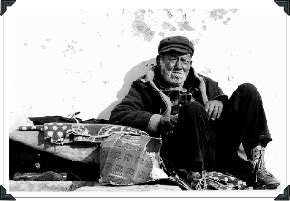
I wish we could always use the greatest Christmas story ever told as a reminder that we need to look out for those people that are turned away and told “there is no room in the inn.” If it could happen to Jesus, Joseph, and Mary… then it could happen to anyone.
Can you “adopt” a local homeless person?
By adopt I don’t mean that you have to move them in to your house, I mean you can if you think that would be a safe idea, but what I would prefer people take on is the overall care and supervision of another human being. Treat them like your family. Give them that unconditional love and support that only a family can. The number of homeless currently does not out number those of us with homes. If everyone took it upon themselves to solve the homeless problem in Seattle, it would be solved.
Destroying Community is Not the Cure for Homelessness!
According to homeless activist Lucas, Nickelsville was started so that homeless people can actually make progress and not have to spend the entire day on just one thing like getting food, and taking a shower. Obtaining these day to day necessities is extremely time consuming and just setting homeless people back further and further.
The recent rise in rates of homelessness in Seattle is what inspired this protest against Mayor Nickels plan to remove the homeless from the city by making it illegal to be on park benches and other city owned property.
I find the attempts to destroy Nickelsville appalling. On some levels it is of course a protest by the homeless people to be recognized, but on a deeper level it is an attempt by many homeless people to connect. To form a “Nickelsville Family” a community committed to one another. Destroying the Nickelsville community destroys every attempt to end homelessness.
Shouldn’t we be happy that homeless people are trying to work together? Trying to form a safe community and shelter? Shouldn’t safety of our citizens be the primary concern of our government?
Without the basic human need for safety, no homeless person can likely overcome the challenges of being homeless.
From a psychological standpoint the basic human need for safety is right up there with food and water on the necessity list.
The Nicklesville community is simply trying to provide shelter and safety for its homeless citizens and we should be doing everything we can in our power to support this remarkable attempt.
Here are a few poignant experts I took from the Nickelsville website.
You may want to keep your box of Kleenex close by.
“It’s degrading and dehumanizing.
It’s an atrocity that must be stopped. We can no longer sit idly by and do nothing. The Mayor may want to see them as numbers, because it’s easier to label them that ways. I WON’T. I CAN’T. I will see their faces. The mothers and fathers, the sons and daughters, my brothers and sisters. I will look them in the eyes and acknowledge their humanity.
I will embrace them and show them I care. I will fight for them. I will knock down any obstacle that stands in my way. I will scream and yell until my voice is heard or they tear my vocal chords out. WILL YOU? Will you stand for what is just or right, or will you follow the elitists and look the other way?
Some say that Nickelsville is a step backwards, maybe it is, but we may have to take a step backwards in order to take a step forward.
So who are the homeless and why should we care? We like to label everything to make them easier to digest and deal with. Stereotyping is the biggest enemy we have in this world today.
The homeless can’t be classified as a single demographic, just as every German isn’t Hitler and every Jew isn’t Jesus. We come from all walks of life, from every age group, every race, every gender, and sexual orientation. Everyone has a story to tell. Tales that will fascinate you, tales that will bore you, stories that will make you laugh, and of course, stories that will make you cry. They are no different from anyone else, other that they have no home.
I’ve met doctors, lawyers, mechanical engineers, people with bachelors and masters degrees, and people with little or no education. People who were millionaires, middle class, lower class, and teachers who used to be in class. Black, white, male and female. There are truly no boundaries or restrictions to the homeless problem.
Many Americans live one or two paychecks away from being homeless themselves. One catastrophic illness or one lost job away from being in the same boat we are. Some folks have to choose between paying the bills or buying food, buying the medication they need to live or pay the heating bill to keep them warm in the winter. Hard choices to make. Much of the news today is filled with the horrid economy.
The loss of jobs both blue-collar and the outsourcing of white-collar jobs, the crumbling infrastructure, the mortgage crisis, the weakening dollar, astronomical gas prices, increased food prices, natural disasters destroying our crops, inflation, and recession. In the greatest country in the world we can see our own people going hungry and dying on our streets.
But when a homeless person dies, you won’t find it on the front page that is reserved in case Britney Spears or Paris Hilton gets arrested. Instead you may or may not find it in small print on page nine or ten. A man is run over in the greenbelt, but it is his fault because he could have gone to a shelter. A man is killed crossing I-5 getting to his camp, but it’s his fault because he should have stayed in a shelter, and according to Mayor Nickels he shouldn’t be sleeping in those greenbelts anyway. We need to save those greenbelts so the elite can pretend they are environmentalists.
So are these homeless looking for a handout, another free ride, or some sort of private welfare program?
NO!!! They just want to be seen as human, treated with dignity and respect, seen as our brothers and sisters, not as pariahs of society. They are not deadbeats and criminals.
They are just like you and I. They have hopes and dreams. They laugh and cry. They have feelings just like the rest of us.
No longer can we simply step over the homeless man sleeping in the doorway. It’s time we extend our hand to him, help him to his feet, and show him we care.
Instead of asking the elite what to do, why not go to the source and ask the downtrodden what they need.”
Author Mary O’Malley teaches that we should “always hold everyone in our hearts,” so please consider at the very least holding the homeless in your heart, especially on Christmas, and especially with the freezing winter conditions.
~Dr. Nicole
To advocate for the Nickelsville homeless simply contact the Seattle Mayor and the Washington Governor:
Mayor Greg Nickels
(206) 684-4000
[email protected]
Governor Gregoire
(360) 902-4111
[email protected]
Please support the homeless by subscribing to the newspaper “Real Change.”
Photo credits: Sasha, Ckafader, P.S. Zollo, Farfando, Teppo, Jessi, and Daizy B
Dr. Nicole Sundene, NMD is a licensed Naturopathic Medical Doctor at Fountain Hills Naturopathic Medicine 16719 E Palisades Blvd, Suite 205, Fountain Hills, AZ 85268.She believes we should utilize natural medicines to treat the root cause of disease rather than just treating symptoms, as symptoms are a message of imbalance sent from the body and will persist until they are properly addressed.
For appointments please visit http://FHnaturopathic.com for more information about Naturopathic Medicine services.
©KitchenTableMedicine.com, LLC ™
How Much Sugar Do Americans Consume Each Year? Each Day?
December 23, 2008 by Dr. Nicole Sundene
Filed under Kitchen Sink
By Dr. Scott Olsen, author of “Sugarettes”
Hope this helps silence the holiday sweet tooth…
The statistics behind our sugar consumption are hard to believe. As little as 100 years ago, it is estimated that Americans ate around one pound of sugar a year. Today, it is estimated that we (children and adults) consume around 1/4 to 1/2 pound of sugar each and every day for a total of around 90 to 180 pounds of sugar going into our bodies every year.
Whenever I quote those statistics, people are astonished and don’t believe that they are eating that much sugar. Let’s do some math and see if your consumption adds up to 1/4 pound a day.
There are 120 teaspoons in every pound of sugar, which means 1/2 pound is 60 teaspoons and 1/4 pound is 30 teaspoons. Foods we commonly put in our mouths contain high amounts of sugar, for example, a 12 oz soda contains 8 teaspoons of sugar. It takes only four 12 oz sodas to make 1/4 pound (and, remember, those are small sodas (12 oz) and not the large size served in most restaurants).
When other sugars found in the diet are added to the soda, such as those found in donuts (8-10 teaspoons), jams (3 teaspoons per tablespoon), cookies (2-4 teaspoons per cookie), candy or other snacks, and the so-called “hidden sugars” found in salad dressing, bread, peanut butter and other foods are added, it is easy to see large amounts of sugar are being consumed daily.
For more on how much sugar you are eating, see this post over at www.OlsenNd.com.
Dr. Nicole Sundene, NMD is a licensed Naturopathic Medical Doctor at Fountain Hills Naturopathic Medicine 16719 E Palisades Blvd, Suite 205, Fountain Hills, AZ 85268.She believes we should utilize natural medicines to treat the root cause of disease rather than just treating symptoms, as symptoms are a message of imbalance sent from the body and will persist until they are properly addressed.
For appointments please visit http://FHnaturopathic.com for more information about Naturopathic Medicine services.
©KitchenTableMedicine.com, LLC ™
How Sugar Ages Us
December 23, 2008 by Dr. Nicole Sundene
Filed under Kitchen Sink
I asked the “Sugar Guru,” Dr. Scott Olsen, author of “Sugarettes” to explain how sugar ages us and this was his response:
Sugar creates glycated proteins and that means destruction of anything in our bodies that relies on blood for oxygen and nutrients; essentially the whole body.
Sugar, though, also seems to increase oxidation throughout the body. Free radical or oxidative damage is of the theories behind why we age and the popularity behind the taking supplemental forms of antioxidants. The research in the area is a bit thin, but, in my estimation people age faster when they eat a lot of sugar because of this oxidative damage.
Is that enough motivation to cut back on sweets during the holidays? We are aging on the inside and the outside when we eat sugar.
Thanks for stopping by my kitchen table!
Dr. Nicole
Dr. Nicole Sundene, NMD is a licensed Naturopathic Medical Doctor at Fountain Hills Naturopathic Medicine 16719 E Palisades Blvd, Suite 205, Fountain Hills, AZ 85268.She believes we should utilize natural medicines to treat the root cause of disease rather than just treating symptoms, as symptoms are a message of imbalance sent from the body and will persist until they are properly addressed.
For appointments please visit http://FHnaturopathic.com for more information about Naturopathic Medicine services.
©KitchenTableMedicine.com, LLC ™
The Five Hidden Evils in Nutrition Bars
December 23, 2008 by Dr. Nicole Sundene
Filed under Diet Tips, Exercise, Kitchen Sink, Sports Nutrition, Sugar, Wheat Free/Gluten Free, Whole Foods Diet
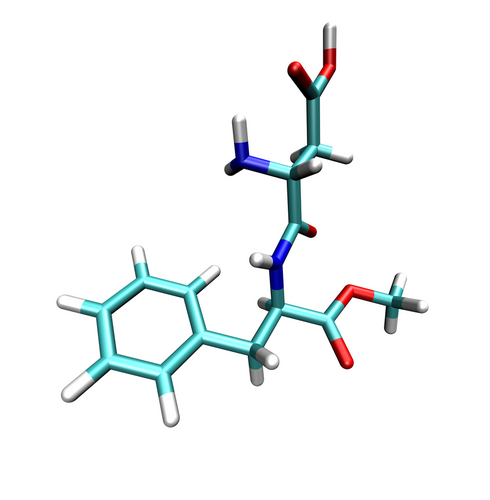 Finding a truly healthy nutrition bar can be tough as I noted in my article, “Zing Bars Awarded Best Nutrition Bar 2008.”
I interviewed the makers of Zing Bars, nutritionists Michael Kaplan, ND, Minh-Hai Tran, MS, RD and Sandi Kaplan, MS, RD to help us better understand the following unhealthy red flag ingredients commonly found in our not so healthy “health bars.”
What are the 5 Most Harmful Ingredients Commonly Found in Nutrition Bars?
1. Trans fats are listed as “partially hydrogenated” oils in a packaged food’s ingredients list. Trans fats have been shown to increase total cholesterol and contribute to heart disease. They also spur inflammation, an over-activity of the immune system that has been implicated in heart disease, stroke, diabetes, and other chronic conditions.
The good news is that as of January 1, 2006, trans fats are required by law to be enumerated in a food’s Nutrition Facts Panel. Despite ever increasing public awareness, however, trans fats still have a place on the FDA’s “GRAS” (generally regarded as safe) list so watch out for their continued use.
2. Fractionated Palm Kernel Oils are an increasingly popular ingredient in bars today. They are commonly used to help stiffen chocolate coatings that would otherwise not be solid a room temperature. This “fractionation” process dramatically raises the saturated fat content of the oil, and confers many of the same anti-melting shelf stability aspects of trans fats.
It appears that fractionated oils may be taking the place of trans fats in certain products, stepping in as public awareness about trans fats rises. While more research is needed to determine the extent of the health risks of fractionated oils, it’s clear that they confer a higher level of saturated fat and a poorer quality fat profile overall.
3. Sorbitol, Mannitol, & Maltitol are sweeteners known as sugar alcohols. Manufacturers of candies and many sports bars use sugar alcohols as a replacement for conventional sugar or high fructose corn syrup. These sugar alcohols taste sweet, but have less of an impact on blood sugar levels compared to traditional cane sugar. Unfortunately there are several myths and popular misconceptions surrounding sugar alcohols.
Myth 1: Sugar alcohols are calorie free. This is unfortunately false. The most commonly used sugar alcohols have between 50-75% of the calories per gram of table sugar.
Myth 2: Sugar Alcohols only slightly raise blood sugar. While it’s true that most sugar alcohols have a lower glycemic index (or effect on blood sugar) than traditional table sugar, the effect is hardly negligible.
Despite fewer calories per gram, Sugar alcohols can raise blood sugar anywhere from 50-100% of the amount expected from table sugar alone. This means that some sugar alcohols may contribute to blood sugar swings & crashes normally associated with “traditional” sugary snacks & treats.
Myth 3: Sugar alcohols have no side-effects. Untrue! Sugar alcohols are not fully digested and absorbed by the body, so some of the compounds remain in the gut and are allowed to pass to the colon; an area sugars are normally never allowed to enter.
These sugars can pull extra water into the colon via osmosis, leading to diarrhea and cramping. They can also be fermented by the bacteria that normally inhabit this area of the digestive tract, leading to increased flatulence. The “threshold” or amount required to produce this effect varies from person to person.
So, not all sugar alcohols are created equally.
4. High Fructose Corn Syrup (HFCS) is a high glycemic sweetener, equivalent to sucrose (table sugar) in the degree of sweetness and calories per gram. While the research is unclear about whether or not HFCS is more harmful to health than sucrose, it’s presence in a food usually suggests a disproportionate amount of refined carbohydrate compared to fiber, protein and fat.
While HFCS is technically “natural” according to the FDA’s guidelines, it is a heavily processed product requiring many energy intensive steps. This makes it a less than optimal choice from an ecological point of view. HFCS also propagates the use of non-organic corn. So while the debate rages on about its healthfulness for humans compared to table sugar, its negative impact on the environment is more evident.
5. Gluten sensitivity is an emerging problem among American & Europeans. Current research points out that 1% of the population have Celiac disease (a more symptomatic form of gluten sensitivity). However, evidence suggests that gluten sensitivity (with its more non-specific presentation) affects many more people. Gluten is found in wheat, barley, oats, and rye primarily and athletes with sensitive stomachs should consider avoiding gluten.
Authors: Michael Kaplan, ND, Minh-Hai Tran, MS, RD and Sandi Kaplan, MS, RD
Reference citations:
1. Mozaffarian D, Pischon T, Hankinson SE, et al. Dietary intake of trans fatty acids and systemic inflammation in women. Am J Clin Nutr. 2004; 79:606-12.
2. Mozaffarian D, Katan MB, Ascherio A, Stampfer MJ, Willett WC. Trans fatty acids and cardiovascular disease. N Engl J Med. 2006; 354:1601-13.
3. Trans fats: The Story Behind the Label. Harvard Public Health Review. Spring 2006.
4. Freeman J, Hayes, C. Low Carbohydrate Food Facts & Fallacies. Diabetes Spectrum. 2004. 17:137-140.
5. Hartman E. High Fructose Corn Syrup: Not so Sweet for the Planet. Washington Post. March 9, 2008. p. N02
6. Rubio-Tapia A, Murray JA. The Liver in Celiac Disease. Hepatology. 2007. Nov; 46(5): 1650-8.
7. Helms, S. Celiac Disease and Gluten-Associated Diseases. Altern Med Rev. 2005 Sept; 10(3):172-92
8. Miller GD, Jarvis JK, McBean LD. Handbook of Dairy Foods and Nutrition 3rd edition. National Dairy Council, 2006.
9. http://en.wikipedia.org/wiki/Whey_protein
10. Jenkins, D, Kendall, C, Josse A, et al. Almonds decrease post-prandial glycemia, insulinemia, and oxidative damage in healthy individuals. J Nutr 2006;136;2987-92.
11. L’Hocine L, Boye JI. Allergenicity and the soybean: new developments in identification of allergenic proteins, cross reactivities and hypoallergenization technologies. Crit Rev Food Sci Nut. 2007;47(2):127-43.
12. Farschi HR, et al. Beneficial metabolic effects of regular meal frequency on dietary thermogenesis, insulin sensitivity and fasting lipid profiles in healthy obese women. Am J Clin Nutr. 2005 Jan;81(1):16-24
Dr. Nicole Sundene, NMD is a licensed Naturopathic Medical Doctor at Fountain Hills Naturopathic Medicine 16719 E Palisades Blvd, Suite 205, Fountain Hills, AZ 85268.She believes we should utilize natural medicines to treat the root cause of disease rather than just treating symptoms, as symptoms are a message of imbalance sent from the body and will persist until they are properly addressed.
For appointments please visit http://FHnaturopathic.com for more information about Naturopathic Medicine services.
©KitchenTableMedicine.com, LLC ™
Seafood: Don’t Listen to the FDA!
December 18, 2008 by Dr. Nicole Sundene
Filed under Diet Tips, Kitchen Sink, Pediatrics, Pregnancy
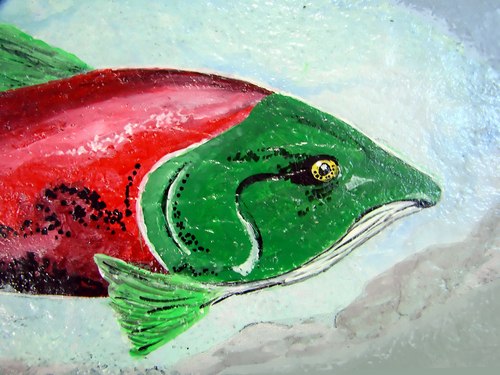 Is the FDA going to start recommending that pregnant women drink a beer and smoke a cigarette every night too? Recommending mercury laced seafood to pregnant women in my opinion is just as seemingly ridiculous and irresponsible.
Trust me, I am all about moderation, but when I read articles like this one, “FDA Urges Pregnant Women to Consume More Mercury Laced Seafood,” I feel like just packing up and quitting!
How can the FDA feel good about potentially favoring the failing seafood industry at the risk of exposing unborn fetuses to toxic mercury that is known to cause birth defects and neurological damage? No amount of known mercury consumption during pregnancy should be labeled as “safe” or “healthy.” There is no guarantee that a woman’s cytochrome p450 detoxification pathways will be working while pregnant, and worse yet a common problem in pregnancy is constipation which just perpetuates heavy metal poisoning as the main elimination pathway slows down.
Honestly this crazy rough draft recommendation from the FDA doesn’t surprise me though. I could ramble on for hours about many other instances as to why we should no longer listen to the American FDA, and this is merely one of them. The FDA simply has big business in America at heart, and with the seafood industry nearing extinction in the next few decades as our oceans become increasingly polluted this dietary recommendation is simply a warning sign that the FDA is scrambling to protect the inevitable demise of the seafood industry.
The FDA makes blanket recommendations that promote businesses while potentially jeopardizing the health of individuals. The rough draft report awaiting approval by the white house argues, “that nutrients in fish, including omega-3 fatty acids, selenium and other minerals could boost a child’s IQ by three points.”
Yes! Children will need those extra three IQ points if they were exposed to mercury as a fetus, a heavy metal known to cause neurological disorders.
Keep in mind when you hear health recommendations from the FDA that they are made basically to cover government regulated food programs such as provided for prisoners. Imagine the cost to our government if the FDA actually insisted on high quality organic food for all prisoners?
Such a costly recommendation would certainly burden these government food programs, but it may solve the health care dilemna. We are the second most unhealthy country only to Finland, yet we spend the most on health care, and the least on high quality food. We should try modeling after our European and Asian counterparts that place a cultural priority on quality food consumption. Americans will eat any old cheap refined food garbage they can purchase several month’s supply of at a cost saving warehouse. Europeans shop several times a week from a local produce stand.
Cutting corners with our food is is not the answer. Trust me, my heart goes out to the seafood industry, but we have to make ethical decisions when it comes to health. The pollution of our oceans is an unavoidable reality.
Larger carnivorous fish are naturally more polluted than smaller ones. Older fish are also more polluted than younger fish. The best fish to consume are Alaskan Wild Salmon and similar deep water fish. Do NOT eat farm raised fish unless they are crustaceans grown in controlled tanks. Farm raised salmon is toxic with PCB’s to say the least. PCB’s are known carcinogens that cause cancer, and farmed fish is thus banned in Europe for that reason. Why isn’t it banned in America? Money of course.
It is simply irresponsible on the FDA’s behalf to consider recommending that pregnant women and children eat more fish that we KNOW are toxic with mercury. This just doesn’t make sense, and I hope that pregnant women are not going to fall victim to this ridiculous advice that clearly has the interest of big business in America at heart and not the health of developing human beings.
Reference: www.EWG.org
Dr. Nicole Sundene, NMD is a licensed Naturopathic Medical Doctor at Fountain Hills Naturopathic Medicine 16719 E Palisades Blvd, Suite 205, Fountain Hills, AZ 85268.She believes we should utilize natural medicines to treat the root cause of disease rather than just treating symptoms, as symptoms are a message of imbalance sent from the body and will persist until they are properly addressed.
For appointments please visit http://FHnaturopathic.com for more information about Naturopathic Medicine services.
©KitchenTableMedicine.com, LLC ™
Best Organic Cabernet 2008
December 18, 2008 by Dr. Nicole Sundene
Filed under Best, Kitchen Sink, Organic

 The Bonterra Cabernet Sauvignon Mendocino County 2006 is simply a delightful, delicious organic red wine.
Most oenophiles will agree that the organic wine industry is pretty limited, young, and newly developing. I would actually rate some of the organic red wines I’ve tasted as worse than the worst boxed wine. The exorbitant price just further leaves a bad taste.
It is important to buy organic wine because grapes are on the “Dirty Dozen” of most pesticide ridden foods. Grapes are the 9th most toxic produce item.
From a biochemical standpoint we are concentrating and extracting lipid soluble toxins with the wine making process.
From a health standpoint, we want to lesson the total chemical burden on the liver by eliminating avoidable pesticides and added sulfites. Wine naturally contains sulfites, but organic wine does not have additional sulfites which translates in to less of a “red wine hangover.”
This is why you can go to Europe and taste many different red wines without the headache, as Italy and France do not allow for additional sulfites in wine making unless they are due for export to America.
Organic red wine is a great way to “cheat the system” for those of you that are always asking me for healthy short cuts. If you aren’t going to give up your red wine for the new year, then just go organic with it!
The best way to maximize the anti-aging benefits from the resveratrol in red wine is to reduce the total toxic burden of the beverage. Organic red wine provides all the power of resveratrol without all the sulfites, pesticides, and other needless garbage that pollutes our system.
Makes plenty of sense, but still it is tough to find an organic wine that is both tasty and affordable.
I was happy to learn from the Safeway wine guy that this Bonterra organic cab scored a whopping 88 points which is pretty significant for an organic red!
Wine writer David Lawrason reviewed Bonterra’s 2006 organic cab as, “a lovely evenness, with bright berry fruit, a touch of Cabernet, green bean and tobacco, and moderate toast and clove. Mid-weight and nicely balanced, with fine tannin. Very good length. Enjoy over the next four years.”
Wine spectator James Laube describes this organic red as, “Supple, elegant and polished, with ripe, fleshy plum, black cherry, mineral, spice and light cedary oak flavors that are well-proportioned, gaining length. Drink now through 2011.”
Be sure you are picking up Bonterra’s 2006 organic cab, as our kitchen table tasters did not particularly care for Bonerra’s merlot.
Since I am not a fan of Cabernet I invited my team of product tasters over to help me with an unbiased review, and they were pleased to highly recommend this organic red.
“Jammy and delicious!”
“Very smooth…”
“I could drink a glass of this every day, and for fifteen bucks a bottle I think I will.”
“Yummy! This is a great cab.”
And of course my favorite comment, “This is guilt free wine at it’s finest!”
I am happy to report that although I typically don’t care for cab’s I agreed with my fellow tasters and found it to be smooth, jammy, sweet, light, and delicious. Most cab’s are too tart for my pallet, but this one was just right.
I was also pleased about the price, for just $12 on sale, this 88 point organic red is definitely a great wine to load up on when sales hit, and you can always just grab a case through your local wine dealer to get a further price break. A perfect bottle of organic wine makes for the perfect holiday party gift. If you have a friend that is a oenophile the rare find of a delicious organic red will absolutely make the perfect gift…and their livers will of course thank you too!
Bonterra is typically available at Safeway, PCC, Whole Foods, and other natural markets that feature organic products.
~Dr. Nicole
If you have an organic product you would like tested at the kitchen table simply contact us.
Dr. Nicole Sundene, NMD is a licensed Naturopathic Medical Doctor at Fountain Hills Naturopathic Medicine 16719 E Palisades Blvd, Suite 205, Fountain Hills, AZ 85268.She believes we should utilize natural medicines to treat the root cause of disease rather than just treating symptoms, as symptoms are a message of imbalance sent from the body and will persist until they are properly addressed.
For appointments please visit http://FHnaturopathic.com for more information about Naturopathic Medicine services.
©KitchenTableMedicine.com, LLC ™
Zing Bars: Awarded Best Nutrition Bar 2008
December 17, 2008 by Dr. Nicole Sundene
Filed under Best, Exercise, Kitchen Sink, Sports Nutrition, Wheat Free/Gluten Free, Whole Foods Diet
Have you been searching for the best sports bar? Are you tired of all the refined junk, preservatives and other garbage you have to eat while exercising to make your body healthier?
Well as an avid mountain biker and endurance cyclist I have tried nearly every bar in the business, and have finally settled on what I think is the best. Zing Bars!
Congratulations to Zing Bars for winning the Kitchen Table Medicine award for the best in nutrition bars for 2008!
Here is why they are the best:
- NO artificial ingredients! The founders of Zing Bars apparently were just as sick of all the unhealthy “health bars” on the market and have taken out all the other garbage that pollutes most sports bars and created a delicious whole food alternative for busy people.
- No corn syrup! Zing bars are sweetened with agave syrup and real fruit juice. “Slow and steady wins the race,” and sweeteners with a lower glycemic index will continuously provide you with a steady energy source.
- NO cottonseed oil. Anytime you read “cottonseed oil” or “partially hydrogenated cottonseed oil” just run the other way. Zing bars provide healthy fat from almonds.
- These are whole food, hypoallergenic bars that are not only healthful but delicious! No wonder they were smartly formulated by four nutritionists.
- They have fiber! Five grams of fiber per bar. This is great news for dieters and those with blood sugar issues as we want to balance everything we eat with fiber to increase the “satiety index” or that feeling of being satisfied. If you are doing the Iron Man or any other long distance endurance event I do advise to limit fiber consumption during the race, so don’t go eating ten of these on race day! But Zing bars are the perfect training treat.
- These are great for children because they aren’t fortified with a bunch of synthetic vitamin isolates that can overload a young child’s system. Most athletes actually risk “hypervitaminosis” from all the vitamins they consume in their protein drinks, bars, multivitamins, energy drinks, and sports drinks. Nutrition bars don’t need added vitamins if they are made from healthy whole food ingredients.
- Two of the bars are gluten free, and all three are wheat free. Wheat is a top food allergen responsible for many bad gut aches in athletes, and gluten is a total gut bomb that should not be included in any bars used for athletic performance.
- Zing bars are free of soy! Soy gives many athletes a major gut ache just like wheat which is why I recommend whey and rice protein as the most gentle protein sources for delicate stomachs. Zing bars are made with whey protein. Whey is the best protein source for athletes.

HealtheGoods has Zing bars on sale at 15% off for a limited time. You can also stop by ZingBars.com for more information about my new favorite thing!
Dr. Nicole Sundene, NMD is a licensed Naturopathic Medical Doctor at Fountain Hills Naturopathic Medicine 16719 E Palisades Blvd, Suite 205, Fountain Hills, AZ 85268.She believes we should utilize natural medicines to treat the root cause of disease rather than just treating symptoms, as symptoms are a message of imbalance sent from the body and will persist until they are properly addressed.
For appointments please visit http://FHnaturopathic.com for more information about Naturopathic Medicine services.
©KitchenTableMedicine.com, LLC ™
Aura Cacia’s Lavender Harvest, Mommy’s Secret Weapon
December 17, 2008 by Kitchen Table Medicine
Filed under Herbal Medicine, Kat Lee, Kitchen Sink, Pediatrics, Sleep
 By Kat Lee
I have friends whose children drop off to sleep peacefully, alone, and fast; and I must confess that I secretly hate them. Okay, hate is not really the right word, but I seriously envy them.
My children require ninja mommy skills when bedtime arrives. If your children are like this, then you totally know what I mean by that.
You carefully arrange everything: mood, lighting, temperature. Then, you must sit nearby (or completely underneath and entangled between) your children until they become unconscious.
Now comes the tricky part – extricating yourself from this situation so that you can watch Heroes. You slowly twist and pull and wrangle yourself free from the children, then quietly tiptoe out of the room like a midnight assassin.
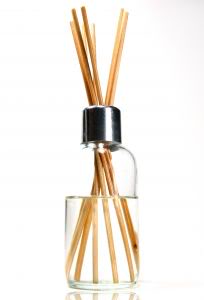
Sound familiar? If so, then I have just discovered a secret weapon that you may be interested in: Aura Cacia’s Lavender Harvest essential oil. The other night I placed one of their neat pocket diffusers (full of lavender) into the kids’ bedroom a bit before bedtime.
They lay down, as usual, and I sat nearby (not even an arm around them!) to see what would happen. They chatted a bit, then quieted down… then they fell asleep. I tiptoed out of the room in utter amazement. Who knew something as simple as lavender could be so effective?
I can assure you that this ninja mommy will never be caught without a supply of lavender oil again. That and Benadryl (just kidding).
Dr. Nicole Sundene, NMD is a licensed Naturopathic Medical Doctor at Fountain Hills Naturopathic Medicine 16719 E Palisades Blvd, Suite 205, Fountain Hills, AZ 85268.She believes we should utilize natural medicines to treat the root cause of disease rather than just treating symptoms, as symptoms are a message of imbalance sent from the body and will persist until they are properly addressed.
For appointments please visit http://FHnaturopathic.com for more information about Naturopathic Medicine services.
©KitchenTableMedicine.com, LLC ™
The Twenty Best Holiday Charities of 2008
December 15, 2008 by Dr. Nicole Sundene
Filed under Best, Kitchen Sink
The holidays should be all about giving.
Although I know things are tight this year in America, they still are a million times better than in certain other parts of the world where volunteers are hard at work just trying to provide clean water, food, and shelter for our fellow human beings.
If you have a roof over your head, food in your fridge, and a few dollars in the bank then you may want to consider the fact that despite current less fortunate economic circumstances, the majority of us reading this top twenty charity list are truly amongst the richest people in the world. They say that if you own your own computer you are officially in the top 1% of the world’s wealthiest population!
The holidays are the perfect time to share that wealth.
For many of these well established charities even a simple $1 or $10 donation can make a significant difference in the life of another. I asked my friend Shirley Petretic, the author of Proof Positivity, a website that focuses on positive news and charity promotion, to put together a list for us that are looking for some great charities to support this holiday season.

1. Toys for Tots Help provide toys for children who don’t have much.
2. Coats For Kids Provides a coat, gloves, and scarves for children in need.

3. Cradles to Crayons In Boston and Philadelphia Help provide car seats, clothing, strollers, even personal hygiene products for teens.
4. Make A Wish Make an ill child’s wish come true. You can donate or volunteer your time. If you volunteer your time you may have to pay to be background checked. This is important for the safety of the children this organization serves.
5. Habitat for Humanity Their goal is to eliminate substandard housing. They need funding and volunteers.

6. City Year City Year is a diverse group of 17- 24 year olds who go out and do community service.
They get a living stipend and at the end of a certain amount of hours a scholarship through Americorps to go to college.

7. Salvation Army The Salvation Army helps in disaster relief, sends kids to camp, and much more.
8. Make it Right: Pink Project Is Brad Pitt’s initiative for Katrina victims. A pink tent is placed in an area to make it visible with Google earth. Each tent represents where a home will be one day.
9. Goodwill You can help send someone to work by donating to Goodwill. It could be your things that you were going to throw out or your expertise. It all goes toward educating and employing people.
10. Holiday Mail For Heroes - Send a Christmas card to a soldier.
Charities in Other Countries:
 11. Ethiopia Reads Help build a library in Ethiopia
12. Mercy Corps purchase a Mercy Kit and provide a goat for a family. An opportunity to provide a business for another and more.
13. Kiva-provide a business loan for someone.
14. Yéle Haiti - “The objective of Yéle Haiti is to restore pride and a reason to hope, and for the whole country to regain the deep spirit and strength that is part of our heritage.” ~Wyclef Jean
 15. Red Cross provide services during disasters.
16. Kilimanjaro Education Foundation - The mission is to provide African children the same education opportunities as children in developed countries.
KEF strives to improve education and to build school facilities for underprivileged children in Tanzania and other countries bordering Kilimanjaro.
17. Hoops of Hope - Created by a little boy who tried out for the basketball team and didn’t make the draft.You can shoot some b-ball for AIDS education in Africa.
18. Charity: Water A non-profit bringing clean and safe drinking water to people in developing nations.
19. Hannah’s Lunchbox Hannah and her brother are working together to end poverty. Their solution was to sell their home. Half of the proceeds from the sale of the home goes to The Hunger Project and Habitat for Humanity
20. Petition to end slavery- Sign a petition to help end slavery in sweatshops and work fields.

Always confirm the charity you are donating to is a 501(c)(3) nonprofit volunteer organization before sending any money.
Remember that this 2008 holiday season is one of the best years to think about how rich you truly are, and focus on those with less. You can make little cards for your friends saying that in gratitude of your
friendship you have donated to one of the above charities in their honor. For most of us that already have more than we need, it will be a much appreciated gift idea.
Author: Shirley Petretic
Source: http://KitchenTableMedicine.com
Please share this article with your friends or family. If you have a website you are welcome to share this charity fund raising list with your friends and readers as long as Kitchen Table is linked back to as the original source, and the author is given due credit and link. Thanks!
Dr. Nicole Sundene, NMD is a licensed Naturopathic Medical Doctor at Fountain Hills Naturopathic Medicine 16719 E Palisades Blvd, Suite 205, Fountain Hills, AZ 85268.She believes we should utilize natural medicines to treat the root cause of disease rather than just treating symptoms, as symptoms are a message of imbalance sent from the body and will persist until they are properly addressed.
For appointments please visit http://FHnaturopathic.com for more information about Naturopathic Medicine services.
©KitchenTableMedicine.com, LLC ™
Press Release: Free Pre-Registration on 30 Day’s Sugar Free
December 11, 2008 by Dr. Nicole Sundene
Filed under Dr. Scott Olson, Kitchen Sink, Press Releases, Sugar, Sugar Substitutes, Whole Foods Diet
Natural Medicine Press Release: 30 Day’s Sugar Free Challenge starts Jan 1st
Status: Available for immediate re-distribution, creative commons copyright.
Who: Dr. Scott Olson ND, the author of a new book, Sugarettes , claims that sugar is both addictive and harmful, much like cigarettes.
What: Dr. Scott is issuing a challenge to spend 30 Sugar Free Days to draw attention to the burgeoning health crisis created by sugar over-consumption.
When: January is typically a time to focus on weight loss, but the 30 Sugar Free Days Challenge is a call to take the next step and create a weight loss program that is also a health program. The challenge starts on Jan 1st 2009 and pre-registration is free.
Why: Sugar consumption has dramatically increased in the last decades. It is estimated that people in the developed world are now eating somewhere between 1/4 and 1/2 of a pound of sugar every day - for a total of over 150 pounds of sugar a year.
While most people deny eating that much sugar, 1/4 pound of sugar a day is actually fairly easy to achieve. Calculating daily sugar consumption requires knowing how much sugar is in a pound: 1 pound of sugar is equal to 120 teaspoons, and 1/4 pound of sugar is equal to 30 teaspoons.
Finding 30 teaspoons of sugar in a typical diet is easy.
For example, each 12-ounce soda contains 8 teaspoons of sugar; it takes only four (small) sodas (or one Super 42-ounce drink) a day to equal 1/4 pound. Not everyone drinks four sodas a day, but one or two are very common. When other sugars found in the diet are added to the soda, such as those found in donuts (8-10 teaspoons), jams (3 teaspoons per tablespoon), cookies (2-4 teaspoons per cookie), candy or other snacks, and the so-called “hidden sugars” found in salad dressing, bread, peanut butter and other foods are added, it is easy to see that large amounts of sugar are being consumed daily.
This sugar consumption is not without its consequences as sugar is at least partly responsible for our epidemic of obesity, diabetes, heart disease, and premature aging.
How: Sign up at www.OlsonND.com for free professional coaching! Pre-registration before Jan 1st is FREE! Don’t forget to grab your copy of Sugarettes for more motivation on kicking the sugar habit once and for all.
Source: KitchenTableMedicine.com
Our press releases and “Kitchen Table Cliffnotes” are ALL “creative commons copyrighted” meaning unlike the rest of our KitchenTableMedicine.com content, you are free to copy and paste this press release directly to your blog or website to share with your own readers. We of course do simply request that you keep all links intact and give us credit by linking back to http://KitchenTableMedicine.com as the original news source. Thanks!
If you have a natural medicine press release that includes a special offer for kitchen table readers simply contact us.
Dr. Nicole Sundene, NMD is a licensed Naturopathic Medical Doctor at Fountain Hills Naturopathic Medicine 16719 E Palisades Blvd, Suite 205, Fountain Hills, AZ 85268.She believes we should utilize natural medicines to treat the root cause of disease rather than just treating symptoms, as symptoms are a message of imbalance sent from the body and will persist until they are properly addressed.
For appointments please visit http://FHnaturopathic.com for more information about Naturopathic Medicine services.
©KitchenTableMedicine.com, LLC ™
Huge Whole Food Multi Year End Sale!
December 10, 2008 by Dr. Nicole Sundene
Filed under Anti-Aging, Anti-Inflammatory, Antioxidants, Arthritis, Kitchen Sink, Vitamins
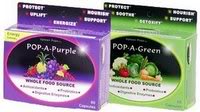
Hi Whole Food Friends!
Thought I would pop in and share with you that my favorite multi is on sale for about 70% off right now!
Stop by and check out this awesome sale at Whole Food Nation:
Just thought I would update everyone on the huge sale going on for just the next five days. This is a great opportunity to try this multivitamin/antioxidant/weight loss/natural healing system and see if it works for you.
A few quick answers to questions I have received about this whole food multi system:
- Yes, I recommend taking BOTH the purple and green. Start with 1 purple with breakfast and 1 green with lunch or dinner, and work up to two purples with breakfast and 2 greens with lunch or dinner.
- Yes, I recommend stocking up with this BIG year end 70% off sale. Not every supplement is the best thing for every person, but I usually recommend trying something new for about three months before deciding if it useful. At $15 bucks a pop you can easily grab three months worth and save a ton of money on this fantastic healing whole food antioxidant formula.
- Yes, The purple pills have natural metabolic enhancers that are beneficial for those wanting to lose weight, but no, you don’t have to worry that you are going to waste away on these if you are trying to put on weight, because you want to put on lean muscle mass not fat. This is a great system for athletes to protect their joints from the destructive free radicals created by intense exercise. The weight loss mechanism that seems to help me with the purple pops is that they give me a ton of awesome healthy caffeine free energy that motivates me to run around more and work out that much harder. To get the best benefit I take two purples in the morning with my pre-work out snack or smoothie.
- Yes, the green pills help to “calm” us down and that is why you are now sleeping better at night. Greens are rich in minerals especially calcium and magnesium, and most Americans do not get enough greens in their diet which is why I recommend taking a daily whole food multi for those of us that don’t eat perfectly and need a bit of damage control (I mean we do need to enjoy life every now and then right?)
- No, the whole food pops are not designed for children under the age of 14, although I plan to test them on my 11 year old golden retriever after I get the approval from his vet (have to be careful because some herbs safe for humans can kill animals so I always check with my naturopathic vet first.) This rich antioxidant formula translates in to anti-aging, and I want my senior dog to be healthy and active for as long as possible.
- Yes, the antioxidant rich formula is likely what has already improved your chronic joint pain, fatigue, and fibromyalgia. Don’t forget to take some glucosamine sulfate and omega 3 oils for your joint pain as well. The joints are “avascular” meaning that they don’t have a direct blood supply and get their nutrients via simple diffusion down a gradient. We thus need to feed the joints with a constant supply of nutrients for both prevention and treatment of joint pain, rheumatoid arthritis and osteoarthritis. It is important to decrease free radicals by increasing antioxidants in the diet so that the joints do not degrade any faster than they already do. To increase antioxidants you can try juicing, eating more raw foods, and/or take a whole food multi.
- Yes, I recommend replacing your traditional multi with a whole foods multi as you will gain all the nutrients found in nature that scientists have yet to discover. However, keep in mind that you are taking a daily dose of nourishing nutrition (which most Americans are deficient in) and not a standardized dose of specific nutrient isolates. Nutrients you specifically take to address or prevent a health condition should be taken additionally such as vitamin D for seasonal depression, calcium for osteoporosis prevention or treatment (most multi’s don’t contain enough calcium so you should already be doing this anyways), folic acid for women of child bearing age (if you are trying to get pregnant you should be on a prenatal vitamin though and this formula is not recommended for those pregnant or breastfeeding), omega 3 oils (most multis don’t contain these) and so forth. Always check with your naturopathic doctor before discontinuing a supplement you have been prescribed. With that being said, I was able to swap out the whole food pops for five other products I was taking, and have never felt better. I am all about efficiency! Yeah.
- Yes! This fantastic whole food multi system is a great way to stay energized through the winter blahs, and gear up for weight loss and your next New Year’s resolution for the new year. Now is the time to get excited and geared up for your future fitness goals.
To take advantage of this special sale visit Whole Foods Nation.
If you don’t have a New Year’s Resolution established yet how about going on a sugar free and strictly whole foods diet for 2009?
Dr. Scott Olson author of “Sugarettes” will be personally coaching us off sugar with his “30 Day Sugar Free Challenge” and I will be blogging over here about going whole foods and sugar free as well, pre-registration is FREE if you sign up before Jan 1st at www.OlsonND.com.
Related Reading:
Best Whole Food Multi 2008
Antioxidants
Weight Loss
Best Omega 3 Oil
Best Glucosamine
Best Chewable Fiber for Weight Loss
Dr. Nicole Sundene, NMD is a licensed Naturopathic Medical Doctor at Fountain Hills Naturopathic Medicine 16719 E Palisades Blvd, Suite 205, Fountain Hills, AZ 85268.She believes we should utilize natural medicines to treat the root cause of disease rather than just treating symptoms, as symptoms are a message of imbalance sent from the body and will persist until they are properly addressed.
For appointments please visit http://FHnaturopathic.com for more information about Naturopathic Medicine services.
©KitchenTableMedicine.com, LLC ™
Best Weight Loss Diet 2008!
December 9, 2008 by Dr. Nicole Sundene
Filed under Anti-Aging, Best, Diabetes, Kitchen Sink, Weight Loss
Welcome to my favorite diet!
Personally I hate the word “diet” because it sounds so restrictive and the restrictive nature of most “diets” is exactly what sets us up for failure in the form of diet rebellion.
Instead I would like to introduce my favorite eating system for weight loss and disease prevention, and for today’s educational purposes I will refer to it as a “diet”.
The best diet is the diet that is right for the individual and their metabolic type. As a physician, I am not a fan of high carb diets, or low carb diets, or no carb diets unless they are used to treat a specific health condition.
Low carb diets are hard on the environment as they force humans to eat high on the food chain. Can you imagine the even more disastrous state our environment would be in if everyone in the world was eating steak and eggs for breakfast each morning?
The best diet is low in refined grains, but rich in the “slow carbs” or “complex carbohydrates” that keep us feeling full and satisfied with a nice steady stable blood sugar.
My favorite diet coincidentally prevents and treats diabetes. This is also the diet I recommend for weight loss as it increases the “satiety index” of your meal (so you stay feeling fuller for longer) and is the basic principle behind my anti-aging program.
With the dramatically rising rates of diabetes in America, I am going to have to make this article, along with Dr. Scott Olson’s brand new book Sugarettes, a guide to sugar addiction, mandatory reading for all Americans.
If you need some motivation to kick the sugar habit and jump on the whole food wagon you can visit his website and sign up for the 30 Day Sugar Free Challenge, I will be participating along with everyone else and blogging about being sugar free at the kitchen table.
Early registration is FREE and includes expert coaching and support if you go sign up today at www.OlsonND.com.
Dr. Olson’s groundbreaking book, “Sugarettes” addresses the signs and symptoms of sugar addiction in America and how sugar is systematically aging us. I personally think that sugar is the bane and burden to the failing American health care system. Sugar appears to play a role in nearly every chronic disease due to the inflammation caused by glycosylated proteins.
The “Low Glycemic Index Diet” is the best diet of 2008 and probably 2009, and 2010. It teaches us how to pair protein and fiber with other whole foods to keep a steady blood sugar state which is beneficial for diabetics, hypoglycemics, and those trying to curb hunger throughout the day to lose weight.
Eating your meals with a “Low Glycemic Load” means that you are going to stay fuller longer and thus less likely to go out and binge on a bunch of junk.
Staying full is as simple as eating foods with a high protein, fiber, and water content.
Keeping yourself feeling satisfied is the most important aspect for success with any weight loss program. Regardless of it you have diabetes or not, you are in the right place when it comes to learning the basics on how to eat correctly to stabilize your blood sugar.
Stabilizing your blood sugar translates long term in to weight loss, ridding yourself of that jittery, irritable, faint feeling associated with hypoglycemia, improving energy and mood, as well as providing the foundation for an anti-aging program!
Wow all that from just one diet!
How exciting.
I bet right now you really want to buy whatever I am selling. Well I am not selling anything, except healthy diet and lifestyle.
I am simply here to teach you how to change your eating habits permanently over the long term, and field any questions or concerns that come up as you start this new adventure to a healthier you.
The most exciting thing about this diet, is that I can sum up how to do this diet in one simple sentence:
Every meal you eat should include protein and fiber.
Yes, it is that simple.
Memorize that.
Make that your new mantra.
We simply never ever ever eat carbs by themselves!
Fiber is your new best friend forever!!!
Lean proteins are your new favorite friends.
The next step is to memorize what high fiber foods are and what foods are healthy sources of protein and to stock your cupboards with all these foods. Vegetarian sources of protein make for great snacks as they contain both fiber and protein.
Trust me we will get fussy about the numbers later. But you need to get the basics down before you will be ready for anything like that.
Most foods high in fiber are either fruits, vegetables, or whole grains. Begin to make best friends with vegetables now as for diabetics and those trying to lose weight they are essentially “free foods”, meaning the calorie count is relatively insignificant, with of course some occasional exceptions as I discuss in my article “What is in Your Zero Zone?”
Here is a quick list of healthy lean protein choices: Chicken, fish, white cheese, plain nonfat yogurt, beans, and whole grains.
Now let’s keep in mind that certain proteins high in saturated fat like beef, bacon, and cheddar cheeses are just not conducive to a healthy lifestyle. Especially for those of you with diabetes we want to be on the look-out for heart disease and kidney problems. If you are having a hard time giving these up then simply treat them like the garnish for your plate. Instead of a pile of bacon you get just have one little piece.
Over time you will begin to feel so much better on this diet that it will be WORTH it for you to get rid of the offending foods. Remember “nothing tastes as good as being healthy and looking good feels”.
Be sure to drink plenty of water in between your meals. A high fiber diet will naturally require more water. Water will also help keep you feeling full. Sometimes we feel hungry when really we are thirsty.
Now most diabetics with Type II diabetes (non-insulin dependent) have it because they already have a very unhealthy relationship with food, if not engage in compulsive eating patterns, and use food as a drug. For my patients having a hard time making these necessary dietary changes, I recommend counseling. Counseling may help treat the underlying problems of anxiety or depression.
While they are trying to make the necessary changes to change their emotional relationship with food, I recommend that they keep chewable fiber tablets on hand so that if all else fails they can at least lower the Glycemic Load of the binge. Make sure they aren’t loaded with crap! I personally use the brand by Enzymatic Therapy that can be found over at eVitamins.
Now you have to be careful not to get the chewable fiber tablets high in sugar! But sometimes a glass of Metamucil or your favorite fiber supplement can help offset the huge quantity of sugar consumed on a binge while you address the underlying causes of the disordered eating. Yes this is a quick fix tip, and no it is not addressing the root cause of the problem, it is simply offering a solution to a common problem and trying to approach it realistically while we work towards a permanent solution.
Now that you are eating lean proteins and high fiber foods, the next question is…
“Can I have carbohydrates on this diet?”
Most doctors agree that in most cases a “Slow” carbohydrate diet is better than a “Low” or “No” carbohydrate diet. Personally I am not a fan of the No/Low carbohydrate diet unless it is for specific therapeutic purposes.
“So how do I know if my Carbs are “slow” or not?”
Well that is where the magic of the low glycemic index diet and the numbers assigned to certain foods come in to play. This usually is a bit too complicated for me to just start patients out with right off the bat. I prefer to have my patients on a whole foods diet of lean proteins and fruits and vegetables before playing around with various carbohydrates.
Glycemic Index numbers are determined in a laboratory by measuring how quickly a test panel of humans blood sugars rise after consuming the food. The higher the blood sugar rises, the higher the glycemic index number is as a result. For instance a piece of white bread has a high index number as it will raise your blood sugar rapidly.
Interestingly enough after analyzing the numbers on the Glycemic Index chart one can conclude that not all carbohydrates are created equally. Some will release more rapidly in to the system than others. This might explain why you have a half cup serving of pasta at dinner and your numbers are different than when you have a half cup serving of corn.
The take home message with all of this, is that if you have diabetes…especially type II, it is sincerely in your best interest to get off all the “white” refined foods and stick with the healthier choices of carbohydrates found in fruits and vegetables and whole grains as they are high in fiber as well as packed full of vitamins and minerals which will not only protect your system from long term damages associated with diabetes, but will also keep you younger and feeling more fabulous as part of an anti-aging program.
The take home message one more time is: High Fiber + High Quality Protein= Healthy Diet
That is the basic long term recipe for diet success!
~Dr. Nicole
Related Reading:
Diabetes
Dr. Scott Olson on Sugar Addiction
Weight Loss Articles
The Best Natural Solutions for Permanent Weight Loss
Dr. Nicole Sundene, NMD is a licensed Naturopathic Medical Doctor at Fountain Hills Naturopathic Medicine 16719 E Palisades Blvd, Suite 205, Fountain Hills, AZ 85268.She believes we should utilize natural medicines to treat the root cause of disease rather than just treating symptoms, as symptoms are a message of imbalance sent from the body and will persist until they are properly addressed.
For appointments please visit http://FHnaturopathic.com for more information about Naturopathic Medicine services.
©KitchenTableMedicine.com, LLC ™
Best Chewable Fiber 2008
December 9, 2008 by Dr. Nicole Sundene
Filed under Best, Cholesterol, Detox, Diabetes, Diet Tips, Fiber, Fruits and Veggies, Hypoglycemia, Kitchen Sink, Weight Loss
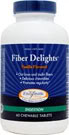
The best fiber sources obviously come from whole food dietary sources.
However, occasionally we need a little something something to “cheat the system” and this is my favorite weight loss trick, as I have mentioned the importance of utilizing fiber for satiety and stable blood sugar in my “Favorite Weight Loss Diet of 2008″.
You should never take fiber with your vitamins or minerals as it will absorb them and defeat the purpose, however, two of these chewable fiber pills pack 4 grams of the needed 25 grams (if not more!) of recommended daily fiber. Don’t forget to take these chewable fiber pills with an eight ounce glass of water, as we never take fiber without water.
Fiber is therapeutic for those with diabetes, high cholesterol, hypoglycemia, in need of losing weight, and detoxing or in need of liver support. Fiber binds with cholesterol and toxins in the bowel and prevents the cholesterol and toxins from recirculating into our blood stream as I explained in my natural cholesterol lowering plan. Instead we eliminate the toxins and cholesterol out.
No, these chewable fibers aren’t as delicious as candy but they do satisfy the sweet tooth and come in both vanilla and chocolate Even better, they are not a psyllium based fiber, as many people do not tolerate psyllium (found in Metamucil) very well, and it can make them extremely gassy or constipated.
Most Americans only get about 9 grams of fiber each day, according to the latest studies. If you want to increase the “satiety index” (the amount of time you feel satisfied before you get hungry again) of your meal or snack and decrease the “glycemic load” as I recommend for weight loss, diabetes, and anti-aging simply have a few of these fiber pills with your meal!
I also have a few fiber pills when I am stuck in that inevitable bad eating situation, and fiber at the very least helps to mop up excess saturated fat that we consume, or when I am out running errands and want to make it home to eat instead of eating out.
I buy a bunch of these bottles and stash them everywhere: in my car, in my purse, by the fridge, etc. An ounce of weight loss prevention is worth a pound of cure and fiber is a fantastic way to manage hunger.
Between meals these fiber pills can be used as a little sweet snack. Remember they are not free of calories, and two tablets have 25 calories, but they are free of a lot of the other typical refined garbage that goes in to supplements.
Of course my purest friend Dr. Ben would recommend chewing on chia seeds as the best chewable fiber, but sometimes I just need a little something sweet to get me through the rough patches and prevent me from grabbing some McInflammation in a mad hungry hypoglycemic rage.
The Enzymatic Therapy line was established by naturopathic physician Dr. Michael Murray and is a great widely available trusted supplement brand.
Dr. Nicole Sundene, NMD is a licensed Naturopathic Medical Doctor at Fountain Hills Naturopathic Medicine 16719 E Palisades Blvd, Suite 205, Fountain Hills, AZ 85268.She believes we should utilize natural medicines to treat the root cause of disease rather than just treating symptoms, as symptoms are a message of imbalance sent from the body and will persist until they are properly addressed.
For appointments please visit http://FHnaturopathic.com for more information about Naturopathic Medicine services.
©KitchenTableMedicine.com, LLC ™
Recipe: Organic Sports Drinks
December 5, 2008 by Dr. Nicole Sundene
Filed under Dehydration, Diarrhea, Kitchen Cost Cutters, Pediatrics, Recipes, Sports Nutrition
 Most sports drinks are just pollutionfests chock full of Kitchen Table Villains such as High Fructose Corn Syrup, food colorings, additives, preservatives, and artificial flavorings and colorings. With just a few simple kitchen ingredients, you can make your own homemade sports drinks.
The two widely available sports drinks I commonly recommend for athletes and those that are at risk of dehydration are Emergen-C and Recharge.
If you do not have these readily on hand, you can also easily make your own sports drinks at home.
Making your own sports drinks is fun, cost effective, and MUCH healthier than most alternatives.
Ingredients for Homemade Organic Sports Drinks:
- Pure Organic Fruit Juice (No High Fructose Corn Syrup!)
- Water or Green Tea
- Organic Sea Salt
Directions: Fill your sports bottle with half juice and half water. Add a pinch of organic sea salt, shake, and enjoy!
Sports Drink Variations and Information:
- You can use table salt, but organic sea salt is best to use as an electrolyte source as the minerals of the sea are very similar to our own electrolyte composition in our blood. Sea salt contains 84 minerals. Aside from sodium, you are receiving potassium, iodine, magnesium, calcium, zinc, manganese, and more!
- A small pinch of sea salt is sufficient for most, a larger pinch should be used for endurance athletes, and convalescent care to stave off hyponatremia, the dangerous condition of low sodium levels that can cause muscle weakness, confusion, slurred speech, and more.
- The RDA for sodium depending on your age, ranges between 1200-1500mg daily.
- Most athletes lose around 1000mg of sodium per hour, depending on how much they sweat, you do not have to replete all of this at once though, doing so may result in gastrointestinal distress such as nausea, vomiting, or diarrhea.
- Most sports drinks contain around 20-60mg of sodium per 100 mL.
- One teaspoon of salt contains 2400mg of sodium. For hard core endurance athletes such as Ironman triathletes, that are in need of strict sodium regulation, I would aim for about 1/8 of a teaspoon of salt an hour for starters. If you get cramps or weakness in your muscles then you probably need more sodium and magnesium. If you get an upset stomach, chances are you need less sugar and electrolytes. These are just basic guidelines, the best formula is the one that works for you!
- Soups like chicken and vegetable broth can also be enjoyed as electrolyte sources.
- Green tea can be used for athletes wanting a little bit of a fat burning or energetic edge.
- Honey and sea salt can be added to green tea or your favorite herbal tea if fruit juice is unavailable. Enjoy hot or chilled.
- Try adding an Emergen-C packet to your room temperature green tea for an energizing, fat burning sports drink! Let the tea cool a bit because vitamin C is heat sensitive.
- Herbal teas can also be used in this formula as a simple way to deliver herbal medicine to sick children.
- Hydrating foods such as watermelon, cucumbers, honeydew, cantaloupe, and other such water packed fruits and vegetables are also excellent sources of water, sugar, and electrolytes. They are “Nature’s Sports Drinks”! Keep them in your refrigerator and serve them up cold to kids that have been actively playing in the warm summer sun.
Reference: Exercise Associated Hyponatremia, Cape Town, South Africa 2005. Clinical Journal of Sport Medicine. 15(4):208-213, July 2005.
Enjoy, and thanks for stopping by my kitchen table!
~Dr. Nicole
Naturopathic Physician
Dr. Nicole Sundene, NMD is a licensed Naturopathic Medical Doctor at Fountain Hills Naturopathic Medicine 16719 E Palisades Blvd, Suite 205, Fountain Hills, AZ 85268.She believes we should utilize natural medicines to treat the root cause of disease rather than just treating symptoms, as symptoms are a message of imbalance sent from the body and will persist until they are properly addressed.
For appointments please visit http://FHnaturopathic.com for more information about Naturopathic Medicine services.
©KitchenTableMedicine.com, LLC ™
How Much Can I Exercise when I am Sick with a Cold?
December 5, 2008 by Dr. Nicole Sundene
Filed under Colds/Flus, Exercise, Influenza
Now most of us know better than to go on a twenty mile run in the freezing rain and wind when we are suffering from a bad cold, but still many of my athletic clients will call me up and ask exactly how much exercise they can get away with while they are sick.
I follow the basic rule of thumb that if you have a cold above the chest that a light work-out is ok. Exercise raises our body temperature which then allows oxygen to be more bio-available for our immune system to utilize and kill whatever pathogen is ailing us.
Light exercise stimulates the immune system, yet extreme exercise is shown to suppress immune function. Exercise can be used therapeutically to stimulate the immune system at the first sign of a cold or upper respiratory infection. Remember that most colds spend on average Read more
Dr. Nicole Sundene, NMD is a licensed Naturopathic Medical Doctor at Fountain Hills Naturopathic Medicine 16719 E Palisades Blvd, Suite 205, Fountain Hills, AZ 85268.She believes we should utilize natural medicines to treat the root cause of disease rather than just treating symptoms, as symptoms are a message of imbalance sent from the body and will persist until they are properly addressed.
For appointments please visit http://FHnaturopathic.com for more information about Naturopathic Medicine services.
©KitchenTableMedicine.com, LLC ™
3 Reasons to Care About Excess Sugar Consumption
December 4, 2008 by Dr. Nicole Sundene
Filed under Anti-Aging, Anti-Inflammatory, Diabetes, Dr. Scott Olson, Guest Posts, Hypoglycemia, Kitchen Sink, Sugar
 I hope everyone had a Happy Thanksgiving Feast and did their best. If you are still struggling to get back on the Whole Foods Wagon I have invited Dr. Scott Olson, author of Sugarettes to chat with us about why we need to care about excess sugar consumption.
Hi Dr. Scott, why is the title of your latest book “Sugarettes”?
The name of my book came about as I was talking with a group of people about how destructive I felt sugar could be.
While I was talking, I was searching for an analogy to explain how drawn to sugar we are and how it destroys our health, when it occurred to me that cigarettes and sugar shared many common traits. I first said that sugar was like a “sugar-cigarette” and then the word “Sugarettes” stumbled out of my mouth.
That stumble began the year-long journey of research to uncover the truth about sugar addiction. What I did not realize at the time I first spoke the word “Sugarettes” was just how similar sugar and cigarettes really are: Sugar is every bit as addictive and harmful as cigarettes. As smoke fills a smoker’s lungs it slowly destroys lung tissue – so slowly that it is barely noticeable. Likewise, when sugar enters our blood stream it leads to weight gain, alters our blood sugar control mechanisms, and destroys our blood vessels – all so slowly that no one notices.
Why should we care about how much sugar we are consuming?
On the surface, it looks as if nothing is wrong with the sugar we consume: we hand it out to children, it is in most of the foods we eat, and we give it as gifts or reward ourselves for a job well done… it seems perfectly harmless. Think of the images you have in your mind when you think of sugar: sweet little girls, all sorts or woodsy creatures dancing about, sunshine, rainbows… the list is endless. All those sweet images, though, hide the underlying destruction that is going on in our bodies every time we eat sugar.
Sugar causes three main health problems:
#1 The first is that sugar contributes to obesity. High blood sugar, which is the result of eating large amounts of sugar, leads to the need for the body to store that extra sugar and that storage occurs as fat. The scientific support for link between sugar consumption and obesity is growing every day. Obesity leads to an increased risk for heart disease, diabetes, stroke and some cancers.
#2 The second problem has to do with the blood sugar regulation mechanisms in our bodies. Many people know that high blood sugar is controlled by insulin. Eating high-sugar meals leads to ever-increasing amounts of insulin in the body.
This perpetually high amount of insulin can lead to a condition known as insulin insensitivity.We know the diseases cause by insulin insensitivity as metabolic syndrome and diabetes. These two diseases, in turn, lead to a whole host of other diseases such as hypertension, kidney disease, peripheral vascular disease, cataracts, neuropathy, and in extreme cases: blindness and loss of limbs (amputation).
#3 The third major problem with sugar is that it is directly toxic to the body. While the science behind this destruction is a bit complicated, essentially what the sugar is doing is forming complexes with proteins in the body called glycated proteins.
The major proteins in the body that sugar forms complexes with are the protein in our blood vessels.Sugar is effectively destroying the blood vessel system throughout the body similar to the way smoke destroys the lungs of a smoker. Glycated proteins lead to all the problems we see in diabetics and people who consume sugar on a regular basis.
The blood vessels become destroyed by these glycated proteins and stop supplying essential parts of the body with oxygen and nutrients. In the kidneys this destruction eventually leads to kidney failure, in the eyes it leads to blindness, in the legs it leads to gangrene, in the heart it leads to heart attacks, in the brain it leads to strokes and so on…
Should we care about how much sugar we are consuming?
The answer is yes.
Thanks for being a guest at my kitchen table Dr. Olson!
Sign up for the 30 Sugar Free Days challenge that starts over at www.OlsonND.com on Jan 1st.
Grab your required reading assignment Sugarettes over at Amazon.com for inspiration and yes, I am making this required reading for all Americans.
Dr. Nicole Sundene, NMD is a licensed Naturopathic Medical Doctor at Fountain Hills Naturopathic Medicine 16719 E Palisades Blvd, Suite 205, Fountain Hills, AZ 85268.She believes we should utilize natural medicines to treat the root cause of disease rather than just treating symptoms, as symptoms are a message of imbalance sent from the body and will persist until they are properly addressed.
For appointments please visit http://FHnaturopathic.com for more information about Naturopathic Medicine services.
©KitchenTableMedicine.com, LLC ™
Best Multivitamin 2008
December 3, 2008 by Dr. Nicole Sundene
Filed under Anti-Aging, Anti-Inflammatory, Antioxidants, Juicing, Kitchen Sink, Multivitamin, Preventative Medicine
The Best Multivitamin for 2008 Kitchen Table Award is granted to Whole Food Nation!
Congratulations for formulating a fantastic whole food multivitamin at a reasonable price we can afford!
Today I will be discussing why I chose the whole foods “Purple and Green Pops” as the best, so that everyone can understand what key features to address while shopping for a multivitamin.
“Do I need a multivitamin?”
Everyone that doesn’t eat perfect, or is under stress, or has a chronic disease should be on some form of a multivitamin. First of all, our soil is not as nutrient dense as it once was, second of all I don’t know anyone that eats perfectly every single day, and at every single occasion, and is never under any form of stress.
Drinking alcohol, stress, and eating white refined foods actually depletes our bodies of vital nutrients.
Most importantly though a high quality whole foods multi is a great “insurance policy” that all of our necessary vitamin and mineral cofactors are always topped off for optimal biochemical functioning.
For most patients I recommend a standard wellness program that includes a whole foods multi, Omega 3 oils, enzymes, probiotics, and glucosamine for older and more active folks.
The nice thing about “Pops” whole food multi is that it comes complete with enzymes and probiotics, so my wellness program just got that much simpler. I don’t know about you, but I hate taking pills so prefer efficiency when at all possible.
Without vitamins and minerals our bodies can’t do the work they need to do each day. Most people aren’t actually deficient in one or two nutrients, most people are deficient in a myriad of nutrients because what they are REALLY deficient in is nutrition, and that deficiency of whole food nutrition is compounded by the fact that most Americans are not properly digesting their nutrients.
What features should a great whole food multivitamin contain?
- Organic and pesticide free or eco-harvested whenever possible.
- No tablets! Capsules are the best and help us avoid chemical binders and fillers.
- No food coloring! If your multivitamin has food coloring in it, it is hype, or it is garbage. Phase it out and find a food coloring free alternative.
- Minimal excipients and stabilizers. Check the labels and see if there other artificial ingredients such as food coloring. These are typically the last ingredients listed.
- A full spectrum of all the colors found in nature. We need to “eat by the rainbow” to get the full spectrum of nutrients found in nature. The most important colors being green, purple, and the yellow/oranges found in the carotenoid family.
- No synthetics or synthetic isolates. I am obviously not a fan of synthetic vitamins, as the biochemist in me knows to only trust nature and never man, but I am also against the consumption of isolated nutrients taken in high quantities. Nature intended for us to get our vitamin C from foods like oranges and broccoli, not chewable candies. Whole foods come complete with bioflavonoids that further help vitamin C work to heal and repair damaged tissues. While a synthetic vitamin can promise you 1333% of the USRDA, it can’t promise you a dose of healthy nutrition that your diet is likely lacking. We don’t just need vitamins, we need nutrition. Obviously children and pregnant women need standardized doses of specific vitamins and minerals, but the majority of us looking to prevent disease, just need a comprehensive spectrum of daily nutrition to cover up for those inevitable times that we fall off the whole food wagon.
- No plastic bottles. In an effort to reduce the amount of plastics that are added to our environment annually, I will avoid recommending products that are packaged in plastic bottles when there are better alternatives such as glass bottles, and blister packs that minimize plastic waste put in landfills.
Why are Whole Food Nation “Pops” a great choice?
- Potent antioxidants. The formulators of this product have smartly taken all of nature’s finest superfoods and placed them in to two blends. An AM energizing/weight loss/antioxidant herbal blend or “Purple Pops” and an evening calming herbal food blend found in the “Green Pops.” Antioxidants are the foundation to every healing and anti-aging program.
- What they DON’T have: No food coloring. no sugar, no synthetic product stabilizers, no binders (easily avoided by purchasing only capsules.) Regardless of what multivitamin you choose to use, you should never be taking a daily dose of these artificial chemicals.
- Natural vitamins. These are not synthetic vitamins, or even vitamins isolated from foods. These are whole food nutrient concentrates, brought to us by nature’s finest superfoods, and in the form that nature intends that we take them. With that being said be sure to take this supplement with food so that the vitamins and minerals can be properly digested and utilized.
- More than just vitamins. Do you get confused about the latest new hot nutrient that scientists have “just discovered?” Well these nutrients have existed in nature for centuries, and just because a scientist discovers them in a lab, doesn’t mean that we need to suddenly start taking them in a high dose supplement. We should be taking these healing plant pigments, cofactors and coenzymes in our food on a daily basis, and if we don’t eat perfectly we should supplement with a whole food multi, not one that contains only the vitamins that scientists are currently capable of recognizing. Twenty years ago we only recognized about twenty vitamins and minerals as “essential,” but think forward to the next twenty years. The best way to ensure you have everything in your system that is “essential” is to take a whole food multivitamin, or start juicing. Or if you really want to feel awesome-BOTH!
- Enzymes aid digestion. You aren’t just getting whole food nutrients, you are getting plant enzymes that will help you digest, break down, and absorb your food better.
- Probiotics. Acidophilus helps us digest our food, metabolize hormones and vitamins, and is killed off by antibiotic use. Most cooked and processed foods we eat are deficient in probiotics and is vital to our health that we supplement them daily or consume in yogurt, kim chee, sauerkraut, kefir and other fermented foods.
- You Need Greens! Have you had 2-3 servings of leafy green vegetables today? Greens are important because they are rich in magnesium. The chloryphyll molecule is shaped just like the hemoglobin in our red blood cells, the only difference is that an iron molecule sits in the middle of the hemoglobin ring, and magnesium sits in the center of a chlorophyll ring. This is why all green foods are particularly healing to those on the Standard American Diet (SAD), as the SAD diet is deficient in minerals such as magnesium found in green foods.
- You Need Purples! If you peruse all of my treatment plans you will see that a cup of frozen blueberries a day is recommended pretty consistently throughout, as blueberries are a featured food on the anti-inflammatory diet. In addition to fighting inflammation, purple plant pigments known as proanthocyanins are especially healing to the skin, blood vessels, and cardiovascular system. Be sure to eat a cup of purple/red/blue foods everyday!
- No Plastic Bottles! Plastics are destroying our ecosystem, and we need to use glass and paper alternatives when available.
- Capsules NOT Tablets: To form tablets natural ingredients have to be attached to binders and mechanically pressed in to a tablet which may alter their molecular stability and thus efficacy. Avoid tablets and take capsules. You will have to take a couple more capsules to equate what is super-compressed in to tablets, but it is well worth it.
- Great Environmental Shipping. My product arrived within two days, was packed in recycled boxes and recycled paper. I can’t tell you how many times I have stopped purchasing a great product because my values did not align with their shipping methods. Kitchen table only promotes companies with firm environmental efforts.
- Great Company Business Model. You know something is good when you ask to try it for free and the company is happy to send you free samples. A company confident in their product knows you will become a customer, and they were right. This is the multivitamin that I have chosen to take myself every day. I also signed up for their mailings, and couldn’t agree more with the great advice from the Harvard grads that put the whole food “Pops” together. I typically find companies that oversell annoying, but the weekly newsletters are clearly designed to educate. Really a good product sells itself, and the formulators of this whole food multivitamin are smart enough to know that.
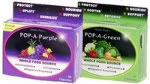 To read more about Whole Foods Nation you can visit sign up for their free report:
or visit www.WholeFoodsNation.com
Dr. Nicole Sundene, NMD is a licensed Naturopathic Medical Doctor at Fountain Hills Naturopathic Medicine 16719 E Palisades Blvd, Suite 205, Fountain Hills, AZ 85268.She believes we should utilize natural medicines to treat the root cause of disease rather than just treating symptoms, as symptoms are a message of imbalance sent from the body and will persist until they are properly addressed.
For appointments please visit http://FHnaturopathic.com for more information about Naturopathic Medicine services.
©KitchenTableMedicine.com, LLC ™