Is Your Body a “Money Pit?”
March 17, 2009 by Dr. Nicole Sundene
Filed under Kitchen Sink, Lifestyle Tips, Movie Health, Preventative Medicine
I have been having a lot of household disasters of late and decided to watch the free Comcast on demand movie “The Money Pit,” starring Tom Hanks and Shelley Long so I could be reminded that my few household problems really aren’t that bad compared to theirs.
Misery sure loves company 
If you haven’t seen the movie, basically this young couple gets a smoking hot deal on a beautiful looking home that turns out to be riddled with architectural, plumbing, carpentry, and electrical issues.
They keep sinking more and more and more money in to this house to fix all the problems going haywire until they finally go broke and the house crumbles around them.
Sorry to spoil the ending, but the movie has been out some 20 odd years, and it is always enjoyable for a good laugh. Many home owners can commiserate with the annoying dilemmas of having to fix this and repair that, or be held hostage by a plumber for a ridiculous amount of money.
As I was watching the movie I was reminded of the Chinese proverb, “The time to repair your roof is when the sun is shining.”
For many of us younger, healthy folks it is easy to not want to bother with preventive medicine. It is easy to think we will just “deal with it tomorrow,” or “DWIT” (one of my own personal favorite mottos when crossing things off my “To Do” list.)
However, after working eight years in primary care, I’ve realized that many of us when we hit our 50’s and 60’s turn into the house in the money pit. And let me tell you, being chronically sick is VERY expensive. It can cost you around $800 a month in meds, appointments, co-pays, and so forth.
Preventive medicine for ourselves is pretty much the same as preventive maintenance for our homes.
What was the first clue that the house was going to be in disastrous condition in the movie, “The Money Pit?” I would say it was the alcoholic widow stumbling in all her glory to answer the front door complete with bathrobe and vodka tonic in hand.
The first thing that popped in to my mind is that a vodka loving woman without a husband around is not likely keeping up on the basics of preventative home care (and please no fem-nazi hate mail). Who is she paying to do all the upkeep and preventive maintenance of this glorious mansion? Is she doing it all herself?
Doubtful.
Chronic illness is just like the disastrous progression we watch in “The Money Pit.” First it starts with a simple broken step repair, then we get a few bits of ceiling crumbling on our head, next thing we know the ceiling is crumbling around us, the whole staircase has fallen down, the front door has fallen off, the pipes and septic tank are shot, and Tom Hanks is left trapped in a hole in the floor of the den.
I am sure that many of you that are chronically ill, or elderly, can attest that feeling sick and unhealthy is exactly like being trapped in a hole in the floor of your den. There is all this work around you, yet you are now a victim of your own body and capable of doing only that which your body will allow.
If anything.
The best thing to do with our health, as well as our homes, is to stay on top of these repairs. To have the “roof repaired when the sun is shining” as the Chinese wisely recommends, instead of waiting for the rain to come and dealing with it later.
If you want to stay on top of your health, just subscribe to my blog, follow the simple diet and lifestyle tips that you can readily adopt and think now of how you want to treat your mansion…aka your temple…aka yourself.
Don’t become a money pit.
Preventive medicine is self love at it’s finest and in the long run, that which you invest in yourself will save you money and insure a long, happy, mobile life.
Thanks for stopping by my kitchen table,
Dr. Nicole
Related Reading:
21 FREE Prentive Medicine Tips
 Dr. Nicole Sundene, NMD is a licensed Naturopathic Medical Doctor at Fountain Hills Naturopathic Medicine 16719 E Palisades Blvd, Suite 205, Fountain Hills, AZ 85268.
She believes we should utilize natural medicines to treat the root cause of disease rather than just treating symptoms, as symptoms are a message of imbalance sent from the body and will persist until they are properly addressed.
For appointments please visit http://FHnaturopathic.com for more information about Naturopathic Medicine services.
©KitchenTableMedicine.com, LLC ™
Eat Gluten-Free Without Going Broke, Part 2
March 17, 2009 by Kitchen Table Medicine
Filed under Allergies, Diet Tips, Dr. Selena Eon, Guest Posts, Wheat Free/Gluten Free, Whole Foods Diet
Healthy diets come in many kinds and depend on the needs & tastes of individual households. Finding a healthy diet that fits you and your family takes trial, error and knowledge.
You may need to consult a health care practitioner for advice. Budget conscious cooking can be an extremely healthful way to feed your family- and even include organic foods.
The secret is to focus on inexpensive, natural, wholesome gluten-free whole foods. A whole food is anything that you could imagine growing, or that you eat all the edible parts of over time (such as a chicken). This reduces the cost of your food and may help you recover from any damage that gluten caused you.
 I encourage individuals and families to frequent farmers markets for extraordinary deals on organic, local produce in the summer and autumn months.
Bumper crops can be frozen or canned for eating later in the year. Purchasing an organic, whole chicken often costs less than the breasts alone!
If you are not used to preparing and eating natural, unprocessed foods, please, be patient with yourself!
It takes time to learn how to cook new foods. It takes time to determine the best way to set up your kitchen as a productive workspace. It takes time for tastes to adjust to a more natural diet. Give your family time to adjust by changing gradually whenever possible. Spend afternoons preparing foods with loved ones.
If you know a great home cook, ask to spend time in their kitchen with them so that you can learn from their expertise. Most cooks are flattered by the attention. Experiment with new flavors and tastes- but gradually. There are many strategies you can use to gradually accustom your family to a new diet. If you need help, seek it!
Once you start eating whole, fresh, naturally gluten-free foods, you are likely to notice that you feel better too. A whole foods diet, prepared at home from fresh, natural foods is also higher in necessary nutrients to keep your body healthy long term. Whole food contains a broader spectrum of health-promoting nutrition than pills.
 But don’t throw out your multi-vitamin or discontinue any supplements that your doctor recommends.
Many people starting on a gluten-free diet need extra, even specialized nutrition to make up for the nutrients that were absorbed poorly, or not at all because of intestinal damage caused by gluten.
It can take months, or even years in severe cases, for your body to heal and gain adequate nutritional status.
Check out the previous article in this series, and keep your eye out for the conclusion of this three part series on saving money while eating gluten-free!
If you have any questions about celiac disease, you are welcome to ask them in the comments section and they will be addressed in future articles.
Dr. Selena Eon practices in Bellevue, WA and you may contact her at
(206) 228-9537 or visit www.drselenaeon.com
Dr. Nicole Sundene, NMD is a licensed Naturopathic Medical Doctor at Fountain Hills Naturopathic Medicine 16719 E Palisades Blvd, Suite 205, Fountain Hills, AZ 85268.She believes we should utilize natural medicines to treat the root cause of disease rather than just treating symptoms, as symptoms are a message of imbalance sent from the body and will persist until they are properly addressed.
For appointments please visit http://FHnaturopathic.com for more information about Naturopathic Medicine services.
©KitchenTableMedicine.com, LLC ™
Make it a “Gym Date”
March 17, 2009 by Kitchen Table Medicine
Filed under Bonnie Pfiester, Exercise, Guest Posts, Kitchen Sink
By Bonnie Pfiester Fitness Trainer
When you think of going on a date, most people think of going to dinner or a movie. Although there are more creative date ideas, food and entertainment tend to top the list.
 When I began dating Steve, he worked three jobs and went to school. We had to find time to share with each other. He would go to church with me and I’d go to the gym with him. Since working out was something he did every day, the gym was a big part of our date life – and what a great date idea.
First, a gym date is healthy. As stress continues to inhabit our lifestyles, we need to workout more than ever. Busy schedules leave us very little spare time so a gym date kills two birds with one stone, allowing you to spend more time with the love of your life and take care of yourself too.
Second, a gym date is sexy. Dare I say sexy? There is something attractive about a person who takes care of their body. I’m not talking about beautiful looking people wearing tight fitness clothes. I’m simply talking about the attractiveness of someone who is disciplined. Maybe it would be easier to understand the opposite - laziness is unattractive.
In addition, working out makes you feel attractive too. I know I am the most confident and feel the best about myself when I’m working out the most. This type of confidence greatly affects how someone receives and gives love.
Next, a gym date says “I love and support you”. Everyone needs to exercise, but some people may need it more than the others. When you go to the gym together you are telling your spouse you love and support them. The accountability and support of doing it together can speak volumes.
Another important part of gym dating is making couple time without the kids. Since most clubs offer childcare, parents can spend time together as a couple without the worry of getting a sitter. The time you spend in they gym will make you a better spouse and parent.
Lastly a gym date is very affordable. Monthly dues for the entire month equal what most people spend on one dinner date. In today’s economy, an affordable date is a welcomed. If you think about the number of gym dates you could have in a month’s time compared to the equal cost of other dates, you can see there is a lot of bang for the buck.
Now don’t get me wrong, I’m not suggesting you cancel your dinner reservations for Valentines Day so you can hit the gym. What I am suggesting is a gym date is a great date idea with endless benefits.
~Bonnie
Bonnie Pfiester is a Personal Trainer, wife to the famous fitness trainer Steve Pfiester of the reality TV show “Fat March”, and owner of the women’s health club Longevity Fitness.
You can enjoy more of Bonnie’s fitness and beauty articles at www.BonniePfiester.com or here at the kitchen table by visiting the Bonnie Pfiester page.
You are invited to leave your fitness and sports nutrition questions in the comments below for Bonnie to briefly answer or write about in future articles.
Dr. Nicole Sundene, NMD is a licensed Naturopathic Medical Doctor at Fountain Hills Naturopathic Medicine 16719 E Palisades Blvd, Suite 205, Fountain Hills, AZ 85268.She believes we should utilize natural medicines to treat the root cause of disease rather than just treating symptoms, as symptoms are a message of imbalance sent from the body and will persist until they are properly addressed.
For appointments please visit http://FHnaturopathic.com for more information about Naturopathic Medicine services.
©KitchenTableMedicine.com, LLC ™
Best Blood Glucose Meter!
March 17, 2009 by Kitchen Table Medicine
Filed under Diabetes, Dr. Jody Stanislaw, Reader Questions
By Dr. Jody Stanislaw, Naturopathic Physician and Diabetes Expert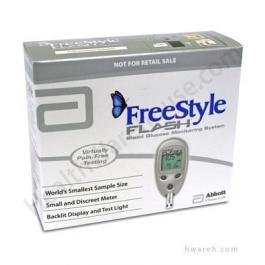
What is the best blood glucose monitor?
The Flash Freestyle Meter is my favorite, and what I personally use.
Having had diabetes since 1980, I can vividly remember the time in which blood testing didn’t even exist. The only way I could monitor how much glucose was in my blood was by examining how much had spilled over into my urine over the past several hours.
At just seven years old, I peed into a cup 2-4 times per day, put a dropper full of it into a test tube along with this little chemical tablet, and then watched it fizz into a joyful, deep blue color when my sugar level was normal, or into a depressing orange color if is was too high.
So think about that…there was no way to ever really know what the blood glucose level was at any particular moment. Thus every test was only an average of what the blood glucose had been over the past several hours. Challenging for ideal control, to say the least!
Thank goodness for the invention of home glucose monitoring! Even though the first blood test strips took two minutes to present the result (which was manually read comparing the colored strip to a color chart), I was thrilled to no longer have to deal with peeing in a cup (especially when spending the night at friends’ houses!).
Eventually, meters were introduced and my first one was about the size of a VHS tape. Of course, over the years they have become smaller and faster. And now, finally, I think I’ve discovered my favorite meter of them all: the Freestyle Flash.
There is a dizzying array of meter choices out there, so I certainly have not tried them all; but let me tell you why I like this one so much. It’s small so it easily fits into my tiny diabetes supply bag that I carry with me wherever I go, or even in the tiny pocket of my running pants when I go for a jog.
The result appears in 2-3 seconds. It uses the tiniest amount of blood of any meter I have ever tried. But the thing that makes it stand out to me as my favorite of all is something so simple but sooooo convenient: it has a light!
After years of struggling to test my blood sugar in the dark at a movie theater, driving in a car at night, or in bed in the middle of the night (or countless other places when the light is dim), I am overjoyed that a meter company finally has taken the time to think about how they could take that extra step in helping make our lives easier.
I cannot tell you how wonderful this simple extra feature is! As soon as the strip is inserted, a little light illuminates the strip (so wonderful…thus even in poor light, I know exactly where to add my drop of blood), and then as soon as the adequate amount of blood has been taken into the strip, the light on the strip turns out (thus clearly telling me that I can confidently take my finger away), and then the screen lights up, thus easily allowing me to see my results!!
I LOVE this meter! Thank you, Abbott, for going the extra mile in realizing how valuable this ‘little’ extra feature is!
All the best to you,
Dr. Stanislaw
After being diagnosed with Type I diabetes at the age of seven, Dr. Jody Stanislaw has grown a special interest in diabetes and helping others live a healthy and vibrant life.
If you have any further questions about diabetes you are welcome to leave them in the comments section.
Dr. Nicole Sundene, NMD is a licensed Naturopathic Medical Doctor at Fountain Hills Naturopathic Medicine 16719 E Palisades Blvd, Suite 205, Fountain Hills, AZ 85268.She believes we should utilize natural medicines to treat the root cause of disease rather than just treating symptoms, as symptoms are a message of imbalance sent from the body and will persist until they are properly addressed.
For appointments please visit http://FHnaturopathic.com for more information about Naturopathic Medicine services.
©KitchenTableMedicine.com, LLC ™
Dying to Look Good
March 17, 2009 by Kitchen Table Medicine
Filed under Bobbie Laing, Kitchen Sink
 By Bobbie Laing
Many people may not realize that our skin, the largest organ of the body, absorbs virtually everything we put on it.
I have dry skin and hair. As a result, I need lotion and lip balm several times throughout the day, and I need to use good conditioners and products to control my naturally curly, sometimes frizzy, hair. For years, I had been using everyday products we all see on our grocer’s shelves. That changed when I saw the first studies that came out about the contents of our skin care products, and cosmetics, and the lack of regulation on so many of them. I was alarmed, to say the least.
My first reaction was to look over some of the products that I use, like the lip balm that I had used for years. One of the main ingredients was Petrolatum! What I found in the lotions was even worse. Since then, I have become very aware of what these products contain and how they can affect my body.
Sure, we can live without some of these things, like perfume; (or better yet, make your own). However, there are many things that we, and our families, must have. We need hand soap, toothpaste, lotion, body wash, and so many more things we depend on every day.
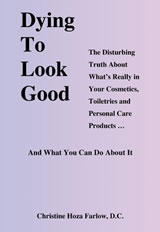 It is difficult, though, to find safe products with so much conflicting information out there that is always changing. The industry continues to put out products with new chemical ingredients that have yet to be tested; and the disturbing truth is that they do not have to wait for these tests before putting their product on the shelves. As Dr Farlow states in her book,
“The Federal Food, Drug, and Cosmetic (FD&C) Act does not require cosmetics and personal care products or their ingredients to be approved before they are marketed and sold to consumers. FDA regulation starts after they are already in the marketplace.”
In Dying To Look Good, Dr Christine Farlow has put together an extensive reference guide that is easy to use and take with you when you shop for your cosmetics and other skin care products. The book has information on over 1300 cosmetic and personal care product ingredients, as well as a section on “recommended” products.
This book is not just about the cosmetic industry; it is about many of the products we put on our skin like antibacterial soaps, sunscreen, acrylic nails, make-up, and even hair dyes. It details many of the ingredients found in these and other products that we use literally every day.
Dr. Nicole Sundene, NMD is a licensed Naturopathic Medical Doctor at Fountain Hills Naturopathic Medicine 16719 E Palisades Blvd, Suite 205, Fountain Hills, AZ 85268.She believes we should utilize natural medicines to treat the root cause of disease rather than just treating symptoms, as symptoms are a message of imbalance sent from the body and will persist until they are properly addressed.
For appointments please visit http://FHnaturopathic.com for more information about Naturopathic Medicine services.
©KitchenTableMedicine.com, LLC ™
What Diet Is Best For You?
March 10, 2009 by Kitchen Table Medicine
Filed under Allergies, Anti-Inflammatory, Blood Pressure, Cholesterol, Depression, Detox, Diabetes, Diet Tips, Diets, Weight Loss, Whole Foods Diet
 Dr. Nicole, what is the best diet?
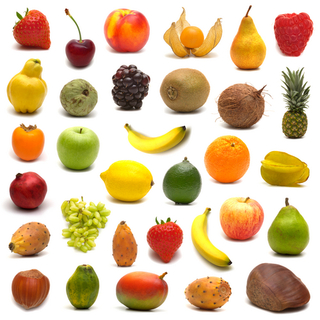
The best diet is the diet that works for YOU.
The best diet is something that you can healthfully follow for the rest of your life.
The best diet for you is the diet that gives you energy, keeps your health in balance, helps you to be emotionally stable, maintains your religious or spiritual ethics and is sustainable for the environment.
With that being said, I am happy to announce that we have a variety of great diet plans to choose from and follow. If you are new to a particular diet and want some help simply leave your question or request for support in the comments section so that we may assist you with your goals.
Diets for health, wellness and weight loss:
The Weight Loss Diet
The Low Glycemic Index Diet: stay feeling full longer, by eating a diet with a high “satiety index”.
Therapuetic Diets:
Allergy Elimination Diet
Anti-inflammatory Diet
Blood Pressure Lowering Diet and Helpful Tips for Reducing Sodium
Candida Diet
Cholesterol Lowering Diet
Dr. Nicole Sundene, NMD is a licensed Naturopathic Medical Doctor at Fountain Hills Naturopathic Medicine 16719 E Palisades Blvd, Suite 205, Fountain Hills, AZ 85268.She believes we should utilize natural medicines to treat the root cause of disease rather than just treating symptoms, as symptoms are a message of imbalance sent from the body and will persist until they are properly addressed.
For appointments please visit http://FHnaturopathic.com for more information about Naturopathic Medicine services.
©KitchenTableMedicine.com, LLC ™
Eat Gluten-Free Without Going Broke, Part 1
March 10, 2009 by Kitchen Table Medicine
Filed under Allergies, Celiac Disease, Dr. Selena Eon, Guest Posts, Kitchen Sink, Wheat Free/Gluten Free

If you have been on a gluten-free diet for any length of time, you have likely noticed the explosion of ready-made gluten-free foods available. At my local Red Apple Market, I can now purchase ready-made pasta, cookies, crackers, bagels, macaroni box meals, English muffins, bread, doughnuts and brownies. The freezer cases contain a variety of gluten-free frozen meals, from pizza to macaroni & cheese. I can buy mixes for bread, cookies, brownies and cakes.
Garlic Jim’s now delivers gluten-free pizza to your home from most of their locations in the state. PF Chang’s offers a gluten-free menu. Overall, I consider the increased availability of these foods a positive leap forward for those of us who must follow a gluten-free diet for health reasons.
It is wonderful to have the option to use these foods to create healthful meals when time is short. It is incredibly useful for relatives to be able to purchase foods like this when gluten-free family members come over for dinner. But, there are many reasons to limit consumption of these foods. Today I am going to focus on financial reasons for doing so.
Many gluten-free goods are specialty products that are produced in much smaller quantities than most mass produced prepared foods. Manufacturers should take steps ensure that all the ingredients are gluten free. The products need to be tested for gluten on a periodic basis to ensure that they are safe for individuals who must avoid gluten completely.
Creating these products in a gluten-free manner generally requires a dedicated facility—one that never houses gluten containing foods, although some manufacturers use carefully cleaned shared facilities with wheat products (these foods may not be acceptable for some individuals). The ingredients must be shipped to the manufacturing facility. The food must be produced, packaged and shipped to your grocer. The cost of these processes is ultimately passed on to you, the consumer.
I choose to purchase food that is produced locally whenever possible. One reason for this choice is financial. When you purchase food produced hundred or even thousands of miles away the cost of the food goes up because you are also paying for the additional packaging and transportation. Packaging needs are increased to keep the food intact during shipping with the extra costs passed on to you, the consumer.
Transportation costs include the cost of fuel, maintaining the vehicles, paying the shipping company employees and more. I’m not going to discuss in detail today, but must mention the environmental impact of producing the fuel for transportation and the materials for packaging as well as increased pollution from using the fuel for transportation of food. Because of these factors, it is a good idea to purchase local products with little or no packaging whenever it is reasonable to do so. Purchasing local saves both money and resources.
Most families purchase food on a budget and cannot afford to substantially increase spending on food. Following a gluten-free diet may become an intolerable financial burden if a person tries to follow a gluten-free version of the standard American diet. Gluten intolerance frequently runs in families, so it may be necessary to purchase gluten-free foods for multiple family members, compounding the financial issue. A family where only some members are gluten-intolerant may find that feeding the whole family gluten-free is the best way to ensure a gluten-free diet for those members who need it.
An example, using prices found at a local supermarket:
- A package of 5 gluten-free bagels costs $5.59 while you can purchase wheat bagels for about $3 for 6.

- A 5 oz box of crackers is $4.99 while a 14.5 oz box of Ritz crackers is only $4.11.
- A 12oz package of gluten-free spaghetti noodles costs $3.79 while a 16 oz package of wheat spaghetti noodles can cost as little as $.99.
You can see from that, a person accustomed to a bagel with breakfast, crackers with a snack & spaghetti for dinner runs into a substantial difference in cost over time. This is particularly noticeable when feeding multiple people.
Learning that gluten is not a good food for you or a loved one is an incredible & life changing event. The positives of assuring that your amazing body is fed properly so far outweigh the negatives that it is worth the effort to learn how to feed yourself gluten-free and well.
Adopting a gluten-free lifestyle is a challenge for many people, and reasonably so! It can be difficult to change, especially without adequate support. I believe that learning how to cook & bake healthfully in your own home is a critical step in adapting to healthful gluten-free living on a budget. Preparing your own food does take time. I know people are very busy today, however, preparing extra food takes little additional time and then you have leftovers in your fridge or freezer, ready for healthy, low cost meals on busy days.
Many home cooks choose to set aside a morning, afternoon or evening each week to prepare several dishes to set aside for eating later in the week or month. This is an excellent strategy that cuts down the amount of time you need to spend preparing food on a daily basis.
Next up by Dr. Selena Eon is Part 2 in this three part series, “How to Eat Gluten Free on a Budget.” If you have any questions about celiac disease, you are welcome to ask them in the comments section and they will be addressed in future articles.
Dr. Selena Eon practices in Bellevue, WA and you may contact her at
(206) 228-9537 or visit www.drselenaeon.com
Dr. Nicole Sundene, NMD is a licensed Naturopathic Medical Doctor at Fountain Hills Naturopathic Medicine 16719 E Palisades Blvd, Suite 205, Fountain Hills, AZ 85268.She believes we should utilize natural medicines to treat the root cause of disease rather than just treating symptoms, as symptoms are a message of imbalance sent from the body and will persist until they are properly addressed.
For appointments please visit http://FHnaturopathic.com for more information about Naturopathic Medicine services.
©KitchenTableMedicine.com, LLC ™
How to Naturally Clean Cuts, Scrapes, and Boo Boo’s
March 10, 2009 by Dr. Nicole Sundene
Filed under First Aid, Kitchen Sink, Lifestyle Tips
My friend, Paramedic Richelle Owens, is here today to tell us the basics on how to clean and maintain minor cuts and scrapes.
Remember that less is more when it comes to wound healing. The worst infections I have seen are usually from the over enthusiastic using a bunch of funky natural medicines, or applying vitamin E oil to a wound before it has scarred up.
The body wants to intrinsically heal. Be sure to have your nurse or doctor check out your latest “boo boo” if it is seems to be beyond the average cut or scrape.
I use Cleanwell antibacterial soap (made with thyme) and Burt’s Bees “Rescue Ointment” to help with scar reduction (and for over-dramatic children that just think they need a little dab of love as well as a colorful band-aid.)
How to Clean Cuts, Scrapes, and Boo Boo’s:
1. Flush the area well with water and mild soap, or even just a clean washcloth and water. DO NOT use harsh products like rubbing alcohol or peroxide… those will burn your kiddo’s wound like crazy! Friction is the key to removing the germs, so washing with water and a little scrubbing is BEST.
2. Dry the area with a clean cloth.
3. Just a dab of Antibacterial Ointment and a sterile bandaid or small bandage with cloth tape.
4. Keep the site covered and dry to prevent secondary contamination and infection. Remove the bandage, wash/dry and reapply antibacterial ointment once a day or as needed, and the wound will heal in no time!
If signs of infection appear such as redness, heat, oozing, pus, pain or so forth please contact your doctor or nurse immediately.
Author: Richelle Owens is a Paramedic, Firefighter, EMT and mother of two little girls in North Carolina.
Dr. Nicole Sundene, NMD is a licensed Naturopathic Medical Doctor at Fountain Hills Naturopathic Medicine 16719 E Palisades Blvd, Suite 205, Fountain Hills, AZ 85268.She believes we should utilize natural medicines to treat the root cause of disease rather than just treating symptoms, as symptoms are a message of imbalance sent from the body and will persist until they are properly addressed.
For appointments please visit http://FHnaturopathic.com for more information about Naturopathic Medicine services.
©KitchenTableMedicine.com, LLC ™
When is the Best Time for Diabetics to Check their Blood Sugar?
March 10, 2009 by Kitchen Table Medicine
Filed under Diabetes, Dr. Jody Stanislaw, Kitchen Sink, Reader Questions
 By Dr. Jody Stanislaw, Naturopathic Physician and Diabetes Expert
As a diabetic when is the best time for me to check my blood sugar?
Anytime is a good time to check your levels. The more you know about what your numbers are, the better in touch you are with your body. Learning how meals affect your blood sugar is important, regardless of whether it’s been 30 min or 120 min since you’ve eaten.
What you must understand is that things are always changing inside your body….food takes a long time to digest, and insulin takes time to work. So just because you are 100 two hours after dinner does not mean it will stay that way until you eat again. You are likely having an increase in your blood sugar levels at night because of one or both reasons:
#1) Your food hasn’t fully digested so some sugar from your meal has not yet entered your blood stream even 2 hours after the meal.
#2) Your medicine dose is too low to cover your needs while you are sleeping.
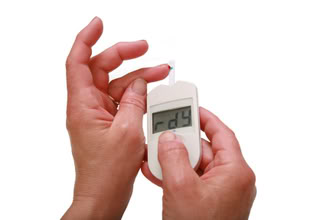 Personally, I do not like the unknown of what my dinner will do to my blood sugar levels while I sleep so I just avoid the problem by generally avoiding carbohydrates at dinner. Also, I prefer to eat at 5 or 6 pm as well and/or choose to eat only small amounts at dinner.
The best way to really know what your body needs is to test your blood sugar often. Learn what makes your numbers go up and what makes it go down….then you will be able to make informed decisions about what is good for your body and what is not. The challenging thing about diabetes is that there is no set answer that works everyday.
Everyday our activity levels are different. Everyday what we eat is different. So you just be informed as much as you can be with what makes your numbers go up and what makes them go down. And then you just do the best you can to make healthy decisions each day. Some days, your numbers will be better than others…that’s just the life of a diabetic. So being informed about how your blood sugars react based on the different choices you make each day is a very wise thing to do.
All the best to you,
Dr. Stanislaw
After being diagnosed with Type I diabetes at the age of seven, Dr. Jody Stanislaw has grown a special interest in diabetes and helping others live a healthy and vibrant life.
If you have any further questions about diabetes you are welcome to leave them in the comments section.
Dr. Nicole Sundene, NMD is a licensed Naturopathic Medical Doctor at Fountain Hills Naturopathic Medicine 16719 E Palisades Blvd, Suite 205, Fountain Hills, AZ 85268.She believes we should utilize natural medicines to treat the root cause of disease rather than just treating symptoms, as symptoms are a message of imbalance sent from the body and will persist until they are properly addressed.
For appointments please visit http://FHnaturopathic.com for more information about Naturopathic Medicine services.
©KitchenTableMedicine.com, LLC ™
Amen to the Obesity Tax, Let’s Just Call it Something Else
March 2, 2009 by Dr. Nicole Sundene
Filed under American Sickcare System, Diabetes, Diet Tips, Fast Food, Hypoglycemia, Kitchen Sink, Osteoporosis, Sugar, Sugar Substitutes, Weight Loss
 By Dr. Nicole Sundene
Honestly, I’m not sure if the NY officials in charge of the “Obesity Tax” truly intend to call it thus, or if the media has just coined the phrase.
However, there are many more causes than just soda when it comes to obesity. And there are many more ills upon society that soda is at fault for.
Furthermore, beverages with sugar substitutes such as aspartame and splenda (sucralose) also make people fat so those should be equally taxed as the Cephalic Response created by these sweet flavored toxins makes us hungry, which makes us eat more, which makes us fatter.
Also, I would suggest that New York tax juice containing High Fructose Corn Syrup. The only thing that makes me mad about the obesity tax is that it is called the “Obesity Tax.” Why pick on people who are overweight? Poking fun at someone for being obese or “taxing them” is truly unfair and perhaps unconstitutional.
Six Better Names for the “Obesity Tax” 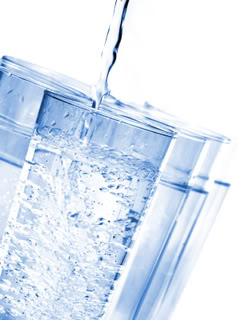
#1 The Water Tax: How about just straight across the board tax all beverages that are not plain water? Water is what nature intended for humans to drink after they were weaned.
I wish it was mandatory for all vending machines to sell bottled water at a four time reduced rate than the typical vending beverage. When we see water priced the same as a fruity looking or flashy drink we immediately feel deprived if we pick water, and from a psychological standpoint we all want to get the most for our money.
Not all beverages are unhealthy, but they all still have containers that place an environmental burden on our planet and our seventh generation. I say we tax everything but water, and let water, the “pristine health beverages for all humans”, be tax exempt from this environmental fee.
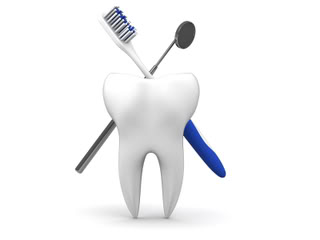 #2 The Dental Carry Tax: Why haven’t dentists spoken up on this issue? I’ll bet we could fund dental coverage (and maybe even some bling diamond grills) for all the kids in America and Africa if we taxed both sodas and refined candies. It’s not just the HFCS in sodas that is the problem; it is the acids that erode enamel, with sports drinks like Red Bull being the worst offenders.
#3 The Diabetes Tax: 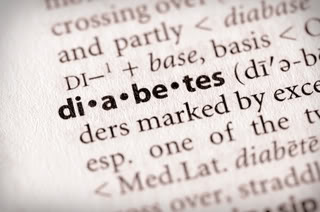 Diabetics cost the health care system $13 dollars per every $1 dollar that is spent on the average healthy person. Now I don’t need a bunch of hate mail from Type I diabetics, although you all know that you shouldn’t be drinking HFCS either, but people in America are literally drinking themselves diabetic with soda consumption.
It is not normal to drink calories unless you are getting them off your mother’s teat. For everyone else, water and herbal tea should be staples while red wine, organic coffee, and pure fruit juice can be enjoyed in moderation in exchange for their beneficial antioxidants.
 #4 The Pollution Tax: If you are purchasing a bottle that cannot be recycled or reused then the environment should have the right to tax you!
Plastic bottles in our landfills are a problem that no one within the last century has taken a seriously critical look at. Plastics have really only been on the scene since 1950 and their use has only escalated in the last few decades.
What most people don’t consider with plastics is that we have introduced a new substance into the environment, and in LARGE quantities.
Some constituents such as phthalates, BPA, and other such “xenoestrogens” are already showing carcinogenic qualities as well as issues with endocrine system disruption as their steroidal molecular structure weakly mimics estrogen and thus may be a culprit or contributor to estrogen sensitive cancers.
We are already seeing an increased percentage of females species in smaller species. Larger species are yet to follow. As much as I am for equal rights I don’t think that plastics are the best way for women to take over the world!
Think of all the plastic in our landfills that will inevitably break down in a thousand years. The pollution from that will likely wipe out all human existence. But that is just my biochemical and medical opinion…and what do I know after ten years of studying this stuff.
If I get to place a vote on what New York should call this tax, I vote to call it the pollution tax. We need to be drinking filtered water out of our reusable glass jars or Klean Kanteen containers. 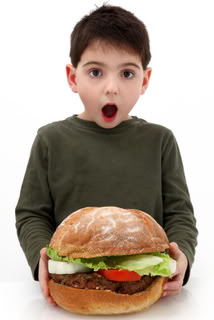
#5 The Bad Parenting Tax: If you are feeding your kids tons of sodas and hotdogs, and not actual whole food and balanced nutrition then you should be taxed. If you aren’t doing it that often, then you shouldn’t even notice the increased 20 cents on the beverage.
Hopefully this “parenting tax” will go towards better parent education for parents, and television programs that will both educate and inspire parents to provide more wholesome foods for children. It isn’t just about their childhood, you know?
They are going to grow up with the habits that you teach them. The habits they see in you will influence them and they are going to end up a casualty of the American Health Care Crisis, which is actually a problem caused by the food that graces our kitchen tables…or worse yet, our cars and minivans when we drive through.
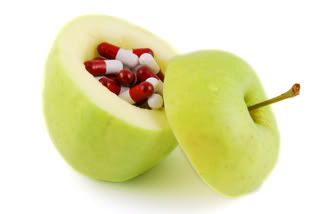 #6 The Health Care Burden Tax: Aside from the aforementioned soda consumption is also implicated in osteoporosis and heart disease. Two GIANT burdens on the health care system.
Americans are soon to likely overtake Finland in the challenge to become the MOST unhealthy country in the world. I am not sure how it is possible that Finland is more unhealthy than us-what are they chain smoking and chugging lard for breakfast?
I’m not sure, but Barack Obama will never be able to fix the health care crisis until he fixes the crisis at every American kitchen table. What we need is not health care what we need is AFFORDABLE healthy food. Imagine if the billions of dollars wasted on prescription meds were actually funneled in to healthy eating and nutrition programs for all Americans?
We know diet and lifestyle prevent disease. However, our cheap processed food options limit us from practicing true prevention. The Reason why our healthcare system is in crisis is that Americans eat the cheapest food they can possibly find. Is this just the case in strapped families and broke college students? No. We have CEO’s of companies feeding their kids mac and cheese from a box, hot dogs, and dinonuggets when they can easily afford better.
You are what you eat. Set the example for young children now, as at these rates likely one in three children born today will end up diabetic. Europeans shop from produce stands and local delis three times a week. Americans shop at large Warehouses to stock up on bomb shelter food monthly.
This has to change.
Con’s of the Obesity Tax:
- Obesity is a clinical term and diagnosis and it is unfair to tax individuals and stigmatize them.
- The money from the obesity tax will be utilized for balancing the NY state budget and will not directly go towards improving health care, helping obese people lose weight, or anything of the like.
- Many people don’t believe taxing is the answer. I’m Swedish so I say tax away! You can feel free to send me hate mail on this one if you wish, but I already get enough. Trust me.
Pro’s of the Obesity Tax:
- Makes unhealthy food products less affordable.
- Media coverage of this tax has brought to national attention the crisis we have with soda consumption.
- Increased awareness of High Fructose Corn Syrup.
- Just like the cigarette tax, if it stops just one person from smoking and developing cancer then the tax is a success. If we educate one person about drinking calories and they don’t become obese and diagnosed with Type II diabetes, then I call the “Obesity Tax” a success.
What are your thoughts on the Obesity Tax?
Dr. Nicole Sundene, NMD is a licensed Naturopathic Medical Doctor at Fountain Hills Naturopathic Medicine 16719 E Palisades Blvd, Suite 205, Fountain Hills, AZ 85268.She believes we should utilize natural medicines to treat the root cause of disease rather than just treating symptoms, as symptoms are a message of imbalance sent from the body and will persist until they are properly addressed.
For appointments please visit http://FHnaturopathic.com for more information about Naturopathic Medicine services.
©KitchenTableMedicine.com, LLC ™
Postpartum Depression: An Interview on Living With PPD
March 2, 2009 by Dr. Nicole Sundene
Filed under Depression, Kitchen Sink, Lifestyle Tips, Pregnancy
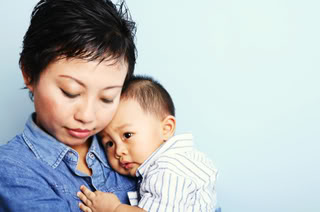 I think it is important for those challenged by illness to feel UNDERSTOOD, and this disease can be a tough one for other friends and family members to truly empathize with.
Postpartum Depression just proves the point that one of my psychology teachers made to, “always check in with people around the happy times too…weddings, babies, new jobs, new homes often precipitate depression as much as unhappy times.”
I have received the gift of hearing many candid disease descriptions over the years, and I hope that this interview will resonate with those in need of understanding Postpartum Depression, or PPD, as we will often refer to it in the following anonymous interview.
Dr. Nicole: When Did you First Develop Postpartum Depression?
I didn’t develop PPD until I had my 3rd and 4th children. Some people experience it with their first baby; that didn’t happen with me. I started to notice symptoms around the 3rd or 4th month after birth. My symptoms consisted of being chronically tired, but not being able to sleep. I noticed I was drinking and smoking more because I felt overwhelmed (self-medicating). I noticed that I was just “not myself”.
I never took naps before, and was now taking them; I never missed appointments before and was now missing them, I have never been late to work and was now late to work every day because I just didn’t feel like I could get out of bed. Your entire day seems so overwhelming; you just don’t even know where to begin, so you’d rather just not begin and hide and pretend everything is okay.
Dr. Nicole: In Your Personal Experience, What Has Postpartum Depression Felt Like?
It feels like you are overwhelmed. When the baby cries you want to cover your ears and pretend its not happening, but you KNOW you have to get up and comfort the baby. You KNOW you need to change their diaper, or feed them, or give them a bath, but you just DON’T want to. You feel like you are forcing yourself to perform “regular mommy duties”, but you just don’t have the energy to. All these thoughts make you think that you are a bad mom.
Dr. Nicole: Has Postpartum Depression interfered with parental bonding?
My PPD has been debilitating and incapacitating. Going to the bathroom feels like a hassle, the thought of taking a shower seems overwhelming. The only thing that makes me feel better is seeing my daughter. Rocking her, playing with her, and feeding her makes me feel better. I feel bad that I have this beautiful little angel, and I am still sad. I feel guilty for being sad and always tired. However, I think I have bonded with her more than any baby I’ve had. I love holding her, I love looking at her, I love her - and I’m sad that I’m sad.
What is the uttermost worst aspect of Postpartum Depression?
The worst part about PPD is having people judge you. I’m not Andrea Yates, I have no desire to hurl my baby out of a window or drown my children in the bathtub. I love my kids, they are the only thing that keeps me going through this horrible disease. I didn’t ask for PPD, and now I feel like I’m being judged and punished for having it. I hated having to leave them for a week and checking myself into a hospital. I hate having to take medication. I hate having a “mental illness”, and admitting to it, because then everyone assumes you’re crazy.
What is Helpful for Your Postpartum Depression? How can your friends and family support you?
Everyone who has PPD just needs a “time-out” occasionally. When you feel overwhelmed, you need to feel like you are allowed to go sit in the bathroom and cry for no reason, and know that someone will be there to help you. You need to get a hug and have someone tell you everything will be okay. You need to NOT have to “make a sandwich” or “do the laundry” or “change a diaper” for 2 minutes. You need support, and for people like me, it’s hard to ask for it. People just need to see how tired you look and allow you to take a break. People with PPD don’t think they are “allowed” to have any of these feelings.
 Can women/families prepare for or prevent Postpartum Depression?
There is no way to prevent PPD. You know me, I’m a funny, up-beat person and now I feel horrible, and I feel so guilty for feeling horrible. I cry for no reason, and I’m not a “cryer”. The only way to help a woman with PPD is to recognize the symptoms (chronic exhaustion, feeling overwhelmed with mundane functions, noticing they are not taking care of themselves, paying attention to their eating habits, “self-medicating” with drugs or alcohol, feeling guilty, crying a lot, feeling like they have to hide in a bathroom to take a break, etc…)
To help someone with PPD, you need to spend the time and do the research to assist your loved one. You need to make the doctors appointment, you need to put her in the car and take her there, you need to pick up the prescriptions and make her take them every single day.
You, as a family member or friend, have to do the foot-work because if you are dealing with someone who has PPD, they cannot do any of that. She would be crying in the bathroom, unable to make even that first phone call; knowing she needs help but unable to take the first step.
I dont have any books or online resources, which is probably why I’m in this predicament for the 2nd time.
Any final thoughts you would care to share on PPD?
PPD is so “looked down upon” that I have now have the Dept. of Health and Welfare coming to my house because the kids have missed a few days of school. I called the teachers, counselors, and social workers at the school FROM THE HOSPITAL and told them I was in the hospital, and now my husband was at home with 4 babies and the kids might miss some school because he is overwhelmed.
I asked for homework packs to be sent home. I explained to them why I was in the hospital. I thought I was doing the right thing. Having Health and Welfare randomly show up on your doorstep and threatening to take your children is the worst feeling ever. Having people search your house is retarded. Having people randomly show up because they need to do a “visual check” on the kids is humiliating and insulting.
If I had just called the kids in sick or said we were taking a ski vacation to Tahoe, no one would have cared. BECAUSE I did the right thing, I now feel like I’m being punished.
Dr. Nicole: Thank you for sharing your very personal experience, it was very touching to read for me, and I hope it will resonate with others challenged by PPD.
If anyone else would care to share their personal experiences with Postpartum Depression please do so in the comments. You may do so anonymously or under a fake name for all I care. My only hope is that people can be more aware of this form of depression, and not feel so alone if they are also struggling.
~Dr. Nicole
Dr. Nicole Sundene, NMD is a licensed Naturopathic Medical Doctor at Fountain Hills Naturopathic Medicine 16719 E Palisades Blvd, Suite 205, Fountain Hills, AZ 85268.She believes we should utilize natural medicines to treat the root cause of disease rather than just treating symptoms, as symptoms are a message of imbalance sent from the body and will persist until they are properly addressed.
For appointments please visit http://FHnaturopathic.com for more information about Naturopathic Medicine services.
©KitchenTableMedicine.com, LLC ™
What is Celiac Disease?
March 2, 2009 by Kitchen Table Medicine
Filed under Celiac Disease, Dr. Selena Eon, Guest Posts, Kitchen Sink, Wheat Free/Gluten Free
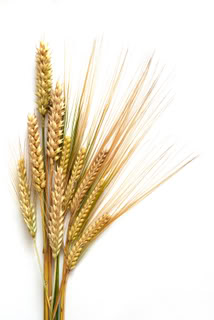
What is Celiac Disease/Gluten Intolerance?
Celiac Disease is an autoimmune condition found in people of all ages who are genetically susceptible. To develop Celiac Disease, you must inherit genetics for it, consume gluten, and have the gene triggered. Celiac Disease causes gradual destruction of the inner lining to the small intestine, leading to poor absorption of a wide variety of nutrients, and consequently a wide variety of patient presentations.
Gluten intolerance is a similar, less severe condition in which a person who does not have overt intestinal damage, but still experiences negative health effects from consuming gluten containing foods. Gluten is found in wheat, rye, barley and products derived from these grains. Gluten is also a frequent contaminant of oats and perhaps other grains.
What are the signs and symptoms of celiac disease?
There are many signs and symptoms of Celiac Disease and gluten intolerance. They range from none (silent Celiac Disease), to severe weight loss and malnutrition. A selection of signs and symptoms include: weight loss, weight gain, abdominal pain & cramping, diarrhea, constipation, osteopenia or osteoporosis, fatigue, bloating, iron deficiency anemia, megaloblastic anemia, nutritional deficiencies, mouth ulcers, inadequate tooth enamel, lactose intolerance, inadequate growth in children and infertility.
What are the risks to the patient if they are not compliant with their gluten free diet?
A person with Celiac Disease risks continued intestinal damage when knowingly (or accidentally!) consuming gluten, even if they do not have symptoms. As a result of intestinal damage from continued exposure to gluten, the person may experience a worsening of the signs and symptoms they experienced before diagnosis, or one of a host of other possible additional symptoms. Over time, damage can become severe enough to cause both adenocarcinoma and lymphoma of the small intestine, ulcerative jenunitis or small intestine strictures.
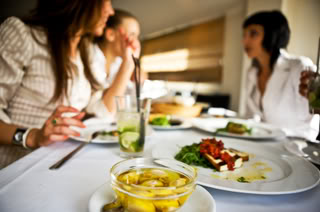 As patient with Celiac, what are the biggest challenges with this disease?
Eating away from home was very difficult at first, but with practice, experience, and perseverance, I found eating out to be enjoyable again. Learning how to cook and bake gluten-free were huge, but very fun challenges
Can you share five of your favorite tips for coping with the challenge of this disease?
1) Learn how to cook and bake at home!
2) Keep a ready-mixed gluten-free flour substitute (home-made or purchased) on hand AT EVERY HOME YOU EAT FREQUENTLY for easy substitutions in favorite wheat-flour recipes.
3) Focus on eating nutrient-dense foods that are naturally gluten-free.
4) Always bring something you can eat to the potluck and keep GF snacks in your bag or car.
5) Avoid new restaurants during busy, peak times-you are more likely to end up with some unwanted gluten.
What do you typically eat for breakfast lunch and dinner?
Breakfast: Fresh fruit in season! We love gluten-free homemade waffles, Bob’s gluten-free oatmeal, cornmeal mush (polenta) and veggie frittatas.
Lunch: Leftovers to the rescue!
Dinner: We have a large rotation of recipes and strive to eat at least ½ plate of veggies along with the main dish. Household favorites include: turkey meatballs, chicken soup, lentil soup, tuna noodle veggie casserole, noodles with peanut sauce, vegetable soups, mixed salads, enchilada casserole, fish cakes, risottos, and a wide variety of creative homemade pizzas.
Care to share your favorite gluten free recipe?
Cheddar Dijon Waffles:
This is a wonderful recipe to start off an active day right, or a outside-the-box lunch or dinner. I like to serve these waffles topped with a gently fried egg (low temperature to avoid damaging the protein) and lots of chunky salsa. This recipe can be doubled or tripled and frozen for quick future meals.
Yield: 4-5 6” waffles
1.5 cup Pamela’s Pancake & Baking Mix (or substitute your favorite GF flour blend)
2 eggs, separated
¾ cup water
1-2T vegetable oil
1/3-1/2 cup shredded smoked or, less desirably, sharp cheddar cheese
1tsp-1tb Dijon mustard (to taste)
1 bunch thinly sliced green onions (white and light green parts only)
If necessary, spray waffle iron with nonstick spray or brush with oil. Preheat waffle iron.
Separate the eggs. Put the egg yolks into a small bowl or glass, and the whites into a medium bowl. Add the Dijon mustard and vegetable oil to the egg yolks, stir to combine and set aside. Whip the egg whites until stiff peaks form and set aside.
In a medium bowl, gently toss the green onions and cheese to coat with the Pamela’s Mix. Add the water, the egg yolk mixture and mix until no dry spots remain. The batter will be thick. Gently fold in the egg whites.
Cook on preheated waffle iron until golden brown. I use about ½ cup per waffle and spread the batter evenly before closing the lid, but use your judgment for your particular waffle iron. Repeat until remaining batter is used up.
Note: you can make these waffles using three whole eggs and skip the egg separating/whipping step. Just mix the whole eggs with the mustard and vegetable oil and skip folding in the egg white. The finished waffles will not be as light and fluffy.
Ps: If your waffle iron is from your “gluten days”, be sure to clean it very thoroughly to remove all gluten-containing crumbs before using for gluten-free waffles or replace the waffle iron with a new, dedicated gluten-free one.
What kind of resources and support groups are available for celiac disease?
ACK, the hyperlink thingy for The Gluten Intolerance Group is all messed up. It should be www.gluten.net
• Celiac Disease Awareness Campaign from the National Institutes of Health
• Celiac Disease Foundation
• The Gluten Intolerance Group
• Celiac Disease practice guideline from the World Gastroenterology Organisation (WGO)
• Celiac Sprue Association
• Outcomes of 2004 consensus development conference, National Institutes of Health
• National Foundation for Celiac Awareness
• University of Maryland Center for Celiac Research
Books and Magazines (does NOT include cookbooks)
Celiac Disease: A Hidden Epidemic by Peter Green, M.D. and Rory Jones
Gluten-Free Diet A Comprehensive Resource Guide by Shelley Case, R.D.
Gluten-Free Friends: An Activity Book for Kids by Nancy Patin Falini, M.A., R.D., L.D.N.
Kids with Celiac Disease: A Family Guide to Raising Happy, Healthy Gluten-Free Children by Danna Korn
Next up by Dr. Selena Eon is a three part series of “How to Eat Gluten Free on a Budget.” If you have any questions about celiac disease, you are welcome to ask them in the comments section and they will be addressed in future articles.
Dr. Selena Eon practices in Bellevue, WA and you may contact her at
(206) 228-9537 or visit www.drselenaeon.com
Dr. Nicole Sundene, NMD is a licensed Naturopathic Medical Doctor at Fountain Hills Naturopathic Medicine 16719 E Palisades Blvd, Suite 205, Fountain Hills, AZ 85268.She believes we should utilize natural medicines to treat the root cause of disease rather than just treating symptoms, as symptoms are a message of imbalance sent from the body and will persist until they are properly addressed.
For appointments please visit http://FHnaturopathic.com for more information about Naturopathic Medicine services.
©KitchenTableMedicine.com, LLC ™