Aura Cacia Essential Oil Diffusers Voted Best!
March 26, 2009 by Dr. Nicole Sundene
Filed under Air Pollution, Best, Kitchen Sink, Preventative Medicine

By Dr. Nicole Sundene
Okay it is not that often I get REALLY REALLY REALLY excited about something so simple and silly, but I just have to say that these new Aura Cacia essential oils diffusers are simply the best thing since sliced bread.
Traditional plug in air fresheners purchased in the drug store are basically just infusing synthetic toxic poisons in to your air. Certainly not a good thing for those with asthma or respiratory problems. Sure you can buy a bunch of spider plants and open the windows…but wouldn’t you rather just use some pure essential oils to scent your home instead?
I have always been a fan of Aura Cacia, having been in the natural medicine industry for 15 years, and the great thing about the “plug in” diffuser is that you just add a few drops of your favorite essential oil scent to the foam pad (that occasionally has to be replaced when it gets hard) and it makes your home smell WONDERFUL!
This is great for me because with all the pets I have I need to cover up some serious old dog stench (yes I do bathe them.) But, a few drops of the Aura Cacia essential oil on the diffuser is enough (I hope.)
To make an instant spa scene just grab your favorite essential oil and add a few drops to your bath, and a few drops to the plug in diffuser.
At nighttime I sleep like a baby by putting a few drops of their organic lavender on my bedroom diffuser. You can read “The Fifteen Most Fabulous Herbal Sedatives” for more information on how to use lavender to calm down.
I did a test with the car plug in and found that I was much less road ragey by using my favorite calming blend, “Panic Button,” a deliciously soothing blend of lavender, rose, and citrus. Until I have my own chauffeur, I will be heavily relying on panic button! Yay Panic Button!
They also make a battery operated essential oil diffuser option as my beauty editor Kat Lee mentioned in her article “Aura Cacia’s Lavender Harvest, Mommy’s Secret Weapon.” I like to place mine at the entry way so I can open the door to something that smells good.
These aromatherapy diffusers by Aura Cacia are great for traveling, office, placing by your entry way so your guests feel properly welcomed, or you can place a little of the Heart Song blend on your nightstand to set a romantic mood. Be sure to check with your co-workers and those around you that may be scent sensitive, but otherwise they will probably love them too! These are non-toxic scents at their finest!
Thank you Aura Cacia for giving us some great home scent options that aren’t poisoning the air we breathe!!!
For more information visit www.AuraCacia.com
Sincerely,
Martha Stewart…er I mean Dr. Nicole Sundene
©KitchenTableMedicine.com, LLC ™The Autism Diet Connection
March 26, 2009 by Dr. Nicole Sundene
Filed under Autism, Guest Posts, Kitchen Sink
 By Tara Mclintick, mother of a child with autism
What is the best diet for an autistic child?
The connection between diet and autism is complex and not fully understood yet. Although I am not a doctor, here is what I know:
1. Food allergies and sensitivities are extremely common among individuals with autism.
2. “Leaky Gut” and other digestive issues (chronic constipation/diarrhea) are common.
3. Artificial coloring/flavorings and preservatives can have a extreme effects on behaviors.
4. Salicylates, even naturally occurring in healthy foods, can be hard to tolerate.
5. Sugar and refined carbohydrates exacerbate yeast and dysbiosis issues, which are also common.
6. Some children show remarkable improvements, even full recovery, by removing gluten/casein proteins from the diet. The Specific Carbohydrate and Body Ecology Diet also have resulted in major improvement and/or full recoveries in many children.
7. Mineral deficiencies are suspect of weakening the body’s natural de-tox system. Consequently the body’s ability to remove heavy metals and other toxins are impaired significantly.
8. Heavy metal toxicity effects cellular function and leads to issues such as calcium oxalate crystals wrecking havoc in various soft tissues of the body.
9. The overburden of toxins and heavy metals cause liver, thyroid, and adrenal stress as well as damaging the sensory and nervous system and brain functioning.
10. The damaged endocrine system leads to hormonal imbalances, auto-immune response and/or other alterations of the immune system as well as inflammation are common.
At the last DAN! conference they referred to this growing condition as “autisms” because it is only symptom/behaviorally diagnosed. The root cause is unknown (although many parents believe the growing amount of immunizations are the straw breaking the camels back).
There is no one sure strategy towards recovery. Specialized diets, vitamins, specific supplements can have an extraordinary results for some individuals and apparently little effect on others. A holistic movement towards whole foods and a cleaner environment, and awareness of what we are exposing are very young children could make a major difference for everyone involved.
Author Tara McClintick is an Early Childhood/Special Education teacher as well as a Son-Rise mom. A great deal of Tara’s 20+ years of experience has been working one on one with her youngest son, Jake, who was diagnosed with severe autism shortly after his first birthday. Jake is now 13 and together they continue the journey towards learning and recovery through nutritional and natural methods. Tara also creates fun, unique picture books for kids using real-life scenes and images www.BooksByTara.com
©KitchenTableMedicine.com, LLC ™Can you Guess the #1 Mineral Most Americans are Likely Deficient in?
March 24, 2009 by Dr. Nicole Sundene
Filed under Diet Tips, Kitchen Sink, Minerals

If I had to bet my life savings (well, during these tough economic times it’s worth about $53.76) on which mineral most Americans are deficient in…I would guess magnesium.
Now if you guessed, calcium, iron, zinc, copper, or chromium you may in fact be right, but I believe after working with many patients, that many common health problems are as simple as magnesium deficiency. In my article “The Nine Best Natural Medicines for Depression,” I discussed the importance of magnesium.
All doctors are always checking in to make sure that their patients have enough calcium, but they should be checking that they aren’t deficient in dietary sources of magnesium as well.
What is magnesium’s role in the body?
Magnesium helps SAMe donate methyl groups to form neurotransmitters, and is also needed for muscle relaxation. It is also needed for over 400 enzymatic processes in our body, including detoxification pathways, and is also beneficial for constipation, muscle cramping, torticollis, acute angina after myocardial infarction, stroke, asthma, kidney stone prevention, dysmenorrhea, premenstrual syndrome, acute gastrointestinal spasms or cramping, eclampisa, heart disease especially cardiomyopathy, diabetes mellitus, nocturnal muscle cramping, mitral valve prolapse, toxemia of pregnancy, fibromyalgia, migraine headaches, lead toxicity, and fatigue.
The best sources of magnesium are leafy greens and whole grains. So it is no wonder so many people are magnesium deficient.
Think about it.
If you haven’t had a single serving of green veggies today, you likely are magnesium deficient.
Do you have eye or muscle twitches? Could be calcium or magnesium or both.
Taking a cal/mag supplement before bed is a great way to improve sleep, top off your minerals, and prevent those painful nighttime Charlie horses that occasionally happen. I always use calcium citrate vs calcium carbonate.
Keep in mind that too much magnesium can cause diarrhea, and that athletes and those with certain chronic health conditions may need more magnesium for muscle relaxation. Calcium and magnesium should be used at a 2:1 ratio.
Please check with your naturopathic physician before using magnesium as a therapeutic above the 400-800mg range as long term over use of magnesium may cause osteoporosis.
©KitchenTableMedicine.com, LLC ™Back Pain: Try a Half Bath
March 24, 2009 by Dr. Nicole Sundene
Filed under Back Pain, Hydrotherapy, Kitchen Sink, Neck Pain, Preventative Medicine, Reader Questions

If you have chronic neck or back pain, you might want to try a half bath next time instead of a full one. Now, many with big Jacuzzi bath tubs may not need this tip, but if you have a standard little bath tub you may want to try this out.
As a med student I was always hunched over a book, which resulted in chronic neck and upper back tension. If you fill the bath tub up so that you can lie with your legs up and your neck and back in the water you may be able to decrease spasming muscles and prevent the tightness from progressing in to a full blown event that leaves you laid up in bed in pain for days on end.
This tip is also great to do right before you go in for a massage, chiro adjustment, physical therapy, acupuncture, or other body work. The looser you are before your appointment, the easier it will be for your practitioner.
Tight muscles can make chiropractic adjustments very difficult. If you always suffer from chronic back and neck pain, be sure to check your office desk ergonomics in addition to being fully worked up by your physician and the proper experts.
If you suffer from high blood pressure, heart problems, or other chronic health conditions, please contact your doctor before implementing any hydrotherapy techniques, and ask someone to assist you whenever you are not feeling well.
©KitchenTableMedicine.com, LLC ™2009′s Sexiest Washer & Dryer
March 24, 2009 by Dr. Nicole Sundene
Filed under Environmental Medicine, Kitchen Sink
 By Dr. Nicole Sundene
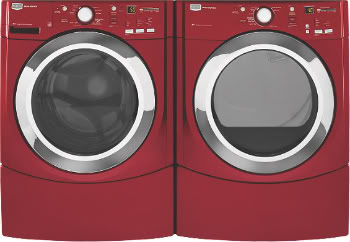
I didn’t know it was possible to fall in love with a washer and dryer, but it happened to me the other day when I caught that special something out of the corner of my eye.
I was at Home Depot and couldn’t resist checking out these super flaming hot sexy washers and dryers by Maytag.
Although I was just admiring the fancy new paint job, I started chatting with the knowledgeable old sales guy in the department about how stainless steel is getting bumped for flashy colored appliances.
Yes…the hot new trend in appliances is COLOR COLOR COLOR people!
But, the front loader washing machine is sexier for a reason far greater than this particular one’s hot red color, it is sexy because it is saving the environment, and as the sales guy and I agreed, probably paying for itself over time.
He informed me that:
- Front loading washing machines use only an average of 18 gallons of water compared to the 44 gallons used by our traditional top loaders.
- Because of the washing technique you need less soap, aka less pollution in our water, and less drying time. A standard system takes about 90 minutes to dry while this new system takes only about 30 minutes!
And to think I am worrying about how many gallons of water I am wasting while the water runs too long brushing my teeth each morning!
Just think if we were all using less soap, saving 27 gallons of water with every wash, WHILE reducing our electrical bill each month. I know a significant portion of mine goes to my dryer.
So if you are looking to replace your washer & dryer anytime soon be sure to check out the new more environmental line of front loaders. They are the hot new fashion…er I mean environmental trend… to grab on to. And they are super cute (also comes in green!)
For more info on my new fav thing visit www.Maytag.com or your local hardware store.
©KitchenTableMedicine.com, LLC ™Scientists Urging Obama to End Natural Medicine Research?
March 19, 2009 by Dr. Nicole Sundene
Filed under American Sickcare System, Kitchen Sink, Preventative Medicine
By Dr. Nicole Sundene
Please contact your local congress if you want to help support natural medicine research that is currently at risk, and while you are at it, please tell Presdent Obama that he should include preventative medicine providers such as Naturopaths, Chiropracters, Acupuncturists, and so forth in his new “Universal” health care plan.
Although President Obama has the right idea with focusing on prevention, he is unfortunately being advised to not include all the people who can actually make disease prevention happen. Ironically, preventative medicine has never been at a greater risk than this exact moment - a time that Obama is working to create this Universal Health Plan that got my vote because it was supposedly “focused on disease prevention.”
Recently I read this article “Critics Object to Pseudoscience Center,” and it had me in such fits I could barely restrain myself from screaming out loud when I realized that all the progress in natural medicine research we have been fighting for may be wiped out:
“The impending national discussion about broadening access to health care, improving medical practice and saving money is giving a group of scientists an opening to make a once-unthinkable proposal: Shut down the National Center for Complementary and Alternative Medicine at the National Institutes of Health. ”
First of all, the research examples cited are not properly demonstrating all the different natural medicine studies the NIH has granted. Second of all, unless you are a doctor you have NO right to decide what is best for the condition of other human beings. Scientists only know their focus of interest. Most aren’t trained to see the big picture unless they end up in medical school.
“Salzberg suggested that NCCAM be defunded on an electronic bulletin board that the Obama transition team set up to solicit ideas after November’s election. The proposal generated 218 comments, most of them in favor, before the bulletin board closed on Jan. 19.”
Salzberg and similar scientists have a very focused understanding of human physiology, and as a former biochemistry student in undergrad, I can personally attest to that fact, although highly over-educated at the time, I still understood science only on a very focused level.
As a biochemist, I understood the human condition in a series of mathematical equations, and biochemical formulas that basically add very little to understanding the complex machine of the human body as a whole.
Are you a mathematical equation? Are you a biochemical formula? I certainly hope not. You are a human being.
Just because someone knows how to change some spark plugs doesn’t mean they know how to build a car.
The scientists urging Obama to end CAM (complementary alternative medicine) research with the NIH (National Insititute of Health) has absolutely ZERO understanding of the human health condition unless he has an MD, DO, RN, or ND behind his name, and to my knowledge Salzberb is a human genetics researcher, not a doctor. Please correct me if I’m wrong, but I would even be happy if this scientist was at least an RN, but he isn’t, and to my knowledge has NO actual medical training outside of a deep understanding of human genetics. What makes this person have the right to dictate what research is conducted in health care when they haven’t worked in the trenches of primary care?
Why should President Obama even consider taking health care system advice from someone that works on gene research and knows absolutely nothing about human health in the big picture?
“With a new administration and President Obama’s stated goal of moving science to the forefront, now is the time for scientists to start speaking up about issues that concern us,” Steven Salzberg, a genome researcher and computational biologist at the University of Maryland, said last week. “One of our concerns is that NIH is funding pseudoscience.”
Frankly, in my opinion at this prudent juncture, “pseudoscience” is wasting millions of dollars on gene research that will not make a significant difference in the lives of human beings for several generations out.
After medical school and eight years of working in family practice care throughout as a medical assistant, I have learned that prevention is the key to a highly functioning health care system, as I stated in my recent article, “Is Your Body a Money Pit?”
The CAM approach is really the only way to prevent your body from falling apart. Drugs are band-aids. Gene research is the research that should be THROWN OUT! Do we really need gene research? No, we need PREVENTION.
Gene research is an unnecessary expense and is pseudoscience in itself. Gene research is maybe the medicine of the future for elitists but will likely not solve the health care issues of “Joe the Plumber.” What “Joe the Plumber” needs is to understand that genetics may in fact play a role in human disease processes, but they are a multi-factorial part.
I have cancer cells in my body as I write this, as does everyone else reading this, it is a matter of a variety of environmental influences that determine whether cancer gene expression will be allowed to be turned on, and it is a matter of a suppressed immune system to determine if the cancer cells are allowed to proliferate. If you have a weak immune system, you are at risk for cancer.
If you smoke, don’t eat fruits and veggies, have an unhealthy diet and lifestyle, don’t exercise, and so forth you are allowing these cancer cells made in error to proliferate. The cancer cells in my body right now are cells that are naturally made by accident as I discuss in my article on the “Anti-Inflammatory Diet,” using a factory as my paradigm for disease proliferation. Mistakes are bound to occur. Your immune system does the “clean up on aisle nine” in the cancer picture.
After talking to patients for eight years as a telephone triage nurse, and working urgent care, family practice, and a variety of other specialties, I was gifted the opportunity to see how dysfunctional our health care system truly is (in one of the BEST medical settings possible, I should add). I have come to the conclusion that prevention and patient education are the missing links to American health care. That is why I started Kitchen Table Medicine.
This article about cutting a ridiculously small amount of funding to natural medicine research really ticks me off because you know how many negative drug trials there are out there?
Hundreds if not thousands… if not hundreds of thousands.
YES we are trying to conduct scientific research on natural medicines….NO we are not going to find everything to be more beneficial than placebo. This is no different than the pharmaceutical companies finding that their NEW DRUG doesn’t work either. A new drug is found to be ineffective or unsafe nearly every day, maybe even every hour, and do scientists call that “pseudoscience?”
The placebo rate for menopause, for instance, is as high as 40% for ANY treatment up to the first 12 weeks. So of course hormone replacement therapy (which was found to cause breast cancer…etc etc) or ANY treatment can be shown to be efficacious when scientists properly distort the information.
Why is natural medicine labeled “pseudoscience” when it is has been used respectfully and successfully in Asia for at least 3000 years? I think the REAL pseudoscience is drug companies making up synthetic drugs and trying to feed them to us at ridiculously over-inflated prices.
That is pseudoscience at it’s finest. People paying $800 a month for an “off label drug” (not even proven to be efficacious) that gets pulled off the market a few years later because it is going to give you cancer or a heart attack or result in some other terrible outcome.
Do you smell that? Yeah smells like pseudoscience!
What about kids with autism being given anti-psychotic and anti-seizure meds that have absolutely no research to vouch for them? Ummm…pseudoscience.
The whole problem with health care in America is that we don’t have enough prevention. Doing away with research and shutting prevention oriented docs such as myself out of a universal health care plan is politics at it’s finest, because who owns the politicians and the FDA?
The pharmaceutical companies.
If Obama really wants to make a difference during his time in the White House, he should go after companies that are allowed to charge a gajillion dollars for their drug that they can afford to advertise during the Super Bowl.
Natural Medicine companies, for the most part, won’t pay to study natural medicines because no one can patent and make billions off of a well known and effective natural medicine such as garlic. So without the NIH, we have very little hope of understanding how best to use our natural modalities, and which were shown to be the most efficacious.
Enough independent studies on fish oil have finally been done and now there is a pharmaceutical version available at a ridiculously over-inflated price. If your co-pay is only $10 it is probably saving you money, but it is not saving the overall health care budget for insurance to pay $60 for some fish oil that can be picked up at your health food store (like Carlson, Arctic Omega, Pharmax, Twinlab, etc).
Insurance won’t pay me $120 to educate someone on how to eat to prevent gall stones but they will pay $20,0000 for a gall bladder surgery removal!!!! So they have the surgery…and then guess what? They have to be on the SAME diet that would have prevented the gallstones from forming. And the patient then comes running to me for advice because their MD can only tell them to live with the chronic diarrhea. Does this make sense to anyone? It sure doesn’t make sense to me.
If Obama wants to make a difference in health care he should not be listening to “scientists”, he should be listening to doctors, nurses, medical assistants, insurance companies, and referral coordinators….the people fighting the primary care battle in the trenches day in and day out. I slaved away in the primary care trenches for eight years.
Did this geneticist do it? Did he listen to little old ladies crying about how they can’t afford food because their drugs were so expensive each month. Did he listen to the depressed obese old man tell me he would rather die from diabetic complications than follow the diabetes diet. Doubtful.
Don’t expect Medicare to cover all your drug costs when you retire, and don’t expect Obama to actually fix the health care crisis until he guts the system, guts the corruption in the FDA, caps the pharmaceutical industry, and turns health care in to a paradigm that is focused on prevention. Doing away with research on CAM isn’t going to stop me from doing my job, but it certainly isn’t helping it.
Nor is it helping any other American.
No wonder America is the second most unhealthy country in the world next to Finland, and we pay more than any other country for health care. I propose that Obama think outside the box and implement a Chinese or Ayurvedic model of medicine where patients are actually taught how to live well on a daily basis. Where they see their doctor more than once a year, and follow the health care models of China and India where healthy people exist in a system that doesn’t pay much to keep them healthy.
The answer to the health care crisis is not removing Preventative doctors from Premara or taking funds from CAM researchers. If we really want to save money on health care, the plug should be pulled on whatever those human genome researchers are doing. Genetic research is costing us millions if not billions in funding…not a study to see if human touch is helpful in disease management and patient comfort levels, a study that may inspire more doctors and nurses to step down from their pedestals and interact with their patients on more of a human level. A study that might encourage health care providers to put the “care” in health care.
What it all comes down to, is that treating diseases through gene therapy is so far out in the future it won’t even touch the health care crisis for several generations out, if ever, and we need to act NOW. Forget the eldery, forget the baby boomers, the crisis is going to break when our current generation of children reach their fifties and one in three of them are diabetic. If the diabetic crisis continues at it’s current trend, this is what will happen.
Please contact your local congress and let them know you want CAM research supported, that you want preventative medicine doctors and options on your health care plans, and if you need information on how to go about doing that visit the American Association of Naturopathic Physicians.
Feel free to send me hate mail on this one, but I have the “Trifecta of Experience” to speak out against these “pseudoscientists” calling me a “pseudoscientist.” The proverbial pot calling the kettle black.
Well this kettle has been traditionally trained as a scientist, and has also been a triage nurse in a family practice setting for eight years, and now is a preventive medicine doctor with the ability to understand this debate from a myriad of perspectives, and the only way out is to solve the crisis at our very own kitchen tables. We need healthy whole foods that we can afford, we need to implement exercise programs in work places, to get America HEALTHY and not pumped full of billions of dollars worth of monthly drugs.
The only way out is to focus on PREVENTION, Obama has that part right, he is just listening to the wrong panel of advisers. They are all likely corrupt with their own initiatives, and owned by the FDA, which is in turn owned by the Pharmaceutical companies.
How do I know? Just take a look at the health care systems of other countries that aren’t paying small fortunes to researchers to study human genetics when we are several generations out to even efficaciously applying these modalities.
What the NIH should actually do is ditch the geneticists and focus all of their research on CAM and prevention. It is truly the only hope that American health care has. Gut the health care system. Throw out the baby and the bath water.
Maybe that is unnecessarily harsh, but what kind of human being doesn’t want to promote the healing power of human touch? Someone that has no clue about humanity.
Keep the Cam research. Do away with NIH grants that are funding the unnecessary luxury of genetic research, and allow every American the opportunity to PREVENT disease instead of putting a band-aid on it. And if they do get a disease, they still will need a naturopath to help them with the long term big picture of how to prevent the disease from progressing.
Heck I’ve got an electrician here working away right now who says, at 55 years of age, the only thing that holds him together is his weekly appointment with his naturopath.
A human geneticist telling us what to do with the human body is exactly like an electrician telling us how to build a house. Just because you know about the wiring doesn’t mean you know what is best for the entire structure, and yes, I did just ask this electrician if he could build a house from the ground up and he said, “Nope.”
~Dr. Nicole Sundene
©KitchenTableMedicine.com, LLC ™How to Get Free Drugs
March 19, 2009 by Dr. Nicole Sundene
Filed under American Sickcare System, Kitchen Cost Cutters, Lifestyle Tips
 By Dr. Nicole Sundene
During these tough economic times, the last thing you should let go is your health.
You may be thinking, “What?!?!?!? Why would a naturopathic doctor want to help me get free drugs?”
As much as I love the idea of a drug free world, having worked as a triage nurse and medical assistant in Family Practice for eight years, I am fully aware that drugs are necessary on occasion.
According to the therapeutic order that naturopaths such as myself follow, we start with diet and lifestyle, work our way up to herbs and nutritional supplements, and then resort to drugs, surgery, and radiation as the highest form of intervention.
As much as I would love to live in a prescription drug free world, that is just not a reality, and during these rough economic times we lose our jobs, or we lose our insurance, or we lose our jobs and lose our insurance and then lose the ability to pay for our anti-depressants because it was already bad enough before we lost our job and then our insurance.
Now we can’t afford our anti-depressants and our world just seems to spiral down from there! I’m sure many people have been in this frustrating boat.
Just don’t give up hope. Prescription drugs are really dirt cheap to manufacture and both manufacturers and doctors want to see you stay on your medications.
First thing to do when prescription costs are running high is to make an appointment with your doctor or call your nurse and ask that all your brand name scripts be translated to generic. This should not be an emergency to your doctor, it should be something they should understandably be happy to help you with in their spare time. Just be patient and give them a few days to work it all out.
If this is still too expensive for you to manage each month then try using mail order systems that reward you for planning ahead and buying 90 days worth of the generic prescriptions at a time.
If you can’t even afford generics then you need to resort to either of the following three tips:
#1 Ask your doctor for free samples. I’ve worked at doctor offices that do and don’t provide free samples and trust me, there are advantages to both. If your doc doesn’t provide free samples don’t hold it against them, but if you are really down and out you should check with your insurance company (if you have one) or call around to make an appointment and get those free samples. You may even ask your doctor. Personally, I would not be offended if a patient had to discontinue care due to financial reasons. I would want whatever is best for them, and would likely have a recommendation that could help.
#2 Find a community health center. Some “free clinics” can actually write off the cost of your prescriptions, or offer a reduced rate on a sliding scale. Again Google “community clinic Seattle” or wherever you live, make a few calls and see if you qualify for free drugs from their pharmacy, or at the very least sliding scale.
#3 Ask the drug manufacturer to give it to you for free. I know this sounds crazy, but if all else fails, call the manufacturer and ask to participate in their economic hardship program. This makes them happy because it keeps you as their customer as well as serves as a nice tax write off, so please don’t feel too shameless to approach your drug company for some free prescriptions to get you through these tough economic times.
It may just take some extra paperwork through your doctor, so don’t expect it to happen over night. It is not the drug that costs the pharmaceutical industry, it is the research and FDA approval process that skyrockets the price of prescription drugs.
So, for the people advertising their product during the Super Bowl, giving you free drugs is feasible because it means keeping a loyal customer and providing a tax write off. Google the name of your BRAND NAME drug, not generic and find the manufacturer that way. If all else fails, call your pharmacist for help. I know for a fact that many of these companies have economic hardship programs, and when I worked as a medical assistant I helped many patients qualify for these programs.
After all, they do want to keep you as a customer…right?
Again, your doctor will likely have to fill out a form so please be kind and give them a few days to complete the necessary paperwork. We are stressed out too!
Obviously the best option, if it pertains to your health condition, is to get your system in optimal condition through diet and exercise.
Aren’t I sneaky?
The need for pharmaceuticals will gradually drop off and your doc can wean you down from your prescription drugs. I am always inspired when I watch “The Biggest Loser” and see a contestant be removed from all their diabetes, cholesterol, and high blood pressure meds just through weight loss. Amazing!
Whatever you do during these rough economic times, never suddenly withdraw from taking a prescription medication that you can no longer afford without checking with your doctor FIRST. The side effects may be extremely hazardous to your health.
Thanks for stopping by my kitchen table,
Dr. Nicole Sundene
©KitchenTableMedicine.com
Autism: 10 Tips for Everyone
March 19, 2009 by Dr. Nicole Sundene
Filed under Autism, Guest Posts, Kitchen Sink

You probably already know that autism is growing. A 6,000% increase, 1 in 150 children, 1 in 94 boys - the statistics are steadily rising.
This is a journey we are all on, even though many are not aware. There will be numerous benefits to more people consciously getting on board.
The journey is amazing. If you do not live it, you may not understand the benefits. Though it is not always easy, there are ways we all can pitch in and begin the shift towards reaping the blessings that flow from being touched by the life of someone with autism.
Do you know ways you can help? Live daily within the crux of the most extreme aspects of this condition and ideas begin to come clear. Here a few powerful suggestions that may surprise you…
1. Educate Yourself. Not via the news, magazines, TV specials, commercials, the doctors, the medical society or even the big autism organizations. Listen to the parents. Join groups on the internet. Read books about healing. Read books written by individuals with autism.
Most of the mainstream information and even “scientific studies” are biased and paid for to protect some financial interest. Jenny McCarthy said it best, “Our kids are our science!” Break out of the mob mentality, it’s getting us nowhere. Concerned about immunizations? There’s good reason. No matter how “safe” and “necessary” we are told they are, bottom line is parents would not have to sign away our children’s lives releasing responsibility for risks beforehand if that were true.
Learn from those experiencing and living with autism daily. They are the ones most highly motivated to finding answers. They are the ones who are no longer afraid of what this journey is revealing to the human race. They see ignorance and indifference as much more frightening.
2. De-Tox our Environment. Become more aware of the substances we saturate our air, land, skin, clothing, and other surrounding areas with daily. Start changing one thing at a time if you have to. How you clean your house. How you wash your clothes. How you take care of your yard.
How you eat. How you take care of yourself. Do you know what those chemicals and ingredients are? Me neither. Why do we trust the companies and/or government to make sure they are safe? Support the independent organizations that make factories clean up their act. Simplify by going back to the basics.
3. Adjust How You Think About Food. Real food is made by God, not made to last 20 years on a shelf and ready to eat in 2 micro-waved minutes. The more chemical and artificial ingredients it has, the less it can be called “food”. Yes, you can eat it without it killing you instantly.
Yes they will TELL you it’s “healthy.” We can’t blame food companies for wanting our business and trying to make life more convenient and easy for us. The companies are catering to our wants, so we have to start opening our eyes to what we are doing to ourselves by staying in the dark for the sake of cheap, quick, and easy. Real food taste way better and is ultimately more satisfying.
First change by acknowledging your addiction to the cleverly concocted taste combinations that are always conveniently accessible. It taste good, makes me feel good at the moment, quick and easy, but at what cost? Alcoholics and drug addicts have to make the same choice.
4. Take Responsibility for Your Health. Your doctor is not God. Your doctor can not possibly be responsible for the daily choices you make either. Your doctor is a human just like you. Your doctor went to school to learn how to prescribe “band-aides” in the form of drugs, for symptoms you are experiencing. YOU are responsible for learning about becoming healthier.
The human body, brain, and soul are miraculous, awe-inspiring creations! God has provided us with guidelines, resources, and free will.
Take responsibility for your own will, beliefs, and decisions you make about how to live. Businesses such as health care and the food industry are services for our needs. When we allow them to convince us as to what our needs are –that is called marketing. It is up to us to know the difference. Get out of the trap, and reverse who’s in charge. You know you best. Learn about yourself and take charge of your own life.
5. Vote Daily with Your $$$. Your daily choices are determining the path of the planet. We are like hamsters in a maze when our decisions are determined by the TV commercials, magazine ads, and the negative news.
The stores alone are largely designed to get you to buy, and the big companies know how to use this system in strategic ways. Exercise your true freedom to choose. Liberty is America’s mighty foundation, and very few people realize the power in this step alone. Buy real food, safe cleaning products (baking soda, vinegar, etc.), and spend your hard earned dollars to support these movements (see #1,2, 3, &4).
6. Ask How You Can Help. Be open to learning. If you know a family or person living with autism, don’t assume you know what’s best for them, what they should do, or how you can help.
Offer, but ASK. Ask what adjustments would help to make family events go smoother. Ask if there’s anything you can do to help out once a week. If the person says “no” please do not be hurt or offended. There are complications involved that they can’t explain, because you can only understand by living it.
Emotions, logistical factors, desires to prevent disasters, etc. are all new challenges that can arise around involving another person. You can help best if you can fill your own cup and serve from the overflow. A family surviving the daily challenges of autism can not handle the challenges of another needy person. Wanting to help and needing to help are different.
7. Volunteer Your Time. Once you’re in the mindset of #6, you can open an on-going offer of whatever help you’d feel comfortable providing. A few of the ways you could help may include researching topics on the internet, driving a child to/from therapy, running errands, caring for the child or siblings, yard work, cleaning, etc.
Be open to suggestions and feedback. Your time and compassion can be a gift worth more than any amount of gold.
8. Train Yourself. Learn how to spend time with a child perceiving the world differently. Come from an attitude of wonder, compassion, mutual respect and peace. Your comfort level is your responsibility, not the child’s.
This is an area of huge need, and there are good programs out there; but they are few and far between. Seek training that focuses on learning about the child and developing trust. Relational techniques such as son-rise and gentle teaching can show all parties involved how to learn and grow together.
9. Donate Directly to Families or Organizations that Support Families. Most of the treatments and therapies are not covered by insurance. Support fund raising efforts by families, or donate to programs that offer assistance to families directly. Again, your $$$ are votes, support what you want to see more of in terms of helping families.
Many times financial assistance is not available until the child is 18 when the parents are not solely responsible anymore. If more funds were available to support school-aged children, we may have more independent children by 18.
Yes, overcoming any challenge is possible. See #1, listen to the parents that have experienced it. Every story is different, but most involved commitment, hope, and support from others. Your support can make a huge difference. The expense of assisting a child may be high. It is but a fraction of the cost of not making an effort to reach out.
Even the children that never fully “recover” can make huge strides and teach those who reach out some of the greatest lessons in life. Every individual created by God offers gifts to this world that are up to us to receive.
10. Advocate for Compassion. Our ignorance does not excuse us from the mistreating or oppressing any group of people.
Develop a voice for children who can not stand up for themselves. At present, most programs are trying to help children to conform to the “real world”. Sometimes they are treated worse than criminals through aversive behavioral shaping methods. These kids are our “real world” now, and those of us who have a voice and can control our bodies have many choices on how we will respond.
Start taking some of these active steps towards reversing autism. The kids can learn, but we have just as much if not more to learn from them. One thing you will learn is that these kids are not so different after all. They are normal kids trying to take care of themselves.
What if it were you? What if someone were telling you that you had to be different or you were going to punished. We would not punish a child who’s legs were paralyzed for not being able to walk. These individuals are doing the best they can. They often have sensory and perception differences that we do not experience.
Their behaviors are not misbehaviors. Let’s come together to support them with open minds and hearts so that we can learn what they are here to teach us. The future we create is up to us.
“I suspect future generations will see our time in history as the turning point when the conditions of the planet forced us to discover how the universe really works and accept our interactive role in it. Rather than following the first three centuries of scientific imagery that has portrayed us as powerless victims in life, the new science suggest we are just the opposite.” ~Gregg Braden The Spontaneous Healing of Belief
Please leave your professional or personal experience tips, stories, or comments for all touched by autism to benefit.
Author: Tara McClintick is an Early Childhood/Special Education teacher as well as a Son-Rise mom. A great deal of Tara’s 20+ years experience has been working one on one with her youngest son, Jake, who was diagnosed with severe autism shortly after his first birthday.
Jake is now 13 and together they continue the journey towards learning and recovery through nutritional and natural methods. Tara also creates fun, unique picture books for kids using real-life scenes and images www.BooksByTara.com.
©KitchenTableMedicine.com, LLC ™Is Your Body a “Money Pit?”
March 17, 2009 by Dr. Nicole Sundene
Filed under Kitchen Sink, Lifestyle Tips, Movie Health, Preventative Medicine
I have been having a lot of household disasters of late and decided to watch the free Comcast on demand movie “The Money Pit,” starring Tom Hanks and Shelley Long so I could be reminded that my few household problems really aren’t that bad compared to theirs.
Misery sure loves company 
If you haven’t seen the movie, basically this young couple gets a smoking hot deal on a beautiful looking home that turns out to be riddled with architectural, plumbing, carpentry, and electrical issues.
They keep sinking more and more and more money in to this house to fix all the problems going haywire until they finally go broke and the house crumbles around them.
Sorry to spoil the ending, but the movie has been out some 20 odd years, and it is always enjoyable for a good laugh. Many home owners can commiserate with the annoying dilemmas of having to fix this and repair that, or be held hostage by a plumber for a ridiculous amount of money.
As I was watching the movie I was reminded of the Chinese proverb, “The time to repair your roof is when the sun is shining.”
For many of us younger, healthy folks it is easy to not want to bother with preventive medicine. It is easy to think we will just “deal with it tomorrow,” or “DWIT” (one of my own personal favorite mottos when crossing things off my “To Do” list.)
However, after working eight years in primary care, I’ve realized that many of us when we hit our 50’s and 60’s turn into the house in the money pit. And let me tell you, being chronically sick is VERY expensive. It can cost you around $800 a month in meds, appointments, co-pays, and so forth.
Preventive medicine for ourselves is pretty much the same as preventive maintenance for our homes.
What was the first clue that the house was going to be in disastrous condition in the movie, “The Money Pit?” I would say it was the alcoholic widow stumbling in all her glory to answer the front door complete with bathrobe and vodka tonic in hand.
The first thing that popped in to my mind is that a vodka loving woman without a husband around is not likely keeping up on the basics of preventative home care (and please no fem-nazi hate mail). Who is she paying to do all the upkeep and preventive maintenance of this glorious mansion? Is she doing it all herself?
Doubtful.
Chronic illness is just like the disastrous progression we watch in “The Money Pit.” First it starts with a simple broken step repair, then we get a few bits of ceiling crumbling on our head, next thing we know the ceiling is crumbling around us, the whole staircase has fallen down, the front door has fallen off, the pipes and septic tank are shot, and Tom Hanks is left trapped in a hole in the floor of the den.
I am sure that many of you that are chronically ill, or elderly, can attest that feeling sick and unhealthy is exactly like being trapped in a hole in the floor of your den. There is all this work around you, yet you are now a victim of your own body and capable of doing only that which your body will allow.
If anything.
The best thing to do with our health, as well as our homes, is to stay on top of these repairs. To have the “roof repaired when the sun is shining” as the Chinese wisely recommends, instead of waiting for the rain to come and dealing with it later.
If you want to stay on top of your health, just subscribe to my blog, follow the simple diet and lifestyle tips that you can readily adopt and think now of how you want to treat your mansion…aka your temple…aka yourself.
Don’t become a money pit.
Preventive medicine is self love at it’s finest and in the long run, that which you invest in yourself will save you money and insure a long, happy, mobile life.
Thanks for stopping by my kitchen table,
Dr. Nicole
Related Reading:
21 FREE Prentive Medicine Tips
©KitchenTableMedicine.com, LLC ™How to Naturally Clean Cuts, Scrapes, and Boo Boo’s
March 10, 2009 by Dr. Nicole Sundene
Filed under First Aid, Kitchen Sink, Lifestyle Tips
My friend, Paramedic Richelle Owens, is here today to tell us the basics on how to clean and maintain minor cuts and scrapes.
Remember that less is more when it comes to wound healing. The worst infections I have seen are usually from the over enthusiastic using a bunch of funky natural medicines, or applying vitamin E oil to a wound before it has scarred up.
The body wants to intrinsically heal. Be sure to have your nurse or doctor check out your latest “boo boo” if it is seems to be beyond the average cut or scrape.
I use Cleanwell antibacterial soap (made with thyme) and Burt’s Bees “Rescue Ointment” to help with scar reduction (and for over-dramatic children that just think they need a little dab of love as well as a colorful band-aid.)
How to Clean Cuts, Scrapes, and Boo Boo’s:
1. Flush the area well with water and mild soap, or even just a clean washcloth and water. DO NOT use harsh products like rubbing alcohol or peroxide… those will burn your kiddo’s wound like crazy! Friction is the key to removing the germs, so washing with water and a little scrubbing is BEST.
2. Dry the area with a clean cloth.
3. Just a dab of Antibacterial Ointment and a sterile bandaid or small bandage with cloth tape.
4. Keep the site covered and dry to prevent secondary contamination and infection. Remove the bandage, wash/dry and reapply antibacterial ointment once a day or as needed, and the wound will heal in no time!
If signs of infection appear such as redness, heat, oozing, pus, pain or so forth please contact your doctor or nurse immediately.
Author: Richelle Owens is a Paramedic, Firefighter, EMT and mother of two little girls in North Carolina.
©KitchenTableMedicine.com, LLC ™Amen to the Obesity Tax, Let’s Just Call it Something Else
March 2, 2009 by Dr. Nicole Sundene
Filed under American Sickcare System, Diabetes, Diet Tips, Fast Food, Hypoglycemia, Kitchen Sink, Osteoporosis, Sugar, Sugar Substitutes, Weight Loss
 By Dr. Nicole Sundene
Honestly, I’m not sure if the NY officials in charge of the “Obesity Tax” truly intend to call it thus, or if the media has just coined the phrase.
However, there are many more causes than just soda when it comes to obesity. And there are many more ills upon society that soda is at fault for.
Furthermore, beverages with sugar substitutes such as aspartame and splenda (sucralose) also make people fat so those should be equally taxed as the Cephalic Response created by these sweet flavored toxins makes us hungry, which makes us eat more, which makes us fatter.
Also, I would suggest that New York tax juice containing High Fructose Corn Syrup. The only thing that makes me mad about the obesity tax is that it is called the “Obesity Tax.” Why pick on people who are overweight? Poking fun at someone for being obese or “taxing them” is truly unfair and perhaps unconstitutional.
Six Better Names for the “Obesity Tax” 
#1 The Water Tax: How about just straight across the board tax all beverages that are not plain water? Water is what nature intended for humans to drink after they were weaned.
I wish it was mandatory for all vending machines to sell bottled water at a four time reduced rate than the typical vending beverage. When we see water priced the same as a fruity looking or flashy drink we immediately feel deprived if we pick water, and from a psychological standpoint we all want to get the most for our money.
Not all beverages are unhealthy, but they all still have containers that place an environmental burden on our planet and our seventh generation. I say we tax everything but water, and let water, the “pristine health beverages for all humans”, be tax exempt from this environmental fee.
 #2 The Dental Carry Tax: Why haven’t dentists spoken up on this issue? I’ll bet we could fund dental coverage (and maybe even some bling diamond grills) for all the kids in America and Africa if we taxed both sodas and refined candies. It’s not just the HFCS in sodas that is the problem; it is the acids that erode enamel, with sports drinks like Red Bull being the worst offenders.
#3 The Diabetes Tax:  Diabetics cost the health care system $13 dollars per every $1 dollar that is spent on the average healthy person. Now I don’t need a bunch of hate mail from Type I diabetics, although you all know that you shouldn’t be drinking HFCS either, but people in America are literally drinking themselves diabetic with soda consumption.
It is not normal to drink calories unless you are getting them off your mother’s teat. For everyone else, water and herbal tea should be staples while red wine, organic coffee, and pure fruit juice can be enjoyed in moderation in exchange for their beneficial antioxidants.
 #4 The Pollution Tax: If you are purchasing a bottle that cannot be recycled or reused then the environment should have the right to tax you!
Plastic bottles in our landfills are a problem that no one within the last century has taken a seriously critical look at. Plastics have really only been on the scene since 1950 and their use has only escalated in the last few decades.
What most people don’t consider with plastics is that we have introduced a new substance into the environment, and in LARGE quantities.
Some constituents such as phthalates, BPA, and other such “xenoestrogens” are already showing carcinogenic qualities as well as issues with endocrine system disruption as their steroidal molecular structure weakly mimics estrogen and thus may be a culprit or contributor to estrogen sensitive cancers.
We are already seeing an increased percentage of females species in smaller species. Larger species are yet to follow. As much as I am for equal rights I don’t think that plastics are the best way for women to take over the world!
Think of all the plastic in our landfills that will inevitably break down in a thousand years. The pollution from that will likely wipe out all human existence. But that is just my biochemical and medical opinion…and what do I know after ten years of studying this stuff.
If I get to place a vote on what New York should call this tax, I vote to call it the pollution tax. We need to be drinking filtered water out of our reusable glass jars or Klean Kanteen containers. 
#5 The Bad Parenting Tax: If you are feeding your kids tons of sodas and hotdogs, and not actual whole food and balanced nutrition then you should be taxed. If you aren’t doing it that often, then you shouldn’t even notice the increased 20 cents on the beverage.
Hopefully this “parenting tax” will go towards better parent education for parents, and television programs that will both educate and inspire parents to provide more wholesome foods for children. It isn’t just about their childhood, you know?
They are going to grow up with the habits that you teach them. The habits they see in you will influence them and they are going to end up a casualty of the American Health Care Crisis, which is actually a problem caused by the food that graces our kitchen tables…or worse yet, our cars and minivans when we drive through.
 #6 The Health Care Burden Tax: Aside from the aforementioned soda consumption is also implicated in osteoporosis and heart disease. Two GIANT burdens on the health care system.
Americans are soon to likely overtake Finland in the challenge to become the MOST unhealthy country in the world. I am not sure how it is possible that Finland is more unhealthy than us-what are they chain smoking and chugging lard for breakfast?
I’m not sure, but Barack Obama will never be able to fix the health care crisis until he fixes the crisis at every American kitchen table. What we need is not health care what we need is AFFORDABLE healthy food. Imagine if the billions of dollars wasted on prescription meds were actually funneled in to healthy eating and nutrition programs for all Americans?
We know diet and lifestyle prevent disease. However, our cheap processed food options limit us from practicing true prevention. The Reason why our healthcare system is in crisis is that Americans eat the cheapest food they can possibly find. Is this just the case in strapped families and broke college students? No. We have CEO’s of companies feeding their kids mac and cheese from a box, hot dogs, and dinonuggets when they can easily afford better.
You are what you eat. Set the example for young children now, as at these rates likely one in three children born today will end up diabetic. Europeans shop from produce stands and local delis three times a week. Americans shop at large Warehouses to stock up on bomb shelter food monthly.
This has to change.
Con’s of the Obesity Tax:
- Obesity is a clinical term and diagnosis and it is unfair to tax individuals and stigmatize them.
- The money from the obesity tax will be utilized for balancing the NY state budget and will not directly go towards improving health care, helping obese people lose weight, or anything of the like.
- Many people don’t believe taxing is the answer. I’m Swedish so I say tax away! You can feel free to send me hate mail on this one if you wish, but I already get enough. Trust me.
Pro’s of the Obesity Tax:
- Makes unhealthy food products less affordable.
- Media coverage of this tax has brought to national attention the crisis we have with soda consumption.
- Increased awareness of High Fructose Corn Syrup.
- Just like the cigarette tax, if it stops just one person from smoking and developing cancer then the tax is a success. If we educate one person about drinking calories and they don’t become obese and diagnosed with Type II diabetes, then I call the “Obesity Tax” a success.
What are your thoughts on the Obesity Tax?
©KitchenTableMedicine.com, LLC ™Postpartum Depression: An Interview on Living With PPD
March 2, 2009 by Dr. Nicole Sundene
Filed under Depression, Kitchen Sink, Lifestyle Tips, Pregnancy
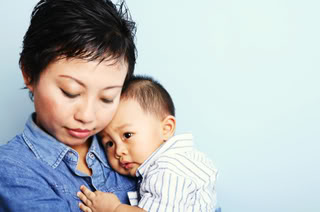 I think it is important for those challenged by illness to feel UNDERSTOOD, and this disease can be a tough one for other friends and family members to truly empathize with.
Postpartum Depression just proves the point that one of my psychology teachers made to, “always check in with people around the happy times too…weddings, babies, new jobs, new homes often precipitate depression as much as unhappy times.”
I have received the gift of hearing many candid disease descriptions over the years, and I hope that this interview will resonate with those in need of understanding Postpartum Depression, or PPD, as we will often refer to it in the following anonymous interview.
Dr. Nicole: When Did you First Develop Postpartum Depression?
I didn’t develop PPD until I had my 3rd and 4th children. Some people experience it with their first baby; that didn’t happen with me. I started to notice symptoms around the 3rd or 4th month after birth. My symptoms consisted of being chronically tired, but not being able to sleep. I noticed I was drinking and smoking more because I felt overwhelmed (self-medicating). I noticed that I was just “not myself”.
I never took naps before, and was now taking them; I never missed appointments before and was now missing them, I have never been late to work and was now late to work every day because I just didn’t feel like I could get out of bed. Your entire day seems so overwhelming; you just don’t even know where to begin, so you’d rather just not begin and hide and pretend everything is okay.
Dr. Nicole: In Your Personal Experience, What Has Postpartum Depression Felt Like?
It feels like you are overwhelmed. When the baby cries you want to cover your ears and pretend its not happening, but you KNOW you have to get up and comfort the baby. You KNOW you need to change their diaper, or feed them, or give them a bath, but you just DON’T want to. You feel like you are forcing yourself to perform “regular mommy duties”, but you just don’t have the energy to. All these thoughts make you think that you are a bad mom.
Dr. Nicole: Has Postpartum Depression interfered with parental bonding?
My PPD has been debilitating and incapacitating. Going to the bathroom feels like a hassle, the thought of taking a shower seems overwhelming. The only thing that makes me feel better is seeing my daughter. Rocking her, playing with her, and feeding her makes me feel better. I feel bad that I have this beautiful little angel, and I am still sad. I feel guilty for being sad and always tired. However, I think I have bonded with her more than any baby I’ve had. I love holding her, I love looking at her, I love her - and I’m sad that I’m sad.
What is the uttermost worst aspect of Postpartum Depression?
The worst part about PPD is having people judge you. I’m not Andrea Yates, I have no desire to hurl my baby out of a window or drown my children in the bathtub. I love my kids, they are the only thing that keeps me going through this horrible disease. I didn’t ask for PPD, and now I feel like I’m being judged and punished for having it. I hated having to leave them for a week and checking myself into a hospital. I hate having to take medication. I hate having a “mental illness”, and admitting to it, because then everyone assumes you’re crazy.
What is Helpful for Your Postpartum Depression? How can your friends and family support you?
Everyone who has PPD just needs a “time-out” occasionally. When you feel overwhelmed, you need to feel like you are allowed to go sit in the bathroom and cry for no reason, and know that someone will be there to help you. You need to get a hug and have someone tell you everything will be okay. You need to NOT have to “make a sandwich” or “do the laundry” or “change a diaper” for 2 minutes. You need support, and for people like me, it’s hard to ask for it. People just need to see how tired you look and allow you to take a break. People with PPD don’t think they are “allowed” to have any of these feelings.
 Can women/families prepare for or prevent Postpartum Depression?
There is no way to prevent PPD. You know me, I’m a funny, up-beat person and now I feel horrible, and I feel so guilty for feeling horrible. I cry for no reason, and I’m not a “cryer”. The only way to help a woman with PPD is to recognize the symptoms (chronic exhaustion, feeling overwhelmed with mundane functions, noticing they are not taking care of themselves, paying attention to their eating habits, “self-medicating” with drugs or alcohol, feeling guilty, crying a lot, feeling like they have to hide in a bathroom to take a break, etc…)
To help someone with PPD, you need to spend the time and do the research to assist your loved one. You need to make the doctors appointment, you need to put her in the car and take her there, you need to pick up the prescriptions and make her take them every single day.
You, as a family member or friend, have to do the foot-work because if you are dealing with someone who has PPD, they cannot do any of that. She would be crying in the bathroom, unable to make even that first phone call; knowing she needs help but unable to take the first step.
I dont have any books or online resources, which is probably why I’m in this predicament for the 2nd time.
Any final thoughts you would care to share on PPD?
PPD is so “looked down upon” that I have now have the Dept. of Health and Welfare coming to my house because the kids have missed a few days of school. I called the teachers, counselors, and social workers at the school FROM THE HOSPITAL and told them I was in the hospital, and now my husband was at home with 4 babies and the kids might miss some school because he is overwhelmed.
I asked for homework packs to be sent home. I explained to them why I was in the hospital. I thought I was doing the right thing. Having Health and Welfare randomly show up on your doorstep and threatening to take your children is the worst feeling ever. Having people search your house is retarded. Having people randomly show up because they need to do a “visual check” on the kids is humiliating and insulting.
If I had just called the kids in sick or said we were taking a ski vacation to Tahoe, no one would have cared. BECAUSE I did the right thing, I now feel like I’m being punished.
Dr. Nicole: Thank you for sharing your very personal experience, it was very touching to read for me, and I hope it will resonate with others challenged by PPD.
If anyone else would care to share their personal experiences with Postpartum Depression please do so in the comments. You may do so anonymously or under a fake name for all I care. My only hope is that people can be more aware of this form of depression, and not feel so alone if they are also struggling.
~Dr. Nicole
©KitchenTableMedicine.com, LLC ™Fourteen Ways to Unleash Your Inner Fabulosity
January 26, 2009 by Dr. Nicole Sundene
Filed under Kitchen Sink, Lifestyle Tips
“Unleash your fabulosity on an unsuspecting world.” ~Maven
Everyone wants to be the best version of their self possible right? Giving yourself a few simple gifts is the easiest way to achieve that goal. Everyone is also always asking me as a Naturopathic Physician what I recommend the most, so this page is dedicated to all of my favorite things that will help you unleash that inner fabulosity.
Pick the easiest things to try to start with. As you become more healthy and balanced your body will naturally crave that which is good for you. Becoming healthy will gradually become that much easier.
#1 Freshly ground flaxseeds- One of the cheapest easiest things a person can do to enhance their health is purchase a small coffee grinder that is strictly used for grinding flax seeds. The omega 3 oils in flax are extremely delicate so it is best to grind them up fresh right before you eat them. I thought this was a huge inconvenience when I first learned about it and was disappointed to get rid of my expensive bag of pre-ground flax seeds kept in the freezer, until I simply started to keep a little container of flax seeds with a tablespoon scooper on the counter right next to the grinder.
It literally takes a minute to make a few tablespoons of ground flax to add to smoothies, brown rice, soups, or salads. Flaxseeds are also rich in protein, fiber, and have phytoestrogen like properties for those going through menopause. A tablespoon of ground flax has 2 grams of fiber.
# 2 Blueberries- The freezing process of blueberries actually makes the proanthocyanin pigments inside more bioavailable. Eating a half cup to a cup of lightly thawed blueberries daily is a delicious trick for slowing down aging, protecting your heart, and reducing inflammation.
#3 Fish Oil- Be sure to buy a quality salmon oil that has been independent laboratory tested for mercury content as the FDA does not currently regulate vitamins and supplements. While flaxseeds are a great source of omega 3’s the body actually has to convert them to the docosahexanoic acid (DHA) and eicosopentanoic acid (EPA) via the delta -6-desaturase enzyme which some people lack or is not functioning properly because they are deficient in the enzymatic cofactors, especially common in vegans as they tend to be deficient in the minerals necessary for biochemical conversion. Most people of northern European decent tend to suffer from this problem because traditionally their diet was rich with cold water fish. Signs that you are omega 3 deficient include: excessive ear wax, dry skin, dandruff, calluses on the heels, and any signs of inflammation or any condition that involves inflammation especially cardiovascular disease.
I typically recommend Carlson lemon flavored cod liver oil in the green bottle, because it is widely available at most health food stores. This doesn’t mean there aren’t other quality fish oils to choose from, I am simply trying to reduce confusion surrounding fish oil. You get more bang for your buck if you purchase a liquid oil instead of capsules. One to two teaspoons of fish oil a day taken with meals is a great way to supplement the omega 3 oils that our body’s rely on for necessary brain and nervous system functioning.
#4 Sleep- Working to improve your sleep will absolutely improve your overall health. Building good sleep hygiene habits will definitely serve you well in the long run.
#5 Water- A five percent decrease in hydration easily translates to a 25% decrease in overall energy. Water is the easy cure all and fix all for most people that are dehydrated. I can’t tell you how many headaches and bad cases of fatigue or muscle cramps I have “healed” by simply recommending 8- eight ounce glasses of water daily.
#6 Green tea- The key to preventing disease and aging well is to have plenty of antioxidants in your diet from fruits and vegetables and green tea. Green tea also has “thermogenic properties” which means that it helps you to burn fat. Start substituting one cup of green tea for a cup of coffee each day until you are eventually switched off of coffee. You don’t have to entirely give up coffee, just save it for special social occasions, or those mornings when green tea just isn’t going to cut it.
There are many different flavors of green tea available and some definitely taste better than others. The Japanese are role model “health nuts” as they use a really fine powdered green tea that is whisked in hot water for their tea ceremonies. I can only imagine how rich in antioxidants that intensely bright green tea is! Asian tradition always uses the freshest, most high quality foods possible. Americans would be much healthier if they adopted this philosophy and stopped stocking up on “dead foods” at warehouses each month to “save money”. It is unavoidable that you will have to pay for your health one way or another and you might as well do it with fresh healthy organic foods and a gym membership instead of medications and hospital visits.
#7 Exercise- I would say that most people that exercise regularly can get away with having a myriad of other bad health habits. I’m not saying that you should start exercising and then adopt a bunch of new bad habits. But, exercise does seem to cancel out much of the bad eating and bad lifestyle decisions that most of us make. Adopting a regular fitness program is the absolute key to “unleashing your inner fabulosity” while preventing high blood pressure, high cholesterol, diabetes, osteoporosis, depression, and anxiety to name a few.
#8 Vegetables are essentially “free foods” meaning that they have virtually no caloric value. This means that we should all be able to eat most veggies liberally while reaping the vast rewards of the vitamin, mineral, antioxidant, and fiber content for virtually no calories or other consequences. Veggies and artichoke dip, nut butters, or hummus are a great snack because the calories from the dip is basically incidental since the veggies are so low in calories.
Find a new vegetable to “make friends with” each week at the grocery store. Ask friends for recipe ideas or have fun together experimenting with how to cook new vegetables. Try to eat a “rainbow” of vegetables each day. Some of the best “free foods” are: Celery, broccoli, cucumbers, lettuce, asparagus, peppers, spinach, kale, and sprouts to name a few.
#9 Emergeng-C is a great thing to keep on hand for after exercising, fatigued afternoons, or when you feel like you are coming down with a cold. Sometimes a packet of this in some water is all you need to get perked back up for you day.
#10 Designer Protein is my favorite readily available protein powder. It is a whey based protein powder that is great for athletes. Starting your day with a protein smoothie takes a matter of minutes and a busy person can even drink it on their commute. Simple add 1-2 cups of soy milk, rice milk, or almond milk, a cup of frozen fruit (great way to get in your cup of blueberries for the day), a scoop of vanilla protein powder, and 1-3 tablespoons of freshly ground flaxseeds. Protein and fiber for breakfast will keep you energetic and feeling satisfied for your day.
#11 Chewable fiber tablets are a great way to “cheat the system” for those with diabetes, trying to lose weight, or just stabilize their blood sugar for better energy. Fiber tablets are great to keep on hand for those occasions when you eat too many carbohydrates and need to pull down the “Glycemic Load” of a meal. Fiber also increases the “satiety index” which means you will stay full feeling longer than usual.
Cholesterol and toxins are also pulled out of our system through fiber, so fiber is essential to a good detoxification program. Most people do not consume enough whole grains or fruits and vegetables to meet the recommended minimal requirements for fiber. Until you have perfected your diet you might want to consider a chewable fiber tablet to keep on hand. Be sure to purchase those from a quality health food store that are without artificial sweetners and chemical additives.
#12 Breathing- learning to breathe appropriately as a means to reduce stress is a very easy way to lower stress and keep centered in this crazy world. Breathing exercises are a great thing to practice at the end of the day to calm ourselves down. Whenever I find myself bored I find myself concentrating on my breathing. Set aside five minutes out of your day to work on deep breathing to properly oxygenate your system.
#13 My favorite diet: is the Low Glycemic Index Diet. Although it is intended for those with diabetes, I sincerely believe it is the best diet for most people wanting to lose weight, keep a steady amount of energy throughout their day, prevent aging, and stay satisfied in between meals.
#14 Gratitude- Things are almost never perfect, but they can always be worse, right? Focusing on what is positive in your life was recently shown to improve mood and reduce depression in those that listed the three positive attributes about each day. Share your successes large and small with your family over the kitchen table each night. Keeping a positive mental attitude and seeing the humor in things is the easiest way to reduce stress.
Optimal health is about keeping yourself in balance. Usually it is as simple as adding a few good things in to your routine so that a few other bad things can get shoved out. Most of the favorites listed above are the “foundations of health”. You wouldn’t build a house on a cracked or weak foundation, and neither should you try to build your health without these basic foundations.
Start with the changes that are the easiest to make and then work your way along from there. Enjoy the process of realizing how this positive change you are trying to get going is making you feel better. Each year we need to tighten up the reigns on our health care routine if we expect to experience the same level of health as the year prior, and even that much more if we want to be that much better, stronger, faster, healthier, and more fabulous.
Let me know if you have any questions, and feel free to share your favorite things in the comments.
Thanks for stopping by my “kitchen table”.
~Dr. Nicole
©KitchenTableMedicine.com, LLC ™
Seasonal Affective Disorder (SAD) Self Help
January 22, 2009 by Dr. Nicole Sundene
Filed under Depression, Kitchen Sink, Reader Questions
“Hi Dr. Nicole, my depression is much worse this time of year. What do you recommend?”
Immediately after the holidays is a great time to have a nervous breakdown…er…”nervous breakthrough.”
We tend to feel even more agitated and moody this time of year especially now that all the excitement of the holidays have died down and there isn’t much to distract us from the winter blahs.
We are also all feeling about ten pounds over weight after likely losing the battle of the holiday bulge.
Whether you just have depression during the winter months, or whether you struggle with depression all year round that is exacerbated by the low light conditions of winter; having a plan in place to better cope with the realities of winter depression is an important preventative measure.
My last name serves as a convenient mnemonic to help remember how to take care of yourself throughout the winter months…
The Sundene Protocol for Seasonal Affective Disorder
- Sun- for Sunshine or Sun Equivalent
- D- for vitamin D
- E- for Exercise
- N- for Nutrition
- E- for Everything else. SAD can have debilitating consequences. If you struggle with depression, be sure to share this plan with the family and friends on your “support team” so that if you find yourself in an excessively dark and gloomy place this winter you can easily get some help to pull you out of the “hole”. Consult with a physician before self treating with natural anti-depressants or natural anxiety aids.
Although severe depression should also improve with this protocol, those experiencing moderate to severe depression should ALWAYS be working with their health care provider. Anyone experiencing thoughts of suicide should be under the supervision of a physician.
The following are the basics for my protocol for seasonal depression.
“Sun” – We need 10,000 lux of light every day in order to produce enough serotonin to feel happy. This can be achieved by 15 minutes outside on a bright blue sky sunny day, or 1 hour outside when it is overcast. You may wonder “What in the world is a lux?” A lux is the light equivalent put off by one candle. So you can light 10,000 candles in your home to cheer yourself up (a bit of a fire hazard!) or you can just invest in a light box.
A light box is an excellent idea for those with seasonal depression and is best used for twenty to forty minutes in the morning depending on the manufacturer’s recommendations to achieve the 10,000 lux equivalent.If you are unable to afford a light box you can simply try full spectrum light bulbs as these often provide enough light for those with mild to moderate seasonal depression.
Keep in mind also that outdoor places near water or snow are great to visit during the gloomy months of winter as the light is intensified as it is reflected back up to our eyes. If you are concerned about protecting your eyes from UV radiation, you can buy sunglasses with a clear lens, but that still provide UV filtration as it is the actual photons of light that our brains use and not the UV radiation to produce serotonin.
Those struggling with seasonal depression need to make an appointment with the sun or the sun’s substitute every single day. Topping off your serotonin levels by day means that more of this neurotransmitter will be available for conversion to melatonin (the hormone that keeps us asleep at night). Using light as a medicine should easily improve your sleep, leaving you more energetic for the following day.
“D” -Vitamin D is no longer considered a vitamin, but a “pro-hormone”. Exciting research about vitamin D is on the horizon, and some evidence supports a link to depression, although some studies do not support this link. Just about every patient I have ever checked in Seattle has been vitamin D deficient.
Vitamin D is produced in our bodies when UV light touches our skin. Most people living in the northern latitudes are easily vitamin D deficient if they do not spend 20 minutes outside each day. Elderly people have thinner skin, and thus produce less vitamin D, they also absorb less dietarily. Until further evidence supports this theory linking depression with low vitamin D levels, it only makes sense to be sure that you are at least not deficient in vitamin D.
The RDA for adults ranges between 200 IU and 600 IU. Food sources of vitamin D are milk, fish, and yeast. I typically recommend 1000 IU of vitamin D for my patients struggling with depression as a cheap and easy insurance policy that they are not deficient in vitamin D.
If you would like to have your levels checked be sure that your physician orders the “25-OH-D” as that is the most reliable indicator of vitamin D stores. Do not ever exceed 1000 IU of vitamin D unless under the care of your naturopathic physician. Dangerous side effects such as hypercalcemia can occur.
“E” -Exercise- is the drug of choice for anyone that is depressed. It is a tough medication to take though when depressed because as best summed up by Newton’s laws of motion: “An object at rest stays at rest until acted upon by another force.”
When you are down in the depressed hole it is tough to get exercising, but stagnation is just going to perpetuate your problem.
Countless studies support the efficacy of exercise for depression. If you struggle with seasonal depression be sure to try to exercise outside EVERY SINGLE TIME the sun is out! Find a walking, running, or cycling buddy and take turns pushing each other out there. Whatever you do…just keep moving! Being cramped up in doors during the winter months is the problem and not the solution.
“N” –Nutrition is fundamental for anyone struggling with depression. When the body does not feel good the mind is soon to follow.Depressed thinking often results in poor dietary choices.
When we are depressed and in a low light setting we crave carbohydrates so that the body can produce more serotonin. However, sugar is exactly what the body does not need in the long term for healing from depression. The best diet for those with depression, anxiety, and bi-polar to follow is the LOW GLYCEMIC INDEX DIET.
Balancing out the blood sugar will help keep the mood at an even keel throughout the day. Be sure to eat protein with every meal and especially foods high in tryptophan such as turkey, cottage cheese, peanuts, fish, eggs, oatmeal, avocados, and bananas.
A high quality multi-vitamin will cover all the bases and ensure that you are not deficient in any of the B vitamins that are coenzymes for producing the neurotransmitters that make us feel happy.
“E” -For Everything Else, such as “Herbal Sedatives.” There are many treatment options for depression. Please do not give up hope.
Counseling, herbs, amino acids, and of course anti-depressants when need be will help keep you out of the “hole”. Naturopathic treatments for depression often take time as they are addressing the whole person and the long term.
As a physician, I give every treatment plan three to six months to determine it’s efficacy. If you are not experiencing improvement you may want to consider other treatment options. Various counseling and therapy techniques are also available, if you find you are not making progress with your therapist, consider a new referral for a different type of therapy.
Remember that aside from physical and mental components, there is also a social component to seasonal depression. Much time spent inside, or repeatedly with the same people inside can contribute to a poor mood.
Schedule weekly activities to get you out of the house and interacting with others. If you live alone, the winter months can feel especially isolating. Find an elderly person that also lives alone to check in on, it will do you both a world of good.
If you enjoyed this post please feel free to leave a comment, share this information with those that might benefit and subscribe to future articles. Thanks for stopping by my “kitchen table!”
~Dr. Nicole Sundene
Naturopathic Physician
Best Vitamin D
January 22, 2009 by Dr. Nicole Sundene
Filed under Best, Kitchen Sink, Vitamins

“Hi Dr. Nicole, What vitamin D should I be taking for my seasonal depression, and how much?”
The best vitamin D is in a liquid or emulsion form called “calcitriol” or vitamin D3 (not vitamin D2.) For those of us north of California we need about 1000 IU’s daily, or twenty minutes of sunlight on our hands and face (which doesn’t happen too often here in Seattle.) I personally use and recommend Biotics.
If you have chronic disease, depression, or chronic pain please have your doctor measure your vit D 25-OH levels if exceeding 1000-2000 IU daily. Vitamin D influences calcium levels and a life threatening case of hypercalcemia may occur in the overuse of this fat soluble vitamin without the supervision of a naturopathic physician. Chronic elevated calcium levels may lead to atherosclerosis or “hardening of the arteries.” An optimal vitamin D 25-OH value is around 60-100. Most Seattlelites are deficient for obvious reasons. This is why we huddle in local Starbucks for comfort and safety.
When I was a student intern at Bastyr Bio-D Emulsion by Biotics was our favorite liquid vitamin D.
Thanks for stopping by my kitchen table to ask the question,
Dr. Nicole Sundene
©KitchenTableMedicine.com, LLC ™Japanese Prawn and Noodle Salad Recipe
January 8, 2009 by Dr. Nicole Sundene
Filed under Healthy Recipes, Kitchen Sink, Protein, Recipes, Weight Loss, Whole Foods Diet, Whole Foods Makeover
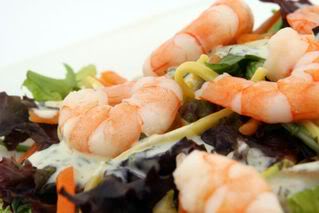 Prawns are a delicious, healthy light protein choice.
Try pairing them with veggies for lunch and keep the carbs “slow” for optimal energy at the office or while chasing kids around all day.
Today’s healthy recipe is brought to us by my friend Zesty of ZestyCook.com. Visit his website for more whole food recipe ideas.
Ingredients
- 150 g Japanese noodles or Chinese
- 6 Cups Mixed Greens
- 2 Cloves garlic; crushed
- 1 Red pepper; deseeded and cut into thin strips
- 4 tb Brown rice vinegar
- 3 Tbsp. Coconut Milk
- 1 Tbsp. Fresh root ginger grated
- 2 Tbsp. Soy sauce
- 2 Tbsp. Sesame seeds toasted (1oz)
- 2 tb Sunflower oil
- 1 Lb. Prawns
Method
- Place the cooked drained noodles in a salad dish and chill.
- In a small bowl add the the rice vinegar and soy sauce. Leave for 10 minutes.
- Heat the sunflower oil in a wok and add the crushed garlic,stir fry for 1-2 minutes and add the red pepper.
- Add Prawns to the hot pan and cook for 1 minute.
- Add coconut milk and allow to thicken. Then cool slightly.
- Combine the vegetables with the noodles and add the rice vinegar and soy sauce directly to noodles. Take the grated ginger and holding in one hand squeeze the juice over the salad and discard the pulp.
- Chill for 30 minutes before serving.
- Toss with mixed greens.
Delicious served as a light lunch or as part of an oriental meal.
Zesty Tip: When dressing a salad, place the dressing in the bottom of the bowl and the greens on top of them and gently toss with a pair of tongs just before serving. This will prevent damaging the greens.
More Zesty Recipes:
The Healing Power of Cauliflower
Sauteed Spinach Recipe
Jesus was Homeless Too! Please Help Seattle’s Nickelsville
December 24, 2008 by Dr. Nicole Sundene
Filed under Kitchen Sink
 Did you know that the “Greatest Christmas Story Ever Told” was about people that were essentially homeless?
Although the situation was temporary and brought on by the need to pay taxes, Mary and Joseph certainly found themselves in quite the Bethlehem predicament, “and they wrapped him in swaddling clothes and laid him in the manger.”
Certainly not the perfect Pottery Barn moment that all parents imagine with their new baby!
It is freezing here in Seattle, and with snow all around I am very concerned about our homeless citizens. The shelters this time of year are flooded, and those that have decided to form their own community, “Nickelsville” have been given tremendous grief by the city.
Fortunately the University Christian Church has opened their heart and parking lot to this homeless protest agains the city of Seattle, but the homeless people in Nickelsville still need our help with the freezing conditions.
The city of Seattle may not have the power to end the rising rates of homelessness, but the individuals within the city walls certainly do.
All it would take is for everyone to open up their hearts to the root cause of homelessness.
What is the Real Cause of Homelessness?
If I had to sum it up in one sentence I would jump out on a limb and say, “lack of family.”
Feel free to argue with me on this one, and maybe you will be right, but when you consider the deeper cause of homelessness behind the superficial labels of alcoholism, drug addiction, joblessness, illness, inability to work due to mental or physical challenges you start to realize that lack of family or a community support system is the true cause of homelessness. Many people are mentally ill, jobless, chronically ill, addicted to drugs and alcohol—but they aren’t homeless.
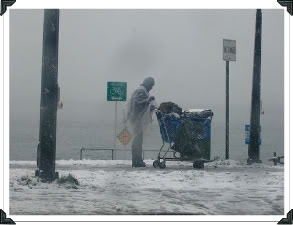
Why aren’t they homeless? Why isn’t every jobless alcoholic homeless?
Why isn’t every person with depression homeless?
Why isn’t every chronically ill or handicapped person homeless? Why isn’t every drug addict homeless?
Because they have a family looking out for them.
Think about your family situation. How many family members away from homelessness are you?
If the answer is zero you are certainly at risk of homelessness in this rough economy. If you are thinking, “well I could always move in with my parents, or my sister, or my aunt, or my grandma, or my other aunt, or a cousin, or…or…” then you are far removed from ever becoming homeless.
You are likely seven to ten family members away from being homeless.
Harrowing circumstances happen to everyone, that is just life, but with the unconditional support of a family you will likely always have shelter over your head and food in your belly.
Because your family cares about you.
Many people dread visiting family during the holidays for whatever stressful reason, but look around next time you are at a family gathering with appreciation. These are the people that prevent you from being homeless.
If I ever had a Christmas wish to come true, I wish we could extract all the ridiculous commercialism from Christmas and focus on the actual point of the holiday. Just think of all the money we have all wasted on decorations, that could build homes, buy food and blankets, provide shelter. The commercialism of Christmas in itself could likely end homelessness as each family spends an average of $1200 on unfulfilled consumerism.
The Christian “Savior” was once homeless and in need of help, and the only help he had were Three Wise Men with frankincense, gold, and myrrh. Let’s be smart and instead get some decent shelter, food and warm clothes for our Seattle homeless!
What do Homeless People Really Need?
After working with the homeless for two years throughout my internship with Bastyr, I learned that what homeless people really need is someone to listen. What they need is for someone to care about them “no matter what.” They need someone to believe in them.
They need someone to check in with them and make sure they are sticking to their goals. They need someone to hold their hand and tell them everything will be okay. You know-the way our families do?
Sure there are those individuals holding signs on the street corner that want twenty bucks and what is it to you to give it to them, but handing a homeless person twenty bucks is not addressing the cause of their homelessness.
Nor is thinking, “I won’t give them twenty bucks because they are just going to spend it on beer or drugs.”
They need to be connected, they need a community, they need a “family.” They need you to care about THEM, and they need your twenty bucks.
What Can You do to Help the Homeless?
We all need to be that family for people that don’t have one this time of year.
With these winter conditions it is an emergency situation with the homeless that we provide them with warm shelter right now.
For those hanging out in pink tents in camp Nickelsville, it is important that they have the emergency supplies that they need. If you would like to make a donation or volunteer your time visit the www.NickelsvilleSeattle.org website.
When a storm hits, homeless people can’t just hop in their 4wd SUV and head to Safeway to load up on Duraflames and frozen pizzas. Now is the time to extend help to our most vulnerable citizens.
I wish the real priority for every Christmas holiday would not be toys or trees, lights or decorations. I wish that the real point of Christmas became making sure that “there is always room in the inn” and that no homeless person goes hungry. Think of how much food we all overeat in the name of Christmas. All that overeating could likely sustain the homeless Nickelsville community for months.
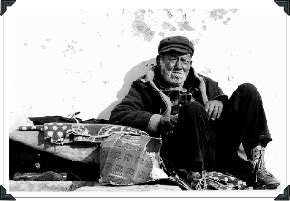
I wish we could always use the greatest Christmas story ever told as a reminder that we need to look out for those people that are turned away and told “there is no room in the inn.” If it could happen to Jesus, Joseph, and Mary… then it could happen to anyone.
Can you “adopt” a local homeless person?
By adopt I don’t mean that you have to move them in to your house, I mean you can if you think that would be a safe idea, but what I would prefer people take on is the overall care and supervision of another human being. Treat them like your family. Give them that unconditional love and support that only a family can. The number of homeless currently does not out number those of us with homes. If everyone took it upon themselves to solve the homeless problem in Seattle, it would be solved.
Destroying Community is Not the Cure for Homelessness!
According to homeless activist Lucas, Nickelsville was started so that homeless people can actually make progress and not have to spend the entire day on just one thing like getting food, and taking a shower. Obtaining these day to day necessities is extremely time consuming and just setting homeless people back further and further.
The recent rise in rates of homelessness in Seattle is what inspired this protest against Mayor Nickels plan to remove the homeless from the city by making it illegal to be on park benches and other city owned property.
I find the attempts to destroy Nickelsville appalling. On some levels it is of course a protest by the homeless people to be recognized, but on a deeper level it is an attempt by many homeless people to connect. To form a “Nickelsville Family” a community committed to one another. Destroying the Nickelsville community destroys every attempt to end homelessness.
Shouldn’t we be happy that homeless people are trying to work together? Trying to form a safe community and shelter? Shouldn’t safety of our citizens be the primary concern of our government?
Without the basic human need for safety, no homeless person can likely overcome the challenges of being homeless.
From a psychological standpoint the basic human need for safety is right up there with food and water on the necessity list.
The Nicklesville community is simply trying to provide shelter and safety for its homeless citizens and we should be doing everything we can in our power to support this remarkable attempt.
Here are a few poignant experts I took from the Nickelsville website.
You may want to keep your box of Kleenex close by.
“It’s degrading and dehumanizing.
It’s an atrocity that must be stopped. We can no longer sit idly by and do nothing. The Mayor may want to see them as numbers, because it’s easier to label them that ways. I WON’T. I CAN’T. I will see their faces. The mothers and fathers, the sons and daughters, my brothers and sisters. I will look them in the eyes and acknowledge their humanity.
I will embrace them and show them I care. I will fight for them. I will knock down any obstacle that stands in my way. I will scream and yell until my voice is heard or they tear my vocal chords out. WILL YOU? Will you stand for what is just or right, or will you follow the elitists and look the other way?
Some say that Nickelsville is a step backwards, maybe it is, but we may have to take a step backwards in order to take a step forward.
So who are the homeless and why should we care? We like to label everything to make them easier to digest and deal with. Stereotyping is the biggest enemy we have in this world today.
The homeless can’t be classified as a single demographic, just as every German isn’t Hitler and every Jew isn’t Jesus. We come from all walks of life, from every age group, every race, every gender, and sexual orientation. Everyone has a story to tell. Tales that will fascinate you, tales that will bore you, stories that will make you laugh, and of course, stories that will make you cry. They are no different from anyone else, other that they have no home.
I’ve met doctors, lawyers, mechanical engineers, people with bachelors and masters degrees, and people with little or no education. People who were millionaires, middle class, lower class, and teachers who used to be in class. Black, white, male and female. There are truly no boundaries or restrictions to the homeless problem.
Many Americans live one or two paychecks away from being homeless themselves. One catastrophic illness or one lost job away from being in the same boat we are. Some folks have to choose between paying the bills or buying food, buying the medication they need to live or pay the heating bill to keep them warm in the winter. Hard choices to make. Much of the news today is filled with the horrid economy.
The loss of jobs both blue-collar and the outsourcing of white-collar jobs, the crumbling infrastructure, the mortgage crisis, the weakening dollar, astronomical gas prices, increased food prices, natural disasters destroying our crops, inflation, and recession. In the greatest country in the world we can see our own people going hungry and dying on our streets.
But when a homeless person dies, you won’t find it on the front page that is reserved in case Britney Spears or Paris Hilton gets arrested. Instead you may or may not find it in small print on page nine or ten. A man is run over in the greenbelt, but it is his fault because he could have gone to a shelter. A man is killed crossing I-5 getting to his camp, but it’s his fault because he should have stayed in a shelter, and according to Mayor Nickels he shouldn’t be sleeping in those greenbelts anyway. We need to save those greenbelts so the elite can pretend they are environmentalists.
So are these homeless looking for a handout, another free ride, or some sort of private welfare program?
NO!!! They just want to be seen as human, treated with dignity and respect, seen as our brothers and sisters, not as pariahs of society. They are not deadbeats and criminals.
They are just like you and I. They have hopes and dreams. They laugh and cry. They have feelings just like the rest of us.
No longer can we simply step over the homeless man sleeping in the doorway. It’s time we extend our hand to him, help him to his feet, and show him we care.
Instead of asking the elite what to do, why not go to the source and ask the downtrodden what they need.”
Author Mary O’Malley teaches that we should “always hold everyone in our hearts,” so please consider at the very least holding the homeless in your heart, especially on Christmas, and especially with the freezing winter conditions.
~Dr. Nicole
To advocate for the Nickelsville homeless simply contact the Seattle Mayor and the Washington Governor:
Mayor Greg Nickels
(206) 684-4000
[email protected]
Governor Gregoire
(360) 902-4111
[email protected]
Please support the homeless by subscribing to the newspaper “Real Change.”
Photo credits: Sasha, Ckafader, P.S. Zollo, Farfando, Teppo, Jessi, and Daizy B
©KitchenTableMedicine.com, LLC ™How Much Sugar Do Americans Consume Each Year? Each Day?
December 23, 2008 by Dr. Nicole Sundene
Filed under Kitchen Sink
By Dr. Scott Olsen, author of “Sugarettes”
Hope this helps silence the holiday sweet tooth…
The statistics behind our sugar consumption are hard to believe. As little as 100 years ago, it is estimated that Americans ate around one pound of sugar a year. Today, it is estimated that we (children and adults) consume around 1/4 to 1/2 pound of sugar each and every day for a total of around 90 to 180 pounds of sugar going into our bodies every year.
Whenever I quote those statistics, people are astonished and don’t believe that they are eating that much sugar. Let’s do some math and see if your consumption adds up to 1/4 pound a day.
There are 120 teaspoons in every pound of sugar, which means 1/2 pound is 60 teaspoons and 1/4 pound is 30 teaspoons. Foods we commonly put in our mouths contain high amounts of sugar, for example, a 12 oz soda contains 8 teaspoons of sugar. It takes only four 12 oz sodas to make 1/4 pound (and, remember, those are small sodas (12 oz) and not the large size served in most restaurants).
When other sugars found in the diet are added to the soda, such as those found in donuts (8-10 teaspoons), jams (3 teaspoons per tablespoon), cookies (2-4 teaspoons per cookie), candy or other snacks, and the so-called “hidden sugars” found in salad dressing, bread, peanut butter and other foods are added, it is easy to see large amounts of sugar are being consumed daily.
For more on how much sugar you are eating, see this post over at www.OlsenNd.com.
©KitchenTableMedicine.com, LLC ™How Sugar Ages Us
December 23, 2008 by Dr. Nicole Sundene
Filed under Kitchen Sink
I asked the “Sugar Guru,” Dr. Scott Olsen, author of “Sugarettes” to explain how sugar ages us and this was his response:
Sugar creates glycated proteins and that means destruction of anything in our bodies that relies on blood for oxygen and nutrients; essentially the whole body.
Sugar, though, also seems to increase oxidation throughout the body. Free radical or oxidative damage is of the theories behind why we age and the popularity behind the taking supplemental forms of antioxidants. The research in the area is a bit thin, but, in my estimation people age faster when they eat a lot of sugar because of this oxidative damage.
Is that enough motivation to cut back on sweets during the holidays? We are aging on the inside and the outside when we eat sugar.
Thanks for stopping by my kitchen table!
Dr. Nicole
©KitchenTableMedicine.com, LLC ™The Five Hidden Evils in Nutrition Bars
December 23, 2008 by Dr. Nicole Sundene
Filed under Diet Tips, Exercise, Kitchen Sink, Sports Nutrition, Sugar, Wheat Free/Gluten Free, Whole Foods Diet
 Finding a truly healthy nutrition bar can be tough as I noted in my article, “Zing Bars Awarded Best Nutrition Bar 2008.”
I interviewed the makers of Zing Bars, nutritionists Michael Kaplan, ND, Minh-Hai Tran, MS, RD and Sandi Kaplan, MS, RD to help us better understand the following unhealthy red flag ingredients commonly found in our not so healthy “health bars.”
What are the 5 Most Harmful Ingredients Commonly Found in Nutrition Bars?
1. Trans fats are listed as “partially hydrogenated” oils in a packaged food’s ingredients list. Trans fats have been shown to increase total cholesterol and contribute to heart disease. They also spur inflammation, an over-activity of the immune system that has been implicated in heart disease, stroke, diabetes, and other chronic conditions.
The good news is that as of January 1, 2006, trans fats are required by law to be enumerated in a food’s Nutrition Facts Panel. Despite ever increasing public awareness, however, trans fats still have a place on the FDA’s “GRAS” (generally regarded as safe) list so watch out for their continued use.
2. Fractionated Palm Kernel Oils are an increasingly popular ingredient in bars today. They are commonly used to help stiffen chocolate coatings that would otherwise not be solid a room temperature. This “fractionation” process dramatically raises the saturated fat content of the oil, and confers many of the same anti-melting shelf stability aspects of trans fats.
It appears that fractionated oils may be taking the place of trans fats in certain products, stepping in as public awareness about trans fats rises. While more research is needed to determine the extent of the health risks of fractionated oils, it’s clear that they confer a higher level of saturated fat and a poorer quality fat profile overall.
3. Sorbitol, Mannitol, & Maltitol are sweeteners known as sugar alcohols. Manufacturers of candies and many sports bars use sugar alcohols as a replacement for conventional sugar or high fructose corn syrup. These sugar alcohols taste sweet, but have less of an impact on blood sugar levels compared to traditional cane sugar. Unfortunately there are several myths and popular misconceptions surrounding sugar alcohols.
Myth 1: Sugar alcohols are calorie free. This is unfortunately false. The most commonly used sugar alcohols have between 50-75% of the calories per gram of table sugar.
Myth 2: Sugar Alcohols only slightly raise blood sugar. While it’s true that most sugar alcohols have a lower glycemic index (or effect on blood sugar) than traditional table sugar, the effect is hardly negligible.
Despite fewer calories per gram, Sugar alcohols can raise blood sugar anywhere from 50-100% of the amount expected from table sugar alone. This means that some sugar alcohols may contribute to blood sugar swings & crashes normally associated with “traditional” sugary snacks & treats.
Myth 3: Sugar alcohols have no side-effects. Untrue! Sugar alcohols are not fully digested and absorbed by the body, so some of the compounds remain in the gut and are allowed to pass to the colon; an area sugars are normally never allowed to enter.
These sugars can pull extra water into the colon via osmosis, leading to diarrhea and cramping. They can also be fermented by the bacteria that normally inhabit this area of the digestive tract, leading to increased flatulence. The “threshold” or amount required to produce this effect varies from person to person.
So, not all sugar alcohols are created equally.
4. High Fructose Corn Syrup (HFCS) is a high glycemic sweetener, equivalent to sucrose (table sugar) in the degree of sweetness and calories per gram. While the research is unclear about whether or not HFCS is more harmful to health than sucrose, it’s presence in a food usually suggests a disproportionate amount of refined carbohydrate compared to fiber, protein and fat.
While HFCS is technically “natural” according to the FDA’s guidelines, it is a heavily processed product requiring many energy intensive steps. This makes it a less than optimal choice from an ecological point of view. HFCS also propagates the use of non-organic corn. So while the debate rages on about its healthfulness for humans compared to table sugar, its negative impact on the environment is more evident.
5. Gluten sensitivity is an emerging problem among American & Europeans. Current research points out that 1% of the population have Celiac disease (a more symptomatic form of gluten sensitivity). However, evidence suggests that gluten sensitivity (with its more non-specific presentation) affects many more people. Gluten is found in wheat, barley, oats, and rye primarily and athletes with sensitive stomachs should consider avoiding gluten.
Authors: Michael Kaplan, ND, Minh-Hai Tran, MS, RD and Sandi Kaplan, MS, RD
Reference citations:
1. Mozaffarian D, Pischon T, Hankinson SE, et al. Dietary intake of trans fatty acids and systemic inflammation in women. Am J Clin Nutr. 2004; 79:606-12.
2. Mozaffarian D, Katan MB, Ascherio A, Stampfer MJ, Willett WC. Trans fatty acids and cardiovascular disease. N Engl J Med. 2006; 354:1601-13.
3. Trans fats: The Story Behind the Label. Harvard Public Health Review. Spring 2006.
4. Freeman J, Hayes, C. Low Carbohydrate Food Facts & Fallacies. Diabetes Spectrum. 2004. 17:137-140.
5. Hartman E. High Fructose Corn Syrup: Not so Sweet for the Planet. Washington Post. March 9, 2008. p. N02
6. Rubio-Tapia A, Murray JA. The Liver in Celiac Disease. Hepatology. 2007. Nov; 46(5): 1650-8.
7. Helms, S. Celiac Disease and Gluten-Associated Diseases. Altern Med Rev. 2005 Sept; 10(3):172-92
8. Miller GD, Jarvis JK, McBean LD. Handbook of Dairy Foods and Nutrition 3rd edition. National Dairy Council, 2006.
9. http://en.wikipedia.org/wiki/Whey_protein
10. Jenkins, D, Kendall, C, Josse A, et al. Almonds decrease post-prandial glycemia, insulinemia, and oxidative damage in healthy individuals. J Nutr 2006;136;2987-92.
11. L’Hocine L, Boye JI. Allergenicity and the soybean: new developments in identification of allergenic proteins, cross reactivities and hypoallergenization technologies. Crit Rev Food Sci Nut. 2007;47(2):127-43.
12. Farschi HR, et al. Beneficial metabolic effects of regular meal frequency on dietary thermogenesis, insulin sensitivity and fasting lipid profiles in healthy obese women. Am J Clin Nutr. 2005 Jan;81(1):16-24