Kitchen Table Cliffnotes: The Very First Edition!
September 19, 2008 by Dr. Nicole Sundene
Filed under Fruits and Veggies, Kitchen Sink, Lifestyle Tips, Zen Thinking
 Welcome to my new weekly feature, “Kitchen Table Cliffnotes” designed to teach you everything you need to know about various topics in health, nutrition, disease prevention, and personal development in just TWO SENTENCES OR LESS!
This idea was born recently upon the request of my brother-in-law as he is busy working all the time and asked if I could give him the “Cliffnotes version” of what I am talking about.
Since I too am constantly seeking efficiency (er…combatting laziness…I mean taking more time for my “self” now), I have conveniently summarized the “take home message” of each recent conversation we have had here at the kitchen table.
Most of my med school friends will love this I’m sure, as I was always in the habit of making cliffnotes for everyone to study off of back in the day.
Since most of you listen to me like I am God …er…am nagging you contantly, I will not be droning on and on today for very long.
My hope is that these cliffnotes serve as a simple and fun way to quickly convey many great health and wellness tips. Then we can all move on with our days and spend less time in front of the computer.
I’m all for that!
Welcome to the First Addition of Kitchen Table Cliffnotes, to read the full article simply click on the title link:
Nutrition: Make it a habit to have one smoothie each day that includes frozen fruit, freshly ground flaxseeds, and yogurt to ensure healthy digestive functioning. A simple trick to keep you energized for your day, focused and fabulous!
Diet Tip: The food you are addicted to is just a bad “ex-lover” and it is time to BREAK UP! It’s time to think about what you are getting out of this unhealthy relationship and put an end to it once and for all.
Recipe Makeover: Coffee was just recently given a makeover so that you can enjoy it without all the guilt! The secret is simply vanilla flavored Almond Breeze and organic espresso-delicious-and better for your body and the environment!!!
Vegetarians: Aside from protein, you need to watch out for B12, iron, omega-3 fats, zinc, and calcium, and even more so if you are vegan.
Weight Loss: Eat more sources of vegetable proteins in your diet to lose weight, balance blood sugar, reduce inflammation and slow the aging process. Beans, legumes, raw nuts and seeds, whole grains, and veggies are your new best friends, so go spend some time with them figuring out how to enjoy them.
The Latest Research: Olive oil was just recently shown to prevent damage to DNA, and researchers believe that can be easily extrapolated to real life “in vivo” cancer fighting and anti-aging potential. Hooray, lets all pour olive oil on everything we eat, in lieu of butter or (heaven forbid) margarine, the evil villain of the kitchen table.
Kitchen Table Foe: Hot dogs are implicated in increasing your child’s risk of leukemia and certain cancers due to the nitrite content. Watch for “sodium nitrite” on labels, buy kosher or organic lunch meats when at all possible.
Sleep: The best bedtime snacks for insomniacs are light proteins paired with a high fiber source. Don’t wake up in the middle of the night because of low blood sugar, instead use the therapeutic properties of various amino acids to lul yourself asleep.
Employee Medicine: Let your work pay you to take your vitamins, floss your teeth, drink water, and exercise. Trust me, you will save them a ton of money in the long run by running up and down the stairs all day.
Environmental Medicine: Watch out for funnel shaped spider webs, as they are likely hobo spiders. Please don’t freak out and go on a spider killing rampage, just clean up messes carefully in your garden and garage to prevent a potentially toxic type of spider bite that should warrant a trip to the doctor.
Exercise: Fitness Trainer, Bonnie Pfiester reveals EXERCISE to be the best cure for cellulite reduction. Exercise burns fat, and increases lean muscle mass which together fight the look of unsightly flab.
Mental Emotional: Stop worrying! Learn to train your mind not to worry, use logic, accept the worry and let it go. Stop playing out scenarios in your head, and certainly stop procrastinating to put an immediate end to the vicious cycle that is worrying, a great article thanks to our friends at “The Daily Mind”.
Stress: Having a hard time? Need someone to talk to confidentially, or teach you better coping strategies? Maybe it is time to think about some counseling, or make an online visit to my friend Dr. KC.
Zen Habits: Put an end to “micro-addictions” those little annoying habits that clog up our days like obsessively checking email, always having the television on, and other silly habits that get in the way of our success and state of zen. Instead, set limits, change your environment, be persistent, and stay consistent to your values to overcome the annoying micro-addiction.
Life Coaching: If you know what you should be doing, but just aren’t doing it for whatever reason, think about hiring a life coach. Actually, just stop reading this right now if you already know everything you need to do to get healthy, and focus your attention on DOING it!
Attitude: Fear of embarrassment and criticism is likely robbing you of your initiative, stick to your core values; those criticizing you needlessly may need to stop by and pick up a new more positive attitude at Ya-ttitude.com! Tell them “Dr. Nicole thinks they need a visit to Camp Ya-ttitude”.
Happiness: Lori, at “Between Us Girls” brilliantly reminds us of the top 12 secrets to happiness: Gratitude, optimism, avoiding rumination and social comparison, building social communities, practicing kindness, improving coping strategies (or developing them), practicing forgiveness, increasing “flow”, savoring joy, setting goals, engaging in spirituality, and developing both body and mind. Wow, I feel happier just reading that!
Soul Food: Shilpan reminds us through the movie “Forest Gump” that when life is like a box of chocolates, and we bite in to that nasty flavored unfavorite thing-that we can still claim confidence, do something for others, always give our best effort, and maintain integrity-amongst other great tips to make the most of it.
Peaceful Living: Jennifer encourages us “to take more time for fun - to play, to laugh and not to take life so seriously.” I think we can all handle that!
Organization: Unclutterer teaches us how to use a vacuum sealer and deep freezer to make the most of your grocery dollars. You can buy and freeze half an organic grass fed cow, or stock up on fish in season to save money (Wild Alaskan Salmon is the best).
Something Fun: The Author of ZenPlease.com thinks you need to go outside and play on your day off. You can easily burn a bunch of calories by walking your dog, playing sports outside, golfing, scuba diving, or just ride some rollercoasters-screaming burns calories too.
If you have a GREAT Kitchen Table Cliffnote to share, please leave a summary of the article in two sentences or less along with a link in the comments section below!
As for my readers, that is PLENTY mind/body/spirit news for now. If you are overwhelmed, then just pick a couple things, or the easiest thing, or the most important thing to focus on. The most beneficial habits develop gradually over time. Be patient while you give yourself the needed time to grow!
Have a great weekend, I hope you all get outside to exercise with your pedometers and heart rate monitors. 10,000 steps a day is all I ask, the average office worker only gets 4000 steps. You can do better than that I’m sure.
Thanks for stopping by my kitchen table!
http://KitchenTableMedicine.com
Olive Oil: New Research Shows it Prevents DNA Damage
September 18, 2008 by Dr. Nicole Sundene
Filed under American Sickcare System, Anti-Aging, Anti-Inflammatory, Antioxidants, Heart Disease, Kitchen Sink, Olive Oil, Omega-6 Oils, Preventative Medicine, Research
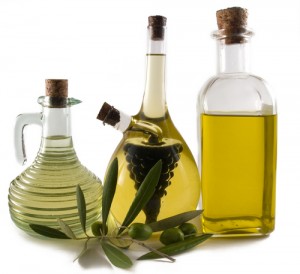 Wow! Olive oil prevents DNA damage, how exciting.
Why should we care about this?
Because DNA damage caused by inflammation is essentially the biochemical mother of all disease.
In an article recently published in the August 2008 “Journal of American Nutrition”, researchers concluded that olive oil likely prevents cancer and aging by protecting DNA from damage.
The “phenolic compounds” in olive oil were studied and determined to inhibit the initial stages of cancer formation caused by “oxidative stress” (unstable molecules in our bodies that destroy healthy tissues resulting in inflammation and disease).
Damage to our DNA is exactly what causes both cancer AND aging, along with a myriad of other chronic conditions. The phenolic compounds in olive oil are shown to have a protective effect in vitro to our DNA. The more antioxidants we can include in our diet, the more we can PREVENT disease.
The good news about this “in vitro” or test tube study is that researchers believe that the amount of olive oil needed to prevent cancer is easily achievable in “in vivo” or real life doses!
Researchers concluded that, “Overall, these results suggest that [phenolic compounds] may efficiently prevent the initiation step of carcinogenesis in vivo, because the concentrations effective against the oxidative DNA damage could be easily reached with normal intake of olive oil.”
Hooray! What a wonderful, delicious cancer fighting treat for us to include in our diets. We already know that olive oil in the diet is important for preventing cardiovascular disease and inflammation, now we have yet another reason to make olive oil a major source of fat in our diet.
So how can you get more olive oil in your diet?
First of all, I always recommend buying extra virgin olive oil, the greener the better.
Next, keep in mind that olive oil is not good for baking as much as it is good for drizzling on already cooked foods such as breads, steamed veggies, salads, soups, and popcorn (yes it is delicious with organic sea salt and nutritional yeast).
To achieve the maximum anti-cancer and anti-aging benefits be sure to keep the temp below it’s smoking point of 350F. Best yet, avoid cooking it when at all possible.
Today’s Kitchen Table Fix: Put olive oil on your bread and veggies instead of butter. Always make your own salad dressing with olive oil and lemon or balsamic vinegar.
Reference: “Oxidative DNA Damage Is Prevented by Extracts of Olive Oil, Hydroxytyrosol, and Other Olive Phenolic Compounds in Human Blood Mononuclear Cells and HL60 Cells” J. Nutr. 138:1411-1416, August 2008.
What is your favorite use of olive oil? Feel free to leave your links and ideas in the comments section.
Thanks for stopping by my kitchen table!
~Dr. Nicole Sundene
©KitchenTableMedicine.com, LLC ™Vegetarian Protein: Not just for Vegetarians
September 18, 2008 by Dr. Nicole Sundene
Filed under ADHD, Anti-Aging, Anti-Inflammatory, Anxiety, Diabetes, Diet Tips, Kitchen Sink, Nuts, Protein, Reader Questions, Vegetarian
Hi Dr. Nicole, I would like to start eating more vegetable proteins and less meat, but am not sure how to do so healthfully. Do you have any suggestions?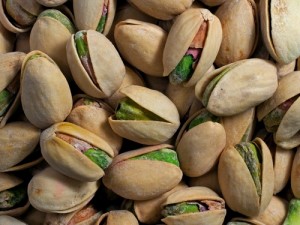
Eating vegetarian sources of protein at each meal is beneficial to both omnivores and vegetarians alike.
Moving towards more of a plant based diet will aid weight loss, benefit both those with diabetes and hypoglycemia by reducing the “total glycemic load” of your meal, reduces pain and inflammation, slows the aging process, reduces the toxic burden placed on your liver by eating high on the food chain, and saves the planet by eating less meat.
So what are the best forms of vegetable proteins?
Now I bet most of you are shouting “beans and rice” or “tofu” right now, and that is good, and I am VERY proud of you, but there is more to vegetarian sources of protein than meets the eye.
Whether you choose to be a full fledged vegetarian, or you decide to be just like me and eat less than one meal per day that contains animal products in it, you will benefit from the wisdom of the author of “Live Life 365″, an immensely inspiring video website that actually shows you how to be healthy.
Please welcome to the kitchen table today’s guest, Mike Foster!
So, Mike, what led you towards becoming a vegetarian?
I wasn’t always a vegetarian. Back in the day, I used to be seated right beside some of you, gnawing away on that rib bone, masticating that filet mignon, devouring a double double from my (former) favorite burger place, In-n-Out. I was an animal-eating carnivore most of my life—just like over 90% of the population. Then I had some blood work done and got a glimpse of my cholesterol levels.
Yikes!
Here’s the thing: I was never what you would call a BIG meat eater. More often than not, I was just as interested in the vegetable and salad portion of my meal as the animal protein part. And once I’d done further research about the contributing factors of high cholesterol (mine, by the way, was closing in on 300) and unhealthy weight gain—namely: saturated fats—it made perfect sense to gradually cut down on the meats. Years before I became a full-time vegetarian, I often would go days without consuming any animal protein. My palette, as well as some deeper region of my subconscious, was changing, sounding an alarm: Reduce your saturated fats or die!
Okay, Mike, you can stop with the dramatics. But it was a wake-up call, and my unhealthy cholesterol and weight gain (I was up over 200 pounds—far too heavy for my barely 5’ 11’’ frame) forced me to do something else—discover healthier eating options. More to the point: I needed to reduced saturated fats, which meant limit the consumption of animal proteins.
So without animal protein in your diet, what do you eat? How can you POSSIBLY survive without meat? (Just a little humor on behalf of all my carnivorous readers out there).
Here are some of the best sources of vegetable protein that I incorporate into my daily eating routine. Eat as much of this stuff as you can and you will not only get the necessary amount of protein into your diet, but tons of fiber (a good thing!). All without those harmful saturated fats; instead filling up with the good fats: monounsaturated and polyunsaturated fats.
NUTS
I eat nuts every day—mostly almonds, but all nuts have a decent amount of vegetable protein. In addition to almonds, eat walnuts, Brazil nuts, pistachios, even peanuts. They have anywhere from 6-8 grams of protein and 3.0 grams of fiber. I also suggest trying some of the butters. Almond butter is delicious and has 8.0 gms of protein per serving.
BEANS
I love Mexican food, and eat it at least twice a week. I’ve found that you can replace just about any of the meat dishes with healthy black beans (7.0 gms protein/7.0 gms fiber) or refried beans (be sure to check if they are made with lard, in they are, opt out). There are dozens of varieties of beans (see one of my previous blog posts, You Don’t Know Beans…or Do You?); pinto, navy, garbanzo—add them to salads or eat as a side dish. Most have around 6-8 gms of protein and about the same amounts of fiber.
And don’t forget lentils. These tasty tidbits are loaded with vegetable protein—10.0 gms. And 9.0 gms of fiber.
WHOLE GRAINS
I eat a high-protein, whole grain cereal every other day. Kashi makes excellent products. Try their Go Lean. It has 13.0 gms of protein per serving, also 10.0 gms fiber. I mix mine with their Good Friends (5.0 gms protein/12.0 gms fiber) for a vegetarian protein and fiber blast (pun intended!) The days I don’t eat whole grain cereals, I have some toasted whole grain bread (4-6 gms protein; shop around and read labels, some have more protein than others. I recommend Milton’s) with almond butter. You can see how the vegetable protein is adding up, huh?
Pastas, especially whole grain pastas, are another great source of vegetable protein. Most have at least 6-8 gms, while some go as high as 12-15 gms. Again, read labels, and you will be pleasantly surprised by all of the healthy vegetable protein options available to you.
I also eat oatmeal (8.0 gms protein/ 6.0 gms fiber) every day. And wild rice will get you around 5.0 gms of vegetable protein per serving.
VEGETABLES
Not all veggies are created equal. Some have more protein than others. Here are the ones you should look for when looking to increase your vegetable protein consumption:
SOY
I eat edamame, or soybeans, (11.0 gms protein/ 6.0 gms fiber) several times a week. I like to mix in another vegetable, usually broccoli (5.0 gms protein/ 4.0 gms fiber), add a little olive oil, salt, pepper. How’s that for veggie protein? Also, soy chips are a wonderful source of protein: 6.0 gms-I like Glenny’s and Gen soy. And Dr Soy makes a tasty soy bar (11 gms protein) that I devour most days.
ALSO:
Avocado: (4.0 gms protein/8.0 gms fiber)
Peas: (5.0 gms protein/ 4.0 gms fiber)
Corn: (4.5 gms protein/3.0 gms fiber)
Lima beans: (6.0 gms protein/4.0 gms fiber)
Brussels sprouts: (4.0 gms protein/3.0 gms fiber)
Artichoke hearts: (4.0 gms protein/4.0 gms fiber)
Asparagus: (4.0 gms protein/3.0 gms fiber)
This is by no means a complete list, and a lot of it is personal preference. But, as you can see, the variety of vegetable proteins available to you are endless. And the best part—they are low in saturated fats, high in good fats, loaded with fiber, vitamins, minerals, and nutrients that contribute to a longer, happier, skinnier, healthier life.
Thanks Mike for being my guest this week at the kitchen table. How can my readers learn more about eating a healthy vegetarian diet?
As always, you can watch me talk about all of these healthy topics at my video website, livelife365.com.
If you would like to be my next guest at the kitchen table, simply contact me with a suggested health topic.
~Dr. Nicole
www.KitchenTableMedicine.com
How to Treat a Hobo Spider Bite
September 11, 2008 by Dr. Nicole Sundene
Filed under Kitchen Sink, Reader Questions
 Now is a great time to do some pressure washing on the outside of your house, as the spiders are all trying to crawl inside due to the colder weather at night.
The other day I was shocked to see a giant Hobo Spider crawling across my living room floor!
The poor spider was probably more traumatized by all the extreme screaming that occurred right before it met the sole of my hot pink flip flop. (please don’t call PETA)
After careful evaluation, we noted that the characteristic “violin pattern” on the back was consistent with the Hobo spider, also known as Tegenaria agrestis. Contrary to popular belief the Hobo spider is not the same spider as the Brown Recluse spider. Although we treat both bites equally, the brown recluse is more likely to be poisonous and cause death in children. To the best of my knowledge, there are no known deaths that have occurred from the bite of a Hobo spider.
Hobo spiders are found in Europe, the northern regions of the U.S. and the southern regions of Canada, and now recently Alaska, hence their name “Hobo” for their love of traveling.
I am not sure what scares me more, the one month Seattle summer we just had here despite global warming, or the fact the Hobo spiders have infested my patio, even after a thorough pressure washing.
Should I be terrified that there are Hobo spiders living outside?
No, not really. I should just be cautious. About as cautious as people living in Rattlesnake terrain. Hobo spiders are less likely to bite humans than rattlesnakes, and their bites secrete less venom. An estimated 50% of Hobo spiders do not even secrete venom when they bite humans.
Typically a bite made in defense will not secrete venom, a bite made to kill and eat prey will secrete venom.
Since humans are not the ideal prey for these spiders, most bites are not life threatening. According to my research these spiders are actually very hesitant to interact with humans, and usually only attack when they feel threatened. The bite of the male spider is also more dangerous than that of the female.
So, is the bite of a Hobo spider something to lose sleep over at night?
Not necessarily. But, prevention and early intervention are key. If you think you have been bit by a hobo spider contact your health care provider immediately as these bites can become “necrotic”, meaning that the skin and surrounding tissues may die and possibly become infected.
What to do for a Hobo spider bite:
- Stay calm, stay seated, do not move the affected area if possible to prevent the spread of the venom.
- Try to have someone trap the spider with a glass jar, slide a paper card underneath, flip over, and secure the lid. Bring the spider to your doctor for proper identification.
- Allow fluid to freely drain from the bite, but don’t squeeze it (messing with the wound will accelerate the spread of the venom).
- Clean the site with saline solution or soap and water (not hot water as heat will also cause venom to spread).
- Use a pen to draw a circle around the initial raised, red area that develops so your physician can monitor the advancement of the swelling.
- Apply a cold compress to the bite, and keep the area elevated.
- If symptoms are severe, call 911, as anaphylactic shock may occasionally occur in those that are allergic to insect bites. Trouble breathing, rapid swelling, and extreme redness over the entire body are key signs of anaphylaxis. Other signs of extreme reactions include a rash over the entire body, nausea and vomiting, joint pain, fever and chills. When in doubt, don’t hesitate to call the experts.
- Make an appointment to have the bite and spider evaluated. Babies and children should be seen immediately, as they will more likely be sensitive to the venom.
- Spider bites should be carefully monitored, and antibiotics may be prudent as a preventative for infection or tissue necrosis (open ulcers that do not easily heal and may require skin grafting).
Do NOT:
- Do NOT Engage in exercise or extreme activity which will only further the spread of the venom if present in your system.
- Do NOT apply a warm compress as that will speed the circulation of venom in your system as well.
- Do NOT attempt to suck the venom out or, cut the tissue out. These techniques will most likely ensure that you have the worst reaction possible to the bite.
- Do NOT apply electricity or electrotherapy from a stun gun, or attempt to burn the bite out. (I can’t even believe I just had to type that, but people freak out and do extreme things which likely cause a worse prognosis.) Please stay calm and allow your doctor to decide if further steps are needed.
Hobo Spider Bite Prevention:
- Chemical control and pesticides are not recommended and should be used only as a last resort in extreme situations.
- Clean up your messes outside and in the garage.
- Wear pants, long sleeved shirts, and gloves when working in the garden or garage.
- Don’t go on a spider killing rampage! Attempting to eradicate all species of spiders from your garden will result in predominance of one species. Instead, encourage the friendly spiders to stick around. Spiders are extremely territorial and will fight for territory or prey.
- Funnel webs are a key sign of hobo spiders. Clean up these kinds of webs seen near your home CAREFULLY.
- Remember that spiders do not typically attack humans unless threatened.
Picture Credit: Hobospider.org
References:
The Hobo Spider Story
More References on Hobo Spiders
Does anyone else feel like creepy crawlies are all over them now? Thanks for stopping by my kitchen table!
~ Dr. Nicole Sundene
Naturopathic Physician
www.KitchenTableMedicine.com

Resources and Self Help for Multiple Sclerosis
September 11, 2008 by Dr. Nicole Sundene
Filed under Autoimmune Diseases, Multiple Sclerosis
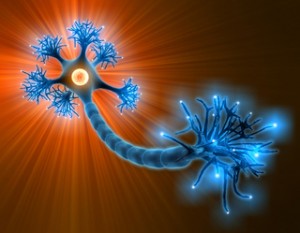 Multiple Sclerosis is an autoimmune condition that attacks the central nervous system.
The attack of the myelin sheath that insulates nerve fibers (pictured) results in the sclerotic plaques that cause nervous system dysfunction.
Without this sheath functioning properly the nervous system is not able to quickly send the electrical impulses that control bodily functions.
Resources for MS:
Self help ideas to discuss with your physician:
- Vitamin D and B12: Ask your doctor if you can start using these vitamins as they have good research showing benefit for those with MS.
- Anti-Inflammatory Diet: Multiple Sclerosis is an autoimmune condition that is exacerbated by inflammation. Most prescription medications work to temper the immune system.
- Allergy Elimination Diet: Consider the possibility that certain food allergies or intolerances may be exacerbating your symptoms. Especially if you have the “relapsing and remitting” form of MS. Try “Dr. Nicole’s Salmon Recipe”.
- Eliminate all “McInflammation”: Eating fast food and refined foods is like throwing gasoline on the inflammatory fire.
- Add Omega 3 Oils: For MS I would go straight for the fish oil, as it is the more potent anti-inflammatory of the two. These oils are needed to repair the myelin sheath surrounding nerve fibers that is destroyed by the immune system. The nervous system then has to create connective tissue to “repair” the damage and thus we end up with the “sclerotic plaques” that show up on MRI’s.
- Reduce Stress: Stress exacerbates all chronic disease, try deep breathing and reduction of activities and demands until your symptoms are under better control.
- Quit Smoking! The most important thing on this list to reduce the inflammatory burden on the system. Smoking causes cancer because it causes reactive oxygen species known as “free radicals” to attack healthy tissues and destroy them.
- Join a support group: You can join the MS community over at Daily Strength to find other people challenged by this disease.
Although I have suggested some diet and lifestyle self help ideas, any chronic disease diagnosis should have an alternative medicine expert such as a licensed naturopathic physician on your team. Please don’t try to do it all alone.
Hope that helps, let me know if you have any additional questions by adding them in a comment to this article.
~Dr. Nicole Sundene
©KitchenTableMedicine.com, LLC ™How Can I Get Enough Calories On the Anti-Inflammatory Diet?
September 11, 2008 by Dr. Nicole Sundene
Filed under Anti-Inflammatory, Kitchen Sink, Reader Questions, Weight Gain
 Question: I’ve started the “Anti-inflammatory Diet” because I’m in a LOT of pain all the time. It is to be expected because there is a family history of Rheumatoid Arthritis. I’m sure I’ve exacerbated it further with contact sports, and a 13 year career in roofing construction.
That being said, I can’t stop working, obviously. And roofing is what I know. So, a problem that I foresee, is that I NEED a high calorie intake for what I do for work. I’m definitely burning off any calories I take in from my daily activities.
To the point, do you know off-hand of any high calorie, inflammatory-friendly foods? With fruits and vegetables and fish, I would literally have to eat ALL day to keep up with a 2500 calorie a day diet.
Thanks,
Mike
Answer: Hi Mike, thanks for the great question. I can see why that would be such a concern for you being so physically active throughout the day. I would recommend that you read my article on “The Healthy Weight Gain Diet” and add those tips to my advice for eating to reduce your inflammatory load.
You can easily add more calories in to your diet by adding high quality vegetable oils such as olive oil and canola oil. Because the phenolic acids in olive oil have been shown to have antioxidant benefit this should also reduce inflammation while boosting calories. I would also add RAW nuts and nut butters to your diet liberally as they are excellent sources of protein and fat.
I would start my day with a protein shake that includes whey protein powder (I use Designer Protein) a banana, 3 tablespoons of ground flaxseeds, and some almond butter or other sort of non-peanut nut butter. Check out “Dr. Nicole’s Smoothie Recipe” to learn how to make a smoothie. A high calorie smoothie full of protein and fiber should keep you full and satisfied feeling until lunch, while also reducing your inflammatory load.
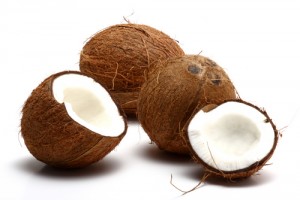
You can smear avocados on sandwiches to increase calories or enjoy them as a snack as well. Coconut milk is rich in medium chained triglycerides and thus is a delicious and healthy source of calories! Keep in mind that there are plenty of athletes out there that eat a vegan diet and are able to still participate in endurance activities. It can be done, it just takes some time to find some new things that you like!
Remember that inflammation is not just about food it is also about smoking, alcohol, stress, and other lifestyle factors. If you are concerned you may have rheumatoid arthritis you should make a visit to your family doctor so they can do some blood work to test for that, if it turns up positive they will refer you to a Rheumatologist for further evaluation.
If chronic pain is already an issue for you now, you really may want to consider what kinds of career options may better suit your future needs. Most younger guys eventually tend to burn out and have to start their own construction company so that they can have more of a position in management than in labor.
Hope that gets you started in the right direction!
If anyone else has any tips for Mike feel free to leave them below in the comments section.
Thanks for stopping by my kitchen table to ask the question!
~Dr. Nicole
©KitchenTableMedicine.com, LLC ™Where to Find a Naturopath?
September 11, 2008 by Dr. Nicole Sundene
Filed under Kitchen Sink, Reader Questions
 Don’t worry, you can always find me right here at my virtual kitchen table, but if you need some real life assistance you can enter your zip code over at the American Association of Naturopathic Physicians to find some naturopathic doctors in your area. It can be tough because some states have fewer than others.
Trendier states like Washington and California are much more saturated with alternative health care services. The lack of access to licensed naturopathic physicians in part motivated the development of this blog, and I was reminded of the importance of this mission when I received the following question…
Question: I have been searching for a naturopathic physician in my area: Port Orange, Florida. Any suggestions?
Also, my husband is troubled by a rash which is intermittently distributed
throughout his body. He has had this trouble for years and has seen
many many physicians including several dermatologists. It has not helped
and I am wondering if a naturophathic physician would treat underlying
causes rather than a quick remedy.
Answer: Yes, making a visit to a naturopath will most likely be very helpful for that, there are not a whole lot of naturopaths down in that region but you can do a search in the link provided above. Most common skin conditions are insidious and just tend to worsen over time. Nutritional deficiencies, food allergies, and inflammatory foods all play their roles as described in my articles on Eczema, Psoriasis, and Seborrheic Dermatitis- the top causes of itchy annoying skin problems.
My favorite types of conditions to work with are those “mysterious” ones that have not resolved from various types of treatments, and conventional medicine is left scratching their head in awe of it all. The “Healing Power of Nature” or the “Vis Medicatrix Naturae” is the healing power inside of all of us. We can make healthy diet and lifestyle choices to support that process, and we can also “remove obstacles to cure” that are inhibiting our bodies natural desire to heal and repair itself. Obstacles like smoking, stress, refined foods, stress, sugars, inactivity, toxins and food additives are all classic examples…did I mention stress?
Thanks for your question, hope that gets you pointed in the right direction, and you are smart to continue to always look for more solutions when chronic health issues persist.
http://KitchenTableMedicine.com
©KitchenTableMedicine.com, LLC ™What is a Life Coach?
September 9, 2008 by Dr. Nicole Sundene
Filed under Guest Posts, Kitchen Sink, Motivation
 If you struggle with making the diet and lifestyle improvements I recommend here at Kitchen Table Medicine, then you may may need some additional coaching.
One way to get the ball rolling is with a life coach. After working in patient care for eight years, I decided that only about 10-15% of us are able to make immediate permanent diet or lifestyle changes (I wish I fell in this group, but I don’t).
The rest of us struggle, fail repeatedly, fall off the wagon, completely give up, look for ways to cheat the system, or never even bother to try at all.
In order to best understand how life coaching may help make the needed changes to prevent disease and improve health, I decided to interview my favorite life coach, Tim Brownson, author of a fabulous little book I am reading right now called “Don’t Ask Stupid Questions-There are No Stupid Questions.”
What is a life coach?
There are a number of different types of life coach, but in essence it is somebody that helps their clients get from where they are now to where they want to be. The big differential between a life coach and say a counselor or psychotherapist is that a life coach looks to the future and doesn’t spend too long digging around in the past.
Coaches are much more goal oriented and also have an inherent belief that the client always has the requisite tools to achieve what it is they want to achieve, they just sometimes need help finding them.
A coach can also help people with accountability. I do a lot of work with people that work for themselves and have no boss to report into. They like having a coach to help keep them on track and to report into.
Why should someone hire a life coach?
If they want to see improvements in their life. Anybody really that wants help fulfilling their potential, setting and achieving goals and just feeling better about themselves can benefit from hiring a coach.
Personally, I also do a lot of intervention work which involves showing people alternate and more empowering ways to look at things and help them change their thinking patterns to be more empowering.
Who needs a life coach?
I think anybody can benefit from a life coach and that’s why some of the really super-successful in society employ coaches. Everybody knows athletes use coaches, but people are often surprised when I tell them that so do Politicians, Captains of Industry, Entrepreneurs, TV celebrities etc.
Who ‘needs’ one is another matter though because defining what somebody ‘needs’ from their life is an individual thing.
What made you decide to become a life coach?
I initially trained because I wanted the skills to use on myself. I had done a diploma on stress management and found it next to useless as I was still stressed senseless, so I took a look at coaching. When I started the training I absolutely loved it and everything just fell into place and from then on in I knew that I was leaving sales.
What is the most common advice you find yourself giving?
I’m not sure if it is one specific piece of advice as such. The one thing that I do with almost every client though is to help her understand her values. In 4 years I have only once had a client that knew accurately what her values were, and that was because she’d been on a Tony Robbins course and done a lot of work round them.
Values are who we are and if we don’t know what are values are and how to live in alignment with them, then we’re destined to live a life of mediocrity and unfulfilled potential. Some people naturally fall into line with them, but most people don’t, or at least that’s how it seems to me.
What is Neurolinguistic Programming?
NLP is probably so misunderstood that I’m really glad you asked me this. I once lost a client when somebody told him that NLP was like Scientology and I had another tell me they thought it was a form of brain washing. I’m just waiting for the first person to tell me I’m the spawn of the Devil. Of course I may very well be the spawn of the devil, but it has nothing to do with NLP.
NLP is a blanket term that covers a number of different skills, techniques and processes designed to help people make rapid change. I actually don’t use some of the better-known techniques like anchoring and the fast phobia cure very often, but I do use the language patterns a lot.
Both the Meta Model of language that looks at specificity of language in a therapeutic setting, and the Milton Model, which looks at artfully vague language, are very useful.
The Milton Model was based on the work of the brilliant hypnotherapist Milton H Erickson and is fascinating because speechwriters use it so often. It allows speakers to say little of genuine meaning so the recipient can apply their own interpretation to what’s being said. The classic use is for horoscope writers, but politicians and preachers also rely on it heavily. In fact some of the really brilliant preachers like Joel Osteen use lots of NLP. Whether intentionally or not (and my suspicion is that it is very intentional), they still use it to manipulate, er, I mean persuade people.
I also do a lot of reframing with clients and that it something that came out of the work of Bandler and Grinder the co-developers of NLP. Reframing is brilliant for helping people feel better about potentially negative situations. There’s a lot more to NLP and I would encourage anybody that’s interested to do some serious research.
Can you send us off with a free life coaching tip?
If a client tells me they don’t know the answer to something, I’ll often ask them “If you did know, what would the it be?” A ridiculous question, but a brilliant one too that I can’t take credit for devising. It usually gets them to shift their thinking and 80% of the time I then get an answer that moves us forward.
If you have any other questions about life coaching you can leave them in the comments here for Tim to briefly answer, or submit them to his website over at www.adaringadventure.com for his weekly “Ask the Coach” feature.
Thanks Tim for being our expert guest this week at the kitchen table!
©KitchenTableMedicine.com, LLC ™Can Someone Else do Your Positive Affirmations for You? Yes.
September 6, 2008 by Dr. Nicole Sundene
Filed under Kitchen Sink
 Alas, thanks to modern technology, you thankfully never again must endure the rigors of performing your own positive affirmations!
Even the laziest (er…”most efficient”) of us seeking personal development can now happily kick back with our ipods and be more positive with little to no effort.
You can check out a pre-recorded sample of a positive affirmation at ipopin.com.
With all jokes aside, I do sincerely think positive affirmations are extremely important, and love this new system that psychologist Dr. Kirsten Harrel and her sister Tracy Harrell over at ipopin.com have smartly developed.
“Power Of Positive” is what puts the “POP” in ipopin, a system of pre-recorded one minute positive affirmations that you can listen to each day.
These one minute affirmations can be loaded to your computer desktop, MP3 player, or Ipod. You can download all of them, or pick your favorites. Each day, you can leave the choice of your positive affirmation up to random chance, or pick out one that suits the theme for each day. I’m thinking ringtones here people! Just think of the possibilities if our phones announced “I radiate positive energy to everyone I meet” instead of an annoying trite classical piano piece.
In honor of Positive Thinking Day on September 13th, ipopin is donating 30% of all sales made between September 6th-13th to the Dana and Christopher Reeve Foundation.
Christopher Reeve was a role model for positive thinking, and super hero to us all for continuing to persevere despite harrowing circumstances. A strong reminder for us all to think positive and make the most out of every situation life offers. To embrace life as our teacher and motivator.
You also can receive five FREE affirmations just for signing up for their positive affirmation newsletter, or subscribe by email to receive affirmations, as well as find a huge archive of positive affirmation ideas by subject. I am extremely impressed!
This is by no means a paid advertisement, I just like to share some of my favorite things I find on the web from time to time, especially when a charity fund raiser is involved.
Spinal cord injury research funded by the Reeve Foundation is imperative to more than just sufferers of traumatic injuries, it will likely be beneficial for those disabled by Multiple Sclerosis and Lou Gehrig’s Disease (Amyotrophic lateral Sclerosis). The accessory cells that hold bundles of nerve fibers together are irreparably damaged from both injury and autoimmune disease, and until scientists learn how to regrow these tissues we will not have a likely cure for spinal cord injury and the disabilities that result from MS and ALS. Stem cell research is vital for regrowing these tissues.
Without the Dana and Christopher Reeve Foundation, advanced research on these developments would not be possible.
“When the first Superman movie came out, I gave dozens of interviews to promote it. The most frequent question was: What is a hero? My answer was that a hero is someone who commits a courageous action without considering the consequences. Now my definition is completely different. I think a hero is an ordinary individual who finds the strength to persevere and endure in spite of overwhelming obstacles. They are the real heroes, and so are the families and friends who have stood by them.” ~Christopher Reeve
Today’s Questions:
- Which positive affirmations would you like to start using today?
- Is an affirmation that you hear someone else say, as powerful as the one that you state out loud yourself? Could it be more powerful?
Thanks for stopping by my kitchen table!
~ Dr. Nicole Sundene
Naturopathic Physician
www.KitchenTableMedicine.com
Reader Question: Are Spray on Tans Safe?
September 6, 2008 by Dr. Nicole Sundene
Filed under Kitchen Sink, Reader Questions
Question: I really appreciated the article on “Foods for Preventing Cancer”, and have been trying to stay out of the sun to prevent skin cancer. The problem is that I am a model, and compete in fitness events that require me to look tan. I switched to spray on tans when my mom was diagnosed with malignant melanoma recently. My question for you is- do you know if the chemicals in spray on tan are safe?
Answer: I am sorry to hear about your mom’s diagnosis. That is smart of you to stay out of the sun now and increase foods in your diet that are shown to be preventative for cancer. Green tea and beta carotene, found in green and orange fruits and vegetables are especially important in addition to the foods in the article written by Dr. Psenka.
I spent several hours researching the ingredients in spray on tans, and have concluded that the most common chemicals used to darken the pigments of our skin are derived from sugars or amino acids found in nature.
Erythulose, dihydroxyacetone, and tyrosine are the most common skin darkening agents, and tanning accelerators used. Diydroxyacetone has been approved by the FDA since the 1970′s so it is likely the safer choice. I like chemicals that can pass the test of time.
However, these simple sugars and amino acids are not the only chemical ingredients in spray on tans. All chemicals we put in our skin are absorbed to some extent in to our systems. I do occasionally worry that this new fad may later have inevitable health consequences as some people appear to over-do it a bit.
Anything you put on your skin also runs the risk of causing an allergic reaction, and the ingredients in sunless tanners are similarly guilty of causing “contact dermatitis”, a really itchy bad rash. So far, those are the only reported side effects I have been able to find.
Until future notice, spray on tans appear to be safe, however you are smart to be concerned about any chemicals you are spraying on to your skin. Like anything else that has not cycled safely through generations of humans, I would suggest it be used judiciously.
If anyone has any commentare to share on the safety of the chemicals in spray on tans, I would be happy to open up this discussion. Please share your research, questions, or concerns in the comments section.
Thanks for stopping by my kitchen table to ask the question!
~Dr. Nicole Sundene
©KitchenTableMedicine.com, LLC ™Dairy Free Latte Recipe
September 6, 2008 by Dr. Nicole Sundene
Filed under Caffeine, Coffee, Dairy Free, Kitchen Sink, Recipes, Vegetarian
Perfect Dairy Free Latte Recipe
- 2 shots of organic espresso
- 1 cup heated vanilla (or chocolate) Almond Breeze
- Pour in a large mug and enjoy!
Calories: 110
Okay you caught me. I drink coffee. Feel free to report me to the naturopathic police, but I do drink coffee moderately, which means less than every single day, and it is typically organic coffee, as non-organic coffee is likely dirtier than any of the top foods on the notorious “Dirty Dozen”….if I must defend myself. *sigh*
The key to enjoying the occasional vice is enjoying it THOROUGHLY, and in moderation of course. When you actively enjoy it, without all the guilt, you will be less likely to miss it. Also, when we give our favorite vices naturopathic makeovers, we lesson the total load of toxins placed upon the system.
If you have the habit of frequenting your local coffee shop, you will likely save money by purchasing a nice espresso machine and grinding your own organic coffee beans at home.
Everybody raves over my latte recipe, and the secret behind it is actually quite simple. I use vanilla flavored almond milk. From my experiment for the “The Best Non-Dairy Milks”, I have found Almond Breeze brand to be the most delicious. Almond milk has a thicker consistency than rice milk or cow milk. Almond milk is also great for those that are sensitive or allergic to soy as soy is one of the top seven food allergens.
Remember when drinking coffee to also avoid the excessive use of sweeteners and artificial creamers as they are typically full of “Kitchen Table Villains” and not part of our mission here of eating a “Whole Foods Diet”.
If coffee is a daily habit for you, consider cleaning up your daily vice and going organic.
Thanks for stopping by my kitchen table!
~Dr. Nicole
©KitchenTableMedicine.com, LLC ™5 Most Common Vegetarian Nutrient Deficiencies
September 6, 2008 by Dr. Nicole Sundene
Filed under Kitchen Sink, Vegetarian
 Are you the healthiest vegetarian out there?
If so, I bet you already know which five nutrients you need to watch out for.
If not, please stick around and make sure you have your nutritional bases covered for a long term healthy, happy vegetarian lifestyle.
First of all, kudos to you for being a vegetarian as it is a great choice for the environment. Plant based eating is much more sustainable than animal based eating.
The environment in turn immediately rewards you, as vegetarians also consume less toxins and pesticides. Toxins are mostly stored in fat and concentrate as we move up the food chain.
So eating vegetarian is clearly healthier for the environment, but is it healthier for you? As a physician, I could answer that question either way. In the long term, vegetarian eating reduces your incidence of developing cancer and cardiovascular disease. In the short term though, low grade nutrient deficiencies may be jeopardizing your current state of health.
Vegetarians that are hip to healthy eating are usually the most vital people I ever see, unless they do not eat a diet rich in fruits, vegetables, legumes, whole grains and superfoods.
Struggling with nutrient deficiencies can create a myriad of symptoms. The most common signs of nutrient deficiencies that I encounter in my vegetarian patients are fatigue, dry skin, dry hair, brittle nails, anemia, hypoglycemia, frequent infections, osteoporosis and poor immune function.
Occasionally I will run across a vegetarian that is not aware of the essential nutrients inherently lacking in the typical vegetarian diet and much of their health problems are easily corrected by restoring these imbalances through diet or supplements.
Most vegetarians are already savvy about alternative protein sources and the importance of pairing those proteins appropriately to ensure the essential amino acids are all covered. So aside from protein, what are the most important vitamins, minerals, and nutrients to watch out for?
#1 B12-This vitamin is one of the toughest nutrients to get in a vegan diet and most vegan folks simply resort to taking it in a supplement to avoid the development of pernicious anemia or debilitating nervous system dysfunction.
The RDA is 3 mcg.
You can get that from eating three tablespoons of brewers yeast, or three sheets of nori. Chlorella and spirulina are also excellent sources of B-12. If you are vegan you REALLY need to worry about B-12 and be eating algae or yeast everyday, or you can take a multi-vitamin (it’s best to take the B vitamins all together as a group then individually, as they all work together).
If you are ovo-lacto then you can achieve this level by having two eggs and two cups of milk each day; or two two eggs along with two other dairy servings such as cheese or yogurt.
#2 Iron- The Standard American Diet (SAD) is highly dependent on red meat for iron. Absorption of iron is dependent on stomach acid. The vegetarian form of iron requires vitamin C for conversion to the bioavailable form the body can use. Most fresh fruits and vegetables are high in vitamin C.
You can cook with cast iron skillets to also increase iron content in food as acidic foods like tomato sauces pull the iron out of the pan.
Vegetarian sources of iron from highest to lowest are tofu, black strap molasses, amaranth, lentils, swiss chard, dulse, lima beans, potato, wheat germ, pinto beans, kidney beans, dandelion greens, kale, pumpkin seeds, black beans, spinach, broccoli, almonds, pumpkin, beet greens, brewers yeast, quinoa, teff, figs, raisins, prunes, green beans, millet, whole wheat, parsley, kelp, oats, corn, peanuts, cashew butter, almond butter, blueberries, bananas and raspberries.
#3 Zinc- Is really important for the immune system, as well as for skin, and neurological health. If you tend to get frequent infections you should definitely add more zinc rich foods in to your diet to optimize your immune system.
We need at least 15mg of zinc daily if not 30-50mg for optimal health.
The following foods rich in zinc contain about 2-5mg of zinc per serving and are listed in the order of highest to lowest: wheat germ toasted (1/4 cup), swiss chard, lima beans, baked potato, oats, mustard greens, pumpkin seeds, soybeans, rice, kidney beans, ginger root, wild rice, peas, leeks, lentils, cashews, sunflower seeds, and lima beans.
#4 Omega-3 Fatty Acids-Almost all Americans are deficient in these fats that are necessary for a healthy nervous system as well as fighting inflammation. The best vegetarian source is freshly ground flaxseeds. Raw walnuts are also a decent source of Omega-3′s.
Feel free to read my article on the Flax vs Fish debate and decide for yourself the best choice for your omega 3′s. If fish oil is needed as an anti-inflammatory medicine some vegetarians opt to make an exception to their dietary rules to ensure adequate intake of this nutrient.
Otherwise, buy yourself a little coffee grinder and a big bag of flaxseeds and grind them up fresh before adding to soups, salads, brown rice, smoothies, applesauce, or yogurt. Flaxseed oil is extremely delicate and should not be cooked above 100 F. One tablespoon has 2 grams of fiber. Flax is also rich in protein and “lignans” that act as phytoestrogens and thus are a great choice for women trying to balance hormones. I mix flax oil with equal parts of lemon juice or apple cider vinegar and add various herbs to make a quick healthy salad dressing.
Whatever you do, don’t waste your money on supplements that have “the perfect balance of omega-3′s and 6′s” as a vegetarian diet is RICH with omega 6′s so you don’t need to pay to take these in a supplement.
#5 Calcium-Last but not least, calcium is tough enough to get in the SAD diet, and vegan makes it that much tougher. Be sure to always use a calcium enriched soy, rice, almond or other milk substitute for the most of your calcium needs. Women over 40 especially need to be on top of this for osteoporosis prevention. Typically about three to four servings of these milks a day should get you what you need when it comes to calcium.
The take home message with calcium is that you need GREEN LEAFIES. Pretty much everyone needs green leafies.
Vegans will need to eat a HUGE plate of green leafies each day. Cooking them increases the availability of calcium.
The best sources of calcium from highest to lowest are: Cooked turnip greens, torula yeast, collard greens, cooked rhubarb, spinach, oatmeal, tofu, broccoli, dandelion greens, swiss chard, blackstrap molasses, soy flour, mustard greens, almonds, baked beans, filberts, oranges, cooked kale, fresh spinach, tahini, and garbanzo beans. Just remember that green=minerals. So eat your greens people!
Resources: http://KitchenTableMedicine.com, “Medical Nutrition from Marz” by Dr. Marz
Feel free to let me know what other vegetarian health topics you would like me to address, be sure to subscribe and check back for the answer!
~Dr. Nicole Sundene
Naturopathic Physician
©KitchenTableMedicine.com, LLC ™I Have a Dream: 45 Years to American Health Care
August 28, 2008 by Dr. Nicole Sundene
Filed under American Sickcare System, Kitchen Sink, Motivation, Preventative Medicine
 It was 45 years ago today that Dr. Martin Luther King Jr. gave his stirring “I Have a Dream” speech.
You can watch the full video here.
What I ultimately find so inspiring about this historic speech, is how one single speech continues to resonate with so many of us.
“Let Freedom Ring” continues to ring and ripple changes through America still 45 years later.
Dr. King changed how Americans think and act.
He not only changed how human beings treat each other, but more importantly, in my opinion, he changed how human beings allow themselves to be treated by others.
Dr. King most importantly empowered Americans to stick to the constitutional rights that this country was founded on; that all human beings should be treated equally.
“I have a dream that one day this nation
will rise up and live out the true meaning of its creed:
‘We hold these truths to be self-evident,
that all men are created equal.’”
Forty five years later, on this very same day, an African American accepted the very first presidential nomination in America. As highlighted in an article at the Sun, “King was the first black man who was able to rally a large number of people together, just like Obama is, and the message is still the same. Change.”
Change is the take home message from the “Progress not Perfection” mantra I spout off about at Kitchen Table Medicine.
Remember: You don’t have to be perfect. You just have to be making progress.
Progress according to Dr. King would be having a black man elected as president, and progress now according to Barack Obama is, “no longer being dependent on the Middle East for oil within the next ten years.” A goal that sounds lofty and near impossible, but we also know that just about anything is possible. Are all the promises that our presidential candidates make going to come to light? Not likely, but many of them are still possible. They are still important goals to work towards nevertheless.
Maybe the world today isn’t exactly as Dr. King envisioned in his dream just yet. But, we still have seen improvement. Maybe in another 45 years racism will be completely “out of style” once and for all. But, again a lofty goal as we fight the inevitable limitations placed by the evil enemy known as human ignorance. Nevertheless, today we can all celebrate that America finally has a presidential candidate nominated for the person that they are, and not the color of their skin.
“I have a dream that my four little children
will one day live in a nation where they will not be judged
by the color of their skin,
but by the content of their character.”
We are reminded by the combination of this historical speech, and today’s election of Obama as the Democratic candidate; that the most important changes, the most lasting changes, happen gradually over time. These changes also require some sort of initial upheaval to get the ball rolling.
I spend a great deal of time worrying about how the ball is rolling for American health care, and I wonder when, if ever there will be some sort of organized upheaval in light of everyone’s complaints.
What will your health be like in 45 years? Does anyone worry about their long term health but me? If so, tell me what does the big picture of your health look like 45 years from now?
I bet my friend Joe, “The Crotchety Old Man” will probably say, “Doc, I’ll be quite thankfully dead in 45 years.”
To which I would sarcastically retort, “Well that is selfish Joe, I still have old age and social security to worry about, I am left to worry about what is happening to the future of Medicare, and prescription drug costs. I have about 45 years left to worry if I will be able to afford nursing homes, walkers, home blood pressure monitors, support hose, copays, hospital visits, and surgeries someday.” All the things that every senior citizen is gravely concerned about today.
Am I the only one in my generation concerned about these things now?
*Looks around terrified*
The health care system will only continue to down spiral if American youth don’t get concerned about it now. The system is already bad enough, and in my opinion gravely disrespectful to our elderly population. Doctors are put in a precarious predicament as they are no longer reimbursed for doing annual physical exams by Medicare, a prime example of disrespect and disservice to our seniors.
Does that make sense to anybody out there, that our health care system would not want to pay for a wellness “check up” for senior citizens?
Family doctors are left to bill these visits creatively now, while simultaneously juggling all the complaints of the average eighty year old person in an average of twenty minutes or less. Your family doc is then reimbursed about $17 bucks for their time on this visit. When I first started working in the system an entire hour was alloted to these visits, now they are scheduled for twenty minutes. Forty if the patient has special needs or needs extra time.
Most senior citizens need more time not less to discuss their health concerns. Trying to accomplish an annual physical and manage multiple complaints in a matter of minutes sounds like a crazy feat that would be dangerous to perform even at a circus, let alone with someone’s life.
But, a circus our American health care system has consequently become. Pure disorganization and dissatisfaction on all ends-pure chaos. But, please do pay your $20 co-pay before entering the center ring.
Trust me, doctors aren’t happy, nurses are miserable, and patients are dissatisfied with an average of seven minutes spent having their health concerns addressed.
What will American health care look like now if we don’t have some sort of independent movement? I plan to be sticking around here still in 45 more years, and unless I go socialist and return to my Swedish roots, I also unfortunately plan to observe the unraveling of the “American Sick Care System” (as former surgeon general, Dr. Jocelyn Elders notoriously refers to it).
Health care will only get worse if doctors don’t insist on more health care dollars spent on PREVENTION and EDUCATION. Doctors need to spend more time with their patients not less. Patients need to be both educated and motivated to PREVENT disease, and should be rewarded for their efforts accordingly.
Until we find the answer to the American health care crisis, the best thing we can do is strive every single day to prevent disease by living more healthfully. Change begins in the mind of the individual. Politicians and everyone else will in time catch up, just like the Civil Rights Movement.
Just make a few healthy decisions each day, and if we all collectively work together, we can make a change in health care. Each of us should work together to do our part and PREVENT disease.
“I have a dream…
With this faith, we will be able to hew out of the mountain of despair
a stone of hope. With this faith, we will be able to transform
the jangling discords of our nation into a
beautiful symphony of brotherhood. With this faith,
we will be able to work together, to pray together,
to struggle together, to go to jail together,
to stand up for freedom together,
knowing that we will be free one day.”
How can we achieve freedom from any faulty system if we all don’t work together? Health is the ultimate freedom. Freedom from disease. Anyone chronically ill can tell you what an enslaving system illness is. Disease is a most miserable governor. The good news for those of us that are fortunate enough to be healthy, is that in order to prevent disease you really don’t have to do a whole lot. You just have to have a good “batting average”.
In order to be a “key player” in the all American health care game, you simply have to hit at an average of .333 or 33% or once every three times or so consistently.
“So what if you didn’t have a healthy snack, make it a healthy dinner. Well yesterday didn’t go well, tomorrow is a new day. Maybe you can just work out for 10 minutes today instead of the 30 you think you need…” Some of the most common negotiations I frequently make with people to help them see that they don’t have to do everything. They just need to do something.
All the medical system asks, is that you just be a baseball player when it comes to fulfilling your obligations to our health care system. You don’t have to be a fitness trainer, or an Ironman athlete, you don’t even have to exercise or eat right every day to prevent disease. You should, but you don’t really have to when we are analyzing your individual health as part of a collective system. No one expects you to hit a home run every time you go up to bat. Just get on base with your health every so often. Every third time. We collectively need to agree to do our best to prevent disease each and every day, and that commitment starts with the individual, and together, we all just need to “Always march ahead” as Dr. King so wisely suggests.
“And they have come to realize that their freedom
is inextricably bound to our freedom.
We cannot walk alone.
And as we walk, we must make the pledge that
we shall always march ahead.
We cannot turn back.”
Collectively, our preventative efforts reduce the amount of medicine that must be dispensed by pharmaceutical companies and paid for by insurance companies. Our collective efforts will combine to decrease doctor visits and hospital stays, prevent diseases that we already know how to prevent, and likely prevent newer diseases that we don’t know an awful lot about. The more disease prevented, the less burden upon our health care system.
Perhaps I am completely out of line here, and perhaps it is ridiculous to examine the parallel struggles of freeing a nation from slavery in comparison to how our unhealthy decisions and habits enslave each and every one of us each and every day as a nation of unhealthy people in a dysfunctional health care system. But, my hopes are just that with enough effort, in time we can reduce the total number of dollars spent annually by health care. We can be freed of the dysfunctional thinking that “some system by our government is going to take care of us”, when we as individuals should be responsible ultimately for our own care. Preventative medicine is the BEST “individualized health care plan” that works pretty well for everyone. It is simply up to you to get the ball rolling.
Currently, we are trapped in a dysfunctional system, a system that is enslaving all of us as a collectively sick, prescription drug over-abusing, over-using system. Instead, let’s just imagine a world full of preventative medicine, a world where America is not the second most unhealthy nation only to Finland. A world where Americans do not spend the most money on treating disease in order to be the second most obese and unhealthy country in the world.
Let’s instead imagine a world that makes more sense. A world where we collectively, and daily stay dedicated to preventing disease as we know it. A world where we all continuously strive to eat whole foods, exercise, meditate, and sleep properly, a world free of needless heart disease, cancer, stroke, and diabetes. A world where America sets the example for how everyone else should be. Where America is a world leader, not a disgrace.
The more we work to prevent disease in ourselves, the more health care dollars will be freed towards the incurable, and the more money that will go towards those that truly need it.
After eight years working in health care, my personal prognosis of the system is dismal, and I pessimistically anticipate it to only worsen with time. In my opinion, the only way to improve it is to inspire individuals to make changes within themselves. Stop expecting the government to take care of you and take your health in to your OWN hands.
We all tend to have an easy time wanting to do these little things for the environment. Everywhere you look these days it seems like yet another company is jumping on the “green bandwagon” for whatever reason. We all wash cans, religiously separate our bottles from our paper, drive slower, buy green, think green, take shorter showers, and turn the water off when we brush our teeth. And we do it all for the environment. We do it for the greater good. We do lots of little things every single day that will likely not have much of a significant impact during our lifetime. We similarly need to make these collective preventative medicine efforts for the greater good of our health care system.
These efforts will also more likely provide us with more immediate rewards. When we free one person from sickness and disease, we free the entire health care system of their disease. When we prevent disease in one person, we prevent disease in the entire health care system.
With one last favorite “I Have a Dream Speech” quote we are reminded,
“In a sense we’ve come to our nation’s capital to cash a check.
When the architects of our republic wrote the magnificent words
of the Constitution and the Declaration of Independence,
they were signing a promissory note to which every American was to fall heir.
This note was a promise that all men, yes, black men as well as white men,
would be guaranteed the unalienable rights of
life, liberty and the pursuit of happiness.”
Personally, I am not relying on being able to cash a Medicare check in the next 45 years. My fear is that America, at this rate, will yet again show up as bankrupt to its promises.
Taking your health in to your own hands is the ultimate force driving all “life, liberty, and the pursuit of happiness”. The pursuit of all three of those things is quite eerily dependent on good health.
A world full of preventative medicine is my health care dream.
Don’t rely on cashing that check.
Ok, I will get down from my soap box now. I am no preacher. Just a doctor.
Thanks for stopping by my kitchen table.
Today’s discussion question is: What healthy things can you do to alleviate the burden from our sick care system?
~ Dr. Nicole Sundene
Naturopathic Physician
www.KitchenTableMedicine.com
Getting “The Big Diagnosis”
July 9, 2008 by Dr. Nicole Sundene
Filed under American Sickcare System, Discipline, Kitchen Sink, Motivation, Preventative Medicine
 The only thing worse than giving “The Big Diagnosis”, is getting “The Big Diagnosis”.
Let’s just stop for a moment and think about what it might feel like to be diagnosed with terminal cancer. How would you feel if you were told that “You have cancer and only six months left to live”?
How would that make you feel?
I hate to be so grim, but in order for us to really practice preventative medicine in our diet and lifestyles, we need to think about what we are indeed actually striving to prevent. We need to stay motivated.
What would it be like to suddenly drop over from a heart attack?
How would it feel to find out you have diabetes and have to give yourself a shot of insulin each and every day, with each and every meal for the rest of your life?
What if you had a stroke and woke up and only half of your body continued to work? What if it left you unable to speak? Unable to express yourself, unable to tell your family that you love them?
None of this stuff is fun to think about, but much of it is highly preventable for the most part.
Most younger people defend their bad diet and lifestyle choices with the declaration that “I don’t want to be old someday, so I don’t care if I die in my 50’s or 60’s”.
As much as such thinking may solve the Social Security problem here in America, it certainly is not doing much for our Sickcare System.
First of all, after spending nine years in health care, I just have to say that most people are not so lucky as to be taken out suddenly by a massive heart attack or stroke. These are less common occurrences.
Most preventable diseases tend to have an insidious course. You may not care about your future well being now, but imagine what it would be like to spend your golden years in a wheelchair. To no longer be able to drive your car. To be bed ridden. To feel like a burden on your family. To always be dependent on someone else to go to the bathroom or change your diapers. To be stashed away in some lonely corner of a nursing home with no one to talk to or visit you all day. What will it feel like to lose all your personal freedoms?
We all want to just pleasantly die of a pulmonary embolism in our sleep. That would be ideal.
Unfortunately it is not realistic.
In order to stay inspired to take care of yourself in a preventative manner, I suggest you think of yourself as three individual people. There is the “Today You”, the “Tomorrow You”, and the “Future You”.
Feel free to diagnose me with Multiple Personality Disorder, but in order to work my way through the rigors of medical school I started to refer to myself as “Today Nicole”, “Tomorrow Nicole”, and “Future Nicole”.
Nearly everything I did for eight years was for “Future Nicole”. I had to learn to tune out the wants of “Today Nicole” because otherwise “Tomorrow Nicole” would be left without food in the fridge, money in the bank, or gas in the car.
You see, “Today Nicole” is very lazy and self indulgent; she just wants to do what is best for right now.
Today Nicole doesn’t feel like exercising, she wants to watch TV in her sweat suit and eat McInflammation. Today Nicole wants to cross everything off her “To Do” list and deal with ALL responsibilities tomorrow. Today Nicole wants to bake under the hot summer sun. Today Nicole does not really care about malignant melanoma. Today Nicole hates grocery shopping. Once there, Today Nicole wants to buy frozen pizza and donut holes not fruits and vegetables. Today Nicole thinks it is fun to eat candy and drink Red Bull all day. At the end of a long day, Today Nicole wants to drive straight home and go to bed. Today Nicole is too tired to fill up the car with gas, she will put that burden off on Tomorrow Nicole.
Unfortunately Tomorrow Nicole is destined to become Today Nicole. Tomorrow Nicole is going to have a very bad day because she was forced to stop for gas which made her late for work. Tomorrow Nicole is going to have an irritable work day without breakfast or lunch. Tomorrow Nicole is going to be looking for some sort of unhealthy indulgence to cancel out the ills of her improperly planned day. Do you see how the vicious cycle of immediate gratification perpetuates?
I believe it is all about setting yourself up nice for later. Most everything I do right now is still for “Future Nicole”.
That may sound dismal and boring at first glance, but think about it… You want to avoid getting the “The Big Diagnosis” right? Well, doing so is not only going to set things up nice for later, but it is also going to make you FEEL GOOD today, tomorrow, and the next day. Preventing disease is as simple as taking a little bit of time out of your day to “buy groceries and fill the car with gas”. Preventing disease means having the forethought to eat your fruits and vegetables, drink pure clean water, order green tea instead of coffee, make the healthiest choice available, cut out fast food when possible, go to bed at a decent hour, keep a positive mental attitude, find abundant joy in the simple little things, and get some form of exercise each and every day.
The more we think about these things, the more they become a habit. Healthy habits form a healthy lifestyle. That lifestyle is the foundation to your future health. All you have to worry about are the little things. The rest is in God’s hands.
Certain genetics and environmental influences may occasionally confound our efforts to prevent disease. However, if or when I get “The Big Diagnosis” I want to at least be able to tell myself “You know what self? Well at least we did everything we could to prevent this from happening. Perhaps all our efforts even prolonged this from happening, or prevented additional suffering. Maybe all our efforts with diet and lifestyle even squeezed out a few extra golden years.”
Preventative Medicine is tough because we want it all now, with a side of ranch to dip it in. But someday “Today You” will inevitably be “Future You”. Hopefully it is a good day when the two finally meet.
What are your greatest fears around getting “The Big Diagnosis” and what are you doing to prevent them from occurring?
~ Dr. Nicole Sundene
Naturopathic Physician
www.KitchenTableMedicine.com
Hot Dogs and Childhood Cancer
July 2, 2008 by Dr. Nicole Sundene
Filed under American Sickcare System, Kitchen Sink, Pediatrics, Weight Loss, Whole Foods Diet
 By Dr. Nicole Sundene
I came across this story about hot dogs at the Chicago Tribune and thought, “Oh dear! What is this world coming to? Hot dogs still? REALLY?”
“A whole recipe contest for the ‘wonderous wienie’?”
“Oh my!”
Hot dogs are not a healthy friend of the kitchen table.
A while back I stopped by the grocery store and was asked to buy a hot dog to support breast cancer.
Always the first to write a check for some Girl Scout cookies, I was forced to unfortunately say “no thank you” to the hot dog fund raiser. What I did do though, was immediately call my sister, a fellow health food freak to discuss the deep dark irony of hosting a hot dog fund raiser for cancer. (My sister and I are pretty much the female version of the finicky, persnickety duo Fraiser and Niles Crane on a Whole Foods Diet).
She suggested that I sell cigarettes to raise funds for lung cancer research.
We had a good laugh over the silly satire of the situation, and thought up a bunch of other ridiculous fund raisers. I couldn’t help but hang up and still feel gloomy and defeated that our American Sickcare System is so tangled up in hype, blinders, and microscopic thinking.

Sometimes we easily lose track of the big picture with health, disease, diet, and lifestyle choices. No, hot dogs have not been shown to cause breast cancer at this prudent juncture, however, they ARE implicated in increasing the risk of childhood cancers.
The nitrites used to preserve hot dogs and other lunch meats form nitrosamines either in the cooking process or in our gut. Nitrosamines are known carcinogens implicated in cancers of the bladder, mouth, esophagus, stomach, and brain.
If hot dogs are associated with cancer even slightly, then why bother eating them I say?
If they are implicated in child hood cancers, and thought to increase your child’s risk of developing cancer NINE-FOLD when an average of 3 hot dogs per week are consumed, then WHY by all means are they even allowed to be served in school cafeterias, daycares, and hospitals? If one hot dog a week increases your child’s risk of developing brain cancer, why would any parent want to feed their child such a food?
Unfortunately most parents that I talk to are clueless to the hot dog conundrum.
Look at this innocent little guy eating watermelon in the above picture. Kids are just as happy with healthy foods, and it is our job to make educated decisions around feeding them. They don’t know any better.
Today’s Healthy Kitchen Tasks: Get hot dogs with nitrites out of your life. Ask the professionals preparing your children’s meals why hot dogs are being served to them if they are thought to increase the risk of childhood leukemias and brain tumors. Show them this article.
The bottom line is that institutions don’t want to pay for quality food. School cafeterias, prisons, hospitals, and other government run facilities have to work on a budget, and the budget they are expected to keep scarily determines MUCH of our “nutritional requirements”. The dietary RDA (Recommended Daily Allowance) is set especially low so these government run programs can meet the bare minimums.
Something to think about the next time you send your child off to school to purchase a hot dog and some tater tots.
Hot dogs should not be the bare minimum.
Let’s stop and evaluate the big picture.
The more clean and moderately we live, the more disease we can prevent. Avoiding the consumption of hot dogs is crucial to clean healthy living. If our efforts prevent cancer in one child, then they are well worth it. Maybe your child won’t be affected, but it sure will matter a great deal to the parents of the one that is.
If you HAVE to have a hot dog, save it for a sporting event or carnival. Even Disneyland is moving towards healthier choices, and so should we. “When in Rome” is a good rule of thumb for hot dogs.
Needless to say, hot dogs should not be daily or even weekly guests at our kitchen tables. Look for healthier protein options that are NOT prepared with potential carcinogens such as sodium nitrites. Anything on the label that says “nitrite” or “nitrate” after it, means potentially carcinogenic. Cured fish, and bacon also contain nitrites. Purchase bratwursts and higher quality intestinal meats from whole foods markets. They won’t have as long of a shelf life, so keep them in the freezer.
Keep in mind that these low quality protein sources actually are extremely high in saturated fat which is not good for any inflammatory health condition (almost all disease is caused by inflammation), nor is consuming saturated fats in hot dogs good for PREVENTING disease such as the clogged arteries that cause heart attacks, strokes, and high blood pressure.
Best case scenario, though, let’s just remove the hot dog’s seat at the kitchen table. Who needs a nasty old hot dog sitting around at dinner time anyways?
For more information about today’s tirade, you can read an important question and answer series about hot dogs and cancer at PreventCancer.com.
If you have any ideas for any other “great” fund raisers. Feel free to leave them in the comments section.
©KitchenTableMedicine.com, LLC ™Heart Healthy Herbal Cocktail
July 2, 2008 by Dr. Nicole Sundene
Filed under Anti-Aging, Anti-Inflammatory, Antioxidants, Diarrhea, Fat Burners, Heart Disease, Kitchen Sink, Pain Management, Pediatrics, Recipes, Sports Nutrition, Sugar Substitutes, Weight Loss
 By Dr. Nicole Sundene
With the hot summer months upon us (well not so much in Seattle today), I thought I would share my favorite herbal iced tea recipe to help you “Unleash your inner fabulosity”.
Mixing fat burning green tea with pomegranate juice is a most delicious delivery system for the heart healthy antioxidants, proanthocyanins, bioflavonoids, and polyphenols that protect our cardiovascular systems from the ravages of inflammation.
Ultimately these gifts from nature work synergistically to preventing heart disease and aging. Green tea is also a known fat burner, and can be consumed copiously by dieters for its thermogenic properties.
Ingredients:
- 8 bags of Green Tea.
- 1 cup pure Pomegranate juice (Trader Joes has a great organic one that I like).
Directions:
- Steep eight tea bags with seven cups of boiling water for about 15 minutes in a Pyrex container.
- Remove tea bags.
- Allow to cool to room temperature.
- Add 1 cup of pomegranate juice (Or to taste).
- Chill and serve over ice cubes.
- Drink several glasses daily to prevent heart disease, and increase fat burning.
- One eight ounce glass is only about 20 calories! If you are trying to get off diet soda, a Villain of the Kitchen Table, this Whole Foods cocktail should be your new best friend! Diet pop actually makes you fat, this recipe will burn fat.
Variations:
- For parties add some festive garnishes: Mint, lemon balm, lavender, fruit, and edible flowers will surely make you look like Martha Stewart gone on a health rampage. Plop a few frozen blueberries or raspberries in there as well to make it look interesting, or chop a bunch of fruit and create an herbal non-alcoholic “sangria” for your guests.
- Black tea is also high in polyphenols for those that don’t care about burning fat, you may also use Oolong, White Tea, or any herbal tea. Have fun with the ingredients you have readily on hand.
- For stress relief, grab a box of herbal stress relief tea like Celestial Seasonings “Tension Tamer” or a “Night Night” tea and enjoy iced with your favorite fruit juice.
- For diarrhea, mix heavily steeped black tea with blueberry juice. The tannins have an astringent quality on the gut that serve to stop diarrhea. For extra tannins, try a bit of cinnamon too if you like!
- Add a pinch of sea salt and you have yourself an herbal fat burning organic sports drink! For long work out sessions you may also want to increase the amount of juice in the recipe.
- For sick children, mixing pure juice and prescribed herbal teas (not caffeinated!) prevents dehydration while also treating illness. Add a pinch of sea salt for electrolytes.
If you have your own favorite herbal iced tea recipe, feel free to share it in the comments section.
Isn’t being healthy so much fun?
Thanks for stopping by my kitchen table!
~ Dr. Nicole Sundene
Naturopathic Physician
www.KitchenTableMedicine.com
Can You Always Think Positive?
June 27, 2008 by Dr. Nicole Sundene
Filed under Depression, Kitchen Sink, Stress, Zen Thinking
 By Dr. Nicole Sundene
Can You Always Think Positive?
I am certainly trying.
I was raised on a thick Scandinavian-German dose of Murphy’s Law, and am described to have a “Death Valley DRY sense of humor sprinkled heavily with cynicism”.
Maybe I get my old man sense of humor from my Grandpa, or maybe it is just because I have been working in The American Sickcare System for the past nine years.
Sometimes it is really tough to stay positive.
Recently I read an article at one of my favorite positivity sites Ya-ttitude titled “The 4-Step Plan to Success” instructing me to:
“Keep your mind tightly closed to all negative influence.
Those negative influences can come from places you least expect;
friends, family and acquaintances.”
Sounds simple enough! So I decided to try it.
Positive thinking is crucial to any successful stress management program.
I am actively working hard to learn new ways to be more positive by following the advice from author’s such as Benny Greennberg from Ya-ttitude, Life Coach, Tim Brownson from A Daring Adventure, and my other favorite reads at Principles for Peace, ZenHabits, and Zenplease.
I work hard to read and test out their stress management tips so I can better share the simplest ways to live stress free.
In my opinion, closing yourself off to ALL negative thinking is the foundation to being positive and less stressed. Benny Greenwood’s Four Step Plan has it exactly right.
Being positive also means learning to just go with the flow.
For instance, the other day the cat puked all over my pile of clean laundry. Instead of getting upset, I decided to quickly see the positive in things and tossed the nasty mess straight in to the washing machine.
“Ha! Now I don’t have to fold and iron that whole mess today!” I thought, applying my goal to always strictly see everything as positive, as I washed my hands clean of the nasty mess.
Now if someone cynical like me can be more positive while cleaning up cat puke, then anyone can!
Try it.
Try only seeing the positive in every situation for an entire month. See how that month then goes for you.
- Were you more productive?
- More happy?
- More pleasant to be around?
- Did you make new friends?
- Do more people like you now?
I know this is not about being more popular, it is about being more positive to reduce useless stress. Being more popular is just a fringe benefit to being more positive.
Do you know someone that could benefit from being more popular er…positive?
Who in your life could benefit from this stress management tip?
- That demanding perfectionistic boss?
- Irritating co-worker?
- Always agitated friend?
- Meddling mother in law?
- Cranky husband?
- Ungrateful child? (Mom please don’t send this to me…I promise I’m trying!)
E-mail them this article, or print it out and allow it to mysteriously “appear” on their desk, or somewhere they might be forced to find it.
The options are endless when it comes to how “positivity” and positive thinking can help us. I notice the immediate result for me with positive thinking, is that my attitude about life is just better.
I am instantly happier.
When I see the positive in a tough situation that once had me upset, I am learning from life. Maybe the lesson was hard. But learning the lesson and moving forward is one of life’s biggest positives. How else are we to grow?
Growth is positive.
Post note: During the final editing of this little uplifting article on positivity, I realized that I never remembered to TURN THE WASHING MACHINE ON! So the cat puke mess sat in there for three delicious hot summer days!
Oh my…well if someone can please help me see the positive in that, I would be most grateful. *shudder*
Ugh…“I am too blessed to be stressed”.
I will be busy reciting the positive person mantra until further notice.
Thanks for stopping by my kitchen table!
~Dr. Nicole
Naturopathic Physician
©KitchenTableMedicine.com, LLC ™Fibromyalgia and Vegan Diet
June 27, 2008 by Dr. Nicole Sundene
Filed under Anti-Inflammatory, Fibromyalgia, Research, Vegetarian
By Dr. Nicole Sundene
“Can the Kitchen Table Cure Fibromyalgia?”
When implementing the vegan diet it just might!
Research listed below shows dramatic and promising improvement for those with fibromyalgia by simply adopting a whole foods vegan diet that emphasizes increased fruits and vegetables and the elimination of all animal products such as meat, dairy, and eggs.
From my clinical experience, eating an Anti-inflammatory diet is extremely beneficial for those with chronic pain. Vegan diets are probably beneficial because they are free of the evil kitchen table culprit “arachidonic acid” found in animal fats that most traditional prescription and over the counter pharmaceutical agents work to block.
To spare you all the biochemistry blah blah blah, let’s just say that arachidonic acid becomes inflammation. By implementing an anti-inflammatory eating plan or vegan diet, those challenged by the chronic debilitating pains of fibromyalgia just might experience a dramatic increase in pain relief, as well as less overall need for using medications.
Remember that less medicines, means less side effects. Less side effects means less medicine needed to address side effects of medications. Don’t get caught up in the snowball down spiraling effect of chronic prescription drug use if you can achieve similar if not better results with diet.
The kitchen table is truly the heart of medicine. If you are chronically ill, please consider giving yourself the gift of a healthy whole foods diet!
Going vegan may just be the answer to this painful condition. At the very least do your best to eliminate McInflammation. Be sure to always check with your physician before making any changes to your diet or lifestyle.
Other researched therapeutics that may be helpful for fibromyalgia:
- Eliminate MSG, aspartame, and other “Kitchen Table Villains”.
- Allergy Elimination Diet.
- Reduce stress.
- Gentle exercise, especially swimming.
- Fish Oil
- Magnesium malate and malic acid.
Research on Vegan Diet and Fibromyalgia:
- PMID: 11093597; Vegan diet alleviates fibromyalgia symptoms.Scand J Rheumatol. 2000;29(5):308-13.
- PMID: 11602026; Fibromyalgia syndrome improved using a mostly raw vegetarian diet: an observational study.BMC Complement Altern Med. 2001;1(1):7. Epub 2001 Sep 26.
- PMID: 11508070; Vegetarian diet in the treatment of fibromyalgia.Bangladesh Med Res Counc Bull. 2000 Aug;26(2):41-7.
- PMID: 11093597; Vegan diet alleviates fibromyalgia symptoms.Scand J Rheumatol. 2000;29(5):308-13.
- PMID: 11408989; Relief of fibromyalgia symptoms following discontinuation of dietary excitotoxins.Ann Pharmacother. 2001 Jun;35(6):702-6.
- PMID: 1802495; Diet and disease symptoms in rheumatic diseases-results of a questionnaire based survey.Clin Rheumatol. 1991 Dec;10(4):401-7.
- PMID: 2049586; Primary fibromyalgia and the irritable bowel syndrome: different expressions of a common pathogenetic process.Br J Rheumatol. 1991 Jun;30(3):220-2.
- PMID: 11156742; Antioxidants in vegan diet and rheumatic disorders.Toxicology. 2000 Nov 30;155(1-3):45-53.
Thanks for stopping by my kitchen table!
~Dr. Nicole
Naturopathic Physician
©KitchenTableMedicine.com, LLC ™Dairy Free Banana Ice Cream Recipe
June 27, 2008 by Dr. Nicole Sundene
Filed under Dairy Free, Fruits and Veggies, Hypoallergenic Recipes, Kitchen Cost Cutters, Recipes, Weight Loss, Wheat Free/Gluten Free
 If I can make this easy whole foods recipe then anyone can!
This recipe for dairy free banana “ice cream” is a piece of dairy free cake to make for those that are allergic or intolerant to dairy. If you long for something cold and creamy, banana ice cream should surely satisfy.
Eating bananas instead of fattening ice cream is also a healthy whole foods way to lose weight and feel better.
Although bananas have been given a bad rap by dieters when you weigh in the average 100 calories in a banana next to a large fattening bowl of ice cream, the banana is going to win hands down! Plus bananas have all the fiber, potassium, vitamins, and minerals that ice cream can’t compete with.
Ingredients: Frozen Bananas
Directions: Peel, chop in large chunks, and freeze overly ripe (not brown) bananas. Place in Cuisinart food processor. Blend until smooth and creamy. Enjoy alone or add some organic chocolate sauce for garnish! If you are dairy intolerant be sure to use dairy free chocolate sauce or other alternative topping.
Variations: If you are lazy (er… efficient and REALLY busy) like me, or don’t have a Cuisinart then you can just chop the frozen bananas up and enjoy with some organic chocolate sauce, raspberries, or strawberries. See what other kinds of frozen fruits can easily be made in to “ice cream”. If you have a child that is allergic to dairy, giving them fresh fruit “ice cream” is a fun way to get more whole foods in to your kids. Be sure to call it “ice cream” so they are excited to eat this whole foods treat!
To save money I purchase bunches of bananas when they are on sale and then chop in thirds and freeze for smoothies and other healthy treats.
Thanks for stopping by my kitchen table!
~Dr. Nicole
Naturopathic Physician
©KitchenTableMedicine.com, LLC ™Multiple Sclerosis and Vitamins D, B12, and Fish Oil
June 25, 2008 by Dr. Nicole Sundene
Filed under Autoimmune Diseases, Kitchen Sink, Multiple Sclerosis, Reader Questions, Vitamins
 What vitamins are best for my multiple sclerosis?
Currently the research is showing great promise for vitamin D and multiple sclerosis (MS).
With the rising use of sunscreen for skin cancer prevention, vitamin D deficiency is at an all time high.
We have consequently seen an interesting rise in autoimmune conditions that may thus result from lack of adequate vitamin D levels in the system. Aside from the vitamin D our skin creates from UV light, the only decent dietary sources are fish, yeast, fungus, and fortified milk.
For most people a dose of vitamin D at 1000 IU is therapeutic. Please work with a naturopathic physician if you choose to increase that dose, as the life threatening condition hypercalcemia can potentially occur.
Vitamin D is a fat soluble vitamin that stores in our body, and may play a role in the multiple sclerosis phenomena, as prevalence of MS increases the further people live from the equator. Also, traditional diets in northern European regions typically heavily rely on cold water fish, a natural source of vitamin D.
Research shows that vitamin D helps prevent falls in the elderly. For wheelchair bound patients with MS unable to engage in weight bearing exercise, vitamin D also serves to prevent osteoporosis. This vitamin, that is now considered a “pro-hormone” importantly plays a role in “cell differentiation” which results in healthier cells and tissues in our body. Normally formed and functioning cells are imperative to a healthy immune system.
Another way to receive vitamin D is in cod liver oil. Preliminary studies on the efficacy of the anti-inflammatory components in fish oil look promising for MS. For most patients I would recommend 1 tablespoon of cod liver oil twice daily with food. A study listed below utilized four tablespoons daily, however, if one is monitored by their physician for potential bleeding complications or drug interactions an increased dose may also be implemented.
Please ALWAYS check with your physician for drug interactions before adding any nutritional therapies in to your regimen as many vitamins have drug interactions. Fish oil for instance should not be consumed by those that are pregnant, have bleeding disorders, or are on anti-coagulant medications.
Vitamin B12 (cyanocobalmin) may also be helpful for MS patients as this vitamin helps form the myelin sheath of neurons, the component of the nervous system that is attacked and destroyed by the immune system in MS.
A small study of patients receiving an injection of 1000mcg of Vitamin B12 showed mild improvement in symptoms. Because vitamin B12 is water soluble, toxicity is not of much concern and this therapeutic that is as dirt cheap as vitamin D is well worth trying. Supplementation of B12 is absolutely necessary for those with MS that are on a vegan diet to reduce inflammation. Oral administration of B-12 is typically just as efficacious, and one can take B12 at 1000 mcg daily.
Diet is extremely important for MS. I have seen dramatic improvement in patients that have followed an Allergy Elimination Diet as well as the Anti-Inflammatory Diet. Cleaning up the diet, managing stress, quitting smoking, reducing animal fats in the diet, gentle pool water aerobics, and ensuring good sleep at night are important foundations to a natural healing program for MS.
Thanks for stopping by my kitchen table to ask the question. If you have any additional questions on this you can leave them in the comments section.
Research:
PMID: 8755567; 1,25-Dihydroxyvitamin D3 reversibly blocks the progression of relapsing encephalomyelitis, a model of multiple sclerosis. Proc Natl Acad Sci U S A. 1996 Jul 23;93(15):7861-4.
PMID: 15054436; Multiple sclerosis and vitamin D: an update. Eur J Clin Nutr. 2004 Aug;58(8):1095-109.
PMID: 12185153; A randomized placebo controlled exploratory study of vitamin B-12, lofepramine, and L-phenylalanine (the “Cari Loder regime”) in the treatment of multiple sclerosis. J Neurol Neurosurg Psychiatry. 2002 Sep;73(3):246-9.
PMID: 10987373; Effect of dietary advice and n-3 supplementation in newly diagnosed MS patients. Acta Neurol Scand. 2000 Sep;102(3):143-9. (good review of the research done before)
PMID: 2540285; A double-blind controlled trial of long chain n-3 polyunsaturated fatty acids in the treatment of multiple sclerosis. J Neurol Neurosurg Psychiatry. 1989 Jan;52(1):18-22.
~Dr. Nicole
Naturopathic Physician
©KitchenTableMedicine.com, LLC ™