The Top Eleven Easiest Foods to Grow
June 23, 2008 by Dr. Nicole Sundene
Filed under Fruits and Veggies, Gardening, Kitchen Cost Cutters
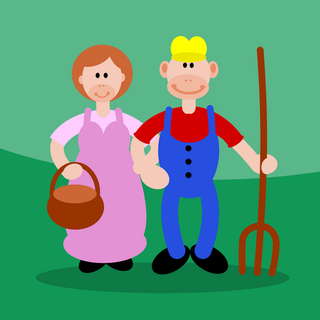 With the rising cost of gas, the price of food is just going to continue to rise as well.
For those of us in Washington experiencing “Juneuary” the yield of crops in this area may also be rather disappointing, and therefore result in an additional increase in local produce costs this summer.
Growing food that doesn’t require a great deal of maintenance is a simple way to cut organic costs in your kitchen.
Whether you are lazy or you are simply very busy and searching for “efficient” gardening tips, choosing the easiest fruits and vegetables to grow will save you time and money in the long run.
The key to starting your first garden is to choose foods that practically grow on their own. Pick a sunny patch, water daily, and sit back and watch them grow. Really, if I can grow this stuff- then anyone can grow this stuff!
The Eleven Laziest (er… efficient) Foods to Grow:
- Garlic-Grows as easy in a sunny pot garden as the ground. A renowned antimicrobial agent and cardiovascular herb, garlic has a multitude of medicinal properties.
- Carrots-The beta carotene in carrots is best absorbed when they are cooked. Eating cooked carrots is therefore a better form of antioxidants than in their raw form. Research shows that beta carotene may be protective for those with cataracts and macular degeneration. Beta Carotene may also prevent healthy people from developing these visual disturbances.
- Tomatoes-Enjoy fresh off the vine or canned in to your own homemade organic spaghetti sauce. The lycopene in tomatoes actually become more bioavailable with cooking, or processing.
- Potatoes- Harvest fresh as needed. Be sure to eat the peel of these organic potatoes! The peel contains vitamins and fiber to balance your blood sugar and keep your energy stable.
- Strawberries-Best to grow these yourself as non-organic strawberries are on the dirty dozen, the notorious top twelve dirtiest produce that should be purchased organically.
- Radishes- Not just for rabbits! Radishes are essentially a “free food” meaning they have almost no calories. So go ahead-enjoy them with a little home made organic cucumber ranch dip! I won’t tell anyone.
- Cucumbers- Are sure to keep you cool this summer. Mix up some refreshing ice water with fresh slices of cucumbers, mint, and lemon.
- Beets-A liver cleansing, blood building food. Enjoy as your carbohydrate side dish in lieu of bread and more fattening carbohydrate choices. Grate in to salads, roast with olive oil, or juice with carrots for an invigorating pick me up.
- Nasturtiums-The flowers and leaves add a beautiful and spicy addition to summer salads. Plant in hangers on your decks for décor and to protect the leaves from slugs.
- Green beans- You can easily train these to grow anywhere! If you have a small back patio train them to grow up your fence using bean stakes, or make a green bean teepee!
- Squash the #1 laziest food to grow! Vegetables like zucchinis, pumpkins, and other summer squashes practically grow themselves! Watch out and make sure they have plenty of room to spread out! Root vegetables and squash make great side dishes for your meals. A fabulous way to keep weight down is to avoid eating empty calories like bread and fill up on healthier sources of carbohydrates like these starchy vegetables.
The easiest way to learn about what grows well in your area is to start visiting your local farmers market. Ask questions (and of course buy something while you are there). You can then learn to grow your garden accordingly. Farmer’s Markets are a great teaching opportunity to share with your kids!
Thanks for stopping by my kitchen table. Feel free to share you favorite lazy foods to grow in the comments.
~Dr. Nicole
Naturopathic Physician
©KitchenTableMedicine.com, LLC ™Environmentally Friendly Office Tip
June 23, 2008 by Dr. Nicole Sundene
Filed under Environmental Medicine, Kitchen Sink
 Going paperless in the office is easy with social bookmarking! Let me quickly teach you how…
First of all, I am delighted to know that some of you find my naturopathic protocols and tips so helpful that you often print them out and “collect” them. As a savvy internet warrior I have learned a few fabulous paperless tricks for saving and sharing information on the internet.
You can be old fashioned, and just “bookmark” or “add to favorites” on your browser, however that is only helpful if you use the same computer all the time. Also, if your computer crashes, then you lose all your bookmarks. This has happened to me before, and now that I am wise to the wonderful ways of social bookmarking, I have improved my ability to collect and store the vast quantity of information I am constantly gathering.
Best of all…social bookmarking is paperless!
Printing out less paper is great for the environment. Obviously if you need a list to tape to your fridge or bathroom mirror that is one thing, but if you need somewhere to store all the articles that pertain to your health goals, then social bookmarking is the best bet.
The easiest system I have found for quickly tagging and collecting my information is to store it on the social bookingmarking site del.icio.us. You just need to set up an account and load the icon on to your browser. Anytime you find something you want to return to, simply hit the “tag” icon.
If you have a chronic health condition, and enjoy researching information on the internet, you can easily tag and categorize any article that you find. Not only is it much more environmental than printing out a bunch of paper and keeping it in file folders, but it reduces clutter. I personally rely heavily on Stumbleupon and Digg for bookmarking articles I choose to reference or return to, but that is primarily because as a busy researcher, I am always sharing articles with my colleagues, while having access to that which they find useful as well. Sharing your internet finds with friends and family is the “social” part of bookmarking, which makes it that much more fun.
You can add me as a friend at these sites if you would like to share your articles with me!
Hope that helps save a tree or two!
Thanks for stopping by my kitchen table.
~Dr. Nicole
Naturopathic Physician
©KitchenTableMedicine.com, LLC ™The Best Natural Cure for a Headache
June 23, 2008 by Dr. Nicole Sundene
Filed under Headaches, Kitchen Sink, Water
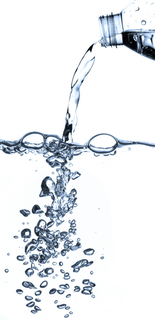 What is the best kitchen cure for a headache? Well, water of course!
Since an estimated 80% of headaches are caused by dehydration, it is safe to say that water is the best kitchen remedy for most headaches.
Water is the leading kitchen cure superstar for that which ails you! So before running off to your medicine cabinet, try running to the kitchen to drink a large glass of water. Chances are in twenty minutes or less you won’t need any medicine.
Remember that dehydration is not just about water, it is also about electrolytes. Sodium, potassium, and other trace electrolytes are necessary for properly regulating our blood volume.
I like Emergen-C and Recharge as my top sports drink choices. You can easily make your own sports drinks with ingredients straight from your kitchen. Here is my recipe for Homemade Sport’s Drinks. Exercise, alcohol, and caffeine are the common culprits that leave us dehydrated and headachey. To prevent dehydration induced headaches drink in the ballpark of 60-80 ounces of water daily. You may need more than that if you are an endurance athlete.
Thanks for stopping by my kitchen table!
~ Dr. Nicole Sundene
Naturopathic Physician
©KitchenTableMedicine.com, LLC ™Foxglove: Poisonous or Life Saving?
June 23, 2008 by Dr. Nicole Sundene
Filed under Heart Disease, Herbal Medicine, Pediatrics
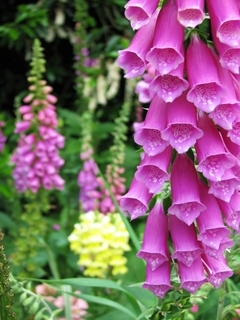 Did you know those pink and white “Gnome Hats” lining our roadsides in the Pacific Northwest can either kill you or save your life?
Formally known as Digitalis purpurea, this beautiful plant contains a powerful herbal medicine that saves lives every single day for those with heart disease.
Now, one should never make any medicine on their own with foxglove, as it can kill you. Foxglove is a poisonous plant. However, the poisonous mechanism that the cardiac glycosides from Digitalis exhibit to cause cardiac arrest, actually improve contractility in the heart of those with congestive heart failure.
In small controlled doses, the medicine of this plant has smartly been synthesized by scientists to create the drug Digoxin, a pharmaceutical derivative of Digitalis. Digoxin is used to improve contractility of the heart in those that have congestive heart failure, atrial fibrillation, supraventricular tachycardia, and paroxysmal atrial tachycardia.
Anyone doubting that plants contain medicine should in addition avoid the use of prescription pharmaceuticals, as many drugs that we commonly use such as aspirin also originate from nature. If you doubt herbs have medicine in them, then you should doubt the pharmacology of the prescription drugs you take as well.
Try arguing with a willow tree about its salicin and salicylic acid constituents. The salicylic acid found in willow bark was simply synthesized and buffered into “acetyl salicylic acid” which is what we commonly use as the drug “aspirin” for just about everything that ails us. The buffering agent was simply added to protect the stomach lining.
Aspirin is just glorified herbal medicine at its finest! Herbs are the original medicine. Money drives the bottom line behind the domination of pharmaceutical agents used by our country. A willow tree cannot be patented, but a buffered form of its derivative certainly can! Yet another reason why America spends the most money on health care, yet we are still only second to Finland as the unhealthiest people in the world.
*Dr. Nicole looks around, paranoid that she may be offed by a drug rep and their donuts*
Some herbs such as foxglove contain powerful medicines that can do a great deal of harm. But, when used appropriately and with the correct wisdom and intentions, herbs can also do a great deal of help. What we need to do with alternative medicine is quit wasting time arguing about whether or not plants can be used as medicine. Herbalists, scientists, naturopaths, MD’s, and pharmaceutical companies need to instead combine their intelligence to create more helpful drugs such as Digoxin.
If something as common as foxglove growing like a weed around us can save a patient with a weak heart, just think of what kinds of cures for cancer, AIDS, or other incurable diseases that we might be able to develop from the plants around us!
Who knows? Maybe the cure for the common cold is growing in your backyard right now; it has just yet to be discovered.
Thanks for stopping by my kitchen table.
~Dr. Nicole
Naturopathic Physician

What is a Weed?
June 20, 2008 by Dr. Nicole Sundene
Filed under Herbal Medicine, Reader Questions
 “The only difference between a flower and a weed is judgment.”
I remember as a child having a hard time understanding what the “bad things” were that grew in our garden.
What were these dreaded things called “weeds” that had my parents in such fits?
“Is this a weed, Mom?” I would constantly ask, paranoid to make a mistake and pull the wrong thing again. Once, you see, I had mistakenly pulled up all the starts my mom had freshly planted; tossed them in the bucket, leaving all the trusty weeds I would in time learn to love as a naturopath behind to proliferate in the ground.
Perhaps I am not a very good mindless laborer, or perhaps I see the beauty of nature a little differently than most. Maybe I was just meant to be a naturopathic physician and spokesperson for the herbs that naturally grow around us.
Did you know that some of the “weeds” you are pulling from your garden are actually medicinal herbs?
For instance in Washington state, “weeds” such as stinging nettles, dandelions, red clover, plantain, cleavers, devil’s club, stinky Bob, and what not all have medicinal values that can be used after the “weed” is pulled from the garden.
So why spray your garden with poisons? Chemicals we once commonly used to kill weeds such as Roundup are shown to cause leukemia and lymphoma. Surely you don’t want to increase your odds of developing cancer by pumping poisons in to your garden? Toxic chemicals that kill weeds also kill us slowly. Pesticides are not just bad for adults, but they are even worse for the pets and children that actively play in them.
Instead of spraying your weeds, sit back and see what weeds grow naturally, and learn to use them as herbal medicines when it is their time to be pulled. Any herbalist will tell you that the best herbs for you are most likely the ones that grow naturally around you. As a naturopath I always watch for this interesting phenomena when visiting friends and family, and have discovered there is a great deal of wisdom to the plants that decide to grow around us.
The St. John’s Wort grows in the depressed person’s yard. The liver cleansing Dandelions grow abundantly in the alcoholics grass. Blood building Nettles abound around those with anemia. The stressed mom has California Poppies and Lemon Balm growing around her for comfort. A family friend fighting cancer has an entire field of red clover strangely growing behind her, and so on and so forth my herbal observations go…
Chances are you don’t need some fancy plant from the rain forest to keep your health in check. Chances are the weeds fighting to grow in your garden are the best thing for you. They simply need a spokesperson like me to “sell them” to you.
So, what is a weed?
True “weeds” in my mind, are typically invasive plants not indigenous to the area they are growing in. Scotchbroom for instance, in Washington state, is an invasive plant that is slowly destroying the ecosystem in the Pacific Northwest as it takes over the terrain everywhere it goes, as is bamboo.
But is this just a game of survival of the fittest? Should we allow invasive weeds to take over?
Doing so actually runs the risk of causing extinction of some of our native species of plants. True invasive weeds are not just wreaking havoc on our marigolds and rose gardens. They are also destroying our habitats and the delicate ecosystem and animals that depend on them.
To learn more about the native ethnobotany of your area, keep your eyes peeled for some herb walks offered locally to learn a new appreciation for the plants that proliferate around you. If you subscribe to my blog and keep up with my articles over time you will also learn how to make friends with all of my favorite plants.
“Love is no hot-house flower, but a wild plant, born of a wet night, born of an hour of sunshine; sprung from wild seed, blown along the road by a wild wind. A wild plant that, when it blooms by chance within the hedge of our gardens, we call a flower; and when it blooms outside we call a weed; but, flower or weed, whose scent and colour are always, wild!”
~John Galsworthy
Thanks for stopping by my kitchen table, now go make friends with some weeds!
~Dr. Nicole
Naturopathic Physician
©KitchenTableMedicine.com, LLC ™When is the Best Time to Take Vitamins?
June 20, 2008 by Dr. Nicole Sundene
Filed under Reader Questions, Vitamins
 When should I take my vitamins?
Since B-vitamins can be somewhat activating, it is best to take a multivitamin in the morning or afternoon.
Minerals such as calcium and magnesium that serve as natural muscle relaxants can be taken in the evening to ensure a good night’s sleep.
Vitamins as a general rule are best taken with meals. If you think about it, most vitamins and minerals come from our food, so typically they will be digested and absorbed best in the company of a meal.
If you are in a pinch you can take your multi-vitamin with a small handful of nuts. Fat soluble vitamins like vitamin A, D, E, and K require fats to form the “micelles” needed for absorption. Most vitamins also require a little bit of protein in their company to be properly digested and utilized.
Minerals like calcium, magnesium, iron, and zinc require an acid rich environment in the stomach for best absorption.
I rarely prescribe any nutritional supplements to be taken between meals. Unless specified otherwise, most things will be absorbed and utilized best in the presence of food.
All rules have exceptions of course:
- Take iron, calcium and other minerals separate from each other for optimal absorption. If you are taking these nutrients preventively I would not worry about it as much as if you are using them therapeutically such as to treat osteoporosis or anemia. Divalent cations such as calcium and iron will compete with each other for absorption in the GI tract. Women treating both anemia and osteoporosis should take their iron in the morning with their multivitamin, and take calcium throughout the rest of the day. Problems with multiple mineral digestion may be more of a stomach acid issue.
- Individual amino acid therapies like tryptophan or lysine as the amino acids will compete with other amino acids in your food. Most amino acids used therapeutically are best taken on an empty stomach.
- Supplements designed to reduce inflammation in the gastrointestinal tract are best taken away from food.
- Enzymes used therapeutically for pain reduction such as bromelain should be taken away from food, mainly because the enzymes otherwise will work more on digesting your food than reducing inflammation.
When in doubt, read the label. Most vitamin and supplement manufacturers will conveniently tell you on the label how to best use their product.
Thanks for stopping by my kitchen table to ask the question!
~Dr. Nicole
Naturopathic Physician
©KitchenTableMedicine.com, LLC ™
What is That White Stuff Flying Around?
June 20, 2008 by Dr. Nicole Sundene
Filed under Allergies, Kitchen Sink
 The sun is finally shining here in Seattle after a long harsh “Junuary”.
We have endured the storm, and the residual white stuff flying around is actually not snow. Contrary to popular belief we all do not live in a summer snow globe!
That white stuff flying around right now is cottonwood. Although an evil enemy to those with allergies, and the reason so many of us are sneezing right now, cottonwood is a great friend for those with arthritis.
Think of cottonwood like herbal aspirin. Most of the populous species have aspirin like qualities. Traditionally herbalists and Native Americans along the west coast use the sticky resinous buds of the cottonwood plants to make an herbal salve for general aches and pains, disinfectanting and healing wounds.
If your allergies are out of control right now, and you live on the west coast, it is most likely because of the cottonwood and grasses. Remind yourself next May and June to get your preventative plan for allergies together and treat more aggressively during cottonwood season. You can read my full article on treating “Alternative Medicine for Seasonal Allergies” if your allergies are getting to you.
Grass pollens are also high right now. Be sure to wash your hands and face often throughout the day to remove pollen, especially when returning indoors.
Now is the time to increase your quercetin, vitamin C, and freeze dried nettles if you typically use them.
Thanks for stopping by my snow globe…er kitchen table!
~Dr. Nicole
Naturopathic Physician
Topical Natural Treaments for Seborrheic Dermatitis, Dandruff, Cradle Cap, and Itchy Scalp
June 20, 2008 by Dr. Nicole Sundene
Filed under Cradle Cap, Dandruff, Kitchen Sink, Reader Questions, Seborrheic Dermatitis, Skin Care
 Q. What can I use topically for my seborrheic dermatitis?
A. The itchy scalp condition of seborrheic dermatitis, commonly referred to as “dandruff” can be extremely frustrating. The course is typically insidious and tends to worsen over time in adults.
I am not a fan of many topical treatments for skin conditions as a long term plan because it is not “Treating the Cause” of the condition. Long term goals like the improvement of diet and lifestyle are the foundations to any good natural approach to addressing this itchy and frustrating scalp condition.
But, since the question was asked, I will indeed answer it.
The best herbs to use topically for this condition are aloe vera, calendula, grindelia, comfrey, and stellaria to reduce itching. To kill the P. ovale yeast that is typically prevalent with seborrheic dermatitis, you can use anti-fungal herbs such as tea tree oil, rosemary, thyme, and lavender topically in the same manner that prescription pharmaceutical shampoos are used and designed to kill the yeast. A good herbal formula kills the yeast while soothing the itch of the scalp.
The most convenient way to reduce itching on the scalp is with a spray.
Supplies needed from health food store: aloe vera juice, calendula succus (if not available make a very strong calendula tea with the dried herb), tea tree oil, lavender oil, and rosemary oil. In a pinch you can just spray chilled aloe vera juice directly on your scalp as needed throughout the day. Feel free to adjust the following formula as needed.
Dr. NICOLE’S ITCHY SCALP SPRAY
In a twenty ounce spray bottle combine:
- 15 ounces of aloe vera juice (buy food grade).
- 4 ounces of calendula succus (juice) or calendula tea (made VERY strong).
- 15 drops of lavender essential oil.
- 5-10 drops of tea tree oil (start with 5 drops and double if not found to be irritating).
- 5-10 drops of rosemary essential oil (also increase as needed).
Shake the formula each time before using, and store in the refrigerator for the ultimate cooling effect. Spray on your scalp twice daily to kill yeast and reduce itching, or use as needed.
PLEASE DO NOT USE THIS FORMULA ON BABIES!!!
Rinse your hair immediately if you experience any burning or worsening of symptoms. If your symptoms do not improve, you may opt to increase or double the drops of essential oil in the formula as long as you are tolerant of them and they do not exacerbate your symptoms. Never apply essential oils without diluting first. The essential oils in this formula are serving as anti-fungal agents, lavender additionally soothes itchy skin conditions.
HOW TO USE YOUR OWN HERBS
If you have rosemary, lavender, and thyme growing in your backyard or kitchen window, you can easily make them in to a herbal tea to use as a hair wash, or additionally infuse them in to olive oil as described in my article on “How to Make Rosemary Oil” and apply that to your head twice daily, allowing it to sit for at least 15 minutes. Topical herbal applications should never burn. If so, rinse immediately. Be careful to not get herbal medicines in your eyes.
TOPICAL TREATMENT FOR CRADLE CAP
NEVER use herbal medicines on your baby unless prescribed by their naturopathic pediatrician. Calendula cream and aloe vera, are most likely safe to use topically on babies, but be extremely cautious with newborns and always ask your pediatrician before treating. The best thing to do for cradle cap is to first wash the babies hair with a gentle baby shampoo, and then apply pure olive oil to the baby’s head. Use a fine comb to remove the flakes, and then rinse out the olive oil. Food allergies in the mother may be causing cradle cap. Reseed your babies gut flora with some probiotics such as bifidus or acidophilus, and try investigating food allergies if the problem is persistent. Breast feeding moms can consume biotin rich foods, as research has shown biotin to be beneficial.
DON’T JUST RELY ON TOPICALS
Although topical treatments are helpful for reducing itchy symptoms, be sure to address the internal causes of seborrheic dermatitis and dandruff by reducing junk food in the diet, adding omega 3 oils, reseeding gut flora with the use of acidophilus, reducing stress, and addressing other underlying causes such as food allergies to wheat , dairy, or other foods. For more information on these things you can read my more comprehensive article on “Alternative Medicine for Seborrheic Dermatitis”. Also of benefit would be a chlorine shower filter as chlorine will exacerbate any itchy skin condition.
Thanks for stopping by my kitchen table to ask the question!
~Dr. Nicole Sundene
Naturopathic Physician
The Best Wild Berries to Grow
June 18, 2008 by Dr. Nicole Sundene
Filed under Anti-Aging, Antioxidants, Fruits and Veggies, Heart Disease, Superfoods
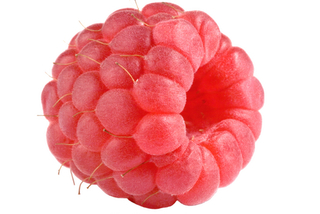 Berries are super food at its finest! If you have a large backyard you can easily let some berries run wild to help cut organic costs in your kitchen.
Plant them around the perimeter of your property. Harvest them in the summer months and freeze for year round use.
This is a great way to reduce kitchen costs for eating a whole foods, organic diet. Use your berries liberally in smoothies, desserts, or enjoy them on their own. Berries truly are the best friend of the kitchen table!
The pigments in berries are actually shown to become more bio-available with freezing and cooking. An exception to the rule that “fresher is better”.
Berries to let Run Wild:
- Blueberries
- Strawberries
- Blackberries
- Raspberries
- Huckleberries
- Marionberries
- Gooseberries
- Loganberries
- Salmonberries
- Thimbleberries
Berries are high in proanthocyanins the bioflavanoid pigments that protect our cardiovascular systems from destruction by reactive oxygen species (ROS). Berries are not only delicious; they are the fountain of youth as they prevent heart disease and protect us from inflammation!
From a botanical standpoint, berries naturally have to be full of antioxidants because otherwise they would not be able to protect themselves from the sun. The leaves of the plant use the sun to create energy, but the delicate berries of the plants would be destroyed by the sun if it weren’t for the dark antioxidant pigments that are protective of its harmful rays. Some nature fanatics say you can even use berries as a form of sunscreen (I would only do this in an emergency situation!)
Berries are truly the fountain of youth with an anti-aging program. The high anti-oxidant capacity will surely keep you looking your finest and most fabulous.
Thanks for stopping by my kitchen table!
~Dr. Nicole Sundene
Naturopathic Physician
©KitchenTableMedicine.com, LLC ™How to Get Your Kids to Eat More Vegetables
June 18, 2008 by Dr. Nicole Sundene
Filed under Fruits and Veggies, Gardening, Pediatrics
 As a naturopath I have learned an appreciation for vegetables, and have had an easier time incorporating them into my diet.
Foods that I once perceived as evil, I actually now regularly eat.
I even eat seaweed!
Often I will read some scientific research on some piece of produce out there and think “Oh, well I guess I can eat that, I had no idea that broccoli was going to do all THAT for me!”
And so my Standard American Diet (SAD) has progressed from tuna casserole, Chef Boyardee, cereal, and peanut butter and jelly sandwiches to vegetables, brown rice, and flaxseeds.
Yes, I was once that annoying child that would sit in nightly combat with their parents over a Brussels sprout.
The rare exceptions that I would willfully eat vegetables were the summer months that my sister and I would spend “foraging” our backyard garden for carrots, green beans, tomatoes, herbs, radishes, raw corn right off the cob, fruit of the season and maybe even a freshly dug potato or two. I always freely ate those vegetables with a certain level of curiosity and adventure that a can of Brussels sprouts could never muster for me at the dinner table.
Personally I think the best way to get most children to eat, enjoy, and appreciate vegetables is to teach them how to grow their own. Growing vegetables is educational, fun and gives children a new found appreciation for food and how much work it takes to get it on their plate.
This is the perfect time to start a fun little gardening project like a children’s vegetable patch. You can even make a pretty decent kid’s garden in a big wooden planter. Simply fill it with fresh organic dirt so you know they will be safe to get their hands really dirty (and maybe their mouths too). Sprout seeds indoors and transfer them out to the patch when they are ready. Involve your kids with each step along the way. To learn more simply read my article on “How to Grow an Organic Kid’s Garden”.
Now most children that get the choice to be responsible for every part of the decision making process from which seeds to purchase, wear to plant, when to pick, and what recipe to make the vegetable in to, will have a tough time not being curious enough to want to sample and enjoy the final project.
Thanks for stopping by my kitchen table! What is your favorite tip for getting kids to eat healthier?
~Dr. Nicole Sundene
Naturopathic Physician
©KitchenTableMedicine.com, LLC ™Grow an Organic Kid’s Garden
June 18, 2008 by Dr. Nicole Sundene
Filed under Fruits and Veggies, Gardening, Pediatrics
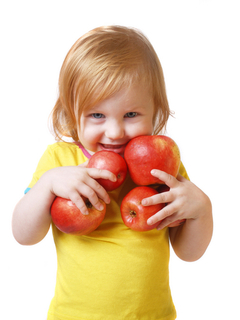 Teaching your kids to grow fruits and vegetables is easy.
In my article on “The Best Way to Get Your Kids to Eat More Vegetables” I discussed the importance of allowing kids to grow their own vegetables.
June is a great time to buy your kids some vegetable starts that will be sure to flourish when planted.
An organic patio garden or several patio gardens placed in key locations; are a great way to keep your kids busy while you are relaxing, working in the kitchen, or doing other outdoor tasks.
Why not put your kids to work and have them help put some food on the kitchen table for a change?
How to Make an Organic Kid’s Garden:
- Find a sunny location where plants are sure to grow.
- For EACH child, buy a large wooden barrel and fill with organic dirt. Don’t use pesticides as your kids will be digging around with their bare hands, and maybe even eating the dirt. Remember playing with dirt is half the fun of their garden. By using a large container, and organic fill dirt, you can easily control the quality of dirt that your children are playing in. Organic dirt is especially important for kids with skin problems, allergies, or asthma.
- Buy starts or sprout your own seeds indoors of tomatoes, green beans, carrots, zucchinis, squash, potatoes, strawberries, herbs and other simple plants that are easy to grow.
- Promote how much fun it is for them to get to water their garden each day! Find them a cute little child size’s watering can. Do watch out for over watering though!
- Make a big deal when they finally grow a vegetable and prepare a special meal with their fruits or veggies.
- Emphasize how delicious fresh tomatoes or strawberries are picked right off the vine!
- Have them weed their own garden each day and hand remove bugs, slugs, and snails.
- Use the opportunity of growing vegetables to teach your kids appreciation for all the work that goes in to producing food, in hopes that they will become less wasteful adults.
- Teach them the botany behind how plants grow, and briefly explain how the plants use energy from the sun to make sugar and chlorophyll.
- If you have more space you can create a larger organic garden for your kids!
For those with more space:
- Plant easy to grow produce for them to tend to like strawberries, blueberries, gooseberries, potatoes, carrots, and squash liberally. Make it their “summer project” to grow food for the family to enjoy.
- Build a Green Bean Teepee! Simply take green bean stakes and form them in to the shape of a teepee. Train the green beans to grow up the stakes and by August your kids will have a fun little fort to hide away in!
- Grow a whole apple orchard or plant other trees for them to play hide and go seek in.
- Build a green house for growing peppers, tomatoes, and herbs.
- Make an organic compost bin and teach them about composting and how worms digest plant materials to make dirt.
- Teach them the difference between a “weed and an herb”. Weeds are typically invasive plants. Herbs are “weeds” that have medicinal properties. Common herbs to learn about are dandelions, nettles, red clover, plantain, and cleavers. Honestly though, most weeds are simply herbs once you make friends with them.
Remember that if you have a garden of your own, avoid the use of heavy pesticides and go organic when at all possible. Organic dirt is vitally important for the kids and pets that actively play in your garden.
Thanks for stopping by my kitchen table!
~Dr. Nicole Sundene
Naturopathic Physician
©KitchenTableMedicine.com, LLC ™How to Make a Green Bean Teepee
June 18, 2008 by Dr. Nicole Sundene
Filed under Fruits and Veggies, Gardening, Pediatrics
 Green bean teepees make for a healthy hide out.
You can easily create a fun foliage fort for your kids or a secret meditation hideout for yourself by forming wooden stakes and strings in to a teepee shape and training the vines to run along them.
Who knows?
Maybe your kids will snack on a few beans while they are in there!
Yet another fun way to “Get more vegetables in to your kids diet” .
Green beans are full of fiber, protein, beta carotene, B-vitamins, calcium, and potassium.
Fresh picked green beans are a fabulous addition to your kitchen table. Fresh foods are full of more energy and vitamins than any foods found in your grocery store. Pick them immediately before serving, to taste and feel the difference.
Excess green beans can be frozen or pickled for future enjoyment. Simply spread out on cookie sheets and freeze before storing to prevent them from sticking together.
Have fun with vines like beans! Get creative. Why stop with a teepee? Perhaps you can make an entire gazebo!
Thanks for stopping by my kitchen table!
~Dr. Nicole Sundene
Naturopathic Physician
©KitchenTableMedicine.com, LLC ™Natural Healing from Drug Abuse: Meth Amphetamines
June 18, 2008 by Dr. Nicole Sundene
Filed under Detox, Drug Abuse, Reader Questions
 Q. How can I use natural medicine to heal my body from drug addiction? I am a recovering meth addict. I have been off meth for five years now, but continue to gain weight. It seems like meth abuse destroyed my metabolism. What can I do to lose the weight, and not feel so tired all the time?
A. First and foremost, congratulations for staying off meth. You should be extremely proud of yourself for overcoming such a powerful addiction that tends to be running rampant in our community these days. Recovering from drug addiction truly requires the mind/body/spirit model of medicine that naturopathic philosophy embraces. The mechanical process of withdrawing from heavy drugs can be difficult enough, however to ensure true success and restore your mental and physical health to their optimal conditions; natural medicines such as healing foods, herbs, and supplements can play an important role.
Although quitting meth is the first step, in order to ensure long term success with abstinence, one must address the reason why drugs were turned to in the first place. Counseling and a supportive treatment program such as Narcotics Anonymous or AA are important for preventing relapse. A counselor will help you better understand your addictive tendencies, and a supportive group such as AA will remind you to always abstain from meth.
For those recovering from addictions, I highly recommend the book by compulsive behavior specialist, Mary O’malley, “The Gift of Our Compulsions”. Anyone that has quit drugs to switch to chain smoking, or quit alcohol to turn to compulsive shopping has not addressed the “root cause” of their compulsive behavior. Mary’s book will teach you to learn from your addiction and use your compulsive tendencies as a tool and not a weapon.
Anxiety is often the root cause of addiction. Letting go of worry by placing your life in God’s hands can alleviate much of the anxiety and stress that we tend to place upon ourselves. Establishing a strong spiritual connection, and finding a church or source of spiritual inspiration that works for you is extremely important for the long term big picture of healing from drug abuse.
Naturopathic medicine can be very helpful for restoring the system to a healthier place after the ravages of meth addiction. If I were to see a patient recovering from meth addiction that was consistently putting on weight, I would order some basic blood work to screen for thyroid issues, and other biochemical causes of metabolic imbalance. Liver function tests to rule out damage to the liver are usually included in a standard comprehensive metabolic panel. Although the body is typically pretty resilient, knowing if damage has occurred to the body’s detoxification center is prudent to your long term health. Addressing hormonal imbalances such as hypothyroidism that may have resulted from chronic meth abuse should help with the weight gain issues, especially for those that are exercising and eating healthy, but still putting on weight.
Meth abuse may have caused your thyroid to burn out, as meth primarily abuses the adrenal glands, and the adrenal glands support the functioning of our thyroid. The thyroid sets our metabolism.
To understand how meth abuse may have affected your hormonal system, think of the adrenal glands like a factory. The factory can only produce so many products at once. Eventually the factory cannot keep up with the demands placed on the system, and the glands can no longer keep up with making all the chemicals that the body depends on for normal functioning.
Some basic adrenal support may be helpful to support the glands while they re-establish the normal production of adrenaline and catecholamines that meth abuse depleted. Some patients may also need to be put on thyroid medication if their TSH is showing hypothyroidism. Fatigue and weight gain are both signs of hypothyroidism.
Adrenal Support Herbs for Meth Recovery
Licorice (glycyrrhiza glabra), Siberian ginseng (eleutherococcus), ashwaganda (withania somnifera)and schisandra tend to be great herbs for those recovering from drug addiction. I would avoid herbs that are over stimulating. The body has been stimulated for too long already, and needs to be nourished and calmed down for the most part.
Although the thyroid is the primary set point for metabolism, the liver is the “fat burner” of the body. Toxic chemicals like crystal meth, cocaine, and other designer drugs are especially hard on the liver. Weight that gathers around the mid section is a classic sign for liver stagnation issues. For those that have had a short stint with drug abuse I would be less concerned. For those that have abused drugs for more than a year, I would do a very slow detox program over an entire year or so. Meth is full of toxic solvents so I would avoid any rapid detox programs and opt for a more gentle nourishing cleanse over a prolonged period. Your body has already been through enough. It does not need to deal with a harsh extreme sudden detox as well.
You can read about foods, herbs, and lifestyle suggestions to support the liver and the natural detoxification of the system in our articles under the detox category to understand the gist of detoxification….
Liver Support Herbs for Meth Recovery
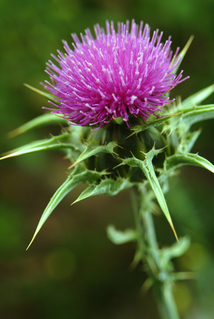
Milk thistle (pictured above), schisandra, turmeric, artichoke, dandelion root, and N-acetyl cysteine (not an herb but an important detoxifier of the system use 600mg twice daily to support phase II detoxification pathways of the liver) are all great for restoring healthy liver function and moving toxins out of the body.
Sweating for Meth Detoxification
Saunas and sweating through exercise are amongst the best ways to remove the body of toxic solvents such as incurred from meth abuse. Saunas should not be used by those with heart conditions, high blood pressure, diabetes, intolerance to heat, pregnancy, or any other health conditions. For healthy individuals a twenty minute sweat followed by a rinse with cold water can be done daily to promote the detoxification of the harsh solvents used in the production of methamphetamines and street drugs.
Please note the following protocol is simply for example only. This is not individualized naturopathic care. Please work with a physician before implementing any new treatments. Natural medicines, just like prescription medicines come with lists of contraindications, safety concerns, and drug interactions. Please work with a naturopathic physician for a personalized plan.
Sample Naturopathic Protocol for Recovering from Meth Addiction:
- Work with a counselor or therapist to resolve past issues.
- Put your life in God’s hands and find a spiritual connection: church and AA work well for most.
- Read Mary O’Malley’s book “The Gift of Our Compulsions”.
- Deep breathing to manage stress: Five minutes to zen.
- Adopt an organic Whole Foods Diet to cleanse the system, aid detox, and reduce the total load of toxins burdening the system.
- Adrenal support: Licorice root tincture (do not use if you have high blood pressure) Typical dose is about 2 dropperfuls (should be about 60 drops) in a little bit of water, both morning and afternoon. Do not use adrenal support late in the evening. The adrenal glands are active in the morning and the goal is to re-implement a healthy circadian rhythm.
- Liver Support Foods
- High Fiber Diet for weight loss, and to pull toxins from the system while ensuring proper elimination of toxins from the bowel.
- N-Acetyl-Cysteine (NAC) 600mg capsule taken twice daily to support the liver.
- Milk Thistle- 3 capsules twice daily, tincture equivalent, or other liver supportive herbs discussed above.
- Schisandra chinensis capsules two twice daily to support the adrenal glands, cleanse the liver, and reduce anxiety.
- Sweating. Sauna for twenty minutes daily to sweat out toxins. End with a cold shower.
- Drink 60-80 ounces of water daily to stay hydrated and ensure adequate elimination.
- Keep in mind that detoxing may cause headaches, fatigue, and other symptoms initially. Sleep as needed, and be gentle with yourself. Increase the dose of the liver support supplements slowly over time to reduce the likelihood of side effects.
Thank you for stopping by my kitchen table to ask the question. You should be immensely proud of yourself for overcoming the extreme challenges of addiction to meth! Feel free to ask any additional questions in the comments section. I hope my response will inspire you to seek holistic care from a naturopath as well as grant your body the healing time that it needs to restore your health to optimal functioning.
~Dr. Nicole Sundene
Naturopathic Physician
©KitchenTableMedicine.com, LLC ™The Herb for Fried and Frazzled Mothers
June 18, 2008 by Dr. Nicole Sundene
Filed under Anxiety, Menopause, PMS
 Leonarus Cardiaca or “Motherwort” is one of my favorite gentle herbs to calm frazzled mothers.
There is no coincidence in my mind that “motherwort” rhymes with “worrywart”.
This herb may as well have been hand-designed for worried stressed mothers.
If your heart skips a beat every time you hear one of your children scream loudly “MOM!!!!!” then you may just want to read on.
Motherwort is typically a “nervine” or relaxant herb that is recommended for those with the kind of anxiety that results in occasional heart palpitations. If you are suffering from disturbed sleep as a result of emotional or physical upsets this herb might just be right for you. Motherwort serves to strengthen the heart, and is also used for PMS and menopause. This herbal medicine can additionally be used as a preventative agent for herpes zoster (shingles and chicken pox) as well as herpes simplex (traditional “herpes”).
Contraindications: This herb should NOT be used during pregnancy or breastfeeding, and may be toxic in large doses, or with chronic use. Always talk with your naturopathic physician, or MD before starting any new herbal medicines.
Perhaps life does not grant you the relaxation time that you deserve as a mother, but you can still find a bit of calm amongst the stressful storm by using an herbal medicine such as motherwort to help reduce stress and your reaction to it.
Thanks for stopping by my kitchen table!
~Dr. Nicole Sundene
Naturopathic Physician
©KitchenTableMedicine.com, LLC ™Do Your Vitamins Need Food Coloring?
June 13, 2008 by Dr. Nicole Sundene
Filed under American Sickcare System, Kitchen Sink, Supplement Quality, Vitamins, Whole Foods Diet
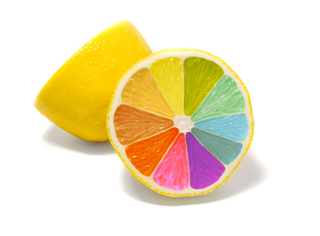 Since everyone is always asking me questions, I thought I would pose a question to you all for a change.
The correct answer is of course…NO.
Excipients are unnecessary chemicals that are added to your vitamin and mineral tablets or capsules.
Now some excipients when making tablets are unavoidable, which is why I prefer products in capsules, but do you REALLY need food coloring in your calcium?
NO.
The quickest way to tell if your vitamins are high quality is to check for food coloring. It doesn’t take a biochemistry degree to find the yellow #5 in the ingredients. Most vitamins that have food coloring have an array of other unnecessary excipients that may as well not be given a seat at the kitchen table. Food coloring is an evil villain of the kitchen table! Certainly not something you need to be ingesting on a daily basis to improve your health and prevent disease!
In my over-educated opinion, food coloring found in supplements immediately spells C-R-A-P.
In posting this complaint about food coloring, I am inviting all vitamin manufacturers to remove food coloring from their vitamins. Adding artificial color to a health supplement is HYPE at its finest.
I started Kitchen Table Medicine to hammer out the hype that runs rampant in the field of alternative medicine.
Food coloring is just added to make vitamins LOOK cool. Your vitamins DO NOT need food coloring to work. You do not need to be supplementing food coloring in your diet on a daily basis! You are not running the risk of becoming food coloring deficient.
Todays task: Head to the kitchen and check the labels of your vitamins, if they contain artificial food colorings, you don’t necessarily have to throw them out. I would just use them up, and then switch to another brand that is selling you ONLY high quality vitamins without all the hype.
Because I have been receiving so many questions about how to know if a vitamin or supplement is high quality, I will be posting a checklist soon, so that you can learn how to put your vitamins and supplements to the test. The FDA does not currently regulate supplements in the U.S, and as a result quality is a major issue in the vitamin industry.
Check point one: Food coloring….does your vitamin pass or fail?
©KitchenTableMedicine.com, LLC ™Natural Medicine for Traveler’s Diarrhea
June 13, 2008 by Dr. Nicole Sundene
Filed under Acidophilus, Diarrhea, Kitchen Sink, Research, Traveler's Diarrhea
 What can I do to prevent traveler’s diarrhea?
If you are traveling, the yeast Sacchromyces boulardii is the supplement that you should always carry along with you. Trust me, anyone that is sick with bacterial food poisoning or a bad viral case of gastroenteritis will think you are the absolute greatest if you have this natural medicine on hand. You can take it as a preventative, as well as use it to treat a case of travelers diarrhea.
Watch out for a severe case of traveler’s diarrhea though! Most should resolve within 24-48 hours. If you are not getting better, or experiencing extreme symptoms be sure to visit a doctor to prevent complications such as dehydration.
S. boulardii is not only great as a preventative for travelers diarrhea, it is also an important healthy flora researched to fight super infections in the gut such as C. difficile that typically result from the overuse of antibiotics.
Think of bowel flora as a war of good guys against bad guys. The more good guys on board such as sacchromyces yeast, and other probiotics such as various acidophilus or bifididus strands; the less likely that bad bacteria and viruses will be able to take over and make us sick.
Be sure to use a high quality product. My recent review of the literature at Consumer Labs, an independent laboratory tester of supplements, revealed Florastor to be the best brand choice.
Always purchase your supplements from a reputable health food store.
All health care providers in need of quality information about supplements should register for information with www.ConsumerLabs.com to stay on top of the latest research and recalls for natural remedies.
~ Dr. Nicole Sundene
Naturopathic Physician
www.KitchenTableMedicine.com
The Five Best Brands of Acidophilus
June 13, 2008 by Dr. Nicole Sundene
Filed under Acidophilus, Constipation, Irritable Bowel Syndrome, Reader Questions
 Q. What brand of acidophilus do you recommend?
A. Recently independent laboratory testing on acidophilus products revealed some alarming issues with quality control.
The problem with finding a good quality acidophilus product is all in the packing and refrigeration.
Delivering actual live cultures in capsule form appears to be more difficult then one might think, according to independent laboratory evaluation of popular products at www.ConsumerLabs.com.
The following are my top picks for acidophilus and bifidus, known collectively as “probiotics” or “the good bacteria” that help digest our food, metabolize hormones, and make vitamins.
Most of these are available at a high quality health food store, or through your local Naturopathic Physician. Be sure they come refrigerated, and that you keep them refrigerated.
- Jarrow… My fav over the counter vitamin brand.
- Enzymatic Therapy Pearls.
- Pharmax (usually only available by prescription).
- Kyodophilus.
- Culturelle by Allergy Research Group.
Until more research supports the safety and efficacy of other brands, I will be sticking with these five for my main recommendations. Always make sure you buy probiotics that are refrigerated. Non-refrigerated products are the first red flag for poor quality. Keep your probiotics in the refrigerator after opening.
When to use acidophilus: After a course of antibiotics. Or as preventative to developing a yeast infection while on antibiotics. If you are doing both simultaneously take at a two hour separate window. Broad spectrum antibiotics kill off the friendly flora growing in our bowel.
Contraindications for acidophilus: Acidophilus should not be used by those with compromised immune systems or digestive functioning. Always consult with your doctor before making changes in your healthcare.
To read more about probiotics and understand their very important role in human digestion you can read “Acidophilus: What is it?”
Thanks for stopping by my kitchen table to ask the question!
~ Dr. Nicole Sundene
Naturopathic Physician
www.KitchenTableMedicine.com
Natural Treatments for Rheumatoid Arthritis and Autoimmune Disease in General
June 13, 2008 by Dr. Nicole Sundene
Filed under Autoimmune Diseases, Reader Questions, Rheumatoid Arthritis
 Q. What are the best natural treatments for rheumatoid arthritis?
A. Rheumatoid arthritis is an autoimmune disease that responds very well to naturopathic treatments. Well researched natural treatments such as diet, herbs, vitamins, and other holistic therapies implemented early on can prevent the need for the overuse of harsh medications such as chemotherapeutic agents, corticosteroids, and drugs with a myriad of side effects such as hydroxychlorquine typically needed to aggressively manage symptoms.
Most of my MD colleagues are happy to refer patients with frustrating autoimmune conditions such as rheumatoid arthritis off to naturopaths, as a thorough diet and lifestyle cleanup typically works wonders for improving the disease course. Although this article is primarily discussing RA, the general treatment concept should be helpful for most cases of autoimmunity.
Please consult with your doctor or naturopathic physician to develop an individualized plan that is right for you, natural medicines may have interactions with your medications or other health conditions that should always be researched thoroughly before implementing.
What is Rheumatoid Arthritis?
Rheumatoid arthritis is an autoimmune condition in which the body’s own immune system attacks the joints creating inflammation and the resultant symmetrical poly-arthritis typically affecting the wrists, knees, elbows, shoulders, ankles, and neck.
Swelling, heat, deformity of joints, morning stiffness and pain with passive motions are all hallmark symptoms. Seventy percent of patient’s exhibit radiologic signs of damage within three years of onset, so early aggressive preventative therapies are important to protect joint integrity.
Reversing joint damage is difficult. An “ounce of prevention” is truly “worth a pound of cure” in this case. Systemically patients additionally experience fatigue, depression, general malaise, loss of appetite, enlarged lymph nodes and spleen, and visual impairments.
What is the Cause of Rheumatoid Arthritis?
Since the etiology of RA is currently unknown, and all we know about RA in our current medical model is that “anti-body-complement complexes result in intra-articular inflammation” it is thus important that we eliminate all potential immune system aggravators, and ALWAYS address causes of health imbalance in the patient where applicable.
In layman’s terms, the immune system is reacting to something in the system, and those immune complexes are depositing in the joints, causing inflammation, the resultant inflammation is systematically destroying the joints. Until the cause of RA is further understood, as a biochemist and physician I think it is imperative that all food additives and other chemicals are removed from the diet and lifestyle. Something in the system is likely triggering the inflammatory autoimmune response, and it is better to error on the side of caution. Whole foods eating is the way to go.
All patients with RA will surely improve from a diet and lifestyle clean up, as from a sensible standpoint; a pure whole foods diet will only improve the total health of the patient while we investigate other potential causes of this frustrating and debilitating painful disease.
I have yet to see someone with an autoimmune disease that did not improve dramatically from healthier eating and living. If changing your diet and lifestyle seems overwhelming from reading this article, please consider your long term health, and make small goals to achieve systematically. Stay positive and don’t get caught by a potentially debilitating case of the “I cants”.
What can Naturopathic Medicine do for Rheumatoid Arthritis?
Naturopathic Medicine can help reduce the side effects of medications, reduce symptom severity and frequency, and alleviate the need to take as much prescription medicine.
As with any modality naturopathic medicine also has its own set of limitations. Natural treatments take more time than prescription drugs. Keep in mind the immune system turns over a new supply of white blood cells about every 4 months. Joints are avascular meaning that they lack a blood supply and receive all their nutrients through simple diffusion. The natural treatment of joint problems therefore requires time, discipline, and dedication.
Patient compliance is typically an obstacle to cure when it comes to natural healing techniques for autoimmune disease. Be sure to work with a licensed naturopathic physician for the best holistic management of this complex condition, preferably one with a special interest in autoimmune conditions. Initially, frequent appointments should help you stay more motivated to make these changes.
Diet for Rheumatoid Arthritis
- Generally decrease animal fats and Omega 6 Fats (found in most vegetable sources) and increase Omega 3 oils (found almost only in Alaskan Wild salmon, flax seeds, and walnuts).
- Stop eating junk food. McInflammation is just pouring gasoline on the inflammatory fire of RA!
- A vegan, gluten free diet has been shown to be the most efficacious for those with RA.
- The Mediterranean Diet was also shown to be effective.
- Anti-inflammatory Diet. RA is an inflammatory condition. Eating an anti-inflammatory diet will prime your system to produce less prostaglandins and other inflammatory products. The ultimate goal is to reduce the total load of inflammation in your body, so that less prednisone, methotrexate, and other RA medications will need to be used. Improvement may be seen immediately but ultimate improvement will result after six months of this diet once most of the body’s cellular membranes have integrated the less inflammatory lipids in to their cellular structures.
- Allergy Elimination Diet: Most patients under naturopathic care reportedly improve with the elimination of foods they might be allergic to. Since 70% of our immune system surrounds our gut in the form of GALT (Gut Associated Lymphatic Tissue), most conditions of autoimmunity will respond to the reduction of foods that the patient is allergic or intolerant to. For instance, the current naturopathic theory with gluten in the diet purports that the protein sequence of gluten is similar to the protein sequence of healthy cells in our body, so the immune system becomes confused if it is reacting to gluten, and begins to see healthy cells in the body as a threatening antigen as well…attacking them and marking them for destruction. Most common allergen offenders are: wheat, dairy, peanuts, tomatoes, potatoes, beef, corn, soy, and the nightshades such as eggplant, tomatoes, and peppers.
- Whole Foods Diet to eliminate the toxic burden on the immune system. Research shows that pesticides in the diet affect the functioning of the immune system. Eat organic whenever possible.
- Eat sources of probiotics- if you have digestive problems in addition to RA, then eating probiotics such as acidophilus will help break down your food and make your immune system less reactive to it. Healthy gut flora is imperative to a healthy immune system!
- Absolutely eliminate aspartame! Let me re-emphasize the importance of this. ABSOLUTELY ELIMINATE ASPARTAME. After writing about aspartame in my post on “The Kitchen Table Villains”, many readers came forward with their various autoimmune issues with aspartame causing symptom flares. Elimination of food additives, chemicals, and the other “Kitchen Table Villains” have had many case reports of symptom improvement from the removal of these unnecessary additions to the diet. To error on the side of caution…get all chemicals out of your diet and eat a Whole Foods Diet.
- Eliminate arachidonic acid from the diet. This is the inflammatory component of fat found in animal products such as red meat and high fat dairy. Almost all prescription anti-inflammatory medications work to inhibit cycloxygenase at some point in the biochemical pathway of arachidonic acid metabolism. When we ingest arachidonic acid we make it easier for the body to make inflammation. Without ingesting arachidonic acid dietarily, the body will be forced to have to make its own supply, which takes time, and ultimately results in a slower inflammatory response, and less dramatic inflammatory flares.
Lifestyle Considerations for Rheumatoid Arthritis
- Quit smoking! Smoking is known to exacerbate the symptoms of RA. From a biochemical standpoint smoking creates more ROS (Reactive Oxygen Species) that attack normal healthy cells. The destructive process of these cells then adds to the total inflammatory load of the body. Our goal is to reduce inflammation; smoking is thus a major contributor to inflammation.
- Exercise moderately. Gentle exercise is shown to improve symptoms in some cases of RA, just don’t over do it! Avoid either extreme of excessive activity and inactivity. Find the level of activity that works for you.
- Manage stress. Stress and anxiety are the underlying causes of most chronic health conditions.
Vitamins and Minerals for Rheumatoid Arthritis
- Vitamin E 1800 IU was shown to improve symptoms via its antioxidant capacity.
- Zinc and selenium may be effective, although studies conflict. This may just be due to their antioxidant characteristics, as antioxidants reduce inflammation in the body by reducing Reactive Oxygen Species that destroy healthy cells.
Herbs for Rheumatoid Arthritis
- Herbs are great for managing symptoms initially while we get the diet and lifestyle aspects of this disease under control. Anti-inflammatory herbs usually improve symptoms within a week.
- Anti-inflammatory Herbs: Turmeric, Ginger (pictured above), Boswellia, and Quercetin (technically a bioflavonoid).
- Tripterygium wilfordii has been used successfully to manage RA symptoms. I would work with a naturopathic physician if opting to use this herb though, as this is “big medicine” that is not intended for self treatment. However, I wanted to include it on this list as it has two rather decent research studies showing its efficacy.
NATURE CURE for Rheumatoid Arthritis:
When all else fails with chronic disease, naturopathic medicine works wonders when we apply nature cure philosophies such as “remove the obstacles to cure” and “treat the whole person”.
Remove the Obstacles to Cure
Obstacles to cure are the things that are getting in the way of bringing your body in to a healthier state of balance. Anything listed above that you struggle to implement is therefore an “obstacle to cure”. Identify your challenges and work on overcoming them systematically. Start with the simplest obstacles to improve self efficacy, or tackle the hardest like quitting smoking to make the most significant impact in your health.
Treat the Whole Person
You are not a symptom. You are not a body. You are not inflammation. You are not pain. You are a complex being that is challenged by a painful case of arthritis. This is not just about your body, it is also about the mind and spirit that have to live in this body. The growing field of “psychoneuroimmunology” investigates how our minds affect our immune system. Nurture the mind and spirit connection to support your body.
Sample Naturopathic Treatment Plan for Rheumatoid Arthritis:
*PLEASE NOTE*Always check with your physician for drug interactions or medical contraindications before implementing any new treatments as this is not individualized care. Included for example only.
- Vegan, Gluten free, Anti-inflammatory Diet
- Anti-inflammatory Smoothie: Eat 1 cup of frozen blueberries daily in “Dr. Nicole’s Smoothie Recipe” (be sure to include the L-glutamine to heal your gut and the flaxseeds for omega 3’s.)
- Quit smoking.
- Gentle exercise such as yoga, walking, and swimming.
- Acidophilus 1 capsule with each meal (three times daily) to restore healthy gut flora.
- Fish Oil 1 tablespoon twice daily with food (not to be used by those with bleeding disorders or on anti-coagulant medications, or by pregnant women due to vitamin A content).
- Anti-inflammatory herbs: Find a blend of turmeric, ginger, boswellia, and quercetin in capsules at a quality health food store and take as directed.
- Counseling. Addressing emotional components of our health and anxiety surrounding chronic disease is especially important for a good outcome. Anyone sick with a chronic disease deserves a safe place to discuss their fears and challenges surrounding pain and chronic illness. Address past emotional issues and work to let go of them. Forgive those that have hurt you or caused you upset.
Research for Rheumatoid Arthritis:
- PMID: 11600749; A vegan diet free of gluten improves the signs and symptoms of rheumatoid arthritis: the effects on arthritis correlate with a reduction in antibodies to food antigens.Rheumatology (Oxford). 2001 Oct;40(10):1175-9.
- PMID: 12594104; An experimental study of a Mediterranean diet intervention for patients with rheumatoid arthritis.Ann Rheum Dis. 2003 Mar;62(3):208-14.
- PMID: 12548439; Anti-inflammatory effects of a low arachidonic acid diet and fish oil in patients with rheumatoid arthritis. Rheumatol Int. 2003 Jan;23(1):27-36. Epub 2002 Sep 06.
- PMID: 11890437; Effects of a very low-fat, vegan diet in subjects with rheumatoid arthritis. J Altern Complement Med. 2002 Feb;8(1):71-5.
- PMID: 11154796; Antioxidants in vegan diet and rheumatic disorders. Toxicology. 2000 Nov 30;155(1-3):45-53.
- PMID: 9117178; Faecal microbial flora and disease activity in rheumatoid arthritis during a vegan diet. Br J Rheumatol. 1997 Jan;36(1):64-8.
- PMID: 15077267; Physical activity behavior in older women with rheumatoid arthritis. Arthritis Rheum. 2004 Apr 15;51(2):246-52.
- PMID: 15513677; Aetiological factors of importance for the development of rheumatoid arthritis. Scand J Rheumatol. 2004;33(5):300-6.
- PMID: 8912502; gamma-Linolenic acid treatment of rheumatoid arthritis. A randomized, placebo-controlled trial. Arthritis Rheum. 1996 Nov;39(11):1808-17.
- PMID: 12069368; Effect of cod liver oil on symptoms of rheumatoid arthritis. Adv Ther. 2002 Mar-Apr;19(2):101-7.
- PMID: 11708441; Fish oils are beneficial to patients with established rheumatoid arthritis. J Rheumatol. 2001 Nov;28(11):2563-5.
- PMID: 12610802; A randomized double blind, placebo controlled trial of topical Tripterygium wilfordii in rheumatoid arthritis: reanalysis using logistic regression analysis. J Rheumatol. 2003 Mar;30(3):465-7.
- PMID: 12124856; Benefit of an extract of Tripterygium Wilfordii Hook F in patients with rheumatoid arthritis: a double-blind, placebo-controlled study. Arthritis Rheum. 2002 Jul;46(7):1735-43.
For more support surrounding your diagnosis of rheumatoid arthritis, you can follow my friend Sandy’s Rheumatoid Arthritis Support Site.
Best of luck to you. Thanks for asking about natural treatments for RA. Diet and stress management are key for autoimmune conditions, if the changes are overwhelming, focus on one change at a time until you get it down. Give yourself a month for each important goal. Implement all the things that you can easily do now. Remind yourself that it is all about “progress and not perfection”.
If you have any additional questions or insight to share about RA please do so in the comments.
Thanks for stopping by my kitchen table!
~ Dr. Nicole Sundene
Naturopathic Physician
www.KitchenTableMedicine.com
Subvert Unfulfilled Consumerism
June 11, 2008 by Dr. Nicole Sundene
Filed under American Sickcare System, Kitchen Sink, Stress, Unfulfilled Consumerism
 An unnecessary cause of stress these days is unfulfilled consumerism.
When we are stressed out we often immediately opt to buy something that will make us happy. We want the quick fix.
Most of the time the joy of buying something is transient. The drug-like serotonin and dopamine rush we receive from our latest purchase quickly dissipates as the stress, depression, anxiety, or desire to compulsively shop just quickly returns.
Before making purchases start the new habit of asking yourself… “Do I REALLY need that?”
Chances are you don’t.
The dreaded unfulfilled consumerism is the GRAND American tradition of overdoing everything:
- Over-shopping.
- Over-eating.
- Over-drinking.
- Over-smoking.
- Over-driving around.
- Over-needing.
- Over-buying.
- Over-producing.
- Over-wanting.
- Over-”keeping up with the Joneses”
- Being the “Joneses”
- Over-consuming.
Really, you don’t need STUFF, what you really need is a VACATION!
Trust me I’m a doctor…and I need one too!
Hooray! Let’s all stop buying stuff we don’t need (especially in bulk or the dreaded “buy two get one free”) and ask ourselves:
“What is the bare minimum I need in order to be happy?”
Learn to feel grateful and fulfilled with JUST that.
Instead of blowing your hard earned money on:
- Things you don’t need.
- Things that collect dust.
- Things that waste your precious time.
- Things that require maintenance and upkeep.
- Things you don’t really want.
- Things that make you unhappy.
- Things that cause clutter.
- Things you have to wash or fold.
- Things that hang in the closet with the tags still on them.
- Things that max out your credit card.
- Things that make you fat.
- Things that raise your cholesterol and make you a candidate for diabetes.
Try simply saving that money and putting it towards a vacation or other indulgent stress reducing activity!
Every time you feel tempted to buy something you really don’t need, like junk food, dessert, or heaven forbid McInflammation, breathe and then put that money towards your vacation.
Pay yourself for just saying “NO” to the unhappy American tradition of unfulfilled consumerism.
Trust me.
Less really is more and it adds up quickly.
Get your whole family interested in the concept!
How to save money while using less of the world’s precious resources is a great topic for your next family meeting. Motivate your kids with the idea of a fun vacation. Let them pick where you all are going to go. This is a simple way to teach kids about saving money and preserving our resources.
So, let’s all just put away our credit cards and BREATHE for five minutes!
Breathing is ALWAYS free and a great, simple way to eliminate stress.
Don’t be a victim to the vicious cycle of unfulfilled consumerism!
Thanks for stopping by my kitchen table.
~ Dr. Nicole Sundene
Naturopathic Physician
www.KitchenTableMedicine.com
How I Gave Myself a Hot Flash
June 11, 2008 by Dr. Nicole Sundene
Filed under Discipline, Kitchen Sink, Menopause
 One day I was hanging out with a girlfriend drinking coffee before we headed to our favorite Thai Food restaurant.
I ordered a glass of red wine (you know because the polyphenols are going to prevent me from having a heart attack someday), and my favorite curry seafood basket (because curry is a fabulous superfood).
Halfway through dinner, I suddenly broke out in a TERRIBLE sweat.
I was unbearably hot!!!
Almost as hot as my friend when he accidentally mistook the entire chunk of green wasabi for a piece of sushi! Being a big fan of Chinese Medicine I immediately began to analyze the energetic properties of the foods that I had just consumed. Everything was heating. Coffee, red wine, curry…
Worse yet I realized I had just consumed everything on the “NO NO” list for the menopausal diet.
Gosh no wonder caffeine, alcohol, and spicy foods are so forbidden for those with hot flashes! I am nowhere even near menopause and I gave myself a hot flash from this terrible trifecta of thermogenic trauma.
The next day I had a friend at work ask me how naturopathic medicine could help her hot flashes. I gave her my typical spiel on the “Naturopathic Approach to Menopause” and “Nutrition Care During Menopause” along with some individualized recommendations. When I got to the spicy foods, caffeine, sugar, and alcohol part she rolled her eyes and said…
“Well that is my entire diet! How can I not eat those things?”
Busting out the tough love, I responded “Well maybe that is why you have been suffering from these horrible hot flashes for five plus some odd years that appear to be refractory to most common treatments including hormone replacement therapy.”
Instead of asking her to take my word on it, I simply said “Go eat all of those things in one meal and come back and tell me how you felt.”
The hot flashes that she had that night and over the next 24 hour period were some of the worst EVER, she reported, after her “menopausal showcase showdown” that involved a bottle of red wine, spicy spaghetti (which she added extra red pepper flakes to), tiramisu and a double espresso for dessert. Enough to make just about anyone break in to a sweat.
Oftentimes whatever food we are attached to in life is EXACTLY what makes us sick.
The patient with high cholesterol loves their meat and fried foods, the hypertensive patient shakes salt liberally on every meal, the diabetic patient sits in the grocery store parking lot and frantically eats a box of donuts after a stressful day. I could go on and on all day with these examples, but my point is that food should be nourishment and nothing else. What we should enjoy about food is how it makes us feel. Recognizing food as nourishment is the key to keeping our health in balance. If we are going to eat indulgences, we should enjoy them in moderation. The body forgives moderation better than it does an entire meal that promotes disease or uncomfortable symptoms.
Thanks for stopping by my kitchen table!
~ Dr. Nicole Sundene
Naturopathic Physician
www.KitchenTableMedicine.com