Interview with Dr. Joseph Mercola
June 19, 2009 by Kitchen Table Medicine
Filed under Guest Posts, Kitchen Sink
If you enjoy what you read here at the Kitchen Table, feel free to stop by and subscribe to Mercola.com as we both are fighting the same cause: disease prevention through a whole food diet and lifestyle. It is one of my greatest honors to bring to the Kitchen Table Osteopathic Physician, Dr. Joseph Mercola:
What is an Osteopathic Physician?
A D.O., or an osteopathic physician, is in many ways similar to an M.D. A D.O. completes four years of medical school after college, and completes three to eight year residency programs in the specialty they choose. D.O.’s are fully trained and qualified physicians who are licensed to prescribe medication and perform surgery in every state in the U.S.
Philosophically, D.O.’s differ from M.D.’s in that they have more of an emphasis on holistic approaches, and recognize the importance of musculoskeletal alignment and balance to health. In addition to identical two years of basic medical science, they also learn skeletal adjustments, similar to chiropractors.
On a practical level, the drug companies have effectively penetrated the profession, just as they have the M.D.’s, so in reality there are not many differences between the two.
The only practical difference I have observed is that there is typically a difference in the selection process of students that are accepted into the school, as they tend to focus on qualities other than academic credentials that would result in caring and compassionate physicians.
So while the treatment recommendation from D.O.’s and M.D.’s will be very similar, it has been my experience that a higher percentage of people will enjoy their interaction with an osteopathic physician.
How do Osteopaths address and treat symptoms?
Since I really don’t perceive a practical difference on the therapies that are recommended by an M.D. or D.O., I typically advise patients seeking a natural medicine physician to go several health food stores in their area, and ask for the best medical doctor they know, as the people that work in the stores typically have a fairly good sense of who the best local physicians are.
There are too many variables to give a broad recommendation. In my experience most of the important ones are related to personality characteristics rather than actually knowledge.
In your opinion How do Osteopaths differ from Naturopaths?
Firstly, there are two types of naturopaths:
- Those that receive training in an accredited four year medical college and, like D.O.’s, have full license to practice medicine in a few states (unfortunately there are not many states that provide them these practicing privileges.)
- Those who attend a correspondence school.
Unfortunately they are both given the same degree, even though there is typically a vast difference in the level of expertise between the two.
ND’s from either training can be outstanding, but if you were looking at it from a probability perspective there is a far higher percentage that an ND trained at a four year college would be superior.
However, even with the four year trained NDs, they are very weak on post graduate training and most of them tend to begin practice immediately after their four years of training. There are very few that complete residency training programs.
Most D.O.’s have an additional 3 to 8 years of post graduate residency training. This does not necessarily make them better physicians, but D.O.’s do have more formal clinical training.
What are your favorite tips for disease prevention?
1. Optimize your vitamin D levels, ideally from appropriate sun exposure.
2. Address your emotional traumas.
3. Eat the right fats.
4. Eat plenty of raw food.
5. Control your insulin and leptin levels.
For more information about Dr. Mercola or to set up an appointment, visit www.Mercola.com
Thanks for stopping by my kitchen table, and many thanks to Dr. Mercola for taking the time to continue to inspire me.
Dr. Nicole Sundene
 Dr. Nicole Sundene, NMD is a licensed Naturopathic Medical Doctor at Fountain Hills Naturopathic Medicine 16719 E Palisades Blvd, Suite 205, Fountain Hills, AZ 85268.
She believes we should utilize natural medicines to treat the root cause of disease rather than just treating symptoms, as symptoms are a message of imbalance sent from the body and will persist until they are properly addressed.
For appointments please visit http://FHnaturopathic.com for more information about Naturopathic Medicine services.
©KitchenTableMedicine.com, LLC ™
Stress Management
June 12, 2009 by Kitchen Table Medicine
Filed under Dr. KC Kelly, Guest Posts, Kitchen Sink, Stress
By Dr. KC Kelly – Ph.D. and Licensed Psychotherapist
 Richard Lazarus and Susan Folkman suggested in 1984 that stress can be thought of as resulting from an imbalance between demands and resources, or as occurring when pressure exceeds ones perceived ability to cope.
Stress management was developed and premised on the idea that stress is not a direct response to a stressor, but rather one’s resources and ability to cope and makes changes in his or her life, thus allowing stress to be controllable.
Stress can be good (called eustress) when it helps us perform better, or it can be bad (distress) when it causes upset or makes us sick.
The stress reaction results from an outpouring of adrenaline, a stimulant hormone, into the blood stream when a person is feeling distress. This, with other stress hormones, produces a number of changes in the body which are intended to be protective.
Professionals in the field of psychology have called this outpouring of hormones, the fight-or-flight response because when faced with a stressful situation, a person will either fight or run away from danger.
When encountering stress, a person may experience: an increase in heart rate, an increase in blood pressure (to get more blood to the muscles, brain and heart), faster breathing (to take in more oxygen), tensing of muscles (preparation for action), increased mental alertness and sensitivity of sense organs (to assess the situation and act quickly), increased blood flow to the brain, heart and muscles (the organs that are most important in dealing with danger) and less blood to the skin, digestive tract, kidneys and liver (where it is least needed in times of crisis), an increase in blood sugar, fats and cholesterol (for extra energy), and a rise in platelets and blood clotting factors (to prevent hemorrhage in case of injury).
What are the Common Symptoms of Stress?
Physical: fatigue, headache, insomnia, muscle aches/stiffness (especially neck, shoulders and low back), heart palpitations, chest pains, abdominal cramps, nausea, trembling, cold extremities, flushing or sweating and frequent colds, decrease in concentration and memory, indecisiveness, mind racing or going blank, confusion, loss of sense of humor, anxiety, nervousness, depression, anger, frustration, worry, fear, irritability, impatience, short temper, pacing, fidgeting, nervous habits (nail-biting, foot-tapping), increased eating, smoking, drinking, crying, yelling, swearing, blaming and even throwing things or hitting.
What Are the Causes of Stress?
Dr. Selye called the causes of stress stressors or triggers. There are two kinds of stressors: external and internal.
External stressors include:
Physical environment: noise, bright lights, heat, confined spaces.
Social interaction: rudeness, bossiness or aggressiveness on the part of someone
Organizational: rules, regulations, “red tape,” deadlines.
Major life events: death of a relative, lost job, promotion, new baby.
Daily hassles: commuting, misplacing keys, mechanical breakdowns.
Internal stressors include:
Lifestyle choices: caffeine, not enough sleep, overloaded schedule.
Negative self-talk: pessimistic thinking, self-criticism, over-analyzing.
Mind traps: unrealistic expectations, taking things personally, all-or-nothing thinking, exaggerating, rigid thinking.
Stressful personality traits: Type A, perfectionist, workaholic, pleaser.
It is important to note that most of the stress that many of us have is actually self-generated. This is a paradox because so many people think of external stressors when they are upset (it is the weather, the boss, the children, the spouse, the stock market). Recognizing that we create most of our own upsets, however, is an important first step to dealing with them.
Read an article on Basic Breathing Exercises to reduce stress
Read all our articles on stress
**Much of this information was prepared by Dr. David B. Posen Lifestyle Counselor and Psychotherapist, and Author of “Always Change a Losing Game”
Oakville, Ontario. Permission has been given for this information to be copied and distributed to patients.
Other information was obtained from:
Lazarus, R.S., and Folkman, S. (1984). Stress, Appraisal and Coping.
For personalized advice for coping with stress you can visit Dr. KC at www.docinthebiz.com
Dr. Nicole Sundene, NMD is a licensed Naturopathic Medical Doctor at Fountain Hills Naturopathic Medicine 16719 E Palisades Blvd, Suite 205, Fountain Hills, AZ 85268.She believes we should utilize natural medicines to treat the root cause of disease rather than just treating symptoms, as symptoms are a message of imbalance sent from the body and will persist until they are properly addressed.
For appointments please visit http://FHnaturopathic.com for more information about Naturopathic Medicine services.
©KitchenTableMedicine.com, LLC ™
What is a Naturopathic Physician?
May 29, 2009 by Kitchen Table Medicine
Filed under Naturopathic Theory
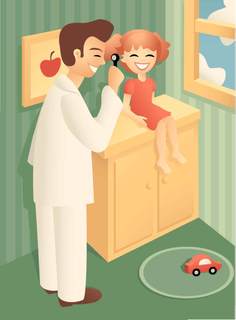 A Naturopathic Physician will address your health care complaints from a “whole person” perspective with the holistic goal to improve your overall functioning from a mind, body, and spirit approach.
Although Naturopath’s are licensed to prescribe medications, most follow a “Therapeutic Order” which involves using therapeutic diet and lifestyle improvements along with other complimentary medicine modalities such as herbal medicine, nutritional therapy, and other low intervention therapeutics to help the body achieve a better state of balance. Drugs may be prescribed temporarily, or as a last resort solution.
Naturopathic medicine is a distinct form of primary health care. True licensed “Naturopathic Physicians” have completed eight years of medical training along with a two year medical internship. Naturopathic physicians are primary health care practitioners, whose diverse techniques include both modern and traditional methods of treatment.
The principles of naturopathic medicine are part of what distinguishes the naturopathic approach to health care from the conventional approach; and are based on objective observation of the nature of health and disease. The following principles are the foundation of naturopathic medical practice:
The Healing Power of Nature Vis Medicatrix Naturae Read more
Dr. Nicole Sundene, NMD is a licensed Naturopathic Medical Doctor at Fountain Hills Naturopathic Medicine 16719 E Palisades Blvd, Suite 205, Fountain Hills, AZ 85268.She believes we should utilize natural medicines to treat the root cause of disease rather than just treating symptoms, as symptoms are a message of imbalance sent from the body and will persist until they are properly addressed.
For appointments please visit http://FHnaturopathic.com for more information about Naturopathic Medicine services.
©KitchenTableMedicine.com, LLC ™
Gluten-Free Alcoholic Drinks
May 27, 2009 by Kitchen Table Medicine
Filed under Celiac Disease, Dr. Selena Eon, Guest Posts, Kitchen Sink, Wheat Free/Gluten Free

As a physician, I don’t encourage drinking alcoholic beverages in the early stages of the gluten-free diet—please give your gut time to heal before adding alcohol to your diet. However, consumption of alcoholic beverages can be part of a healthful gluten-free diet for many, so long as the beverages chosen are gluten-free and consumed in moderation.
There is no one definition of “moderation”, but generally the term is used to describe a lower risk pattern of drinking, as shown in various epidemiological studies.
According to the Dietary Guidelines for Americans, drinking in moderation is defined as having no more than 1 drink per day for women and no more than 2 drinks per day for men. This definition refers to the amount consumed on any single day and is not intended to be used as an average over several days.
It can be frustrating trying to find alcoholic beverages that are gluten-free, primarily because alcoholic beverages are not required to display an ingredient label. Because alcohol is not regulated by the FDA, the FDA ingredient labeling requirements do not apply. How do you know if your beverage is gluten-free when there is no label and no ingredient list? It can be tricky!
The Center for Science in the Public Interest is has been petitioning the Alcohol and Tobacco Tax Bureau since 2003 to require ingredients and nutrition facts on alcohol labels, but so far, there is no law requiring ingredient lists on alcoholic beverages. You can help your lawmakers understand how important the labeling issue is to people with food sensitivies, check out this petition for more information.
Finding appropriate alcoholic beverages can certainly be a challenge, but Kitchen Table Medicine is here to help! Luckily, there are many choices that ARE gluten-free!
Alright, enough already—WHAT CAN I DRINK?
Previously, persons on the gluten-free diet were advised to consume only pure wine, potato vodka, rum and tequila. This is still good advice, and the safest approach possible, but I believe this approach is overly cautious and unnecessarily limits your choices.
False information about gluten and alcoholic beverages is rife on the internet, so it is easy to become confused. I agree that being cautious is incredibly important when following a strict gluten-free diet, but I also believe that causing unnecessary lifelong restriction of any food is unacceptable!
Newer wisdom on the subject dictates that all distilled liquors are gluten-free, even those derived from a gluten containing grain. Distilled liquors are gluten-free no matter what the original source ingredients are because the distillation process ensures that none of the gluten from the original ingredients can remain in the finished product.
It is reasonable to assume that all pure distilled liquors must therefore be gluten-free. For more information, check out this article on gluten and distillation. The only exceptions to the blanket statement that distilled liquors are all gluten-free are situations in which gluten-containing ingredients are added in after distillation.
I researched rumors about gluten-containing whiskey mash being added in after distillation of whiskey, but found no major manufacturers in the US who report adding gluten-containing mash to the distilled whiskey.
Another potential problem could be liquors in which caramel coloring is added. Caramel coloring may contain gluten, primarily if the ingredient is produced outside the USA, but not always. Thus, many on gluten-free diets may choose to avoid dark colored liquors because caramel coloring may be in the liquor and represent a potential source of gluten.
It is safest to avoid dark colored liquors because without food labels it is difficult, if not impossible, to know if caramel color is used in the liquor, and if so, if the caramel color is gluten-free. Individual consumers may be able to request this information from manufacturers, but most manufacturers are unlikely to promise the product gluten-free because manufacturers in mass-production environments are typically unaware of the source of an ingredient like caramel color.
If gluten-containing caramel color is present in a particular liquor, it is usually found in very small amounts, and people typically consume small amounts of liquor, so the amount of gluten in the alcohol may be negligible. Even so, I still recommend avoiding these suspect beverages as the safest long-term choice of action because there is no way to know how much gluten is in the drink.
I also recommend avoiding most prepared cocktails (strawberry daiquiris, margaritas, mojitos) when out, as the mixes commonly used contain lots of sugar, usually in the form of disgusting high-fructose corn syrup- a non-food best avoided by everyone.
If you want to order one of these cocktails, it is best to ask your bar or restaurant if you can see the ingredients on their mixer before you order. I found that many of my favorite restaurants carry a high-quality mixer made from real juices and pure cane sugar—but you can only get it if you order the “top shelf” drink with more expensive liquor.
If you mix your alcoholic beverage with another beverage, such as soda, tonic water, root beer, orange juice, be sure to check that your mixer is also gluten free. I have listed some popular mixers below, but did not mention sodas or juices. Most sodas and juices are gluten-free, but check the label to be sure.
Gluten-free alcoholic beverage choices- the list below is in alphabetic order.
- Armagnac - made from grapes.
- Beer: most beers contain gluten. However, there are now gluten-free beers on the market!
Redbridge- easiest to find nationally, produced by Anheiser-Busch.
Bard’s Tale brand (several varieties, most common is Dragon’s Gold)
Green’s (several varieties) - Bourbon - Makers Mark is definitely GF.
- Brandy
- Champagne
- Cider - fermented from apples or other fruits. Some are safe, however, many add barley for enzymes and flavor. Be sure to read labels or contact manufacturer. Spire Ciders are GF.
- Cognac - made from grapes.
- Gin
- Grappa
- Kahlua
- Kirschwasser (cherry liqueur)
- Margarita Mix:
Jose Cuervo.
Mr. & Mrs. T. - Martini: traditional martinis are generally GF. Common mixes:
Club Extra Dry Martini (corn & grape).
Club Vodka Martini (corn & grape). - Mead - distilled from honey.
- Mistico:
Jose Cuervo Mistico (agave and cane). - Mixes & Cooking Alcohol:
Club Tom Collins (corn).
Dimond Jims Bloody Mary Mystery.
Holland House - all EXCEPT Teriyaki Marinade and Smooth & Spicy Bloody Mary Mixes.
Mr. & Mrs. T - all Except Bloody Mary Mix.
Spice Islands - Cooking Wines - Burgundy, Sherry and White. However, I suggest cooking with REAL wine as cooking wines are poor quality.
Stirrings- they make a variety of cocktail mixes, higher quality that most mixes. - Ouzo - made from grapes and anise.
- Rum

- Sake - fermented with rice and Koji enzymes. The Koji enzymes are grown on Miso, which is usually made with barley. The two-product separation from barley, and the manufacturing process should make it gluten-free.
- Scotch Whiskey.
- SherrySparkling Wine
- Tequila
- Vermouth
- Vodka
- Wine - all wines, including port wines and sherry, are gluten-free.
Wine Coolers: Despite the name, most wine coolers are malt based and contain gluten.
Bartle & James - wine-based beverages only.
Boones - wine-based beverages only - Whiskey- Jack Daniels’ Black Label Whiskey is GF. Maker’s Mark Whiskey is GF. Seagram’s Crown Whiskey is also GF. Other whiskeys likely are, as per previous discussion, however are not confirmed by the manufacturer.
If you have any questions about celiac disease, you are welcome to ask them in the comments section and they will be addressed in future articles.
Dr. Selena Eon practices in Bellevue, WA and you may contact her at
(206) 228-9537 or visit www.drselenaeon.com
Related reading:
Eating Gluten-Free on a Budget
Dr. Nicole Sundene, NMD is a licensed Naturopathic Medical Doctor at Fountain Hills Naturopathic Medicine 16719 E Palisades Blvd, Suite 205, Fountain Hills, AZ 85268.She believes we should utilize natural medicines to treat the root cause of disease rather than just treating symptoms, as symptoms are a message of imbalance sent from the body and will persist until they are properly addressed.
For appointments please visit http://FHnaturopathic.com for more information about Naturopathic Medicine services.
©KitchenTableMedicine.com, LLC ™
Food Allergy Elimination Diet
May 27, 2009 by Kitchen Table Medicine
Filed under Asthma, Celiac Disease, Dairy Free, Diet Tips, Digestion, Healthy Recipes, Immune Support, Wheat Free/Gluten Free
 If you or your physician suspect that you might have a food allergy you can follow these basic guidelines to best determine the food that is the culprit.
Symptoms of food allergies can be insidious or immediate and include symptoms such as: skin rashes, dermatitis, eczema, psoriasis, seborrheic dermatitis, irritable bowel syndrome, fatigue, suppressed immune system, autoimmunity, rheumatoid arthritis, depression, brain fog, neurological symptoms and much more.
Because 70% of our immune system surrounds our gut in the form of GALT (Gut Associated Lymphatic Tissue) it only makes sense that food allergies and intolerances easily place a burden on our immune system.
Blood testing for food allergies may be helpful for children or patients that are unable to follow this regimented of a diet such as those with a history of eating disorders. However, blood testing for allergies is truly only 60-70% accurate.
The immune system creates either IgA or IgE responses to food. IgE reactions are immediate and typically result in anaphylactic shock whereas IgA allergies are insidious and most patients only notice improvement once the food has been eliminated for at least four days. Food allergy testing only identifies foods that create these IgA or IgE immunological responses; and not those that an individual is intolerant to. Lactose intolerance for instance is a classic example of a food like milk causing a problem such as diarrhea without the presence of allergy.
The gold standard for determining food allergies/intolerances is therefore the Elimination Diet. Be sure to follow the specific diet prescribed to you by your physician.
As with any health care suggestions given here be sure to check with your physician before attempting a food allergy elimination diet. Those with history of eating disorders whether active or dormant for instance are not candidates for this regimented of a diet. If you are suffering from any chronic health complaints you absolutely should not attempt this on your own and should be under the supervision of a licensed health care provider.
To identify foods that may be causing some or all of your symptoms. During the elimination period, foods that commonly cause symptoms are completely eliminated from the diet for one to two weeks. After your symptoms improve, foods are added back one at a time to determine which foods provoke symptoms. The following is a basic template used by many health care providers and may need to be modified to suit your specific needs.
FOODS YOU MAY EAT:
Cereals:Hot: cream of rice, quinoa cereal (Quinoa Flakes).
Dry: puffed rice, puffed millet
Grains: Rice: no wild rice but all kinds of other rice including rice products such as pasta (Brands: Pastariso, Lundberg), plain rice cakes, rice bread without yeast (Brand:Energy), mochi (found frozen or fresh in Asian stores), buckwheat (kasha), millet, quinoa (a quick cooking grain), amaranth, and teff
Flours: Rice, millet, quinoa, amaranth, teff, bean flours, and tapioca
Fruit: All fruits except citrus fruits (oranges, lemons, limes and grapefruit)
Protein: Meat: lamb and wild game meats such as venison
Beans/legumes: all beans and legumes, except soy and peanuts. Check labels of canned beans, dips and soups for sweeteners, spices and additives (Brand: Taste Adventure dried refried beans and split pea soup). Do not eat canned beans with chemical additives (EDTA)
Vegetables: All vegetables except tomatoes, eggplant, peppers, potatoes, and corn
Nuts/Seeds: All nuts and seeds except peanuts
Oils/fats: All oils except peanut oil, corn oil and soybean oil
Sweeteners: Maple syrup (pure) and brown rice syrup
Beverages: Water (plain, mineral or sparkling), rice milk (plain or vanilla – check labels for ingredients, gums are allowed but barley malt or corn syrup are not allowed), all fruit juices except citrus juices are allowed and all herbal teas are allowed
Condiments: All condiments are allowed except for chocolate, tomato products (catsup), pepper products (Tabasco, hot peppers), and vinegars that contain malt or other ingredients requiring elimination. Black pepper is allowed. Check all condiments to make sure that the ingredients are allowed.
Elimination Diet Guidelines
1. Do not eat any food that you suspect is causing symptoms even if it is on the list of acceptable foods.
2. Use only those foods allowed unless you check with your health practitioner. READ LABELS! “Flour” usually means wheat flour, “vegetable oil” may mean corn oil or soybean oil, casein and whey are dairy products, and potato and soy flour is in some gluten free foods.
3. Withdrawal symptoms may occur during the first few days or week on the diet. Some or all of your symptoms may increase temporarily. You also may experience symptoms that you do not usually experience. The symptoms usually subside within 10 days. The following may help you feel better: drinking at least 8 glasses of water a day, buffered vitamin C, baths with Epsom salts or baking soda, naps and mild exercise such as walking.
4. The elimination diet may be followed for up to 4 weeks. When you have had 5 days in a row, without symptoms or your symptoms have decreased you are ready to challenge.
5. If no improvement occurs in 4 weeks, then the food substances were probably not the cause of your problem and you can gradually return to a normal diet.
HOW TO CHALLENGE
Start: Begin challenging when you have been on the elimination diet for at least 2 weeks and when you have had at least 5 days in a row without symptoms or at least your symptoms have decreased.
Challenge: Challenge one food or food group at a time, eating the recommended amount of food for 3 days in a row. For instance if you are challenging dairy you should have a glass of milk three times a day for three days. Try to use the purest form of the food possible. Cream of wheat is a better choice than bread when testing wheat for instance in order to ensure that the problem is the wheat in the bread and not the yeast or any other additives.
Stop: If symptoms occur, stop the challenge. Do not start the next challenge until you have had 1 full day free of symptoms.
When you challenge, keep a record of both your physical and behavioral symptoms.
Be patient, reactions can take up to 48 hours to begin. If you hurry your challenges, you are likely to end up getting confused and having to start again. If a reaction is doubtful, wait until the end of the challenge period and repeat the challenge to confirm a reaction.
Food Challenges: When challenging individual foods, eat one serving three times a day along with the elimination diet foods. Challenge for at least three days.
Occasionally some patients will have severe “anaphylactic” reactions to a food they are challenging. If you experience extreme symtpoms such as shortness of breath, sensation of your airway closing, swollen tongue or lips, redness or swelling of your entire body, or any other symptoms of an urgent nature do not hesitate to call 911. These symptoms can come on quite suddenly and it is better to be safe than sorry.
Meal Planning
Breakfast Ideas
• Mochi with cashew butter, peeled pear or apple
• Rice toast with cashew butter, pear
• Rice cereal and rice milk
• Rice pudding with soy milk
Lunch and Dinner Ideas
• Lamb, rice and green beans
• Lentil soup and rice crackers
• Cabbage soup and rice bread toast
• Beans and rice, lettuce salad
• Rice cakes with cashew butter, celery sticks
• Lamb, cabbage and rice soup
• Lettuce salad with cashews, celery, shallots and mung bean sprouts
• Rice pasta with parsley and green beans
• Bean soup and rice cakes
• Split pea soup and rice bread toast
Helpful Hints:
Eat as much as you want.
Add cold pressed oil to vegetables and rice for flavor and calories.
Read a good book (not a cookbook!)
RECIPES
Combination Cereals
Hearty Morning Cereal
1/2 cup amaranth
1/2 cup millet
1/2 cup teff
1/4 cup cashews
Sweet Rice Cereal
1 cup brown rice
1 cup sweet brown rice
Cashew Millet Cereal
1 cup millet
1 cup brown rice
1 cup cashews
Millet and Quinoa Cereal
1 1/2 cup millet
1 cup amaranth or quinoa
Place all grains and nuts in a fine strainer; rinse and drain. Toast grains in one of two ways:
Oven toasting:
Preheat oven to 350? F. Spread grains on a cookie sheet and toast in oven until they give off a nutty aroma (12-15 minutes).
Skillet toasting:
Place washed grains in a large skillet on burner and toast on medium heat, stirring constantly, until grains give off a nutty aroma (5 - 8 minutes).
Let toasted grains cool and store in sealed container. You can toast a big batch of several different grains at one time and store them in separate jars.
For the best nutrition, grind grains just prior to using in a small electric grinder or food processor. Once a grain is ground it begins to lose nutritional value within 24 to 48 hours. Store the whole toasted grains in labeled, sealed containers and grind the amount you need before cooking.
To cook ground grains into cereal use 1/3-cup ground cereal and 1 cup water per person. Combine cereal and water in a pot; bring to a boil. Reduce heat to low and simmer, covered, for 10-12 minutes. Using a flame-tamer or heat deflector on the burner while simmering the cereal helps prevent scorching or sticking.
Top plain cooked cereal with a little fruit sauce topping.
Amaranth Breakfast Cereal
1 cup amaranth
2 cups water
1 pear, peeled and chopped
In a small saucepan, bring the amaranth, water and pear to a boil. Lower heat to simmer, and cook for 20-30 minutes, or until all water has been absorbed. Garnish cereal with maple syrup, vanilla or rice milk.
Rice Waffles
2 cups rice flour
4 tsp. baking powder
2 cups rice milk
3 tbsp. safflower oil
Sift the dry ingredients together. Add the milk and oil gradually, stirring the mixture constantly until smooth. Bake in a hot oiled waffle iron. Serves 4
Rice Pancakes
1/2 cup ground cashews
1 1/2-Cup amaranth, quinoa or rice flours 1 1/4-cup water
1 tsp. baking powder 2 tbsp. oil
Combine dry ingredients, mix well. Combine liquid ingredients in small bowl, mix well. Stir into dry ingredients. Cook pancakes on preheated, un-greased, non-stick griddle or fry pan. When bubbly and brown, turn. As batter thickens, add water, a tablespoon at a time to keep cakes thin.
Minestra
1 head cabbage, chopped
3-4 cloves garlic
2 tbsp. sunflower oil
16 oz can white beans, drained
In a large pot, steam cabbage with a small amount of water. Cook until soft. Remove cooked cabbage from pot and add oil and garlic. Sauté garlic for 2-3 minutes. Add the cabbage back to the pot with enough water to cover the cabbage by 1 inch. Add bean to cabbage and let cook for 30 minutes on low heat. Add salt to taste.
Nutty Drizzle (serve over grain, vegetables or pasta)
1/4 cup cashew butter
1/3 cup water
Place all ingredients in a small saucepan on low heat. Stir with a whisk until mixture is smooth and warm. Serve over your favorite grain, vegetables or pasta.
Quinoa Pilaf
1 cup quinoa
1/2 cup red lentils
1/4 cup chopped parsley
3 cups water
Combine all ingredients in a medium saucepan on high heat. When quinoa comes to a boil, lower heat to simmer and cook for 20 minutes. Fluff with a fork. Option: This mixture can be eaten warm as is or cold as a salad with added chopped vegetables.
Lentil Stew (6 servings)
1 lamb leg bone or 4 oz lamb blade steak, trimmed of fat and chopped (optional)
2 tsp. canola oil
1/2 green cabbage, chopped
6 cloves garlic, coarsely chopped
2 cups green lentils, washed and checked for stones
chopped parsley
Heat canola oil in large saucepan over medium-high heat. Add lamb bone or steak (optional). Sauté until brown on all sides. Add cabbage and garlic. Sauté until soft and just beginning to brown. Add lentils and water. Bring to a boil. Turn heat to low and simmer with a lid on until lentils and lamb are very tender, 1-2 hours. After cooking, add parsley to taste.
Falafel
3-4 cups cooked garbanzo beans
5 cloves minced garlic
1 cup parsley
2-3 tbsp. safflower oil
3-4 tbsp. water
1 tsp. cashew butter
garbanzo bean flour
Mix all ingredients in food processor except the flour. When smooth, add flour until a thick batter/thin dough consistency is reached. Fry in oil in skillet until browned/crisp on both sides. Top with tofu dressing.
Black Bean Garlic Stir Fry
4 cloves garlic, minced
chopped vegetables (cabbage, scallions, leeks, celery, green beans)
chives and parsley, to taste
2 cups cooked black beans
4 cups cooked rice
Sauté garlic in a wok or large skillet. Add chopped vegetables and sauté until soft. Add chives and parsley and black beans and cook until heated thoroughly. Serve over rice.
Bean Dip
2 shallots
1/2 cup chopped leeks
2 cloves garlic, minced
16 oz cooked beans (Garbanzo, black, kidney or white)
1 tbsp. cashew butter
3 tbsp. chopped fresh parsley
1 tbsp. oil
In a small skillet, heat oil on medium heat. Add leeks, shallots and garlic. Sauté for 5-10 minutes or until leeks are soft. While vegetables cook, add remaining ingredients to a food processor. When vegetables are cooked, add to bean mixture in food processor. Process until all ingredients are well mixed and texture is creamy. Allow to cool before eating.
Split Peas and Rice (serves 4)
3 tbsp. oil 2 cups brown rice
1 leek chopped 6 cups water
1 clove garlic minced 1 cup yellow split peas
2 tsp. chopped chives
2 tsp. chopped parsley
In a large heavy pot, heat 3 tbs. oil and sauté leeks, garlic, chives and parsley until leeks are tender. Stir in rice and cook for 5 minutes or until rice begins to turn white. Add water and bring to a boil. Reduce heat and cook covered for 20 minutes. Add split peas to the cooking rice and cook 30 minutes more.
Split Pea Delight
1/4 cup dried green split peas
1/4 carrot, sliced
1 1/4 cups water
Wash peas and scrub carrot. Put peas, carrot, and water in a small pan; bring to a boil. Reduce heat and simmer, covered, for 20-30 minutes. Puree in a blender.
Bean Salad
2 cups cooked beans (lentils, black, kidney, chick peas)
1/2 cup celery, chopped
1/2 cup parsley, chopped
2 shallots chopped
2 cloves garlic, minced
1-2 tbsp. oil
Combine the beans and chopped vegetables in a large bowl and toss until well mixed. Add oil and salt to taste and mix until beans and vegetables are evenly coated.
Rice Pasta and Vegetables
1 package rice pasta cooked according to package directions
2 leeks, chopped
3 shallots, chopped
2-3 cloves of garlic, minced
2 tbsp. fresh parsley, chopped
2 tbsp. fresh chives, chopped or 2 tsp. dried
2 tbsp. safflower oil
Heat oil in a skillet over medium heat. Add leeks, shallots and garlic and sauté for 5-7 minutes until leeks are soft. Add fresh parsley and chives and cook 1 minute longer. Remove vegetables from heat. Add rice pasta to vegetables, mix well. Add salt to taste.
Rice Salad
4 cups cooked brown rice
1 cup celery
2 tbsp. fresh chives
1 cup chopped red cabbage
1 cup chopped parsley
1/3 cup cashews
2 tbsp. oil
Toss brown rice with chopped vegetables and cashew nuts until evenly mixed. Add oil and salt to taste. Optional: add 1/2 cup to 1 cup canned beans or lentils.
Rice Pudding
* this recipe can be made with cooked leftover rice or uncooked rice
1 cup cooked rice
1 cup rice milk
1 tsp. vanilla
Place cooked rice in a pan with the rice milk. Heat on medium heat until most or all of the rice milk has been absorbed. Remove pan from heat. Add vanilla. If consistency is too hard, add more rice milk and return to stove.
To make this recipe with uncooked rice, add I cup uncooked rice with 2 cups rice milk and 1 cup water. Cook like ordinary rice. When rice is cooked, add vanilla.
Millet and Pears
1 cup millet
2 cup water or rice milk
1 pear, peeled and chopped
In a pan, bring millet, water and pear to a boil over high heat. Lower heat to simmer and cook for 30 minutes. remove from stove top. Mix well. If desired, add some rice milk for a creamier texture.
Fruit Sauce
Use 1 cup water per 1/4 cup cut-up pear or apple. Peel and slice the fruit. Place cut-up fruit and water in a pot; bring to a boil. Reduce heat and simmer until the fruit is tender and water has cooked off (about 15 minutes). Puree in a blender.
If you are in need of support while on a food elimination diet feel free to leave your questions or challenges in the comments section. If you have a favorite tip or recipe for those on this diet please attach it as well for all to enjoy!
Just a note: Next month we’ll be focusing on food allergies - so stay tuned!
~Dr. Nicole Sundene
Read more articles on allergies
References: Food Allergies and Food Intolerances
Dr. Nicole Sundene, NMD is a licensed Naturopathic Medical Doctor at Fountain Hills Naturopathic Medicine 16719 E Palisades Blvd, Suite 205, Fountain Hills, AZ 85268.She believes we should utilize natural medicines to treat the root cause of disease rather than just treating symptoms, as symptoms are a message of imbalance sent from the body and will persist until they are properly addressed.
For appointments please visit http://FHnaturopathic.com for more information about Naturopathic Medicine services.
©KitchenTableMedicine.com, LLC ™
Are You in the Fat Burning Zone?
May 22, 2009 by Kitchen Table Medicine
Filed under Diabetes, Exercise, Kitchen Sink, Weight Loss
Today we are going to make sure that you are working out in the fat burning zone, because as Fitness Trainer Bonnie Pfiester said in one of her last articles we need to “Make Our Workout Time Count.”
How to Calculate Your Fat Burning Zone
220-Your age=Max Heart Rate
Max Heart Rate x 0.60=Fat Burning Zone
If you aren’t in the fat burning zone when you are exercising then you really aren’t doing SQUAT to lose weight, and I am not talking about doing squats here people!
First of all, this little rant about the fat burning zone was inspired by the obese man I saw jogging along yesterday. He was jogging along red faced, sweating profusely, and had his face distorted in pain. I quickly reviewed my ABC’s of CPR:
- Airway!
- Breathing!
- Circulation!
So why did we just review the basics of CPR when discussing burning fat for weight loss?
Because most overweight people I see working out are either working out MUCH TOO hard or just not hard enough. You need to get in to that fat burning zone. If you are all red and sweaty and look like you are about to die, you are likely working too hard. If you aren’t even breaking a sweat, you likely are just wasting your time. I see this often, and then I see these same people complaining they are not losing weight.
My dad, the Ironman traithlete, gave me his “Sports Instruments” heart rate monitor about ten years ago and it still works great! I have heard that Polar and Omron are good brands as well. Remember that if you are not a professional athlete you likely don’t need the fancy one with all the bells and whistles. Simplicity is bli ss!
ss!
Lance Armstrong may need to know all that but you really just need to know what your number is until you are training for the Tour de France….and maybe an estimation of calories burned to help keep you in The Reality Zone. Because to maintain weight, calories in have to equal calories burned. To lose weight…you do the math.
We just want to know the basics: your heart rate, and if you want to get fancy you can add a bit of info such as your age and weight and it will give you a ballpark figure of how many calories you just burned, which can be frighteningly depressing information.
Do you exercise with a heart rate monitor? Do you like it? Which brand do you personally use or recommend to patients? Feel free to share in the comments section of this article.
If you manufacture Heart Rate Monitors and would like me to report on your brand contact us to make arrangements for our product testing reports.
Related reading:
Weight-loss: Balance Your Dieting Checkbook
Dr. Nicole Sundene, NMD is a licensed Naturopathic Medical Doctor at Fountain Hills Naturopathic Medicine 16719 E Palisades Blvd, Suite 205, Fountain Hills, AZ 85268.She believes we should utilize natural medicines to treat the root cause of disease rather than just treating symptoms, as symptoms are a message of imbalance sent from the body and will persist until they are properly addressed.
For appointments please visit http://FHnaturopathic.com for more information about Naturopathic Medicine services.
©KitchenTableMedicine.com, LLC ™
Is Autism Genetic? It’s NOT a Fight, It’s Our Future
May 20, 2009 by Kitchen Table Medicine
Filed under Autism, Kitchen Sink

Author: Tara MClintick
Is autism a genetic condition?
The scientific evidence definitely shows genetics are involved. The fact that males are diagnosed at a ratio of 4:1 to females points to a genetic piece. Identical twins having a higher concordance than fraternal twins also shows genetic significance.
Genetics are not the end of the story, however.
The more important question in regard to the genetic piece of the autism puzzle is “Now what?”
I have no problem with science trying to understand and explain the possibilities of genetics’ role in regard to the current increase in autism we are having. As long it’s not being used as an excuse to dismiss society’s responsibility in the matter. Please, do not dismiss autism as if there is nothing that can be done due to the genetic piece of the puzzle.
We ALL have genes. Obesity, freckles, near-sightedness, hair color, diabetes, - genes play a role in just about everything. That does not, however, mean that there is nothing that can be done about the number of children who are struggling to master even the most basic daily functions.
My son is 13, and he has to work extremely hard to express himself, understand others, and keep his body/emotions from spinning out of control. Things like eating with utensils, washing his own hair, and writing his name are challenges equivalent to climbing Mt. Everest for him. I don’t think he understands why either, and I believe he wishes things were easier.
Still doubting there is an actual increase? The latest study out of California represents what is going on in at least one state. Over the past two decades, autism has increased twelve-fold, which is over 1200 percent. In contrast, the general population of California only increased by 27 percent. These statistics only included individuals diagnosed with classic autism and did not even count those with Asperger’s or other diagnoses on the spectrum.
Other increases included: mental retardation by 95 percent, cerebral palsy by 73 percent, and epilepsy by 66 percent. Such increases show that we can not relegate autism to genetics alone and disregard what can be learned from this information – let’s please open our eyes! We are talking about human beings, not statistics.
Articulate individuals with autism firmly defend the genetic piece to their condition. I can certainly see why. If the entire world is continually saying there is something wrong with you, I’m sure if feels great to understand that there are reasons why you’re experiencing the world differently than others seem to be.
To individuals on the spectrum who think differently and who can not conform and fit in as easily as it seems others are able to, let me share from the other side of the fence – being able to conform is not necessarily beneficial for anyone.
Many undiagnosed individuals express feelings of inadequacy, experience relationship challenges, chronic health issues, and a desire for anti-depressants and anti-anxiety meds. Some people just seem to be better at stifling their inner world so they can concentrate on fitting in socially. Maybe it’s time for a shift in thinking for everyone.
The term “autism” encompasses such a large span of symptoms, and is behaviorally diagnosed only – I do want to clarify my position. I do not mean we need to fight or overcome autism. The individuals with autism who can easily express themselves, those are the people I want to talk to! Anyone with autism can teach us a lot. My son has to struggle to communicate his thoughts to me.
I am not trying to overcome his autism per se, but I would like to help him overcome the communication barriers he is experiencing because I know he wants to be understood! Improvement and/or recovery for individuals with autism simply means the symptoms resulting in the diagnosis are no longer observable or at least have lessened quite a bit.
Finding that autism may be a genetic condition does not diminish the possibility for improvement of debilitating symptoms. It happens, I’ve seen it. Video tapes of children before and after various treatment plans are undeniable evidence, or those toddlers deserve an Oscar!
God made us each unique for a reason. We all have gifts to offer. I believe society could do a lot better in supporting and encouraging one another in the expression of their gifts. As it is now, we seem to be focusing on trying to force individuals with autism to conform to the non-autistic “real” world.
Instead, I think it would be best if we could support individuals in ways that respect and appreciate their individuality and passions. Helping individuals build relationships is a two-way street, as interaction always is. Society needs just as much work and support as the individual with autism does:
Are we able to tune in to each other?
Are we able to focus to move towards our goals?
Are we able to take in the information around us, make sense of it, and integrate together to make a plan?
Are we being sensitive to each other’s non-verbal cues as well as our words?
Are we able to express ourselves to each other in ways that can be understood and not end up tantruming when they are not?
Are we easily overwhelmed by the stimulus of daily life?
Environmentally and nutritionally, there are changes we could all consider that would benefit everyone. As Pottenger’s cat study shows, each generation weakens when basic nutritional needs are altered or not met. Whether we are talking autism, athletic talent, mental giftedness, diabetes, aging, etc. etc etc..; these changes can make a drastic difference in the quality of one’s life.
Those of you on the spectrum voicing your rights to be exactly who you are, I applaud you. You have been pushed around long enough. You are our real world now, and I feel blessed to be learning your perspectives. Please respect my right to speak up regarding the environmental piece to the autism puzzle.
When a condition is found to be genetic, it does not excuse society from providing a free and appropriate public education, health care that meets the unique needs of the individual, and a conscious effort to eliminate ignorance and prejudices.
Genetics does not excuse society from learning the possibilities behind the rapid increase of diagnosed cases, and the reason autism affects some children, such as my son, to such an extensive degree.
We can learn compassionate, effective ways to support individuals no matter what their diagnosis. We can each take responsibility for our own beliefs and actions to create changes that will improve the health, functioning, and quality of life for everyone. It is our future.
Related reading:
Autism: 10 Strategies for Implementing Diet Changes
Author: Tara McClintick is an Early Childhood/Special Education teacher as well as a Son-Rise mom. A great deal of Tara’s 20+ years experience has been working one on one with her youngest son, Jake, who was diagnosed with severe autism shortly after his first birthday.
Jake is now 13 and together they continue the journey towards learning and recovery through nutritional and natural methods. Tara also creates fun, unique picture books for kids using real-life scenes and images www.BooksByTara.com.
Dr. Nicole Sundene, NMD is a licensed Naturopathic Medical Doctor at Fountain Hills Naturopathic Medicine 16719 E Palisades Blvd, Suite 205, Fountain Hills, AZ 85268.She believes we should utilize natural medicines to treat the root cause of disease rather than just treating symptoms, as symptoms are a message of imbalance sent from the body and will persist until they are properly addressed.
For appointments please visit http://FHnaturopathic.com for more information about Naturopathic Medicine services.
©KitchenTableMedicine.com, LLC ™
Fibromyalgia: Latest Research News
May 15, 2009 by Kitchen Table Medicine
Filed under Fibromyalgia, Guest Posts, Kitchen Sink, Pain Management, Research
 By
By Fibromyalgia is a widely misunderstood and sometimes misdiagnosed chronic condition, commonly characterized by widespread muscle pain, fatigue, concentration issues, and sleep problems.
According to the National Fibromyalgia Association, it affects an estimated 10 million people, mainly women, in the United States alone.
The severity of fibromyalgia symptoms can vary from one person to the next and may fluctuate even in a single individual, depending on such factors as time of day or the weather.
Because it is a chronic condition, in most cases, fibromyalgia symptoms never disappear entirely. The good news is that fibromyalgia isn’t progressive or life-threatening, and treatments can help alleviate many symptoms.
Fibromyalgia Symptoms
The symptoms of fibromyalgia and their severity vary widely, although pain and fatigue are nearly always present. Major symptoms of fibromyalgia include: Read more
Dr. Nicole Sundene, NMD is a licensed Naturopathic Medical Doctor at Fountain Hills Naturopathic Medicine 16719 E Palisades Blvd, Suite 205, Fountain Hills, AZ 85268.She believes we should utilize natural medicines to treat the root cause of disease rather than just treating symptoms, as symptoms are a message of imbalance sent from the body and will persist until they are properly addressed.
For appointments please visit http://FHnaturopathic.com for more information about Naturopathic Medicine services.
©KitchenTableMedicine.com, LLC ™
Top Ten Tips to Get Kids Playing and Loving Music
May 14, 2009 by Kitchen Table Medicine
Filed under Guest Posts, Kitchen Sink, Music, Pediatrics
 by Jeremy Dion
1. Keep it fun – nothings shuts down one’s inherent musical expression like a drill sergeant for a “teacher.”
Goof around, laugh, and know when enough is enough. Sometimes effective practice is done before the egg timer goes off.
2. Play music in the home – make sure you make time to play your favorite music, your child’s favorite music, and new music.
Take the time to explain to them why you love a particular piece of music. They may get it, they may not. But at least they begin to understand that music has unimaginable depth.
3. Sing with and to your child– normalize this mode of expression to combat the “American Idol” message that only polished, perfect singers should sing.
4. Explore rhythm – Our first experience is of our mother’s rhythmic heartbeat while in the womb. We ARE rhythm – our own heartbeat, our breathing, our walking, speaking, circulation, etc. Drum, dance, use pots and pans, etc.
5. Praise their playing, rather than criticizing their “wrong notes.” Blessed is the child who sings what she feels with abandon rather than the child with perfect pitch who is too afraid of criticism to utter a note.
6. Find a music teacher who really connects with your child. Like psychotherapy, the relationship is 90% of the battle. If your child likes the teacher (for reasons other than his or her musical prowess), the practice comes a lot easier.
7. Dance. With reckless joy, dance. With and for your child. Give them the experience that expression, no matter how “ridiculous” it may be labeled in other circles, is fun, free, and healthy.
8. Improvise, improvise, improvise: instead of spending all the time learning songs by rote, stretch. Put up pictures instead of music on the stand, and play a “thunderstorm” on the piano, or “a newborn child.” Take chances and risks, stretching the psyche’s ability to express.
So often we hear, “I can’t sing,” or “I can’t play.” Don’t believe it! It’s just that our cultural standards of what it means to sing and play have been hijacked by popular media. Everyone can play, everyone can sing. Embrace it, and pass it along to your child. In other words, what is life other than a daily improvisation?!
9. Attend live performances. In addition to supporting the arts, we should put our money where our mouths are. Don’t expect them to love their first showing of “The Nutcracker” during the holidays. Take them to local performances, open mics, anything that will help them understand that this mode of expression (playing an instrument, singing) is shared by many, and touches all.
10. Let go of expectation. If you are the one in a million parent who has a musical prodigy for a child, so be it. Nothing will stop him or her from following that path. For the rest of us, the goals and expectations around our child and his or her musical endeavors are best organized around expression, fun, creativity, and joy. When I use musical expression as a way to connect with (instead of to critique) my child, we are rarely more connected.
To purchase Jeremy Dion’s CD’s you can visit www.JeremyDion.com. You can also add Jeremy as a Myspace friend, load his songs to your Myspace profile, and follow Jeremy’s tour updates on Facebook.
Dr. Nicole Sundene, NMD is a licensed Naturopathic Medical Doctor at Fountain Hills Naturopathic Medicine 16719 E Palisades Blvd, Suite 205, Fountain Hills, AZ 85268.She believes we should utilize natural medicines to treat the root cause of disease rather than just treating symptoms, as symptoms are a message of imbalance sent from the body and will persist until they are properly addressed.
For appointments please visit http://FHnaturopathic.com for more information about Naturopathic Medicine services.
©KitchenTableMedicine.com, LLC ™
Researchers Find First Signs of Autism Even in Infancy
May 14, 2009 by Kitchen Table Medicine
Filed under Autism, Guest Posts, Kitchen Sink
 “Researchers Find First Signs of Autism Even in Infancy.”
Upon hearing this title, I immediately thought of a baby’s first year of life. In my personal experience, my son’s first year was smooth sailing except for some “annoying” ear infections and food allergies.
It was the second year of his life, around 14-17 months (as mentioned), when things seemed to change for my son. That’s when I really became concerned. No more peek-a-boo. No more pretending with a telephone. Attempts to say words and interest in other people quickly seemed to decrease and then disappear.
I fully agree that earlier detection and diagnosis of autism would be beneficial. Even in my case, knowing what autism looked like in later years, I did not realize that the challenges my son was displaying were the tale-tell signs of the beginnings of autism. Most parents are aware there is a problem before 3 years of age, the typical age of diagnosis.
It is often difficult, not only in figuring out how to get a diagnosis, but also finding out what action to take. Many parents share a similar story of voicing their concerns to the pediatrician only to be reassured, “he’s fine, children develop at different rates.” If concerns are present, organizations such as First Signs will be able to help confirm ‘at risk’ behaviors. Read more
Dr. Nicole Sundene, NMD is a licensed Naturopathic Medical Doctor at Fountain Hills Naturopathic Medicine 16719 E Palisades Blvd, Suite 205, Fountain Hills, AZ 85268.She believes we should utilize natural medicines to treat the root cause of disease rather than just treating symptoms, as symptoms are a message of imbalance sent from the body and will persist until they are properly addressed.
For appointments please visit http://FHnaturopathic.com for more information about Naturopathic Medicine services.
©KitchenTableMedicine.com, LLC ™
One Dad’s Story about Autism
May 11, 2009 by Kitchen Table Medicine
Filed under Autism, Guest Posts, Kitchen Sink

When our daughter was born, I was the most proud daddy in the world.
As I am sure you have read in other stories about autism, she was doing very well until she turned about 18 months.
That was when we noticed that she was losing words and when she stopped interacting with us.
Knowing that the teen years were a LONG way off, my wife knew something was up long before I did. I was the one who believed the doctor when he said she is just a late starter, and since she is an only child we should enroll her into pre-school so she could interact with other children.
My wife was insistent that something else was wrong. After all, yes she is an only child, but we have a HUGE family and our daughter interacts with literally dozens of other children on a very regular basis.
I remained unconvinced. I kept telling myself there was nothing wrong with my little girl. She was going to be ok. All the while, time kept marching on but her progression stopped. We went to see a hearing specialist, and I thought “Yeah that must be it.” Because that was fixable. I could learn to sign and everything would get back on track. My little girl would be ok. Well it turned out she has better than normal hearing! NOW WHAT!?
My wife finally convinced me to come with her to a developmental pediatrician. We filled out a form asking all sorts of questions about our little girl before the appointment. The doctor then took her in and looked her over, observed her for about 30 minutes and gave us her diagnosis, AUTISM. Ton of Bricks!
But wait, I thought, there is the form we filled out - she didn’t even look at that. She only handed it off to an aid who took it back into the room. What was that all about I asked her. She replied, “Oh yes, Kathy can you bring in that M-Chat this family filled out? How did they score?” Kathy came into the room with our paper and the doctor hit me with the other ton of bricks. “It looks as though you have given her the same diagnosis. Look at this document.” And she told us how they scored it what the scores meant.
This was the worst day of my life! I had just been told that all of my hopes and dreams for my little girl were dashed. All the truly horrible things I said about kids who were different when I was a kid were coming back to me. I felt like the entire world was crashing down all because my little girl had Autism.
WHAT AN IDIOT! All of that time and energy in fear, sadness, and anger was nothing more then a waste. That is time that I will never get back that I could have spent learning about autism and how to more effectively communicate with my little girl. I could have spent that time learning how to more effectively pull my little girl out of the world she was in and into the world that we lived in.
Since that time I have learned really, the only one with a problem was me. My focus was the problem. I was focused on autism and not my daughter. I mean really, what is the most important thing in the world to me? My family! How could I take the focus off of them and place it on myself? I am not a selfish guy.
I have learned some very valuable lessons in the 6 years that followed the day I described above. I think the most important lesson was one of the power of action combined with attitude. Before I realized I was being a selfish jerk, I thought there was nothing anyone could do and my daughter would live in a bubble for her entire life.
Now I know that attitude was all wrong. Autism is only a disorder. Through the proper implementation of therapy, education, and discovering just how she learns, we were able to convert that positive attitude into positive action. We have learned how to keep our daughter in our world most of the time. We learned how to teach her how to talk, and we are working on teaching her how to properly communicate with others.
Our daughter is well on her way to living a great life. Is it normal? NO - but really who wants to live a normal life anyway? Do you think Einstein, Gates, or Beethoven lived normal lives? I bet Johnny Smith lived a normal life but have you ever heard of him? Yeah me neither…
Our organization, The American Fathers Autism Network is dedicated to helping dads go from where I was on day one of the diagnosis to the realization that their kids are perfect just the way they are. Our deepest desire is to help dads and families to stop wasting time and help their kids in which ever treatment path they, as a family, decide to follow.
Right now we have an online community and an online monthly magazine filled with useful tips and information about autism, treatment, and just stuff in general. We are currently building programs that will help our kids in emergency situations, and we are even working on a way to help dads become reengaged in the lives of their kids
So check us out at WWW.AutismFathers.Org and www.myspace.com/autismfathers Our web site isn’t what we want it to be, but it is on its way. Soon you will be blown away so keep coming back!
American Fathers Autism Network
A.F.A.N
I am A.F.A.N. of someone with Autism
[email protected]
Related reading:
Autism: A Case Example of Hope
Autism: Lin and Sam Wessel’s Story
Dr. Nicole Sundene, NMD is a licensed Naturopathic Medical Doctor at Fountain Hills Naturopathic Medicine 16719 E Palisades Blvd, Suite 205, Fountain Hills, AZ 85268.She believes we should utilize natural medicines to treat the root cause of disease rather than just treating symptoms, as symptoms are a message of imbalance sent from the body and will persist until they are properly addressed.
For appointments please visit http://FHnaturopathic.com for more information about Naturopathic Medicine services.
©KitchenTableMedicine.com, LLC ™
Organic Food Gardening Beginners Manual: Review
May 11, 2009 by Kitchen Table Medicine
Filed under Bobbie Laing, Fruits and Veggies, Gardening, Kitchen Sink, Organic
 By Bobbie Laing
For anyone wanting to plant an organic fruit and vegetable garden, Julie Villani‘s book, Organic Food Gardening Beginners Manual is an excellent resource. Whether you are a beginner or just want some advice on your existing garden, you will find step-by-step instructions and some valuable advice on every aspect of home gardening in this manual.
Having your own produce allows you to enjoy healthier, more delicious food right from your own back yard. I remember running out to the back of our property, while preparing dinner, to pull up some very luscious green onions. They were great with almost any meal, and my family loved them.
No, I’m no gardener. The previous tenants of our three-acre plot in the country planted these onions, as well as some other delicious things.
I’m sure you have heard the old adage, “If I knew then what I know now”. Well, that about sums up my feelings about that property and all of the potential it held.
You see this was some twenty years ago, before I realized the dangers of the chemicals found on our fresh produce in the grocery store. Convenience was my impetus in regard to these wonderfully organic fruits and vegetables.
With the produce found in grocery stores, you will find that not only are there potentially dangerous chemicals clinging to the fruits and vegetables, but some of the chemicals they use actually rob them of their nutrients.
“…Chemical fertilizers used by commercial growers produce lush growth by swelling produce with more water. On a per-weight basis, organic food has more “dry matter” (i.e. real food). Partly because of this, organically grown foods contain higher levels of nutrients.”
So, convenience and nutrition are just two of the many benefits of having your own garden. Not to mention the environmental benefits of eating locally grown produce.
Inside you will find things like,
· How to eliminate the use of chemical pesticides - no need to spray anything nasty in your garden again
· How to start your own organic food garden with simple, easy to follow steps - great for beginners
· How to provide the freshest, nutritious, most delicious foods for your family
· The basic tools you’ll need to get started.
· How easy it is to convert your current gardening practices (if you garden already) to organic gardening practices
Happy Gardening!!
Dr. Nicole Sundene, NMD is a licensed Naturopathic Medical Doctor at Fountain Hills Naturopathic Medicine 16719 E Palisades Blvd, Suite 205, Fountain Hills, AZ 85268.She believes we should utilize natural medicines to treat the root cause of disease rather than just treating symptoms, as symptoms are a message of imbalance sent from the body and will persist until they are properly addressed.
For appointments please visit http://FHnaturopathic.com for more information about Naturopathic Medicine services.
©KitchenTableMedicine.com, LLC ™
If a Shrimp Can Run on a Treadmill…So Can YOU!
May 4, 2009 by Kitchen Table Medicine
Filed under Exercise, Kitchen Sink, Weight Loss
Okay Kitchen Table readers - May is weight loss month, so if this shrimp can run on a treadmill…then so can you! Better yet, get out there on those sunny spring days and hit the pavement.
Dr. Nicole Sundene, NMD is a licensed Naturopathic Medical Doctor at Fountain Hills Naturopathic Medicine 16719 E Palisades Blvd, Suite 205, Fountain Hills, AZ 85268.She believes we should utilize natural medicines to treat the root cause of disease rather than just treating symptoms, as symptoms are a message of imbalance sent from the body and will persist until they are properly addressed.
For appointments please visit http://FHnaturopathic.com for more information about Naturopathic Medicine services.
©KitchenTableMedicine.com, LLC ™
Autism: Lin and Sam Wessels’ Story
April 29, 2009 by Kitchen Table Medicine
Filed under Autism, Guest Posts, Kitchen Sink
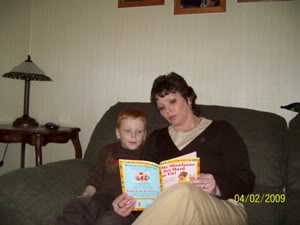 Samuel Fisher Wessels was born on January 19, 2002. He was literally an answer to prayer.
Oh yes, I’d prayed long and hard for little Sam Wessels. I wanted so badly to have a child, and I wanted just as badly for my husband to have a son. Quite frankly, neither of us was getting any younger.
After nearly two years of praying unremittingly, it happened.
We were going to be granted our wish for a child! I then prayed for my child every single day, “Please Lord keep him safe….Please Lord protect him. Please Lord keep him well…Please Lord let everything be okay.” One day, on bended knee, I even went so far as to pray for the son that I knew the man I loved more than life wanted so badly! I continued to pray, “Please Lord….”
When we learned our desire was about to be honored, I knew the name our son must have, Samuel. Ah yes, nothing else would do. Samuel from I Samuel 1:20, “…that she bare a son, and called him Samuel, saying, ‘Because I have asked him of the LORD.”
I loved being pregnant, absolutely adored it! It was quite possibly one of the happiest times in my entire life. I loved having that life growing inside me. I loved the anticipation. I loved the responsibility of caring for someone more than I cared for myself. I loved that he was a part of me.
When Samuel was born ten weeks premature, I was scarcely afraid. Oh yes, I was concerned and anxious, but I honestly felt comfortable that all would be well. I even joked at how badly I felt for little Samuel. “Poor kid he’s going to be just like his mother, has to do everything the hard way.” Little did I know….
We worked very hard for the next six weeks. The hospital had many milestones and stipulations which had to be met by both mother and father as well as baby, before baby Sam was allowed to accompany us home. I visited him every day without fail. We followed the rules to the “T”. All we wanted was for our beautiful little redheaded boy to come home, my little copper top. He weighed all of 3 lbs. 3 oz. when he made his hasty debut into this world, but he thrived! So much so, that his doctor told his hometown pediatrician he was doing “remarkably well” when he called to inquire.
Having spent the past forty days and nights in the NICU, having met all the stipulations and required milestones, little Samuel Wessels was allowed to come home! He was so beautiful! Still is! It was February 28, 2002.
We are fortunate here in Iowa, the state offers to assist parents of premature babies until the age of two, at which time they expect they will have caught up to their peers. As a result, Sam was afforded many state services. A nurse came to our home periodically; they tracked his development and kept us armed with any and all pertinent information on raising a healthy child. Sam continued to do well. He was developmentally delayed by exactly two months which was to be expected. We continued to work hard, especially little Samuel.
As a matter of fact, he had done so well, he had been discharged from nearly all of his state services, all but one. I’ll never forget how disappointed the Sioux Valley Children’s Specialty Clinic doctor evaluating Samuel was when I seemed less than enthusiastic that Sam was being discharged from their care for having met their developmental criteria.
It wasn’t that I wasn’t happy for Sam, I was. It was simply that I wasn’t surprised. Like I said, he had already been discharged from his other residual services, including his Early Intervention Educational program. His Health Families’ nurse agreed to continue only because I begged her to, and she too felt it was in Samuel’s best interest to have some professional support until he actually turned two.
As the two year mark approached, it was becoming apparent that something was not quite right. He had lost the few words he had spoken, he became irritated and agitated; we didn’t know what he wanted or how to console him. He seemed indifferent. And there was something new….he flapped his hands, walked on his toes and paced almost nonstop!
As we sat at the kitchen table one day, I inquired of his Healthy Families’ nurse when he began to flap his hands, “What do you think about that?”
“I’m not sure,” she replied, “What do you think of it? Does he do it a lot? Is it something new? Is it something he maybe learned at day care and is mimicking?”
I started, “I….I…I don’t know.”
“It’s okay, you can tell me,” she continued, “I know you’re thinking something, what is it?”
I took a deep breath, “I don’t know why but for some reason it makes me think of autism,” I confessed. And it was true; I had no idea why his hand flapping caused me to think that. I knew relatively nothing about autism. I had had minuscule exposure to the condition but that is what I thought of, nonetheless.
She began to ask me more detailed questions, “Does he still have the same words he had when we visited last month? Has he added any new words? He has lost language? How many words does he have now? How long has it been since you heard him use them? Does he respond to his name? How is his sleeping? What else have you noticed? Would you mind going to Spencer for an MChat?” I began to realize, she was suspect of autism too. Sam was just twenty-two months old.
Of course, we went to Spencer, to one of our state’s hospitals. We saw the same nurse practitioner who’d been following Sam since he’d come home to us. We did an eval and an MChat. I recall her telling me how he wasn’t closing the developmental gap. I recollect her commenting on how he had been closing the gap but that currently it was widening rather than continuing to close.
I remember taking the defensive and asking her if they realistically expected them to catch up miraculously at two simply because they have now turned two, and asked how it was that he could have been doing so well that all of his previous services had discharged him only to find that a few months later he was falling behind. He wasn’t only falling, he was now spiraling downward! I remember the concern in her face and the compassion in her eyes. She was very gracious and understanding. Sam was now two years, ten days old.
It seemed as though time had stopped. Everyone at work asked how Samuels’s appointment went; not knowing it was anything but routine. Of course they’d ask; he’d always done so well! I told them we were in a bit of shock, telling them, “They think Samuel may have autism.”
Exactly one week later, Spencer called with the results. Barb, the nurse practitioner, called us herself. She told me that the results of the MChat came back as significant.
“Significant? Significant for what?” I inquire, “Delays? Developmental delays?” There is an enormous pause; the silence was deafening!
“No, for autism.”
She wanted to know what we wanted to do next. My mind was spinning! “We are not qualified here to give that kind of diagnosis. You can come back in three months and we can evaluate him again, you can go to AEA (Area Education Agency) in Sioux Center and have him reevaluated in three months or we can send AEA to your home. Which do you prefer?”
“I guess it would be best if they could come here,” I suggested.
This is the first time that my husband and I really began to research autism. We turned to the Internet. Absolutely everything I read says that early intervention is the best chance for a better long-term outcome when it comes to autism. I began to wonder why we’ve been asked to wait an additional three months to repeat the same eval by someone still not qualified to give us a diagnosis. Either it is or it isn’t; I wanted to know! We were wasting precious time! So I got on my soapbox. I wanted a referral.
We visited Sam’s pediatrician a few days later and he tells me that he has patients with autism. He’s seen autism in his practice and in his opinion, Samuel does not have autism. I asked him about his language. “Boys are often slower to talk. He’ll catch up,” is the response he offered.
“What about that?” I asked. Sam was pacing around the exam room on his tip toes, flapping his hands.
“So. So what? I’ve seen plenty of other kids do that. He’ll outgrow it. I wouldn’t be concerned.” Our doctor seemed so certain.
“But he does it all the time,” I countered. “He doesn’t respond to his name. What about that? I know he can hear, he doesn’t respond to us.”
“Samuel. Samuel. Samuel! He’s going to ignore me now,” he insisted.
“He does that all the time, too.” I was weary by that point. “What about Barb in Spencer and Melissa from Healthy Families? Their tests show he is ‘significant’ for autism. Can’t we at least get a referral to someone who can evaluate him?” Now, I insisted and he agreee; however, a week later, we still had no referral. I called Melissa, who joined me on my soapbox! She concurred; either he has autism or he doesn’t and the sooner we can find out, the better.
In the mean time, I called around and found out exactly who WAS qualified to give a diagnosis such as autism. There was one doctor and his assistant within a 150 mile radius, so I called her clinic. Her receptionist informed me that it will take four to six months for an appointment without a referral. I called her office directly and got the answering machine. Sobbing uncontrollably into the phone, I begged her to “Please help me help my son.” No one returned my call.
Melissa did eventually get me a referral. She is a wonderful person to have in your corner! Because of a cancellation, we got an appointment for six weeks later.
As the weeks passed, we continued to search for answers via the net. We convinced ourselves our son didn’t have autism. He was loving after all. He didn’t bang his head, scratch, bite, wasn’t aggressive at all. He was just different, that’s all, just different. When they called two weeks prior to appointment day to confirm, I told them we didn’t want to waste anybody’s time when another family could perhaps put that time to better use. Fortunately for Sam, the hospital’s social worker convinced me that it would be best to know for certain and that finding out one way or the other couldn’t possibly be a waste of anyone’s time.
I’ll never forget that day. I try sometimes, but it is etched in my memory forever! It was March 25, 2004. Samuel Fisher Wessels was twenty-six months old. The room was filled with an entire team of evaluators, each doing their part of the evaluation. They kept both Sam and I very busy! There was a two way mirror in the room and we were told we would be observed as we underwent the process.
The entire evaluation took about an hour and a half. The doctor couldn’t get over what an ordeal it was for me to get to this point, to an actual team qualified to evaluate my son. She couldn’t believe the process was so brutal. Then I confessed to being the mom who called and left the message on her answering machine. I couldn’t help but wonder if she remembers and wondered what she must think of me.
The team of professionals left the room to discuss their results. They were gone about a half an hour, although it seemed like an eternity. When they returned, Ms. Mork informed me, “We have your diagnosis; it is autism.”
I tried with every essence of my being to choke back the tears and maintain my composure. I managed to ask, “So now what?”
“So now you need to go out and educate yourself on your son’s condition,” is what I was told. Something about at least one hour of speech three times a week, an OT and a PT eval to see what he qualifies for and blah….blah…blah…I was having a difficult time absorbing anything more.
I stood there in disbelief. So now I need to go out and educate myself on son’s condition. Is she serious? That’s it? Are they serious? Sadly, they were.
The first book I read was a loaner from our local Area Education Agency. It took me more than three months to read it. It was full of medical terminology I didn’t understand and many of the words had to be looked up on the computer as they were medical terms not in my dictionary. It was awful.
I was very depressed because I felt like I didn’t know how to help my son. I felt him slipping further and further away and I didn’t know were he was going. It was a helpless feeling because I didn’t know what to do. It was a very painful time. I cried a lot! I was often angry at our situation and I barely slept. All I could think was, but what about Samuel? What will become of my precious Samuel?
If I could change only one thing about autism today, it would be this: that it wouldn’t take parents so long to get the help their child needs and deserves; after pushing and prodding to get an eval only to be turned loose; alone, forlorn, terrified and bewildered, not knowing where to turn. I understand that in some areas this has gotten better, but in many areas of this vast nation, we’ve got a long way to go.
I, of course, did come to realize that it was up to me to pull myself up, put myself back together, and help my son, because no one else was going to! He needed me and I was not about to fail him.
Since then, we’ve been through the gamut of experiences, therapies and medications. We’ve found that melatonin is very effective for Sam for his sleeplessness. It has actually been a Godsend. We tried Metadate CD (time released Ritalin) when Sam was only four and a half. It had quite the opposite effect from what was intended. We nearly lost our little boy altogether! The sparkle in his eye was gone; he was no longer my incessantly chattering, clever and inquisitive little boy. He seemed as if to all but disappear.
On two different occasions, when trying to accommodate his difficulties in school, he had been prescribed Prozac and Strattera respectively. He was five. I nearly came unglued! It irritated me that they so eagerly reach for psychotropic meds for our small children rather than commit to them the extra time and one on one attention they require to learn and function in the classroom. Does medication have its place? Of course, but it is not the quick-fix, cure-all they’d sometimes have us believe it is.
We’ve had our educational and insurance battles as well. Sam’s mom’s a fighter, like Sam. I’ll not easily forget the time the President’s office called me concerning an Early Access educational dispute I’d written to him about. What made it especially interesting was the fact that the speech pathologist was here, in our home, when I received the call. She couldn’t help but notice as my jaw hit the floor.
We had been battling the system to obtain more speech services for Sam at the time, as our insurance wouldn’t cover private speech sessions. We couldn’t afford $105 for 15 minute sessions with a half an hour minimum. I wrote to our Governor about that one. His office did conduct an inquiry but had no jurisdiction over the private sector.
We’ve done Occupational Therapy, Physical Therapy, Speech and Discrete Trial. We’ve spent thousands of hours on the road going to and from each one. There have been many we would like to try but haven’t the funds, or they are simply not available to us in our area, which breaks my heart! You’d think you’d grow accustomed to hearing; “I’m sorry but I don’t know how to help your son, we can’t help your son, or we can help your son, but you can’t afford it.” But you don’t; you don’t ever grow a thick enough skin to accept that as satisfactory. So, I continue to write my elected officials and see them in person every chance I get. I’ve acquired an entire drawer full of responses from them.
We’ve tried a variety of bio-meds. Many different biomedical approaches; some have actually had adverse effects, while others have had none at all. I’ve never felt comfortable enough in what I’m doing with the biomedical approach to do it for very long.
Like so many other parents, I’ve grown weary of knowing Sam has a system which is unique from that of most of us. I know he has underlying medical issues and sensitivities. I’ve grown frustrated with mainstream medical doctors looking at me as though I have two heads when I try to discuss it with them. It disgusts me even more when they patronize me and tell me they will at least order the testing and the labs only to never hear from them again.
It’s exhausting trying to educate each of them one by one; doctors, nurses, teachers, aides, principals, relatives, neighbors, clerks, etc….about autism. I wish there were an easier way. I wish we could educate the masses.
I guess you could say there is A LOT I’d like to change about the realities of autism. It angers me that they’ve neglected to take autism seriously, to the point that is currently an epidemic! It infuriates me that so many of our children are now adults or nearing adulthood with nowhere to go and very little in the way of a support system. I am sickened to think of how their parents must feel. I am nearly consumed with grief when I think of how many parents have traveled this same journey before us, only to have their concerns fall on deaf ears, or worse…
I try to turn my anger into productivity. I am very proactive when it comes to my son and autism. I was appalled to discover how little was known about autism, how little funding has been allocated to autism and that, at the time, one in 166 children had autism. One in 166 is now one in 150. I fight for Sam’s rights and the rights of all the others on a regular basis.
Currently, Sam is in the first grade with a one on one aide, his “helper”, as he lovingly refers to her. With the extra help and attention he requires, that his autism requires, he is holding his own, keeping up with his peers and even learning to read. He is happy and well adjusted. He loves and he is loved, by many! That alone speaks volumes of his progress.
In looking back, knowing what I know now, I can honestly say the only thing I’d do differently is the vaccines. Do I know conclusively that vaccines caused my son’s autism? No, I do not. Do I think it is a possibility? Absolutely, I do! A very real and distinct possibility. What I’d like to have is to have been given the opportunity to decide for myself which vaccines were necessary and which carried entirely too much risk.
I’d like to have not been made to feel as though I had to choose between the flu shot and my job while I was carrying my son, after trying to refuse it not only once, but twice! I’d like to have been given a choice and a say in the matter. I’d like for the hospital to have felt as I do that an entire month before due date seems awfully early for babies’ first immunizations. I’d like to have at least been given the peace of mind in knowing that his autism was not caused by vaccines, because I would have opted to wait and see before allowing him to be vaccinated. Or even better, I’d like to have afforded my son NO autism because I refused to trust the status quo.
I can’t say what the future holds for my little Sam Wessels. I do know that I am going to leave no stone unturned, I am not going to accept no for an answer when it comes to helping him or finding answers, and I AM going to keep fighting the good fight for him and all the others like him!
Related reading:
Autism: 10 Strategies for Implementing Diet Changes
Dr. Nicole Sundene, NMD is a licensed Naturopathic Medical Doctor at Fountain Hills Naturopathic Medicine 16719 E Palisades Blvd, Suite 205, Fountain Hills, AZ 85268.She believes we should utilize natural medicines to treat the root cause of disease rather than just treating symptoms, as symptoms are a message of imbalance sent from the body and will persist until they are properly addressed.
For appointments please visit http://FHnaturopathic.com for more information about Naturopathic Medicine services.
©KitchenTableMedicine.com, LLC ™
Zen To Done
April 23, 2009 by Kitchen Table Medicine
Filed under Bobbie Laing, Kitchen Sink
 By Bobbie Laing
Does your life need some reorganization? If you are like me, the answer is probably yes.
Americans are some of the most “stressed” people in our world today. We work hard, play hard, and fill our schedules full from the time we hit the floor in the morning until we tumble into bed at night.
Even our children are rushing to get things done. They have school, soccer practice, band, piano lessons, homework, and any number of other obligations that seem to grow as the years go by.
It is no wonder that we are stressed.
It is a wonder, however, that we ever get it all done. As the technological revolution exploded, our lives became more complicated.
Computers allow us to work virtually anywhere. You may have an office at work, but if you are like many people today, you also have one at home. There are multiple “inboxes” to check; voicemail, email, and “snail-mail” (a new term brought about in recent years to refer to the actual “paper” mail we find in the actual “mailbox” in front of our home).
Between multiple inboxes, calendars, and to-do lists, it gets difficult to remember where things are and what needs to be done. I make lists for just about everything. The problem is that these lists are everywhere: on the kitchen counter, my desk, the bedroom and even in my purse.
When I see one of my to-do lists and begin the task, I will get partway in and see another job that needs to be done, and off I go to the next task without having completed the one I started. Sound familiar? What I wanted was a plan; a simple, easy to follow plan that would help me get my life more organized.
“Much of the stress that people feel doesn’t come from having too much to do. It comes from not finishing what they’ve started.” - David Allen
 In Leo Babauta’s book, Zen To Done, you will find a comprehensive plan for “getting it all together”. The information presented is easy to follow and simple to implement. As the author himself states in the beginning of the book, the Zen To Done plan is a set of 10 habits that will help you get organized, simplify your life, get things under control, and actually get things done.
“Too often ideas pop into our heads, mail comes into our homes, paperwork comes onto our desks, phone numbers and appointments are given to us while we’re on the go … and they disappear or are forgotten or are relegated to a dusty drawer, never to be seen again.
The problem is that we have no system for collecting all of the information and papers and emails coming into our lives, and keeping them organized in a systematic way.” - Leo Babauta
My favorite section is the one entitled, “Minimal ZTD — the simpler alternative”. This brings the ten-habit plan down to just four. All that is necessary for this one is a pen and a small notebook. The habits are, Collect, Process, Plan, and Do. Whichever plan you prefer, the Zen To Done program is full of helpful advice to get you on your way.
More “Book Club” Book Reviews:
Dr. Nicole Sundene, NMD is a licensed Naturopathic Medical Doctor at Fountain Hills Naturopathic Medicine 16719 E Palisades Blvd, Suite 205, Fountain Hills, AZ 85268.She believes we should utilize natural medicines to treat the root cause of disease rather than just treating symptoms, as symptoms are a message of imbalance sent from the body and will persist until they are properly addressed.
For appointments please visit http://FHnaturopathic.com for more information about Naturopathic Medicine services.
©KitchenTableMedicine.com, LLC ™
Autism: Marin’s Personal Story
April 23, 2009 by Kitchen Table Medicine
Filed under Autism, Guest Posts, Kitchen Sink
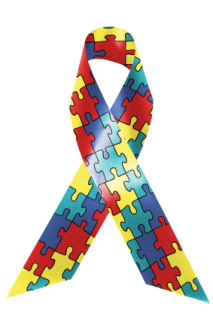
By Marin
I was born healthy in NYC and at that time, nobody knew that there was anything different. However, when I was a toddler, I wasn’t walking or talking, nor did I hit any of the usual developmental milestones.
I don’t remember any of this obviously, but my mom tells me. She kept taking me to different doctors (a speech therapist, a neurologist, a physical therapist, etc.) to try getting answers and they all told her that I’d most likely never learn to do anything and wouldn’t be able to go to school.
There were so many times she would cry because she was scared and confused, so friends and family would rally around her and give her strength to do what was needed.
A breakthrough came when I learned sign language, which was either before or during my time at St. Agnes, a special school for disabled children. My mom told me about the time when she put me in the bath and I signed that the water was too hot; then she burst into tears because she could have placed me into baths that were too hot for years, but never knew.
I think I had a lack of self-awareness in the past which prevented me from communicating…so it wasn’t like I couldn’t, but that I never knew how. The understanding was there; it was just locked away until I learned how to access it. Anyway, when I was older, I attended special-ed in Thomas Jefferson Elementary until we moved to Scarsdale, NY, and then I attended Seely Place Elementary.
I made my first friends there and we ended up going to high school together. To this day, I am grateful to the girls from Seely, as well as those from the other elementary school, Greenville, for accepting and supporting me through the years. I loved being at school because my intellect thrived even though I was socially awkward and always felt like an invisible wall separated me from the other kids.
The teachers loved me because I was such a diligent student and my mom made it clear at every PTA meeting that she would not tolerate slip-ups or misunderstandings from them…I think a lot of them were terrified of her! She was like a lioness protecting her cubs. When I was a teenager going through the wonders and hell of puberty, I experienced emotional upheaval and depression due to hormonal imbalances as well as life circumstances, specifically having to do with my self-destructive father.
I idolized him and he hid his shortcomings well for a long time, until he allowed his mental illness to destroy him from the inside out. My only “role model” at the time had betrayed me, so who could I trust? Bitterness consumed me and I blamed my family for not understanding me and not helping me.
There were terrible things I had done during those times that took me years to recover from…I don’t know which was worse, the intense despair and anger, or the haunting guilt that followed every time I thought about the ones I hurt, especially my mom, who’d never given up on me.
One day, I had a panic attack at school during my sister’s lunch hour and she displayed amazing mercy by coming to my aide. That’s when I realized she wasn’t the enemy. If anything, she admired me (and still does) and wrote essays about me that I never even knew about. Now she and I are tight. I went on an anti-anxiety/anti-depression medication called Paxil for about 5 months until I’d emotionally and mentally stabilized.
When I was about 18, I was diagnosed with Asperger’s Syndrome, a high-functioning form of autism and my mom and I researched it together. It was amazing to finally understand why I am the way I am, and to know that there are communities of people who went through similar things and think the way I do.
I graduated from mainstream high school and sang “The Star Spangled Banner” at the ceremony with two other friends. I remember the tears of joy running down my mom’s face, as she no doubt remembered those ignorant doctors telling her to basically give up on me. After graduation, I attended a 3-year program for learning-disabled adults at the New York Institute of Technology out on Long Island and made new friends.
I’m still close to many of them to this day. After that, I moved to an apartment and have been living in it for 5 years. I also have a step-dad named Alan, who my mom married in 2000, and I call him my “partner in lunacy” since we act goony around each other. He tells me stories that he doesn’t even tell my mom because she would think they’re stupid or gross, but he knows I’d crack up at them!
Also, in 2004, I decided to become a Christian (my family is Jewish) because I needed spiritual guidance and redemption that only Christ could give me. It gave me an opportunity to share my life with a community of accepting and fun people, who would love me because of my differences rather than in spite of them. I love them, my friends, and my family who’ve all made such a profound difference in my life.
Would medication have helped?
If a “vaccine” or meds for autism were to come out, I’d give it a shot (pun intended, haha!) just to see if anything dramatic would happen…actually that’s what scares me. I’m afraid that these things would mess up my brain and take away my personality and strengths, as well as my weaknesses. If someone is willing to take that risk, then God bless them, but I don’t know if I would.
Asperger’s isn’t a disease that can or even should be cured…it’s part of who I am as a person. Don’t I have a right to be happy and fulfilled exactly as I am? I know people may think that my limitations get in the way of doing better for myself, but the fact is, I’ve already overcome so much and will continue to do so. People should have more faith in me.
I even tried that gluten-free/casein-free diet that everybody raves about as a “cure” for autism, for about a month, but it was just too difficult (the GFCF waffles and pizza were delicious though!). My mom has regrets about not introducing the diet when I was a child because then I’d have accepted it. I guess that makes sense. I don’t want to look back at the past any more and I don’t like “What if’s”, since they are useless, so the only thing I can change is what I do now. Besides, I always thought laughter really was the best medicine!
Do you have a message for society?
Try to love one another and learn about the differences that make each person beautiful and special. You might learn something new! Don’t take life too seriously and don’t be afraid to be who you are.
God bless!
~Marin
Related reading:
Autism: 10 Strategies for Implementing Diet Changes
Dr. Nicole Sundene, NMD is a licensed Naturopathic Medical Doctor at Fountain Hills Naturopathic Medicine 16719 E Palisades Blvd, Suite 205, Fountain Hills, AZ 85268.She believes we should utilize natural medicines to treat the root cause of disease rather than just treating symptoms, as symptoms are a message of imbalance sent from the body and will persist until they are properly addressed.
For appointments please visit http://FHnaturopathic.com for more information about Naturopathic Medicine services.
©KitchenTableMedicine.com, LLC ™
Autism Treatment Center of America: The Son-Rise Program
April 23, 2009 by Kitchen Table Medicine
Filed under Autism, Guest Posts, Kitchen Sink
 Autism Treatment Center of America: The Son-Rise Program
Parents and others who care for and work with children with special needs will find The Autism Treatment Center of America to be a breath of fresh air. Located in Sheffield, Massachusetts at The Option Institute, the program is designed to support and inspire adults as well as the children.
The staff receives extensive one-on-one, observed (through a one-way mirror), training with children having a variety of challenges. Parents and others who attend their programs are also trained in the basic principles as outlined in the book Son-Rise. The program originated in 1974 from Bears and Samahria Kaufman’s successful efforts to reach out to their son Raun (now the CEO of the organization).
In this video of various staff members working with children using the Son-Rise method, notice that the program is flexible to meet the individual needs of the child. The child’s inner motivations are used as bridges for connections and opportunities to encourage the next developmental steps.
Some Key Features Include:
*Joining the child in exclusive behaviors to learn about him/her and building a trusting relationship.
*Encouraging the child to make eye-contact, develop language skills, and learn to attend and be comfortable with people.
*Sincerely celebrating the child with energy, excitement and enthusiasm.
* Embracing the parents as the child’s primary advocates and most significant relationships.
*Training and encouraging the parents to work with their child as much as possible.
*Providing guidelines on creating a specially designed play room or specialized learning environment to minimize distractions and make it easier for the child to connect with people.
* Believing that there are NO limits to your child’s potential to learn and grow.
*Helping parents develop an un-waiving attitude regarding their abilities to support their child.
Various levels of support and programs are offered and can be reviewed online. Son-Rise also offers a free inspirational DVD detailing the stories of three different families, and they offer a free 25 minute consultation and other start-up packages. If you are interested in becoming a certified Son-Rise Child Facilitator, professional training is available.
Make a donation to offer hope for families and these amazing children. Donations are tax-deductible.
Author: Tara McClintick is an Early Childhood/Special Education teacher as well as a Son-Rise mom. A great deal of Tara’s 20+ years experience has been working one on one with her youngest son, Jake, who was diagnosed with severe autism shortly after his first birthday.
Jake is now 13 and together they continue the journey towards learning and recovery through nutritional and natural methods. Tara also creates fun, unique picture books for kids using real-life scenes and images www.BooksByTara.com.
Dr. Nicole Sundene, NMD is a licensed Naturopathic Medical Doctor at Fountain Hills Naturopathic Medicine 16719 E Palisades Blvd, Suite 205, Fountain Hills, AZ 85268.She believes we should utilize natural medicines to treat the root cause of disease rather than just treating symptoms, as symptoms are a message of imbalance sent from the body and will persist until they are properly addressed.
For appointments please visit http://FHnaturopathic.com for more information about Naturopathic Medicine services.
©KitchenTableMedicine.com, LLC ™
Son-Rise Book Review
April 21, 2009 by Kitchen Table Medicine
Filed under Autism
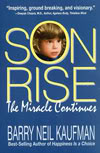
Son-Rise is the true story of Raun Kaufman who, as a child, displayed all the symptoms of and was diagnosed with severe autism.
“Bears” and Samahria Kaufman had two daughters prior to the birth of Raun, and had been learning how to explore their beliefs to become happier people. The Option Process is the gentle self-exploration tool they used to uncover the beliefs fueling their discomforts and fears.
As Raun approached his first birthday, he appeared to be profoundly autistic in every way. He was unresponsive, would go limp when held, and spent a great deal of time spinning objects. He acted both deaf and blind, and rocked or stared in silence for hours on end. Seeking answers from the doctors, the Kaufmans were told there was nothing that could be done to help Raun. He had autism and there was no hope for improvement. They were told to institutionalize Raun and concentrate on their daughters.
The Kaufmans decided instead to use this experience as an opportunity. They applied the Option Process to let go of their discomforts, fears, and assumptions. They enthusiastically attempted to connect with their son. They happily created an intense home program in which they compassionately reached out to Raun by spending time with him and joining his world. Starting with the first thrills of eye contact, to sounds, to words, Raun emerged little by little out of autism.
This miraculous story is a testimony of the power that love can have when made tangible through actions. It shows how tapping into our inner beliefs can help us create profound changes in our daily choices. The Kaufmans were told that Raun’s condition was horrible and beyond hope. The Kaufmans decided to instead believe that their child was amazing, beautiful, and doing the best he could. Then they decided to actively reach out to Raun and connect in ways that would demonstrate their love and respect.
Having a child with severe challenges myself, this book changed my life. Son-Rise shows how we are not victims of our circumstances. It shows us the benefits of tapping into our inner power to decide how we will respond to the events in our lives. I found it encouraging, enlightening, and practical for creating wondrous changes in my own attitude and life. The message is way beyond a “how I helped my kid” story. It also clearly portrays how Raun came into their lives and blessed them.
The Kaufmans found Raun’s emergence to be such a powerful experience that they now teach other people about The Option Process in Sheffield, Massachusetts at the Option Institute. A large portion of their programming is teaching other parents (and others who work with children) how to create a Son-Rise program at The Autism Treatment Center of America.
Raun, now the CEO, is currently speaking at Autism Conferences around America.
Related Books by Barry Neil Kaufman: A Miracle to Believe In, Happiness is a Choice.
Author: Tara McClintick is an Early Childhood/Special Education teacher as well as a Son-Rise mom. A great deal of Tara’s 20+ years experience has been working one on one with her youngest son, Jake, who was diagnosed with severe autism shortly after his first birthday.
Jake is now 13 and together they continue the journey towards learning and recovery through nutritional and natural methods. Tara also creates fun, unique picture books for kids using real-life scenes and images www.BooksByTara.com.
Related reading:
Autism: 10 Strategies for Implementing Diet Changes
Dr. Nicole Sundene, NMD is a licensed Naturopathic Medical Doctor at Fountain Hills Naturopathic Medicine 16719 E Palisades Blvd, Suite 205, Fountain Hills, AZ 85268.She believes we should utilize natural medicines to treat the root cause of disease rather than just treating symptoms, as symptoms are a message of imbalance sent from the body and will persist until they are properly addressed.
For appointments please visit http://FHnaturopathic.com for more information about Naturopathic Medicine services.
©KitchenTableMedicine.com, LLC ™
Autism: Gretchen Wilson & Sean Ashley’s Story
April 17, 2009 by Kitchen Table Medicine
Filed under Allergies, Autism, Guest Posts, Kitchen Sink
 By Gretchen Wilson
When my grandson was four years old, we went through a very difficult time. He is both autistic and blind, and I really thought placement in a foster home would help me to care for him and keep him safe while I dealt with a few situations. Unfortunately I was wrong. In foster care, he was neglected. He looked like a starving war orphan with a distended belly - he was chubby before.
So I took pictures, went to the judge, and he had Sean at the courthouse within two hours and I was able to take him home. The attorney advised me to put Sean in a state institution, stating that I was young and needed a life of my own. Sean’s case worker said that she was placing him in a state institution because he was a vegetable, that he did not talk, and threw fits. I told her “over my dead body”.
When Sean was small, he had tactile issues and ate mostly bread type foods. He now eats almost everything. He loves milk a lot, but would never drink water. I started mixing whole milk with water, just to get some water into him. Once, I accidentally bought 2% milk and he would not touch it, even with no water in it. He would make an angry sound and shove it away.
To help him with his memory skills, I would sing songs and then leave a blank for Sean to fill in. He knew every word I left blank!!! I also used a drum beat to modulate his language. I would put his hand over my mouth so that he could feel how I said the words.
In fact, he still loves to do that, even at 29 years old, especially when we are in the car. Sean has enough language now to let one know just about everything he wants and has a great memory. His mobility skills are great; it’s like he has a sensory antenna in his head.
I founded The Sean Ashley House in 1994 so that I could be assured that he would always have a happy, loving and safe environment, even when I could no longer care for him. He now thinks his last name is House. If someone says “Sean Ashley”, he adds the “House”.
When I founded the House, I made sure to offer the services that autistic children need. He now loves swimming, music, horse riding therapy, dancing, using the treadmill… and I could go on. He loves to go up and down my stairs, and the minute he gets into my car, he doesn’t stop saying “hamburger” until we finally stop to get one.
Now when I bring him home for weekends, after about 24 hours, he starts saying “Sean Ashley House.” This makes me feel so very good that he loves his home. I’m at peace now when I think about what will happen to him when I can’t take care of him any longer.
Everyone, even the court system and social workers, needs to be educated on autism!!!!
Related reading:
Autism Awareness Month
Autism: 10 Strategies for Implementing Diet Changes
The Autism Diet Connection
Autism: 10 Tips for Everyone
Autism: A Brain Under Attack
Read more stories in the Autism Category
Dr. Nicole Sundene, NMD is a licensed Naturopathic Medical Doctor at Fountain Hills Naturopathic Medicine 16719 E Palisades Blvd, Suite 205, Fountain Hills, AZ 85268.She believes we should utilize natural medicines to treat the root cause of disease rather than just treating symptoms, as symptoms are a message of imbalance sent from the body and will persist until they are properly addressed.
For appointments please visit http://FHnaturopathic.com for more information about Naturopathic Medicine services.
©KitchenTableMedicine.com, LLC ™
Autism: Debi’s Story
April 17, 2009 by Kitchen Table Medicine
Filed under Autism, Guest Posts, Kitchen Sink
 By Debi Tyree Haney
I had a normal pregnancy with my second daughter, the only exception being that I was diagnosed with gestational diabetes at week 34 of pregnancy. In July of 1999 I gave birth to a 7lb, 13oz baby girl named Allie. For the entire 9 months following her birth, she cooed, babbled, reached out, and made all her major developmental milestones within appropriate time frames.
At 9 months old she contracted chicken pox. Two weeks after the onset of her illness, while still scabbed over, she was given a hepatitis B vaccine. Within two weeks, she rejected my breasts for nursing, refused all foods but a handful of hard, crunchy, white foods, stopped pulling up to stand, stopped making eye contact, and virtually stopped doing anything but laying on her back with her feet in the air most of the day.
While I made multiple trips to the pediatrician to complain about what she was not doing, each time I was met with excuses and was basically blown off. When I complained at 12 months that she appeared to be blankly staring off into space, the pediatrician asked me if it was getting worse in frequency or length. As a layperson, seeing her do this at all was pretty unsettling.
Unfortunately, again, I was blown off. Finally at 18 months of age, someone at church asked me if we’d had her hearing tested. At that moment, I knew I was no longer just a paranoid parent and called the pediatrician while crying to insist that we test her for something, anything. I even shared my fears that it may be autism, which terrified me. By 18 months, she was beginning to show some of the characteristics of autism that I had read about on the internet; remember, in 2000-20001, there still wasn’t a lot of info on autism and younger infants.
On July 16, 2001, at 23 months old, we received the diagnosis of Autism Spectrum Disorder. Since that time, we have found biomedical treatment to be extremely helpful for Allie. She has lab tests which confirm a plethora of physiological anomalies including gluten sensitivity, markers of mitochondrial disorder, immunological anomalies, gastrointestinal issues, and the list goes on.
Her growth rate stayed at the 50th percentile mark until she was 12 months old and she began to drop off the growth charts. At 9 years-old, she is still below the first percentile in height. She has normal genes, as confirmed by electrophoresis and microarray testing from two different geneticists.
Today, Allie is doing far better but still has a way to go. She is now verbal, and loves to play with her 11 and 6 year-old sisters. Her favorite activities are art, hiding our cats in her bedroom, and playing Super Mario Brothers on her sisters’ Nintendo DS. She’s still saving up her allowance money and/or waiting on her birthday for a DS of her own.
She is essentially on grade level. She reads her Bible independently and talks about God and Jesus. When she’s sick with respiratory or gastrointestinal issues, which is often, she tells me she is dying and tells me what her funeral will be like.
If I could tell society anything, it would be that we have to come together to find the cause of autism, to provide support and treatment for those with autism and their families, and we have to embrace those with autism as valued members of society.
Those with autism deserve quality health care as much as everyone else. Those with autism deserve education as much as their non-disabled peers. Those with autism have a right to live full, independent lives as much as any other adult.
We have to stop arguing about whether or not vaccines cause autism, and accept the fact that there is a large body of evidence showing the possibility they do, and commit ourselves to finding the answer. We need to stop ridiculing those who seek answers. As Dr. Healy, former NIH director, has suggested, we should not be afraid to seek the answers because we fear what we may find.
We have to respect parents who live with autism and the many challenges that can come with it. We need to celebrate with parents for the incredible blessings their child or children with autism bring to this world. Those affected by autism need faith, hope, and love, with the greatest of these being love.
Related reading:
Autism Awareness Month
Autism: 10 Strategies for Implementing Diet Changes
The Autism Diet Connection
Autism: 10 Tips for Everyone
Autism: A Brain Under Attack
Read more stories in the Autism Category
Dr. Nicole Sundene, NMD is a licensed Naturopathic Medical Doctor at Fountain Hills Naturopathic Medicine 16719 E Palisades Blvd, Suite 205, Fountain Hills, AZ 85268.She believes we should utilize natural medicines to treat the root cause of disease rather than just treating symptoms, as symptoms are a message of imbalance sent from the body and will persist until they are properly addressed.
For appointments please visit http://FHnaturopathic.com for more information about Naturopathic Medicine services.
©KitchenTableMedicine.com, LLC ™