Autism: Seth’s Story
April 17, 2009 by Kitchen Table Medicine
Filed under Autism, Guest Posts, Kitchen Sink
My name is Kelly, and I am the very proud mom of a beautiful little boy named Seth. He is seven years old and has Autism.
 Back when I was pregnant with Seth, I never knew that Autism was becoming the most rapidly growing epidemic of our time. Back then, I’m sure it was still around 1 out of 500 or so. Did I ever think that I would be here today, fighting this battle? No, in fact, the only time I had ever heard of autism was when I saw a primetime movie about a young child with autism back in the 80’s. I never in my wildest dreams thought that I would be living out that movie myself. Never did I think I would be in the forefront, fighting for my son.
Firstly, I had a normal pregnancy! I was a single mom, but Seth’s dad and I made the decision to live together and raise Seth, even though we didn’t have a relationship anymore. It was a good decision.
Seth was no ordinary baby and he loved to be loved. I would sing to him or play music to him while giving him a bath. He loved to be held, he smiled, laughed, had the most beautiful blue eyes. We were so proud of him when he began walking on his own at 10 months old, speaking his first words, and reaching his milestones much earlier than normal.
Being good parents, we kept up with his physicals and vaccines. Around 18 months, things started to change. I really noticed big changes around age 2. He spoke, but made no sense; he had bowel issues, he flapped his hands, made us read the same book over and over, ran in circles. He would get up every morning, take the register off of the heating/air duct in the kitchen, stand INSIDE it, and proceed to take out everything and line it all up.
What’s more, he was sick constantly with fevers that seemed to come out of the blue. He developed pneumonia, his ears would drain, and he cried more than usual. Still, I had no idea this raging epidemic that was going on all around us had its latest victim right in front of my face. No clue that it could have been related to his last vaccination.
We moved to a larger house. My oldest son finally got his own room, and Seth got a yard! I thought it would be great! It gave Seth all the room he wanted. He became obsessed with trains. He still talked, but still didn’t make a lot of sense. He just wasn’t where he should be at three years old. It bothered me but his dad would say “oh, he’s just odd, he’ll grow out of it.” I actually remembered that TV movie from 25 years prior, and thought to myself, “Could my son ALSO have autism?” I didn’t want to think about it.
 When Seth was 3 1/2, his dad and I parted ways and I worried about the impact it would have on Seth, but he adjusted quite well. Not long after that, I met a wonderful man. From day one he was on the bandwagon with me. The first time he met Seth, he immediately knew something was amiss; did he have a delay? I said “No, but I think he may have Autism.” He BELIEVED me and encouraged me to have Seth checked. I actually had someone on my side.
When Seth was four, this boy who never said “I love you” walked up to me, put his arms around me and said, “Mommy, I love you.” I looked at Alan, tears in my eyes. This was the first time that my son had said this to me and I’ll never forget it. Alan looked at me and said “That was huge, and you KNOW he meant it.” Still, even with all of the signs, I didn’t have him checked. I should have taken that boy the next day, and the bottom line is that I didn’t. Denial still had its hold on me.
Fast forward a year to kindergarten. Seth had an EXTREMELY rough time adjusting to a new schedule. He cried every morning when I left him. His teacher would send notes home about the troubles he was having. What was I going to do? I knew what was wrong, but didn’t want to admit it to myself. My answer came during parent-teacher conferences about a month after school started.
We talked about Seth, I mean really talked. Then there came a point where I looked into her eyes and she didn’t have to say a thing, her silence said it all. Neither one of us could say the A word, but when I told her that I was going to take him to have him evaluated, she said to me in a very soft voice, “I think that’s a good idea.” I left that room with tears in my eyes for my child.
At his next physical, Seth was sick (once again.) When he had a fever, oddly, he was more coherent - almost normal. So during this visit, when I told his doctor that I thought Seth had Autism and I would like a referral, he looked at me like I was from Mars. He said: “Well, he’s acting fine NOW. Why do you think there’s something wrong with him?” I said “I didn’t say I thought there was something WRONG with him. I said that I think he may have Autism. He’s sick today! See him when he’s NOT sick!” He took my word for it, and referred us to a child psychologist.
This man was absolutely fantastic. He saw us within a week, observed Seth and worked with him. After five days of waiting, he told me what I knew in my heart all along. Seth had Autism. Funny thing is, he never said “I’m sorry, but…”
I like to describe his diagnosis like this: “Here is your son. I’m giving him an Autism Badge, NOT a label. Yes, he will always have it; however, great things lie in store not just for him but for YOU as well, depending on what you do. Now, here’s a sword, a shield, and a suit of armor, you go out of this office a Warrior Mother, go fight the monster and get your son! You make him the best thing he can be!”
ME? I know nothing, and I’m no fighter! Soon, Google became my best friend. I read a ton of books, joined a support group, and made a few friends. I learned to work WITH Seth, not against him, and learned to give him the strength he needs to just be Seth.
Since that day, Seth has blossomed. He still exhibits some signs of Autism, but for the most part he is so much better than he was last year at this time. My fears have been put to rest. This monster isn’t so scary, because a mother’s love for her child is the most powerful force in the universe. Autism may have won a couple of battles, but this mom has won the war.
Related reading:
Autism: 10 Strategies for Implementing Diet Changes
©KitchenTableMedicine.com, LLC ™One Soda Per Day Can Change Your Waistline
March 31, 2009 by Kitchen Table Medicine
Filed under Bonnie Pfiester, Diabetes, Diet Tips, Guest Posts, Kitchen Sink, Sugar
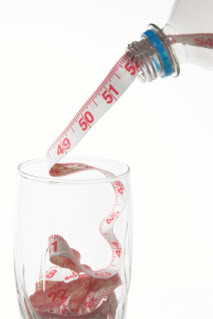 By Bonnie Pfiester Fitness Trainer
America’s obsession with soda has nearly doubled since the early seventies. According to the American Beverage Association, the average American drinks an estimated 54 gallons of soda per year – that’s about 19 ounces of soda per day. The average teenager drinks 31 – 42 ounces of soda a day.
What if I said you could drop 26 pounds if you just drank one less soda a day? It’s true. A regular 20 ounce coke accounts for 250 calories. One coke a day doesn’t sound too bad until you add it up over time and realize it could mean a couple of dress sizes. One soda a day adds up to a whopping 91,000 calories over a year’s time – that’s 26 pounds of fat.
“Liquid candy”, as many dentists call it, often times fall between the cracks when people begin a diet. Sometimes it is more obvious to get rid of unhealthy snacks, like cookies and donuts, and forget about what we drink. The truth is that a small can of coke has more sugar in it than most snacks. Although there are very few of us who would eat 10 teaspoons of sugar, we quickly drink it in just one 12 ounce can of coke.
To help feed America’s infatuation with soda, manufacturers and fast food chains offer more variety and larger sizes than ever before. When coke products first came out, they came in 6 ½ ounce bottles and were considered a treat. Now sodas aren’t special at all but more like a staple in most homes.
Manufactures have kept up with America’s demand for cola. Unfortunately though, more soda means more weight gain. If that wasn’t bad enough, now manufacturers have taken it up a notch introducing a large variety of “energy drinks”. What most people don’t realize is a lot of the “energy” coming from energy drinks comes from high amounts of sugar. Some popular energy drinks contain as much as twenty teaspoons of sugar in one can.
What if you aren’t a coke drinker? You’d be surprised how many calories are in beverages most people would consider healthy. Cranberry juice is just one example of a high-calorie ‘healthy’ pick, having 18 teaspoons of sugar. Other popular juices like orange juice, apple juice and grape juice are actually higher in calories than an equal portion of regular soda.
The bottom line is that you can’t forget how drinks affect your family’s waistline. There is nothing your body wants or needs more than water – especially living in Florida. Water should always be the go-to drink. Not only is it healthier for you, it can actually help improve the way you look.
~Bonnie
Bonnie Pfiester is a Personal Trainer, wife to the famous fitness trainer Steve Pfiester of the reality TV show “Fat March”, and owner of the women’s health club Longevity Fitness.
You can enjoy more of Bonnie’s fitness and beauty articles at www.BonniePfiester.com or here at the kitchen table by visiting the Bonnie Pfiester page.
You are invited to leave your fitness and sports nutrition questions in the comments below for Bonnie to briefly answer or write about in future articles.
©KitchenTableMedicine.com, LLC ™Autism: 10 Strategies for Implementing Diet Changes
March 31, 2009 by Kitchen Table Medicine
Filed under Autism, Guest Posts, Kitchen Sink
Why are food and diet some of the most challenging aspects of raising a child with autism? Make the decision to change the way your child, and perhaps your whole family, is eating and – BAM!!! You seem to hit walls of resistance every which way you turn!
 The walls are so thick that you may even wonder, is this even possible? Is it worth it? If you have answered “no” to those questions before, you are not alone.
I have too. Then I realized that if I ever wanted things to change in the outside world, my inside world must change first. I want to find ways around those walls. Heck, I’d like the walls to come down!
Are you with me? Here are some ideas I’ve found helpful…
1. - Prepare Your Attitude - how you approach any changes you want to make will greatly influence how others will accept it. Be grateful for what you are learning and the new hope it offers! Be enthusiastic about finding and adding nutritious foods that also taste good. Be clear on why you want to create change and embrace the challenge vs. a “poor me” or “poor kid” outlook. The opportunity in front of you is a gift that will enrich not only your child’s life, but yours as well. Believe that you can do this, and so can your child.
2. - Plan a Strategy – Take time to really devise a do-able adjustment period. Figure out which foods will stay and which will be phased out. Introducing new foods before phasing out favorites sometimes works best, but not always. When will be the best time to begin making the changes? Plan a schedule for creating and trying a few new recipes a week. Write out your ideas, sample menus, and goals for implementing changes. Clean out or finish off the items no longer desired in your kitchen, and begin bringing in the new foods.
3. - Prioritize – Fast food and ready made meals have allowed our society to put eating habits on auto-pilot. Conscious planning and food preparing is going to take time, probably time you feel you don’t have. Go on a laundry strike if you have to, unplug the TV for a week or so, whatever it takes! Do not feel guilty or crazy for wanting to prioritize your child’s health. The human body is our true vehicle here on earth, not the automobile. Autism is a complex, sensitive condition. If your car was struggling to function as it was designed, you’d find the time and money to address the issues. Our bodies are even more worthy of attention and care.
4. - Assess Who’s on Board – If your child is not under your care at all times, then you’ll have to discuss your plans with the other people involved. This does not always go over well, as you may already know. Try not to take it personally, the reasons often have more to do with the inconveniences they are afraid of experiencing. They are also simply not as motivated to acknowledge the low quality of the standard American diet.
Consider their situation and help them come up with ideas that they feel would be do-able.If you can not convince another individual to support your efforts, you may have to prioritize and make adjustments in your child’s care. This may sound extreme, but you are only in control of your decisions. Taking a gentle but strong stand is nothing to feel guilty about. Family and social gatherings, etc. may also require adjustments. I have, at times, simply decided it was not worth the temptation or battles. Instead, I chose something more relaxing to do with my son.
5. - Prepare Your Child – This is very important, regardless of how much you think the child can comprehend. A child diagnosed with autism often understands way more than he/she can express. Your attitude, explanations, and loving encouragement can have more of an impact than you might imagine. Excitedly tell your child you are going to be trying new foods to help his/her body feel great! Find or take photos of food options to be able to show your child his/her choices visually if necessary.
If your child has a self-selected, extreme diet of just one or two foods, you will have to be strong as well as clear on your intentions. Have lots of yes choices around. Children can smell a parent waiver, so clean out pity and ambivalence! There is no need to feel bad when your child has plenty of healthy foods to choose from. If you do cave, don’t beat yourself up. You’re human. Laugh, learn and move on.
6. - Be Creative – Have fun with brainstorming ideas and new ways to present foods to your child. Funky plates and bowls, crazy straws, chunks of good stuff on toothpicks, healthy dips, tasty samplings served in an ice cube tray, etc. Make a list of you child’s favorites and brainstorm what it is about those foods that he/she’s so passionate about. For instance, my son loves flavor –sweet, spicy, salty –I call him “spice boy” because he’ll pour and lick spices straight from a plate.
Giving him foods that I can flavor up for him, or let him sprinkle on the spice, sometimes entices him to enjoy things I would have never expected he’d like. If your child won’t eat something, find another way to prepare and/or offer it. Home-made popsicles, juicing, and nutritious smoothies have been some of my most successful approaches toward getting my child to consume vegetables he may not otherwise consider. You know your kid best, so your ideas may be different than anyone else’s.
7. - Give it Time – Persistence, perseverance, and patience are important. We live in a “take a pill” world and expect immediate relief and results. Optimally feeding the body is more like growing a harvest vs. growing weeds. It takes more effort and time, but the results will show up when the time is ripe. The conditions and symptoms of autism can have multiple levels, and the human body is amazingly able to adapt and create homeostasis within the body’s circumstances.
As diet changes, some changes may be noticeable while others may take more time to surface. Think of the process of weight loss. The slow, gradual changes due to exercise and healthy eating may take longer, but the results are more likely to be long-term. Believe that healthier daily eating choices make sense regardless of immediate results. However, if you are NOT seeing any positive results after a 6 month period, you may need to take a different approach. See #8 & 9 for more info.
8. - Keep Learning – The world of healing through nutrition is HUGE and the internet and books are chock full of both accurate and inaccurate information. Most western doctors actually have very little training and/or expertise in this area. Using common sense is also important. Prayer and spiritual guidance can help you guide you through your unique, individual circumstances.Where is the information you are listening to coming from?
I prefer information that is backed-up by healthy human beings, someone who has experienced a significant healing transformation, and/or based on the habits of societies that enjoy longevity and minimum health issues. These, to me, have more credential than isolated studies that try to pin point one teeny factor to prove a point. Human beings and their bodies are simply too complex. Health requires a more holistic approach.

9. - Have Fun Exploring – Cookies can be made with acorn squash – who knew?!? Books and cookbooks, internet searches, and internet groups provide limitless support and ideas for improving one’s health through food. Gluten-free/Casein free, The Feingold Diet, The Body Ecology Diet, The Specific Carbohydrate Diet, The Cave-Man Diet, Nourishing Tradition Diet Principles, all of these have benefited some children immensely and have had little effect on others.
The only way you can find out is through trying. Don’t let the scoffers stop you, hold on to the stories of the try-ers and believers. The ones who found their answers often did not find it on the first attempt. Again here is where persistence, perseverance, and patience have the potential to pay off big time.
10. - Don’t Stress About Infractions - In a world of packaged, convenience, and processed foods, slip ups are going to happen, no matter how well you plan and organize. When you find out, it’s too late to do anything about that infraction so let it go. Focus on changes and parts of your plan that are working. Use the infraction as a learning experience that can help you think of what other adjustments and ideas can be made to prevent future infractions.
Anger and frustration are a wast of your valuable energy. Hand them over to God, and surrender to peace. Don’t fall for the all or nothing lie, either. If you at this time can not possibly do all the diet changes you’d like, start where you can and build. I hope you gain momentum which each blessed day.
Someone once told me that to God, my son (who still shows every symptom of severe autism) is already whole and healed. There is nothing to be fixed. In my heart I believe that is true. But what I see everyday with my eyes is that he is not yet able to function fully within the world as it is now. I explained, and asked if I was contradicting the belief in my heart by trying to help him. The reply was, “Not at all!” I will never forget the next words:
“Like a pearl in an oyster, your son is perfect. Whether within the oyster or brought out and polished for the world to see, to God it makes no difference. He’s still the same perfect pearl. God understands your attempts to reveal his brilliance to the world”
God loves our children regardless, just as we parents do. Believe in your child’s brilliance. Seek ways to share it with the world.
Author: Tara McClintick is an Early Childhood/Special Education teacher as well as a Son-Rise mom. A great deal of Tara’s 20+ years experience has been working one on one with her youngest son, Jake, who was diagnosed with severe autism shortly after his first birthday.
Jake is now 13 and together they continue the journey towards learning and recovery through nutritional and natural methods. Tara also creates fun, unique picture books for kids using real-life scenes and images www.BooksByTara.com.
©KitchenTableMedicine.com, LLC ™Eat Gluten-Free Without Going Broke, Part 3
March 26, 2009 by Kitchen Table Medicine
Filed under Diet Tips, Dr. Selena Eon, Guest Posts, Kitchen Sink, Wheat Free/Gluten Free, Whole Foods Diet

It is handy to be able to purchase GF baked goods ready-made fresh or frozen. I will not try to dispute that. However, for long-term physical and financial health, I maintain that preparing these foods yourself whenever possible is a better choice. You get far more for your money and you choose the ingredients.
A person who does poorly with corn, soy or dairy may have extreme difficulty finding ready-made gluten-free products that are acceptable for them—preparing at home is an optimal choice. If your diet tends to be low in fiber, you can choose higher fiber flours and incorporate nuts, seeds, fruits and vegetables into your baked goods. Home-made foods are also fresher and frequently taste better.
As a resident of the Puget Sound (Seattle) I tend to purchase various flours, mixes and certified gluten-free oats from Bob’s Red Mill as they are located in Oregon. I also use Pamela’s Baking Mixes as they are located in southern British Columbia (Canada). Both manufacturers pay careful attention to ensuring that their products are safe for individuals who need to follow a gluten-free diet. If you are an east-coaster, you might choose manufacturers if buying local is important to you.
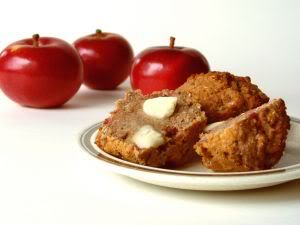 When you cook or bake at home, you get far more food for your money. Depending upon the ingredients you choose, it’s likely that you could bake 24 muffins for what buying 6 would cost. There are some good gluten-free breads on the market, but loaves can cost over $9. Using a gluten-free mix, you can make a loaf at home for $5-6. With practice, a loaf can be made from scratch for approximately $4.
You can make multiple loaves at the same time and freeze slices for reheating later. A large pot of organic lentil soup may cost $8 to prepare and provide up to 20 meals—where a can of lentil soup might provide 2 skimpy servings for $2.79. A large home-made batch of gluten-free meat & vegetable lasagna using mostly organic ingredients may cost $25 to prepare at home and provide 25 generous servings, while purchasing a single frozen serving could cost over $5.
I do purchase ready-made GF baked goods. Please do not get the impression that I am in any way against them! I love that they are available and support producers of these foods whenever possible. But as a budget-conscious consumer, I choose use them sparingly as a convenient part of a healthy diet that focuses on vegetables, fruit, whole grains, legumes and sparing amounts of meat, poultry fish & dairy products.
Related Reading:
Eat Gluten Free Without Going Broke, Part 1
Eat Gluten Free Without Going Broke, Part 2
If you have any questions about celiac disease, you are welcome to ask them in the comments section and they will be addressed in future articles.
Dr. Selena Eon practices in Bellevue, WA and you may contact her at
(206) 228-9537 or visit www.drselenaeon.com
Does Your Doctor Know Your Real Blood Pressure?
March 24, 2009 by Kitchen Table Medicine
Filed under Blood Pressure, Kitchen Sink, Lifestyle Tips

Tips On How To Be In Better Control of Your Blood Pressure Even When You Go to the Doctor
Are you one of those people who rarely go to the doctor? And when you finally make it in for that annual checkup, do you feel a twinge of anxiety? And what’s the first thing that happens? You walk in for your appointment and you wind up sitting for 20 or more minutes in a room full of sick people. Then, when they finally take you back to the cold exam room, the first thing the nurse does is to make you sit on that high uncomfortable exam table with no back support and you can’t even put your feet on the floor.
After you are subjected to this total lack of normalcy, the nurse (or probably even a lesser trained medical assistant) pops a thermometer in your mouth and proceeds to check your blood pressure and pulse. Unless you ask for the results you most likely won’t even be told. Was it high? Should you be worried?
Why Having Your BP Checked Only at the Doctor’s Office is a Problem
Have you ever thought about the fact your blood pressure can vary significantly during the day depending on your level of stress? And stressors can come in many forms, such as…
- Stimulants like a cup of coffee, a can of Mountain Dew, the latest “power drink” or a cigarette
- Maybe you worked all day before your appointment
- Or you failed to have a restful night’s sleep because you were a bit anxious about the appointment
- Someone cut you off in traffic, or you were late because of road construction
- Your boss just told you you’re working Saturday (and you were planning to go fishing)
And what if the person taking your blood pressure is lazy, or hasn’t the necessary training to understand the importance of being accurate… or worse, just doesn’t really care. Think this can’t happen? It certainly can (and does). When I was finishing up my nurse’s training, I was assigned to shadow the nurse in an OB/GYN clinic. Specifically, I was there to learn more about prenatal care. I watched the LPN take one blood pressure after another as these pregnant women came in for their appointments. The blood pressures she wrote down didn’t vary 10 points in the readings. For this to happen with 16 patients is a statistical anomaly. In other words, the likelihood of all these readings being accurate is very slim.
Because these readings were also in the “normal” range, they were unlikely to be checked by the doctor. And in many health care settings, even abnormal readings are rarely rechecked unless there is another reason. This means you could have a blood pressure reading high enough for your doctor to prescribe a medication that isn’t needed by you in a less stressful situation. Or fail to recognize you have a blood pressure that’s abnormal for you.
Stick around to read the conclusion, “How To Know More About Your Blood Pressure Than Your Doctor”
©KitchenTableMedicine.com, LLC ™Panic Away
March 24, 2009 by Kitchen Table Medicine
Filed under Anxiety, Bobbie Laing, Kitchen Sink
 By Bobbie Laing
We all have periods in our lives when the walls seem to be closing in. We have experienced it during a test, at a job interview, in a crowded department store, or simply driving down the road.
Sometimes it is a fear of not “measuring up” to what we believe is “normal”; and sometimes it is just a niggling sense of discomfort from feeling out of control in a certain situation.
Whatever the case may be, it is a familiar feeling. When feelings like this bombard your life on a regular basis, or seem to increase in their intensity, it brings with it a heightened sense of anxiety.
Anxiety is a normal part of life; it warns us when danger is near, it produces a response. “Fight or Flight”. When anxiety begins to take over your life, in everyday situations where there is no “real” danger, you experience, what we in our society call, “Panic Attacks”.
Some symptoms include,
- Dizzy spells leading to panic
- Tightness in throat and chest- shortness of breath
- Racing heart with tingle sensations
- Obsessive worries and unwanted thoughts
- Overwhelming fear that something awful is about to occur
 Barry Joseph McDonagh has developed the Panic Away Program to help people who experience Panic Attacks bring calm back into their lives, and overcome these feelings, using a cognitive behavioral approach, rather than through the use of prescription or over-the-counter drugs.
Whether you use medications or not, this program could prove useful to anyone willing to try the methods laid out.
There are three stages mapped out in the book for dealing with, and overcoming, Panic Attacks.
- Stage one - Eliminating Panic Attacks with “The One Move Technique”
- Stage two - Eliminating General Anxiety
- Stage three - Sealing the recovery
The Author goes into great detail in his description of the various sensations involved during a panic attack; what can cause them, and some helpful tips on how get past them.
Testimonial from the site,
“…This morning, I started getting a tight throat feeling and the swallowing muscles in my throat didn’t seem to be working, well I started getting panicky and headed for the computer. I got panic away onto the screen and I had a great time. MATE this was only about twenty minutes ago, I only got the download two days ago and hadn’t read half of it so far. I have been getting severe panic attacks for about four years now as well as general anxiety, I am thirty-four years old with a wife and three kids, and I work in the construction industry so you can imagine the battle I have had. In the first year a lot of days, I couldn’t even get out of bed, my wife and kids suffered along with me. YOU my friend have already changed my life, you can’t imagine how much in two days and one panic attack you have turned my life around… “
So go visit the site, read the testimonials, and decide for yourself if you think this program is right for you.
©KitchenTableMedicine.com, LLC ™The Sensitive Chef Cookbook
March 19, 2009 by Kitchen Table Medicine
Filed under Allergies, Bobbie Laing, Celiac Disease, Cookbooks, Healthy Recipes, Hypoallergenic Recipes, Peanut free, Recipes, Wheat Free/Gluten Free
 By Bobbie Laing
Living with food allergies can be a frustrating way of life for many people.
In our world of instant everything, from Hamburger Helper to that pre-seasoned chicken that looks so tempting in the frozen isle of the grocery store, it is harder than ever to make healthy choices for our families.
Much less having to factor in what allergens may be lurking inside these foods.
The author’s own experience with severe food allergies and sensitivities, as well as having a daughter with Celiac Disease, led her on this quest to find food that was not just safe for herself and her family, but also delicious.
In the book are everyday recipes, as well as ideas for food on the go when traveling or dining out. She also gives valuable tips on how you may be able to continue to dine at some of your favorite restaurants.
In the introduction to the book, author Sharon D. Morse tells of her sudden and nearly fatal experience with a severe allergic reaction to a tree nut:
A few years ago, I nearly died from anaphylactic shock after ingesting a small piece of a tree nut. That reaction triggered many underlying sensitivities and allergies. I became sensitive to many foods and anaphylactic to peanuts, tree nuts, and other common allergens. Needless to say, I had a long road ahead of me in just trying to figure out what I could and couldn’t eat. After several accidental anaphylactic reactions, I had to be very careful and not take ANY chances with my choice of sustenance.
I have literally spent countless hours in the kitchen, pondering over recipes, creating new recipes, and doing research on food allergies and sensitivities. After hundreds of hours of testing and retesting to make delightfully tasty recipes, it is really a delight to me to make available The Sensitive Chef cookbook.
In The Sensitive Chef Cookbook, you will find delicious alternatives for many of your favorite dishes. This book is a great resource for people with food allergies and other disorders that require that they eliminate many common foods and ingredients from their diet.
The book contains over 100 recipes that are Wheat-Free, Gluten-Free, Nut-Free, and Shellfish-Free, that outshine the competitors with dishes that are even better than their original counterparts.
The recipes include delicious entrees such as Chicken Enchilada Pie, Beefy Stew, and Luscious Lasagna.
Just to name a few! In addition to these, there are some wonderful looking quick breads & muffins, yeast breads, desserts, cookies, & candies as well as Vegetarian recipes like Chow Down Chili Burgers, Hearty Chili Con Queso, Super Beans, and Fresh (Raw) Pasta Sauce.
No matter what allergic or sensitivity issues you face, eating healthy, safe, and delicious food is important to you and your family. Books like The Sensitive Chef Cookbook can make that challenge a little easier.
Contact us if you would like your book considered for our book club.
Also check out our Amazon bookstore for more fantastic healthy book recommendations!
©KitchenTableMedicine.com, LLC ™Eat Gluten-Free Without Going Broke, Part 2
March 17, 2009 by Kitchen Table Medicine
Filed under Allergies, Diet Tips, Dr. Selena Eon, Guest Posts, Wheat Free/Gluten Free, Whole Foods Diet
Healthy diets come in many kinds and depend on the needs & tastes of individual households. Finding a healthy diet that fits you and your family takes trial, error and knowledge.
You may need to consult a health care practitioner for advice. Budget conscious cooking can be an extremely healthful way to feed your family- and even include organic foods.
The secret is to focus on inexpensive, natural, wholesome gluten-free whole foods. A whole food is anything that you could imagine growing, or that you eat all the edible parts of over time (such as a chicken). This reduces the cost of your food and may help you recover from any damage that gluten caused you.
 I encourage individuals and families to frequent farmers markets for extraordinary deals on organic, local produce in the summer and autumn months.
Bumper crops can be frozen or canned for eating later in the year. Purchasing an organic, whole chicken often costs less than the breasts alone!
If you are not used to preparing and eating natural, unprocessed foods, please, be patient with yourself!
It takes time to learn how to cook new foods. It takes time to determine the best way to set up your kitchen as a productive workspace. It takes time for tastes to adjust to a more natural diet. Give your family time to adjust by changing gradually whenever possible. Spend afternoons preparing foods with loved ones.
If you know a great home cook, ask to spend time in their kitchen with them so that you can learn from their expertise. Most cooks are flattered by the attention. Experiment with new flavors and tastes- but gradually. There are many strategies you can use to gradually accustom your family to a new diet. If you need help, seek it!
Once you start eating whole, fresh, naturally gluten-free foods, you are likely to notice that you feel better too. A whole foods diet, prepared at home from fresh, natural foods is also higher in necessary nutrients to keep your body healthy long term. Whole food contains a broader spectrum of health-promoting nutrition than pills.
 But don’t throw out your multi-vitamin or discontinue any supplements that your doctor recommends.
Many people starting on a gluten-free diet need extra, even specialized nutrition to make up for the nutrients that were absorbed poorly, or not at all because of intestinal damage caused by gluten.
It can take months, or even years in severe cases, for your body to heal and gain adequate nutritional status.
Check out the previous article in this series, and keep your eye out for the conclusion of this three part series on saving money while eating gluten-free!
If you have any questions about celiac disease, you are welcome to ask them in the comments section and they will be addressed in future articles.
Dr. Selena Eon practices in Bellevue, WA and you may contact her at
(206) 228-9537 or visit www.drselenaeon.com
Make it a “Gym Date”
March 17, 2009 by Kitchen Table Medicine
Filed under Bonnie Pfiester, Exercise, Guest Posts, Kitchen Sink
By Bonnie Pfiester Fitness Trainer
When you think of going on a date, most people think of going to dinner or a movie. Although there are more creative date ideas, food and entertainment tend to top the list.
 When I began dating Steve, he worked three jobs and went to school. We had to find time to share with each other. He would go to church with me and I’d go to the gym with him. Since working out was something he did every day, the gym was a big part of our date life – and what a great date idea.
First, a gym date is healthy. As stress continues to inhabit our lifestyles, we need to workout more than ever. Busy schedules leave us very little spare time so a gym date kills two birds with one stone, allowing you to spend more time with the love of your life and take care of yourself too.
Second, a gym date is sexy. Dare I say sexy? There is something attractive about a person who takes care of their body. I’m not talking about beautiful looking people wearing tight fitness clothes. I’m simply talking about the attractiveness of someone who is disciplined. Maybe it would be easier to understand the opposite - laziness is unattractive.
In addition, working out makes you feel attractive too. I know I am the most confident and feel the best about myself when I’m working out the most. This type of confidence greatly affects how someone receives and gives love.
Next, a gym date says “I love and support you”. Everyone needs to exercise, but some people may need it more than the others. When you go to the gym together you are telling your spouse you love and support them. The accountability and support of doing it together can speak volumes.
Another important part of gym dating is making couple time without the kids. Since most clubs offer childcare, parents can spend time together as a couple without the worry of getting a sitter. The time you spend in they gym will make you a better spouse and parent.
Lastly a gym date is very affordable. Monthly dues for the entire month equal what most people spend on one dinner date. In today’s economy, an affordable date is a welcomed. If you think about the number of gym dates you could have in a month’s time compared to the equal cost of other dates, you can see there is a lot of bang for the buck.
Now don’t get me wrong, I’m not suggesting you cancel your dinner reservations for Valentines Day so you can hit the gym. What I am suggesting is a gym date is a great date idea with endless benefits.
~Bonnie
Bonnie Pfiester is a Personal Trainer, wife to the famous fitness trainer Steve Pfiester of the reality TV show “Fat March”, and owner of the women’s health club Longevity Fitness.
You can enjoy more of Bonnie’s fitness and beauty articles at www.BonniePfiester.com or here at the kitchen table by visiting the Bonnie Pfiester page.
You are invited to leave your fitness and sports nutrition questions in the comments below for Bonnie to briefly answer or write about in future articles.
©KitchenTableMedicine.com, LLC ™Best Blood Glucose Meter!
March 17, 2009 by Kitchen Table Medicine
Filed under Diabetes, Dr. Jody Stanislaw, Reader Questions
By Dr. Jody Stanislaw, Naturopathic Physician and Diabetes Expert
What is the best blood glucose monitor?
The Flash Freestyle Meter is my favorite, and what I personally use.
Having had diabetes since 1980, I can vividly remember the time in which blood testing didn’t even exist. The only way I could monitor how much glucose was in my blood was by examining how much had spilled over into my urine over the past several hours.
At just seven years old, I peed into a cup 2-4 times per day, put a dropper full of it into a test tube along with this little chemical tablet, and then watched it fizz into a joyful, deep blue color when my sugar level was normal, or into a depressing orange color if is was too high.
So think about that…there was no way to ever really know what the blood glucose level was at any particular moment. Thus every test was only an average of what the blood glucose had been over the past several hours. Challenging for ideal control, to say the least!
Thank goodness for the invention of home glucose monitoring! Even though the first blood test strips took two minutes to present the result (which was manually read comparing the colored strip to a color chart), I was thrilled to no longer have to deal with peeing in a cup (especially when spending the night at friends’ houses!).
Eventually, meters were introduced and my first one was about the size of a VHS tape. Of course, over the years they have become smaller and faster. And now, finally, I think I’ve discovered my favorite meter of them all: the Freestyle Flash.
There is a dizzying array of meter choices out there, so I certainly have not tried them all; but let me tell you why I like this one so much. It’s small so it easily fits into my tiny diabetes supply bag that I carry with me wherever I go, or even in the tiny pocket of my running pants when I go for a jog.
The result appears in 2-3 seconds. It uses the tiniest amount of blood of any meter I have ever tried. But the thing that makes it stand out to me as my favorite of all is something so simple but sooooo convenient: it has a light!
After years of struggling to test my blood sugar in the dark at a movie theater, driving in a car at night, or in bed in the middle of the night (or countless other places when the light is dim), I am overjoyed that a meter company finally has taken the time to think about how they could take that extra step in helping make our lives easier.
I cannot tell you how wonderful this simple extra feature is! As soon as the strip is inserted, a little light illuminates the strip (so wonderful…thus even in poor light, I know exactly where to add my drop of blood), and then as soon as the adequate amount of blood has been taken into the strip, the light on the strip turns out (thus clearly telling me that I can confidently take my finger away), and then the screen lights up, thus easily allowing me to see my results!!
I LOVE this meter! Thank you, Abbott, for going the extra mile in realizing how valuable this ‘little’ extra feature is!
All the best to you,
Dr. Stanislaw
After being diagnosed with Type I diabetes at the age of seven, Dr. Jody Stanislaw has grown a special interest in diabetes and helping others live a healthy and vibrant life.
If you have any further questions about diabetes you are welcome to leave them in the comments section.
©KitchenTableMedicine.com, LLC ™Dying to Look Good
March 17, 2009 by Kitchen Table Medicine
Filed under Bobbie Laing, Kitchen Sink
 By Bobbie Laing
Many people may not realize that our skin, the largest organ of the body, absorbs virtually everything we put on it.
I have dry skin and hair. As a result, I need lotion and lip balm several times throughout the day, and I need to use good conditioners and products to control my naturally curly, sometimes frizzy, hair. For years, I had been using everyday products we all see on our grocer’s shelves. That changed when I saw the first studies that came out about the contents of our skin care products, and cosmetics, and the lack of regulation on so many of them. I was alarmed, to say the least.
My first reaction was to look over some of the products that I use, like the lip balm that I had used for years. One of the main ingredients was Petrolatum! What I found in the lotions was even worse. Since then, I have become very aware of what these products contain and how they can affect my body.
Sure, we can live without some of these things, like perfume; (or better yet, make your own). However, there are many things that we, and our families, must have. We need hand soap, toothpaste, lotion, body wash, and so many more things we depend on every day.
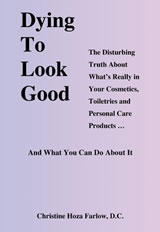 It is difficult, though, to find safe products with so much conflicting information out there that is always changing. The industry continues to put out products with new chemical ingredients that have yet to be tested; and the disturbing truth is that they do not have to wait for these tests before putting their product on the shelves. As Dr Farlow states in her book,
“The Federal Food, Drug, and Cosmetic (FD&C) Act does not require cosmetics and personal care products or their ingredients to be approved before they are marketed and sold to consumers. FDA regulation starts after they are already in the marketplace.”
In Dying To Look Good, Dr Christine Farlow has put together an extensive reference guide that is easy to use and take with you when you shop for your cosmetics and other skin care products. The book has information on over 1300 cosmetic and personal care product ingredients, as well as a section on “recommended” products.
This book is not just about the cosmetic industry; it is about many of the products we put on our skin like antibacterial soaps, sunscreen, acrylic nails, make-up, and even hair dyes. It details many of the ingredients found in these and other products that we use literally every day.
©KitchenTableMedicine.com, LLC ™What Diet Is Best For You?
March 10, 2009 by Kitchen Table Medicine
Filed under Allergies, Anti-Inflammatory, Blood Pressure, Cholesterol, Depression, Detox, Diabetes, Diet Tips, Diets, Weight Loss, Whole Foods Diet
 Dr. Nicole, what is the best diet?
The best diet is the diet that works for YOU.
The best diet is something that you can healthfully follow for the rest of your life.
The best diet for you is the diet that gives you energy, keeps your health in balance, helps you to be emotionally stable, maintains your religious or spiritual ethics and is sustainable for the environment.
With that being said, I am happy to announce that we have a variety of great diet plans to choose from and follow. If you are new to a particular diet and want some help simply leave your question or request for support in the comments section so that we may assist you with your goals.
Diets for health, wellness and weight loss:
The Weight Loss Diet
The Low Glycemic Index Diet: stay feeling full longer, by eating a diet with a high “satiety index”.
Therapuetic Diets:
Allergy Elimination Diet
Anti-inflammatory Diet
Blood Pressure Lowering Diet and Helpful Tips for Reducing Sodium
Candida Diet
Cholesterol Lowering Diet
Eat Gluten-Free Without Going Broke, Part 1
March 10, 2009 by Kitchen Table Medicine
Filed under Allergies, Celiac Disease, Dr. Selena Eon, Guest Posts, Kitchen Sink, Wheat Free/Gluten Free

If you have been on a gluten-free diet for any length of time, you have likely noticed the explosion of ready-made gluten-free foods available. At my local Red Apple Market, I can now purchase ready-made pasta, cookies, crackers, bagels, macaroni box meals, English muffins, bread, doughnuts and brownies. The freezer cases contain a variety of gluten-free frozen meals, from pizza to macaroni & cheese. I can buy mixes for bread, cookies, brownies and cakes.
Garlic Jim’s now delivers gluten-free pizza to your home from most of their locations in the state. PF Chang’s offers a gluten-free menu. Overall, I consider the increased availability of these foods a positive leap forward for those of us who must follow a gluten-free diet for health reasons.
It is wonderful to have the option to use these foods to create healthful meals when time is short. It is incredibly useful for relatives to be able to purchase foods like this when gluten-free family members come over for dinner. But, there are many reasons to limit consumption of these foods. Today I am going to focus on financial reasons for doing so.
Many gluten-free goods are specialty products that are produced in much smaller quantities than most mass produced prepared foods. Manufacturers should take steps ensure that all the ingredients are gluten free. The products need to be tested for gluten on a periodic basis to ensure that they are safe for individuals who must avoid gluten completely.
Creating these products in a gluten-free manner generally requires a dedicated facility—one that never houses gluten containing foods, although some manufacturers use carefully cleaned shared facilities with wheat products (these foods may not be acceptable for some individuals). The ingredients must be shipped to the manufacturing facility. The food must be produced, packaged and shipped to your grocer. The cost of these processes is ultimately passed on to you, the consumer.
I choose to purchase food that is produced locally whenever possible. One reason for this choice is financial. When you purchase food produced hundred or even thousands of miles away the cost of the food goes up because you are also paying for the additional packaging and transportation. Packaging needs are increased to keep the food intact during shipping with the extra costs passed on to you, the consumer.
Transportation costs include the cost of fuel, maintaining the vehicles, paying the shipping company employees and more. I’m not going to discuss in detail today, but must mention the environmental impact of producing the fuel for transportation and the materials for packaging as well as increased pollution from using the fuel for transportation of food. Because of these factors, it is a good idea to purchase local products with little or no packaging whenever it is reasonable to do so. Purchasing local saves both money and resources.
Most families purchase food on a budget and cannot afford to substantially increase spending on food. Following a gluten-free diet may become an intolerable financial burden if a person tries to follow a gluten-free version of the standard American diet. Gluten intolerance frequently runs in families, so it may be necessary to purchase gluten-free foods for multiple family members, compounding the financial issue. A family where only some members are gluten-intolerant may find that feeding the whole family gluten-free is the best way to ensure a gluten-free diet for those members who need it.
An example, using prices found at a local supermarket:
- A package of 5 gluten-free bagels costs $5.59 while you can purchase wheat bagels for about $3 for 6.

- A 5 oz box of crackers is $4.99 while a 14.5 oz box of Ritz crackers is only $4.11.
- A 12oz package of gluten-free spaghetti noodles costs $3.79 while a 16 oz package of wheat spaghetti noodles can cost as little as $.99.
You can see from that, a person accustomed to a bagel with breakfast, crackers with a snack & spaghetti for dinner runs into a substantial difference in cost over time. This is particularly noticeable when feeding multiple people.
Learning that gluten is not a good food for you or a loved one is an incredible & life changing event. The positives of assuring that your amazing body is fed properly so far outweigh the negatives that it is worth the effort to learn how to feed yourself gluten-free and well.
Adopting a gluten-free lifestyle is a challenge for many people, and reasonably so! It can be difficult to change, especially without adequate support. I believe that learning how to cook & bake healthfully in your own home is a critical step in adapting to healthful gluten-free living on a budget. Preparing your own food does take time. I know people are very busy today, however, preparing extra food takes little additional time and then you have leftovers in your fridge or freezer, ready for healthy, low cost meals on busy days.
Many home cooks choose to set aside a morning, afternoon or evening each week to prepare several dishes to set aside for eating later in the week or month. This is an excellent strategy that cuts down the amount of time you need to spend preparing food on a daily basis.
Next up by Dr. Selena Eon is Part 2 in this three part series, “How to Eat Gluten Free on a Budget.” If you have any questions about celiac disease, you are welcome to ask them in the comments section and they will be addressed in future articles.
Dr. Selena Eon practices in Bellevue, WA and you may contact her at
(206) 228-9537 or visit www.drselenaeon.com
When is the Best Time for Diabetics to Check their Blood Sugar?
March 10, 2009 by Kitchen Table Medicine
Filed under Diabetes, Dr. Jody Stanislaw, Kitchen Sink, Reader Questions
 By Dr. Jody Stanislaw, Naturopathic Physician and Diabetes Expert
As a diabetic when is the best time for me to check my blood sugar?
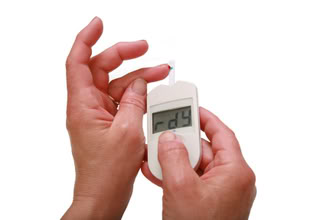
Anytime is a good time to check your levels. The more you know about what your numbers are, the better in touch you are with your body. Learning how meals affect your blood sugar is important, regardless of whether it’s been 30 min or 120 min since you’ve eaten.
What you must understand is that things are always changing inside your body….food takes a long time to digest, and insulin takes time to work. So just because you are 100 two hours after dinner does not mean it will stay that way until you eat again. You are likely having an increase in your blood sugar levels at night because of one or both reasons:
#1) Your food hasn’t fully digested so some sugar from your meal has not yet entered your blood stream even 2 hours after the meal.
#2) Your medicine dose is too low to cover your needs while you are sleeping.
 Personally, I do not like the unknown of what my dinner will do to my blood sugar levels while I sleep so I just avoid the problem by generally avoiding carbohydrates at dinner. Also, I prefer to eat at 5 or 6 pm as well and/or choose to eat only small amounts at dinner.
The best way to really know what your body needs is to test your blood sugar often. Learn what makes your numbers go up and what makes it go down….then you will be able to make informed decisions about what is good for your body and what is not. The challenging thing about diabetes is that there is no set answer that works everyday.
Everyday our activity levels are different. Everyday what we eat is different. So you just be informed as much as you can be with what makes your numbers go up and what makes them go down. And then you just do the best you can to make healthy decisions each day. Some days, your numbers will be better than others…that’s just the life of a diabetic. So being informed about how your blood sugars react based on the different choices you make each day is a very wise thing to do.
All the best to you,
Dr. Stanislaw
After being diagnosed with Type I diabetes at the age of seven, Dr. Jody Stanislaw has grown a special interest in diabetes and helping others live a healthy and vibrant life.
If you have any further questions about diabetes you are welcome to leave them in the comments section.
©KitchenTableMedicine.com, LLC ™What is Celiac Disease?
March 2, 2009 by Kitchen Table Medicine
Filed under Celiac Disease, Dr. Selena Eon, Guest Posts, Kitchen Sink, Wheat Free/Gluten Free

What is Celiac Disease/Gluten Intolerance?
Celiac Disease is an autoimmune condition found in people of all ages who are genetically susceptible. To develop Celiac Disease, you must inherit genetics for it, consume gluten, and have the gene triggered. Celiac Disease causes gradual destruction of the inner lining to the small intestine, leading to poor absorption of a wide variety of nutrients, and consequently a wide variety of patient presentations.
Gluten intolerance is a similar, less severe condition in which a person who does not have overt intestinal damage, but still experiences negative health effects from consuming gluten containing foods. Gluten is found in wheat, rye, barley and products derived from these grains. Gluten is also a frequent contaminant of oats and perhaps other grains.
What are the signs and symptoms of celiac disease?
There are many signs and symptoms of Celiac Disease and gluten intolerance. They range from none (silent Celiac Disease), to severe weight loss and malnutrition. A selection of signs and symptoms include: weight loss, weight gain, abdominal pain & cramping, diarrhea, constipation, osteopenia or osteoporosis, fatigue, bloating, iron deficiency anemia, megaloblastic anemia, nutritional deficiencies, mouth ulcers, inadequate tooth enamel, lactose intolerance, inadequate growth in children and infertility.
What are the risks to the patient if they are not compliant with their gluten free diet?
A person with Celiac Disease risks continued intestinal damage when knowingly (or accidentally!) consuming gluten, even if they do not have symptoms. As a result of intestinal damage from continued exposure to gluten, the person may experience a worsening of the signs and symptoms they experienced before diagnosis, or one of a host of other possible additional symptoms. Over time, damage can become severe enough to cause both adenocarcinoma and lymphoma of the small intestine, ulcerative jenunitis or small intestine strictures.
 As patient with Celiac, what are the biggest challenges with this disease?
Eating away from home was very difficult at first, but with practice, experience, and perseverance, I found eating out to be enjoyable again. Learning how to cook and bake gluten-free were huge, but very fun challenges
Can you share five of your favorite tips for coping with the challenge of this disease?
1) Learn how to cook and bake at home!
2) Keep a ready-mixed gluten-free flour substitute (home-made or purchased) on hand AT EVERY HOME YOU EAT FREQUENTLY for easy substitutions in favorite wheat-flour recipes.
3) Focus on eating nutrient-dense foods that are naturally gluten-free.
4) Always bring something you can eat to the potluck and keep GF snacks in your bag or car.
5) Avoid new restaurants during busy, peak times-you are more likely to end up with some unwanted gluten.
What do you typically eat for breakfast lunch and dinner?
Breakfast: Fresh fruit in season! We love gluten-free homemade waffles, Bob’s gluten-free oatmeal, cornmeal mush (polenta) and veggie frittatas.
Lunch: Leftovers to the rescue!
Dinner: We have a large rotation of recipes and strive to eat at least ½ plate of veggies along with the main dish. Household favorites include: turkey meatballs, chicken soup, lentil soup, tuna noodle veggie casserole, noodles with peanut sauce, vegetable soups, mixed salads, enchilada casserole, fish cakes, risottos, and a wide variety of creative homemade pizzas.
Care to share your favorite gluten free recipe?
Cheddar Dijon Waffles:
This is a wonderful recipe to start off an active day right, or a outside-the-box lunch or dinner. I like to serve these waffles topped with a gently fried egg (low temperature to avoid damaging the protein) and lots of chunky salsa. This recipe can be doubled or tripled and frozen for quick future meals.
Yield: 4-5 6” waffles
1.5 cup Pamela’s Pancake & Baking Mix (or substitute your favorite GF flour blend)
2 eggs, separated
¾ cup water
1-2T vegetable oil
1/3-1/2 cup shredded smoked or, less desirably, sharp cheddar cheese
1tsp-1tb Dijon mustard (to taste)
1 bunch thinly sliced green onions (white and light green parts only)
If necessary, spray waffle iron with nonstick spray or brush with oil. Preheat waffle iron.
Separate the eggs. Put the egg yolks into a small bowl or glass, and the whites into a medium bowl. Add the Dijon mustard and vegetable oil to the egg yolks, stir to combine and set aside. Whip the egg whites until stiff peaks form and set aside.
In a medium bowl, gently toss the green onions and cheese to coat with the Pamela’s Mix. Add the water, the egg yolk mixture and mix until no dry spots remain. The batter will be thick. Gently fold in the egg whites.
Cook on preheated waffle iron until golden brown. I use about ½ cup per waffle and spread the batter evenly before closing the lid, but use your judgment for your particular waffle iron. Repeat until remaining batter is used up.
Note: you can make these waffles using three whole eggs and skip the egg separating/whipping step. Just mix the whole eggs with the mustard and vegetable oil and skip folding in the egg white. The finished waffles will not be as light and fluffy.
Ps: If your waffle iron is from your “gluten days”, be sure to clean it very thoroughly to remove all gluten-containing crumbs before using for gluten-free waffles or replace the waffle iron with a new, dedicated gluten-free one.
What kind of resources and support groups are available for celiac disease?
ACK, the hyperlink thingy for The Gluten Intolerance Group is all messed up. It should be www.gluten.net
• Celiac Disease Awareness Campaign from the National Institutes of Health
• Celiac Disease Foundation
• The Gluten Intolerance Group
• Celiac Disease practice guideline from the World Gastroenterology Organisation (WGO)
• Celiac Sprue Association
• Outcomes of 2004 consensus development conference, National Institutes of Health
• National Foundation for Celiac Awareness
• University of Maryland Center for Celiac Research
Books and Magazines (does NOT include cookbooks)
Celiac Disease: A Hidden Epidemic by Peter Green, M.D. and Rory Jones
Gluten-Free Diet A Comprehensive Resource Guide by Shelley Case, R.D.
Gluten-Free Friends: An Activity Book for Kids by Nancy Patin Falini, M.A., R.D., L.D.N.
Kids with Celiac Disease: A Family Guide to Raising Happy, Healthy Gluten-Free Children by Danna Korn
Next up by Dr. Selena Eon is a three part series of “How to Eat Gluten Free on a Budget.” If you have any questions about celiac disease, you are welcome to ask them in the comments section and they will be addressed in future articles.
Dr. Selena Eon practices in Bellevue, WA and you may contact her at
(206) 228-9537 or visit www.drselenaeon.com
Why You Should Invest in Fitness
February 19, 2009 by Kitchen Table Medicine
Filed under Bonnie Pfiester, Exercise, Kitchen Sink
 By Bonnie Pfiester Fitness Trainer
When it comes to luxuries, a health club membership is one of the few luxuries that often prove be a good investment. However, a gym membership is commonly one of the first things to go when money gets tight.
Somehow, we justify the need for television and other extras over the need to stay healthy. Don’t get me wrong, if you tried to take my satellite TV away I would put up a pretty good fight too. Interestingly enough, some of the same people crunching numbers to make wise investments are unaware of the return on fitness.
First, healthy people have fewer hospital admissions, shorter hospital stays and lower medical expenses. One of our members recently bragged “I feel great and am taking half of the medication I needed before.” Although most of our members are just excited to feel good again, it’s also financially rewarding.
 Second, healthy people have the opportunity to make more money. Fewer medical issues means fewer sick days and more money in your pocket. Not only are you able to work more hours but you become a more valuable employee, increasing job security.
Another plus to being fit is healthy people tend to land more jobs than overweight, out of shape individuals. Employers are more likely to invest in healthy employees merely because they are more likely to be energetic, disciplined and productive.
Next to physical health is the positive affect fitness has to our mental health. Physical activity actually helps manage depression and anxiety. A Harvard study once found that strength training reduced clinical depression symptoms more than counseling.
This is particularly helpful for women since women are the least likely to lift weights and twice as likely to suffer from depression. Mental healthcare cost money, so the more stable we become mentally and emotionally the more money we can save.
Furthermore, exercise builds confidence and increases self esteem, which can have a major impact on someone’s career. People who once lacked the confidence they needed to chase their dreams begin to have more drive than ever. One of our members recently said “I now have the confidence to believe I can accomplish anything I set my mind to.” This newfound confidence can take you places in your career you never thought possible.
Besides all the obvious savings, healthy people save in many other ways. Whether it’s walking 9 holes instead of renting a golf cart or using a city sidewalk instead of taking a cab, healthy people have more options to save money.
So whether you decide to invest in a good pair of tennis shoes or decide to join a gym, investing in fitness is one investment worth making.
~Bonnie
Bonnie Pfiester is a Personal Trainer, wife to the famous fitness trainer Steve Pfiester of the reality TV show “Fat March”, and owner of the women’s health club Longevity Fitness.
You can enjoy more of Bonnie’s fitness and beauty articles at www.BonniePfiester.com or here at the kitchen table by visiting the Bonnie Pfiester page.
You are invited to leave your fitness and sports nutrition questions in the comments below for Bonnie to briefly answer or write about in future articles.
©KitchenTableMedicine.com, LLC ™6 Common Allergens Found In Sports Nutrition Bars
February 19, 2009 by Kitchen Table Medicine
Filed under Allergies, Diet Tips, Kitchen Sink, Sports Nutrition, Wheat Free/Gluten Free, Whole Foods Diet
Finding a truly healthy nutrition bar can be tough as I noted in my article, “Zing Bars Awarded Best Nutrition Bar 2008.”
I interviewed the makers of Zing Bars, nutritionists Michael Kaplan, ND, Minh-Hai Tran, MS, RD and Sandi Kaplan, MS, RD to help us better understand the common allergens found in nutrition bars.
 #1 - Gluten sensitivity is among the most common food sensitivities within the US and Europe. Gluten is a protein found within grains such as wheat, rye, barley, spelt, kamut & triticale. Gluten free grains include rice, corn, millet, quinoa, buckwheat, amaranth & teff.
Certified Gluten Free Oats are thought to be safe for most people with gluten sensitivity, as conventional oats are usually contaminated with wheat during processing or transport. Gluten sensitivity is a permanent condition that requires a person to avoid these gluten grains without reprieve. Gluten sensitivity can lead to Celiac Disease, and has been implicated as playing a contributing role in chronic inflammation, auto-immune disease and nutrient deficiencies.
#2 - Soy Protein is a common food allergen that is on the rise is western countries. Studies show that processed soy protein, such as soy protein isolate powder, has more allergenic potential because of the concentrated nature of the product. This is a tremendously common form of protein in nutrition bars because of its low cost. Whole food forms of soy, such as whole soy beans (and to a lesser degree tempeh and tofu) are generally better tolerated by soy sensitive individuals.
*It’s important to note that soy lecithin is not a soy protein, and therefore does not carry the same allergenic potential of the soy protein isolate powders. Soy lecithin is an emulsifier that is used to make smooth textures and mixtures, commonly found in chocolate coatings & chocolate chips.
#3 - Corn is generally found in bars in the form of High Fructose Corn Syrup (discussed earlier).
#4 - Casein is a chief milk protein that is occasionally found in nutrition bars. Casein is a difficult protein for some individuals to digest and occasionally can present as a sensitivity in its own right. Casein contrasts with whey, a milk protein that is far easier to digest and is inherently low in lactose.
 #5 - Peanuts and Tree Nuts are probably the most alarming allergens on this list because of their ability to cause severe and immediate symptoms in affected individuals.
#6 - Additives/colorings/preservatives can be allergenic in their own right. While these additives remain on the FDA’s GRAS (generally regarded as safe) list, they should be avoided by anyone wishing to make the healthiest food choices.
Check back soon to find out which sports bars are best for athletes!
Authors: Michael Kaplan, ND, Minh-Hai Tran, MS, RD and Sandi Kaplan, MS, RD
Reference Citations:
1. Mozaffarian D, Pischon T, Hankinson SE, et al. Dietary intake of trans fatty acids and systemic inflammation in women. Am J Clin Nutr. 2004; 79:606-12.
2. Mozaffarian D, Katan MB, Ascherio A, Stampfer MJ, Willett WC. Trans fatty acids and cardiovascular disease. N Engl J Med. 2006; 354:1601-13.
3. Trans fats: The Story Behind the Label. Harvard Public Health Review. Spring 2006.
4. Freeman J, Hayes, C. Low Carbohydrate Food Facts & Fallacies. Diabetes Spectrum. 2004. 17:137-140.
5. Hartman E. High Fructose Corn Syrup: No so Sweet for the Planet. Washington Post. March 9, 2008. p. N02
6. Jenkins, D, Kendall, C, Josse A, et al. Almonds decrease post-prandial glycemia, insulinemia, and oxidative damage in healthy individuals. J Nutr 2006;136;2987-92.
7. L’Hocine L, Boye JI. Allergenicity and the soybean: new developments in identification of allergenic proteins, cross reactivities and hypoallergenization technologies. Crit Rev Food Sci Nut. 2007;47(2):127-43.
8. Stolzenberg-Solomon RZ, et al. Folate intake, alcohol use, and postmenopausal breast cancer risk in the Prostate, Lung, Colorectal, and Ovarian Cancer Screening Trial. Am J Clin Nutr. 2006 Apr;83(4):895-904.
9. Stranges S, et al. Effects of long-term selenium supplementation on the incidence of type 2 diabetes: a randomized trial. Ann Intern Med. 2007 Aug 21;147(4):217-23.
10. Ericson U et al. High folate intake is associated with lower breast cancer incidence in postmenopausal women in the Malmö Diet and Cancer cohort. Am J Clin Nutr. 2007 Aug;86(2):424-43.
11. Steinberg FM, Bearden MM, Keen CL. Cocoa and chocolate flavonoids: implications for cardiovascular health. J Am Diet Assoc. 2003 Feb; 103(2):215-23.
12. Champe PC, Harvey RA. Biochemistry 2nd edition. Philadelphia: J.B. Lippincott Company, 1994. 112, 152.
13. Oku T, Nakamura S. Threshold for transitory diarrhea induced by ingestion of xylitol and lactitol in young male and female adults. J Nutr Sci Vitaminol (Tokyo). 2007 Feb;53(1):13-20.
14. Farschi HR, et al. Beneficial metabolic effects of regular meal frequency on dietary thermogenesis, insulin sensitivity and fasting lipid profiles in healthy obese women. Am J Clin Nutr. 2005 Jan;81(1):16-24
What is Anxiety?
February 19, 2009 by Kitchen Table Medicine
Filed under Anxiety, Dr. KC Kelly, Guest Posts, Kitchen Sink, Stress
By KC Kelly, Ph.D., LMHC
 Stress and anxiety are a natural part of everyday life and most of us experience it more often than not in today’s very stressful world. It is also very natural to worry about your hectic life from time to time. “Anxiety” is usually referred to as worry, concern, stress, or nervousness.
Believe it or not, anxious feelings can sometimes be a good thing. Having this heightened sense can actually help to motivate a person to prepare for a big test in school, speech at work, or by keeping a person on his/her toes in potentially dangerous situations, to name only a few examples. Occasional anxiety isn’t something to be concerned about.
However, if the worries, stress, or anxious feelings become overwhelming and you feel as though these feelings are getting in the way of your everyday quality of life, these may be signs that you may have an anxiety problem or disorder. Below are descriptions of the different anxiety disorders. Remember as you read, not to be frightened by the symptoms. An anxiety disorder is a serious condition, yes, but the good news is that it is also one of the most treatable emotional disorders!
ANXIETY DISORDERS
Anxiety disorders are serious medical illnesses that affect approximately 40 million American adults aged 16 years and older in a given year, causing them to be filled with overwhelming fearfulness and uncertainty. People usually experience anxiety about events they cannot control or predict, or about events that seem threatening or dangerous.
Sometimes people feel anxious without any known cause. Unlike the relatively mild, brief anxiety caused by a stressful event such as an audition or performing in front of a live audience, anxiety disorders are chronic, relentless, and can grow progressively worse if not treated.
Generalized Anxiety Disorder (GAD) is characterized by excessive thinking and dwelling on the “what ifs”. As a result, the person feels there is no way out of the vicious cycle of anxiety and worry, and then becomes depressed about life and the state of anxiety they feel. This is a relatively common anxiety problem, affecting about 6.8 million adult Americans.
Panic Disorder can leave people with feelings of terror that strike suddenly and repeatedly, many times, without warning. They can’t predict when an attack will occur, and many develop intense anxiety between episodes, worrying when and where the next one will strike.
You may genuinely believe you’re having a heart attack, losing your mind, or are on the verge of death. Unless you have a bad heart that has been officially diagnosed, anxiety CANNOT KILL YOU! Panic attacks can occur at any time, even during sleep. Panic disorder affects about 6 million American adults.
Agoraphobia develops when a person has such an intense fear of having a panic attack that they avoid going anywhere they think it could possibly occur. The fear of social embarrassment of having a panic attack or losing control in public often causing a person to become confined to their homes, experiencing difficulty traveling from their “safe place.”
Obsessive-Compulsive Disorder (OCD) involves anxious thoughts or rituals you feel you can’t control. If you have OCD, you may be plagued by persistent, unwelcome thoughts or images, or by the urgent need to engage in certain rituals. Obsessive Compulsive Personality Disorder (CPD) entails a cluster of characteristics of behavior marked by inflexibility in order to pursue perfectionism, orderliness, and control (DSM-IV). OCD affects about 2.2 million American adults.
 Post-Traumatic Stress Disorder (PTSD) is a debilitating condition that can develop following a terrifying event. Often, people with PTSD have persistent frightening thoughts and memories of their ordeal and feel emotionally numb, especially with people to whom they were once close. Whatever the source of the problem, some people with PTSD repeatedly relive the trauma in the form of nightmares and disturbing recollections during the day.
They may also experience other sleep problems, feel detached or emotionally paralyzed, or be easily startled. They may lose interest in things they used to enjoy and have trouble feeling affectionate. They may feel irritable, more aggressive than before, or even violent. Things that remind them of the trauma may be very distressing, which could lead them to avoid certain places or situations that bring back those memories. Anniversaries of the traumatic event are often very troubling times. PTSD affects about 7.7 million American adults.
Social Phobia, also called Social Anxiety Disorder involves overwhelming anxiety and excessive self-consciousness in everyday social situations. People with social phobia have a persistent, intense, and chronic fear of being watched and judged by others and being embarrassed or humiliated by their own actions.
Their fear may be so severe that it interferes with work or school, and other ordinary activities. While many people with social phobia recognize that their fear of being around people may be excessive or unreasonable, they are unable to overcome it. They often worry for days or weeks in advance of a dreaded situation. Social phobia affects about 15 million American adults.
Specific Phobia is an intense fear of something that poses little or no actual danger. Some of the more common specific phobias are centered around closed-in places, heights, escalators, tunnels, highway driving, water, flying, dogs, clowns, and injuries involving blood. Such phobias aren’t just extreme fear; they are also irrational fears of particular things. Specific phobias affect an estimated 16.2 million adult Americans.
TREATMENT: Effective treatments for anxiety disorders are available, and research is yielding new, improved therapies that can help most people with anxiety disorders lead productive, fulfilling lives. Cognitive Behavioral Therapy can be very effective in treating an anxiety disorder.
If you think you may be suffering with any of these symptoms, or would just like to talk with a professional in a caring and completely confidential way, please visit www.DOCintheBiz.comwhere you will be able to email us for private and confidential help from your own home! You will never be made to leave your house or comfort zone. Write to us at your convenience!
Article on breathing exercises
Article on Square Breathing
Read all our articles on anxiety
Statistical information reported on this page was obtained from The National Institute of Mental Health
©KitchenTableMedicine.com, LLC ™Is Fake Sugar Making You Fat?
February 11, 2009 by Kitchen Table Medicine
Filed under Diet Tips, Dr. Scott Olson, Kitchen Sink, Sugar, Sugar Substitutes, Weight Gain
 By Dr. Scott Olsen, author of “Sugarettes”
How do artificial sweeteners cause obesity?
When people first start to think about a sugar-free diet, they think they should reach for artificial sweeteners. This may not be the best idea.
Here is the crux of the problem with artificial sweeteners: They don’t do what you want them to do: keep your weight down. Artificial sweeteners claim to be all the good taste without the calories, but behind this claim is another reality.
If you ignore the fact that all artificial sweeteners are chemicals foreign to your body and that they have been blamed for many health problems, you still want to avoid them if you are trying to lose weight.
Studies have shown that people using artificial sweeteners actually consume more calories than people who don’t. (1) The reasons behind this are simple: you are tricking your body when you eat these sweeteners and your body doesn’t like to be tricked.
When you eat something sweet (artificial or not) you set off a series of reactions in the body that eventually leads to an increase in insulin. Whenever insulin increases, blood sugar will drop.
So, imagine a situation where you are drinking a sugar-free soda, but no other calories: insulin goes up, your blood sugar goes down, and you then feel hungry. And what do you do when you feel hungry? You eat.
I also think that you are training your body to expect something sweet when you continue to eat artificial sweeteners. People who go on a true non-sugar diet have a readjustment of their tastes buds and adapt to a lower level of sweetness.
People who eat artificial sweeteners never do this. This means whenever full-calorie foods are around, at say, a birthday party, you will be tempted to eat them. This just continues your sugar addiction.
 What kinds of sweeteners are HEALTHY for us to use?
The answer to this question is really: none. The reason why there are no sweeteners that are good for us is that sweeteners do not exist in nature (except for honey). All the problems mentioned above are due to super-concentrating a food and creating a sweetener and our bodies are simply not designed to handle.
There are two sweeteners that fall into the category of maybe-not-so-bad, and if you find that you simply cannot do without some form of sweetener, then you can turn to xylitol or Stevia. Of the two, Stevia is much better. Stevia is an herb that has no calories but still has a super-sweet taste.
It takes a while to learn how to cook with it because you only have to use a small amount, but it can be substituted in most places you use sugar. Stevia has the added bonus of actually helping to improve blood sugar control.(2) The only problem with using Stevia is that the addiction to super-sweet tasting foods remains and can lead to eating sugar again.
Xylitol is a sugar that doesn’t raise blood sugar as much as other sugars and has been shown to actually help with cavity prevention.(3) Once again, though, xylitol is a sugar and should be used in moderation.
References:
1.Lavin JH, French SJ, Read NW: The effect of sucrose- and aspartame-sweetened drinks on energy intake, hunger and food choice of female, moderately restrained eaters. Int J Obes Relat Metab Disord. 1997 Jan;21(1):37-42.
2.Chen TH, Chen SC, et al. Mechanism of the hypoglycemic effect of stevioside, a glycoside of Stevia rebaudiana. Planta Med. 2005 Feb;71(2):108-13.
3.Tanzer JM. Xylitol chewing gum and dental caries. Int Dent J. 1995 Feb;45(1 Suppl 1):65-76.
Recommended Reading: Sugarettes
Dr. Scott Olson is a Naturopathic doctor, expert in alternative medicine, author, and medical researcher. Spurred on by his patients’ struggles with sugar addiction, he was determined to discover how addictive and harmful sugar can be and ways to overcome that addiction.
The result of that study is his book Sugarettes, which details the addictive qualities of sugar and the harm that sugar does to our bodies.
Dr. Scott also maintains a blog which highlights the latest in health and healthy living. Subscribe or stop by to check out his latest research on sugar addiction.
©KitchenTableMedicine.com, LLC ™Twenty Tips for Better Sleep
February 11, 2009 by Kitchen Table Medicine
Filed under American Sickcare System, Anti-Aging, Kitchen Sink, Lifestyle Tips, Sleep
Are you not sleeping well at night? Sleep is critical for optimal health as it is one of the four pillars of health.
Long-term health depends on the regeneration that occurs during deep sleep. Growth hormone, or the “anti-aging” hormone, is secreted during sleep, which stimulates tissue regeneration, liver cleansing, muscle building, break down of fat stores and normalization of blood sugar.
During sleep free radicals are scavenged in the brain, minimizing its aging. Many health problems are aggravated by inadequate sleep. Sleep gives us renewed vitality, a more positive outlook on life and energy with which we can become our full potential.
SYMPTOMS OF INADEQUATE SLEEP
You could experience drowsiness, fatigue, decreased concentration, impaired memory, reduced stress tolerance, mood changes, irritability, muscle tension, or increased health problems such as infections.
HOW TO IMPROVE THE QUALITY OF YOUR SLEEP
#1 Maintain consistent sleep and wake times. Do not push yourself to stay up past the initial signs of sleepiness. This can create epinephrine production, causing more difficulty getting to sleep later. It is good to have a “getting ready for bed” routine to relax and prepare your body for sleep. Avoid taking naps if you have trouble sleeping at night.
#2 Reserve the bed for sleep and sex only. Do not read, watch TV, eat, or worry in bed. Solve daily dilemmas outside of the bedroom. If you find that you’ve been lying awake in bed for 15-20 minutes, get out of bed. Do something mundane until you feel sleepy, and then go back to bed. Repeat this as often as needed.
#3 Your sleeping environment should be quiet, cool and comfortable. The room should be clutter-free. Reduce the amount of ambient light as much as possible. Electronic devices such as clocks, stereos, TVs and computers generate electromagnetic fields that can disturb sleep for some people. Experiment with moving these into another room or using EMF shields. Feng Shui, the Chinese art of placement, can be valuable in creating an optimal sleeping environment.
#4 Exercise regularly. Exercising during the day or early evening decreases the time it takes to get to sleep and increases the amount of deep sleep obtained. Most people do better avoiding exercise late in the evening.
#5 Exposure to sunlight early in the morning and late in the afternoon or evening encourages a strong circadian rhythm. The hormone melatonin, which helps create a sleep state in the body, is suppressed in light and secreted in darkness.
#6 If you have problems with waking during the early hours of the morning, have a small protein snack just before bed to ensure consistent blood sugar levels throughout the night. Consistently get exposure to sunlight as late in the day as possible.
#7 Improving overall health will improve the quality of your sleep. Work towards improving or eliminating health problems. Treatment modalities such as massage, acupuncture or cranial sacral will help to relax the body. Effective stress management is essential.
THINGS THAT RELAX THE BODY AND PREPARE IT FOR SLEEP
#8 Warm baths, possibly adding Epsom salts or lavender oil
#9 Meditating for 5-30 minutes
#10 Breathing exercises, progressive muscle relaxation (various recordings are available) or any other means of inducing the “relaxation response”. Daily practice brings greater results.
# 11 Special acoustic recordings that increase specific brain wave patterns for relaxation and sleep
#12 Try an Herbal Sedative. Botanicals treatments and aromatherapy using herbs and their essential oils (examples include chamomile, valerian, vervain (verbena), hops, lavender, passionflower, avena (oat straw), lemon balm and scutellaria (skull cap). Consult your physician for dosages and recommendations.
#13 Calcium and magnesium supplementation. Consult your physician for dosages and recommendations.
THINGS THAT INTERFERE WITH SLEEP
#14 Although alcohol may make you fall asleep, the sleep obtained after drinking is fragmented and light.
#15 The stimulating effects of caffeine may last up to 10 hours in some people. Avoid it in the afternoon if getting to sleep is a problem. Caffeine is present in coffee, green tea, black tea, chocolate and some medications (pain relievers, decongestants, thermogenic weight loss products, energy supplements, etc.)
#16 The stimulating effects of nicotine (first- or second-hand smoke) can last several hours.
#17 Sleeping pills, aside from being highly addictive and full of side effects, decrease the amount of time spent in deep sleep and only increase light sleep.
#18 B-vitamin supplements can increase energy that keeps some people awake, if taken before bed. Take B-vitamins earlier in the day.
#19 Do not go to bed with a very full stomach. Large quantities of protein are stimulating to the body as digestion occurs. It’s best to finish eating at least three hours before going to bed.
#20 If all else fails don’t let the inability to sleep frustrate you. Let your body have time to rest in a dark room. I know we often stare at the alarm in frustration, but try to keep calm and remember that your body just needs some quiet time to rejuvenate and if it isn’t in the form of sleep it can at least just be in the form of rest and quieting the mind.
More articles on sleep
References
1. Dement MD PhD, William. The Promise of Sleep. 1999. Dell Publishing. New York, NY.
2. Jacobs PhD, Gregg. Say Goodnight to Insomnia. 1998. Henry Holt and Company. New York, NY.
3. Ross DC, Herbert, Brenner Lac, Keri and Goldberg, Burton. Sleep Disorders. Tiburon, CA. 2000.