Eat Gluten-Free Without Going Broke, Part 2
March 17, 2009 by Kitchen Table Medicine
Filed under Allergies, Diet Tips, Dr. Selena Eon, Guest Posts, Wheat Free/Gluten Free, Whole Foods Diet
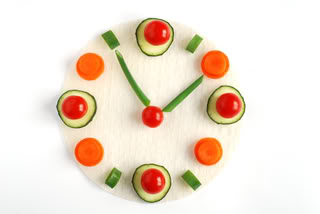
Healthy diets come in many kinds and depend on the needs & tastes of individual households. Finding a healthy diet that fits you and your family takes trial, error and knowledge.
You may need to consult a health care practitioner for advice. Budget conscious cooking can be an extremely healthful way to feed your family- and even include organic foods.
The secret is to focus on inexpensive, natural, wholesome gluten-free whole foods. A whole food is anything that you could imagine growing, or that you eat all the edible parts of over time (such as a chicken). This reduces the cost of your food and may help you recover from any damage that gluten caused you.
 I encourage individuals and families to frequent farmers markets for extraordinary deals on organic, local produce in the summer and autumn months.
Bumper crops can be frozen or canned for eating later in the year. Purchasing an organic, whole chicken often costs less than the breasts alone!
If you are not used to preparing and eating natural, unprocessed foods, please, be patient with yourself!
It takes time to learn how to cook new foods. It takes time to determine the best way to set up your kitchen as a productive workspace. It takes time for tastes to adjust to a more natural diet. Give your family time to adjust by changing gradually whenever possible. Spend afternoons preparing foods with loved ones.
If you know a great home cook, ask to spend time in their kitchen with them so that you can learn from their expertise. Most cooks are flattered by the attention. Experiment with new flavors and tastes- but gradually. There are many strategies you can use to gradually accustom your family to a new diet. If you need help, seek it!
Once you start eating whole, fresh, naturally gluten-free foods, you are likely to notice that you feel better too. A whole foods diet, prepared at home from fresh, natural foods is also higher in necessary nutrients to keep your body healthy long term. Whole food contains a broader spectrum of health-promoting nutrition than pills.
 But don’t throw out your multi-vitamin or discontinue any supplements that your doctor recommends.
Many people starting on a gluten-free diet need extra, even specialized nutrition to make up for the nutrients that were absorbed poorly, or not at all because of intestinal damage caused by gluten.
It can take months, or even years in severe cases, for your body to heal and gain adequate nutritional status.
Check out the previous article in this series, and keep your eye out for the conclusion of this three part series on saving money while eating gluten-free!
If you have any questions about celiac disease, you are welcome to ask them in the comments section and they will be addressed in future articles.
Dr. Selena Eon practices in Bellevue, WA and you may contact her at
(206) 228-9537 or visit www.drselenaeon.com
 Dr. Nicole Sundene, NMD is a licensed Naturopathic Medical Doctor at Fountain Hills Naturopathic Medicine 16719 E Palisades Blvd, Suite 205, Fountain Hills, AZ 85268.
She believes we should utilize natural medicines to treat the root cause of disease rather than just treating symptoms, as symptoms are a message of imbalance sent from the body and will persist until they are properly addressed.
For appointments please visit http://FHnaturopathic.com for more information about Naturopathic Medicine services.
©KitchenTableMedicine.com, LLC ™
What Diet Is Best For You?
March 10, 2009 by Kitchen Table Medicine
Filed under Allergies, Anti-Inflammatory, Blood Pressure, Cholesterol, Depression, Detox, Diabetes, Diet Tips, Diets, Weight Loss, Whole Foods Diet
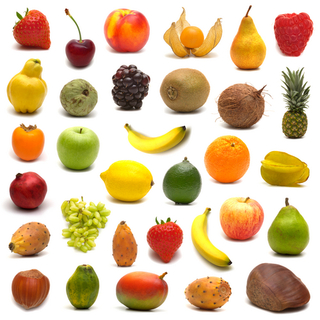 Dr. Nicole, what is the best diet?
The best diet is the diet that works for YOU.
The best diet is something that you can healthfully follow for the rest of your life.
The best diet for you is the diet that gives you energy, keeps your health in balance, helps you to be emotionally stable, maintains your religious or spiritual ethics and is sustainable for the environment.
With that being said, I am happy to announce that we have a variety of great diet plans to choose from and follow. If you are new to a particular diet and want some help simply leave your question or request for support in the comments section so that we may assist you with your goals.
Diets for health, wellness and weight loss:
The Weight Loss Diet
The Low Glycemic Index Diet: stay feeling full longer, by eating a diet with a high “satiety index”.
Therapuetic Diets:
Allergy Elimination Diet
Anti-inflammatory Diet
Blood Pressure Lowering Diet and Helpful Tips for Reducing Sodium
Candida Diet
Cholesterol Lowering Diet
Dr. Nicole Sundene, NMD is a licensed Naturopathic Medical Doctor at Fountain Hills Naturopathic Medicine 16719 E Palisades Blvd, Suite 205, Fountain Hills, AZ 85268.She believes we should utilize natural medicines to treat the root cause of disease rather than just treating symptoms, as symptoms are a message of imbalance sent from the body and will persist until they are properly addressed.
For appointments please visit http://FHnaturopathic.com for more information about Naturopathic Medicine services.
©KitchenTableMedicine.com, LLC ™
Amen to the Obesity Tax, Let’s Just Call it Something Else
March 2, 2009 by Dr. Nicole Sundene
Filed under American Sickcare System, Diabetes, Diet Tips, Fast Food, Hypoglycemia, Kitchen Sink, Osteoporosis, Sugar, Sugar Substitutes, Weight Loss
 By Dr. Nicole Sundene
Honestly, I’m not sure if the NY officials in charge of the “Obesity Tax” truly intend to call it thus, or if the media has just coined the phrase.
However, there are many more causes than just soda when it comes to obesity. And there are many more ills upon society that soda is at fault for.
Furthermore, beverages with sugar substitutes such as aspartame and splenda (sucralose) also make people fat so those should be equally taxed as the Cephalic Response created by these sweet flavored toxins makes us hungry, which makes us eat more, which makes us fatter.
Also, I would suggest that New York tax juice containing High Fructose Corn Syrup. The only thing that makes me mad about the obesity tax is that it is called the “Obesity Tax.” Why pick on people who are overweight? Poking fun at someone for being obese or “taxing them” is truly unfair and perhaps unconstitutional.
Six Better Names for the “Obesity Tax” 
#1 The Water Tax: How about just straight across the board tax all beverages that are not plain water? Water is what nature intended for humans to drink after they were weaned.
I wish it was mandatory for all vending machines to sell bottled water at a four time reduced rate than the typical vending beverage. When we see water priced the same as a fruity looking or flashy drink we immediately feel deprived if we pick water, and from a psychological standpoint we all want to get the most for our money.
Not all beverages are unhealthy, but they all still have containers that place an environmental burden on our planet and our seventh generation. I say we tax everything but water, and let water, the “pristine health beverages for all humans”, be tax exempt from this environmental fee.
 #2 The Dental Carry Tax: Why haven’t dentists spoken up on this issue? I’ll bet we could fund dental coverage (and maybe even some bling diamond grills) for all the kids in America and Africa if we taxed both sodas and refined candies. It’s not just the HFCS in sodas that is the problem; it is the acids that erode enamel, with sports drinks like Red Bull being the worst offenders.
#3 The Diabetes Tax:  Diabetics cost the health care system $13 dollars per every $1 dollar that is spent on the average healthy person. Now I don’t need a bunch of hate mail from Type I diabetics, although you all know that you shouldn’t be drinking HFCS either, but people in America are literally drinking themselves diabetic with soda consumption.
It is not normal to drink calories unless you are getting them off your mother’s teat. For everyone else, water and herbal tea should be staples while red wine, organic coffee, and pure fruit juice can be enjoyed in moderation in exchange for their beneficial antioxidants.
 #4 The Pollution Tax: If you are purchasing a bottle that cannot be recycled or reused then the environment should have the right to tax you!
Plastic bottles in our landfills are a problem that no one within the last century has taken a seriously critical look at. Plastics have really only been on the scene since 1950 and their use has only escalated in the last few decades.
What most people don’t consider with plastics is that we have introduced a new substance into the environment, and in LARGE quantities.
Some constituents such as phthalates, BPA, and other such “xenoestrogens” are already showing carcinogenic qualities as well as issues with endocrine system disruption as their steroidal molecular structure weakly mimics estrogen and thus may be a culprit or contributor to estrogen sensitive cancers.
We are already seeing an increased percentage of females species in smaller species. Larger species are yet to follow. As much as I am for equal rights I don’t think that plastics are the best way for women to take over the world!
Think of all the plastic in our landfills that will inevitably break down in a thousand years. The pollution from that will likely wipe out all human existence. But that is just my biochemical and medical opinion…and what do I know after ten years of studying this stuff.
If I get to place a vote on what New York should call this tax, I vote to call it the pollution tax. We need to be drinking filtered water out of our reusable glass jars or Klean Kanteen containers. 
#5 The Bad Parenting Tax: If you are feeding your kids tons of sodas and hotdogs, and not actual whole food and balanced nutrition then you should be taxed. If you aren’t doing it that often, then you shouldn’t even notice the increased 20 cents on the beverage.
Hopefully this “parenting tax” will go towards better parent education for parents, and television programs that will both educate and inspire parents to provide more wholesome foods for children. It isn’t just about their childhood, you know?
They are going to grow up with the habits that you teach them. The habits they see in you will influence them and they are going to end up a casualty of the American Health Care Crisis, which is actually a problem caused by the food that graces our kitchen tables…or worse yet, our cars and minivans when we drive through.
 #6 The Health Care Burden Tax: Aside from the aforementioned soda consumption is also implicated in osteoporosis and heart disease. Two GIANT burdens on the health care system.
Americans are soon to likely overtake Finland in the challenge to become the MOST unhealthy country in the world. I am not sure how it is possible that Finland is more unhealthy than us-what are they chain smoking and chugging lard for breakfast?
I’m not sure, but Barack Obama will never be able to fix the health care crisis until he fixes the crisis at every American kitchen table. What we need is not health care what we need is AFFORDABLE healthy food. Imagine if the billions of dollars wasted on prescription meds were actually funneled in to healthy eating and nutrition programs for all Americans?
We know diet and lifestyle prevent disease. However, our cheap processed food options limit us from practicing true prevention. The Reason why our healthcare system is in crisis is that Americans eat the cheapest food they can possibly find. Is this just the case in strapped families and broke college students? No. We have CEO’s of companies feeding their kids mac and cheese from a box, hot dogs, and dinonuggets when they can easily afford better.
You are what you eat. Set the example for young children now, as at these rates likely one in three children born today will end up diabetic. Europeans shop from produce stands and local delis three times a week. Americans shop at large Warehouses to stock up on bomb shelter food monthly.
This has to change.
Con’s of the Obesity Tax:
- Obesity is a clinical term and diagnosis and it is unfair to tax individuals and stigmatize them.
- The money from the obesity tax will be utilized for balancing the NY state budget and will not directly go towards improving health care, helping obese people lose weight, or anything of the like.
- Many people don’t believe taxing is the answer. I’m Swedish so I say tax away! You can feel free to send me hate mail on this one if you wish, but I already get enough. Trust me.
Pro’s of the Obesity Tax:
- Makes unhealthy food products less affordable.
- Media coverage of this tax has brought to national attention the crisis we have with soda consumption.
- Increased awareness of High Fructose Corn Syrup.
- Just like the cigarette tax, if it stops just one person from smoking and developing cancer then the tax is a success. If we educate one person about drinking calories and they don’t become obese and diagnosed with Type II diabetes, then I call the “Obesity Tax” a success.
What are your thoughts on the Obesity Tax?
Dr. Nicole Sundene, NMD is a licensed Naturopathic Medical Doctor at Fountain Hills Naturopathic Medicine 16719 E Palisades Blvd, Suite 205, Fountain Hills, AZ 85268.She believes we should utilize natural medicines to treat the root cause of disease rather than just treating symptoms, as symptoms are a message of imbalance sent from the body and will persist until they are properly addressed.
For appointments please visit http://FHnaturopathic.com for more information about Naturopathic Medicine services.
©KitchenTableMedicine.com, LLC ™
6 Common Allergens Found In Sports Nutrition Bars
February 19, 2009 by Kitchen Table Medicine
Filed under Allergies, Diet Tips, Kitchen Sink, Sports Nutrition, Wheat Free/Gluten Free, Whole Foods Diet
Finding a truly healthy nutrition bar can be tough as I noted in my article, “Zing Bars Awarded Best Nutrition Bar 2008.”
I interviewed the makers of Zing Bars, nutritionists Michael Kaplan, ND, Minh-Hai Tran, MS, RD and Sandi Kaplan, MS, RD to help us better understand the common allergens found in nutrition bars.
 #1 - Gluten sensitivity is among the most common food sensitivities within the US and Europe. Gluten is a protein found within grains such as wheat, rye, barley, spelt, kamut & triticale. Gluten free grains include rice, corn, millet, quinoa, buckwheat, amaranth & teff.
Certified Gluten Free Oats are thought to be safe for most people with gluten sensitivity, as conventional oats are usually contaminated with wheat during processing or transport. Gluten sensitivity is a permanent condition that requires a person to avoid these gluten grains without reprieve. Gluten sensitivity can lead to Celiac Disease, and has been implicated as playing a contributing role in chronic inflammation, auto-immune disease and nutrient deficiencies.
#2 - Soy Protein is a common food allergen that is on the rise is western countries. Studies show that processed soy protein, such as soy protein isolate powder, has more allergenic potential because of the concentrated nature of the product. This is a tremendously common form of protein in nutrition bars because of its low cost. Whole food forms of soy, such as whole soy beans (and to a lesser degree tempeh and tofu) are generally better tolerated by soy sensitive individuals.
*It’s important to note that soy lecithin is not a soy protein, and therefore does not carry the same allergenic potential of the soy protein isolate powders. Soy lecithin is an emulsifier that is used to make smooth textures and mixtures, commonly found in chocolate coatings & chocolate chips.
#3 - Corn is generally found in bars in the form of High Fructose Corn Syrup (discussed earlier).
#4 - Casein is a chief milk protein that is occasionally found in nutrition bars. Casein is a difficult protein for some individuals to digest and occasionally can present as a sensitivity in its own right. Casein contrasts with whey, a milk protein that is far easier to digest and is inherently low in lactose.
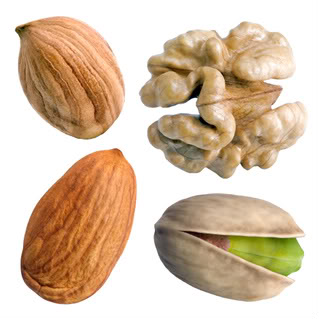 #5 - Peanuts and Tree Nuts are probably the most alarming allergens on this list because of their ability to cause severe and immediate symptoms in affected individuals.
#6 - Additives/colorings/preservatives can be allergenic in their own right. While these additives remain on the FDA’s GRAS (generally regarded as safe) list, they should be avoided by anyone wishing to make the healthiest food choices.
Check back soon to find out which sports bars are best for athletes!
Authors: Michael Kaplan, ND, Minh-Hai Tran, MS, RD and Sandi Kaplan, MS, RD
Reference Citations:
1. Mozaffarian D, Pischon T, Hankinson SE, et al. Dietary intake of trans fatty acids and systemic inflammation in women. Am J Clin Nutr. 2004; 79:606-12.
2. Mozaffarian D, Katan MB, Ascherio A, Stampfer MJ, Willett WC. Trans fatty acids and cardiovascular disease. N Engl J Med. 2006; 354:1601-13.
3. Trans fats: The Story Behind the Label. Harvard Public Health Review. Spring 2006.
4. Freeman J, Hayes, C. Low Carbohydrate Food Facts & Fallacies. Diabetes Spectrum. 2004. 17:137-140.
5. Hartman E. High Fructose Corn Syrup: No so Sweet for the Planet. Washington Post. March 9, 2008. p. N02
6. Jenkins, D, Kendall, C, Josse A, et al. Almonds decrease post-prandial glycemia, insulinemia, and oxidative damage in healthy individuals. J Nutr 2006;136;2987-92.
7. L’Hocine L, Boye JI. Allergenicity and the soybean: new developments in identification of allergenic proteins, cross reactivities and hypoallergenization technologies. Crit Rev Food Sci Nut. 2007;47(2):127-43.
8. Stolzenberg-Solomon RZ, et al. Folate intake, alcohol use, and postmenopausal breast cancer risk in the Prostate, Lung, Colorectal, and Ovarian Cancer Screening Trial. Am J Clin Nutr. 2006 Apr;83(4):895-904.
9. Stranges S, et al. Effects of long-term selenium supplementation on the incidence of type 2 diabetes: a randomized trial. Ann Intern Med. 2007 Aug 21;147(4):217-23.
10. Ericson U et al. High folate intake is associated with lower breast cancer incidence in postmenopausal women in the Malmö Diet and Cancer cohort. Am J Clin Nutr. 2007 Aug;86(2):424-43.
11. Steinberg FM, Bearden MM, Keen CL. Cocoa and chocolate flavonoids: implications for cardiovascular health. J Am Diet Assoc. 2003 Feb; 103(2):215-23.
12. Champe PC, Harvey RA. Biochemistry 2nd edition. Philadelphia: J.B. Lippincott Company, 1994. 112, 152.
13. Oku T, Nakamura S. Threshold for transitory diarrhea induced by ingestion of xylitol and lactitol in young male and female adults. J Nutr Sci Vitaminol (Tokyo). 2007 Feb;53(1):13-20.
14. Farschi HR, et al. Beneficial metabolic effects of regular meal frequency on dietary thermogenesis, insulin sensitivity and fasting lipid profiles in healthy obese women. Am J Clin Nutr. 2005 Jan;81(1):16-24
Dr. Nicole Sundene, NMD is a licensed Naturopathic Medical Doctor at Fountain Hills Naturopathic Medicine 16719 E Palisades Blvd, Suite 205, Fountain Hills, AZ 85268.She believes we should utilize natural medicines to treat the root cause of disease rather than just treating symptoms, as symptoms are a message of imbalance sent from the body and will persist until they are properly addressed.
For appointments please visit http://FHnaturopathic.com for more information about Naturopathic Medicine services.
©KitchenTableMedicine.com, LLC ™
Is Fake Sugar Making You Fat?
February 11, 2009 by Kitchen Table Medicine
Filed under Diet Tips, Dr. Scott Olson, Kitchen Sink, Sugar, Sugar Substitutes, Weight Gain
 By Dr. Scott Olsen, author of “Sugarettes”
How do artificial sweeteners cause obesity?
When people first start to think about a sugar-free diet, they think they should reach for artificial sweeteners. This may not be the best idea.
Here is the crux of the problem with artificial sweeteners: They don’t do what you want them to do: keep your weight down. Artificial sweeteners claim to be all the good taste without the calories, but behind this claim is another reality.
If you ignore the fact that all artificial sweeteners are chemicals foreign to your body and that they have been blamed for many health problems, you still want to avoid them if you are trying to lose weight.
Studies have shown that people using artificial sweeteners actually consume more calories than people who don’t. (1) The reasons behind this are simple: you are tricking your body when you eat these sweeteners and your body doesn’t like to be tricked.
When you eat something sweet (artificial or not) you set off a series of reactions in the body that eventually leads to an increase in insulin. Whenever insulin increases, blood sugar will drop.
So, imagine a situation where you are drinking a sugar-free soda, but no other calories: insulin goes up, your blood sugar goes down, and you then feel hungry. And what do you do when you feel hungry? You eat.
I also think that you are training your body to expect something sweet when you continue to eat artificial sweeteners. People who go on a true non-sugar diet have a readjustment of their tastes buds and adapt to a lower level of sweetness.
People who eat artificial sweeteners never do this. This means whenever full-calorie foods are around, at say, a birthday party, you will be tempted to eat them. This just continues your sugar addiction.
 What kinds of sweeteners are HEALTHY for us to use?
The answer to this question is really: none. The reason why there are no sweeteners that are good for us is that sweeteners do not exist in nature (except for honey). All the problems mentioned above are due to super-concentrating a food and creating a sweetener and our bodies are simply not designed to handle.
There are two sweeteners that fall into the category of maybe-not-so-bad, and if you find that you simply cannot do without some form of sweetener, then you can turn to xylitol or Stevia. Of the two, Stevia is much better. Stevia is an herb that has no calories but still has a super-sweet taste.
It takes a while to learn how to cook with it because you only have to use a small amount, but it can be substituted in most places you use sugar. Stevia has the added bonus of actually helping to improve blood sugar control.(2) The only problem with using Stevia is that the addiction to super-sweet tasting foods remains and can lead to eating sugar again.
Xylitol is a sugar that doesn’t raise blood sugar as much as other sugars and has been shown to actually help with cavity prevention.(3) Once again, though, xylitol is a sugar and should be used in moderation.
References:
1.Lavin JH, French SJ, Read NW: The effect of sucrose- and aspartame-sweetened drinks on energy intake, hunger and food choice of female, moderately restrained eaters. Int J Obes Relat Metab Disord. 1997 Jan;21(1):37-42.
2.Chen TH, Chen SC, et al. Mechanism of the hypoglycemic effect of stevioside, a glycoside of Stevia rebaudiana. Planta Med. 2005 Feb;71(2):108-13.
3.Tanzer JM. Xylitol chewing gum and dental caries. Int Dent J. 1995 Feb;45(1 Suppl 1):65-76.
Recommended Reading: Sugarettes
Dr. Scott Olson is a Naturopathic doctor, expert in alternative medicine, author, and medical researcher. Spurred on by his patients’ struggles with sugar addiction, he was determined to discover how addictive and harmful sugar can be and ways to overcome that addiction.
The result of that study is his book Sugarettes, which details the addictive qualities of sugar and the harm that sugar does to our bodies.
Dr. Scott also maintains a blog which highlights the latest in health and healthy living. Subscribe or stop by to check out his latest research on sugar addiction.
Dr. Nicole Sundene, NMD is a licensed Naturopathic Medical Doctor at Fountain Hills Naturopathic Medicine 16719 E Palisades Blvd, Suite 205, Fountain Hills, AZ 85268.She believes we should utilize natural medicines to treat the root cause of disease rather than just treating symptoms, as symptoms are a message of imbalance sent from the body and will persist until they are properly addressed.
For appointments please visit http://FHnaturopathic.com for more information about Naturopathic Medicine services.
©KitchenTableMedicine.com, LLC ™
How To Choose A Healthy Sports Nutrition Bar
February 9, 2009 by Kitchen Table Medicine
Filed under Diet Tips, Fiber, Kitchen Sink, Protein, Sports Nutrition, Whole Foods Diet
 Finding a truly healthy nutrition bar can be tough as I noted in my article, “Zing Bars Awarded Best Nutrition Bar 2008.”
I interviewed the makers of Zing Bars, nutritionists Michael Kaplan, ND, Minh-Hai Tran, MS, RD and Sandi Kaplan, MS, RD to help us better understand the following qualities to look for in a healthy sports bar.
What qualities should people look for when purchasing a healthy sports bar?
100% Natural Ingredients: In our opinion, a bar does not need to be 100% organic to be a healthy choice. With the rising cost of food in general, organic ingredients can sometimes strain a food budget. We recommend comfortably settling for a 100% natural bar, free of colorings, preservatives and additives.
High quality protein: Not all protein sources are as efficiently utilized by the body. There are several measurements that seek to describe protein quality. One such measurement is a protein’s Biological Value (BV). The higher the Biological Value of the protein, the more nitrogen the body can absorb, use, and retain. As a result, proteins with the highest BV promote the most lean muscle gains.
Whey protein has the highest BV value, with a relative 104 rating. Egg protein is second with a relative 100 and milk proteins rank third as relative 91. Beef and soy protein have relative BV scores of 80 and 74 respectively. Rice protein scores even lower than soy protein on the BV spectrum. However, rice protein’s gluten free, relative hypoallergenic profile solidifies its usefulness as a protein source for those looking for a vegan alternative to soy protein.
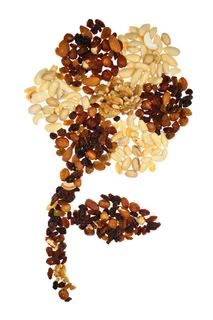 High quality fat from sources such as nuts and seeds. High quality fat is important for at least two reasons:
- Fat helps stabilize blood sugar: Nuts, when consumed with a meal or snack, significantly reduce the rate at which glucose from carbs enters the bloodstream. This means better blood sugar balance and control. Nuts are comprised predominantly of monounsaturated fats and are a rich source of phytosterols, magnesium and folic acid which are means they are cardioprotective (reduce the risk of cardiovascular disease).
- Fat helps with satiety: A meal or snack with a balanced amount of fat (with respect to carbs and protein) will help increase feelings of fullness and satiety. This can be very helpful in terms of portion control.
Fiber is a key player in any healthy food. Fiber increases satiety by adding bulk, helps to slow the absorption of glucose from the diet, sweeps away dietary cholesterol in the gut, helps to create a nourishing environment for beneficial gut bacteria and scrubs toxins from the digestive tract. This is just a partial list of the benefits of fiber.
We recommend 3 grams (or more) per bar. In our opinion, fiber really speaks to a particular food’s “Carbohydrate Quality.” We define Carb Quality as follows: First, 3+ grams of Fiber. Second, minimal use of sugar alcohols. Third, the use of low glycemic sweeteners, such as Agave nectar.
Low allergens: (see the next article in this series discussing common allergens found in sports bars - coming up soon!)
Authors: Michael Kaplan, ND, Minh-Hai Tran, MS, RD and Sandi Kaplan, MS, RD
Reference Citations:
1. Mozaffarian D, Pischon T, Hankinson SE, et al. Dietary intake of trans fatty acids and systemic inflammation in women. Am J Clin Nutr. 2004; 79:606-12.
2. Mozaffarian D, Katan MB, Ascherio A, Stampfer MJ, Willett WC. Trans fatty acids and cardiovascular disease. N Engl J Med. 2006; 354:1601-13.
3. Trans fats: The Story Behind the Label. Harvard Public Health Review. Spring 2006.
4. Freeman J, Hayes, C. Low Carbohydrate Food Facts & Fallacies. Diabetes Spectrum. 2004. 17:137-140.
5. Hartman E. High Fructose Corn Syrup: No so Sweet for the Planet. Washington Post. March 9, 2008. p. N02
6. Jenkins, D, Kendall, C, Josse A, et al. Almonds decrease post-prandial glycemia, insulinemia, and oxidative damage in healthy individuals. J Nutr 2006;136;2987-92.
7. L’Hocine L, Boye JI. Allergenicity and the soybean: new developments in identification of allergenic proteins, cross reactivities and hypoallergenization technologies. Crit Rev Food Sci Nut. 2007;47(2):127-43.
8. Stolzenberg-Solomon RZ, et al. Folate intake, alcohol use, and postmenopausal breast cancer risk in the Prostate, Lung, Colorectal, and Ovarian Cancer Screening Trial. Am J Clin Nutr. 2006 Apr;83(4):895-904.
9. Stranges S, et al. Effects of long-term selenium supplementation on the incidence of type 2 diabetes: a randomized trial. Ann Intern Med. 2007 Aug 21;147(4):217-23.
10. Ericson U et al. High folate intake is associated with lower breast cancer incidence in postmenopausal women in the Malmö Diet and Cancer cohort. Am J Clin Nutr. 2007 Aug;86(2):424-43.
11. Steinberg FM, Bearden MM, Keen CL. Cocoa and chocolate flavonoids: implications for cardiovascular health. J Am Diet Assoc. 2003 Feb; 103(2):215-23.
12. Champe PC, Harvey RA. Biochemistry 2nd edition. Philadelphia: J.B. Lippincott Company, 1994. 112, 152.
13. Oku T, Nakamura S. Threshold for transitory diarrhea induced by ingestion of xylitol and lactitol in young male and female adults. J Nutr Sci Vitaminol (Tokyo). 2007 Feb;53(1):13-20.
14. Farschi HR, et al. Beneficial metabolic effects of regular meal frequency on dietary thermogenesis, insulin sensitivity and fasting lipid profiles in healthy obese women. Am J Clin Nutr. 2005 Jan;81(1):16-24
Dr. Nicole Sundene, NMD is a licensed Naturopathic Medical Doctor at Fountain Hills Naturopathic Medicine 16719 E Palisades Blvd, Suite 205, Fountain Hills, AZ 85268.She believes we should utilize natural medicines to treat the root cause of disease rather than just treating symptoms, as symptoms are a message of imbalance sent from the body and will persist until they are properly addressed.
For appointments please visit http://FHnaturopathic.com for more information about Naturopathic Medicine services.
©KitchenTableMedicine.com, LLC ™
Are There Poisons In Your Baby’s Food?
January 31, 2009 by Kitchen Table Medicine
Filed under Allergies, Breast Feeding, Cancer, Diet Tips, Kitchen Sink
 Whether you breast-feed or bottle-feed your baby, there may be harmful chemicals in the food you feed them. Many additives in the food you eat may be very dangerous to your health. And since what you eat, you feed to your baby when you breast-feed, the chemicals that are harmful to you are going to harm your baby.
Even products designed for infants and very young children may contain harmful additives. Take, for example, a popular electrolyte replacement beverage for infants. It contains artificial flavors (which may cause developmental problems and many are not adequately tested), acesulfame potassium (a carcinogen), various food colorings (many of which may be carcinogenic or not adequately tested).
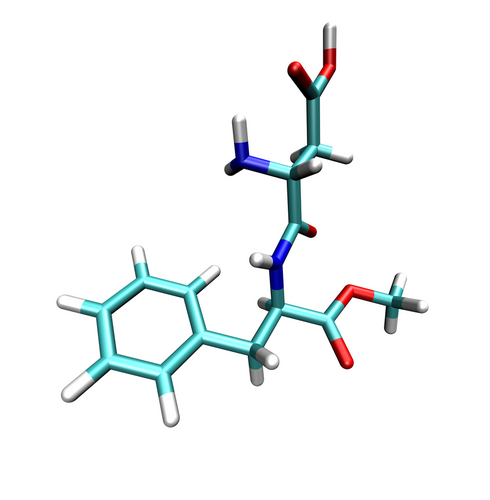
It may also contain the artificial sweetener Aspartame, also known as Nutrasweet. Aspartame can cause birth defects, central nervous system disturbances, menstrual difficulties, brain damage in phenylketonurics, seizures, death and a long list of other reactions too numerous to mention. It may cause irreversible health damage over the long term.
Aspartame was approved and claimed safe by a specially appointed FDA Commissioner after his own Board of Inquiry that investigated aspartame claimed it unsafe. This FDA Commissioner later left the FDA to work for the drug company that produces aspartame.
Monosodium glutamate (MSG) and free glutamate are flavor enhancers considered safe by the FDA. MSG may cause a variety of symptoms, including headaches, itching, high blood pressure and allergic reactions. Free glutamate, the active ingredient in MSG, may cause dizziness, shortness of breath, headaches, drowsiness and even brain damage, especially in children.
Because of bad publicity, food manufacturers found ways to hide MSG in foods they produce. They list the ingredients that contain MSG but not the MSG itself. Or they use free glutamates instead of MSG.
For example, broth may be listed as an ingredient on a label. Broth may contain MSG, but the ingredients in the broth are not required to be listed on the label. Hydrolyzed soy protein, a common ingredient in tuna, is high in free glutamates, but does not contain MSG. The label can legally say no MSG.
Even if the label says “all natural ingredients” and “no preservatives,” the product could contain harmful additives. Almost all packaged foods ─ even so called “health foods” ─ have additives in them, and many are harmful or inadequately tested. The manufacturer hopes you’ll think these are healthy natural products, but if you read the list of ingredients, you’ll find ingredients that are not common food items. If you learn to interpret food labels, you’ll find that many of these ingredients are harmful or of questionable safety.
So, how do you know which foods are safe to eat? Dr. Christine Farlow, in her handy pocket-sized book, FOOD ADDITIVES: A Shopper’s Guide To What’s Safe & What’s Not, now in its 2004 revised edition, makes it easy to identify which additives are harmful and which are not. She classifies 800 commonly used food additives according to safety, whether they may cause allergic reactions and if they are Generally Recognized As Safe (GRAS) by the FDA.
In just seconds, the average person can find out if an additive in the food they’re buying is harmful to their health. It’s clear, concise and easy to use. Make this book your constant groc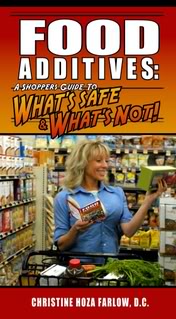 ery shopping companion and you’ll never again wonder about the safety of the ingredients listed on the package. You’ll know.
Dr. Christine H. Farlow, D.C. is a chiropractor, nutritionist and author. She has helped thousands improve their health through nutrition. For more information on food additives and healthy eating, visit http://www.healthyeatingadvisor.com or contact Dr. Farlow.
Dr. Nicole Sundene, NMD is a licensed Naturopathic Medical Doctor at Fountain Hills Naturopathic Medicine 16719 E Palisades Blvd, Suite 205, Fountain Hills, AZ 85268.She believes we should utilize natural medicines to treat the root cause of disease rather than just treating symptoms, as symptoms are a message of imbalance sent from the body and will persist until they are properly addressed.
For appointments please visit http://FHnaturopathic.com for more information about Naturopathic Medicine services.
©KitchenTableMedicine.com, LLC ™
Rock It - Pilgrim Style
January 30, 2009 by Kitchen Table Medicine
Filed under Bonnie Pfiester, Diet Tips, Kitchen Sink
 By Bonnie Pfiester Fitness Trainer
The Pilgrims were on a high-protein, low-carb diet
In 1621, the Plymouth colonists and Wampanoag Indians shared an autumn harvest feast known as one of the first Thanksgiving celebrations. I’ve often wondered what was on their menu back then. Something tells me it wasn’t high-calorie stuffing and pumpkin pie.
From what I understand, a person’s social standing determined the food they ate. The best food was placed closest to the most important people at the table. Instead of sampling everything, people just ate what was next to them.
Although the traditional Thanksgiving meal typically includes a big turkey or ham, we eat more side dishes than meat. The seventeenth century meal would have included a lot more protein from meats like deer and wild fowl.
Unlike today’s menu where we have loads of vegetable dishes, veggies weren’t always available to the colonists. Instead of high-calorie casseroles, the side dishes were either fresh or dried, like Indian corn. Since they had no refrigeration, they couldn’t have made my grandmother’s congealed salad either.
Pies were not an option since ovens weren’t even invented. That means no fancy bread or cakes either. As a matter of fact, although the Pilgrims did bring sugar on the Mayflower, the sugar supply had dwindled by that time so it was very unlikely there were many sweets at all.
The colonists cooked more like I do – they used a lot of spices and didn’t use measuring cups. The pilgrims improvised with a lot cinnamon, ginger, nutmeg, pepper, and dried fruit in sauces for meats. Maybe that’s where we got the idea to make cranberry sauce.
The big meal was typically eaten at our lunchtime, which they called “noonmeat”. Their supper was a much smaller meal, which is definitely better for the waistline. By eating during the day, the colonists had more time to burn off the extra calories.
Finally, one thing we often forget is that the colonists were more active than we are today. Days consisted of hard labor for all the men, women and children. While the boys were building houses, gathering crops, collecting firewood and hunting food, women were churning butter, making candles, milking goats, washing clothes and cooking.
The colonists didn’t gather their food up in less than one hour at the grocery store. Resting simply wasn’t an option. Preparing the food for the celebration was hard work. No wonder they celebrated when they finally got to eat what they had worked so hard for.
~Bonnie
 Bonnie Pfiester is a Personal Trainer, wife to the famous fitness trainer Steve Pfiester of the reality TV show “Fat March”, and owner of the women’s health club Longevity Fitness.
You can enjoy more of Bonnie’s fitness and beauty articles at www.BonniePfiester.com or here at the kitchen table by visiting the Bonnie Pfiester page.
You are invited to leave your fitness and sports nutrition questions in the comments below for Bonnie to briefly answer or write about in future articles.
Dr. Nicole Sundene, NMD is a licensed Naturopathic Medical Doctor at Fountain Hills Naturopathic Medicine 16719 E Palisades Blvd, Suite 205, Fountain Hills, AZ 85268.She believes we should utilize natural medicines to treat the root cause of disease rather than just treating symptoms, as symptoms are a message of imbalance sent from the body and will persist until they are properly addressed.
For appointments please visit http://FHnaturopathic.com for more information about Naturopathic Medicine services.
©KitchenTableMedicine.com, LLC ™
Corn Syrup, Is it Really Just Like Sugar?
January 30, 2009 by Kitchen Table Medicine
Filed under Diabetes, Diet Tips, Dr. Scott Olson, Guest Posts, High Blood Pressure, Kitchen Sink, Sugar, Weight Gain
 The Corn Industry is spending massive amounts of advertising dollars trying to convince us that high-fructose-corn syrup is just as “good for you” as sugar. But does it really matter? Let’s talk to Dr. Scott Olsen about the differences between sugar and high-fructose-corn-syrup.
In your medical opinion…what is worse: Sugar or high fructose corn syrup?
Dr. Olsen: This is a little like asking if you would rather be shot or stabbed: both are bad. There is a lot of stir in the media lately about high fructose corn syrup and how it is different than sugar and the research on corn syrup does show it behaves differently in our bodies.
What you need to know about fructose is that the body can’t use it, so whenever you consume fructose, the body has two choices. The first is that it can convert the fructose into glucose and then the body can use the glucose to power all its energy needs. The second choice is that the body can choose to store the fructose as fat.
There is some evidence that the body finds it easier to make that second choice: turning the fructose into fat. (11) Since our consumption of high fructose corn syrup has increased dramatically in the last few years along with the rate of obesity, it makes us wonder if fructose is to blame.
 FRUCTOSE ALSO:
- Creates harmful proteins, called glycated proteins, much easier than glucose.(12)
- Leads to insulin insensitivity (and, therefore: diabetes and obesity as well).(13)
- Contributes to hypertension (high blood pressure).(14)
While avoiding both sugar and high fructose corn syrup is probably your best health choice, keeping high fructose corn syrup out of your diet is the next best step.
Notes:
11. Bray GA, Nielsen SJ, Popkin BM: Consumption of high-fructose corn syrup in beverages may play a role in the epidemic of obesity. Am J Clin Nutr. 2004 Apr;79(4):537-43.
12. Colaco CA. Sugar and coronary heart disease, a molecular explanation. J R Soc Med. 1993 Apr;86(4):243.
13. Miller A, Adeli K. Dietary fructose and the metabolic syndrome. Curr Opin Gastroenterol. 2008 Mar;24(2):204-9.
14. Johnson RJ, Segal MS, Sautin Y, et al: Potential role of sugar (fructose) in the epidemic of hypertension, obesity and the metabolic syndrome, diabetes, kidney disease, and cardiovascular disease. Am J Clin Nutr. 2007 Oct;86(4):899-906.
Dr. Nicole Sundene, NMD is a licensed Naturopathic Medical Doctor at Fountain Hills Naturopathic Medicine 16719 E Palisades Blvd, Suite 205, Fountain Hills, AZ 85268.She believes we should utilize natural medicines to treat the root cause of disease rather than just treating symptoms, as symptoms are a message of imbalance sent from the body and will persist until they are properly addressed.
For appointments please visit http://FHnaturopathic.com for more information about Naturopathic Medicine services.
©KitchenTableMedicine.com, LLC ™
Top 9 Cancer-Causing Ingredients To Avoid
January 30, 2009 by Kitchen Table Medicine
Filed under Cancer, Diet Tips, Kitchen Sink

Do you read the ingredients on the label of every item you put in your grocery cart?
Or do you just read what’s jumps out at you on the package? If you’re not reading the ingredients in the tiny print, you’re probably eating additives that are dangerous to your health, chemicals that cause cancer.
You see, the FDA allows manufacturers to add small amounts of cancer-causing substances to the food you eat. So, not only are many of our foods not healthy, they’re unsafe.
Here are some cancer-causing chemicals you’re going to want to watch out for and keep out of the food you eat:
- Acesulfame-K, also known as Acesulfame-potassium or “Sunnette” is an artificial sweetener. It has not been adequately tested for human consumption. The FDA approved this additive even though the tests done to determine it’s safety did not meet the FDA standards and caused cancer in lab animals, which increases the probability that it will also cause cancer in humans.
- Artificial colors, or FD&C colors, are mostly are derived from coal tar, which is a carcinogen. Over the years, many FD&C colors have been banned because of their harmful effects. And it is likely that more will be banned in the future. Some of the worst FD&C colors include: Green #3, Blue #1, Blue #2 and Yellow #6 which cause allergic reactions and cancer in lab animals. Red #3 is a carcinogen, which may interfere with nerve transmission in the brain and causes genetic damage. It is banned in cosmetics, but allowed in food, and it’s especially harmful to children.Yellow #5 causes allergic reactions in those sensitive to aspirin. It may be life threatening. Citrus red #2 is a known carcinogen. Its only allowed use is to color orange skins. So, If you use orange zest in some of your recipes, you may be ingesting carcinogens. Any color with “lake” after it means that aluminum has been added to the color to make it insoluble.
- BHA & BHT are widely used as preservatives, stabilizers and antioxidants. BHA is known to cause cancer in humans. Both BHA and BHT are toxic to the liver and kidneys. BHT may react with other ingested substances to cause the formation of carcinogens. BHT is banned in England.
- Potassium bromate is used to treat flour to give bread and baked goods a sponge-like quality. It is probably not used in California because it might require a cancer warning on the label. Outside of California, “unbromated” breads do not contain potassium bromate. It is also used in toothpaste, mouth washes and gargles. It is a carcinogen, mutagen and highly toxic. It is banned worldwide, except in the U.S. and Japan .
- Carrageenan is a seaweed derivative used in a wide variety of foods and cosmetics. In its native form, it has not been classified as a carcinogen, but in it’s degraded or broken down form it has been classified as a possible human carcinogen by the International Agency for Research on Cancer (IARC). Joanne Tobacman, M.D., University of Iowa assistant professor of clinical internal medicine, and researcher on carrageenan, said “There seems to be enough evidence associating carrageenan with significant gastrointestinal lesions, including malignancies, to avoid ingesting it.” According to Dr. Tobacman, the native carrageenan, after being subjected to stomach acids may be broken down into the degraded form and be a cancer risk. And even if it wasn’t, carrageenan cannot be identified as native or degraded on food labels, so there is no way of knowing if you are ingesting carrageenan, the carcinogen or not.
- Nitrates and nitrites are found primarily in processed meats. They combine with stomach acids and chemicals in foods to form nitrosamines, which are powerful carcinogens.
- Olestra has not been shown to cause cancer. However, it robs the body of carotenoids, which are known to have a protective effect against cancer. Studies have shown a 40-50% drop in blood carotenoids after consuming only 3-8 grams of olestra in a day, equivalent to 6-16 chips. It also may causes severe gastrointestinal cramping and diarrhea, which may last for extended periods of time.
- Propyl gallate is used as an antioxidant in fats, oils, candy and a variety of processed foods. It is a suspected carcinogen and is known to cause kidney, liver and gastrointestinal problems. It can cause allergic reactions in those with asthma and sensitivity to aspirin. It has not been adequately tested.
- Saccharin, or Sweet ‘N Low, is an artificial sweetener that is known to cause cancer. Because of pressure from the food industry, in 2000, saccharin was removed from the list of cancer-causing chemicals, in spite of the fact that studies still show that it causes cancer in lab animals.
So, how do you know which additives are really safe to eat? Dr. Christine Farlow, in her handy pocket-sized book, FOOD ADDITIVES: A Shopper’s Guide To What’s Safe & What’s Not, now in its 2004 revised edition, makes it easy to identify which additives are harmful and which are not. She classifies 800 commonly used food additives according to safety, whether they may cause allergic reactions and if they are Generally Recognized As Safe (GRAS) by the FDA.
In just seconds, the average person can find out if an additive in the food they’re buying is harmful to their health. It’s clear, concise and easy to use. Make this book your constant grocery shopping companion and you’ll never again wonder about the safety of the ingredients listed on the package. You’ll know.
Dr. Christine H. Farlow, D.C. is a chiropractor, nutritionist and author. She has helped thousands improve their health through nutrition. For more information on food additives and healthy eating, visit http://www.healthyeatingadvisor.com or contact Dr. Farlow.
Dr. Nicole Sundene, NMD is a licensed Naturopathic Medical Doctor at Fountain Hills Naturopathic Medicine 16719 E Palisades Blvd, Suite 205, Fountain Hills, AZ 85268.She believes we should utilize natural medicines to treat the root cause of disease rather than just treating symptoms, as symptoms are a message of imbalance sent from the body and will persist until they are properly addressed.
For appointments please visit http://FHnaturopathic.com for more information about Naturopathic Medicine services.
©KitchenTableMedicine.com, LLC ™
How to Eat Healthy While Traveling
January 19, 2009 by Kitchen Table Medicine
Filed under Diet Tips, Kitchen Sink, Weight Loss
By Bonnie Pfiester, Fitness Trainer 
Traveling is a dieter’s nightmare.
Traveling can destroy a diet if your not careful.
Traveling can be tough for dieters. Convenience store junk food, the infamous airline snack box and combo meals all add up to a diet disaster.
There is something about traveling that makes us think we’re hungry. Let’s start with road trips. I don’t know about you, but Steve and I have the worst snack attacks when driving long distances. Although the need to feed mostly stems from boredom, the million billboards showcasing juicy hamburgers don’t help either.
Once a billboard convinces you to stop and eat, you find yourself driving down an unknown road with restaurant after restaurant calling your name. Taco Bell, McDonald’s, Denny’s, Dairy Queen, Applebees – they all have a special, or menu item, to capture your attention.
Once you decide where to eat you, have to battle the menu. No matter how many times I’ve been to a restaurant, and even if I know what I should order, I still feel the need to read the entire menu. What in the world am I thinking? I’m just welcoming temptation. Before you know it, I’ve justified why I can afford to eat a Hamburger and fries.
If you are not traveling on the ground you have a different set of problems. Opposite of having too many choices, airline passengers have very few food choices. You’re trapped 35,000 feet in the air when a stewardess offers you an unappealing selection of nuts, cookies, crackers and cheese surprise. While first classers eat their high-calorie mystery meal, coach passengers get a sorry selection of the most boring sandwiches, bagels or salads they’ve ever wasted calories on.
In any case, the answer to the dieter’s traveling blues is planning ahead. You’ll pack your toothbrush so why not pack your food? It’s not like you don’t know you’re going to be stuck in a car or plane for several hours.
First, pack healthy snacks like pretzels, whole fruit, veggies, yogurt, cheese sticks, beef jerky, lunch meat, nuts, rice cakes or protein bars to prevent you from getting hungry and making poor choices. Second, learn to say no – plain and simple. Third, keep a calorie book on you. It’s much easier to cheat when you don’t know what you are eating. Lastly, bring other things to entertain you besides food, like a good book or magazine.
Traveling will always be tough for dieters, but with a little planning you can beat the need to feed.
~Bonnie
Bonnie Pfiester is a Personal Trainer, wife to the famous fitness trainer Steve Pfiester of the reality TV show “Fat March”, and owner of the women’s health club Longevity Fitness.
You can enjoy more of Bonnie’s fitness and beauty articles at www.BonniePfiester.com or here at the kitchen table by visiting the Bonnie Pfiester page.
You are invited to leave your fitness and sports nutrition questions in the comments below for Bonnie to briefly answer or write about in future articles.
Dr. Nicole Sundene, NMD is a licensed Naturopathic Medical Doctor at Fountain Hills Naturopathic Medicine 16719 E Palisades Blvd, Suite 205, Fountain Hills, AZ 85268.She believes we should utilize natural medicines to treat the root cause of disease rather than just treating symptoms, as symptoms are a message of imbalance sent from the body and will persist until they are properly addressed.
For appointments please visit http://FHnaturopathic.com for more information about Naturopathic Medicine services.
©KitchenTableMedicine.com, LLC ™
The Five Hidden Evils in Nutrition Bars
December 23, 2008 by Dr. Nicole Sundene
Filed under Diet Tips, Exercise, Kitchen Sink, Sports Nutrition, Sugar, Wheat Free/Gluten Free, Whole Foods Diet
 Finding a truly healthy nutrition bar can be tough as I noted in my article, “Zing Bars Awarded Best Nutrition Bar 2008.”
I interviewed the makers of Zing Bars, nutritionists Michael Kaplan, ND, Minh-Hai Tran, MS, RD and Sandi Kaplan, MS, RD to help us better understand the following unhealthy red flag ingredients commonly found in our not so healthy “health bars.”
What are the 5 Most Harmful Ingredients Commonly Found in Nutrition Bars?
1. Trans fats are listed as “partially hydrogenated” oils in a packaged food’s ingredients list. Trans fats have been shown to increase total cholesterol and contribute to heart disease. They also spur inflammation, an over-activity of the immune system that has been implicated in heart disease, stroke, diabetes, and other chronic conditions.
The good news is that as of January 1, 2006, trans fats are required by law to be enumerated in a food’s Nutrition Facts Panel. Despite ever increasing public awareness, however, trans fats still have a place on the FDA’s “GRAS” (generally regarded as safe) list so watch out for their continued use.
2. Fractionated Palm Kernel Oils are an increasingly popular ingredient in bars today. They are commonly used to help stiffen chocolate coatings that would otherwise not be solid a room temperature. This “fractionation” process dramatically raises the saturated fat content of the oil, and confers many of the same anti-melting shelf stability aspects of trans fats.
It appears that fractionated oils may be taking the place of trans fats in certain products, stepping in as public awareness about trans fats rises. While more research is needed to determine the extent of the health risks of fractionated oils, it’s clear that they confer a higher level of saturated fat and a poorer quality fat profile overall.
3. Sorbitol, Mannitol, & Maltitol are sweeteners known as sugar alcohols. Manufacturers of candies and many sports bars use sugar alcohols as a replacement for conventional sugar or high fructose corn syrup. These sugar alcohols taste sweet, but have less of an impact on blood sugar levels compared to traditional cane sugar. Unfortunately there are several myths and popular misconceptions surrounding sugar alcohols.
Myth 1: Sugar alcohols are calorie free. This is unfortunately false. The most commonly used sugar alcohols have between 50-75% of the calories per gram of table sugar.
Myth 2: Sugar Alcohols only slightly raise blood sugar. While it’s true that most sugar alcohols have a lower glycemic index (or effect on blood sugar) than traditional table sugar, the effect is hardly negligible.
Despite fewer calories per gram, Sugar alcohols can raise blood sugar anywhere from 50-100% of the amount expected from table sugar alone. This means that some sugar alcohols may contribute to blood sugar swings & crashes normally associated with “traditional” sugary snacks & treats.
Myth 3: Sugar alcohols have no side-effects. Untrue! Sugar alcohols are not fully digested and absorbed by the body, so some of the compounds remain in the gut and are allowed to pass to the colon; an area sugars are normally never allowed to enter.
These sugars can pull extra water into the colon via osmosis, leading to diarrhea and cramping. They can also be fermented by the bacteria that normally inhabit this area of the digestive tract, leading to increased flatulence. The “threshold” or amount required to produce this effect varies from person to person.
So, not all sugar alcohols are created equally.
4. High Fructose Corn Syrup (HFCS) is a high glycemic sweetener, equivalent to sucrose (table sugar) in the degree of sweetness and calories per gram. While the research is unclear about whether or not HFCS is more harmful to health than sucrose, it’s presence in a food usually suggests a disproportionate amount of refined carbohydrate compared to fiber, protein and fat.
While HFCS is technically “natural” according to the FDA’s guidelines, it is a heavily processed product requiring many energy intensive steps. This makes it a less than optimal choice from an ecological point of view. HFCS also propagates the use of non-organic corn. So while the debate rages on about its healthfulness for humans compared to table sugar, its negative impact on the environment is more evident.
5. Gluten sensitivity is an emerging problem among American & Europeans. Current research points out that 1% of the population have Celiac disease (a more symptomatic form of gluten sensitivity). However, evidence suggests that gluten sensitivity (with its more non-specific presentation) affects many more people. Gluten is found in wheat, barley, oats, and rye primarily and athletes with sensitive stomachs should consider avoiding gluten.
Authors: Michael Kaplan, ND, Minh-Hai Tran, MS, RD and Sandi Kaplan, MS, RD
Reference citations:
1. Mozaffarian D, Pischon T, Hankinson SE, et al. Dietary intake of trans fatty acids and systemic inflammation in women. Am J Clin Nutr. 2004; 79:606-12.
2. Mozaffarian D, Katan MB, Ascherio A, Stampfer MJ, Willett WC. Trans fatty acids and cardiovascular disease. N Engl J Med. 2006; 354:1601-13.
3. Trans fats: The Story Behind the Label. Harvard Public Health Review. Spring 2006.
4. Freeman J, Hayes, C. Low Carbohydrate Food Facts & Fallacies. Diabetes Spectrum. 2004. 17:137-140.
5. Hartman E. High Fructose Corn Syrup: Not so Sweet for the Planet. Washington Post. March 9, 2008. p. N02
6. Rubio-Tapia A, Murray JA. The Liver in Celiac Disease. Hepatology. 2007. Nov; 46(5): 1650-8.
7. Helms, S. Celiac Disease and Gluten-Associated Diseases. Altern Med Rev. 2005 Sept; 10(3):172-92
8. Miller GD, Jarvis JK, McBean LD. Handbook of Dairy Foods and Nutrition 3rd edition. National Dairy Council, 2006.
9. http://en.wikipedia.org/wiki/Whey_protein
10. Jenkins, D, Kendall, C, Josse A, et al. Almonds decrease post-prandial glycemia, insulinemia, and oxidative damage in healthy individuals. J Nutr 2006;136;2987-92.
11. L’Hocine L, Boye JI. Allergenicity and the soybean: new developments in identification of allergenic proteins, cross reactivities and hypoallergenization technologies. Crit Rev Food Sci Nut. 2007;47(2):127-43.
12. Farschi HR, et al. Beneficial metabolic effects of regular meal frequency on dietary thermogenesis, insulin sensitivity and fasting lipid profiles in healthy obese women. Am J Clin Nutr. 2005 Jan;81(1):16-24
Dr. Nicole Sundene, NMD is a licensed Naturopathic Medical Doctor at Fountain Hills Naturopathic Medicine 16719 E Palisades Blvd, Suite 205, Fountain Hills, AZ 85268.She believes we should utilize natural medicines to treat the root cause of disease rather than just treating symptoms, as symptoms are a message of imbalance sent from the body and will persist until they are properly addressed.
For appointments please visit http://FHnaturopathic.com for more information about Naturopathic Medicine services.
©KitchenTableMedicine.com, LLC ™
Seafood: Don’t Listen to the FDA!
December 18, 2008 by Dr. Nicole Sundene
Filed under Diet Tips, Kitchen Sink, Pediatrics, Pregnancy
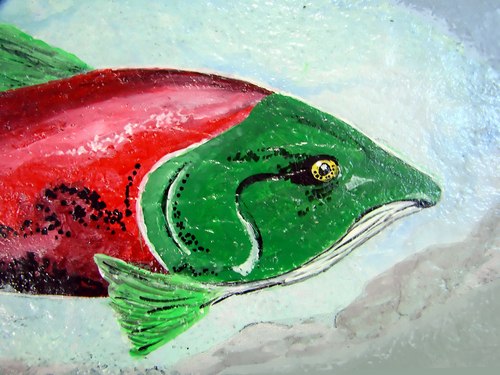 Is the FDA going to start recommending that pregnant women drink a beer and smoke a cigarette every night too? Recommending mercury laced seafood to pregnant women in my opinion is just as seemingly ridiculous and irresponsible.
Trust me, I am all about moderation, but when I read articles like this one, “FDA Urges Pregnant Women to Consume More Mercury Laced Seafood,” I feel like just packing up and quitting!
How can the FDA feel good about potentially favoring the failing seafood industry at the risk of exposing unborn fetuses to toxic mercury that is known to cause birth defects and neurological damage? No amount of known mercury consumption during pregnancy should be labeled as “safe” or “healthy.” There is no guarantee that a woman’s cytochrome p450 detoxification pathways will be working while pregnant, and worse yet a common problem in pregnancy is constipation which just perpetuates heavy metal poisoning as the main elimination pathway slows down.
Honestly this crazy rough draft recommendation from the FDA doesn’t surprise me though. I could ramble on for hours about many other instances as to why we should no longer listen to the American FDA, and this is merely one of them. The FDA simply has big business in America at heart, and with the seafood industry nearing extinction in the next few decades as our oceans become increasingly polluted this dietary recommendation is simply a warning sign that the FDA is scrambling to protect the inevitable demise of the seafood industry.
The FDA makes blanket recommendations that promote businesses while potentially jeopardizing the health of individuals. The rough draft report awaiting approval by the white house argues, “that nutrients in fish, including omega-3 fatty acids, selenium and other minerals could boost a child’s IQ by three points.”
Yes! Children will need those extra three IQ points if they were exposed to mercury as a fetus, a heavy metal known to cause neurological disorders.
Keep in mind when you hear health recommendations from the FDA that they are made basically to cover government regulated food programs such as provided for prisoners. Imagine the cost to our government if the FDA actually insisted on high quality organic food for all prisoners?
Such a costly recommendation would certainly burden these government food programs, but it may solve the health care dilemna. We are the second most unhealthy country only to Finland, yet we spend the most on health care, and the least on high quality food. We should try modeling after our European and Asian counterparts that place a cultural priority on quality food consumption. Americans will eat any old cheap refined food garbage they can purchase several month’s supply of at a cost saving warehouse. Europeans shop several times a week from a local produce stand.
Cutting corners with our food is is not the answer. Trust me, my heart goes out to the seafood industry, but we have to make ethical decisions when it comes to health. The pollution of our oceans is an unavoidable reality.
Larger carnivorous fish are naturally more polluted than smaller ones. Older fish are also more polluted than younger fish. The best fish to consume are Alaskan Wild Salmon and similar deep water fish. Do NOT eat farm raised fish unless they are crustaceans grown in controlled tanks. Farm raised salmon is toxic with PCB’s to say the least. PCB’s are known carcinogens that cause cancer, and farmed fish is thus banned in Europe for that reason. Why isn’t it banned in America? Money of course.
It is simply irresponsible on the FDA’s behalf to consider recommending that pregnant women and children eat more fish that we KNOW are toxic with mercury. This just doesn’t make sense, and I hope that pregnant women are not going to fall victim to this ridiculous advice that clearly has the interest of big business in America at heart and not the health of developing human beings.
Reference: www.EWG.org
Dr. Nicole Sundene, NMD is a licensed Naturopathic Medical Doctor at Fountain Hills Naturopathic Medicine 16719 E Palisades Blvd, Suite 205, Fountain Hills, AZ 85268.She believes we should utilize natural medicines to treat the root cause of disease rather than just treating symptoms, as symptoms are a message of imbalance sent from the body and will persist until they are properly addressed.
For appointments please visit http://FHnaturopathic.com for more information about Naturopathic Medicine services.
©KitchenTableMedicine.com, LLC ™
Best Chewable Fiber 2008
December 9, 2008 by Dr. Nicole Sundene
Filed under Best, Cholesterol, Detox, Diabetes, Diet Tips, Fiber, Fruits and Veggies, Hypoglycemia, Kitchen Sink, Weight Loss

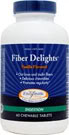
The best fiber sources obviously come from whole food dietary sources.
However, occasionally we need a little something something to “cheat the system” and this is my favorite weight loss trick, as I have mentioned the importance of utilizing fiber for satiety and stable blood sugar in my “Favorite Weight Loss Diet of 2008″.
You should never take fiber with your vitamins or minerals as it will absorb them and defeat the purpose, however, two of these chewable fiber pills pack 4 grams of the needed 25 grams (if not more!) of recommended daily fiber. Don’t forget to take these chewable fiber pills with an eight ounce glass of water, as we never take fiber without water.
Fiber is therapeutic for those with diabetes, high cholesterol, hypoglycemia, in need of losing weight, and detoxing or in need of liver support. Fiber binds with cholesterol and toxins in the bowel and prevents the cholesterol and toxins from recirculating into our blood stream as I explained in my natural cholesterol lowering plan. Instead we eliminate the toxins and cholesterol out.
No, these chewable fibers aren’t as delicious as candy but they do satisfy the sweet tooth and come in both vanilla and chocolate Even better, they are not a psyllium based fiber, as many people do not tolerate psyllium (found in Metamucil) very well, and it can make them extremely gassy or constipated.
Most Americans only get about 9 grams of fiber each day, according to the latest studies. If you want to increase the “satiety index” (the amount of time you feel satisfied before you get hungry again) of your meal or snack and decrease the “glycemic load” as I recommend for weight loss, diabetes, and anti-aging simply have a few of these fiber pills with your meal!
I also have a few fiber pills when I am stuck in that inevitable bad eating situation, and fiber at the very least helps to mop up excess saturated fat that we consume, or when I am out running errands and want to make it home to eat instead of eating out.
I buy a bunch of these bottles and stash them everywhere: in my car, in my purse, by the fridge, etc. An ounce of weight loss prevention is worth a pound of cure and fiber is a fantastic way to manage hunger.
Between meals these fiber pills can be used as a little sweet snack. Remember they are not free of calories, and two tablets have 25 calories, but they are free of a lot of the other typical refined garbage that goes in to supplements.
Of course my purest friend Dr. Ben would recommend chewing on chia seeds as the best chewable fiber, but sometimes I just need a little something sweet to get me through the rough patches and prevent me from grabbing some McInflammation in a mad hungry hypoglycemic rage.
The Enzymatic Therapy line was established by naturopathic physician Dr. Michael Murray and is a great widely available trusted supplement brand.
Dr. Nicole Sundene, NMD is a licensed Naturopathic Medical Doctor at Fountain Hills Naturopathic Medicine 16719 E Palisades Blvd, Suite 205, Fountain Hills, AZ 85268.She believes we should utilize natural medicines to treat the root cause of disease rather than just treating symptoms, as symptoms are a message of imbalance sent from the body and will persist until they are properly addressed.
For appointments please visit http://FHnaturopathic.com for more information about Naturopathic Medicine services.
©KitchenTableMedicine.com, LLC ™
The Healing Power of Thanksgiving
November 26, 2008 by Dr. Nicole Sundene
Filed under Diet Tips, Fruits and Veggies, Healthy Recipes, Kitchen Sink, Preventative Medicine, Recipes, Superfoods, Weight Loss, Whole Foods Diet, Whole Foods Makeover

Contrary to popular belief Thanksgiving Dinner is actually quite healthy.
When we remove all the notorious “white foods,” such as white refined flours, sugars, and other carbohydrates devoid of nutrients we are actually left with a very colorful whole food fare.
Of course you should never try a new recipe while entertaining, but I have given each popular dish a “whole foods makeover” so that you can try a healthier option next time. There should be a next time-in just a few weeks. We should try to eat a turkey dinner more than once a year! Baking a whole turkey is a fantastic healthy and frugal way to optimize your grocery budget, and turkey is the hottest trend this winter. Plus it just makes the house smell good. I freeze carcasses until I have enough to make into a great turkey wild rice soup.
Here are the top eight superfoods found in our traditional American Thanksgiving spread.
1. Turkey
Renowned for its high tryptophan content, turkey has the potential to lift our mood and/or make us sleepy. It really depends on how we choose to pair up the amino acids in turkey. When turkey is consumed in conjunction with refined carbohydrates found in mashed potatoes or dinner rolls, the tryptophan converts to serotonin, and in low light conditions the excess serotonin converts in to melatonin, the nighttime hormone that makes us feel sleepy. Serotonin gives you that good “Turkey Buzz” and Melatonin is what sends you straight to the couch for a nice nap. If you are depressed you should work turkey, cottage cheese, and salmon in to your weekly rotation so you can benefit from my other favorite high tryptophan foods, or you can also just try some 5-HTP.
When we eat turkey in the absence of carbohydrates the amino acids that increase energizing catecholamines are able to cross the blood brain barrier and the result is an energized good mood. If you aren’t a breakfast person try a bit of salmon, cottage cheese, or turkey to start your day, support your adrenal glands, and keep you energized until lunch.
Turkey Makeover: Hold the butter, skip the stuffing and go straight for olive oil and lemon as your poultry flavorings of choice. If you bake your turkey at 320F you will be well below the smoking point of olive oil.
Stuffing the cavity of the turkey with whole lemon halves will also give the turkey a “salty flavor” so you can use the least amount of organic sea salt necessary. Stuff some garlic cloves and thyme under the skin of the turkey, and in the cavity along with the lemons.
Medical geeks like me can get crafty and inject herbal seasonings mixed with your basting solution of olive oil and lemon straight in to the meat with syringes (yes you can buy meat syringes at the store too.) Then just baste and bake as usual. Salt and pepper your turkey mainly on your dinner plate, not in the oven. Salt always loses flavor as it cooks and the best flavor comes from that final sprinkling. Salting your meat while cooking also dries it out, so really it is not just healthy but smart.
To benefit from the tryptophan in turkey don’t over do it with your carbs….that is unless you are heading straight to bed! To boost your mood opt to pair your turkey with the “slow carbs” found in fruits and veggies. Skip the dinner roll and the mound of mashed potatoes.
If you are adventurous, you can also go outside for a little walk after you eat your turkey to stay energized. The full spectrum light will prevent the melatonin formation that makes us all so sleepy.
The moral of the turkey story is that tryptophan converts to serotonin which makes us happy, and in the presence of excess dietary sugar and darkness serotonin converts to melatonin, and melatonin makes us drowsy. That is why all of us in Seattle are so darn tired all the time and left with no choice but to hang out at Starbucks or stare at a light box.
Got that? Fabulous. Moving on.
2. Thyme
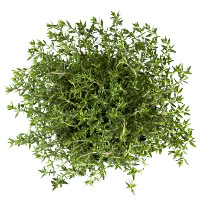
Did you ever wonder where that traditional flavor of Thanksgiving came from? You may not know if you haven’t ever prepared the meal. That certain flavor comes from the herb thyme that we traditionally use to flavor our stuffing. Thyme is a fantastic healing herb as it is antibacterial, antiviral, and antifungal just like most of it’s relatives in the “laminacea” or mint family.
Thyme is used in making “Listerine” mouthwash, or at least it traditionally was. The aromatic oils in thyme are also fantastic for indigestion, no wonder this is the key point herbal medicine of our great American overeating day!
Stuffing Makeover: Just lose the stuffing! Stuffing although delicious is one of the biggest calorie mongers on the menu. If this is your favorite thing you will need to cut back somewhere else on your plate. The trend of white bread went out with eating McInflammation. The new America is a whole foods America.
Whatever you do, please don’t bake your stuffing inside the turkey, this makes it that much more fattening, and sets people up for food poisoning if not adequately cooked through. You HAVE to check the temperature of your stuffing AND your turkey.
Instead try a stuffing in your crockpot of brown rice or quinoa, thyme, raw nuts and seeds, dried fruit, garlic, and your favorite stuffing spices instead of the traditional white food fest. At least experiment with healthy stuffing alternatives for your non-holiday feasts. I will allow everyone to eat stuffing one day a year on my whole foods diet. If you can “just say no to stuffing” then you get bonus points and will immediately benefit by feeling good about yourself and not overstuffed from stuffing.
3. Cranberries
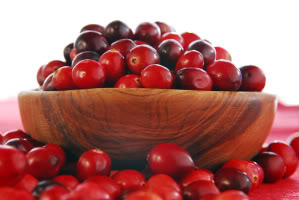
Delicious and healthy antioxidant rich fruit that fight aging, inflammation, and bladder infections.
Why are berries all the latest rage? In my Mangosteen Scam tirade I discussed that all deeply pigmented fruit skins are high in antioxidants. From a botanical standpoint the plant smartly creates these antioxidant polyphenols known as “proanthocyanins” to protect the skin of the fruit from the sun. The fruit cannot use sunlight to produce energy in the manner that the leaves of the plant do, so the antioxidants are “nature’s sunscreen”. Without their protective antioxidants, berries would shrivel and burn under the sun’s harsh rays.
The ingenious antioxidant protection devised by the plant also kindly protects us from the free radical damage that results from the reactive oxygen species we are constantly exposed to in our polluted stressful environment. The skin, eyes, and blood vessels are especially protected by the proanthocyanins in berries.
Most people know that cranberry juice is good for bladder infections. E. coli, the bacteria that causes most bladder infections is unable to adhere to the lining of the bladder thanks to cranberry.
What most people don’t know though is that there is not a therapeutic cranberry juice out there that really tastes that good! If you are drinking a “delicious” glass of cranberry juice every day then you are probably not doing much to prevent a bladder infection. You should read the label because you are probably drinking a delicious glass of high fructose corn syrup(HFCS) and food coloring.
When shopping for cranberry juice, be sure to read the label and purchase only 100% pure cranberry juice. The HFCS juice trend faded out in the nineties. And a cranberry juice loaded with grape juice, apple juice or heaven forbid high fructose corn syrup is simply not going to be effective for preventing disease or bladder infections. To make cranberry juice more palatable, mix with 50% pure blueberry juice. Blueberries are also fantastic antioxidants that prevent bladder infections and aging.
Cranberry Sauce Makeover: Try experimenting with healthier natural sweeteners like agave, brown rice syrup, and stevia for homemade cranberry sauce. Adding a bunch of refined sugars and other refined pollutants to cranberries defeats their protective healing purpose.
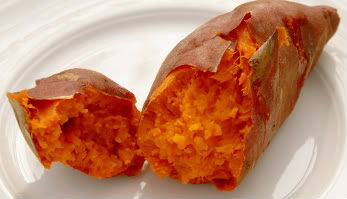
4. Yams
Because of the beautiful orange and yellow pigments, yams, sweet potatoes, and even that delicious pumpkin pie are all a rich source of beta carotene and other important carotenoids that prevent cancer and support a healthy immune system.
Yellow and orange foods are particularly protective to the lungs, reproductive system, and eyes.
No, carrots probably don’t improve your vision, but the carotenoids in them have been shown to be protective and preventative for both cataracts and macular degeneration. So they may not perfect your vision, but they will prevent its degeneration. Certain antioxidants have affiliations for certain tissues in our systems. Be sure to eat something yellow and orange every day, and I’m not talking about circus peanuts! Eating by the rainbow is the diet for the new millennium. If you are struggling with this new trend you may need to grab my favorite Whole Foods Multi that just happens to be “Buy One Get One Free” right now.
Yam Makeover: Lose the marshmallows! Marshmallows are completely out of style. Less is more now. “More is more” went out five years ago, and for some of us a few months ago when the stock market crashed. Try your traditional whipped yam recipe without the marshmallows. Garnish with pecans instead, or just let them stand alone as the amazing super food they are. Try healthier sweeteners in your candied yam recipe like brown rice syrup, agave, or stevia and flavor with cinnamon, nutmeg, allspice, or pumpkin pie spice.
Baked yams as pictured are delicious and simple! Try roasting yams in the oven at 350F 30-40 minutes until fork tender. You can also steam yams till tender, drizzle with olive oil and give a sprinkle of sea salt for a regular dinner side dish. The peel of vegetables is where all the nutrients and fiber lies. Buy yams organic if you are going to eat the peel since they are a root vegetable. All root vegetables are naturally riddled with pesticides as they absorb and concentrate them from the soil. But, since yams and sweet potatoes are dirt cheap, they are worth the extra splurge. Everyone that is “cool now” is eating yams and sweet potatoes, so hopefully that includes you.
For a healthy wheat free “sweet potato pie” scoop out freshly baked sweet potato just like what is pictured here, sprinkle with pumpkin pie spice, drizzle with honey, and top with shredded coconut! Without the pie crust you have earned the calories to add a small dollop of your favorite organic vanilla ice cream. It sounds weird, but it is truly delicious. Who has the time to bake an entire pie anyways when you can just toss a couple sweet potatoes in the oven? Isn’t healthy easy? That is why it is so stylish.
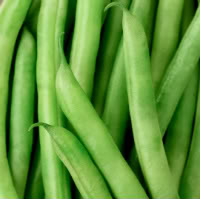
5. Green Beans
Green beans are loaded with fiber, beta carotene, B-vitamins, calcium, and potassium. Eating any beans are a fantastic diabetic trick for lowering the glycemic load of a meal. Beans truly are the “magical fruit” for a reason. Now eating too many beans may not make you too popular, but at least they will make you more attractive and youthful and trim your waist line.
Green Bean Makeover: Lightly steam your green beans, they are done when they turn bright green, don’t boil them in to a nutrient devoid lifeless brown mess. We just don’t boil vegetables anymore. If you boil them you should drink the water too as that is where all the vitamins go. It is just wrong on so many levels, and the kind of thing that only belongs in the “worse dressed” section of the tabloids. Canned green beans went out with acid washed jeans. Always opt for fresh or frozen before grabbing for cans.
I don’t mean to sound bossy, but you have to lose the white canned cream of mushroom soup garbage, and dress your beans with olive oil or your favorite olive oil based salad dressing. If you have to defy me and use a cream based soup then grab an organic one, as most cheap soups are the worst of the worst processed food fests.
Now add carmelized REAL onions, not those fake canned crunchies that were SO 1981. It is important that you keep up with the latest trends. Almond slivers should be RAW to maximally benefit from the cancer fighting phenolic acids and healthy fats, and of course that also is the stylish thing that everyone else is doing. Especially celebrities. This is how celebrities eat on their “designer diets” so if you want to send me a thank you check you are welcome to make a donation.
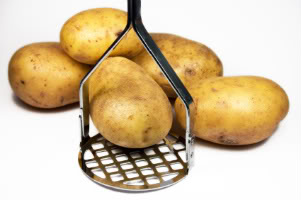
6. Mashed Potatoes
If you keep the peel on the potatoes before you mash them, then I will give you permission to eat them.
Potatoes get a bad wrap because we don’t eat the peel. Buy organic potatoes and mash them WHOLE. The peel of the potato contains fiber, vitamin C, thiamin, and potassium.
Some people with arthritis don’t tolerate potatoes well, if you have arthritis, potatoes and foods in the solonacea family like eggplant, peppers, onions, and so forth just may not be the right choice for you.
Mashed Potato Makeover: There are a few great makeover tricks you can implement to freshen up a rather dead ugly lifeless food like mashed potatoes. Definitely stand by ready and loaded with your garlic press and press about a clove per large potato. Garlic supports the immune and cardiovascular systems. Garlic also prevents and kills parasites.
I always add cottage cheese to my mashed potatoes to give them that creamy consistency, this protein bump also decreases the glycemic load for dieters, and diabetics. Cottage is also rich in mood boosting tryptophan. Remember we have to eat protein, and fiber with EVERY meal to prevent diabetes, blood sugar crashes from hypoglycemia, and obesity. Plus all the cool kids are doing it.
Try olive oil instead of butter, try adding some steamed arugula or spinach in at the end to create a gourmet effect, and if you HAVE to have that buttery flavor from organic butter (please don’t EVER use margarine if you learn anything from my nags. Please just go throw out your tub of margarine in the garbage where it belongs, and never buy it again, or any other hydrogenated oil product that serves no other biochemical purpose in life but to rapidly age you, clog your arteries, and make you unnecessarily fat. We want to be the least amount of fat right? Your body can’t use margarine so it converts it to fat storage…) just add some low fat buttermilk in lieu of regular milk if you must do dairy and NEED that butter flavor. Sprinkle with sea salt and organic pepper. Enjoy!
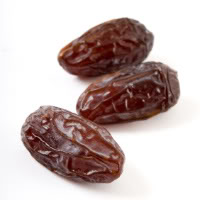
7. Minced Meat Pie
Are you terrified of minced meat pie? Well most of us are, until we discover that modern “minced meat” is just a fruit sauce made of dates and other dried fruits and not some leftover cafeteria meat concoction.
Well the beauty of this is that dates, figs, prunes, apples, and most dried fruits score high on the ORAC, meaning they have extremely high free radical fighting potential. Antioxidants=Anti-aging. Memorize that. Aging isn’t just about vanity and outer appearance. Your organs and blood vessels are aging on the inside as we sit here. If it doesn’t look good on the outside it doesn’t look good on the inside either. True beauty is an inside out job. Eat more antioxidants to prevent disease and you will be rewarded with a continuously youthful glow.
Let me be the first to announce that Minced Meat Pies are now the HOTTEST trend for fall. Don’t worry they only show up on the whole foods runway once every 50 years.
Minced Meat Makeover: Opt for a whole grain crust and use organic butter rather than margarine (heaven forbid.) If you really want to impress those avoiding gluten with your gourmet skills, you can add a dollop of your favorite organic minced meat filling to half a sliced date and top with a splash of real whipped cream. Dates are also delicious stuffed with various nut butters, and chocolates as I just recently learned from RN, Rod Newbound.
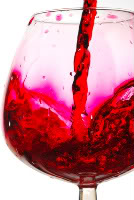
8. Red Wine
“Yes! Dr. Nicole says I can have a glass of red wine!” Just remember that is only ONE to two glasses of red wine-max. That is one drink per day not per hour-and no you can’t save them all up for the end of the week. It just doesn’t work that way. The benefits of the cancer fighting, anti-aging polyphenols in red wine known as resveratol go down as you burden your liver with alcohol. As with everything, moderation is key. Even too much water will kill cause hyponatremia and kill you.
Red Wine Makeover: Remember that one glass is better for you than the entire bottle. Opt for an organic alternative like our Kitchen Table 2008 Favorite, Badger Mountain. Remember to never drive while you are drinking. The most stylish people always have a driver…er…cab driver. Even one glass of alcohol impairs your judgment enough to put an end to your happy holiday-or worse yet-someone else’s.
Please always be considerate to the safety of others when imbibing during the holiday season.
Hope you all have a Happy AND Healthy Thanksgiving! Have fun wowing all your friends and family with this questionably boring kitchen table talk of the Thanksgiving superfoods and how to give them makeovers. Let me know if you manage to pull it off and keep them interested! Feel free to share any of your healthy Thanksgiving recipe tips in the comments section.
Thanks much for sharing my whole foods tips with your friends and family.
~Dr. Nicole Sundene
Naturopathic Physician
References: Medical Nutrition from Marz by Dr. Russell Marz, Medical Herbalism by Hoffman
Related Reading:
The Healing Power of Cauliflower
The Healing Power of Music
The Healing Power of Positivity
The Healing Power of Mexican Food
The Healing Power of Stinging Nettles
Dr. Nicole Sundene, NMD is a licensed Naturopathic Medical Doctor at Fountain Hills Naturopathic Medicine 16719 E Palisades Blvd, Suite 205, Fountain Hills, AZ 85268.She believes we should utilize natural medicines to treat the root cause of disease rather than just treating symptoms, as symptoms are a message of imbalance sent from the body and will persist until they are properly addressed.
For appointments please visit http://FHnaturopathic.com for more information about Naturopathic Medicine services.
©KitchenTableMedicine.com, LLC ™
Why We Should Like Bugs and Worms
November 21, 2008 by Dr. Nicole Sundene
Filed under Diet Tips, Environmental Medicine, Fruits and Veggies, Gardening, Guest Posts, Kitchen Sink, Organic, Whole Foods Diet
 Do you like bugs and worms?
Well if you do, you can feel vindicated by today’s topic, and if you don’t you may change your mind after reading today’s guest post. This is also a great teaching topic to share with your children. Won’t you sound so smart next time you are outside with your kids looking at bugs in the garden? Teach them about the microscopic bugs at work in our soil, and the important agricultural role they play.
Remember, even the Hobo Spider deserves his place in the environment, and we just need to respectfully avoid encounters without going on spider killing rampages.
Please enjoy part II in the series of “Organic vs. Commercially Farmed Food” by Stephen Cox.
Within any healthy soil are billions upon billions of microorganisms. Some microorganisms live in a symbiotic relationship with plants. For example a certain type of microorganism actually puts out a protective net around the plants roots in the soil and the net is covered with a type of glue.
When, along comes a microscopic parasitic worm, it gets caught in the net. Other microorganisms, which also live symbiotically with the plant punch a hole in the invader’s body, liquefy its organs, which are the most nutrient dense part, and feed that to the plant.
With commercially farmed produce the fields in which the foods you eat are grown, have been repeatedly sprayed with chemical toxins that kill the microorganisms in the soil. It’s not dissimilar to chemical warfare because pesticides, fungicides, herbicides and other chemicals resemble neurotoxins. And the food you’re eating is growing in an environment where tons of this toxic waste is being dumped. It would be naive to believe that it is not somehow finding its way into our food, our water and our general environment.
With little to no microorganism in the soil to support plant life commercial farmers turn to chemical fertilizers. Have you ever wondered why it is we hear on the news that someone used fertilizer to blow something up? That is because the chemical fertilizer the food we’re eating and using very closely resembles gunpowder.
After World War II ended the governments of the day were left with all these munitions factories. So they spent millions of dollars (at the time it was a colossal amount of money) to convince farmers that if they weren’t using this stuff they were stupid. This was not a decision made with the best interests of health and wellbeing in mind. We’re talking straight economics.
Organic Solution
I grow some of my own veggies – carrot, spinach, broad bean, broccoli (incidentally a cup of broccoli contains 205% of the necessary daily intake of vitamin C and just 43 calories), rocket, onions, lettuce and herbs. All in a very small patch of land just 1 meter wide by 2 meters long. No pesticides. No chemical fertilizer.
Growing your own vegetables is a great way to boost your health and wellbeing. You’ll be giving the environment a helping hand at the same time. The vegetables you grow for yourself will not need to be harvested by large machinery and then shipped thousands of miles to a location where they may be kept in cold storage for weeks, even months. All those activities produce greenhouse gasses and contribute to global warming.

Growing your own food has other benefits.
It really grounds us and connects us as human animals with nature and our world.
Sometime we get disconnected and forget that we are part of something bigger. Disconnection can be a powerful source for unhappiness and depression.
The process of energy exchange as you plant, tend, water and harvest your own plants is something that really needs to be experienced.
It is a process of caring and love as opposed to rampant destruction for meaningless profit. You’ll gain joy just from watching the plants burst with life and growth in the sunshine after each rain.
Plants can take our stress much like they take our carbon dioxide. I find they help me to let go each afternoon when I spend a few moments giving them attention. It is in every sense a very holistic activity. If you have children I couldn’t imagine a better project you could enjoy with your children. Children are constantly learning and they can learn a lot from tending a garden.
Organic Conclusion
Life feeds on life. There is a constant cycling of energy transference. First the microorganisms support plant life. Plants are consumed by herbivores and omnivores. Carnivores and omnivores in turn consume the herbivores. All produce waste (even plants drop leaves), which is food for the microorganisms, and all die which also feeds the microorganisms. And so, on it goes.
The disruption of the energy transference cycle at its very root, by killing microorganisms through commercial farming practice, means the life that feeds on the life before it cannot possible be naturally healthy. Human and animals that eat sick plans will not themselves be well. Nor humans that eat sick animals.
Do you still want to kill all those bugs and worms in your garden?
Read Part I of this series “Organic vs Commercially Farmed Food”

For more great articles by Stephen Cox you can visit BalancedExistence.com. Stephen is a graduate student in Australia. Read more articles by our featured writer, Stephen Cox.
Related Reading:
On organic farming and global warming
Organic farms produce same yields as conventional farms
Can organic farming feed the world?
The Top Eleven Easiest Foods to Grow
How to Get Your Kids to Eat More Vegetables
How to Make a Green Bean Teepee
Dr. Nicole Sundene, NMD is a licensed Naturopathic Medical Doctor at Fountain Hills Naturopathic Medicine 16719 E Palisades Blvd, Suite 205, Fountain Hills, AZ 85268.She believes we should utilize natural medicines to treat the root cause of disease rather than just treating symptoms, as symptoms are a message of imbalance sent from the body and will persist until they are properly addressed.
For appointments please visit http://FHnaturopathic.com for more information about Naturopathic Medicine services.
©KitchenTableMedicine.com, LLC ™
Chocolate Chips Better than Viagra?
November 19, 2008 by Dr. Nicole Sundene
Filed under Anti-Aging, Antioxidants, Blood Pressure, Cholesterol, Diabetes, Diet Tips, Erectile Dysfunction, Fruits and Veggies, High Blood Pressure, Men's Health, Preventative Medicine, Whole Foods Diet
Are chocolate chips better than Viagra? According to Journal of Nutrition’s latest September and October issues, chocolate has some pretty exciting therapeutic potential.
If you want to avoid being on “the little blue pill” you should consider taking a daily dose of the little brown pill.
That’s right—50-200 chocolate chips a day may prevent the cardiovascular damage that is a leading cause of erectile dysfunction. 1
According to recent studies, the flavonoids in dark chocolate naturally enhanced natural nitric oxide levels. The drug Viagra works mechanistically as a phosphodiesterase inhibtor to enhance nitric oxide. Our bodies also synthesize nitric oxide, and nitric oxide works on our blood vessels to dilate them and increase blood flow. With psychogenic etiologies ruled out, erectile dysfunction is typically an issue of blood flow. Increasing blood flow is how Viagra manufacturers have made a fortune.
In September of 2008, Journal of Nutrition published an Italian university study investigating the therapeutic potential of chocolate and found that, “Flavanols from chocolate appear to increase nitric oxide bioavailability, protect vascular endothelium, and decrease cardiovascular disease (CVD) risk factors….our findings suggest flavanol-rich, low-energy cocoa food products may have a positive impact on [cardiovascular disease] risk factors.”
Now as a women’s health physician, I typically avoid topics such as erectile dysfunction like the plague, so I am going to drop my men’s health commentary today and then run for dear life…  Working as a family practice medical assistant for eight years throughout medical school taught me an important early lesson about men’s health. Most men simply DON’T care about cholesterol, blood pressure, atherosclerosis, diabetes, blood sugar, antioxidants or inflammation.
The second you start to nag about this stuff their eyes just glaze over. You can nag and nag and nag about cholesterol and blood sugar lab values, and still no changes will be implemented.
Eventually I realized the secret to men’s health while working as a urology assistant, the only way to get men to care about their health is to hit them below the belt with the facts that matter. Women are typically all about vanity and men are all about virility. These are the motivators I rely on to market and sell my preventive medicine concepts.
Doctors know that all of the aforementioned health issues contribute to erectile dysfunction. But, what most men don’t know is that without a properly functioning cardiovascular system, things below the belt aren’t going to function either.
It’s all about blood flow and elasticity. We would never leave our garden hoses to freeze out in the cold of winter, we instead take the time to properly care for them to insure they don’t harden and become permanently dysfunctional. Although garden hoses cannot auto-repair, our arteries do by making scar tissue, and the similar type of destruction from high blood pressure, cholesterol, inflammation, and diabetes is repaired by the body by throwing down scar tissue and inflammation.
The more scar tissue and inflammation in your arteries the less elastic they are, and thus the narrower their diameter. Blood pressure just continues to escalate and the damage to your arteries continues in a vicious cycle. Viagra and similar medications such as Levitra and Cialis all work to enhance blood flow.
They are designed to promote the elasticity of those frozen old er…stiff garden hoses. Viagra is a phosphodiasterase inhibitor which increases levels of nitric oxide. Nitric oxide causes our blood vessels to EXPAND. Eventually arteries become damaged and hardened to the point where they will no longer respond to nitric oxide. Keep in mind though that a “garden hose” left out in extreme harsh “winter conditions” will inevitably lose it’s elasticity, and the hose will have to be replaced. How many “winters” have you left your body out in the cold, not caring about diabetes, blood pressure, cholesterol, and inflammation? This is why many men with erectile dysfunction don’t find benefit from Viagra. Blood vessel expansion is the premise of which Viagra has made millions.
I am going to instead give away my natural medicine tips for free, and if the Toll House Chocolate Chip Company wants to send me a billion dollar thank you check, they are more than welcome. What is more important to me is that TODAY you feel inspired and motivated to prevent problems that will inevitably occur down the road TOMORROW.
“An ounce of prevention is worth a pound of cure”—right?
If you don’t have erectile dysfunction now wouldn’t you like to prevent it from happening? Medicine’s used to treat ED are expensive, have multiple side effects and drug interactions, and are not as well tolerated as the commercials on television make them out to be.
When I worked as a Urology assistant the main complaint was always headaches and that “it just didn’t work”. Well after a while when disease has advanced too far, no medication will be able to work. Think back to the garden hose example. You want your arteries to be elastic and healthy, not hardened from the “harsh winter conditions” of sub-optimally controlled high blood pressure, diabetes, and cholesterol.

So why chocolate chips?
Well chocolate chips are fantastic prevention because they are DARK chocolate and the darker the chocolate the more nitric oxide enhancing flavonoids.
A study was done on Italian men and found that Italian men that ate an ounce of dark chocolate had healthier lab markers.
Keep in mind that 50 chocolate chips or roughly an ounce of dark chocolate is the minimum amount needed to prevent disease according to that study.
I weighed them out and found that 48 chocoalte chips= 1oz. But you have my permission to throw in two extra chips for preventive measure!
Another study cited previously, showed therapeutic benefit with 100 grams of dark chocolate which is about 200 chocolate chips! Is this not the best news ever for chocolate lovers?
Remember though that chocolate as a medicine is not free of calories, cocoa butter, or refined sugar. Pure cocoa products are a great alternative as an ounce of chocolate chips have 140 calories. While 200 chocolate chips pack a whopping 500 calories!
But, for those of you that are already eating too much sugar and saturated fat, chocolate chips are a fantastic way to transition to a healthier dessert diet. I know most of you are probably eating fattening desserts anyways (I mean we do have to enjoy life a little bit right?) so dark chocolate chips are a healthier alternative and I like that they conveniently come in little bits that can be savored throughout the day.
But, chocolate chips are not the only foods that contain disease fighting flavonoids. So here is the bait and switch. Most fruits and vegetables are also rich in flavonoids.
Berries are chock full of proanthocyanins, citrus is a fantastic source of hesperidin and rutin, and onions are an excellent source of quercetin. Fruits and vegetables are likely going to prevent the need of Viagra too!
Yes-really this is just a giant strategically planned nag on my part to inspire the consumption of more whole foods, especially those rich in flavonoids. And yes it really was too easy to grab your attention with chocolate chips and Viagra and then turn this in to a fruit and veggie nag. But, my point with this “gotcha” is that preventing disease is where it is at when it comes to ED. Winter is coming, and it is time to think about your preventative plan for your “garden hose.”
A healthy dose of fresh fruits, raw or lightly steamed veggies, raw nuts and seeds, and chocolate will work synergistically to prevent the cardiovascular damage that causes disease.
I think any man suffering with ED reading this article would absolutely agree that an ounce of prevention is worth a pound of cure.
For diabetics that want to gain the flavanol benefits of chocolate chips, simply enjoy them with a small handful of raw almonds to decrease the glycemic load and increase phenolic compounds (anti-oxidant/anti-inflammatory/anti-cancer). Almonds are also high in fiber, and fiber consumption also is protective to the cardiovascular system. So add about ten raw almonds to your 50 chocolate chips or make a healthy trail mix with your other favorite raw nuts and seeds.
I don’t want to leave women out of this nag, so chocolate chips are good news for women too as Dr. Christiane Northrup in her latest book “The Secret Pleasures of Menopause” also emphasizes the importance of naturally enhancing nitric oxide levels through diet and lifestyle to improve sexual function. Grab the book through Amazon, if you care to learn more about ways to naturally enhance nitric oxide.
Those in need of losing weight should also benefit from this simple chocolate chip tip as eating a few chocolate bits throughout the day should help you feel satisfied for sweets and prevent those binges brought on by extreme deprivation and yo-yo dieting that sets the stage for binge eating.
Stick with me, subscribe to my feed, and I will teach you how to be healthy & enjoy life.
Dr. Nicole Sundene
Want more tips for preventing and treating erectile dysfunction through diet and lifestyle?
Try: Exercise, The Low Glycemic Index Diet, The Anti-Inflammatory Diet, Kegels for Men, Cholesterol Lowering Diet, Hypertension, Low Sodium Diet, Antioxidants, Anti-Inflammatory Diet and subscribe to my feed as we discuss the therapeutic potential of other healing foods and natural supplements for cardiovascular health and erectile dysfunction.
References
1. Grassi D, Desideri G, Necozione S, et al. “Chocolate and Blood Pressure” J Nutr. 2008 Sep;138(9):1671-6.
2. Romina di Giuseppe, Augusto Di Castelnuovo, et al. “Italian Men that eat Dark Chocolate are Healthier” J. Nutr. 138:1939-1945, October 2008
Dr. Nicole Sundene, NMD is a licensed Naturopathic Medical Doctor at Fountain Hills Naturopathic Medicine 16719 E Palisades Blvd, Suite 205, Fountain Hills, AZ 85268.She believes we should utilize natural medicines to treat the root cause of disease rather than just treating symptoms, as symptoms are a message of imbalance sent from the body and will persist until they are properly addressed.
For appointments please visit http://FHnaturopathic.com for more information about Naturopathic Medicine services.
©KitchenTableMedicine.com, LLC ™
The Healing Power of Cauliflower
November 14, 2008 by Dr. Nicole Sundene
Filed under Cancer, Diet Tips, Estrogen, Kitchen Sink, Recipes, Whole Foods Diet
Cauliflower is an especially healing autumn food because it is low in calories, high in fiber, and rich in a very special cancer fighting compound called indole-3-carbinol.
This magical component of cauliflower prevents cancer by detoxing the system of the harmful forms of estrogen that result in reproductive cancers and complaints in women.
Researchers are now thinking men can likely use indole-3-carbinol to prevent forms of reproductive cancer, hair loss, and erectile dysfunction that result from these elevated levels of toxic estrogen. The high antioxidant spices added to your favorite cauliflower recipe combined with the olive oil further prevent cancer and reduce inflammation. This side dish will pair well with your favorite chicken, safe seafood, or grassfed beef recipe.
Dr. Nicole Sundene, NMD is a licensed Naturopathic Medical Doctor at Fountain Hills Naturopathic Medicine 16719 E Palisades Blvd, Suite 205, Fountain Hills, AZ 85268.She believes we should utilize natural medicines to treat the root cause of disease rather than just treating symptoms, as symptoms are a message of imbalance sent from the body and will persist until they are properly addressed.
For appointments please visit http://FHnaturopathic.com for more information about Naturopathic Medicine services.
©KitchenTableMedicine.com, LLC ™
Are You a Sugar Zombie?
November 12, 2008 by Dr. Nicole Sundene
Filed under Diabetes, Diet Tips, Dr. Scott Olson, Drug Abuse, Hypoglycemia, Kitchen Sink, Preventative Medicine, Sugar
 By
By Author of Sugarettes.
If you were a normal zombie, you would rise up out of your grave and stumble off in search of your craving: flesh. Sugar zombies, however, typically rise from their couch and go off in search of their craving: sugar. Sugar zombies yearning for sugar can sometimes only be satisfied with a pure sugary treat, but remember, certain foods act like sugar in the body (such are grains, chips, crackers, French fries and others…) and these “foods that act like sugar” are sometimes what the sugar zombie are searching for.
A funny thing about sugar zombies is that they can sometimes eat sugar even when they are not hungry and have just eaten. Do you remember going to a restaurant and having a full meal, and yet you still ordered desert? True sign of sugar zombieness.
Most people, when asked, will admit to some kind of sugar addiction and zombie-like behavior, but they often don’t realize just how strong that addiction can be, nor do they realize how much sugar can do to destroy their health.
What Science is Discovering about Zombies
Science is beginning to take sugar addiction serious. They have investigated how animals (mostly rats) act when they become addicted to sugar. Let’s take a peek inside the laboratory and see what they found out:
- Rats who were allowed to eat as much sugar as they like, eat a ton of it. If fact, they will often eat more sugar than any other type of food. Sometimes, they become so addicted to sugar that they become rat sugar zombies and sugar is all they will eat.(1)
- What happens when you addict rats to sugar and then take it away? Typically, they shake, tremble, become anxious and their teeth can even chatter.(2) They can also become much more aggressive. If this sounds like the symptoms of a junkie (or a zombie), you are exactly right. These typical withdrawal symptoms, show up in all sorts of other addictions, including smokers, drinkers, and drug addicts.
- Scientists took the next step, they addicted rats to sugar, took it away and then they brought it back. Guess what happened? The rats binged on the sugar and ate much more than they previously did. If this sounds a bit like the last time you went on a diet and gained more weight than you lost, then you are a true sugar zombie. Binging when the addiction is removed and then brought back is a clear sign of addiction.(3)
- When rats are under stress, they eat more sugar.(4) Once again, I’m guessing that this sounds a bit familiar to you? Do you eat more sugar when you are stressed?
- Scientists have discovered that the brains of rats change when they become addicted to sugar and the changes in their brains are very similar to those of other addicts, including smokers, alcoholics and drug addicts.(5)
- To test if a substance is really addictive, scientists will give animals the addicting substance (alcohol, drugs, nicotine…) and then give them a drug called an opioid antagonist. What the opioid antagonist does is block the brain from sensing the pleasurable aspects of the addicting substance. When opioid antagonists are given to sugar addicted zombie rats, they experience withdrawal exactly like rats addicted to morphine, alcohol or cigarettes.(6)
But are Zombies Hurt By Sugar?
Here is the real question you want to get to: You are a confirmed sugar zombie, but what is wrong with that? Well, it turns out, a lot! Sugar harms your body in three ways: it increases your weight, it leads to problems with insulin and blood sugar control, and it has a toxic effect on our blood vessels.
Let’s take a look:
- Weight Gain: According to the scientific and medical communities sugar is really not associated with weight gain. These health professionals will tell you that sugar contributes to weight gain because it contains calories. This is true. But sugar also contributes to weight gain just because it is sugar. It works this way: Your body has certain basic energy needs and sugar (mostly glucose) is the fuel that runs your body. Once you have enough sugar-fuel for all your energy needs, your body tends to store all the extra sugar as fat (and sugar zombies eat meals that often create a large amount of extra sugar in the blood that will get turned into fat).(7)
- Insulin Resistance: Sugar contributes to insulin resistance whenever blood sugar levels in the blood spike too high too often. When blood sugar levels in the body rise, insulin in the body also rises. Consistently high amounts of insulin in the body will eventually lead to cells down-regulating (or removing) insulin receptors; this eventually leads to a condition called insulin resistance (were the cells of the body are resistant to insulin) and diabetes. Insulin resistance does not develop when blood sugar levels are kept low.(8)
- Toxic Effects: Surprisingly, sugar is actually toxic blood vessels in the exact same way cigarette smoke is toxic to the lungs. Sugar causes harm to the protein structure of the blood vessel walls, eventually leading to destruction. This destruction can be seen dramatically in diabetics who have kidney disease, eye disease, heart disease, tingling in hands and feet, and even blindness and loss of limbs – all due to the destruction of blood vessels. (9) This same destruction happens in sugar zombies who don’t have diabetes, only at a slower pace.
How to Break the Zombie Spell
Getting over sugar cravings is not easy, especially when you are a sugar zombie, but then getting over any addiction can be hard. Know that the efforts you make are well worth it as the destruction that sugar creates is enormous.
Try these tips to stop your zombie sugar cravings:
- Eat more often: while this seems backwards, eating more often is much better for your blood sugar, your metabolism, and your sugar cravings.
- Eat fruit: It is easy to overdo this, but focus on fruits that are low on the glycemic index and try to eat them after a meal where they affect blood sugar less.
- Brush your teeth: This is a trick many people use to stop cravings and it will help your zombie smile.
- Exercise: A simple walk is often enough to stop cravings as it gets you up and moving and away from your temptations.
Take these tips and walk away from your zombie life. Simply being aware that you are a sugar zombie will make a huge change in your life. Take your sugar craving seriously – as you would any other addiction: know that the road will be tough at times, but that you can do it. Your reward, on the other side of your addiction, is better sleep, more energy, less sugar zombie-like behavior and a healthier life.
Recommended Reading: Sugarettes
Dr. Scott Olson is a Naturopathic doctor, expert in alternative medicine, author, and medical researcher. Spurred on by his patients’ struggles with sugar addiction, he was determined to discover how addictive and harmful sugar can be and ways to overcome that addiction.
The result of that study is his book Sugarettes, which details the addictive qualities of sugar and the harm that sugar does to our bodies.
Dr. Scott also maintains a blog which highlights the latest in health and healthy living. Subscribe or stop by to check out his latest research on sugar addiction.
References:
1.Spangler R, Wittkowski KM, Goddard NL, et al: Opiate-like effects of sugar on gene expression in reward areas of the rat brain. Brain Res Mol Brain Res. 2004 May 19;124(2):134-42.
2.Colantuoni C, Rada P, McCarthy J, et al: Evidence that intermittent, excessive sugar intake causes endogenous opioid dependence. Obes Res. 2002 Jun;10(6):478-88.
3.Pelchat ML. Of human bondage: food craving, obsession, compulsion, and addiction. Physiol Behav. 2002 Jul;76(3):347-52.
4.Gosnell BA. Sucrose intake predicts rate of acquisition of cocaine self-administration. Psychopharmacology (Berl). 2000 Apr;149(3):286-92.
5.Avena NM, Rada P, Hoebel BG: Evidence for sugar addiction: behavioral and neurochemical effects of intermittent, excessive sugar intake. Neurosci Biobehav Rev. 2008;32(1):20-39. Epub 2007 May 18.
6.Avena NM, Long KA, Hoebel BG: Sugar-dependent rats show enhanced responding for sugar after abstinence: evidence of a sugar deprivation effect. Physiol Behav. 2005 Mar 16;84(3):359-62.
7.Livesey G: Low-glycaemic diets and health: implications for obesity. Proc Nutr Soc. 2005 Feb;64(1):105-13.
8.Henriksen HB, Kolset SO: Sugar intake and public health. Tidsskr Nor Laegeforen. 2007 Sep 6;127(17):2259-62.
9.Friedman EA: Advanced glycosylated end products and hyperglycemia in the pathogenesis of diabetic complications. Diabetes Care. 1999 Mar;22 Suppl 2:B65-71.
Dr. Nicole Sundene, NMD is a licensed Naturopathic Medical Doctor at Fountain Hills Naturopathic Medicine 16719 E Palisades Blvd, Suite 205, Fountain Hills, AZ 85268.She believes we should utilize natural medicines to treat the root cause of disease rather than just treating symptoms, as symptoms are a message of imbalance sent from the body and will persist until they are properly addressed.
For appointments please visit http://FHnaturopathic.com for more information about Naturopathic Medicine services.
©KitchenTableMedicine.com, LLC ™
6 Steps to Calorie Counting in Your Kitchen
November 11, 2008 by Dr. Nicole Sundene
Filed under Bonnie Pfiester, Diet Tips, Kitchen Sink, Weight Loss

By Bonnie Pfiester, Fitness Trainer
One of the greatest treasures I received after my grandmother died was her recipe box. Recently, I was thumbing through all the recipes and noticed an odd number written on the top of some of the cards.
All the sudden it hit me, the number reflected the calories for that dish.
One recipe, Salmon-Broccoli Bake, had the numbers “1600” noted at the top of the card. Another recipe for Overnight Coffee Cake had “3700 cal” written in my grandfather’s handwriting.
It’s funny how the smallest thing can bring back certain memories.
Since I was a kid, I remember my grandfather jotting down notes with his unique squiggly handwriting on 3×5 cards in the kitchen. Over time, I watched him weigh food on a small scale and listing numbers as if he was doing some science experiment. Although my grandfather was a professor at Florida State University, I learned his mad science skills were simply being used to manage his waistline.
As I reflect back on those days in my grandparent’s kitchen, I can vividly remember my granddad counting out his favorite rye crackers, making sure to abide by the serving size on the box. He would then add the number to his 3×5 card. After supper he would continue his list of calories for each dish, always keeping a tally for the day.
Once I saw those recipe cards it made me think how we could all learn by his example. Unfortunately, many people don’t know exactly how to count calories. Truth is, besides reading labels and looking up whole foods, I rarely took the time to add up all the ingredients in my own recipes until lately. I discovered tracking calories is easy and rewarding.
Here are a few steps to help you get started.
1. Use a calorie book or an online calorie counter to find the number of calories in your whole food ingredients.
2. Measure ingredients using food scales and/or measuring cups for the most accurate information.
3. Tally the total calories for packaged foods by multiplying the number of servings used in your recipe by the number of calories per serving.
4. Use alternative ingredients for high-calorie items to help save calories in your favorite dish.
5. Add the final list of calories for each ingredient and divide by number of servings to get your final count. For instance, the 3700 calorie Overnight Coffee Cake served 15 people 247 calorie treats.
6. Once you have completed the math, document your answer on your recipe card or book.
If you love to cook but need to watch your waistline, begin counting calories in your favorite dishes today. What you will learn in the process will be more valuable than you could imagine.
~Bonnie
Bonnie Pfiester is a Personal Trainer, wife to the famous fitness trainer Steve Pfiester of the reality TV show “Fat March”, and owner of the women’s health club Longevity Fitness.
You can enjoy more of Bonnie’s fitness and beauty articles at www.BonniePfiester.com or here at the kitchen table by visiting the Bonnie Pfiester page.
You are invited to leave your fitness and sports nutrition questions in the comments below for Bonnie to briefly answer or write about in future articles.
Dr. Nicole Sundene, NMD is a licensed Naturopathic Medical Doctor at Fountain Hills Naturopathic Medicine 16719 E Palisades Blvd, Suite 205, Fountain Hills, AZ 85268.She believes we should utilize natural medicines to treat the root cause of disease rather than just treating symptoms, as symptoms are a message of imbalance sent from the body and will persist until they are properly addressed.
For appointments please visit http://FHnaturopathic.com for more information about Naturopathic Medicine services.
©KitchenTableMedicine.com, LLC ™