Sauteed Spinach Recipe
November 3, 2008 by Dr. Nicole Sundene
Filed under Anti-Inflammatory, Antioxidants, Cervical Cancer, Depression, Diet Tips, Recipes
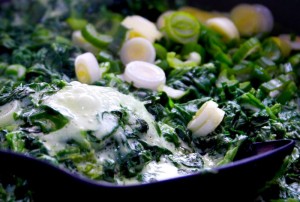 Today’s featured healing recipe is provided by ZestyCook.com!
Spinach is an especially healing food as it is rich in folic acid and beta carotene.
The root of folic acid comes from “foilage” and leafy greens are chock full of this nutrient shown to prevent cervical cancer and birth defects.
Folic acid also has been shown in research to make anti-depressants more effective. You will also be happy to know that it is OK to eat a little bit of fat with your vegetables. Fats paired with veggies help us better absorb the fat soluble vitamins they contain. Those on the Mediterranean Diet or Anti-Inflammatory Diet can substitute the low fat cream for olive oil.
Zesty has provides us with a SIMPLE five minute spinach side dish packed with flavour. Give this a try - you will be very glad you did! Feel free to get creative and substitute your favorite seasonal greens: Bok Choy, Swiss Chard, and Kale are also excellent healing choices.
Sauteed Spinach
Ingredients:
- 4 Cups Spinach
- 1/4 Cup Low fat Cream
- 2 cloves Garlic crushed and made into paste
- 1/8 teaspoon cayenne
- 1/8 teaspoon black pepper
- 1/4 cup pine nuts
- Handful of chopped Fresh Basil
- Organic sea salt
Directions:
- Preheat pan and add olive oil.
- Add spinach and allow to wilt down. Stirring for 1 minute.
- Add garlic, cayenne, black pepper. Stir for 2 minutes
- Add Low fat cream
- Top with Pine nuts and fresh basil
Zesty Tip: To make garlic paste, add a bit of organic sea salt to your cutting board and crush the clove of garlic on top. Then using your knife to smear the garlic back and forth into the salt mixture. The salt will help form a paste and you are ready to go.
©KitchenTableMedicine.com, LLC ™Why Buy Organic Coffee?
October 27, 2008 by Dr. Nicole Sundene
Filed under Caffeine, Coffee, Diet Tips, Kitchen Sink, Organic
 By
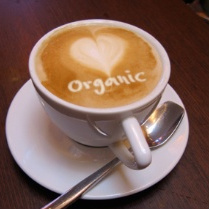
By What is organic coffee? Why would you buy organic coffee? Does it really matter? Is coffee good for you or bad for you? These are some of the things we will take a look at in this post.
Often we only hear about how coffee is bad for us, regardless of whether it is organic or not. Some might even say, “If coffee is bad for me anyway, why would I even bother to buy organic? While I’m certainly no doctor, there’s a principle that generally holds true: Too much of a good thing can be bad. Certainly research suggests that there are many health benefits of coffee. We will take a look at just a few of those before moving on to the subject of organic coffee.
Health Benefits of Drinking Coffee
While there are certainly other health benefits, WebMD list these benefits of drinking coffee:
- Decreased risk of type 2 diabetes (oddly enough, the more the better for this – so they say), colon cancer, Parkinson’s disease, cavities, and gallstones
- It can also increase your mood and help with headaches.
- “Overall, the research shows that coffee is far more healthful than it is harmful,” says Tomas DePaulis, PhD, research scientist at Vanderbilt University’s Institute for Coffee Studies.
- I’m sure Dr. Nicole could list some more for us, and she even gives us this great latte recipe: Perfect Dairy Free Latte, so there must be something good about coffee!
What is Organic Coffee?
As you would likely expect, organic coffee is coffee that is grown and processed without the use of artificial fertilizers, pesticides, herbicides or fungicides. Read on to learn the details.
Why Buy Organic Coffee? What are the Benefits?
1. Environmental benefits:
The agricultural techniques used to grow organic coffee need to work with the coffee plant’s natural preferences. Since coffee plants naturally love shade often organic coffee is shade grown and bird friendly. What does that mean exactly?
Shade grown and bird friendly coffee is, as you would expect, grown in the shade. Organic bird friendly coffee is grown under a canopy of rainforest trees. In these trees are numerous varieties of birds that feed off the insects under the canopy so there is not as great of a need for insecticides. Also, the tree roots prevent erosion and leaves from the trees help provide natural fertilizer so there is not a need for chemical fertilizer. In bird friendly coffee growing environments nature remains and the earth unharmed. The main problem with this process is that the natural process takes longer for the bean to mature than the processes which use chemicals.
2. Health benefits:
Coffee farms which use chemicals in the farming process do harvest more beans, but the chemicals strip the beans on the plants of many of their natural antioxidants and health benefits. Chemicals also strip the soil of its nutrients so there are less nutrients going into the plant and thus the bean. So if you want the real health benefits of coffee organic is the way to go. Plus, it helps take away the guilt! Go ahead and enjoy the benefits (in moderation of course).
3. Taste benefits:
If you’ve never had a cup of organic coffee, boy, are you in for a treat! Chemicals not only wash away the nutrients, but they also deplete the tastes. Coffee beans in an organic natural environment mature slowly allowing the taste to fully develop. The result is a rich smooth coffee. And yes, the smell is out of this world!
Top 3 Organic Coffee Favorites:
Dr. Nicole asked me to share my favorite organic coffees from my coffee shop. So I’ll end with my top 3 and why they are my favorites:
Organic Peruvian Decaf. This was the first Raven’s Brew Coffee© I ever tasted. It is very very smooth with just the right amount of sweetness and chocolate. I instantly became a Raven’s Brew organic coffee drinker because of my first sip of this one.
Organic Nayarit Decaf. This soon became my favorite decaf variety. Again, very smooth - silky like feel in the mouth. Hints of toffee with a light citric taste.
Organic Mahogany Sweets. Very smooth, sweet and chocolaty. (In my opinion, chocolate goes with just about everything.) Its description is “certified organic bliss.” I couldn’t say it any better.
Jennifer regularly blogs at Principles for Peace. The focus of her site is on inner peace and it is set in a bookstore/coffee shop environment. There you will find regular posts about obtaining inner peace, books recommended for inner peace and her coffee shop. Don’t forget to subscribe to her posts once you get there.
Check out these other great reads by Jennifer Abbott: “A Simple Formula with a Big Life Impact”, “How to Stop Negative Thinking”, “The Art of Peaceful Bill Paying”
©KitchenTableMedicine.com, LLC ™The Raw Foods Diet
October 27, 2008 by Dr. Nicole Sundene
Filed under Anti-Aging, Anti-Inflammatory, Diet Tips, Diets, Digestion, Fruits and Veggies, Raw Foods Diet, Superfoods, Weight Loss, Wheat Free/Gluten Free, Whole Foods Diet
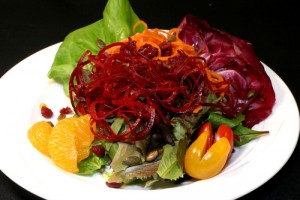 Ever wonder what is going on with this new “Raw Food’s Diet” everyone is talking about?
Well actually the diet isn’t all that “new” it is simply a snapshot of the way our ancestors ate before the advent of factory refined foods.
Don’t worry you don’t have to be a vegetarian to benefit from raw foods eating, raw foods can and SHOULD be enjoyed by EVERYONE! And…no this is not about gnawing on a nasty raw piece of chicken or steak. I do NOT recommend the consumption of raw meats. Instead enjoy more raw fruits and vegetables fresh picked and full of nature’s abundant energy. A raw foods diet can also be done as a quick detox if you are feeling sluggish and need an easy “pick me up”.
You don’t have to go 100% raw either, you can benefit from this diet simply by eating less cooked “dead” foods and more fresh foods that are full of life.
To help you get the basics down I interviewed the mother of raw foods eating herself…Earth Mother, the author of “In the Raw”.
What is “Raw Food” eating?
Ask 10 different people that question, Doc, and you’ll likely get 10 different responses. So, I’ll tell you what “raw food eating” is for me: eating food in its natural state, not refined, not processed. That means, I consume a primarily plant-based diet, consisting of fresh fruits, vegetables, nuts, seeds and sprouts.
Do you realize that we are the only animal on the planet that cooks its food? Strange, huh? We are living beings, yet we consume food that is dead, or cooked. Nutrients and enzymes are heat sensitive and destroyed at temperatures above 118 degrees. So, 85-90% of my plant-based diet is uncooked, or raw. By choosing to eat this way, I am infusing my body with live enzymes.
What made you decide to go raw?
The short answer? I was sick and tired of feeling sick and tired, all the time.
While at the local library, a book on the “New Arrivals” shelf jumped out at me: Crazy, Sexy Cancer by Kris Carr. What possessed me to check that book out, I’ll never know, but I am so glad I did. Kris’ story of being diagnosed with an extremely rare, incurable cancer and her journey toward health and healing is so inspirational. A big part of her healing journey has been adopting a raw foods lifestyle. The back of the book is loaded with resources and I started checking out websites and other books. The more I learned about eating raw, living food, the more sold on the idea I became. It was when I read The Raw Food Detox Diet by Natalia Rose that I thought, “I can do this!”
What were the biggest challenges of adopting the raw foods diet?
It was a big change for me. BIG. I grew up in a Hungarian household, where I was weaned on chicken paprikash and stuffed cabbage. Vegetables were potatoes and corn. Not too many salads, because Dad thought “they taste green.” As I grew into an adult and began living on my own, I couldn’t be bothered with cooking. Convenience was key — get more, faster. So, I ate food in packages and racked up frequent flyer miles at the drive-thru windows. I thought the four food groups were Starbucks, cheeseburgers, fries and milkshakes.
There was the whole emotional component around food too. I’ve had to change my relationship to food. I used to live to eat. Now, I’m learning to eat to live.
What changes have you noticed in your health since switching to a raw foods lifestyle?
I’m really glad you said “lifestyle.” Diet implies something you start and then stop when you reach your goal (or fizzle out). Lifestyle, on the other hand, is the way in which someone chooses to live and reflects their beliefs and values.
The changes to my health have been amazing. Gone are the debilitating headaches, the fire-breathing dragon heartburn, the constant fatigue, the edema, the chronic depression, the joint pain…oh, and 62 pounds! My energy level is through the roof. I sleep like a baby at night. My skin is smooth, clear and radiant.
I have a mental clarity today that I have never experienced in my life. I don’t quite know how to describe it, but it feels like I have broken a long-term drug addiction. It feels almost like I was walking around before under the constant influence of alcohol, and then suddenly becoming alcohol-free. The thing is, I had already been sober for 18 years!
Who should NOT be on a raw foods diet?
Can’t think of a single person who would not benefit from incorporating more raw, living foods into their diet. But, if you do not want to feel better, strengthen your immune system, reverse the effects of aging, stop counting calories, fat grams and carbs forever, then by all means, do not eat a diet high in raw plant foods.
***Dr. Nicole pops in and says: Pregnant women and rapidly growing children should work with their doctor before continuing a strictly raw foods diet to ensure that the required amounts of iron, B12, protein, zinc, and omega -3 oils are attained. Also people with a history of disordered eating should be cautious before implementing any restrictive diet plan.
Who should benefit from a raw foods diet?
Everyone!
People have reversed heart disease, diabetes, high blood pressure, obesity, cancer, fibromyalgia, autism, depression, arthritis, and a host of other illnesses by consuming a raw, vegan diet. And the thing is, you will begin to feel the benefits almost instantly.
Really. Look, we live in a society that craves the quick fix and wants instant gratification. When you start to feel and look so much more healthy and vibrant, it’s a great motivating factor. Start where you are. Begin now.
Intimidated? Natalia Rose lays out a simple, safe program that anyone can follow in “The Raw Food Detox Diet”. It doesn’t have to be traumatic. You don’t have to change your lifelong eating habits overnight and go 100% raw or vegan tomorrow.
Can you give us a snapshot of your diet for the past 24 hours?
Sure. Let’s look at yesterday.
- 1 quart fresh juice (kale, cucumber, sweet pea sprouts, apple, ginger)
- 2 bananas
- 1/2 cantaloupe
- large salad w/raw ranch dressing (mixed greens, yellow bell pepper, cherry tomato, red onion, cucumber, avocado, dried cranberries, spicy sprouts)
- raw harvest butternut soup
- 1 quart fresh juice (purple cabbage, carrot, apple)
- Asian salad w/carrot-ginger dressing (baby romaine, baby bok choy, sugar snap peas,mung bean sprouts, fresh basil and cilantro)
- Pad Thai (purple cabbage, carrot, zucchini, young coconut, raw cashews) w/raw “peanut” sauce, served over seaweed noodles
- 2 dates
Please share your favorite recipe.
Oh gosh, only one? Keep it simple is my motto, so here’s a super easy and super delicious “pasta” dish.
Zucchini Fettuccine with Sesame Mango Sauce
- 2 zucchini
- 4 mango diced
- 1 lemon juiced
- 2 Tbsp raw tahini
- 1/4 C water
- chopped mint leaves for garnish
- black sesame seeds for garnish
Spiralize the zucchini into fettuccine noodles, using a spiral slicer or a regular vegetable peeler. To make the sauce: blend mangoes, tahini, water, and lemon juice in blender until smooth. Top the zucchini noodles with sauce and garnish with chopped mint leaves and sesame seeds.
How can people learn more about The Raw Foods Diet?
Enroll in the University of Google and go wild! Just doing a search on “raw food diet” ought to keep you busy for a while. Visit your local library and start reading. Besides Kris and Natalia’s books, I’d recommend “Rawsome: Maximizing Health, Energy and Culinary Delight With The Raw Food Diet” by Brigitte Mars. “Green for Life” by Victoria Boutenko is another great place to start.
I think besides educating themselves, one of the most important things a person who is transitioning to a raw foods diet can do is to connect with other individuals who are living this lifestyle. A wonderful cyber community of raw foodies that I belong to is Raw Fu. You’ll find loads of support from folks who have been eating this way for years and years, as well as newbies. There’s an upcoming Holliday Mini Challenge you can get involved in or sign up for the 100 Day RawFu Challenge that kicks off on January 1st!
To participate visit Raw Fu: http://www.rawfu.com/
What a great idea for detoxing after the holidays! Thanks for being a guest at my kitchen table Earth Mother! For more great tips and recipes ideas for eating raw please visit Earth Mother at: http://earthmother-intheraw.blogspot.com/.
More Raw Food Resources:“5 Simple Steps to Transition to a Raw Food Diet”, “Raw Food FAQ”, FREE Raw Food Weight Loss Report, Delicious, Simple Raw Food Recipes and Pictures
©KitchenTableMedicine.com, LLC ™Squash: Autumn’s Cheapest Super Food
October 24, 2008 by Dr. Nicole Sundene
Filed under Diabetes, Diet Tips, Fruits and Veggies, Kitchen Sink, Preventative Medicine, Superfoods
 By Dr. Nicole Sundene
Right now squash is the HIT super food of the season.
Squash is not only a CHEAP food, it is also a highly nutritious lower glycemic complex source of carbohydrates that can be enjoyed by dieters and diabetics when paired with a lean protein source.
Whether you are growing pumpkins, butternut squash, or acorn squash in your garden you can easily turn any squash in to a nutritious soup to boost your immune system during the cold and flu months.
Because of the beautiful orange and yellow pigments, squash is a rich source of beta carotene and other important carotenoids that prevent cancer.
Growing your own food is not only rewarding, but also is a cost-effective way to provide your family with fresh organic produce.
Eating seasonal produce is a simple way to improve your health by increasing variety in your diet. Now is the time to pick up some squash at your local farmer’s market, or find it on sale at your super market.
Kitchen Tip: Steam squash till tender, then drizzle with olive oil and give a sprinkle of sea salt. You can also mash it up for a great healthy substitute to mashed potatoes. Try baking squash in the oven at 350F 20-40 minutes until done (recipe depends on how thickly you cube or slice the squash). You can also take cubed cooked squash and blend with coconut milk to make a delicious anti-viral soup recipe!
Please feel free to share your favorite squash recipe in the comments section. Foodies are always invited to leave links to their squash recipes on this page for all to enjoy.
Happy Healthy Autumn Everyone!
~Dr. Nicole
Naturopathic Physician
©KitchenTableMedicine.com, LLC ™Organic vs Commercially Farmed Food
October 14, 2008 by Dr. Nicole Sundene
Filed under Diet Tips, Fruits and Veggies, Kitchen Sink, Whole Foods Diet
 By Stephen Cox
A while back here in Australia there was a sudden storm of information in the media regarding studies into the differences, if any, between organic food and “regular” commercially farmed food.
At the time I was unaware, but later I was informed by my mother, who is a manager in a major supermarket chain here in Australia, that the release of the research findings and the media interest coincided with the major supermarkets testing consumers response to new organic products in their stores.
The results of the studies showed that there was no additional nutritional value in the more expensive organic produce. However, I have since learned that there are a number of rather underhand tricks so-called scientific studies in this area use to produce the results they want. For starters I would always advise caution regarding accepting the conclusions of any scientific study until you have ascertained some key information for yourself first.
The first question to ask is who paid for the research to be undertaken? Scientific research is big business and costly to undertake. Often the people paying the bills have vested interests and many things are open to manipulation so that desired results can be achieved. Imagine if your boss gave you hundreds of thousands of dollars for a project and you produced the exact opposite results he or she wanted. Chances are you wouldn’t have a job for long much less a successful career.
The second key point when it comes to accepting the findings of research is to ensure you take a close look at exactly what the process the researchers undertook to produce their results was. You will also want to take a look at the actual results pre the drawing of final conclusions by the researchers. I’m amazed at how often researchers make seemingly discontinuous leaps in their conclusions that do not appear to be supported by the results of their own study.
If all that seems a bit like too much effort then let me break down some of the things researchers have done to skew the results of their organic vs. commercially farmed produce studies. A number of years ago there were only a handful of organizations certifying organic producers. If you are going to pay for organic produce you need to ensure it is certified by an organization that requires stringent audits and at least a three year transition period during which only organic farming methods are used. This ensures any lingering residues from past farming practices are no longer present.
In the last couple of years organic certification bodies have sprung up all over the place. Some are little more then websites that require the farmer or company pay a fee before they then send out an organic certification. Such certifications are little more then a bad joke compared to legitimate organic certifiers who require rigorous on site audits and a transition period of three or more years before organic certification is awarded.
The end result is a situation where a large farming corporation or conglomerate of commercial farmers purchases a small test farm from some broke small time farmer. Then they buy a bogus organic certification for the farm, grow produce that by any decent standard isn’t organic and send that produce off to the researchers who are undertaking a study sponsored by that very same corporation. The results of the study are rather unsurprisingly that “organic” produce is no different to regular commercially farmed produce. In reality of course the results are completely bogus.
Other studies have made use of real organic food but transported it thousands of miles to research facilities at which time the quality of the food had degraded sufficiently for it to be declared no different to fresh food of the regular commercially farmed variety. Anyone with a modicum of intelligence could have predicted such an outcome given the facts.
In the second part of this article coming soon we will take a look at what factors actually do play a role in the nutritional and ultimate health value of your fruit, vegetables and animal products. We’ll examine some commercial farming practices and I’ll introduce what I feel is a very important idea – that for us to be healthy the food we eat, be it animal or vegetable, must itself also be healthy.
For more great articles by Stephen Cox you can visit BalancedExistence.com. Here are a few of my favorite must reads: “Juice Causes Diabetes”, “Are You Becoming Dumber?”, “How to Overcome Daily Fatigue and Tiredness”.
©KitchenTableMedicine.com, LLC ™55 Healthy & Cheap School Lunch Ideas
September 21, 2008 by Kitchen Table Medicine
Filed under American Sickcare System, Attention Deficit Disorder, Diet Tips, Kitchen Sink, Pediatrics
 I smelled it in the air the other night.
That first cold crisp taste of autumn after a hot summer day.
That nervous tension quivering around me.
That bustling sensation in the air that can only be caused by millions of children and parents simultaneously scrambling to gather last minute glue sticks, scissors, trapper keepers, and lunch boxes.
What will I wear?
Who will I sit next to on the bus?
What will my schedule be like?
Will I be able to find my classroom?
Will my friends have my same lunch schedule?
Are those big bullies going to be there?
I hope I like my teacher!
Oh my gosh I feel SO STRESSED!
What is that?
Oh, wait. That’s right. I don’t have to go back to school anymore. I guess I can just relax. I can hold off on trapper keeper shopping for now.
Phwew!
Back to school time, can be quite stressful for children as they adjust to a new schedule, new teacher, or new school. Keeping the home schedule consistent is prudent during this time. You can also ease the stress by packing them a healthy lunch from home.
A home-made lunch ensures your child is properly nourished to cope with these new stressors, while also providing a bit of the comforts of home. I still remember hanging up my lunch bag in the coat room, a cozy symbol of comfort, waiting there for me if I needed it.
The key ingredients to a successful school lunch are protein and fiber. They will serve to keep your child’s concentration up, and stress levels down, as explained in my article What to Eat for Better Concentration. Also, parents really need to understand that most lunch meats are processed with sodium nitrites that are implicated in increasing rates of childhood cancers as discussed in my article Hot Dogs: Foe of Kitchen Table.
Be sure to try these new lunch ideas at home first before leaving your kids stranded in the cafeteria with some freaky lunch that other kids may make fun of. For the first few weeks of school, pack all their most familiar and favorite foods before making any major changes.
I have collaborated with my sister, a teacher and mom, and my friend Heidi the author of “Healthnut Mom Wannabe” to develop this simple list of whole foods lunch menu items that most kids will eat.
Here is the list of healthy whole foods lunch ideas to feed your children:
- Leftovers from last night’s dinner can be quickly packed in a thermos. Fill the thermos first with hot water to ensure the meal stays warm through lunch time. Here are some favorites to try:
- Spaghetti.
- Your family’s favorite casserole.
- Salmon, veggies, and brown rice.
- Chicken, veggies, and brown rice.
- Chili and rice or whole grain crackers.
- Stir-fry and brown rice.
- Soup in a thermos with whole grain crackers. Kids especially love:
- Chicken noodle soup.
- Vegetable soup.
- Minestrone soup.
- Tomato soup.
- Yogurt, fruit, granola, and nuts.
- Cottage cheese and fruit.
- Chicken and bean burrito on a whole grain tortilla.
- Pita bread stuffed with hummus, sprouts, and tomato.
- Guacamole and blue corn chips.
- Turkey sandwich on whole grain bread.
- Vegetarian BLT sandwich (use veggie bacon).
- Almond butter, bananas, and a dash of honey on whole wheat bread.
- Veggie burger.
- Whole grain bagel and cream cheese.
- Vegetables should always be included. Here are a few favorites:
- Carrot sticks.
- Celery (add almond butter, or cream cheese, and raisins).
- Snap peas.
- Edamame (soy beans).
- Broccoli and ranch to dip it in.
- Sprouts can be added to sandwiches.
- Smear avocados on sandwiches for essential fats.
- Red pepper slices.
- Cucumbers.
- Whole grain crackers are a great source of protein and fiber. Pair them with:
- White cheese or cream cheese (yellow cheese is high in saturated fat).
- Hard boiled eggs.
- Nitrite free lunch meat.
- Hummus.
- Nut butters like cashew and almond butter. (Peanuts are highly allergenic, try to rotate your nut butters to prevent allergy).
- Nuts are an excellent source of protein, fiber, and fat. Try to do raw nuts if possible:
- Cashews.
- Almonds.
- Pistachios.
- Mixed nuts.
- Trail Mix.
- Fruit is always a school lunch favorite. Here are a few that pack well:
- Apples.
- Oranges.
- Peaches.
- Pears.
- Cantaloupe.
- Honeydew.
- Bananas.
- Raisins.
- Dried blueberries, apricots, pineapple rings, or other favorite dried fruit.
- Water, rice milk, soy milk, or 2% cow milk. Kids don’t need juice!
Please do add your favorite healthy lunch ideas to the comments section, for all to enjoy!
Remember, if you don’t want your child to become yet another American diabetes and obesity statistic, it is imperative that you gradually switch your family to a “Whole Foods Diet”. Develop healthy habits in your children NOW to prevent disease.
Don’t let the media pressure you in to buying unhealthy junk “designed for children”. Put an end to those crummy cheese and cracker processed “Junkables” that are so tempting to send your kids off with. The reality though is that most processed meals intended for children are exactly what are causing the childhood obesity epidemic in America.
Thanks for stopping by my kitchen table, please share these simple lunch ideas with any other parents that will benefit!
~Dr. Nicole Sundene
©KitchenTableMedicine.com, LLC ™Vegetarian Protein: Not just for Vegetarians
September 18, 2008 by Dr. Nicole Sundene
Filed under ADHD, Anti-Aging, Anti-Inflammatory, Anxiety, Diabetes, Diet Tips, Kitchen Sink, Nuts, Protein, Reader Questions, Vegetarian
Hi Dr. Nicole, I would like to start eating more vegetable proteins and less meat, but am not sure how to do so healthfully. Do you have any suggestions?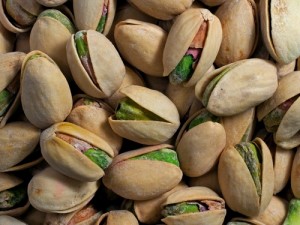
Eating vegetarian sources of protein at each meal is beneficial to both omnivores and vegetarians alike.
Moving towards more of a plant based diet will aid weight loss, benefit both those with diabetes and hypoglycemia by reducing the “total glycemic load” of your meal, reduces pain and inflammation, slows the aging process, reduces the toxic burden placed on your liver by eating high on the food chain, and saves the planet by eating less meat.
So what are the best forms of vegetable proteins?
Now I bet most of you are shouting “beans and rice” or “tofu” right now, and that is good, and I am VERY proud of you, but there is more to vegetarian sources of protein than meets the eye.
Whether you choose to be a full fledged vegetarian, or you decide to be just like me and eat less than one meal per day that contains animal products in it, you will benefit from the wisdom of the author of “Live Life 365″, an immensely inspiring video website that actually shows you how to be healthy.
Please welcome to the kitchen table today’s guest, Mike Foster!
So, Mike, what led you towards becoming a vegetarian?
I wasn’t always a vegetarian. Back in the day, I used to be seated right beside some of you, gnawing away on that rib bone, masticating that filet mignon, devouring a double double from my (former) favorite burger place, In-n-Out. I was an animal-eating carnivore most of my life—just like over 90% of the population. Then I had some blood work done and got a glimpse of my cholesterol levels.
Yikes!
Here’s the thing: I was never what you would call a BIG meat eater. More often than not, I was just as interested in the vegetable and salad portion of my meal as the animal protein part. And once I’d done further research about the contributing factors of high cholesterol (mine, by the way, was closing in on 300) and unhealthy weight gain—namely: saturated fats—it made perfect sense to gradually cut down on the meats. Years before I became a full-time vegetarian, I often would go days without consuming any animal protein. My palette, as well as some deeper region of my subconscious, was changing, sounding an alarm: Reduce your saturated fats or die!
Okay, Mike, you can stop with the dramatics. But it was a wake-up call, and my unhealthy cholesterol and weight gain (I was up over 200 pounds—far too heavy for my barely 5’ 11’’ frame) forced me to do something else—discover healthier eating options. More to the point: I needed to reduced saturated fats, which meant limit the consumption of animal proteins.
So without animal protein in your diet, what do you eat? How can you POSSIBLY survive without meat? (Just a little humor on behalf of all my carnivorous readers out there).
Here are some of the best sources of vegetable protein that I incorporate into my daily eating routine. Eat as much of this stuff as you can and you will not only get the necessary amount of protein into your diet, but tons of fiber (a good thing!). All without those harmful saturated fats; instead filling up with the good fats: monounsaturated and polyunsaturated fats.
NUTS
I eat nuts every day—mostly almonds, but all nuts have a decent amount of vegetable protein. In addition to almonds, eat walnuts, Brazil nuts, pistachios, even peanuts. They have anywhere from 6-8 grams of protein and 3.0 grams of fiber. I also suggest trying some of the butters. Almond butter is delicious and has 8.0 gms of protein per serving.
BEANS
I love Mexican food, and eat it at least twice a week. I’ve found that you can replace just about any of the meat dishes with healthy black beans (7.0 gms protein/7.0 gms fiber) or refried beans (be sure to check if they are made with lard, in they are, opt out). There are dozens of varieties of beans (see one of my previous blog posts, You Don’t Know Beans…or Do You?); pinto, navy, garbanzo—add them to salads or eat as a side dish. Most have around 6-8 gms of protein and about the same amounts of fiber.
And don’t forget lentils. These tasty tidbits are loaded with vegetable protein—10.0 gms. And 9.0 gms of fiber.
WHOLE GRAINS
I eat a high-protein, whole grain cereal every other day. Kashi makes excellent products. Try their Go Lean. It has 13.0 gms of protein per serving, also 10.0 gms fiber. I mix mine with their Good Friends (5.0 gms protein/12.0 gms fiber) for a vegetarian protein and fiber blast (pun intended!) The days I don’t eat whole grain cereals, I have some toasted whole grain bread (4-6 gms protein; shop around and read labels, some have more protein than others. I recommend Milton’s) with almond butter. You can see how the vegetable protein is adding up, huh?
Pastas, especially whole grain pastas, are another great source of vegetable protein. Most have at least 6-8 gms, while some go as high as 12-15 gms. Again, read labels, and you will be pleasantly surprised by all of the healthy vegetable protein options available to you.
I also eat oatmeal (8.0 gms protein/ 6.0 gms fiber) every day. And wild rice will get you around 5.0 gms of vegetable protein per serving.
VEGETABLES
Not all veggies are created equal. Some have more protein than others. Here are the ones you should look for when looking to increase your vegetable protein consumption:
SOY
I eat edamame, or soybeans, (11.0 gms protein/ 6.0 gms fiber) several times a week. I like to mix in another vegetable, usually broccoli (5.0 gms protein/ 4.0 gms fiber), add a little olive oil, salt, pepper. How’s that for veggie protein? Also, soy chips are a wonderful source of protein: 6.0 gms-I like Glenny’s and Gen soy. And Dr Soy makes a tasty soy bar (11 gms protein) that I devour most days.
ALSO:
Avocado: (4.0 gms protein/8.0 gms fiber)
Peas: (5.0 gms protein/ 4.0 gms fiber)
Corn: (4.5 gms protein/3.0 gms fiber)
Lima beans: (6.0 gms protein/4.0 gms fiber)
Brussels sprouts: (4.0 gms protein/3.0 gms fiber)
Artichoke hearts: (4.0 gms protein/4.0 gms fiber)
Asparagus: (4.0 gms protein/3.0 gms fiber)
This is by no means a complete list, and a lot of it is personal preference. But, as you can see, the variety of vegetable proteins available to you are endless. And the best part—they are low in saturated fats, high in good fats, loaded with fiber, vitamins, minerals, and nutrients that contribute to a longer, happier, skinnier, healthier life.
Thanks Mike for being my guest this week at the kitchen table. How can my readers learn more about eating a healthy vegetarian diet?
As always, you can watch me talk about all of these healthy topics at my video website, livelife365.com.
If you would like to be my next guest at the kitchen table, simply contact me with a suggested health topic.
~Dr. Nicole
www.KitchenTableMedicine.com
How Many Calories Do I Need a Day?
June 27, 2008 by Kitchen Table Medicine
Filed under Diet Tips, Diets, Kitchen Sink, Sports Nutrition, Weight Gain, Weight Loss
 By Bonnie Pfiester, Fitness Trainer.
The million dollar question: “How many calories should I eat?”
Someone’s caloric allowance varies depending upon a person’s activity, weight and metabolism. One of the best places to start is by looking at the most popular brand name diets. Why do many brand named diets work? Brand name diets work because most of them are based on 1200 to 1500 calories no matter what food combinations they tell you to eat. Just look at these examples:
- South Beach Diet – 1200-1500 calories
- Atkins Diet – 1500 calories
- Sugar Busters – 1300 calories
- Low-Carb Diet – 1400 calories
- Jenny Craig – 1200-1500 calories
- Weight Watchers – 1500 calories
- Cabbage Soup Diet – 1000-1500 calories
- The Zone – 1000 – 1500 calories
You basically need to take in fewer calories than you burn to lose weight. The greater the deficit – the greater the weight loss. The question is how fast do you want to lose the weight? A caloric allowance or a brand name diet may seem low, but they give you plenty of room for error. Take into consideration most people miss calories and/or under estimate calories recorded during the journaling process.
If your caloric allowance is too close to your approximate calories burned, you may not be leaving enough room for error and not getting the results you want. It takes a 3500 calorie defecit to lose one pound. That means, if you reduce your calories by 500 calories a day you would lose 1 pound a week…or reduce your caloric intake by 1000 calories a day to lose 2lbs a week.
The average American eats nearly 3790 calories a day. Now, that doesn’t mean the person actually eats 4,000 calories a day - it could mean they eat 2,000 calories a day during the week, and on the weekends they consume enough restaurant meals and drinks to increase the overall average. This is also why American feels like they are living on a diet - most Americans diet during the week and screw it all up on the weekend….creating what I call “the never-ending diet plan”.
I bet you are saying “I know I don’t eat that many calories” and of course you probably don’t. That’s just a national average and you are probably already more aware of what you eat, putting you on the lower end of the average.

The only way to know exactly what you are eating is to journal your food by writing everything you eat down and documenting the number of calories in each item.
Most people’s mistake is they are not consistent. They key to success is dieting 7 days a week so your daily caloric intake for the week averages to be 1200-1500 calories. Just think of it like checks in balances with your bank account. You can save everyday, but all it takes is one bad shopping day to wipe out all your hard work.
~Bonnie
Bonnie Pfiester is a Personal Trainer and owner of the health club Longevity Fitness. You can enjoy more of Bonnie’s fitness and beauty articles at www.BonniePfiester.com .
You are invited to leave your fitness and sports nutrition questions in the comments below for Bonnie to briefly answer or write about in future articles.
©KitchenTableMedicine.com, LLC ™The Adam & Eve Diet Plan
June 25, 2008 by Kitchen Table Medicine
Filed under Bonnie Pfiester, Diet Tips, Diets, Fruits and Veggies, Sports Nutrition, Weight Loss
 When I consider all the diets on the market, I can’t help but wonder how Adam and Eve ate.
I mean, there was no paparazzi to capture them eating at the trendy “Garden of Eden Café” nor were there tabloids exploiting Eve’s hot body and her latest “In the Garden Workout”.
Diet and exercise as we know it didn’t even exist.
Deep fryers weren’t even invented and the closest thing to fast food was picking an apple off a tree. High calorie foods simply were not as easy to come by and exercise was a just way of life.
No one had to tell Adam and Eve to workout, they got plenty of exercise with their standard daily duties. I bet we’d burn a lot more calories and eat a lot less if we had to live like they did.
With that in mind, I really doubt obesity was much of an issue. Eve couldn’t have just gone to Publix to pick up a few groceries. Collecting food took time and energy. Since there was no refrigeration, it was essential the food was fresh for each meal so the chores were never-ending.
I don’t know about you, but I think God is pretty smart. We humans are the ones who goof everything up. He created a lifestyle complete with everything we need to eat and live healthy.
We are the ones who not only have turned eating into entertainment but we’ve become greedy and impatient. We want to get the most food for the money and there better not be a long wait.
If that was not bad enough, we’ve created a ton of shortcuts in life to actually avoid burning extra calories. We circle parking lots to avoid extended walks and wouldn’t dare get up from the couch to change the channel.
If we were to go on “Adam & Eve’s Diet and Exercise Program”, we’d eat more fresh whole foods, take fewer shortcuts and increase our activity. It all makes since. Like I said, I think God’s smart and His original design was a pretty good one.
~Bonnie
Bonnie Pfiester is a Personal Trainer and owner of the health club Longevity Fitness. You can enjoy more of Bonnie’s fitness and beauty articles at www.BonniePfiester.com
Happy Birthday to…Everyone!
June 9, 2008 by Dr. Nicole Sundene
Filed under Diet Tips, Discipline, Sleep, Stress
 Ever since med school, I became terrible about remembering birthdays. Becoming a doctor certainly did not make me more thoughtful or provide me with more free time to hand make gifts and such.
So, in order for me to feel all “caught back up” I am going to just celebrate everybody’s birthday today!
Really June is a fabulous time for a birthday party. As a child I was always envious of people with June birthdays. Ponies, balloons, flowers, and birthday cake all look best behind the blue summer sky of June.
What shall you be receiving this year from me for your birthday? Read more
©KitchenTableMedicine.com, LLC ™What is Organic Beauty?
June 2, 2008 by Dr. Nicole Sundene
Filed under Diet Tips, Kitchen Sink, Skin Care, Weight Loss
 Think about it… What is shiny hair? What is glowing skin? What is that sparkle in your eye? All of those things are signs of good health.
True beauty is the healthy light inside of us radiating out.
How can we truly be beautiful if we don’t take care of our health?
According to my favorite teacher, Mary O’Malley, “health is an inside out job”.
Although Mary is referring to mental health, as that is what she specializes in, I believe this “inside out job” applies to our physical health as well.
“Beauty is an inside out job” could also be just as true of a statement, as beauty starts not just with our personalities, but with our health. Read more
©KitchenTableMedicine.com, LLC ™Why You Should Eat Breakfast
May 29, 2008 by Dr. Nicole Sundene
Filed under American Sickcare System, Chronic Fatigue Syndrome, Diet Tips, Kitchen Sink, Reader Questions, Work Health
 In my opinion, after interviewing thousands of people about their eating habits and disease states, the #1 most unhealthy mistake most unhealthy people all commonly seem to make is simply not eating breakfast.
Now, I am not sure if this just goes along with the fact that most unhealthy people don’t put a lot of time, attention, self love, or self care in to themselves, or if skipping breakfast every morning is exactly what is causing this biochemical myriad of chronic health complaints. Regardless, we have all heard that breakfast is the most important meal of the day, and I agree with that whole heartedly. Read more
©KitchenTableMedicine.com, LLC ™Rosemary Salmon Recipe
May 28, 2008 by Dr. Nicole Sundene
Filed under Antioxidants, Diet Tips, Heart Disease, Inflammation, Memory, Menopause, Multiple Sclerosis, Omega-3 Oils, Pain Management, Recipes
 If I can make this recipe, then ANYONE can make this recipe. Combining the simple whole foods ingredients of salmon with rosemary is not only great for the cardiovascular system, but memory and concentration as well.
The omega-3 oils combine nicely with the anti-oxidant and circulatory properties of the rosemary to give your brain a much needed mental boost! This is brain food at it’s finest people! Try eating this salmon for lunch to have a productive afternoon. This is the perfect recipe for someone with ADHD.
Dr. Nicole’s Rosemary Remembrance Salmon Read more
©KitchenTableMedicine.com, LLC ™Are Women Better Doctors?
May 11, 2008 by Dr. Nicole Sundene
Filed under American Sickcare System, Diet Tips, Kitchen Sink, Reader Questions
 Seventy years ago the only doctors in America were men.
My 98 year old grandma was a RN back in the day, and I am always fascinated by her stories of how different and barbaric medicine was not too long ago.
When I asked what made her choose to be a nurse she simply responded, “Women were only allowed to go to school to be nurses or teachers. So I just chose to be a nurse.”
I would be a nurse right now too, that is if a bunch of women hadn’t stood up for what they thought was right and fought for equal opportunity. Read more
©KitchenTableMedicine.com, LLC ™Weight Loss: ZERO ZONE
May 8, 2008 by Dr. Nicole Sundene
Filed under Diet Tips, Digestion, Fruits and Veggies, Kitchen Sink, Weight Loss
Everyone trying to lose weight should have a “Zero Zone” in their refrigerator.
The Zero Zone is a drawer or region in your fridge dedicated to foods and snacks that are very close to zero calories.
You can eat freely of these zero foods whenever you want to snack. Hooray!!!
For instance in my zero zone I like to keep a big jar of pickles, celery, and lime flavored sparkling water. I know I can eat and drink as much of these foods as I want. The Zero Zone eliminates the guess work out of healthy snacking. Read more
©KitchenTableMedicine.com, LLC ™McInflammation: Are You Really “Loving It”?
May 6, 2008 by Dr. Nicole Sundene
Filed under American Sickcare System, Arthritis, Attention Deficit Disorder, Autoimmune Diseases, Cancer, Chronic Fatigue Syndrome, Constipation, Depression, Diabetes, Diet Tips, Digestion, Eczema, Fast Food, Fatigue, Headaches, Inflammation, Kitchen Sink, Migraines, Multiple Sclerosis, PMS, Pain Management, Rheumatoid Arthritis, Sjogrens, Skin Rashes, Weight Loss
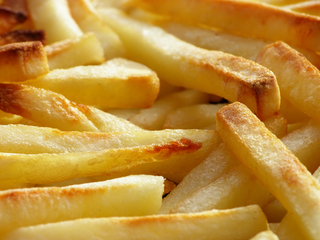 Recently a friend reported over dinner that his inflammatory problem (and let’s just say almost all medical problems are caused by inflammation) was not much better.
He said he was diligently taking everything I had recommended, and had only noted minor improvement.
Although natural remedies take time, I was curious how the dietary recommendations were going….you know, the most important part of his prescription? To no surprise, he was struggling to make the necessary changes.
As I climbed in to his car to head to our next destination I noted the eight bags of fast food littering his car floor.
“Well here is the source of McInflammation in your diet right here!” Read more
©KitchenTableMedicine.com, LLC ™The Healing Power of Mexican Food
May 5, 2008 by Dr. Nicole Sundene
Filed under Antioxidants, Bioflavonoids, Diet Tips, Fiber, Heavy Metal Toxicity, Kitchen Sink, Superfoods
 Happy Cinco de Mayo everyone!
Since many of you are going out for Mexican food today, I thought I would talk about all the great super foods abundant in traditional Mexican fare.
Mexican food can be extremely healthy if prepared properly, try to avoid the greasy dishes in lieu of the lighter ones with veggies.
Fajitas and burritos are much better choices than nachos and tacos, and just as delicious. Especially AVOID LIKE THE PLAGUE those nasty things that are deep fried (um… can someone tell me how to spell chimichanga?)
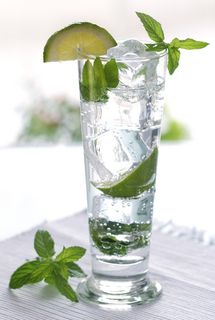
Keep in mind that tonight you may also want to avoid drinking your calories. The average margarita or daiquiri runs around 1000 calories!
If you have two of those that is the amount of calories you need for the whole day! Yikes.
Let’s not drink our calories. I know strawberry daiquiri’s are delicious but before you decide to have one ask yourself whether or not you want to be drinking all that sugar, food coloring and calories. Save making drinks like that at home with REAL fruit. Read more
©KitchenTableMedicine.com, LLC ™Foods For Preventing Cancer
May 1, 2008 by Kitchen Table Medicine
Filed under Cancer, Diet Tips, Kitchen Sink, Preventative Medicine, Whole Foods Diet
 Recently a reader asked the question “what are the best herbs I can use to prevent cancer?”
I decided that was a fabulous question for my colleague and naturopathic expert on Cancer Dr. Jake Psenka!
Since many herbs are foods, and since foods are the best preventative medicines as we can more easily incorporate them in to our daily diet, Dr. Psenka has conveniently put together a great article for us on the best foods and herbs we should use liberally in our diet to prevent cancer:
“The Top Five Botancicals for Preventing Cancer”
It is well known by many doctors that the majority of cancers are preventable. Most cancers occur as a result of unhealthy lifestyle choices. Smoking, poor diet, a lack of exercise, toxin exposure, and high stress are all known to contribute to the development of cancer. Published estimates suggest that around 85% of cancers are caused by these poor lifestyle choices. The good news is that it is possible to drastically cut the risk of developing cancer by becoming familiar with the best ways to promote health. Read more
©KitchenTableMedicine.com, LLC ™Healthy Body=Healthy Earth
April 21, 2008 by Dr. Nicole Sundene
Filed under American Sickcare System, Diet Tips, Discipline, Environmental Medicine, Kitchen Sink, Weight Loss
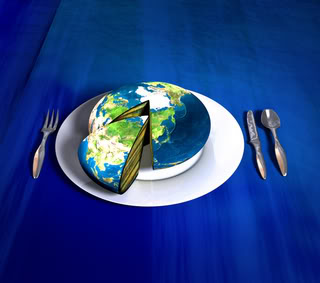 Happy Earth Day Everyone!
In honor of this important day I am going to talk about ways to improve your diet for your own health as well as the health of the environment.
First of all just keeping yourself healthy is the best thing you can do for the earth. When people are sick the use of drugs, herbs and other alternative medicines increases the amount of waste factories have to produce.
Although plants and natural substances are a better environmental choice they still take their toll on the environment.
Just because herbs are natural doesn’t mean that using them is always the best choice for the earth. Many popular herbs are actually in danger of becoming extinct and we need to use them sparingly and only when they are absolutely needed.
Now most of you are already savvy on the use of recycled and reused goods, so here are my top tips for improving your diet to support your health as well as sustainable living: Read more
©KitchenTableMedicine.com, LLC ™Who are the Villains of the Kitchen Table?
April 20, 2008 by Dr. Nicole Sundene
Filed under American Sickcare System, Diet Tips, Kitchen Sink
 Recently I read an article discussing the importance of branding your website or business with the appropriate villains.
Which got me wondering who Dr. Nicole’s arch nemesis might be?
Who do you think the top enemies of the kitchen table are? Alcohol? Caffeine?
Oh no! Those are just the small time crooks of the kitchen table. When enjoyed in moderation caffeine and alcohol are welcome at the kitchen table as a normal part of human socializing. So let’s talk about the REAL bad guys that should never be invited to join you at family dinner time. Read more
©KitchenTableMedicine.com, LLC ™