The Top Eleven Easiest Foods to Grow
June 23, 2008 by Dr. Nicole Sundene
Filed under Fruits and Veggies, Gardening, Kitchen Cost Cutters
 With the rising cost of gas, the price of food is just going to continue to rise as well.
For those of us in Washington experiencing “Juneuary” the yield of crops in this area may also be rather disappointing, and therefore result in an additional increase in local produce costs this summer.
Growing food that doesn’t require a great deal of maintenance is a simple way to cut organic costs in your kitchen.
Whether you are lazy or you are simply very busy and searching for “efficient” gardening tips, choosing the easiest fruits and vegetables to grow will save you time and money in the long run.
The key to starting your first garden is to choose foods that practically grow on their own. Pick a sunny patch, water daily, and sit back and watch them grow. Really, if I can grow this stuff- then anyone can grow this stuff!
The Eleven Laziest (er… efficient) Foods to Grow:
- Garlic-Grows as easy in a sunny pot garden as the ground. A renowned antimicrobial agent and cardiovascular herb, garlic has a multitude of medicinal properties.
- Carrots-The beta carotene in carrots is best absorbed when they are cooked. Eating cooked carrots is therefore a better form of antioxidants than in their raw form. Research shows that beta carotene may be protective for those with cataracts and macular degeneration. Beta Carotene may also prevent healthy people from developing these visual disturbances.
- Tomatoes-Enjoy fresh off the vine or canned in to your own homemade organic spaghetti sauce. The lycopene in tomatoes actually become more bioavailable with cooking, or processing.
- Potatoes- Harvest fresh as needed. Be sure to eat the peel of these organic potatoes! The peel contains vitamins and fiber to balance your blood sugar and keep your energy stable.
- Strawberries-Best to grow these yourself as non-organic strawberries are on the dirty dozen, the notorious top twelve dirtiest produce that should be purchased organically.
- Radishes- Not just for rabbits! Radishes are essentially a “free food” meaning they have almost no calories. So go ahead-enjoy them with a little home made organic cucumber ranch dip! I won’t tell anyone.
- Cucumbers- Are sure to keep you cool this summer. Mix up some refreshing ice water with fresh slices of cucumbers, mint, and lemon.
- Beets-A liver cleansing, blood building food. Enjoy as your carbohydrate side dish in lieu of bread and more fattening carbohydrate choices. Grate in to salads, roast with olive oil, or juice with carrots for an invigorating pick me up.
- Nasturtiums-The flowers and leaves add a beautiful and spicy addition to summer salads. Plant in hangers on your decks for décor and to protect the leaves from slugs.
- Green beans- You can easily train these to grow anywhere! If you have a small back patio train them to grow up your fence using bean stakes, or make a green bean teepee!
- Squash the #1 laziest food to grow! Vegetables like zucchinis, pumpkins, and other summer squashes practically grow themselves! Watch out and make sure they have plenty of room to spread out! Root vegetables and squash make great side dishes for your meals. A fabulous way to keep weight down is to avoid eating empty calories like bread and fill up on healthier sources of carbohydrates like these starchy vegetables.
The easiest way to learn about what grows well in your area is to start visiting your local farmers market. Ask questions (and of course buy something while you are there). You can then learn to grow your garden accordingly. Farmer’s Markets are a great teaching opportunity to share with your kids!
Thanks for stopping by my kitchen table. Feel free to share you favorite lazy foods to grow in the comments.
~Dr. Nicole
Naturopathic Physician
 Dr. Nicole Sundene, NMD is a licensed Naturopathic Medical Doctor at Fountain Hills Naturopathic Medicine 16719 E Palisades Blvd, Suite 205, Fountain Hills, AZ 85268.
She believes we should utilize natural medicines to treat the root cause of disease rather than just treating symptoms, as symptoms are a message of imbalance sent from the body and will persist until they are properly addressed.
For appointments please visit http://FHnaturopathic.com for more information about Naturopathic Medicine services.
©KitchenTableMedicine.com, LLC ™
The Best Wild Berries to Grow
June 18, 2008 by Dr. Nicole Sundene
Filed under Anti-Aging, Antioxidants, Fruits and Veggies, Heart Disease, Superfoods
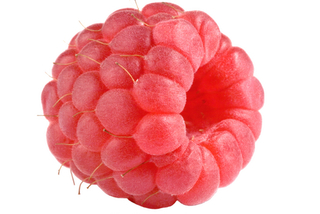 Berries are super food at its finest! If you have a large backyard you can easily let some berries run wild to help cut organic costs in your kitchen.
Plant them around the perimeter of your property. Harvest them in the summer months and freeze for year round use.
This is a great way to reduce kitchen costs for eating a whole foods, organic diet. Use your berries liberally in smoothies, desserts, or enjoy them on their own. Berries truly are the best friend of the kitchen table!
The pigments in berries are actually shown to become more bio-available with freezing and cooking. An exception to the rule that “fresher is better”.
Berries to let Run Wild:
- Blueberries
- Strawberries
- Blackberries
- Raspberries
- Huckleberries
- Marionberries
- Gooseberries
- Loganberries
- Salmonberries
- Thimbleberries
Berries are high in proanthocyanins the bioflavanoid pigments that protect our cardiovascular systems from destruction by reactive oxygen species (ROS). Berries are not only delicious; they are the fountain of youth as they prevent heart disease and protect us from inflammation!
From a botanical standpoint, berries naturally have to be full of antioxidants because otherwise they would not be able to protect themselves from the sun. The leaves of the plant use the sun to create energy, but the delicate berries of the plants would be destroyed by the sun if it weren’t for the dark antioxidant pigments that are protective of its harmful rays. Some nature fanatics say you can even use berries as a form of sunscreen (I would only do this in an emergency situation!)
Berries are truly the fountain of youth with an anti-aging program. The high anti-oxidant capacity will surely keep you looking your finest and most fabulous.
Thanks for stopping by my kitchen table!
~Dr. Nicole Sundene
Naturopathic Physician
Dr. Nicole Sundene, NMD is a licensed Naturopathic Medical Doctor at Fountain Hills Naturopathic Medicine 16719 E Palisades Blvd, Suite 205, Fountain Hills, AZ 85268.She believes we should utilize natural medicines to treat the root cause of disease rather than just treating symptoms, as symptoms are a message of imbalance sent from the body and will persist until they are properly addressed.
For appointments please visit http://FHnaturopathic.com for more information about Naturopathic Medicine services.
©KitchenTableMedicine.com, LLC ™
How to Get Your Kids to Eat More Vegetables
June 18, 2008 by Dr. Nicole Sundene
Filed under Fruits and Veggies, Gardening, Pediatrics
 As a naturopath I have learned an appreciation for vegetables, and have had an easier time incorporating them into my diet.
Foods that I once perceived as evil, I actually now regularly eat.
I even eat seaweed!
Often I will read some scientific research on some piece of produce out there and think “Oh, well I guess I can eat that, I had no idea that broccoli was going to do all THAT for me!”
And so my Standard American Diet (SAD) has progressed from tuna casserole, Chef Boyardee, cereal, and peanut butter and jelly sandwiches to vegetables, brown rice, and flaxseeds.
Yes, I was once that annoying child that would sit in nightly combat with their parents over a Brussels sprout.
The rare exceptions that I would willfully eat vegetables were the summer months that my sister and I would spend “foraging” our backyard garden for carrots, green beans, tomatoes, herbs, radishes, raw corn right off the cob, fruit of the season and maybe even a freshly dug potato or two. I always freely ate those vegetables with a certain level of curiosity and adventure that a can of Brussels sprouts could never muster for me at the dinner table.
Personally I think the best way to get most children to eat, enjoy, and appreciate vegetables is to teach them how to grow their own. Growing vegetables is educational, fun and gives children a new found appreciation for food and how much work it takes to get it on their plate.
This is the perfect time to start a fun little gardening project like a children’s vegetable patch. You can even make a pretty decent kid’s garden in a big wooden planter. Simply fill it with fresh organic dirt so you know they will be safe to get their hands really dirty (and maybe their mouths too). Sprout seeds indoors and transfer them out to the patch when they are ready. Involve your kids with each step along the way. To learn more simply read my article on “How to Grow an Organic Kid’s Garden”.
Now most children that get the choice to be responsible for every part of the decision making process from which seeds to purchase, wear to plant, when to pick, and what recipe to make the vegetable in to, will have a tough time not being curious enough to want to sample and enjoy the final project.
Thanks for stopping by my kitchen table! What is your favorite tip for getting kids to eat healthier?
~Dr. Nicole Sundene
Naturopathic Physician
Dr. Nicole Sundene, NMD is a licensed Naturopathic Medical Doctor at Fountain Hills Naturopathic Medicine 16719 E Palisades Blvd, Suite 205, Fountain Hills, AZ 85268.She believes we should utilize natural medicines to treat the root cause of disease rather than just treating symptoms, as symptoms are a message of imbalance sent from the body and will persist until they are properly addressed.
For appointments please visit http://FHnaturopathic.com for more information about Naturopathic Medicine services.
©KitchenTableMedicine.com, LLC ™
Grow an Organic Kid’s Garden
June 18, 2008 by Dr. Nicole Sundene
Filed under Fruits and Veggies, Gardening, Pediatrics
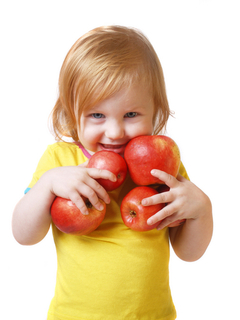 Teaching your kids to grow fruits and vegetables is easy.
In my article on “The Best Way to Get Your Kids to Eat More Vegetables” I discussed the importance of allowing kids to grow their own vegetables.
June is a great time to buy your kids some vegetable starts that will be sure to flourish when planted.
An organic patio garden or several patio gardens placed in key locations; are a great way to keep your kids busy while you are relaxing, working in the kitchen, or doing other outdoor tasks.
Why not put your kids to work and have them help put some food on the kitchen table for a change?
How to Make an Organic Kid’s Garden:
- Find a sunny location where plants are sure to grow.
- For EACH child, buy a large wooden barrel and fill with organic dirt. Don’t use pesticides as your kids will be digging around with their bare hands, and maybe even eating the dirt. Remember playing with dirt is half the fun of their garden. By using a large container, and organic fill dirt, you can easily control the quality of dirt that your children are playing in. Organic dirt is especially important for kids with skin problems, allergies, or asthma.
- Buy starts or sprout your own seeds indoors of tomatoes, green beans, carrots, zucchinis, squash, potatoes, strawberries, herbs and other simple plants that are easy to grow.
- Promote how much fun it is for them to get to water their garden each day! Find them a cute little child size’s watering can. Do watch out for over watering though!
- Make a big deal when they finally grow a vegetable and prepare a special meal with their fruits or veggies.
- Emphasize how delicious fresh tomatoes or strawberries are picked right off the vine!
- Have them weed their own garden each day and hand remove bugs, slugs, and snails.
- Use the opportunity of growing vegetables to teach your kids appreciation for all the work that goes in to producing food, in hopes that they will become less wasteful adults.
- Teach them the botany behind how plants grow, and briefly explain how the plants use energy from the sun to make sugar and chlorophyll.
- If you have more space you can create a larger organic garden for your kids!
For those with more space:
- Plant easy to grow produce for them to tend to like strawberries, blueberries, gooseberries, potatoes, carrots, and squash liberally. Make it their “summer project” to grow food for the family to enjoy.
- Build a Green Bean Teepee! Simply take green bean stakes and form them in to the shape of a teepee. Train the green beans to grow up the stakes and by August your kids will have a fun little fort to hide away in!
- Grow a whole apple orchard or plant other trees for them to play hide and go seek in.
- Build a green house for growing peppers, tomatoes, and herbs.
- Make an organic compost bin and teach them about composting and how worms digest plant materials to make dirt.
- Teach them the difference between a “weed and an herb”. Weeds are typically invasive plants. Herbs are “weeds” that have medicinal properties. Common herbs to learn about are dandelions, nettles, red clover, plantain, and cleavers. Honestly though, most weeds are simply herbs once you make friends with them.
Remember that if you have a garden of your own, avoid the use of heavy pesticides and go organic when at all possible. Organic dirt is vitally important for the kids and pets that actively play in your garden.
Thanks for stopping by my kitchen table!
~Dr. Nicole Sundene
Naturopathic Physician
Dr. Nicole Sundene, NMD is a licensed Naturopathic Medical Doctor at Fountain Hills Naturopathic Medicine 16719 E Palisades Blvd, Suite 205, Fountain Hills, AZ 85268.She believes we should utilize natural medicines to treat the root cause of disease rather than just treating symptoms, as symptoms are a message of imbalance sent from the body and will persist until they are properly addressed.
For appointments please visit http://FHnaturopathic.com for more information about Naturopathic Medicine services.
©KitchenTableMedicine.com, LLC ™
How to Make a Green Bean Teepee
June 18, 2008 by Dr. Nicole Sundene
Filed under Fruits and Veggies, Gardening, Pediatrics
 Green bean teepees make for a healthy hide out.
You can easily create a fun foliage fort for your kids or a secret meditation hideout for yourself by forming wooden stakes and strings in to a teepee shape and training the vines to run along them.
Who knows?
Maybe your kids will snack on a few beans while they are in there!
Yet another fun way to “Get more vegetables in to your kids diet” .
Green beans are full of fiber, protein, beta carotene, B-vitamins, calcium, and potassium.
Fresh picked green beans are a fabulous addition to your kitchen table. Fresh foods are full of more energy and vitamins than any foods found in your grocery store. Pick them immediately before serving, to taste and feel the difference.
Excess green beans can be frozen or pickled for future enjoyment. Simply spread out on cookie sheets and freeze before storing to prevent them from sticking together.
Have fun with vines like beans! Get creative. Why stop with a teepee? Perhaps you can make an entire gazebo!
Thanks for stopping by my kitchen table!
~Dr. Nicole Sundene
Naturopathic Physician
Dr. Nicole Sundene, NMD is a licensed Naturopathic Medical Doctor at Fountain Hills Naturopathic Medicine 16719 E Palisades Blvd, Suite 205, Fountain Hills, AZ 85268.She believes we should utilize natural medicines to treat the root cause of disease rather than just treating symptoms, as symptoms are a message of imbalance sent from the body and will persist until they are properly addressed.
For appointments please visit http://FHnaturopathic.com for more information about Naturopathic Medicine services.
©KitchenTableMedicine.com, LLC ™
Weight Loss: ZERO ZONE
May 8, 2008 by Dr. Nicole Sundene
Filed under Diet Tips, Digestion, Fruits and Veggies, Kitchen Sink, Weight Loss
 Everyone trying to lose weight should have a “Zero Zone” in their refrigerator.
The Zero Zone is a drawer or region in your fridge dedicated to foods and snacks that are very close to zero calories.
You can eat freely of these zero foods whenever you want to snack. Hooray!!!
For instance in my zero zone I like to keep a big jar of pickles, celery, and lime flavored sparkling water. I know I can eat and drink as much of these foods as I want. The Zero Zone eliminates the guess work out of healthy snacking. Read more
Dr. Nicole Sundene, NMD is a licensed Naturopathic Medical Doctor at Fountain Hills Naturopathic Medicine 16719 E Palisades Blvd, Suite 205, Fountain Hills, AZ 85268.She believes we should utilize natural medicines to treat the root cause of disease rather than just treating symptoms, as symptoms are a message of imbalance sent from the body and will persist until they are properly addressed.
For appointments please visit http://FHnaturopathic.com for more information about Naturopathic Medicine services.
©KitchenTableMedicine.com, LLC ™
Tell Me What is in your Shopping Cart and I will Tell You What is Wrong with You…
April 16, 2008 by Dr. Nicole Sundene
Filed under American Sickcare System, Diet Tips, Discipline, Fruits and Veggies, Kitchen Sink
 My favorite thing to do at the grocery store is people watch.
Oftentimes my blatant stares are grossly mis-interpreted when in fact I am simply mesmerized by someone’s cart full of only bacon, yellow cheese, mayo, beer and white bread. “Wow that looks like an eczema fest followed by a heart attack on a plate”, I will silently think to myself as I rudely size up the health status of a stranger.
After years of interviewing people about their diet I have learned that many common disease states accompany the same bad food choices. Classics like diabetes, hypercholesterolemia, and high blood sugar all have very consistent dietary patterns. When I see a healthy vibrant person in a sweatsuit with a cart full of fruits and veggies, I feel that much more motivated to shop the perimeter of the store and avoid all the processed foods that lie in the “Danger Zone” within. When you think about it the perimeter of the store has all the produce and other whole foods choices. Fill your cart with those choices first before venturing in to the “Danger Zone”. Read more
Dr. Nicole Sundene, NMD is a licensed Naturopathic Medical Doctor at Fountain Hills Naturopathic Medicine 16719 E Palisades Blvd, Suite 205, Fountain Hills, AZ 85268.She believes we should utilize natural medicines to treat the root cause of disease rather than just treating symptoms, as symptoms are a message of imbalance sent from the body and will persist until they are properly addressed.
For appointments please visit http://FHnaturopathic.com for more information about Naturopathic Medicine services.
©KitchenTableMedicine.com, LLC ™
Juicing For Health
January 24, 2008 by Kitchen Table Medicine
Filed under Antioxidants, Fruits and Veggies, Juicing
Raw vegetable and fruit juices are said to be the richest available sources of vitamins, minerals and enzymes. They also contain phytochemicals and antioxidants that have significant medicinal value. Drunk as raw juice, they pass rapidly into the bloodstream because they require very little digestion. Juices seem to radiate and transport with them pure life force or the healing power of nature (vis medicatrix naturae).
Preparation of Raw Vegetable and Fruit Juices
• Use freshly squeezed or extracted juices whenever possible.
• Use fruit juices sparingly. When you drink fruit or sweeter vegetable juices (like carrot or beet juice), dilute them 1:1 with filtered water to prevent both a glucose/insulin spike and to avoid the diuretic effect of the sugar.
• Drink any type of juice immediately to derive maximum benefit.
• Select a variety of raw, fresh, unblemished vegetables or fruits. Choose organic whenever possible.
• Clean and wash the produce thoroughly with an organic soap. (Dr. Bronner’s soap, for example, diluted as directed).
• Use a juicer, not a blender.
• Prepare the produce by removing tough, inedible peels, stems and seeds. Cut the produce into pieces. Juice the pieces and mix the various juices together.
• The pulp is full of fiber and can be used in soups, stews, etc. or to make excellent garden compost.
• Start out juicing one ounce of each of five or more vegetables (or fruits). If the taste is unfamiliar, add some apple, carrot or tomato. Gradually increase the amount of combined juices up to one pint per day. One serving is ½ cup fruit juice or ¾ cup vegetable juice. Vary the juice types daily, not only to benefit from a wider range of nutrients, but also to reduce the risk of developing allergies to the individual vegetables and fruits.
Cabbage and Carrot Juice: ½ cup cabbage juice, ¼ cup carrot juice, ¼ cup celery juice, chopped fresh cilantro leaves to garnish.
Beet Borscht Cocktail: ½ cup beet juice, ½ cup carrot juice, 6 Tablespoons cucumber juice, 1 Tablespoon lemon juice, 1 Tablespoon plain yogurt. Blend together.
Carrot and Rosemary Juice: ½ cup carrot juice, ½ cup celery juice, 3 soft sprigs rosemary, freshly ground pepper. Blend together.
French Potassium Juice: 1 bunch watercress, 3 large carrots, 3 large sticks celery. Garnish with chopped parsley.
Chinese Waterfall: ¼ cup grape juice, ¼ cup pear juice, ¼ cup melon juice. Blend together. Dilute with ¾ cup filtered water. Serve over ice. Garnish with ground ginger.
Resources
McIntyre, Anne. Drink To Your Health. 2000. Gaia Books Ltd.
Dr. Nicole Sundene, NMD is a licensed Naturopathic Medical Doctor at Fountain Hills Naturopathic Medicine 16719 E Palisades Blvd, Suite 205, Fountain Hills, AZ 85268.She believes we should utilize natural medicines to treat the root cause of disease rather than just treating symptoms, as symptoms are a message of imbalance sent from the body and will persist until they are properly addressed.
For appointments please visit http://FHnaturopathic.com for more information about Naturopathic Medicine services.
©KitchenTableMedicine.com, LLC ™
Sources of Antioxidants
January 17, 2008 by Kitchen Table Medicine
Filed under Antioxidants, Fruits and Veggies
 Every day we come in contact with air pollution, tobacco smoke, radiation, sunlight, X-rays, herbicides, pesticides, and solvents found in cleaning fluids, paints and furniture polish. These contain environmental toxins that cause damage to cell membranes and make the body more susceptible to diseases such as, cancer, heart disease, arthritis, cataracts, and allergies. Fried, barbecued and charbroiled foods can have the same effect.
Disease prevention begins with eating a diet rich in antioxidants. Antioxidants protect the body against cell membrane damage that can lead to disease and they slow the aging process. In addition to eating an antioxidant-rich diet, reducing the amount of exposure to sources of environmental and dietary toxins is also important.
The major antioxidant nutrients and their dietary sources are:
Vitamin A (beta-carotene)
Cantaloupe, fresh or dried apricots, mangoes and persimmon
Broccoli, carrots (and juice), leafy greens (spinach, kale, mustard, collard, swiss chard), pumpkin, sweet potatoes, squash
Vitamin C
Blackberries and raspberries, citrus fruits and juices (oranges and grapefruits), melons (especially cantaloupe), papaya, kiwi, mangoes, strawberries
Cruciferous vegetables (broccoli, cauliflower, brussels sprouts, kohlrabi, cabbage), leafy greens (mustard, turnip, kale, collard), red and green peppers, sweet potatoes, with skin, tomatoes and tomato juice
Vitamin E
Avocados, leafy greens (fresh spinach, kale, collard)
Mango, apricot
Fish and shellfish
Nuts, seeds, wheat germ
Wheat germ, corn, sunflower, and soybean oils
Selenium
Brazil nuts, cashews, sunflower seeds
Garlic, blackstrap molasses
Eggs, halibut, oysters, salmon, tuna, scallops, snapper, clams, ground beef, chicken breast
Source: Bastyr Students
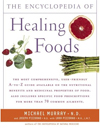
For more information on healthy foods you can pick up a copy of ”The Encylopedia of Healing Foods” by Drs. Murray and Pizzorno:
Dr. Nicole Sundene, NMD is a licensed Naturopathic Medical Doctor at Fountain Hills Naturopathic Medicine 16719 E Palisades Blvd, Suite 205, Fountain Hills, AZ 85268.She believes we should utilize natural medicines to treat the root cause of disease rather than just treating symptoms, as symptoms are a message of imbalance sent from the body and will persist until they are properly addressed.
For appointments please visit http://FHnaturopathic.com for more information about Naturopathic Medicine services.
©KitchenTableMedicine.com, LLC ™
Healthy Vegetables
January 17, 2008 by Kitchen Table Medicine
Filed under Fruits and Veggies
 SELECTION: Proper selection of vegetables can maximize nutrient content and minimize exposure to pesticides and chemical fertilizers. When possible, buy in-season, fresh produce from local organic farmers.
- Qualities to look for include compact, tightly closed heads and tips, green, fresh-looking tops and leaves, crispness, firmness, brightness of color, smooth skins, and heaviness in relation to size. Choose corn still in its husk to preserve nutrients and taste. The casings on onions and garlic should be dry and papery.
- Qualities to be avoided are discoloration, bruises, limpness, wax, wilted tops or leaves.
WASHING AND PREPARING: Scrub non-organic vegetables with a non-toxic soap solution to remove chemicals. Before preparation and cooking, rinse whole vegetables quickly under water to preserve nutrients. Avoid soaking vegetables in water, which decreases water-soluble vitamin and mineral content. Leafy vegetables should be completely dried after rinsing because water left on the leaves can dissolve the vitamin C and mineral content. Because increased surface area exposure to oxygen leads to increased nutrient loss, any chopping of vegetables should be done immediately before cooking (or eating if raw). During vegetable preparation, remember that the outer parts of leafy vegetables contain higher concentrations of nutrients than the tender inner leaves. Leafy portions are more nutrient-dense than stalks and leaf midribs.
STORAGE: Proper storage ensures optimal vitamin and mineral content.
- Fresh vegetables should be purchased in smaller quantities two or three times a week rather than in larger amounts once a week. Store leafy vegetables for short periods of time in the refrigerator. Hard squash store well for several weeks on the counter. Potatoes and sweet potatoes should be stored at room temperature or cooler and out of the light (a paper bag works well) to prevent sprouting and turning green. Store root vegetables in the refrigerator crisper section.
- Options when time and resources are available, include freezing or canning. These methods can be used to take advantage of lower seasonal organic produce prices. Be sure to label all stored food with the date, contents, and any special processing techniques used on that batch. Keep track of which methods work best.
- Freeze only very ripe, unblemished vegetables. All vegetables except bell peppers and tomatoes must be blanched to destroy the enzymes that could cause decomposition. To blanch: steam chopped vegetables for the allotted time specific for the particular vegetable (consult a cookbook for specific directions and times—usually no more than 3–4 minutes). Cool the vegetables quickly under running water and package immediately. Seal out as much air as possible. Blanched frozen vegetables will keep for six months at 5°F.
- Canning requires more equipment and time. However, with this method the quality and nutrient content can be preserved at a high level for as long as one year (as long as jars are kept in a cool, dark place). The process consists of heating the vegetable in glass jars for a particular period of time. This destroys spoilage-creating bacteria, molds, etc., and seals out air thus preventing entry of new microbes from the environment. For particulars about the canning process consult a canning book.
COOKING: Baking can be used for hard squash, sweet potatoes, and potatoes. For most other vegetables, steaming is the ideal method. Use as little water as possible (about 1/2 cup), and a steaming rack inside a tightly covered pot to minimize nutrient loss. After bringing the water to a boil, take the vegetable(s) out of the refrigerator, wash briefly, and add to the pot. Reduce heat to a simmer. Cook until tender but not soft. Make use of the water left in the pot as a soup stock, to cook rice, or to feed a pet. Cook frozen vegetables directly without thawing. When steaming vegetables that have different cooking times, stagger their addition to the pot. Or put the slowest cooking on the bottom closest to the heat and the fastest ones on the top.
HEALTH BENEFITS of VEGETABLES:
- Fiber is needed for intestinal health. It’s helpful in the prevention of constipation, hemorrhoids, diverticulosis, and colon cancer. It’s also helpful in regulating blood lipids and cholesterol, as well as for stabilizing blood sugar. Most vegetables are rich sources of fiber.
- Vitamins & Minerals are abundant in vegetables. Here are some examples:
o Vitamin A/carotenes: Sweet potatoes, spinach, hard squash, carrots, greens (mustard, turnip, collard, dandelion), kale
o Vitamin K: Spinach, sweet potatoes, beets, bean sprouts, broccoli
o B2/Riboflavin: Spinach, sweet potatoes, beets, bean sprouts, broccoli
o B3/Niacin: Mushrooms, potatoes, asparagus, bean sprouts, Jerusalem artichokes, corn, broccoli, mustard and collard greens
o B6/Pyridoxine: Potatoes, corn, carrots, broccoli, brussel sprouts, spinach, sweet potatoes
o Folic acid: Spinach, asparagus, broccoli, brussel sprouts, collards
o Vitamin C: Tomatoes, cabbage, broccoli, collard/mustard/turnip greens, kale, kohlrabi, potatoes, peppers
o Calcium: Broccoli, collard/mustard/turnip/beet greens, kale, bok choy, dandelion greens, spinach
o Potassium: Tomatoes, spinach, potatoes, pumpkin & hard squash, parsnips, brussel sprouts, bok choy, Jerusalem artichokes
o Magnesium: Broccoli, potatoes, spinach, parsnips, collard greens
o Iron: Broccoli, spinach, potatoes
Dr. Nicole Sundene, NMD is a licensed Naturopathic Medical Doctor at Fountain Hills Naturopathic Medicine 16719 E Palisades Blvd, Suite 205, Fountain Hills, AZ 85268.She believes we should utilize natural medicines to treat the root cause of disease rather than just treating symptoms, as symptoms are a message of imbalance sent from the body and will persist until they are properly addressed.
For appointments please visit http://FHnaturopathic.com for more information about Naturopathic Medicine services.
©KitchenTableMedicine.com, LLC ™
Tip of the Day…Every Day Should be a Party!
January 2, 2008 by Dr. Nicole Sundene
Filed under Fiber, Fruits and Veggies, Superfoods
Buying pre-made produce trays is an efficient effective way to add more fruits and veggies in to your diet. You can simply pack the celery and carrots up for snacks, steam the cauliflower and broccoli for dinner side dishes, and snack on the fruit as a sweet treat in lieu of desserts!
Dr. Nicole Sundene, NMD is a licensed Naturopathic Medical Doctor at Fountain Hills Naturopathic Medicine 16719 E Palisades Blvd, Suite 205, Fountain Hills, AZ 85268.She believes we should utilize natural medicines to treat the root cause of disease rather than just treating symptoms, as symptoms are a message of imbalance sent from the body and will persist until they are properly addressed.
For appointments please visit http://FHnaturopathic.com for more information about Naturopathic Medicine services.
©KitchenTableMedicine.com, LLC ™