Autism: 10 Strategies for Implementing Diet Changes
March 31, 2009 by Kitchen Table Medicine
Filed under Autism, Guest Posts, Kitchen Sink
Why are food and diet some of the most challenging aspects of raising a child with autism? Make the decision to change the way your child, and perhaps your whole family, is eating and – BAM!!! You seem to hit walls of resistance every which way you turn!
 The walls are so thick that you may even wonder, is this even possible? Is it worth it? If you have answered “no” to those questions before, you are not alone.
I have too. Then I realized that if I ever wanted things to change in the outside world, my inside world must change first. I want to find ways around those walls. Heck, I’d like the walls to come down!
Are you with me? Here are some ideas I’ve found helpful…
1. - Prepare Your Attitude - how you approach any changes you want to make will greatly influence how others will accept it. Be grateful for what you are learning and the new hope it offers! Be enthusiastic about finding and adding nutritious foods that also taste good. Be clear on why you want to create change and embrace the challenge vs. a “poor me” or “poor kid” outlook. The opportunity in front of you is a gift that will enrich not only your child’s life, but yours as well. Believe that you can do this, and so can your child.
2. - Plan a Strategy – Take time to really devise a do-able adjustment period. Figure out which foods will stay and which will be phased out. Introducing new foods before phasing out favorites sometimes works best, but not always. When will be the best time to begin making the changes? Plan a schedule for creating and trying a few new recipes a week. Write out your ideas, sample menus, and goals for implementing changes. Clean out or finish off the items no longer desired in your kitchen, and begin bringing in the new foods.
3. - Prioritize – Fast food and ready made meals have allowed our society to put eating habits on auto-pilot. Conscious planning and food preparing is going to take time, probably time you feel you don’t have. Go on a laundry strike if you have to, unplug the TV for a week or so, whatever it takes! Do not feel guilty or crazy for wanting to prioritize your child’s health. The human body is our true vehicle here on earth, not the automobile. Autism is a complex, sensitive condition. If your car was struggling to function as it was designed, you’d find the time and money to address the issues. Our bodies are even more worthy of attention and care.
4. - Assess Who’s on Board – If your child is not under your care at all times, then you’ll have to discuss your plans with the other people involved. This does not always go over well, as you may already know. Try not to take it personally, the reasons often have more to do with the inconveniences they are afraid of experiencing. They are also simply not as motivated to acknowledge the low quality of the standard American diet.
Consider their situation and help them come up with ideas that they feel would be do-able.If you can not convince another individual to support your efforts, you may have to prioritize and make adjustments in your child’s care. This may sound extreme, but you are only in control of your decisions. Taking a gentle but strong stand is nothing to feel guilty about. Family and social gatherings, etc. may also require adjustments. I have, at times, simply decided it was not worth the temptation or battles. Instead, I chose something more relaxing to do with my son.
5. - Prepare Your Child – This is very important, regardless of how much you think the child can comprehend. A child diagnosed with autism often understands way more than he/she can express. Your attitude, explanations, and loving encouragement can have more of an impact than you might imagine. Excitedly tell your child you are going to be trying new foods to help his/her body feel great! Find or take photos of food options to be able to show your child his/her choices visually if necessary.
If your child has a self-selected, extreme diet of just one or two foods, you will have to be strong as well as clear on your intentions. Have lots of yes choices around. Children can smell a parent waiver, so clean out pity and ambivalence! There is no need to feel bad when your child has plenty of healthy foods to choose from. If you do cave, don’t beat yourself up. You’re human. Laugh, learn and move on.
6. - Be Creative – Have fun with brainstorming ideas and new ways to present foods to your child. Funky plates and bowls, crazy straws, chunks of good stuff on toothpicks, healthy dips, tasty samplings served in an ice cube tray, etc. Make a list of you child’s favorites and brainstorm what it is about those foods that he/she’s so passionate about. For instance, my son loves flavor –sweet, spicy, salty –I call him “spice boy” because he’ll pour and lick spices straight from a plate.
Giving him foods that I can flavor up for him, or let him sprinkle on the spice, sometimes entices him to enjoy things I would have never expected he’d like. If your child won’t eat something, find another way to prepare and/or offer it. Home-made popsicles, juicing, and nutritious smoothies have been some of my most successful approaches toward getting my child to consume vegetables he may not otherwise consider. You know your kid best, so your ideas may be different than anyone else’s.
7. - Give it Time – Persistence, perseverance, and patience are important. We live in a “take a pill” world and expect immediate relief and results. Optimally feeding the body is more like growing a harvest vs. growing weeds. It takes more effort and time, but the results will show up when the time is ripe. The conditions and symptoms of autism can have multiple levels, and the human body is amazingly able to adapt and create homeostasis within the body’s circumstances.
As diet changes, some changes may be noticeable while others may take more time to surface. Think of the process of weight loss. The slow, gradual changes due to exercise and healthy eating may take longer, but the results are more likely to be long-term. Believe that healthier daily eating choices make sense regardless of immediate results. However, if you are NOT seeing any positive results after a 6 month period, you may need to take a different approach. See #8 & 9 for more info.
8. - Keep Learning – The world of healing through nutrition is HUGE and the internet and books are chock full of both accurate and inaccurate information. Most western doctors actually have very little training and/or expertise in this area. Using common sense is also important. Prayer and spiritual guidance can help you guide you through your unique, individual circumstances.Where is the information you are listening to coming from?
I prefer information that is backed-up by healthy human beings, someone who has experienced a significant healing transformation, and/or based on the habits of societies that enjoy longevity and minimum health issues. These, to me, have more credential than isolated studies that try to pin point one teeny factor to prove a point. Human beings and their bodies are simply too complex. Health requires a more holistic approach.

9. - Have Fun Exploring – Cookies can be made with acorn squash – who knew?!? Books and cookbooks, internet searches, and internet groups provide limitless support and ideas for improving one’s health through food. Gluten-free/Casein free, The Feingold Diet, The Body Ecology Diet, The Specific Carbohydrate Diet, The Cave-Man Diet, Nourishing Tradition Diet Principles, all of these have benefited some children immensely and have had little effect on others.
The only way you can find out is through trying. Don’t let the scoffers stop you, hold on to the stories of the try-ers and believers. The ones who found their answers often did not find it on the first attempt. Again here is where persistence, perseverance, and patience have the potential to pay off big time.
10. - Don’t Stress About Infractions - In a world of packaged, convenience, and processed foods, slip ups are going to happen, no matter how well you plan and organize. When you find out, it’s too late to do anything about that infraction so let it go. Focus on changes and parts of your plan that are working. Use the infraction as a learning experience that can help you think of what other adjustments and ideas can be made to prevent future infractions.
Anger and frustration are a wast of your valuable energy. Hand them over to God, and surrender to peace. Don’t fall for the all or nothing lie, either. If you at this time can not possibly do all the diet changes you’d like, start where you can and build. I hope you gain momentum which each blessed day.
Someone once told me that to God, my son (who still shows every symptom of severe autism) is already whole and healed. There is nothing to be fixed. In my heart I believe that is true. But what I see everyday with my eyes is that he is not yet able to function fully within the world as it is now. I explained, and asked if I was contradicting the belief in my heart by trying to help him. The reply was, “Not at all!” I will never forget the next words:
“Like a pearl in an oyster, your son is perfect. Whether within the oyster or brought out and polished for the world to see, to God it makes no difference. He’s still the same perfect pearl. God understands your attempts to reveal his brilliance to the world”
God loves our children regardless, just as we parents do. Believe in your child’s brilliance. Seek ways to share it with the world.
Author: Tara McClintick is an Early Childhood/Special Education teacher as well as a Son-Rise mom. A great deal of Tara’s 20+ years experience has been working one on one with her youngest son, Jake, who was diagnosed with severe autism shortly after his first birthday.
Jake is now 13 and together they continue the journey towards learning and recovery through nutritional and natural methods. Tara also creates fun, unique picture books for kids using real-life scenes and images www.BooksByTara.com.
 Dr. Nicole Sundene, NMD is a licensed Naturopathic Medical Doctor at Fountain Hills Naturopathic Medicine 16719 E Palisades Blvd, Suite 205, Fountain Hills, AZ 85268.
She believes we should utilize natural medicines to treat the root cause of disease rather than just treating symptoms, as symptoms are a message of imbalance sent from the body and will persist until they are properly addressed.
For appointments please visit http://FHnaturopathic.com for more information about Naturopathic Medicine services.
©KitchenTableMedicine.com, LLC ™
Eat Gluten-Free Without Going Broke, Part 3
March 26, 2009 by Kitchen Table Medicine
Filed under Diet Tips, Dr. Selena Eon, Guest Posts, Kitchen Sink, Wheat Free/Gluten Free, Whole Foods Diet

It is handy to be able to purchase GF baked goods ready-made fresh or frozen. I will not try to dispute that. However, for long-term physical and financial health, I maintain that preparing these foods yourself whenever possible is a better choice. You get far more for your money and you choose the ingredients.
A person who does poorly with corn, soy or dairy may have extreme difficulty finding ready-made gluten-free products that are acceptable for them—preparing at home is an optimal choice. If your diet tends to be low in fiber, you can choose higher fiber flours and incorporate nuts, seeds, fruits and vegetables into your baked goods. Home-made foods are also fresher and frequently taste better.
As a resident of the Puget Sound (Seattle) I tend to purchase various flours, mixes and certified gluten-free oats from Bob’s Red Mill as they are located in Oregon. I also use Pamela’s Baking Mixes as they are located in southern British Columbia (Canada). Both manufacturers pay careful attention to ensuring that their products are safe for individuals who need to follow a gluten-free diet. If you are an east-coaster, you might choose manufacturers if buying local is important to you.
 When you cook or bake at home, you get far more food for your money. Depending upon the ingredients you choose, it’s likely that you could bake 24 muffins for what buying 6 would cost. There are some good gluten-free breads on the market, but loaves can cost over $9. Using a gluten-free mix, you can make a loaf at home for $5-6. With practice, a loaf can be made from scratch for approximately $4.
You can make multiple loaves at the same time and freeze slices for reheating later. A large pot of organic lentil soup may cost $8 to prepare and provide up to 20 meals—where a can of lentil soup might provide 2 skimpy servings for $2.79. A large home-made batch of gluten-free meat & vegetable lasagna using mostly organic ingredients may cost $25 to prepare at home and provide 25 generous servings, while purchasing a single frozen serving could cost over $5.
I do purchase ready-made GF baked goods. Please do not get the impression that I am in any way against them! I love that they are available and support producers of these foods whenever possible. But as a budget-conscious consumer, I choose use them sparingly as a convenient part of a healthy diet that focuses on vegetables, fruit, whole grains, legumes and sparing amounts of meat, poultry fish & dairy products.
Related Reading:
Eat Gluten Free Without Going Broke, Part 1
Eat Gluten Free Without Going Broke, Part 2
If you have any questions about celiac disease, you are welcome to ask them in the comments section and they will be addressed in future articles.
Dr. Selena Eon practices in Bellevue, WA and you may contact her at
(206) 228-9537 or visit www.drselenaeon.com
Dr. Nicole Sundene, NMD is a licensed Naturopathic Medical Doctor at Fountain Hills Naturopathic Medicine 16719 E Palisades Blvd, Suite 205, Fountain Hills, AZ 85268.She believes we should utilize natural medicines to treat the root cause of disease rather than just treating symptoms, as symptoms are a message of imbalance sent from the body and will persist until they are properly addressed.
For appointments please visit http://FHnaturopathic.com for more information about Naturopathic Medicine services.
©KitchenTableMedicine.com, LLC ™
The Autism Diet Connection
March 26, 2009 by Dr. Nicole Sundene
Filed under Autism, Guest Posts, Kitchen Sink
 By Tara Mclintick, mother of a child with autism
What is the best diet for an autistic child?
The connection between diet and autism is complex and not fully understood yet. Although I am not a doctor, here is what I know:
1. Food allergies and sensitivities are extremely common among individuals with autism.
2. “Leaky Gut” and other digestive issues (chronic constipation/diarrhea) are common.
3. Artificial coloring/flavorings and preservatives can have a extreme effects on behaviors.
4. Salicylates, even naturally occurring in healthy foods, can be hard to tolerate.
5. Sugar and refined carbohydrates exacerbate yeast and dysbiosis issues, which are also common.
6. Some children show remarkable improvements, even full recovery, by removing gluten/casein proteins from the diet. The Specific Carbohydrate and Body Ecology Diet also have resulted in major improvement and/or full recoveries in many children.
7. Mineral deficiencies are suspect of weakening the body’s natural de-tox system. Consequently the body’s ability to remove heavy metals and other toxins are impaired significantly.
8. Heavy metal toxicity effects cellular function and leads to issues such as calcium oxalate crystals wrecking havoc in various soft tissues of the body.
9. The overburden of toxins and heavy metals cause liver, thyroid, and adrenal stress as well as damaging the sensory and nervous system and brain functioning.
10. The damaged endocrine system leads to hormonal imbalances, auto-immune response and/or other alterations of the immune system as well as inflammation are common.
At the last DAN! conference they referred to this growing condition as “autisms” because it is only symptom/behaviorally diagnosed. The root cause is unknown (although many parents believe the growing amount of immunizations are the straw breaking the camels back).
There is no one sure strategy towards recovery. Specialized diets, vitamins, specific supplements can have an extraordinary results for some individuals and apparently little effect on others. A holistic movement towards whole foods and a cleaner environment, and awareness of what we are exposing are very young children could make a major difference for everyone involved.
Author Tara McClintick is an Early Childhood/Special Education teacher as well as a Son-Rise mom. A great deal of Tara’s 20+ years of experience has been working one on one with her youngest son, Jake, who was diagnosed with severe autism shortly after his first birthday. Jake is now 13 and together they continue the journey towards learning and recovery through nutritional and natural methods. Tara also creates fun, unique picture books for kids using real-life scenes and images www.BooksByTara.com
Dr. Nicole Sundene, NMD is a licensed Naturopathic Medical Doctor at Fountain Hills Naturopathic Medicine 16719 E Palisades Blvd, Suite 205, Fountain Hills, AZ 85268.She believes we should utilize natural medicines to treat the root cause of disease rather than just treating symptoms, as symptoms are a message of imbalance sent from the body and will persist until they are properly addressed.
For appointments please visit http://FHnaturopathic.com for more information about Naturopathic Medicine services.
©KitchenTableMedicine.com, LLC ™
Autism: 10 Tips for Everyone
March 19, 2009 by Dr. Nicole Sundene
Filed under Autism, Guest Posts, Kitchen Sink

You probably already know that autism is growing. A 6,000% increase, 1 in 150 children, 1 in 94 boys - the statistics are steadily rising.
This is a journey we are all on, even though many are not aware. There will be numerous benefits to more people consciously getting on board.
The journey is amazing. If you do not live it, you may not understand the benefits. Though it is not always easy, there are ways we all can pitch in and begin the shift towards reaping the blessings that flow from being touched by the life of someone with autism.
Do you know ways you can help? Live daily within the crux of the most extreme aspects of this condition and ideas begin to come clear. Here a few powerful suggestions that may surprise you…
1. Educate Yourself. Not via the news, magazines, TV specials, commercials, the doctors, the medical society or even the big autism organizations. Listen to the parents. Join groups on the internet. Read books about healing. Read books written by individuals with autism.
Most of the mainstream information and even “scientific studies” are biased and paid for to protect some financial interest. Jenny McCarthy said it best, “Our kids are our science!” Break out of the mob mentality, it’s getting us nowhere. Concerned about immunizations? There’s good reason. No matter how “safe” and “necessary” we are told they are, bottom line is parents would not have to sign away our children’s lives releasing responsibility for risks beforehand if that were true.
Learn from those experiencing and living with autism daily. They are the ones most highly motivated to finding answers. They are the ones who are no longer afraid of what this journey is revealing to the human race. They see ignorance and indifference as much more frightening.
2. De-Tox our Environment. Become more aware of the substances we saturate our air, land, skin, clothing, and other surrounding areas with daily. Start changing one thing at a time if you have to. How you clean your house. How you wash your clothes. How you take care of your yard.
How you eat. How you take care of yourself. Do you know what those chemicals and ingredients are? Me neither. Why do we trust the companies and/or government to make sure they are safe? Support the independent organizations that make factories clean up their act. Simplify by going back to the basics.
3. Adjust How You Think About Food. Real food is made by God, not made to last 20 years on a shelf and ready to eat in 2 micro-waved minutes. The more chemical and artificial ingredients it has, the less it can be called “food”. Yes, you can eat it without it killing you instantly.
Yes they will TELL you it’s “healthy.” We can’t blame food companies for wanting our business and trying to make life more convenient and easy for us. The companies are catering to our wants, so we have to start opening our eyes to what we are doing to ourselves by staying in the dark for the sake of cheap, quick, and easy. Real food taste way better and is ultimately more satisfying.
First change by acknowledging your addiction to the cleverly concocted taste combinations that are always conveniently accessible. It taste good, makes me feel good at the moment, quick and easy, but at what cost? Alcoholics and drug addicts have to make the same choice.
4. Take Responsibility for Your Health. Your doctor is not God. Your doctor can not possibly be responsible for the daily choices you make either. Your doctor is a human just like you. Your doctor went to school to learn how to prescribe “band-aides” in the form of drugs, for symptoms you are experiencing. YOU are responsible for learning about becoming healthier.
The human body, brain, and soul are miraculous, awe-inspiring creations! God has provided us with guidelines, resources, and free will.
Take responsibility for your own will, beliefs, and decisions you make about how to live. Businesses such as health care and the food industry are services for our needs. When we allow them to convince us as to what our needs are –that is called marketing. It is up to us to know the difference. Get out of the trap, and reverse who’s in charge. You know you best. Learn about yourself and take charge of your own life.
5. Vote Daily with Your $$$. Your daily choices are determining the path of the planet. We are like hamsters in a maze when our decisions are determined by the TV commercials, magazine ads, and the negative news.
The stores alone are largely designed to get you to buy, and the big companies know how to use this system in strategic ways. Exercise your true freedom to choose. Liberty is America’s mighty foundation, and very few people realize the power in this step alone. Buy real food, safe cleaning products (baking soda, vinegar, etc.), and spend your hard earned dollars to support these movements (see #1,2, 3, &4).
6. Ask How You Can Help. Be open to learning. If you know a family or person living with autism, don’t assume you know what’s best for them, what they should do, or how you can help.
Offer, but ASK. Ask what adjustments would help to make family events go smoother. Ask if there’s anything you can do to help out once a week. If the person says “no” please do not be hurt or offended. There are complications involved that they can’t explain, because you can only understand by living it.
Emotions, logistical factors, desires to prevent disasters, etc. are all new challenges that can arise around involving another person. You can help best if you can fill your own cup and serve from the overflow. A family surviving the daily challenges of autism can not handle the challenges of another needy person. Wanting to help and needing to help are different.
7. Volunteer Your Time. Once you’re in the mindset of #6, you can open an on-going offer of whatever help you’d feel comfortable providing. A few of the ways you could help may include researching topics on the internet, driving a child to/from therapy, running errands, caring for the child or siblings, yard work, cleaning, etc.
Be open to suggestions and feedback. Your time and compassion can be a gift worth more than any amount of gold.
8. Train Yourself. Learn how to spend time with a child perceiving the world differently. Come from an attitude of wonder, compassion, mutual respect and peace. Your comfort level is your responsibility, not the child’s.
This is an area of huge need, and there are good programs out there; but they are few and far between. Seek training that focuses on learning about the child and developing trust. Relational techniques such as son-rise and gentle teaching can show all parties involved how to learn and grow together.
9. Donate Directly to Families or Organizations that Support Families. Most of the treatments and therapies are not covered by insurance. Support fund raising efforts by families, or donate to programs that offer assistance to families directly. Again, your $$$ are votes, support what you want to see more of in terms of helping families.
Many times financial assistance is not available until the child is 18 when the parents are not solely responsible anymore. If more funds were available to support school-aged children, we may have more independent children by 18.
Yes, overcoming any challenge is possible. See #1, listen to the parents that have experienced it. Every story is different, but most involved commitment, hope, and support from others. Your support can make a huge difference. The expense of assisting a child may be high. It is but a fraction of the cost of not making an effort to reach out.
Even the children that never fully “recover” can make huge strides and teach those who reach out some of the greatest lessons in life. Every individual created by God offers gifts to this world that are up to us to receive.
10. Advocate for Compassion. Our ignorance does not excuse us from the mistreating or oppressing any group of people.
Develop a voice for children who can not stand up for themselves. At present, most programs are trying to help children to conform to the “real world”. Sometimes they are treated worse than criminals through aversive behavioral shaping methods. These kids are our “real world” now, and those of us who have a voice and can control our bodies have many choices on how we will respond.
Start taking some of these active steps towards reversing autism. The kids can learn, but we have just as much if not more to learn from them. One thing you will learn is that these kids are not so different after all. They are normal kids trying to take care of themselves.
What if it were you? What if someone were telling you that you had to be different or you were going to punished. We would not punish a child who’s legs were paralyzed for not being able to walk. These individuals are doing the best they can. They often have sensory and perception differences that we do not experience.
Their behaviors are not misbehaviors. Let’s come together to support them with open minds and hearts so that we can learn what they are here to teach us. The future we create is up to us.
“I suspect future generations will see our time in history as the turning point when the conditions of the planet forced us to discover how the universe really works and accept our interactive role in it. Rather than following the first three centuries of scientific imagery that has portrayed us as powerless victims in life, the new science suggest we are just the opposite.” ~Gregg Braden The Spontaneous Healing of Belief
Please leave your professional or personal experience tips, stories, or comments for all touched by autism to benefit.
Author: Tara McClintick is an Early Childhood/Special Education teacher as well as a Son-Rise mom. A great deal of Tara’s 20+ years experience has been working one on one with her youngest son, Jake, who was diagnosed with severe autism shortly after his first birthday.
Jake is now 13 and together they continue the journey towards learning and recovery through nutritional and natural methods. Tara also creates fun, unique picture books for kids using real-life scenes and images www.BooksByTara.com.
Dr. Nicole Sundene, NMD is a licensed Naturopathic Medical Doctor at Fountain Hills Naturopathic Medicine 16719 E Palisades Blvd, Suite 205, Fountain Hills, AZ 85268.She believes we should utilize natural medicines to treat the root cause of disease rather than just treating symptoms, as symptoms are a message of imbalance sent from the body and will persist until they are properly addressed.
For appointments please visit http://FHnaturopathic.com for more information about Naturopathic Medicine services.
©KitchenTableMedicine.com, LLC ™
Eat Gluten-Free Without Going Broke, Part 2
March 17, 2009 by Kitchen Table Medicine
Filed under Allergies, Diet Tips, Dr. Selena Eon, Guest Posts, Wheat Free/Gluten Free, Whole Foods Diet

Healthy diets come in many kinds and depend on the needs & tastes of individual households. Finding a healthy diet that fits you and your family takes trial, error and knowledge.
You may need to consult a health care practitioner for advice. Budget conscious cooking can be an extremely healthful way to feed your family- and even include organic foods.
The secret is to focus on inexpensive, natural, wholesome gluten-free whole foods. A whole food is anything that you could imagine growing, or that you eat all the edible parts of over time (such as a chicken). This reduces the cost of your food and may help you recover from any damage that gluten caused you.
 I encourage individuals and families to frequent farmers markets for extraordinary deals on organic, local produce in the summer and autumn months.
Bumper crops can be frozen or canned for eating later in the year. Purchasing an organic, whole chicken often costs less than the breasts alone!
If you are not used to preparing and eating natural, unprocessed foods, please, be patient with yourself!
It takes time to learn how to cook new foods. It takes time to determine the best way to set up your kitchen as a productive workspace. It takes time for tastes to adjust to a more natural diet. Give your family time to adjust by changing gradually whenever possible. Spend afternoons preparing foods with loved ones.
If you know a great home cook, ask to spend time in their kitchen with them so that you can learn from their expertise. Most cooks are flattered by the attention. Experiment with new flavors and tastes- but gradually. There are many strategies you can use to gradually accustom your family to a new diet. If you need help, seek it!
Once you start eating whole, fresh, naturally gluten-free foods, you are likely to notice that you feel better too. A whole foods diet, prepared at home from fresh, natural foods is also higher in necessary nutrients to keep your body healthy long term. Whole food contains a broader spectrum of health-promoting nutrition than pills.
 But don’t throw out your multi-vitamin or discontinue any supplements that your doctor recommends.
Many people starting on a gluten-free diet need extra, even specialized nutrition to make up for the nutrients that were absorbed poorly, or not at all because of intestinal damage caused by gluten.
It can take months, or even years in severe cases, for your body to heal and gain adequate nutritional status.
Check out the previous article in this series, and keep your eye out for the conclusion of this three part series on saving money while eating gluten-free!
If you have any questions about celiac disease, you are welcome to ask them in the comments section and they will be addressed in future articles.
Dr. Selena Eon practices in Bellevue, WA and you may contact her at
(206) 228-9537 or visit www.drselenaeon.com
Dr. Nicole Sundene, NMD is a licensed Naturopathic Medical Doctor at Fountain Hills Naturopathic Medicine 16719 E Palisades Blvd, Suite 205, Fountain Hills, AZ 85268.She believes we should utilize natural medicines to treat the root cause of disease rather than just treating symptoms, as symptoms are a message of imbalance sent from the body and will persist until they are properly addressed.
For appointments please visit http://FHnaturopathic.com for more information about Naturopathic Medicine services.
©KitchenTableMedicine.com, LLC ™
Make it a “Gym Date”
March 17, 2009 by Kitchen Table Medicine
Filed under Bonnie Pfiester, Exercise, Guest Posts, Kitchen Sink
By Bonnie Pfiester Fitness Trainer
When you think of going on a date, most people think of going to dinner or a movie. Although there are more creative date ideas, food and entertainment tend to top the list.
 When I began dating Steve, he worked three jobs and went to school. We had to find time to share with each other. He would go to church with me and I’d go to the gym with him. Since working out was something he did every day, the gym was a big part of our date life – and what a great date idea.
First, a gym date is healthy. As stress continues to inhabit our lifestyles, we need to workout more than ever. Busy schedules leave us very little spare time so a gym date kills two birds with one stone, allowing you to spend more time with the love of your life and take care of yourself too.
Second, a gym date is sexy. Dare I say sexy? There is something attractive about a person who takes care of their body. I’m not talking about beautiful looking people wearing tight fitness clothes. I’m simply talking about the attractiveness of someone who is disciplined. Maybe it would be easier to understand the opposite - laziness is unattractive.
In addition, working out makes you feel attractive too. I know I am the most confident and feel the best about myself when I’m working out the most. This type of confidence greatly affects how someone receives and gives love.
Next, a gym date says “I love and support you”. Everyone needs to exercise, but some people may need it more than the others. When you go to the gym together you are telling your spouse you love and support them. The accountability and support of doing it together can speak volumes.
Another important part of gym dating is making couple time without the kids. Since most clubs offer childcare, parents can spend time together as a couple without the worry of getting a sitter. The time you spend in they gym will make you a better spouse and parent.
Lastly a gym date is very affordable. Monthly dues for the entire month equal what most people spend on one dinner date. In today’s economy, an affordable date is a welcomed. If you think about the number of gym dates you could have in a month’s time compared to the equal cost of other dates, you can see there is a lot of bang for the buck.
Now don’t get me wrong, I’m not suggesting you cancel your dinner reservations for Valentines Day so you can hit the gym. What I am suggesting is a gym date is a great date idea with endless benefits.
~Bonnie
Bonnie Pfiester is a Personal Trainer, wife to the famous fitness trainer Steve Pfiester of the reality TV show “Fat March”, and owner of the women’s health club Longevity Fitness.
You can enjoy more of Bonnie’s fitness and beauty articles at www.BonniePfiester.com or here at the kitchen table by visiting the Bonnie Pfiester page.
You are invited to leave your fitness and sports nutrition questions in the comments below for Bonnie to briefly answer or write about in future articles.
Dr. Nicole Sundene, NMD is a licensed Naturopathic Medical Doctor at Fountain Hills Naturopathic Medicine 16719 E Palisades Blvd, Suite 205, Fountain Hills, AZ 85268.She believes we should utilize natural medicines to treat the root cause of disease rather than just treating symptoms, as symptoms are a message of imbalance sent from the body and will persist until they are properly addressed.
For appointments please visit http://FHnaturopathic.com for more information about Naturopathic Medicine services.
©KitchenTableMedicine.com, LLC ™
Eat Gluten-Free Without Going Broke, Part 1
March 10, 2009 by Kitchen Table Medicine
Filed under Allergies, Celiac Disease, Dr. Selena Eon, Guest Posts, Kitchen Sink, Wheat Free/Gluten Free

If you have been on a gluten-free diet for any length of time, you have likely noticed the explosion of ready-made gluten-free foods available. At my local Red Apple Market, I can now purchase ready-made pasta, cookies, crackers, bagels, macaroni box meals, English muffins, bread, doughnuts and brownies. The freezer cases contain a variety of gluten-free frozen meals, from pizza to macaroni & cheese. I can buy mixes for bread, cookies, brownies and cakes.
Garlic Jim’s now delivers gluten-free pizza to your home from most of their locations in the state. PF Chang’s offers a gluten-free menu. Overall, I consider the increased availability of these foods a positive leap forward for those of us who must follow a gluten-free diet for health reasons.
It is wonderful to have the option to use these foods to create healthful meals when time is short. It is incredibly useful for relatives to be able to purchase foods like this when gluten-free family members come over for dinner. But, there are many reasons to limit consumption of these foods. Today I am going to focus on financial reasons for doing so.
Many gluten-free goods are specialty products that are produced in much smaller quantities than most mass produced prepared foods. Manufacturers should take steps ensure that all the ingredients are gluten free. The products need to be tested for gluten on a periodic basis to ensure that they are safe for individuals who must avoid gluten completely.
Creating these products in a gluten-free manner generally requires a dedicated facility—one that never houses gluten containing foods, although some manufacturers use carefully cleaned shared facilities with wheat products (these foods may not be acceptable for some individuals). The ingredients must be shipped to the manufacturing facility. The food must be produced, packaged and shipped to your grocer. The cost of these processes is ultimately passed on to you, the consumer.
I choose to purchase food that is produced locally whenever possible. One reason for this choice is financial. When you purchase food produced hundred or even thousands of miles away the cost of the food goes up because you are also paying for the additional packaging and transportation. Packaging needs are increased to keep the food intact during shipping with the extra costs passed on to you, the consumer.
Transportation costs include the cost of fuel, maintaining the vehicles, paying the shipping company employees and more. I’m not going to discuss in detail today, but must mention the environmental impact of producing the fuel for transportation and the materials for packaging as well as increased pollution from using the fuel for transportation of food. Because of these factors, it is a good idea to purchase local products with little or no packaging whenever it is reasonable to do so. Purchasing local saves both money and resources.
Most families purchase food on a budget and cannot afford to substantially increase spending on food. Following a gluten-free diet may become an intolerable financial burden if a person tries to follow a gluten-free version of the standard American diet. Gluten intolerance frequently runs in families, so it may be necessary to purchase gluten-free foods for multiple family members, compounding the financial issue. A family where only some members are gluten-intolerant may find that feeding the whole family gluten-free is the best way to ensure a gluten-free diet for those members who need it.
An example, using prices found at a local supermarket:
- A package of 5 gluten-free bagels costs $5.59 while you can purchase wheat bagels for about $3 for 6.

- A 5 oz box of crackers is $4.99 while a 14.5 oz box of Ritz crackers is only $4.11.
- A 12oz package of gluten-free spaghetti noodles costs $3.79 while a 16 oz package of wheat spaghetti noodles can cost as little as $.99.
You can see from that, a person accustomed to a bagel with breakfast, crackers with a snack & spaghetti for dinner runs into a substantial difference in cost over time. This is particularly noticeable when feeding multiple people.
Learning that gluten is not a good food for you or a loved one is an incredible & life changing event. The positives of assuring that your amazing body is fed properly so far outweigh the negatives that it is worth the effort to learn how to feed yourself gluten-free and well.
Adopting a gluten-free lifestyle is a challenge for many people, and reasonably so! It can be difficult to change, especially without adequate support. I believe that learning how to cook & bake healthfully in your own home is a critical step in adapting to healthful gluten-free living on a budget. Preparing your own food does take time. I know people are very busy today, however, preparing extra food takes little additional time and then you have leftovers in your fridge or freezer, ready for healthy, low cost meals on busy days.
Many home cooks choose to set aside a morning, afternoon or evening each week to prepare several dishes to set aside for eating later in the week or month. This is an excellent strategy that cuts down the amount of time you need to spend preparing food on a daily basis.
Next up by Dr. Selena Eon is Part 2 in this three part series, “How to Eat Gluten Free on a Budget.” If you have any questions about celiac disease, you are welcome to ask them in the comments section and they will be addressed in future articles.
Dr. Selena Eon practices in Bellevue, WA and you may contact her at
(206) 228-9537 or visit www.drselenaeon.com
Dr. Nicole Sundene, NMD is a licensed Naturopathic Medical Doctor at Fountain Hills Naturopathic Medicine 16719 E Palisades Blvd, Suite 205, Fountain Hills, AZ 85268.She believes we should utilize natural medicines to treat the root cause of disease rather than just treating symptoms, as symptoms are a message of imbalance sent from the body and will persist until they are properly addressed.
For appointments please visit http://FHnaturopathic.com for more information about Naturopathic Medicine services.
©KitchenTableMedicine.com, LLC ™
What is Celiac Disease?
March 2, 2009 by Kitchen Table Medicine
Filed under Celiac Disease, Dr. Selena Eon, Guest Posts, Kitchen Sink, Wheat Free/Gluten Free

What is Celiac Disease/Gluten Intolerance?
Celiac Disease is an autoimmune condition found in people of all ages who are genetically susceptible. To develop Celiac Disease, you must inherit genetics for it, consume gluten, and have the gene triggered. Celiac Disease causes gradual destruction of the inner lining to the small intestine, leading to poor absorption of a wide variety of nutrients, and consequently a wide variety of patient presentations.
Gluten intolerance is a similar, less severe condition in which a person who does not have overt intestinal damage, but still experiences negative health effects from consuming gluten containing foods. Gluten is found in wheat, rye, barley and products derived from these grains. Gluten is also a frequent contaminant of oats and perhaps other grains.
What are the signs and symptoms of celiac disease?
There are many signs and symptoms of Celiac Disease and gluten intolerance. They range from none (silent Celiac Disease), to severe weight loss and malnutrition. A selection of signs and symptoms include: weight loss, weight gain, abdominal pain & cramping, diarrhea, constipation, osteopenia or osteoporosis, fatigue, bloating, iron deficiency anemia, megaloblastic anemia, nutritional deficiencies, mouth ulcers, inadequate tooth enamel, lactose intolerance, inadequate growth in children and infertility.
What are the risks to the patient if they are not compliant with their gluten free diet?
A person with Celiac Disease risks continued intestinal damage when knowingly (or accidentally!) consuming gluten, even if they do not have symptoms. As a result of intestinal damage from continued exposure to gluten, the person may experience a worsening of the signs and symptoms they experienced before diagnosis, or one of a host of other possible additional symptoms. Over time, damage can become severe enough to cause both adenocarcinoma and lymphoma of the small intestine, ulcerative jenunitis or small intestine strictures.
 As patient with Celiac, what are the biggest challenges with this disease?
Eating away from home was very difficult at first, but with practice, experience, and perseverance, I found eating out to be enjoyable again. Learning how to cook and bake gluten-free were huge, but very fun challenges
Can you share five of your favorite tips for coping with the challenge of this disease?
1) Learn how to cook and bake at home!
2) Keep a ready-mixed gluten-free flour substitute (home-made or purchased) on hand AT EVERY HOME YOU EAT FREQUENTLY for easy substitutions in favorite wheat-flour recipes.
3) Focus on eating nutrient-dense foods that are naturally gluten-free.
4) Always bring something you can eat to the potluck and keep GF snacks in your bag or car.
5) Avoid new restaurants during busy, peak times-you are more likely to end up with some unwanted gluten.
What do you typically eat for breakfast lunch and dinner?
Breakfast: Fresh fruit in season! We love gluten-free homemade waffles, Bob’s gluten-free oatmeal, cornmeal mush (polenta) and veggie frittatas.
Lunch: Leftovers to the rescue!
Dinner: We have a large rotation of recipes and strive to eat at least ½ plate of veggies along with the main dish. Household favorites include: turkey meatballs, chicken soup, lentil soup, tuna noodle veggie casserole, noodles with peanut sauce, vegetable soups, mixed salads, enchilada casserole, fish cakes, risottos, and a wide variety of creative homemade pizzas.
Care to share your favorite gluten free recipe?
Cheddar Dijon Waffles:
This is a wonderful recipe to start off an active day right, or a outside-the-box lunch or dinner. I like to serve these waffles topped with a gently fried egg (low temperature to avoid damaging the protein) and lots of chunky salsa. This recipe can be doubled or tripled and frozen for quick future meals.
Yield: 4-5 6” waffles
1.5 cup Pamela’s Pancake & Baking Mix (or substitute your favorite GF flour blend)
2 eggs, separated
¾ cup water
1-2T vegetable oil
1/3-1/2 cup shredded smoked or, less desirably, sharp cheddar cheese
1tsp-1tb Dijon mustard (to taste)
1 bunch thinly sliced green onions (white and light green parts only)
If necessary, spray waffle iron with nonstick spray or brush with oil. Preheat waffle iron.
Separate the eggs. Put the egg yolks into a small bowl or glass, and the whites into a medium bowl. Add the Dijon mustard and vegetable oil to the egg yolks, stir to combine and set aside. Whip the egg whites until stiff peaks form and set aside.
In a medium bowl, gently toss the green onions and cheese to coat with the Pamela’s Mix. Add the water, the egg yolk mixture and mix until no dry spots remain. The batter will be thick. Gently fold in the egg whites.
Cook on preheated waffle iron until golden brown. I use about ½ cup per waffle and spread the batter evenly before closing the lid, but use your judgment for your particular waffle iron. Repeat until remaining batter is used up.
Note: you can make these waffles using three whole eggs and skip the egg separating/whipping step. Just mix the whole eggs with the mustard and vegetable oil and skip folding in the egg white. The finished waffles will not be as light and fluffy.
Ps: If your waffle iron is from your “gluten days”, be sure to clean it very thoroughly to remove all gluten-containing crumbs before using for gluten-free waffles or replace the waffle iron with a new, dedicated gluten-free one.
What kind of resources and support groups are available for celiac disease?
ACK, the hyperlink thingy for The Gluten Intolerance Group is all messed up. It should be www.gluten.net
• Celiac Disease Awareness Campaign from the National Institutes of Health
• Celiac Disease Foundation
• The Gluten Intolerance Group
• Celiac Disease practice guideline from the World Gastroenterology Organisation (WGO)
• Celiac Sprue Association
• Outcomes of 2004 consensus development conference, National Institutes of Health
• National Foundation for Celiac Awareness
• University of Maryland Center for Celiac Research
Books and Magazines (does NOT include cookbooks)
Celiac Disease: A Hidden Epidemic by Peter Green, M.D. and Rory Jones
Gluten-Free Diet A Comprehensive Resource Guide by Shelley Case, R.D.
Gluten-Free Friends: An Activity Book for Kids by Nancy Patin Falini, M.A., R.D., L.D.N.
Kids with Celiac Disease: A Family Guide to Raising Happy, Healthy Gluten-Free Children by Danna Korn
Next up by Dr. Selena Eon is a three part series of “How to Eat Gluten Free on a Budget.” If you have any questions about celiac disease, you are welcome to ask them in the comments section and they will be addressed in future articles.
Dr. Selena Eon practices in Bellevue, WA and you may contact her at
(206) 228-9537 or visit www.drselenaeon.com
Dr. Nicole Sundene, NMD is a licensed Naturopathic Medical Doctor at Fountain Hills Naturopathic Medicine 16719 E Palisades Blvd, Suite 205, Fountain Hills, AZ 85268.She believes we should utilize natural medicines to treat the root cause of disease rather than just treating symptoms, as symptoms are a message of imbalance sent from the body and will persist until they are properly addressed.
For appointments please visit http://FHnaturopathic.com for more information about Naturopathic Medicine services.
©KitchenTableMedicine.com, LLC ™
What is Anxiety?
February 19, 2009 by Kitchen Table Medicine
Filed under Anxiety, Dr. KC Kelly, Guest Posts, Kitchen Sink, Stress
By KC Kelly, Ph.D., LMHC
 Stress and anxiety are a natural part of everyday life and most of us experience it more often than not in today’s very stressful world. It is also very natural to worry about your hectic life from time to time. “Anxiety” is usually referred to as worry, concern, stress, or nervousness.
Believe it or not, anxious feelings can sometimes be a good thing. Having this heightened sense can actually help to motivate a person to prepare for a big test in school, speech at work, or by keeping a person on his/her toes in potentially dangerous situations, to name only a few examples. Occasional anxiety isn’t something to be concerned about.
However, if the worries, stress, or anxious feelings become overwhelming and you feel as though these feelings are getting in the way of your everyday quality of life, these may be signs that you may have an anxiety problem or disorder. Below are descriptions of the different anxiety disorders. Remember as you read, not to be frightened by the symptoms. An anxiety disorder is a serious condition, yes, but the good news is that it is also one of the most treatable emotional disorders!
ANXIETY DISORDERS
Anxiety disorders are serious medical illnesses that affect approximately 40 million American adults aged 16 years and older in a given year, causing them to be filled with overwhelming fearfulness and uncertainty. People usually experience anxiety about events they cannot control or predict, or about events that seem threatening or dangerous.
Sometimes people feel anxious without any known cause. Unlike the relatively mild, brief anxiety caused by a stressful event such as an audition or performing in front of a live audience, anxiety disorders are chronic, relentless, and can grow progressively worse if not treated.
Generalized Anxiety Disorder (GAD) is characterized by excessive thinking and dwelling on the “what ifs”. As a result, the person feels there is no way out of the vicious cycle of anxiety and worry, and then becomes depressed about life and the state of anxiety they feel. This is a relatively common anxiety problem, affecting about 6.8 million adult Americans.
Panic Disorder can leave people with feelings of terror that strike suddenly and repeatedly, many times, without warning. They can’t predict when an attack will occur, and many develop intense anxiety between episodes, worrying when and where the next one will strike.
You may genuinely believe you’re having a heart attack, losing your mind, or are on the verge of death. Unless you have a bad heart that has been officially diagnosed, anxiety CANNOT KILL YOU! Panic attacks can occur at any time, even during sleep. Panic disorder affects about 6 million American adults.
Agoraphobia develops when a person has such an intense fear of having a panic attack that they avoid going anywhere they think it could possibly occur. The fear of social embarrassment of having a panic attack or losing control in public often causing a person to become confined to their homes, experiencing difficulty traveling from their “safe place.”
Obsessive-Compulsive Disorder (OCD) involves anxious thoughts or rituals you feel you can’t control. If you have OCD, you may be plagued by persistent, unwelcome thoughts or images, or by the urgent need to engage in certain rituals. Obsessive Compulsive Personality Disorder (CPD) entails a cluster of characteristics of behavior marked by inflexibility in order to pursue perfectionism, orderliness, and control (DSM-IV). OCD affects about 2.2 million American adults.
 Post-Traumatic Stress Disorder (PTSD) is a debilitating condition that can develop following a terrifying event. Often, people with PTSD have persistent frightening thoughts and memories of their ordeal and feel emotionally numb, especially with people to whom they were once close. Whatever the source of the problem, some people with PTSD repeatedly relive the trauma in the form of nightmares and disturbing recollections during the day.
They may also experience other sleep problems, feel detached or emotionally paralyzed, or be easily startled. They may lose interest in things they used to enjoy and have trouble feeling affectionate. They may feel irritable, more aggressive than before, or even violent. Things that remind them of the trauma may be very distressing, which could lead them to avoid certain places or situations that bring back those memories. Anniversaries of the traumatic event are often very troubling times. PTSD affects about 7.7 million American adults.
Social Phobia, also called Social Anxiety Disorder involves overwhelming anxiety and excessive self-consciousness in everyday social situations. People with social phobia have a persistent, intense, and chronic fear of being watched and judged by others and being embarrassed or humiliated by their own actions.
Their fear may be so severe that it interferes with work or school, and other ordinary activities. While many people with social phobia recognize that their fear of being around people may be excessive or unreasonable, they are unable to overcome it. They often worry for days or weeks in advance of a dreaded situation. Social phobia affects about 15 million American adults.
Specific Phobia is an intense fear of something that poses little or no actual danger. Some of the more common specific phobias are centered around closed-in places, heights, escalators, tunnels, highway driving, water, flying, dogs, clowns, and injuries involving blood. Such phobias aren’t just extreme fear; they are also irrational fears of particular things. Specific phobias affect an estimated 16.2 million adult Americans.
TREATMENT: Effective treatments for anxiety disorders are available, and research is yielding new, improved therapies that can help most people with anxiety disorders lead productive, fulfilling lives. Cognitive Behavioral Therapy can be very effective in treating an anxiety disorder.
If you think you may be suffering with any of these symptoms, or would just like to talk with a professional in a caring and completely confidential way, please visit www.DOCintheBiz.comwhere you will be able to email us for private and confidential help from your own home! You will never be made to leave your house or comfort zone. Write to us at your convenience!
Article on breathing exercises
Article on Square Breathing
Read all our articles on anxiety
Statistical information reported on this page was obtained from The National Institute of Mental Health
Dr. Nicole Sundene, NMD is a licensed Naturopathic Medical Doctor at Fountain Hills Naturopathic Medicine 16719 E Palisades Blvd, Suite 205, Fountain Hills, AZ 85268.She believes we should utilize natural medicines to treat the root cause of disease rather than just treating symptoms, as symptoms are a message of imbalance sent from the body and will persist until they are properly addressed.
For appointments please visit http://FHnaturopathic.com for more information about Naturopathic Medicine services.
©KitchenTableMedicine.com, LLC ™
What is Depression?
February 9, 2009 by Kitchen Table Medicine
Filed under Anxiety, Depression, Guest Posts, Kitchen Sink
“If I’m such a legend, why am I so lonely?” - Judy Garland
By KC Kelly, Ph.D., LMHC
Everyone feels down and sad, probably more often than they would like. The stressors of everyday life in our busy, hectic world make feeling this way very common. If, however, you have feelings of hopelessness and helplessness more often than not, you do not know why you are feeling this way, and can not seem to pull yourself out of it to the point where it affects your everyday life, you may be suffering with clinical depression.
Depression is a serious medical condition that effects both the mind AND the body. Many of the symptoms of depression are mental, but because the mind and body are connected, many physical symptoms appear as well.
Depression can be all encompassing causing great lifestyle changes. A person suffering with depression may have difficulties at work, difficulties at school, difficulties with professional and person relationships, and may not even want to leave his or her bed. They have extremely low self esteem and think the worst of themselves in all aspects. They tend to isolate themselves from everyone and everything around them and may even feel as though there is no hope and no reason to live.
What Depression IS
- The leading cause of substance abuse (either drugs or alcohol) as well as suicide.
- A mental condition that can strike anyone of any age, race, gender, or ethnicity.
- A very treatable condition given the proper therapeutic intervention and/or medication.
What Depression IS NOT
- A condition to be taken lightly.
- A sign of personal weakness.
- The fault of the person suffering.
Symptoms of Depression Include
- Sadness, feeling low or blue, irritability.
- Feelings of hopelessness, helplessness, worthlessness.
- Difficulty concentrating.
- Changes in appetite including overeating or under eating.
- Difficulty sleeping.
- Feelings of fatigue.
- Persistent physical symptoms such as headaches, digestive difficulties, chronic pain.
- Thought of death or suicide.
- Suicidal attempts.
Statistical information reported on this page was obtained from The National Institute of Mental Health
If you think you may be suffering with any of these symptoms, or would just like to talk with a professional in a caring and completely confidential way, you can visit Dr. KC at www.DOCintheBiz.com where you will be able to email her for private and confidential help from your own home! You will never be made to leave your house or comfort zone.
Read more articles on depression
Dr. Nicole Sundene, NMD is a licensed Naturopathic Medical Doctor at Fountain Hills Naturopathic Medicine 16719 E Palisades Blvd, Suite 205, Fountain Hills, AZ 85268.She believes we should utilize natural medicines to treat the root cause of disease rather than just treating symptoms, as symptoms are a message of imbalance sent from the body and will persist until they are properly addressed.
For appointments please visit http://FHnaturopathic.com for more information about Naturopathic Medicine services.
©KitchenTableMedicine.com, LLC ™
Corn Syrup, Is it Really Just Like Sugar?
January 30, 2009 by Kitchen Table Medicine
Filed under Diabetes, Diet Tips, Dr. Scott Olson, Guest Posts, High Blood Pressure, Kitchen Sink, Sugar, Weight Gain
 The Corn Industry is spending massive amounts of advertising dollars trying to convince us that high-fructose-corn syrup is just as “good for you” as sugar. But does it really matter? Let’s talk to Dr. Scott Olsen about the differences between sugar and high-fructose-corn-syrup.
In your medical opinion…what is worse: Sugar or high fructose corn syrup?
Dr. Olsen: This is a little like asking if you would rather be shot or stabbed: both are bad. There is a lot of stir in the media lately about high fructose corn syrup and how it is different than sugar and the research on corn syrup does show it behaves differently in our bodies.
What you need to know about fructose is that the body can’t use it, so whenever you consume fructose, the body has two choices. The first is that it can convert the fructose into glucose and then the body can use the glucose to power all its energy needs. The second choice is that the body can choose to store the fructose as fat.
There is some evidence that the body finds it easier to make that second choice: turning the fructose into fat. (11) Since our consumption of high fructose corn syrup has increased dramatically in the last few years along with the rate of obesity, it makes us wonder if fructose is to blame.
 FRUCTOSE ALSO:
- Creates harmful proteins, called glycated proteins, much easier than glucose.(12)
- Leads to insulin insensitivity (and, therefore: diabetes and obesity as well).(13)
- Contributes to hypertension (high blood pressure).(14)
While avoiding both sugar and high fructose corn syrup is probably your best health choice, keeping high fructose corn syrup out of your diet is the next best step.
Notes:
11. Bray GA, Nielsen SJ, Popkin BM: Consumption of high-fructose corn syrup in beverages may play a role in the epidemic of obesity. Am J Clin Nutr. 2004 Apr;79(4):537-43.
12. Colaco CA. Sugar and coronary heart disease, a molecular explanation. J R Soc Med. 1993 Apr;86(4):243.
13. Miller A, Adeli K. Dietary fructose and the metabolic syndrome. Curr Opin Gastroenterol. 2008 Mar;24(2):204-9.
14. Johnson RJ, Segal MS, Sautin Y, et al: Potential role of sugar (fructose) in the epidemic of hypertension, obesity and the metabolic syndrome, diabetes, kidney disease, and cardiovascular disease. Am J Clin Nutr. 2007 Oct;86(4):899-906.
Dr. Nicole Sundene, NMD is a licensed Naturopathic Medical Doctor at Fountain Hills Naturopathic Medicine 16719 E Palisades Blvd, Suite 205, Fountain Hills, AZ 85268.She believes we should utilize natural medicines to treat the root cause of disease rather than just treating symptoms, as symptoms are a message of imbalance sent from the body and will persist until they are properly addressed.
For appointments please visit http://FHnaturopathic.com for more information about Naturopathic Medicine services.
©KitchenTableMedicine.com, LLC ™
3 Reasons to Care About Excess Sugar Consumption
December 4, 2008 by Dr. Nicole Sundene
Filed under Anti-Aging, Anti-Inflammatory, Diabetes, Dr. Scott Olson, Guest Posts, Hypoglycemia, Kitchen Sink, Sugar
 I hope everyone had a Happy Thanksgiving Feast and did their best. If you are still struggling to get back on the Whole Foods Wagon I have invited Dr. Scott Olson, author of Sugarettes
 to chat with us about why we need to care about excess sugar consumption.
Hi Dr. Scott, why is the title of your latest book “Sugarettes”?
The name of my book came about as I was talking with a group of people about how destructive I felt sugar could be.
While I was talking, I was searching for an analogy to explain how drawn to sugar we are and how it destroys our health, when it occurred to me that cigarettes and sugar shared many common traits. I first said that sugar was like a “sugar-cigarette” and then the word “Sugarettes” stumbled out of my mouth.
That stumble began the year-long journey of research to uncover the truth about sugar addiction. What I did not realize at the time I first spoke the word “Sugarettes” was just how similar sugar and cigarettes really are: Sugar is every bit as addictive and harmful as cigarettes. As smoke fills a smoker’s lungs it slowly destroys lung tissue – so slowly that it is barely noticeable. Likewise, when sugar enters our blood stream it leads to weight gain, alters our blood sugar control mechanisms, and destroys our blood vessels – all so slowly that no one notices.
Why should we care about how much sugar we are consuming?
On the surface, it looks as if nothing is wrong with the sugar we consume: we hand it out to children, it is in most of the foods we eat, and we give it as gifts or reward ourselves for a job well done… it seems perfectly harmless. Think of the images you have in your mind when you think of sugar: sweet little girls, all sorts or woodsy creatures dancing about, sunshine, rainbows… the list is endless. All those sweet images, though, hide the underlying destruction that is going on in our bodies every time we eat sugar.
Sugar causes three main health problems:
#1 The first is that sugar contributes to obesity. High blood sugar, which is the result of eating large amounts of sugar, leads to the need for the body to store that extra sugar and that storage occurs as fat. The scientific support for link between sugar consumption and obesity is growing every day. Obesity leads to an increased risk for heart disease, diabetes, stroke and some cancers.
#2 The second problem has to do with the blood sugar regulation mechanisms in our bodies. Many people know that high blood sugar is controlled by insulin. Eating high-sugar meals leads to ever-increasing amounts of insulin in the body.
This perpetually high amount of insulin can lead to a condition known as insulin insensitivity.We know the diseases cause by insulin insensitivity as metabolic syndrome and diabetes. These two diseases, in turn, lead to a whole host of other diseases such as hypertension, kidney disease, peripheral vascular disease, cataracts, neuropathy, and in extreme cases: blindness and loss of limbs (amputation).
#3 The third major problem with sugar is that it is directly toxic to the body. While the science behind this destruction is a bit complicated, essentially what the sugar is doing is forming complexes with proteins in the body called glycated proteins.
The major proteins in the body that sugar forms complexes with are the protein in our blood vessels.Sugar is effectively destroying the blood vessel system throughout the body similar to the way smoke destroys the lungs of a smoker. Glycated proteins lead to all the problems we see in diabetics and people who consume sugar on a regular basis.
The blood vessels become destroyed by these glycated proteins and stop supplying essential parts of the body with oxygen and nutrients. In the kidneys this destruction eventually leads to kidney failure, in the eyes it leads to blindness, in the legs it leads to gangrene, in the heart it leads to heart attacks, in the brain it leads to strokes and so on…
Should we care about how much sugar we are consuming?
The answer is yes.
Thanks for being a guest at my kitchen table Dr. Olson!
Sign up for the 30 Sugar Free Days challenge that starts over at www.OlsonND.com on Jan 1st.
Grab your required reading assignment Sugarettes over at Amazon.com for inspiration and yes, I am making this required reading for all Americans.
Dr. Nicole Sundene, NMD is a licensed Naturopathic Medical Doctor at Fountain Hills Naturopathic Medicine 16719 E Palisades Blvd, Suite 205, Fountain Hills, AZ 85268.She believes we should utilize natural medicines to treat the root cause of disease rather than just treating symptoms, as symptoms are a message of imbalance sent from the body and will persist until they are properly addressed.
For appointments please visit http://FHnaturopathic.com for more information about Naturopathic Medicine services.
©KitchenTableMedicine.com, LLC ™
10 Self Coaching Fundamentals
November 24, 2008 by Dr. Nicole Sundene
Filed under Discipline, Guest Posts, Kitchen Sink, Life Coaching, Lifestyle Tips, Motivation, Zen Thinking
 By Tim Brownson
Author of Don’t Ask Stupid Questions - There Are No Stupid Questions
I was talking to somebody the other day about fluff. I’m not referring to the stuff that finds its way into your belly button, but book fluff or filler. I could easily distill several of the seminal self-development books into a few paragraphs if I was so inclined.
The thing is though, nobody spends $20 on one piece of mass produced paper no matter what words of wisdom are printed on it. So writers have to bulk their books out to deliver perceived value and get people to hand over their hard earned cash.
I’ve decided to unbulk the coaching process and invent a new word into the bargain. Here are ten tips that if you follow will guarantee an improvement in the quality of your life, or I’ll give you your money back.

#1 Align With Your Values
Unless you know what your core values are you will struggle with blocks in your life. All your decisions are based around your values and what you consider imperative to your life.
For example, if you have a number one value of integrity and work for a business that rips off its customers (even if you are not involved in the actual process) then you will feel uncomfortable either consciously or unconsciously.
There are also away from values, things that you move away from at all costs and again you should know what these are as they can frequently be the reason why you just can’t follow through with somethings no matter how hard you try.
#2 Happiness is Internal
Yeh, yeh, yeh, I know, it’s a cliché. I don’t care though because it’s true. Chase money, possessions, titles as much as you want, but realize that they wont bring you happiness. You already have that if you can be bothered to dig around and look for it. Being in complete alignment with your values will help you find happiness.
#3 Beliefs Aren’t Real
Your belief system is something that you’ve built up over your life. It comes from your parents, your friends, your colleagues and many other sources. It is evolving and changing all the time.
You probably believe in the tooth fairy, but somebody told me only last week, she really doesn’t exist. Disappointing though that is, especially as I have been stock piling my new puppies teeth for a big payday, we just have to accept reality and change the belief.
What false beliefs about your abilities are you holding onto that are holding you back? When you know they are, undermine them, look for counter examples and replace them with more empowering beliefs. After all, if you think you can, you probably can.
#4 The Map Is Not The Territory
This is a presupposition of NLP and critical to understanding and making changes. Just because you view something one way doesn’t make it so. Everybody has his or her own map and theirs is just as accurate as yours. Adopting that one belief will remove conflict from your life.
#5 Use Perceptual Positions
If in moments of introspection you can take a step back and view your life or any given situation from a watchers point of view you will often see things that you can’t see from your angle. It can also be useful to take the 2nd person position, which involves seeing you through the eyes of the person you are talking to or involved with. Most people resist this especially when coming under attack, be different.
#6 Write it Down
Whether it is goals or simply ideas you have on trying to improve your life put them on paper. The sheer act of writing something down sends a message to the unconscious mind that you are serious about what you are doing that it need to get to work on bridging the gap between where you are now and where you want to go.
#7 Every Action has a Positive Intention
This is another NLP presupposition. Even when you do what sometimes seem like ridiculous things there is always a positive intent behind it. It may take some digging to get to it but it is there.
Taking smoking as an example. It can seem self-destructive and often smokers that want to quit will refuse to see the benefits, but they are there. By accepting that your actions are not there to harm you (even self-harm fits into this category) you are infinitely more likely to be able to make changes
#8 Model
If you are unsure how to do something copy somebody that is proficient. This is how children learn to speak and it is how we get good at something quickly. Too many people are frightened of asking for help because they think it makes them look weak. In my not so humble opinion, not asking for help makes you look stupid.
#9 Make Mistakes
Mistakes are feedback, they are nature’s way of telling us we need to adjust to take stock and reconsider. They do not mean we are failure as a person just that we failed at a task. Relish mistakes, hug them, caress them and thank them for dropping by because they are helping you to learn.
#10 Be Kind To Yourself
This is so important to get a handle on. There really is no need EVER to beat yourself up, be kind to yourself like you would a loved one. We all make mistakes, even the super successful make mistakes, try and learn from them and move on. Too many people seem to be great at beating themselves up and terrible at praising themselves. Give yourself some credit from time to time, you deserve it!

Tim Brownson is a UK qualified Life Coach, NLP Master Practitioner and certified Hypnotherapist and author of Don’t Ask Stupid Questions - There Are No Stupid Questions.
He coaches both face-to-face in Orlando and over the telephone with clients all over the United States, Canada and ‘back home’ in the UK.
Subscribe to Tim’s free life coaching blog, and stop by his bookstore for more life coaching motivation.
Related Reading:
What is a Life Coach?
How to Quit Smoking
How to Transform Fear
Dr. Nicole Sundene, NMD is a licensed Naturopathic Medical Doctor at Fountain Hills Naturopathic Medicine 16719 E Palisades Blvd, Suite 205, Fountain Hills, AZ 85268.She believes we should utilize natural medicines to treat the root cause of disease rather than just treating symptoms, as symptoms are a message of imbalance sent from the body and will persist until they are properly addressed.
For appointments please visit http://FHnaturopathic.com for more information about Naturopathic Medicine services.
©KitchenTableMedicine.com, LLC ™
Why We Should Like Bugs and Worms
November 21, 2008 by Dr. Nicole Sundene
Filed under Diet Tips, Environmental Medicine, Fruits and Veggies, Gardening, Guest Posts, Kitchen Sink, Organic, Whole Foods Diet
 Do you like bugs and worms?
Well if you do, you can feel vindicated by today’s topic, and if you don’t you may change your mind after reading today’s guest post. This is also a great teaching topic to share with your children. Won’t you sound so smart next time you are outside with your kids looking at bugs in the garden? Teach them about the microscopic bugs at work in our soil, and the important agricultural role they play.
Remember, even the Hobo Spider deserves his place in the environment, and we just need to respectfully avoid encounters without going on spider killing rampages.
Please enjoy part II in the series of “Organic vs. Commercially Farmed Food” by Stephen Cox.
Within any healthy soil are billions upon billions of microorganisms. Some microorganisms live in a symbiotic relationship with plants. For example a certain type of microorganism actually puts out a protective net around the plants roots in the soil and the net is covered with a type of glue.
When, along comes a microscopic parasitic worm, it gets caught in the net. Other microorganisms, which also live symbiotically with the plant punch a hole in the invader’s body, liquefy its organs, which are the most nutrient dense part, and feed that to the plant.
With commercially farmed produce the fields in which the foods you eat are grown, have been repeatedly sprayed with chemical toxins that kill the microorganisms in the soil. It’s not dissimilar to chemical warfare because pesticides, fungicides, herbicides and other chemicals resemble neurotoxins. And the food you’re eating is growing in an environment where tons of this toxic waste is being dumped. It would be naive to believe that it is not somehow finding its way into our food, our water and our general environment.
With little to no microorganism in the soil to support plant life commercial farmers turn to chemical fertilizers. Have you ever wondered why it is we hear on the news that someone used fertilizer to blow something up? That is because the chemical fertilizer the food we’re eating and using very closely resembles gunpowder.
After World War II ended the governments of the day were left with all these munitions factories. So they spent millions of dollars (at the time it was a colossal amount of money) to convince farmers that if they weren’t using this stuff they were stupid. This was not a decision made with the best interests of health and wellbeing in mind. We’re talking straight economics.
Organic Solution
I grow some of my own veggies – carrot, spinach, broad bean, broccoli (incidentally a cup of broccoli contains 205% of the necessary daily intake of vitamin C and just 43 calories), rocket, onions, lettuce and herbs. All in a very small patch of land just 1 meter wide by 2 meters long. No pesticides. No chemical fertilizer.
Growing your own vegetables is a great way to boost your health and wellbeing. You’ll be giving the environment a helping hand at the same time. The vegetables you grow for yourself will not need to be harvested by large machinery and then shipped thousands of miles to a location where they may be kept in cold storage for weeks, even months. All those activities produce greenhouse gasses and contribute to global warming.

Growing your own food has other benefits.
It really grounds us and connects us as human animals with nature and our world.
Sometime we get disconnected and forget that we are part of something bigger. Disconnection can be a powerful source for unhappiness and depression.
The process of energy exchange as you plant, tend, water and harvest your own plants is something that really needs to be experienced.
It is a process of caring and love as opposed to rampant destruction for meaningless profit. You’ll gain joy just from watching the plants burst with life and growth in the sunshine after each rain.
Plants can take our stress much like they take our carbon dioxide. I find they help me to let go each afternoon when I spend a few moments giving them attention. It is in every sense a very holistic activity. If you have children I couldn’t imagine a better project you could enjoy with your children. Children are constantly learning and they can learn a lot from tending a garden.
Organic Conclusion
Life feeds on life. There is a constant cycling of energy transference. First the microorganisms support plant life. Plants are consumed by herbivores and omnivores. Carnivores and omnivores in turn consume the herbivores. All produce waste (even plants drop leaves), which is food for the microorganisms, and all die which also feeds the microorganisms. And so, on it goes.
The disruption of the energy transference cycle at its very root, by killing microorganisms through commercial farming practice, means the life that feeds on the life before it cannot possible be naturally healthy. Human and animals that eat sick plans will not themselves be well. Nor humans that eat sick animals.
Do you still want to kill all those bugs and worms in your garden?
Read Part I of this series “Organic vs Commercially Farmed Food”

For more great articles by Stephen Cox you can visit BalancedExistence.com. Stephen is a graduate student in Australia. Read more articles by our featured writer, Stephen Cox.
Related Reading:
On organic farming and global warming
Organic farms produce same yields as conventional farms
Can organic farming feed the world?
The Top Eleven Easiest Foods to Grow
How to Get Your Kids to Eat More Vegetables
How to Make a Green Bean Teepee
Dr. Nicole Sundene, NMD is a licensed Naturopathic Medical Doctor at Fountain Hills Naturopathic Medicine 16719 E Palisades Blvd, Suite 205, Fountain Hills, AZ 85268.She believes we should utilize natural medicines to treat the root cause of disease rather than just treating symptoms, as symptoms are a message of imbalance sent from the body and will persist until they are properly addressed.
For appointments please visit http://FHnaturopathic.com for more information about Naturopathic Medicine services.
©KitchenTableMedicine.com, LLC ™
Living With Diabetes: An Interview with Joe
November 17, 2008 by Dr. Nicole Sundene
Filed under Diabetes, Guest Posts, Kitchen Sink, Preventative Medicine
 I hope all my readers today have a chance to read this interview.
If you have diabetes you could use the empathy, and if you are currently free of chronic disease you may want to read and feel motivated to take better care of your body NOW to prevent disease.
Do you ever wonder what it is like to live with diabetes? Ever wonder how your friends or family members are secretly doing day to day with this difficult disease?
Today I will be interviewing Joe, otherwise known as “Crotchety” to all the readers of his widely read, popular and hilarious humor blog, “Crotchety Old Man Yells at Cars” about living with diabetes.
You can only imagine my terror when I first saw that some website “Crotchety Old Man Yells at Cars” was linking to Kitchen Table Medicine. I thought for sure we were under some sort of blog terrorism attack, until I realized that he just was reading my blog, and had added it to his list of favorite sites. Phew! Disaster everted. For professional reasons today I will of course refer to Crotchety as “Joe” throughout the rest of the interview. *wink*
I invited Joe to lead the discussion of what it is like to live with diabetes because he always tells it exactly how it is, and I don’t want diabetes to be sugar coated-no pun intended. I appreciate his incessant honesty and that is why he is so darn funny over there. If you need a daily dose of Rated G or-er? PGish humor to keep you laughing each morning you can subscribe to his blog.
He also has a site called “Diabetes Destroys” and has posted some very graphic pictures (don’t look at those if you are eating right now) of his latest skin infection from diabetes. You may just want to bookmark the page and take a look before you decide to have another ice cream sundae today, especially if diabetes runs in your family. These days Type II diabetes is epidemic though, and runs in nearly everyone’s family. Please welcome to the kitchen table my dear friend Joe!
Hi Joe, How did you feel when you were diagnosed with type II diabetes?
Joe: I’ve been diagnosed for over 20 years, probably closer to 30. Kind of silly that I don’t remember, but thinking about it, that probably points to what I felt about the disease.
I had failed badly in taking responsibility for my health. I was told that it was unlikely that I would ever make it to 30, and rather than scaring me, it made me not care at all.
So, diabetes was just one more thing I would be taking pills for. Big deal.
What was your diet and lifestyle like before diabetes?
Joe: More or less, I treated my body like an amusement park. I did what I wanted, partied pretty heavily at times (lots of beer and alcohol…ok, lots was an understatement.)
I drank more in less time than any one of my friends. Most days, more than any 2 of them. I often went out with 2 of my friends, and the first round was 2 beers, and 6 screwdrivers. They each had one beer, I had all 6 screwdrivers.
We never had less than 2 such rounds, usually 3 if we stayed a second hour. I ate lots of fast food, nearly every day. Never exercised, just drank heavily and ate a lot of junk. Weight became a major issue, but I didn’t care because I was going to die by 30. I was pretty pissed when I didn’t.
What is your diet and lifestyle like now?
Joe: I still don’t exercise enough because I’m pretty lazy. But I do eat a fairly healthy diet. I’m far from perfect. My metabolism is unbelievably slow, as I eat very little most days, yet can’t seem to lose weight. I don’t eat a lot of substitutes as I firmly believe they are junk.
Most are either empty calories or poison.
For instance, I don’t rely on diet sodas or drinks with sugar substitutes. I drink mostly water or green tea sweetened with either a few ounces of juice or plain. I may have one regular soda per week, maximum. And not a big Gulp or anything like that. Either one Snapple Peach Tea or one 12 oz. Jones Cream Soda. I’d love to be perfect, but that isn’t going to happen.
Most of my food choices are whole grain, and I do limit amounts. Back in the day, the Mrs. and I would get, at most, two meals from a pound of spaghetti. And, to be honest, the second meal was a bit skimpy. Today, one pound lasts us 3 or 4 meals, sometimes more.
Most meals are heavy on vegetables, and very light on carbs like potatoes and breads.
I also don’t have a lot of animal protein. Maybe 3 times a week, and nearly dairy free.
I should exercise more, but at least I feel guilty about that, so that’s a good sign, I guess.
What were/are your biggest challenges with a diabetic diet and lifestyle?
Joe: The biggest challenge is thinking about what I’m eating.
I’d love to start out my day with a breakfast of bagels and cream cheese and a quart of chocolate milk. And then gulp down a large Coke with a couple double cheeseburgers and fries, and maybe an apple pie. And then have a pizza for dinner with extra pepperoni.
But if I were to eat that way, it would make me feel sick for days. I always consider what I’m eating and what comes next. If I don’t make a good choice for breakfast, I have to be careful to not follow it up with a bad lunch and dinner or else my sugar will skyrocket and take days to get back to normal. And I’ll feel terrible the whole time. I try to make good choices all the time, but life happens. I don’t know if that makes sense, but it’s working for me. I don’t give myself free reign, but by the same token, I realize that I don’t live in a vacuum.
As far as lifestyle, well, it has pretty much put a serious crimp in mine. At least 4 times I have been hospitalized for a couple months at a time. It’s tough to have a job remain open when I take off for 4 months to sit in a hospital and rehab. That and I have some serious ambulation problems now. It stinks when they start to cut off parts.
What has living with diabetes taught you?
Joe: It’s taught me that there is no magic pill. I have to take responsibility for myself. While some medicines do help control sugar, and some people need insulin, the majority of help comes from within.
If you had a friend that just learned they were diagnosed with diabetes today what would you tell them?
Diabetes is an insidious disease. It moves slowly and destroys you in ways that aren’t visible. No pill, no food, no exercise will ever take over for learning to care properly for yourself. Every illness that I have had over the last 20+ years can be traced, in some degree, to diabetes. It can not be cured, but it can be managed.
I often ask someone which glass will break first, one with a crack or one that is perfect? They always say the perfect one. But I contend the cracked one will last longer because one takes better care of it.
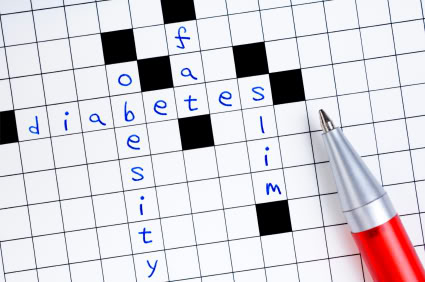
What are five simple things every person reading this article can do to prevent type II diabetes?
Joe: It is pretty simple.
1. Get proper rest
2. Get proper nutrition and maintain a healthy weight (diabetics are always hungry, it seems, and empty calories just make it worse)
3. Get sufficient exercise
4. Laugh (You do know I write a humor blog, right?)
5. Take responsibility for your life
Thanks for a great interview Joe, I am sure everyone has really appreciated your honesty around this tough disease. Stop by “Crotchety Old Man Yells at Cars” or subscribe for a daily dose of candid humor, and “Diabetes” Destroys” for more support and information around living with diabetes. If you have any questions for Joe or would like to share your own story with diabetes please do so in the comments section of this article.
Read more: Diabetes Category
FREE Diabetes Diet: Low Glycemic Index
Dr. Nicole Sundene, NMD is a licensed Naturopathic Medical Doctor at Fountain Hills Naturopathic Medicine 16719 E Palisades Blvd, Suite 205, Fountain Hills, AZ 85268.She believes we should utilize natural medicines to treat the root cause of disease rather than just treating symptoms, as symptoms are a message of imbalance sent from the body and will persist until they are properly addressed.
For appointments please visit http://FHnaturopathic.com for more information about Naturopathic Medicine services.
©KitchenTableMedicine.com, LLC ™
The Healing Power of Music: An Interview with Jeremy Dion
November 11, 2008 by Dr. Nicole Sundene
Filed under Counseling, Guest Posts, Kitchen Sink, Music
 Hi Kitchen Table Medicine readers! Ever wonder about the healing power of music?
Well, I have invited therapist and musician Jeremy Dion to the kitchen table to discuss the therapeutic benefits of music.
I am delighted to host this interview because it is wonderful to see health care professionals use their creative talents to further help people. Please welcome to the kitchen table therapist and musician Jeremy Dion…
Jeremy, what is your professional background?
I make a living as a psychotherapist in private practice, in Frisco, Colorado. I work mainly with kids doing play therapy, and teens, but I also work with couples, adults, and families. Adolescents were the last group of people I wanted to work with as I made my way through graduate school, as I keenly remembered the type of teenager I was. Yet after graduation I took a job with a Wilderness Therapy program, and would up providing therapy to the roughest and toughest kids on the block. I learned how to reach and care for kids who weren’t getting that from many other sources, and it flipped a switch in me.
Now, working with the “trouble makers” is one of my specialties. I have degrees in music therapy and counseling psychology, but somewhere along the way I decided to focus my musical efforts on my own songwriting and performing, rather than using my specific training as a music therapist. I am in the midst of the transition to making my living as a professional musician.
How long have you been playing music?
As long as I can remember. I grew up playing the piano, and singing to myself. I was in the Middle School choir, but so was everyone else it seemed. Later, I began singing in earnest with the encouragement of Issaquah High School vocal teacher Lavonne Watson. It was during that time that I really developed the internal awareness that I could sing, and sing pretty well. Up until that point it was mostly family members giving me positive feedback on my singing, but they can’t be trusted to be too objective.
So I sang all through High School, performed in the school musicals, etc. But It wasn’t until I was a freshman at U.C. Berkeley that I picked up the guitar and began to write my own songs. Since that time, making sense of the world through songwriting has always been a natural outlet.
I enjoy the performance aspect of being a musician, of course, but even if I wasn’t performing, I would still be writing songs and playing the guitar. Corny as it may sound, sometimes I feel like I might explode if I didn’t write songs, play guitar, and sing. It has become so much a part of me at this point that I would be literally lost without it.
What are the therapeutic benefits of playing and listening to music?
Oh man, how much space have you got for this interview? Pick an aspect of being alive, and therein lies a musical benefits. Whether we look at physiology involving things like heart rate, measurable stress level, breathing patterns, neuro-synaptic activity, or the less tangible things like motivation, emotional awareness, emotional processing, memory recollection, etc. music has been demonstrated again and again to bolster health.
Furthermore, spirituality and music have been paired long before recorded history. As a species we resonate with music as a means of worship, as a way of connecting more deeply with the divine both internally and externally. Music therapy as a field has been around for generations, but sadly still fights an uphill battle for recognition in our western medical models. Yet we all seem to know intrinsically that music adds innumerable dimensions to the human experience, and we use this knowledge in unique ways. We use music purposefully to match our mood, to conjure memories, to shift our mood, and to feel more deeply.
In addition, with the advances in fields like quantum physics, we are reminded again and again that everything is vibrating, from the largest knowables in the universe to the most microscopic sub-atomic particles, we are vibrations. In a very real sense, everything we know and everything we are is music.
How has your professional training in psychology been of benefit to your career as a musician?
First of all, I went through a very unique graduate program at Naropa University in Boulder. As a three year program, it focuses on one’s internal process as much as (if not more than) the academic information. We had years of training in meditation and mindfulness, were required to participate in our own therapy, and were encouraged to become painfully familiar with our own habit patterns and nuances before we could hope to be of benefit to someone and theirs.
In that sense, my graduate training reminded me again and again to go inward, to dig in the dirt, plumb the depths, and get in touch. I must say, this type of program does not suit everyone. Yet it was perfect for me, and encouraged me to learn more about myself in those three years than in the previous twenty three combined.
From this depth of understanding, most of my songs are born. As a result, my lyrics are intensely personal to me, and releasing this first CD was akin to publishing my personal diary. Thankfully, people have been resonnating with music. In addition, my career as a psychotherapist has continued this path of understanding, of seeing aspects of myself in my clients’ process and heightening my awareness about my own personality, my own idiosyncrasies, and my own divinity. All of this informs my writing and my performances.
Who is the musician that inspires you the most?
Paul Simon. His brilliance shines through on so many levels both musically and lyrically. He has a way about him that I very much admire - a way of speaking simply, but giving the sense that he is really getting at so much more.
I have never been accused of under-analyzing anything, and I’m sure I read much more into his music than others might, but his music consistently inspires me the most. My own journey as a songwriter has been to become more transparent in my writing. I used to write very poetically but in a way that was wide open to interpretation, and often left the listener feeling detached from the music.
That was purposeful at the time, because I wasn’t ready to open up and get too clear about my internal world. That has been changing, and as my songs become more true and clear, they have been reaching a broader audience. I credit Paul Simon with some of this.
What kinds of positive messages do you promote through your music?
Elvis Costello wrote, “What’s so funny about peace, love, and understanding?” My music, I suppose, promotes those things in such an unabashed way that sometimes I just have to laugh at myself. As a described earlier, my music is about me.; it is about being alive on the planet; it is about love and loss, anger and resentment, beauty and laughter, joy and pain.
Others may read into it many other things, and that is welcome. That’s what music is about - being able to personalize it and make sense of it the way it adds up to you. But in the end these songs are about me and the things I think about and feel about. To me, that’s the positive message: go within.
Share with us a specific example of lyrics intended to make a difference.
They all have made a difference. I don’t mean that in a “I can save the world” sort of pompous way. I mean in the way that I am different for having written them, having worked through them, having sung them again and again. As I said before, if I didn’t have this outlet, the world would make less sense to me and I might explode out of sheer overwhelm. If I had to pick a lyric to share, it would be from “Back Breaking Wall,” and was intended to extoll the virtue of looking within:
“Every now and then I feel one more step away from being here
Even though in earnest how I try to get back to you, my dear
Resurrecting all these ancient bones under centuries of soil
The sanctity of self-reflection separates the water from the oil”
Where are you currently on tour?
Mostly in Colorado - Denver, Boulder, and the mountain cities around Breckenridge.
What is your favorite stress management tip?
Exercise, meditation, and some sort of creative outlet. I don’t care if it’s painting, drawing, poetry, journaling, music, dance, scrapbooking, etc. Just create.
Thanks Jeremy for sharing your creative and professional wisdom with us!
To purchase Jeremy Dion’s CD’s you can visit www.JeremyDion.com. You can also add Jeremy as a Myspace friend, load his songs to your Myspace profile, and follow Jeremy’s tour updates on Facebook.
I am always interviewing various health care providers, contact us if you have a unique health related story to share at the kitchen table.
Dr. Nicole Sundene, NMD is a licensed Naturopathic Medical Doctor at Fountain Hills Naturopathic Medicine 16719 E Palisades Blvd, Suite 205, Fountain Hills, AZ 85268.She believes we should utilize natural medicines to treat the root cause of disease rather than just treating symptoms, as symptoms are a message of imbalance sent from the body and will persist until they are properly addressed.
For appointments please visit http://FHnaturopathic.com for more information about Naturopathic Medicine services.
©KitchenTableMedicine.com, LLC ™
An Interview with a Heroin Addict turned Psychologist
November 5, 2008 by Dr. Nicole Sundene
Filed under Drug Abuse, Guest Posts, Kitchen Sink
 Everyone loves a poignant rags to riches tale.
We all want good to triumph over evil.
We all pray for those struggling through life that they eventually find their way. Struggling past insurmountable obstacles towards achievement is the all American dream.
In the case of Dr. Melinda Tyler, former heroin addict and sex worker, she has not only proudly triumphed drug addiction, but has become an award winning psychologist and professor, and is now using her personal experience to help drug addicts everywhere.
Every parent fears that their child will end up on drugs someday, and I have invited Dr. Melinda Tyler to the Kitchen Table to share with us the challenges she has proudly overcome. I hope Melinda’s inspiring story will help to create awareness for the signs of drug addiction as well as help everyone understand the true needs of drug addicts and what can and should be done in America to tackle this ever-growing problem.
Melinda, how did you become an addict?
I have thought about that a lot, naturally. My childhood laid a perfect storm for me to become self-destructive. I was sexually abused from the time I can remember until I was approximately 14 years old. I was self-destructive from an early age; I used to cut myself. If I felt physical pain, it helped the emotional pain subside. When I became involved in San Francisco’s punk rock scene and started working as an exotic dancer, I started dabbling in drugs.
I did cocaine for years before my taste in drugs turned to heroin. The first time I did heroin, I remember feeling so warm and secure—it was a feeling I’d always wanted and had never felt before. Although I had seen others become addicted, I was powerless to stop. It was as though I embraced that self-destructive lifestyle. I remember the day I realized I was a heroin addict—I thought it was a normal, natural course for my life—I thought I deserved to be an addict. I even accepted (and hoped) that it would bring me death.
What finally led you towards help for your addiction?
My first husband died of a heroin overdose and I found him dead. Our relationship had been mutually destructive but he had always managed to keep a roof over our heads—he was a functional addict. When Michael (my husband) died, I was devastated. I took on the guilt of being responsible for his death (we’d had an argument before I’d left the house that day). I kept wondering if Michael had really committed suicide and it tore me apart.
Within a few months, I lost everything—our apartment and all our possessions. I became homeless, sleeping with friends (and strangers) from time to time—sometimes even spending nights riding San Francisco’s Muni bus system because I had nowhere to go. I had worked as a high priced call girl earlier in my life—before I met Michael and to support my habit, I started turning tricks on the street. I did this for a year—living an absolute hell of a life.
Finally, one weekend, while I was staying at the apartment of a friend, I decided I’d had enough and tried to commit suicide. These were serious attempts and on the last one, I nearly succeeded and woke up in a hospital room after having been in a coma for the prior three days. While I was in the hospital, I met a man named Tim Callahan, who found a treatment center that was willing to take me with no money or insurance. I stayed there for six months—they saved my life. I have written about this experience on the Melindaville Blog in my blog post, “Courage to Change.”
What was the withdrawal from heroin like?
Heroin withdrawal is like having the worst flu you can imagine and multiply that by ten. One of the reasons why withdrawal is so intense is that through the course of becoming addicted to opiates, one’s body stops producing endorphins, which are our body’s natural painkillers.
These endorphins kick in more during times of exertion (such as when you are exercising) or when you injured yourself but they are always produced, which allows us to deal with the every day pains of life. Heroin is a synthetic painkiller, very similar in structure to endorphins, so your body stops producing endorphins when you become addicted.
Therefore, when you are going through withdrawal, your body has to learn to produce those endorphins all over again, which takes time. I have written more about the terrible effects of withdrawal in my post, “The Hell of Heroin Addiction,” on the Melindaville Blog.
Do you think that if you had earlier intervention for the sexual abuse that you could have avoided becoming a heroin addict?
As a psychologist, I can tell you that children are much more likely to respond to any kind of treatments than adults are because children are more malleable. It is hard to say what type of lasting effects the sexual abuse would have had, even if I had received help earlier. I believe if the problem had been recognized at an earlier time in my life and intervention taken, then I would not have been as self-destructive as I was.
Has heroin use left any lasting effects on your body?
Heroin, luckily, is one of the least damaging drugs on the body. It is not nearly as hard on one’s body as say, methamphetamine or even alcohol. However, the lifestyle is such that it is very damaging. For example, going into dangerous areas to buy drugs, sharing needles, using dirty needles, or overdosing are all more likely to happen if one is addicted to heroin.
For many years, when I was addicted to heroin, I didn’t have proper nutrition, particularly calcium; so as a result, I have had to have almost $40,000 worth of painful dental work. The other problem I am battling today is having degenerative disc disease, herniated discs, and arthritis in my lower back—and I believe both my dental and back conditions were the direct result of doing drugs for so long. I am very lucky, though, that I still have relatively good health and that my mind was not impaired.
What kind of help is available for addicts?
One of the biggest reasons I am writing my book is to increase awareness that about the need for free and available treatment—because so very few options exist today for those who don’t have money or insurance. And many insurance policies don’t pay for treatment at all. There are limited options in urban areas, such as drug detoxification or community daycare, but they are unfunded and inadequate. Recently, there has been a huge influx of heroin in rural areas of our country, which I wrote about in a recent post, “The Hell of Heroin Addiction.”
What kind of help do addicts really need?
It should be as easy to get into treatment as it is to buy a drug on the street—and that is the bottom line. Addicts need to have comprehensive treatment that addresses the root causes of addiction, which are multifactorial and complex. I was in treatment for nearly six months and I needed every minute of that time. Through the course of my treatment, I started cognitive behavioral therapy, group therapy, job and life skill training, and learned to understand my addiction. Thirty days and then back to the same old neighborhood is not enough to produce lasting change, in my opinion.
It would really be better for our country financially to address treatment rather than simply locking addicts up. The great majority of inmates of non-violent crimes have an underlying substance abuse problem that is the real root of their criminal behavior yet only about 10% of the time is treatment even offered. If we can offer comprehensive and truly rehabilitative treatment, we can go a long way in addressing overcrowding in jails.
What can you teach children and teenagers now to prevent them from becoming addicted to drugs?
I strongly feel that many cases of addictions are genetically driven; therefore, I feel it is so important for parents who know of addiction in their immediate or extended family to talk about those dangers with their kids. At some point, we will probably be able to have DNA testing to determine if people have an addiction gene (we know that genes are implicated in addiction). Early communication and prevention are key; this should to start in the home, and then be reinforced in school and in communities.
What kinds of signs should parents watch out for that may indicate their children are on drugs?
Disorganized behavior, drastic changes in mood or friends, problems at school, or children isolating, or stopping to enjoy things they used to like, such as extracurricular activities at school.
What can parents do to prevent their children from using drugs?
Communication is the best key there is. Parents are too often afraid to speak to their kids about these kinds of issues but this is so important. And again, parents should let children know about addiction or alcoholism in their family so children know they are at high risk for developing a problem themselves. Knowledge is the best defense, in my opinion.
What can President Elect Barack Obama do to fix the drug crisis in America?
Acknowledge that it exists and that it is worsening. And it will likely become even worse with the state of world affairs and the economy. One of the biggest reasons why people want to do drugs is to escape—and these are times that make people want to escape. President Obama needs to not only address universal health care, but have treatment be part of that care. There were so many times I had a moment of clarity and wanted to stop using—but I would become so frustrated at not being to find help—and after a time, those moments of clarity pass. In my Melindaville post, “The Woman in the Satchel.” I wrote about how my mother had saved this large bag of old poems, lyrics, letters, and artwork that I had written during my addict year. I came across letters I had completely forgotten I had even written in which I just begged her to get me into treatment.
How has this experience shaped your life?
In just about every way possible. Because of wasting so many years in addiction, I am extremely driven today. I feel like a woman who was on death row and who is now on parole. I want to take advantage of every second of life. I want to experience all the joy that had been missing from my life for so many years.
The biggest way in which my life has been shaped is in my commitment to my cause, which is to start The Melindaville Foundation, which will help addicts in the sex industry get into comprehensive treatment and from there, help them pay for college or job training of their choice. I am committed to the belief that anyone can change as I did if he or she is given access to the resources and help that I was so lucky to receive.
Thank you Melinda for sharing your empowering story at the kitchen table. It truly takes tremendous courage and compassion to share your story in order to help other addicts. I look forward to sharing your book with my readers when it comes out and working with you in the future to further raise awareness about drug addiction through prevention.
To follow The Melindaville Blog and read more amazing stories about Melinda Tyler’s challenges around overcoming heroin addiction, stop by her website and subscribe. The most important thing parents can do NOW is focus on prevention and early recognition of the signs and symptoms of substance abuse.
Related Reading: “How to Keep Kids off Drugs,” “Natural Healing from Meth Abuse.”
Dr. Nicole Sundene, NMD is a licensed Naturopathic Medical Doctor at Fountain Hills Naturopathic Medicine 16719 E Palisades Blvd, Suite 205, Fountain Hills, AZ 85268.She believes we should utilize natural medicines to treat the root cause of disease rather than just treating symptoms, as symptoms are a message of imbalance sent from the body and will persist until they are properly addressed.
For appointments please visit http://FHnaturopathic.com for more information about Naturopathic Medicine services.
©KitchenTableMedicine.com, LLC ™
Vegetarian Lunches and Snacks for Children
September 21, 2008 by Dr. Nicole Sundene
Filed under Guest Posts, Pediatrics, Vegetarian
 I interviewed my friend Heidi, the author of Healthnut Mom Wannabee for some ideas of what vegetarian items she packs in her children’s lunches.
Be sure to try these new lunch ideas at home first before leaving your kids stranded in the cafeteria with some “freaky lunch” that other kids may make fun of as discussed in my article “55 Healthy School Lunch Ideas”.
For the first few weeks of school, be sure to pack all their most familiar and favorite foods before making any major changes.
Heidi, what are your ultimate goals with a vegetarian lunch menu?
Thank you so much for asking me about my kids healthy lunches and snacks. Both of my daughters (2 and 5) are very particular about what they eat so sometimes I have to be creative and convince them that blueberries are just as delicious as candy.
Both of my daughters are vegetarians and I do try to buy most everything that I can afford organic for them as I read and believe that since children have faster metabolisms, and less varied diets they are more prone to damage. I do my best but there are days when despite my best efforts they want Doritos.
Heidi, what are your girls’ favorite vegetarian lunches?
- Whole wheat tortilla with vegetarian refried beans, organic cheese and salsa-quick, easy and delicious.
- Peanut butter and jelly on whole wheat bread, Banana and organic cheese puffs (make sure to read the ingredients on the breads because some aren’t exactly as they read). I always make sure the jelly is 100% fruit and if possible organic.
- Hummus with pita bread, apple and a piece of organic cheese-simple and delicious!
- Vegetarian chili loaded with vegetables in a thermos, a bagel and her favorite fruit of the day-one of Ava’s favorite lunches.
- Vegetarian bologna,turkey or ham with a slice of organic cheese, lettuce and tomato on whole wheat bread, granola bar and blue corn tortilla chips.
- Vegetarian BLT on whole wheat bread with provolone cheese (morning star veggie bacon), dried fruit, spinach salad with nuts. To be fair, neither of the kids like the spinach salads so I am slowly trying to introduct them.
- Guacomole dip with blue corn tortilla chips,bottled natural fruit smoothie (can’t remember the name, and nuts.
Thanks so much Heidi, for stopping by the kitchen table to share that with us!
Remember that your children don’t need meat at every meal, they just need a balanced protein source such as beans and rice, beans and corn, or nuts and whole grains to ensure the full complex of essential amino acids needed to support growth.
Please leave any other suggestions or links to vegetarian school lunches in the comments sections for other parents to enjoy!
For more of Heidi’s great healthy eating tips, simply stop by her website at http://www.healthnutwannabeemom.blogspot.com
Resources: “Vegetarian Sources of Protein”, “The Top Five Nutrients Vegetarians Should Watch Out For”
Thanks for stopping by my kitchen table!
~Dr. Nicole Sundene

Dr. Nicole Sundene, NMD is a licensed Naturopathic Medical Doctor at Fountain Hills Naturopathic Medicine 16719 E Palisades Blvd, Suite 205, Fountain Hills, AZ 85268.She believes we should utilize natural medicines to treat the root cause of disease rather than just treating symptoms, as symptoms are a message of imbalance sent from the body and will persist until they are properly addressed.
For appointments please visit http://FHnaturopathic.com for more information about Naturopathic Medicine services.
©KitchenTableMedicine.com, LLC ™
What is a Life Coach?
September 9, 2008 by Dr. Nicole Sundene
Filed under Guest Posts, Kitchen Sink, Motivation
 If you struggle with making the diet and lifestyle improvements I recommend here at Kitchen Table Medicine, then you may may need some additional coaching.
One way to get the ball rolling is with a life coach. After working in patient care for eight years, I decided that only about 10-15% of us are able to make immediate permanent diet or lifestyle changes (I wish I fell in this group, but I don’t).
The rest of us struggle, fail repeatedly, fall off the wagon, completely give up, look for ways to cheat the system, or never even bother to try at all.
In order to best understand how life coaching may help make the needed changes to prevent disease and improve health, I decided to interview my favorite life coach, Tim Brownson, author of a fabulous little book I am reading right now called “Don’t Ask Stupid Questions-There are No Stupid Questions.”
What is a life coach?
There are a number of different types of life coach, but in essence it is somebody that helps their clients get from where they are now to where they want to be. The big differential between a life coach and say a counselor or psychotherapist is that a life coach looks to the future and doesn’t spend too long digging around in the past.
Coaches are much more goal oriented and also have an inherent belief that the client always has the requisite tools to achieve what it is they want to achieve, they just sometimes need help finding them.
A coach can also help people with accountability. I do a lot of work with people that work for themselves and have no boss to report into. They like having a coach to help keep them on track and to report into.
Why should someone hire a life coach?
If they want to see improvements in their life. Anybody really that wants help fulfilling their potential, setting and achieving goals and just feeling better about themselves can benefit from hiring a coach.
Personally, I also do a lot of intervention work which involves showing people alternate and more empowering ways to look at things and help them change their thinking patterns to be more empowering.
Who needs a life coach?
I think anybody can benefit from a life coach and that’s why some of the really super-successful in society employ coaches. Everybody knows athletes use coaches, but people are often surprised when I tell them that so do Politicians, Captains of Industry, Entrepreneurs, TV celebrities etc.
Who ‘needs’ one is another matter though because defining what somebody ‘needs’ from their life is an individual thing.
What made you decide to become a life coach?
I initially trained because I wanted the skills to use on myself. I had done a diploma on stress management and found it next to useless as I was still stressed senseless, so I took a look at coaching. When I started the training I absolutely loved it and everything just fell into place and from then on in I knew that I was leaving sales.
What is the most common advice you find yourself giving?
I’m not sure if it is one specific piece of advice as such. The one thing that I do with almost every client though is to help her understand her values. In 4 years I have only once had a client that knew accurately what her values were, and that was because she’d been on a Tony Robbins course and done a lot of work round them.
Values are who we are and if we don’t know what are values are and how to live in alignment with them, then we’re destined to live a life of mediocrity and unfulfilled potential. Some people naturally fall into line with them, but most people don’t, or at least that’s how it seems to me.
What is Neurolinguistic Programming?
NLP is probably so misunderstood that I’m really glad you asked me this. I once lost a client when somebody told him that NLP was like Scientology and I had another tell me they thought it was a form of brain washing. I’m just waiting for the first person to tell me I’m the spawn of the Devil. Of course I may very well be the spawn of the devil, but it has nothing to do with NLP.
NLP is a blanket term that covers a number of different skills, techniques and processes designed to help people make rapid change. I actually don’t use some of the better-known techniques like anchoring and the fast phobia cure very often, but I do use the language patterns a lot.
Both the Meta Model of language that looks at specificity of language in a therapeutic setting, and the Milton Model, which looks at artfully vague language, are very useful.
The Milton Model was based on the work of the brilliant hypnotherapist Milton H Erickson and is fascinating because speechwriters use it so often. It allows speakers to say little of genuine meaning so the recipient can apply their own interpretation to what’s being said. The classic use is for horoscope writers, but politicians and preachers also rely on it heavily. In fact some of the really brilliant preachers like Joel Osteen use lots of NLP. Whether intentionally or not (and my suspicion is that it is very intentional), they still use it to manipulate, er, I mean persuade people.
I also do a lot of reframing with clients and that it something that came out of the work of Bandler and Grinder the co-developers of NLP. Reframing is brilliant for helping people feel better about potentially negative situations. There’s a lot more to NLP and I would encourage anybody that’s interested to do some serious research.
Can you send us off with a free life coaching tip?
If a client tells me they don’t know the answer to something, I’ll often ask them “If you did know, what would the it be?” A ridiculous question, but a brilliant one too that I can’t take credit for devising. It usually gets them to shift their thinking and 80% of the time I then get an answer that moves us forward.
If you have any other questions about life coaching you can leave them in the comments here for Tim to briefly answer, or submit them to his website over at www.adaringadventure.com for his weekly “Ask the Coach” feature.
Thanks Tim for being our expert guest this week at the kitchen table!
Dr. Nicole Sundene, NMD is a licensed Naturopathic Medical Doctor at Fountain Hills Naturopathic Medicine 16719 E Palisades Blvd, Suite 205, Fountain Hills, AZ 85268.She believes we should utilize natural medicines to treat the root cause of disease rather than just treating symptoms, as symptoms are a message of imbalance sent from the body and will persist until they are properly addressed.
For appointments please visit http://FHnaturopathic.com for more information about Naturopathic Medicine services.
©KitchenTableMedicine.com, LLC ™
Dr. Jody Stanislaw, Naturopathic Physician
August 19, 2008 by Kitchen Table Medicine
Filed under Dr. Jody Stanislaw, Guest Posts, Kitchen Sink
Meet Dr. Jody Stanislaw a new author at the Kitchen Table! You may follow her column by clicking here.
Dr. Jody Stanislaw is a Naturopathic Physician, receiving her doctorate degree from Bastyr University. Located in Seattle, Bastyr is the most acclaimed of the four accredited natural health medical schools in America, where physicians are trained to heal disease via natural and complementary treatments.
As the diabetes columnist for KitchenTableMedicine.com, her expertise in diabetes not only comes from her professional training but from her own personal experience as well. Having been diagnosed with Type 1 Diabetes at the age of seven, her passion towards improving the health and well-being of others stems from successfully overcoming her own challenges of living with this chronic disease.
Focusing on the best food choices for optimal health throughout her lifetime has given her expertise in good nutrition and in knowing the ideal foods for achieving balanced blood sugar levels. Yet spending so much time thinking about food led her to have unhealthy eating patterns during her childhood. As a result, she also has a passion for helping others heal from disordered eating patterns, which is common amongst both type 1 and type 2 diabetics.
One of her core beliefs in life is everything that happens in life is a teacher, always full of rich opportunities for personal growth. This empowering perspective is a key element present in all of her work and teachings.
She also enjoys helping others strengthen what she calls the Four Pillars of Health: nutritious food, adequate rest, regular movement, and a healthy spiritual and emotional life. Just as important as the sturdiness of each leg of a four legged table is for creating balance, if even one of these areas of life is weak or lacking, optimal health cannot exist. Each of these key areas is equally important for allowing a strong foundation for good health in one’s life.
And lastly, a bit about her background…Having grown up in the Northwest, she is an avid outdoor enthusiast. Hiking in the Cascades, snow skiing in the Rockies, water skiing, biking, and practicing yoga are the activities she enjoys the most for keeping her body fit. She also delights in continually expanding her mind regarding the myriad of ways humans can and do chose to live their lives, via visiting foreign cultures. She traveled throughout Europe while living in Italy in 1993, backpacked through Australia in 1997, and left her hometown of Seattle to work with patients from all over the world at a health resort in Thailand during 2008.
This latter experience led her to realize that when people are out of touch with what they love about life and are lacking experiencing joy on a regular basis, no herbs or supplements or food plan will succeed in achieving the optimal health they are truly looking for. This revelation inspired her to write a book to address this issue. It is a story that will act as a catalyst for helping readers become clear on what is holding them back from truly loving their life.
After writing for six months in Bali, Indonesia in 2009, she is now back in Seattle, finishing her book. Stay tuned to KitchenTableMedicine.com for the announcement of the publication of this wonderfully adventurous and inspiring story!
Dr. Nicole Sundene, NMD is a licensed Naturopathic Medical Doctor at Fountain Hills Naturopathic Medicine 16719 E Palisades Blvd, Suite 205, Fountain Hills, AZ 85268.She believes we should utilize natural medicines to treat the root cause of disease rather than just treating symptoms, as symptoms are a message of imbalance sent from the body and will persist until they are properly addressed.
For appointments please visit http://FHnaturopathic.com for more information about Naturopathic Medicine services.
©KitchenTableMedicine.com, LLC ™