Cellulite Reduction: The Best Treatments
July 2, 2008 by Kitchen Table Medicine
Filed under Back Pain, Bonnie Pfiester, Cellulite, Discipline, Exercise, Motivation, Pediatrics, Protein, Reader Questions, Stress, Weight Loss, Whole Foods Diet
 By Bonnie Pfiester, Fitness Trainer.
Someone once asked me if I knew of anything that would help get rid of cellulite.
I am proud to say I do!
My answer isn’t a cream nor is it a complicated surgical procedure. My solution is something that has been around for years – diet and exercise.
Surprised?
You see, I don’t believe the issue is always the lumpy fat we call cellulite, but the problem can be magnified by the result of muscle deterioration. The unfortunate combination can leave skin loose and lumpy.
Let’s look at the facts. Women who do not exercise lose an average of 5 pounds of muscle per decade before menopause and a pound a year thereafter. Since cellulite is more common for women, this causes a couple of problems.
Each pound of lean muscle lost decreases your metabolism, making it easier to gain weight. If you already have a problem with cellulite, the slowing metabolism will only make matters worse. Weight gain causes the cellulite to be more pronounced as the fat cells grow.
If that wasn’t bad enough, the firm muscle that once supported the skin and fat is now shrinking. Lumpy fat cells are growing and smooth firm muscle is withering away. Have I scared you into working out yet?
Let me encourage you. Although diet and exercise may not get rid of all the cellulite in the world, it sure can make a huge difference. A low-calorie diet can reduce and manage overall body fat, affecting the size and visibility of cellulite.
Exercising to preserve or increase lean muscle mass can prevent, and even reverse, a lot of the problems. Building lean muscle not only increases your metabolism to help fight weight gain but it builds firm shapely muscle to support and smooth out our aging skin.
Some may argue, but I have seen too many transformations as a result of diet and exercise that are undeniable proof that it can work. Although diet and exercise may not always get rid of the problem completely, I bet it works ten times better than any cellulite cream on the market!
~Bonnie
Bonnie Pfiester is a Personal Trainer and owner of the health club Longevity Fitness. You can enjoy more of Bonnie’s fitness and beauty articles at www.BonniePfiester.com .
You are invited to leave your fitness and sports nutrition questions in the comments below for Bonnie to briefly answer or write about in future articles.
 Dr. Nicole Sundene, NMD is a licensed Naturopathic Medical Doctor at Fountain Hills Naturopathic Medicine 16719 E Palisades Blvd, Suite 205, Fountain Hills, AZ 85268.
She believes we should utilize natural medicines to treat the root cause of disease rather than just treating symptoms, as symptoms are a message of imbalance sent from the body and will persist until they are properly addressed.
For appointments please visit http://FHnaturopathic.com for more information about Naturopathic Medicine services.
©KitchenTableMedicine.com, LLC ™
Do Your Vitamins Need Food Coloring?
June 13, 2008 by Dr. Nicole Sundene
Filed under American Sickcare System, Kitchen Sink, Supplement Quality, Vitamins, Whole Foods Diet
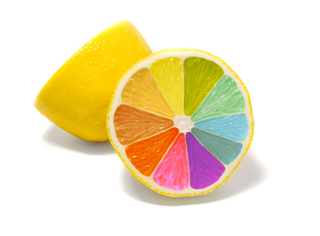 Since everyone is always asking me questions, I thought I would pose a question to you all for a change.
The correct answer is of course…NO.
Excipients are unnecessary chemicals that are added to your vitamin and mineral tablets or capsules.
Now some excipients when making tablets are unavoidable, which is why I prefer products in capsules, but do you REALLY need food coloring in your calcium?
NO.
The quickest way to tell if your vitamins are high quality is to check for food coloring. It doesn’t take a biochemistry degree to find the yellow #5 in the ingredients. Most vitamins that have food coloring have an array of other unnecessary excipients that may as well not be given a seat at the kitchen table. Food coloring is an evil villain of the kitchen table! Certainly not something you need to be ingesting on a daily basis to improve your health and prevent disease!

In my over-educated opinion, food coloring found in supplements immediately spells C-R-A-P.
In posting this complaint about food coloring, I am inviting all vitamin manufacturers to remove food coloring from their vitamins. Adding artificial color to a health supplement is HYPE at its finest.
I started Kitchen Table Medicine to hammer out the hype that runs rampant in the field of alternative medicine.
Food coloring is just added to make vitamins LOOK cool. Your vitamins DO NOT need food coloring to work. You do not need to be supplementing food coloring in your diet on a daily basis! You are not running the risk of becoming food coloring deficient.
Todays task: Head to the kitchen and check the labels of your vitamins, if they contain artificial food colorings, you don’t necessarily have to throw them out. I would just use them up, and then switch to another brand that is selling you ONLY high quality vitamins without all the hype.
Because I have been receiving so many questions about how to know if a vitamin or supplement is high quality, I will be posting a checklist soon, so that you can learn how to put your vitamins and supplements to the test. The FDA does not currently regulate supplements in the U.S, and as a result quality is a major issue in the vitamin industry.
Check point one: Food coloring….does your vitamin pass or fail?
Dr. Nicole Sundene, NMD is a licensed Naturopathic Medical Doctor at Fountain Hills Naturopathic Medicine 16719 E Palisades Blvd, Suite 205, Fountain Hills, AZ 85268.She believes we should utilize natural medicines to treat the root cause of disease rather than just treating symptoms, as symptoms are a message of imbalance sent from the body and will persist until they are properly addressed.
For appointments please visit http://FHnaturopathic.com for more information about Naturopathic Medicine services.
©KitchenTableMedicine.com, LLC ™
Foods For Preventing Cancer
May 1, 2008 by Kitchen Table Medicine
Filed under Cancer, Diet Tips, Kitchen Sink, Preventative Medicine, Whole Foods Diet
 Recently a reader asked the question “what are the best herbs I can use to prevent cancer?”
I decided that was a fabulous question for my colleague and naturopathic expert on Cancer Dr. Jake Psenka!
Since many herbs are foods, and since foods are the best preventative medicines as we can more easily incorporate them in to our daily diet, Dr. Psenka has conveniently put together a great article for us on the best foods and herbs we should use liberally in our diet to prevent cancer:
“The Top Five Botancicals for Preventing Cancer”
It is well known by many doctors that the majority of cancers are preventable. Most cancers occur as a result of unhealthy lifestyle choices. Smoking, poor diet, a lack of exercise, toxin exposure, and high stress are all known to contribute to the development of cancer. Published estimates suggest that around 85% of cancers are caused by these poor lifestyle choices. The good news is that it is possible to drastically cut the risk of developing cancer by becoming familiar with the best ways to promote health. Read more
Dr. Nicole Sundene, NMD is a licensed Naturopathic Medical Doctor at Fountain Hills Naturopathic Medicine 16719 E Palisades Blvd, Suite 205, Fountain Hills, AZ 85268.She believes we should utilize natural medicines to treat the root cause of disease rather than just treating symptoms, as symptoms are a message of imbalance sent from the body and will persist until they are properly addressed.
For appointments please visit http://FHnaturopathic.com for more information about Naturopathic Medicine services.
©KitchenTableMedicine.com, LLC ™