Autism: Eight Questions Dr. Nicole has for Parents
June 4, 2009 by Dr. Nicole Sundene
Filed under Autism, Kitchen Sink, Pediatrics

I won’t even pretend to be an expert on autism, but since this great group of autism blogging moms found me here at the kitchen table, I have a few questions of my own….
Below is a brief interview I did with one parent of a child diagnosed with autism, and if you would like to copy and paste the questions in to the comments section and share your own answers either anonymously or publicly it would greatly help me while I research the latest biochemistry on autism, vaccines, diets, vitamins, low homocysteine, and so forth. Also other doctors and health care professional subscribed to my website will benefit.
Please share any other info you think would be helpful beyond my very basic questions, please by all means do so…I sincerely believe that the parents are the experts on this topic and even though April is “Autism Awareness Month,” author Tara McClintick and I decided that autism continues 365 days a year….so we are going to keep talking about this important and ever growing “epidemic” at the kitchen table.
#1 Did you have a difficult time getting pregnant?
Yes. We were childless for 9 years and I had two or three unsuccessful cervical bypass procedures. I also had one ectopic pregnancy prior to the birth of my daughter. I did manage to get pregnant on my own without drugs or other procedures. I was 29 when she was born.
#2 Was the pregnancy complicated or simple?
Very simple. Very little morning sickness, nothing major.
#3 Any problemss at birth?
Not at all. However, I was induced and was in labor for almost 17 hours.
#4 Normal APGARS?
Yes.
#5 Did your child exhibit any signs or symptoms before diagnosis physical or otherwise?
Yes. She was unable to nurse (could not latch on). She had poor eye contact, few words by age 2, echolalia when she did speak, repetitive behavior (such as stacking books), wandering, not pointing, not always responding to her name, sensory sensitivity, tantruming
#6 Was the onset around the time of the MMR vaccine?
I don’t recall when this vaccine was administered, but we definitely knew there was something wrong by about 18 months.
#7 Was your child vaccinated on a full schedule or partial schedule?
Full, at least I think so. She was vaccinnated as the schedule required in 1997-98.
#8 Any other factors going on with the family before or at the time of onset?
No.
Thanks for stopping by my kitchen table to share your story.
Related reading:
Autism: 10 Strategies for Implementing Diet Changes
Is Autism Genetic? It’s NOT a Fight, It’s Our Future
May 20, 2009 by Kitchen Table Medicine
Filed under Autism, Kitchen Sink

Author: Tara MClintick
Is autism a genetic condition?
The scientific evidence definitely shows genetics are involved. The fact that males are diagnosed at a ratio of 4:1 to females points to a genetic piece. Identical twins having a higher concordance than fraternal twins also shows genetic significance.
Genetics are not the end of the story, however.
The more important question in regard to the genetic piece of the autism puzzle is “Now what?”
I have no problem with science trying to understand and explain the possibilities of genetics’ role in regard to the current increase in autism we are having. As long it’s not being used as an excuse to dismiss society’s responsibility in the matter. Please, do not dismiss autism as if there is nothing that can be done due to the genetic piece of the puzzle.
We ALL have genes. Obesity, freckles, near-sightedness, hair color, diabetes, - genes play a role in just about everything. That does not, however, mean that there is nothing that can be done about the number of children who are struggling to master even the most basic daily functions.
My son is 13, and he has to work extremely hard to express himself, understand others, and keep his body/emotions from spinning out of control. Things like eating with utensils, washing his own hair, and writing his name are challenges equivalent to climbing Mt. Everest for him. I don’t think he understands why either, and I believe he wishes things were easier.
Still doubting there is an actual increase? The latest study out of California represents what is going on in at least one state. Over the past two decades, autism has increased twelve-fold, which is over 1200 percent. In contrast, the general population of California only increased by 27 percent. These statistics only included individuals diagnosed with classic autism and did not even count those with Asperger’s or other diagnoses on the spectrum.
Other increases included: mental retardation by 95 percent, cerebral palsy by 73 percent, and epilepsy by 66 percent. Such increases show that we can not relegate autism to genetics alone and disregard what can be learned from this information – let’s please open our eyes! We are talking about human beings, not statistics.
Articulate individuals with autism firmly defend the genetic piece to their condition. I can certainly see why. If the entire world is continually saying there is something wrong with you, I’m sure if feels great to understand that there are reasons why you’re experiencing the world differently than others seem to be.
To individuals on the spectrum who think differently and who can not conform and fit in as easily as it seems others are able to, let me share from the other side of the fence – being able to conform is not necessarily beneficial for anyone.
Many undiagnosed individuals express feelings of inadequacy, experience relationship challenges, chronic health issues, and a desire for anti-depressants and anti-anxiety meds. Some people just seem to be better at stifling their inner world so they can concentrate on fitting in socially. Maybe it’s time for a shift in thinking for everyone.
The term “autism” encompasses such a large span of symptoms, and is behaviorally diagnosed only – I do want to clarify my position. I do not mean we need to fight or overcome autism. The individuals with autism who can easily express themselves, those are the people I want to talk to! Anyone with autism can teach us a lot. My son has to struggle to communicate his thoughts to me.
I am not trying to overcome his autism per se, but I would like to help him overcome the communication barriers he is experiencing because I know he wants to be understood! Improvement and/or recovery for individuals with autism simply means the symptoms resulting in the diagnosis are no longer observable or at least have lessened quite a bit.
Finding that autism may be a genetic condition does not diminish the possibility for improvement of debilitating symptoms. It happens, I’ve seen it. Video tapes of children before and after various treatment plans are undeniable evidence, or those toddlers deserve an Oscar!
God made us each unique for a reason. We all have gifts to offer. I believe society could do a lot better in supporting and encouraging one another in the expression of their gifts. As it is now, we seem to be focusing on trying to force individuals with autism to conform to the non-autistic “real” world.
Instead, I think it would be best if we could support individuals in ways that respect and appreciate their individuality and passions. Helping individuals build relationships is a two-way street, as interaction always is. Society needs just as much work and support as the individual with autism does:
Are we able to tune in to each other?
Are we able to focus to move towards our goals?
Are we able to take in the information around us, make sense of it, and integrate together to make a plan?
Are we being sensitive to each other’s non-verbal cues as well as our words?
Are we able to express ourselves to each other in ways that can be understood and not end up tantruming when they are not?
Are we easily overwhelmed by the stimulus of daily life?
Environmentally and nutritionally, there are changes we could all consider that would benefit everyone. As Pottenger’s cat study shows, each generation weakens when basic nutritional needs are altered or not met. Whether we are talking autism, athletic talent, mental giftedness, diabetes, aging, etc. etc etc..; these changes can make a drastic difference in the quality of one’s life.
Those of you on the spectrum voicing your rights to be exactly who you are, I applaud you. You have been pushed around long enough. You are our real world now, and I feel blessed to be learning your perspectives. Please respect my right to speak up regarding the environmental piece to the autism puzzle.
When a condition is found to be genetic, it does not excuse society from providing a free and appropriate public education, health care that meets the unique needs of the individual, and a conscious effort to eliminate ignorance and prejudices.
Genetics does not excuse society from learning the possibilities behind the rapid increase of diagnosed cases, and the reason autism affects some children, such as my son, to such an extensive degree.
We can learn compassionate, effective ways to support individuals no matter what their diagnosis. We can each take responsibility for our own beliefs and actions to create changes that will improve the health, functioning, and quality of life for everyone. It is our future.
Related reading:
Autism: 10 Strategies for Implementing Diet Changes
Author: Tara McClintick is an Early Childhood/Special Education teacher as well as a Son-Rise mom. A great deal of Tara’s 20+ years experience has been working one on one with her youngest son, Jake, who was diagnosed with severe autism shortly after his first birthday.
Jake is now 13 and together they continue the journey towards learning and recovery through nutritional and natural methods. Tara also creates fun, unique picture books for kids using real-life scenes and images www.BooksByTara.com.
Researchers Find First Signs of Autism Even in Infancy
May 14, 2009 by Kitchen Table Medicine
Filed under Autism, Guest Posts, Kitchen Sink
 “Researchers Find First Signs of Autism Even in Infancy.”
Upon hearing this title, I immediately thought of a baby’s first year of life. In my personal experience, my son’s first year was smooth sailing except for some “annoying” ear infections and food allergies.
It was the second year of his life, around 14-17 months (as mentioned), when things seemed to change for my son. That’s when I really became concerned. No more peek-a-boo. No more pretending with a telephone. Attempts to say words and interest in other people quickly seemed to decrease and then disappear.
I fully agree that earlier detection and diagnosis of autism would be beneficial. Even in my case, knowing what autism looked like in later years, I did not realize that the challenges my son was displaying were the tale-tell signs of the beginnings of autism. Most parents are aware there is a problem before 3 years of age, the typical age of diagnosis.
It is often difficult, not only in figuring out how to get a diagnosis, but also finding out what action to take. Many parents share a similar story of voicing their concerns to the pediatrician only to be reassured, “he’s fine, children develop at different rates.” If concerns are present, organizations such as First Signs will be able to help confirm ‘at risk’ behaviors. Read more
Autism Treatment Center of America: The Son-Rise Program
April 23, 2009 by Kitchen Table Medicine
Filed under Autism, Guest Posts, Kitchen Sink
 Autism Treatment Center of America: The Son-Rise Program
Parents and others who care for and work with children with special needs will find The Autism Treatment Center of America to be a breath of fresh air. Located in Sheffield, Massachusetts at The Option Institute, the program is designed to support and inspire adults as well as the children.
The staff receives extensive one-on-one, observed (through a one-way mirror), training with children having a variety of challenges. Parents and others who attend their programs are also trained in the basic principles as outlined in the book Son-Rise. The program originated in 1974 from Bears and Samahria Kaufman’s successful efforts to reach out to their son Raun (now the CEO of the organization).
In this video of various staff members working with children using the Son-Rise method, notice that the program is flexible to meet the individual needs of the child. The child’s inner motivations are used as bridges for connections and opportunities to encourage the next developmental steps.
Some Key Features Include:
*Joining the child in exclusive behaviors to learn about him/her and building a trusting relationship.
*Encouraging the child to make eye-contact, develop language skills, and learn to attend and be comfortable with people.
*Sincerely celebrating the child with energy, excitement and enthusiasm.
* Embracing the parents as the child’s primary advocates and most significant relationships.
*Training and encouraging the parents to work with their child as much as possible.
*Providing guidelines on creating a specially designed play room or specialized learning environment to minimize distractions and make it easier for the child to connect with people.
* Believing that there are NO limits to your child’s potential to learn and grow.
*Helping parents develop an un-waiving attitude regarding their abilities to support their child.
Various levels of support and programs are offered and can be reviewed online. Son-Rise also offers a free inspirational DVD detailing the stories of three different families, and they offer a free 25 minute consultation and other start-up packages. If you are interested in becoming a certified Son-Rise Child Facilitator, professional training is available.
Make a donation to offer hope for families and these amazing children. Donations are tax-deductible.
Author: Tara McClintick is an Early Childhood/Special Education teacher as well as a Son-Rise mom. A great deal of Tara’s 20+ years experience has been working one on one with her youngest son, Jake, who was diagnosed with severe autism shortly after his first birthday.
Jake is now 13 and together they continue the journey towards learning and recovery through nutritional and natural methods. Tara also creates fun, unique picture books for kids using real-life scenes and images www.BooksByTara.com.
Autism: Tara’s Story “My Introduction to Autism”
April 21, 2009 by Dr. Nicole Sundene
Filed under Autism, Guest Posts, Kitchen Sink

I’ve always LOVED kids. Unlike most of my friends who weren’t sure what route they wanted to take in life, I was confident in my choice to become an Early Childhood Teacher.
My first post-college position was to teach a preschool class for the County MR/DD program. It was here I was introduced to the diagnosis of “autism.” No one told me about it, I found a list of the symptoms while searching for answers.
Most of the kids in my classroom played and interacted as I expected kids to do. A few of the kids, however, did not play. They did not respond to other people in the usual ways. I was concerned because I knew play and interaction are how kids learn about the world.
Yet, these kids were smart. Little, surprising things they would do demonstrated there was a lot going on in those brains. What was my role as their teacher? Obviously language skills and small motor skills were lacking or far behind, and I wanted to know how to help them. I began seeking any information I could find on the autism.
A Teacher Becomes “Mom” After three years of teaching, I began having my own kids. I have been blessed with two boys –Derek and Jake. Both of my pregnancies went smoothly right up to the delivery. Jake, in fact, was an all natural child birth –as he was born 15 minutes after arriving at the hospital.
Despite my begging for an epidural, there wasn’t time! Jake was 8 lbs. 10 oz, so compared to Derek’s 6 lbs.9 oz, he was quite the solid baby. Derek was born 2 weeks before due date, Jake was 2 days before due date.
Especially with my first child, Derek, I was naively shocked at the intensity of the 24 hour care and millions of parental decisions involved. Like every parent, I wanted to do everything right! So, we got all the immunizations right on schedule. I breastfed both kids their entire first year.
I decided to post-pone teaching a while and do child care in my home. To prepare myself for returning to teaching I began working on my Master’s degree in Special Ed. one evening class at a time. My hope was to learn how to be a better teacher for the kids diagnosed with autism.
The Miracle of Child Development Taking care of babies and preschoolers at home could be quite chaotic at moments, but I loved it. It was fascinating to hear new words popping out, watch new skills develop, and watch those curious eyes and hands explore the world brand-new. Derek’s development was like magic. By 2 he was extremely verbal, and quite the drama child. He literally thought himself as “the king” at times and would demand control, “I do SELF!! I do SELF!!”
Jake’s development also moved along nicely up until slightly past his first year. The only concerns I had were oozing red sores on his cheeks that the doctor called “eczema” or “extremely dry skin.” Ok. Why would he just have extremely dry skin on his cheeks? He also had chronic ear infections. Go to the doctor, antibiotic, infection clears up, a week later after stopping the medicine the infection comes back.
They were pretty constant. I figured that I was being a good mom by doing what the doctor told me to do. You hear about kids getting chronic ear infections all the time, so it didn’t seem alarming in my mind. I had no idea how antibiotics could damage the digestive system.
Later I read that a milk allergy could cause eczema, so I took dairy out of my diet. Jake’s eczema cleared right up. Despite these seemingly minor annoyances, he was walking at 10 months just like his brother did. He seemed aware, active, good-natured, and I was deeply in love with him. He loved his mommy right back.
Jake’s cuteness was undeniable, and our entire family was excited about watching every little step of his development. By one year he was saying single words, keenly observing his big brother’s every move, and playing chase games with another toddler I was caring for at the time.
Hearing the Alarm At 15 months, Jake got his MMR vaccine. The changes came in like the tide. Except unlike the tide, they stayed put.
First I noticed he started constantly leaving the activities of kids I cared for and going off by himself. He’d either look at books alone or pace back and forth. He let me read him books, but any amount of chaos or rambunctiousness from the other kids –he was off by himself again.
The words he was using seem to fade away too. Once he excitedly stood up in his high chair, and was holding out his bib which had a picture of a Christmas tree on it. He struggled to comment “tttrrrEEEeeeee.” He had my full attention, and I remember reassuring him, “That’s right, Jake, that’s a Christmas tree.” He continued to try to say “tree” over and over. It kept coming out in various distorted ways. He sat back down with a defeated look on his face.
Another evening he took my hand and toddled to the fridge with me, and we opened the door. “What you want Jakey?” I asked him. He looked at me, opened his mouth, and jerked his arms wildly. No sounds came out of his mouth. He did this a couple more times, then got the most confused look on his little face, and wandered off. I remember saying to my husband, “it’s like he’s trying to talk, but the words are getting lost in there.”
What’s Going On? Jake became more and more unresponsive. I remember one day watching him pace in his room, totally unaware of my existence anymore. I stood and watched him for a long time. In frustration and fear, I began screaming his name. Not a flinch. Not a glance. It was as if he didn’t even hear me. Thus began my journey for seeking answers that continues to this day….
Jake is 13 years old now. He is nothing less than a miraculous gift in my life. I have learned so much about this condition called autism, more generally known as PDD –Pervasive Development Disorder. It is indeed, pervasive. It effects not only every area of a child’s development, but every level of society in profound ways.
How we live, how we learn, how we treat each other, and what we do daily is shaping the future of our world. It is up to society to open our hearts to what these lives can teach us. The impact each one of us has is significant, whether we know it or not.
The aim right now seems to be to help (or even try to force) these kids to adapt to the real world. What doesn’t make sense is - these kids are our real world now. Why can’t we adapt to them? There are so many things we can all learn from the condition of autism. So many ways we can change for the better. These kids may be here to help us. We may need their help, as much as they need ours.
“We must not, in trying to think about how we can make a big difference, ignore the small daily differences we can make which, over time, add up to big differences that we often cannot foresee.”
- Marian Wright Edelman
Related reading:
Autism: 10 Strategies for Implementing Diet Changes
Son-Rise Book Review
April 21, 2009 by Kitchen Table Medicine
Filed under Autism
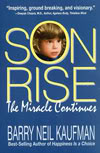
Son-Rise is the true story of Raun Kaufman who, as a child, displayed all the symptoms of and was diagnosed with severe autism.
“Bears” and Samahria Kaufman had two daughters prior to the birth of Raun, and had been learning how to explore their beliefs to become happier people. The Option Process is the gentle self-exploration tool they used to uncover the beliefs fueling their discomforts and fears.
As Raun approached his first birthday, he appeared to be profoundly autistic in every way. He was unresponsive, would go limp when held, and spent a great deal of time spinning objects. He acted both deaf and blind, and rocked or stared in silence for hours on end. Seeking answers from the doctors, the Kaufmans were told there was nothing that could be done to help Raun. He had autism and there was no hope for improvement. They were told to institutionalize Raun and concentrate on their daughters.
The Kaufmans decided instead to use this experience as an opportunity. They applied the Option Process to let go of their discomforts, fears, and assumptions. They enthusiastically attempted to connect with their son. They happily created an intense home program in which they compassionately reached out to Raun by spending time with him and joining his world. Starting with the first thrills of eye contact, to sounds, to words, Raun emerged little by little out of autism.
This miraculous story is a testimony of the power that love can have when made tangible through actions. It shows how tapping into our inner beliefs can help us create profound changes in our daily choices. The Kaufmans were told that Raun’s condition was horrible and beyond hope. The Kaufmans decided to instead believe that their child was amazing, beautiful, and doing the best he could. Then they decided to actively reach out to Raun and connect in ways that would demonstrate their love and respect.
Having a child with severe challenges myself, this book changed my life. Son-Rise shows how we are not victims of our circumstances. It shows us the benefits of tapping into our inner power to decide how we will respond to the events in our lives. I found it encouraging, enlightening, and practical for creating wondrous changes in my own attitude and life. The message is way beyond a “how I helped my kid” story. It also clearly portrays how Raun came into their lives and blessed them.
The Kaufmans found Raun’s emergence to be such a powerful experience that they now teach other people about The Option Process in Sheffield, Massachusetts at the Option Institute. A large portion of their programming is teaching other parents (and others who work with children) how to create a Son-Rise program at The Autism Treatment Center of America.
Raun, now the CEO, is currently speaking at Autism Conferences around America.
Related Books by Barry Neil Kaufman: A Miracle to Believe In, Happiness is a Choice.
Author: Tara McClintick is an Early Childhood/Special Education teacher as well as a Son-Rise mom. A great deal of Tara’s 20+ years experience has been working one on one with her youngest son, Jake, who was diagnosed with severe autism shortly after his first birthday.
Jake is now 13 and together they continue the journey towards learning and recovery through nutritional and natural methods. Tara also creates fun, unique picture books for kids using real-life scenes and images www.BooksByTara.com.
Related reading:
Autism: 10 Strategies for Implementing Diet Changes
Autism: 10 Strategies for Implementing Diet Changes
March 31, 2009 by Kitchen Table Medicine
Filed under Autism, Guest Posts, Kitchen Sink
Why are food and diet some of the most challenging aspects of raising a child with autism? Make the decision to change the way your child, and perhaps your whole family, is eating and – BAM!!! You seem to hit walls of resistance every which way you turn!
 The walls are so thick that you may even wonder, is this even possible? Is it worth it? If you have answered “no” to those questions before, you are not alone.
I have too. Then I realized that if I ever wanted things to change in the outside world, my inside world must change first. I want to find ways around those walls. Heck, I’d like the walls to come down!
Are you with me? Here are some ideas I’ve found helpful…
1. - Prepare Your Attitude - how you approach any changes you want to make will greatly influence how others will accept it. Be grateful for what you are learning and the new hope it offers! Be enthusiastic about finding and adding nutritious foods that also taste good. Be clear on why you want to create change and embrace the challenge vs. a “poor me” or “poor kid” outlook. The opportunity in front of you is a gift that will enrich not only your child’s life, but yours as well. Believe that you can do this, and so can your child.
2. - Plan a Strategy – Take time to really devise a do-able adjustment period. Figure out which foods will stay and which will be phased out. Introducing new foods before phasing out favorites sometimes works best, but not always. When will be the best time to begin making the changes? Plan a schedule for creating and trying a few new recipes a week. Write out your ideas, sample menus, and goals for implementing changes. Clean out or finish off the items no longer desired in your kitchen, and begin bringing in the new foods.
3. - Prioritize – Fast food and ready made meals have allowed our society to put eating habits on auto-pilot. Conscious planning and food preparing is going to take time, probably time you feel you don’t have. Go on a laundry strike if you have to, unplug the TV for a week or so, whatever it takes! Do not feel guilty or crazy for wanting to prioritize your child’s health. The human body is our true vehicle here on earth, not the automobile. Autism is a complex, sensitive condition. If your car was struggling to function as it was designed, you’d find the time and money to address the issues. Our bodies are even more worthy of attention and care.
4. - Assess Who’s on Board – If your child is not under your care at all times, then you’ll have to discuss your plans with the other people involved. This does not always go over well, as you may already know. Try not to take it personally, the reasons often have more to do with the inconveniences they are afraid of experiencing. They are also simply not as motivated to acknowledge the low quality of the standard American diet.
Consider their situation and help them come up with ideas that they feel would be do-able.If you can not convince another individual to support your efforts, you may have to prioritize and make adjustments in your child’s care. This may sound extreme, but you are only in control of your decisions. Taking a gentle but strong stand is nothing to feel guilty about. Family and social gatherings, etc. may also require adjustments. I have, at times, simply decided it was not worth the temptation or battles. Instead, I chose something more relaxing to do with my son.
5. - Prepare Your Child – This is very important, regardless of how much you think the child can comprehend. A child diagnosed with autism often understands way more than he/she can express. Your attitude, explanations, and loving encouragement can have more of an impact than you might imagine. Excitedly tell your child you are going to be trying new foods to help his/her body feel great! Find or take photos of food options to be able to show your child his/her choices visually if necessary.
If your child has a self-selected, extreme diet of just one or two foods, you will have to be strong as well as clear on your intentions. Have lots of yes choices around. Children can smell a parent waiver, so clean out pity and ambivalence! There is no need to feel bad when your child has plenty of healthy foods to choose from. If you do cave, don’t beat yourself up. You’re human. Laugh, learn and move on.
6. - Be Creative – Have fun with brainstorming ideas and new ways to present foods to your child. Funky plates and bowls, crazy straws, chunks of good stuff on toothpicks, healthy dips, tasty samplings served in an ice cube tray, etc. Make a list of you child’s favorites and brainstorm what it is about those foods that he/she’s so passionate about. For instance, my son loves flavor –sweet, spicy, salty –I call him “spice boy” because he’ll pour and lick spices straight from a plate.
Giving him foods that I can flavor up for him, or let him sprinkle on the spice, sometimes entices him to enjoy things I would have never expected he’d like. If your child won’t eat something, find another way to prepare and/or offer it. Home-made popsicles, juicing, and nutritious smoothies have been some of my most successful approaches toward getting my child to consume vegetables he may not otherwise consider. You know your kid best, so your ideas may be different than anyone else’s.
7. - Give it Time – Persistence, perseverance, and patience are important. We live in a “take a pill” world and expect immediate relief and results. Optimally feeding the body is more like growing a harvest vs. growing weeds. It takes more effort and time, but the results will show up when the time is ripe. The conditions and symptoms of autism can have multiple levels, and the human body is amazingly able to adapt and create homeostasis within the body’s circumstances.
As diet changes, some changes may be noticeable while others may take more time to surface. Think of the process of weight loss. The slow, gradual changes due to exercise and healthy eating may take longer, but the results are more likely to be long-term. Believe that healthier daily eating choices make sense regardless of immediate results. However, if you are NOT seeing any positive results after a 6 month period, you may need to take a different approach. See #8 & 9 for more info.
8. - Keep Learning – The world of healing through nutrition is HUGE and the internet and books are chock full of both accurate and inaccurate information. Most western doctors actually have very little training and/or expertise in this area. Using common sense is also important. Prayer and spiritual guidance can help you guide you through your unique, individual circumstances.Where is the information you are listening to coming from?
I prefer information that is backed-up by healthy human beings, someone who has experienced a significant healing transformation, and/or based on the habits of societies that enjoy longevity and minimum health issues. These, to me, have more credential than isolated studies that try to pin point one teeny factor to prove a point. Human beings and their bodies are simply too complex. Health requires a more holistic approach.

9. - Have Fun Exploring – Cookies can be made with acorn squash – who knew?!? Books and cookbooks, internet searches, and internet groups provide limitless support and ideas for improving one’s health through food. Gluten-free/Casein free, The Feingold Diet, The Body Ecology Diet, The Specific Carbohydrate Diet, The Cave-Man Diet, Nourishing Tradition Diet Principles, all of these have benefited some children immensely and have had little effect on others.
The only way you can find out is through trying. Don’t let the scoffers stop you, hold on to the stories of the try-ers and believers. The ones who found their answers often did not find it on the first attempt. Again here is where persistence, perseverance, and patience have the potential to pay off big time.
10. - Don’t Stress About Infractions - In a world of packaged, convenience, and processed foods, slip ups are going to happen, no matter how well you plan and organize. When you find out, it’s too late to do anything about that infraction so let it go. Focus on changes and parts of your plan that are working. Use the infraction as a learning experience that can help you think of what other adjustments and ideas can be made to prevent future infractions.
Anger and frustration are a wast of your valuable energy. Hand them over to God, and surrender to peace. Don’t fall for the all or nothing lie, either. If you at this time can not possibly do all the diet changes you’d like, start where you can and build. I hope you gain momentum which each blessed day.
Someone once told me that to God, my son (who still shows every symptom of severe autism) is already whole and healed. There is nothing to be fixed. In my heart I believe that is true. But what I see everyday with my eyes is that he is not yet able to function fully within the world as it is now. I explained, and asked if I was contradicting the belief in my heart by trying to help him. The reply was, “Not at all!” I will never forget the next words:
“Like a pearl in an oyster, your son is perfect. Whether within the oyster or brought out and polished for the world to see, to God it makes no difference. He’s still the same perfect pearl. God understands your attempts to reveal his brilliance to the world”
God loves our children regardless, just as we parents do. Believe in your child’s brilliance. Seek ways to share it with the world.
Author: Tara McClintick is an Early Childhood/Special Education teacher as well as a Son-Rise mom. A great deal of Tara’s 20+ years experience has been working one on one with her youngest son, Jake, who was diagnosed with severe autism shortly after his first birthday.
Jake is now 13 and together they continue the journey towards learning and recovery through nutritional and natural methods. Tara also creates fun, unique picture books for kids using real-life scenes and images www.BooksByTara.com.
The Autism Diet Connection
March 26, 2009 by Dr. Nicole Sundene
Filed under Autism, Guest Posts, Kitchen Sink
 By Tara Mclintick, mother of a child with autism
What is the best diet for an autistic child?
The connection between diet and autism is complex and not fully understood yet. Although I am not a doctor, here is what I know:
1. Food allergies and sensitivities are extremely common among individuals with autism.
2. “Leaky Gut” and other digestive issues (chronic constipation/diarrhea) are common.
3. Artificial coloring/flavorings and preservatives can have a extreme effects on behaviors.
4. Salicylates, even naturally occurring in healthy foods, can be hard to tolerate.
5. Sugar and refined carbohydrates exacerbate yeast and dysbiosis issues, which are also common.
6. Some children show remarkable improvements, even full recovery, by removing gluten/casein proteins from the diet. The Specific Carbohydrate and Body Ecology Diet also have resulted in major improvement and/or full recoveries in many children.
7. Mineral deficiencies are suspect of weakening the body’s natural de-tox system. Consequently the body’s ability to remove heavy metals and other toxins are impaired significantly.
8. Heavy metal toxicity effects cellular function and leads to issues such as calcium oxalate crystals wrecking havoc in various soft tissues of the body.
9. The overburden of toxins and heavy metals cause liver, thyroid, and adrenal stress as well as damaging the sensory and nervous system and brain functioning.
10. The damaged endocrine system leads to hormonal imbalances, auto-immune response and/or other alterations of the immune system as well as inflammation are common.
At the last DAN! conference they referred to this growing condition as “autisms” because it is only symptom/behaviorally diagnosed. The root cause is unknown (although many parents believe the growing amount of immunizations are the straw breaking the camels back).
There is no one sure strategy towards recovery. Specialized diets, vitamins, specific supplements can have an extraordinary results for some individuals and apparently little effect on others. A holistic movement towards whole foods and a cleaner environment, and awareness of what we are exposing are very young children could make a major difference for everyone involved.
Author Tara McClintick is an Early Childhood/Special Education teacher as well as a Son-Rise mom. A great deal of Tara’s 20+ years of experience has been working one on one with her youngest son, Jake, who was diagnosed with severe autism shortly after his first birthday. Jake is now 13 and together they continue the journey towards learning and recovery through nutritional and natural methods. Tara also creates fun, unique picture books for kids using real-life scenes and images www.BooksByTara.com
Autism: 10 Tips for Everyone
March 19, 2009 by Dr. Nicole Sundene
Filed under Autism, Guest Posts, Kitchen Sink

You probably already know that autism is growing. A 6,000% increase, 1 in 150 children, 1 in 94 boys - the statistics are steadily rising.
This is a journey we are all on, even though many are not aware. There will be numerous benefits to more people consciously getting on board.
The journey is amazing. If you do not live it, you may not understand the benefits. Though it is not always easy, there are ways we all can pitch in and begin the shift towards reaping the blessings that flow from being touched by the life of someone with autism.
Do you know ways you can help? Live daily within the crux of the most extreme aspects of this condition and ideas begin to come clear. Here a few powerful suggestions that may surprise you…
1. Educate Yourself. Not via the news, magazines, TV specials, commercials, the doctors, the medical society or even the big autism organizations. Listen to the parents. Join groups on the internet. Read books about healing. Read books written by individuals with autism.
Most of the mainstream information and even “scientific studies” are biased and paid for to protect some financial interest. Jenny McCarthy said it best, “Our kids are our science!” Break out of the mob mentality, it’s getting us nowhere. Concerned about immunizations? There’s good reason. No matter how “safe” and “necessary” we are told they are, bottom line is parents would not have to sign away our children’s lives releasing responsibility for risks beforehand if that were true.
Learn from those experiencing and living with autism daily. They are the ones most highly motivated to finding answers. They are the ones who are no longer afraid of what this journey is revealing to the human race. They see ignorance and indifference as much more frightening.
2. De-Tox our Environment. Become more aware of the substances we saturate our air, land, skin, clothing, and other surrounding areas with daily. Start changing one thing at a time if you have to. How you clean your house. How you wash your clothes. How you take care of your yard.
How you eat. How you take care of yourself. Do you know what those chemicals and ingredients are? Me neither. Why do we trust the companies and/or government to make sure they are safe? Support the independent organizations that make factories clean up their act. Simplify by going back to the basics.
3. Adjust How You Think About Food. Real food is made by God, not made to last 20 years on a shelf and ready to eat in 2 micro-waved minutes. The more chemical and artificial ingredients it has, the less it can be called “food”. Yes, you can eat it without it killing you instantly.
Yes they will TELL you it’s “healthy.” We can’t blame food companies for wanting our business and trying to make life more convenient and easy for us. The companies are catering to our wants, so we have to start opening our eyes to what we are doing to ourselves by staying in the dark for the sake of cheap, quick, and easy. Real food taste way better and is ultimately more satisfying.
First change by acknowledging your addiction to the cleverly concocted taste combinations that are always conveniently accessible. It taste good, makes me feel good at the moment, quick and easy, but at what cost? Alcoholics and drug addicts have to make the same choice.
4. Take Responsibility for Your Health. Your doctor is not God. Your doctor can not possibly be responsible for the daily choices you make either. Your doctor is a human just like you. Your doctor went to school to learn how to prescribe “band-aides” in the form of drugs, for symptoms you are experiencing. YOU are responsible for learning about becoming healthier.
The human body, brain, and soul are miraculous, awe-inspiring creations! God has provided us with guidelines, resources, and free will.
Take responsibility for your own will, beliefs, and decisions you make about how to live. Businesses such as health care and the food industry are services for our needs. When we allow them to convince us as to what our needs are –that is called marketing. It is up to us to know the difference. Get out of the trap, and reverse who’s in charge. You know you best. Learn about yourself and take charge of your own life.
5. Vote Daily with Your $$$. Your daily choices are determining the path of the planet. We are like hamsters in a maze when our decisions are determined by the TV commercials, magazine ads, and the negative news.
The stores alone are largely designed to get you to buy, and the big companies know how to use this system in strategic ways. Exercise your true freedom to choose. Liberty is America’s mighty foundation, and very few people realize the power in this step alone. Buy real food, safe cleaning products (baking soda, vinegar, etc.), and spend your hard earned dollars to support these movements (see #1,2, 3, &4).
6. Ask How You Can Help. Be open to learning. If you know a family or person living with autism, don’t assume you know what’s best for them, what they should do, or how you can help.
Offer, but ASK. Ask what adjustments would help to make family events go smoother. Ask if there’s anything you can do to help out once a week. If the person says “no” please do not be hurt or offended. There are complications involved that they can’t explain, because you can only understand by living it.
Emotions, logistical factors, desires to prevent disasters, etc. are all new challenges that can arise around involving another person. You can help best if you can fill your own cup and serve from the overflow. A family surviving the daily challenges of autism can not handle the challenges of another needy person. Wanting to help and needing to help are different.
7. Volunteer Your Time. Once you’re in the mindset of #6, you can open an on-going offer of whatever help you’d feel comfortable providing. A few of the ways you could help may include researching topics on the internet, driving a child to/from therapy, running errands, caring for the child or siblings, yard work, cleaning, etc.
Be open to suggestions and feedback. Your time and compassion can be a gift worth more than any amount of gold.
8. Train Yourself. Learn how to spend time with a child perceiving the world differently. Come from an attitude of wonder, compassion, mutual respect and peace. Your comfort level is your responsibility, not the child’s.
This is an area of huge need, and there are good programs out there; but they are few and far between. Seek training that focuses on learning about the child and developing trust. Relational techniques such as son-rise and gentle teaching can show all parties involved how to learn and grow together.
9. Donate Directly to Families or Organizations that Support Families. Most of the treatments and therapies are not covered by insurance. Support fund raising efforts by families, or donate to programs that offer assistance to families directly. Again, your $$$ are votes, support what you want to see more of in terms of helping families.
Many times financial assistance is not available until the child is 18 when the parents are not solely responsible anymore. If more funds were available to support school-aged children, we may have more independent children by 18.
Yes, overcoming any challenge is possible. See #1, listen to the parents that have experienced it. Every story is different, but most involved commitment, hope, and support from others. Your support can make a huge difference. The expense of assisting a child may be high. It is but a fraction of the cost of not making an effort to reach out.
Even the children that never fully “recover” can make huge strides and teach those who reach out some of the greatest lessons in life. Every individual created by God offers gifts to this world that are up to us to receive.
10. Advocate for Compassion. Our ignorance does not excuse us from the mistreating or oppressing any group of people.
Develop a voice for children who can not stand up for themselves. At present, most programs are trying to help children to conform to the “real world”. Sometimes they are treated worse than criminals through aversive behavioral shaping methods. These kids are our “real world” now, and those of us who have a voice and can control our bodies have many choices on how we will respond.
Start taking some of these active steps towards reversing autism. The kids can learn, but we have just as much if not more to learn from them. One thing you will learn is that these kids are not so different after all. They are normal kids trying to take care of themselves.
What if it were you? What if someone were telling you that you had to be different or you were going to punished. We would not punish a child who’s legs were paralyzed for not being able to walk. These individuals are doing the best they can. They often have sensory and perception differences that we do not experience.
Their behaviors are not misbehaviors. Let’s come together to support them with open minds and hearts so that we can learn what they are here to teach us. The future we create is up to us.
“I suspect future generations will see our time in history as the turning point when the conditions of the planet forced us to discover how the universe really works and accept our interactive role in it. Rather than following the first three centuries of scientific imagery that has portrayed us as powerless victims in life, the new science suggest we are just the opposite.” ~Gregg Braden The Spontaneous Healing of Belief
Please leave your professional or personal experience tips, stories, or comments for all touched by autism to benefit.
Author: Tara McClintick is an Early Childhood/Special Education teacher as well as a Son-Rise mom. A great deal of Tara’s 20+ years experience has been working one on one with her youngest son, Jake, who was diagnosed with severe autism shortly after his first birthday.
Jake is now 13 and together they continue the journey towards learning and recovery through nutritional and natural methods. Tara also creates fun, unique picture books for kids using real-life scenes and images www.BooksByTara.com.
Authors
January 2, 2008 by Kitchen Table Medicine
Filed under
 Dr. Nicole Sundene is a Naturopathic Physician at Fountain Hills Naturopathic Medicine 16719 e Palisades Blvd Ste 205, Fountain Hills, AZ 85268 (480) 837-0900. For more information about her services visit: Fountain Hills Naturopathic Medicine
A graduate of Western Washington University for her undergraduate degree, and Bastyr University for her Doctorate of Naturopathic Medicine, she also spent eight years working as a Medical Assistant for the world renowned institute Virginia Mason Medical Center.
Throughout her four year naturopathic physician training she had the invaluable opportunity to work side by side with many talented physicians specializing in Family Practice, Internal Medicine, Pediatrics, Otolaryngology, Cardiology, Dermatology, Urology, and Urgent Care.
Her alternative medicine education along with training at Virginia Mason combined with the many years spent talking to patients as a telephone triage “nurse” have given her a diverse perspective on health care in America.
Dr. Sundene’s goal with Kitchen Table Medicine is to provide readers with the missing link in their health care experience and to ease the educational burden off busy doctors while providing the information and coaching that is typically not allotted in an individual appointment.
You may further connect through Facebook and Twitter!
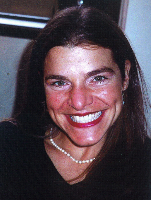 Dr. Jody Stanislaw is a Naturopathic Physician, receiving her doctorate degree from Bastyr University. Located in Seattle, Bastyr is the most acclaimed of the four accredited natural health medical schools in America, where physicians receive training to heal disease via natural and complementary treatments.
As the diabetes specialist for KitchenTableMedicine.com, her expertise not only comes from professional training but also from her own experience. Having been diagnosed with Type 1 diabetes at the age of seven, her passion towards improving the health and well-being of others stems from successfully overcoming her own challenges of living with this chronic disease.
Focusing so much on food while growing up in order to manage her diabetes led her to have unhealthy eating patterns during childhood. As a result, she also has a passion for helping others heal from disordered eating patterns, common amongst both type 1 and type 2 diabetics, in addition to the general population.
One of her core beliefs in life is everything that happens in life is a teacher, always full of rich opportunities for personal growth. This empowering perspective is a key element present in all of her work and teachings.
Having grown up in the Northwest, she is an avid outdoor enthusiast. Hiking, snow and water skiing, biking, and practicing yoga are the activities she enjoys the most for keeping her body fit. She also loves to travel. She traveled throughout Europe while living in Italy in 1993, backpacked through Australia in 1997, and left her hometown of Seattle to work with patients from all over the world at a health resort in Thailand during 2008.
Her work in Thailand led her to realize that when people are out of touch with what they love about life and are lacking experiencing joy on a regular basis, no herbs, supplements or food plan will succeed in allowing them to achieve the optimal health they are truly looking for.
This revelation inspired her to write a book to address this issue. It is a story that will act as a catalyst for helping readers become clear on what is holding them back from truly loving their life. After writing for five months in Bali, Indonesia in 2009, she is now back in Seattle, finishing her book. Stay tuned to KitchenTableMedicine.com for the announcement of the publication of this wonderfully adventurous and inspiring book!
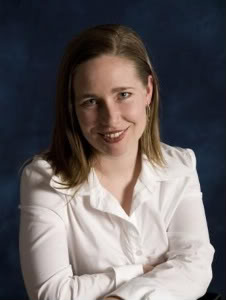 Dr. Selena Eon was raised in the woods of western Washington, a lifelong lover of the cycles inherent in nature. Her upbringing as a second-generation Naturopathic Physician gifted her with a strong understanding of the connection between the health of our planet and the well-being of the people who live on it.
Dr. Eon holds a bachelor’s degree in Whole Foods Nutrition and a graduate degree in Naturopathic Medicine- both from Bastyr University in Seattle, one of the four federally accredited medical universities specializing in the natural healing arts.
Dr. Eon’s naturopathic education taught her the same basic sciences studied by medical doctors, but also provided her with the knowledge of holistic and nontoxic approaches to therapy, with a strong emphasis on preventing disease and optimizing wellness. She practices in Bellevue, WA with her father, Dr. Dean Howell, ND, the developer of NCR.
Her patient-centered practice provides patients with a close connection and collaborative environment with which to regain health. She is a member of the Washington Association of Naturopathic Physician and the American Association of Naturopathic Physicians. Her interests include fashion design, sewing, basket-weaving, fiber arts, the outdoors, fitness, gluten-free whole foods cooking, reading, music and spending time with her husband and two children. You can find her handmade clothing design work at Etsy. To schedule an appointment for naturopathic care simply visit www.DrSelenaEon.com or call (206) 228-9537.
 Dr. KC Kelly holds a Doctorate of Philosophy and is a Licensed Psychotherapist with over 14 years of experience in the field.
She has worked extensively with children, adolescents, adults, geriatrics, and families with a vast number of diagnoses and in a vast number of settings including psychiatric hospitals, drug/alcohol programs, group homes, community mental health clinics, and the school system.
She has worked with those dealing with low self esteem, relationship issues, depression, anxiety disorders, bipolar disorder, eating disorders, substance abuse, schizophrenia, and suicidal ideation.
Dr. KC always strives to use the positive solution-focused model believing that with the correct guidance from the psychotherapist, all people have within them the power, strength, and resources to come up with their own solutions to their issues. She also finds it immensely gratifying to work as a life coach helping clients find happiness and fulfilled dreams! Dr. KC’s search for new cognizance of the etiology and treatment of mental/emotional health disorders remains ongoing with continuous education and research.
Holding mutual passion for both acting (since the age of 15) and psychotherapy, Dr. KC has merged her two loves into one by creating a website dedicated to helping those involved in the Entertainment Industry with both mental health concerns including, depression, anxiety, bipolar, relationship issues (just to name a few) and questions concerning the Industry itself. Of course, she helps all, but holding a niche in the entertainment industry has been a challenging and rewarding endeavor. Dr. KC wants to make it clear that although her website www.DOCintheBiz.com was intended to reach the Entertainment Industry population, it in no way excludes those who are not artists. We are here and available to help anyone experiencing difficulties or challenging times in their lives. For a great list of health care blogs visit Dr. KC’s premiernetwork at GLCzone.com!

Dr. Benjamin Lynch graduated from the University of Washington with a bachelor of science in Cell and Molecular Biology. While at the UW, Ben rowed three years for the Huskies on the varsity crew team.
At the end of his Junior year, Ben took a year off to travel throughout the South Pacific and SE Asia.
Ben volunteered with Mother Teresa in Calcutta, worked as one of seven cowboys on a seven million acre cattle station in Outback Australia, lived with a Fijian family on a remote island and was a crew member on a 70′ schooner from Australia to Indonesia. These world experiences taught Ben how to effectively listen, honor, and understand people of all types.
The year long backpacking trip also planted the seed of Complementary and Alternative Medicine. While in India, Ben became severely ill. Having thought he had malaria, his East Indian friend took him to a local Ayurvedic physician. After taking prescribed herbal medicines, Ben felt better within the hour. From then on, Ben decided to learn more about this effective form of medicine.
Ben graduated from Bastyr University in June 2007 with a doctorate in naturopathic medicine.
During clinical training, Ben became aware of Environmental Medicine. He sought out the best physicians and trained with them. Ben had the opportunity to work side-by-side with William Rea, MD, the world’s leading Clinical Ecologist.
Having seen patients suffering from chronic diseases caused by environmental exposures, Ben has carefully sought out effective health products and lifestyle techniques. Ben intends to specialize in Environmental Medicine and ‘medical conundrums.’ His goal is to eventually open a large facility where hundreds of people can be treated inexpensively using the ancient methods of hydrotherapy.
Ben currently lives in the Seattle area with his wife, Nadja, and their three boys: Tasman, Matvei and Theodore.
 Tim Brownson is a UK qualified Life Coach, NLP Master Practitioner and certified Hypnotherapist.
He coaches both face-to-face in Orlando and over the telephone with clients all over the United States, Canada and ‘back home’ in the UK.
His first book ‘Don’t Ask Stupid Questions - There Are No Stupid Questions’ was published through Aspen Light in November of 2007 to fantastic reviews and he has since published 2 e-books, one on stress management and the other on beliefs and values.
He writes a self development blog called ‘The Discomfort Zone that takes a more off the wall look at coaching. Tim’s book was voted “Best Purse Book of 2008″ and is a handy little personal development guide to read on a daily basis. Reader’s love that you can just open the book to any page and ask yourself an empowering question each day. From answering questions about life coaching, to quitting smoking-Tim offers a unique, realistic, and highly hilarious perspective on accomplishing goals while maintaining values. Stop by and read all of Tim’s advice at the kitchen table, and subscribe to his free life coaching blog.
 Bonnie Pfeister is a personal trainer and owner of Longevity Fitness Club and Spa in Florida.
Whether you read Bonnie’s articles in the Press Journal or listen to her health tips on the radio, it won’t take long to see Bonnie’s passion is to help encourage and educate the community.
With over fifteen years of experience in the health & beauty industry, Bonnie has a lot to share. In addition, although she has never been obese, she has experienced weight fluctuations from size 2 to size 12. Bonnie realized consistency is key in being healthy and said “no more” to yo-yo diets and sporadic exercise routines.
Feel free to post your personal training and fitness questions as comments to Bonnie’s articles so that she may answer them in future blogs! You can visit Bonnie at: Longevity Fitness.com and BonniePfiester.com.
 Stephen Cox is the author of the immensely insightful self help website BalancedExistence.com. As the result of a long history of health issues, including open heart surgery at age 7 and chronic fatigue at age 20, Stephen learned the vital importance of good health the hard way.
Having overcome his own health problems Stephen founded Balanced Existence as the medium by which he can positively impact the largest number of people possible.
By documenting knowledge and insights gained from his own journey of health and wellbeing it is Stephen’s humble wish to aid others, when needed, in their own journey.
You are invited to read more articles at BalancedExistence.com
 Mary O’malley is a teacher and specialist in compulsive behaviors and addictions.
Mary teaches us to turn towards our compulsive tendencies and not away from them. When we move to a place of observation and curiosity about life we remove the cloud of shame and blame that tend to obscure the learning process.
To learn more about Mary’s unique philosophy that resonates with so many people challenged by over-eating, disordered eating, drug and alcohol abuse, depression, anxiety, and compulsive behaviors you may visit her website at www.MaryOmalley.com. Mary offers individual counseling, group meetings, and educational retreats in Hawaii. Mary is an amazing teacher of life. You can subscribe to her once monthly newsletter for a free taste of her wisdom and philosophy.
 Joene LaBou is a licensed esthetician and skincare specialist.
Joene specializes in anti-aging skin therapies that emphasize the use of vegan and organic products. When asked what the secret to her unbelievably youthful appearance is, she always simply replies “Drink plenty of water, anti-oxidants, and peptides”.
For assistance with your skin care needs you may book an appointment in Seattle by calling (206) 264-7901.The salon is located at 410 spring, Seattle 98104. Joene also has skincare appointments available in New Castle, WA as well for your convenience, simply visit www.LabouSkincare.com to book an appointment at either site for her wonderful services!
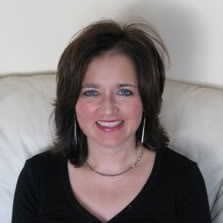
Tara McClintick is an Early Childhood/Special Education teacher as well as a Son-Rise mom. She is passionate about children and supporting the miraculous development process using gentle, creative and encouraging methods. She has 20+ years experience working with children, both in typical and special needs settings.
A great deal of Tara’s experience has been working one on one with her youngest son, Jake, who was diagnosed with severe autism shortly after his first birthday.
Once thought to be deaf, Jake can now communicate using simple sentences. He is extremely intelligent however learning continues to be challenging for Jake due to his extreme sensory and physical symptoms and difficulty in attending to another person.
Jake is now 13 and together they continue the journey towards learning and recovery through nutritional and natural methods. Tara enthusiastically reads and learns everything she can about specialized diets, healing, and bio-medical treatments and how these relate to the complex issues involved in autism and other conditions.
Her family continues to make lifestyle changes to support both her family’s health and the planet’s. She eagerly wants to share this information with others in hopes that we can all receive the gifts these amazing individuals’ lives bring to everyone.
Tara also creates fun, unique picture books for kids using real-life scenes and images www.BooksByTara.com. These books are specially designed to promote attention, interaction, thinking, and language development for kids of any age. Their simple format allows the books to be adapted for a variety of skill levels. They reveal the wonder and beauty of everyday in appreciation of this glorious life.