Eat Gluten-Free Without Going Broke, Part 1
March 10, 2009 by Kitchen Table Medicine
Filed under Allergies, Celiac Disease, Dr. Selena Eon, Guest Posts, Kitchen Sink, Wheat Free/Gluten Free

If you have been on a gluten-free diet for any length of time, you have likely noticed the explosion of ready-made gluten-free foods available. At my local Red Apple Market, I can now purchase ready-made pasta, cookies, crackers, bagels, macaroni box meals, English muffins, bread, doughnuts and brownies. The freezer cases contain a variety of gluten-free frozen meals, from pizza to macaroni & cheese. I can buy mixes for bread, cookies, brownies and cakes.
Garlic Jim’s now delivers gluten-free pizza to your home from most of their locations in the state. PF Chang’s offers a gluten-free menu. Overall, I consider the increased availability of these foods a positive leap forward for those of us who must follow a gluten-free diet for health reasons.
It is wonderful to have the option to use these foods to create healthful meals when time is short. It is incredibly useful for relatives to be able to purchase foods like this when gluten-free family members come over for dinner. But, there are many reasons to limit consumption of these foods. Today I am going to focus on financial reasons for doing so.
Many gluten-free goods are specialty products that are produced in much smaller quantities than most mass produced prepared foods. Manufacturers should take steps ensure that all the ingredients are gluten free. The products need to be tested for gluten on a periodic basis to ensure that they are safe for individuals who must avoid gluten completely.
Creating these products in a gluten-free manner generally requires a dedicated facility—one that never houses gluten containing foods, although some manufacturers use carefully cleaned shared facilities with wheat products (these foods may not be acceptable for some individuals). The ingredients must be shipped to the manufacturing facility. The food must be produced, packaged and shipped to your grocer. The cost of these processes is ultimately passed on to you, the consumer.
I choose to purchase food that is produced locally whenever possible. One reason for this choice is financial. When you purchase food produced hundred or even thousands of miles away the cost of the food goes up because you are also paying for the additional packaging and transportation. Packaging needs are increased to keep the food intact during shipping with the extra costs passed on to you, the consumer.
Transportation costs include the cost of fuel, maintaining the vehicles, paying the shipping company employees and more. I’m not going to discuss in detail today, but must mention the environmental impact of producing the fuel for transportation and the materials for packaging as well as increased pollution from using the fuel for transportation of food. Because of these factors, it is a good idea to purchase local products with little or no packaging whenever it is reasonable to do so. Purchasing local saves both money and resources.
Most families purchase food on a budget and cannot afford to substantially increase spending on food. Following a gluten-free diet may become an intolerable financial burden if a person tries to follow a gluten-free version of the standard American diet. Gluten intolerance frequently runs in families, so it may be necessary to purchase gluten-free foods for multiple family members, compounding the financial issue. A family where only some members are gluten-intolerant may find that feeding the whole family gluten-free is the best way to ensure a gluten-free diet for those members who need it.
An example, using prices found at a local supermarket:
- A package of 5 gluten-free bagels costs $5.59 while you can purchase wheat bagels for about $3 for 6.

- A 5 oz box of crackers is $4.99 while a 14.5 oz box of Ritz crackers is only $4.11.
- A 12oz package of gluten-free spaghetti noodles costs $3.79 while a 16 oz package of wheat spaghetti noodles can cost as little as $.99.
You can see from that, a person accustomed to a bagel with breakfast, crackers with a snack & spaghetti for dinner runs into a substantial difference in cost over time. This is particularly noticeable when feeding multiple people.
Learning that gluten is not a good food for you or a loved one is an incredible & life changing event. The positives of assuring that your amazing body is fed properly so far outweigh the negatives that it is worth the effort to learn how to feed yourself gluten-free and well.
Adopting a gluten-free lifestyle is a challenge for many people, and reasonably so! It can be difficult to change, especially without adequate support. I believe that learning how to cook & bake healthfully in your own home is a critical step in adapting to healthful gluten-free living on a budget. Preparing your own food does take time. I know people are very busy today, however, preparing extra food takes little additional time and then you have leftovers in your fridge or freezer, ready for healthy, low cost meals on busy days.
Many home cooks choose to set aside a morning, afternoon or evening each week to prepare several dishes to set aside for eating later in the week or month. This is an excellent strategy that cuts down the amount of time you need to spend preparing food on a daily basis.
Next up by Dr. Selena Eon is Part 2 in this three part series, “How to Eat Gluten Free on a Budget.” If you have any questions about celiac disease, you are welcome to ask them in the comments section and they will be addressed in future articles.
Dr. Selena Eon practices in Bellevue, WA and you may contact her at
(206) 228-9537 or visit www.drselenaeon.com
 Dr. Nicole Sundene, NMD is a licensed Naturopathic Medical Doctor at Fountain Hills Naturopathic Medicine 16719 E Palisades Blvd, Suite 205, Fountain Hills, AZ 85268.
She believes we should utilize natural medicines to treat the root cause of disease rather than just treating symptoms, as symptoms are a message of imbalance sent from the body and will persist until they are properly addressed.
For appointments please visit http://FHnaturopathic.com for more information about Naturopathic Medicine services.
©KitchenTableMedicine.com, LLC ™
What is Celiac Disease?
March 2, 2009 by Kitchen Table Medicine
Filed under Celiac Disease, Dr. Selena Eon, Guest Posts, Kitchen Sink, Wheat Free/Gluten Free
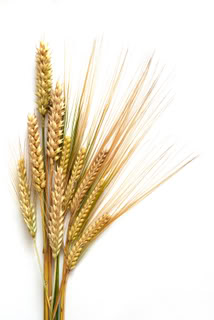
What is Celiac Disease/Gluten Intolerance?
Celiac Disease is an autoimmune condition found in people of all ages who are genetically susceptible. To develop Celiac Disease, you must inherit genetics for it, consume gluten, and have the gene triggered. Celiac Disease causes gradual destruction of the inner lining to the small intestine, leading to poor absorption of a wide variety of nutrients, and consequently a wide variety of patient presentations.
Gluten intolerance is a similar, less severe condition in which a person who does not have overt intestinal damage, but still experiences negative health effects from consuming gluten containing foods. Gluten is found in wheat, rye, barley and products derived from these grains. Gluten is also a frequent contaminant of oats and perhaps other grains.
What are the signs and symptoms of celiac disease?
There are many signs and symptoms of Celiac Disease and gluten intolerance. They range from none (silent Celiac Disease), to severe weight loss and malnutrition. A selection of signs and symptoms include: weight loss, weight gain, abdominal pain & cramping, diarrhea, constipation, osteopenia or osteoporosis, fatigue, bloating, iron deficiency anemia, megaloblastic anemia, nutritional deficiencies, mouth ulcers, inadequate tooth enamel, lactose intolerance, inadequate growth in children and infertility.
What are the risks to the patient if they are not compliant with their gluten free diet?
A person with Celiac Disease risks continued intestinal damage when knowingly (or accidentally!) consuming gluten, even if they do not have symptoms. As a result of intestinal damage from continued exposure to gluten, the person may experience a worsening of the signs and symptoms they experienced before diagnosis, or one of a host of other possible additional symptoms. Over time, damage can become severe enough to cause both adenocarcinoma and lymphoma of the small intestine, ulcerative jenunitis or small intestine strictures.
 As patient with Celiac, what are the biggest challenges with this disease?
Eating away from home was very difficult at first, but with practice, experience, and perseverance, I found eating out to be enjoyable again. Learning how to cook and bake gluten-free were huge, but very fun challenges
Can you share five of your favorite tips for coping with the challenge of this disease?
1) Learn how to cook and bake at home!
2) Keep a ready-mixed gluten-free flour substitute (home-made or purchased) on hand AT EVERY HOME YOU EAT FREQUENTLY for easy substitutions in favorite wheat-flour recipes.
3) Focus on eating nutrient-dense foods that are naturally gluten-free.
4) Always bring something you can eat to the potluck and keep GF snacks in your bag or car.
5) Avoid new restaurants during busy, peak times-you are more likely to end up with some unwanted gluten.
What do you typically eat for breakfast lunch and dinner?
Breakfast: Fresh fruit in season! We love gluten-free homemade waffles, Bob’s gluten-free oatmeal, cornmeal mush (polenta) and veggie frittatas.
Lunch: Leftovers to the rescue!
Dinner: We have a large rotation of recipes and strive to eat at least ½ plate of veggies along with the main dish. Household favorites include: turkey meatballs, chicken soup, lentil soup, tuna noodle veggie casserole, noodles with peanut sauce, vegetable soups, mixed salads, enchilada casserole, fish cakes, risottos, and a wide variety of creative homemade pizzas.
Care to share your favorite gluten free recipe?
Cheddar Dijon Waffles:
This is a wonderful recipe to start off an active day right, or a outside-the-box lunch or dinner. I like to serve these waffles topped with a gently fried egg (low temperature to avoid damaging the protein) and lots of chunky salsa. This recipe can be doubled or tripled and frozen for quick future meals.
Yield: 4-5 6” waffles
1.5 cup Pamela’s Pancake & Baking Mix (or substitute your favorite GF flour blend)
2 eggs, separated
¾ cup water
1-2T vegetable oil
1/3-1/2 cup shredded smoked or, less desirably, sharp cheddar cheese
1tsp-1tb Dijon mustard (to taste)
1 bunch thinly sliced green onions (white and light green parts only)
If necessary, spray waffle iron with nonstick spray or brush with oil. Preheat waffle iron.
Separate the eggs. Put the egg yolks into a small bowl or glass, and the whites into a medium bowl. Add the Dijon mustard and vegetable oil to the egg yolks, stir to combine and set aside. Whip the egg whites until stiff peaks form and set aside.
In a medium bowl, gently toss the green onions and cheese to coat with the Pamela’s Mix. Add the water, the egg yolk mixture and mix until no dry spots remain. The batter will be thick. Gently fold in the egg whites.
Cook on preheated waffle iron until golden brown. I use about ½ cup per waffle and spread the batter evenly before closing the lid, but use your judgment for your particular waffle iron. Repeat until remaining batter is used up.
Note: you can make these waffles using three whole eggs and skip the egg separating/whipping step. Just mix the whole eggs with the mustard and vegetable oil and skip folding in the egg white. The finished waffles will not be as light and fluffy.
Ps: If your waffle iron is from your “gluten days”, be sure to clean it very thoroughly to remove all gluten-containing crumbs before using for gluten-free waffles or replace the waffle iron with a new, dedicated gluten-free one.
What kind of resources and support groups are available for celiac disease?
ACK, the hyperlink thingy for The Gluten Intolerance Group is all messed up. It should be www.gluten.net
• Celiac Disease Awareness Campaign from the National Institutes of Health
• Celiac Disease Foundation
• The Gluten Intolerance Group
• Celiac Disease practice guideline from the World Gastroenterology Organisation (WGO)
• Celiac Sprue Association
• Outcomes of 2004 consensus development conference, National Institutes of Health
• National Foundation for Celiac Awareness
• University of Maryland Center for Celiac Research
Books and Magazines (does NOT include cookbooks)
Celiac Disease: A Hidden Epidemic by Peter Green, M.D. and Rory Jones
Gluten-Free Diet A Comprehensive Resource Guide by Shelley Case, R.D.
Gluten-Free Friends: An Activity Book for Kids by Nancy Patin Falini, M.A., R.D., L.D.N.
Kids with Celiac Disease: A Family Guide to Raising Happy, Healthy Gluten-Free Children by Danna Korn
Next up by Dr. Selena Eon is a three part series of “How to Eat Gluten Free on a Budget.” If you have any questions about celiac disease, you are welcome to ask them in the comments section and they will be addressed in future articles.
Dr. Selena Eon practices in Bellevue, WA and you may contact her at
(206) 228-9537 or visit www.drselenaeon.com
Dr. Nicole Sundene, NMD is a licensed Naturopathic Medical Doctor at Fountain Hills Naturopathic Medicine 16719 E Palisades Blvd, Suite 205, Fountain Hills, AZ 85268.She believes we should utilize natural medicines to treat the root cause of disease rather than just treating symptoms, as symptoms are a message of imbalance sent from the body and will persist until they are properly addressed.
For appointments please visit http://FHnaturopathic.com for more information about Naturopathic Medicine services.
©KitchenTableMedicine.com, LLC ™