6 Common Allergens Found In Sports Nutrition Bars
February 19, 2009 by Kitchen Table Medicine
Filed under Allergies, Diet Tips, Kitchen Sink, Sports Nutrition, Wheat Free/Gluten Free, Whole Foods Diet
Finding a truly healthy nutrition bar can be tough as I noted in my article, “Zing Bars Awarded Best Nutrition Bar 2008.”
I interviewed the makers of Zing Bars, nutritionists Michael Kaplan, ND, Minh-Hai Tran, MS, RD and Sandi Kaplan, MS, RD to help us better understand the common allergens found in nutrition bars.
 #1 - Gluten sensitivity is among the most common food sensitivities within the US and Europe. Gluten is a protein found within grains such as wheat, rye, barley, spelt, kamut & triticale. Gluten free grains include rice, corn, millet, quinoa, buckwheat, amaranth & teff.
Certified Gluten Free Oats are thought to be safe for most people with gluten sensitivity, as conventional oats are usually contaminated with wheat during processing or transport. Gluten sensitivity is a permanent condition that requires a person to avoid these gluten grains without reprieve. Gluten sensitivity can lead to Celiac Disease, and has been implicated as playing a contributing role in chronic inflammation, auto-immune disease and nutrient deficiencies.
#2 - Soy Protein is a common food allergen that is on the rise is western countries. Studies show that processed soy protein, such as soy protein isolate powder, has more allergenic potential because of the concentrated nature of the product. This is a tremendously common form of protein in nutrition bars because of its low cost. Whole food forms of soy, such as whole soy beans (and to a lesser degree tempeh and tofu) are generally better tolerated by soy sensitive individuals.
*It’s important to note that soy lecithin is not a soy protein, and therefore does not carry the same allergenic potential of the soy protein isolate powders. Soy lecithin is an emulsifier that is used to make smooth textures and mixtures, commonly found in chocolate coatings & chocolate chips.
#3 - Corn is generally found in bars in the form of High Fructose Corn Syrup (discussed earlier).
#4 - Casein is a chief milk protein that is occasionally found in nutrition bars. Casein is a difficult protein for some individuals to digest and occasionally can present as a sensitivity in its own right. Casein contrasts with whey, a milk protein that is far easier to digest and is inherently low in lactose.
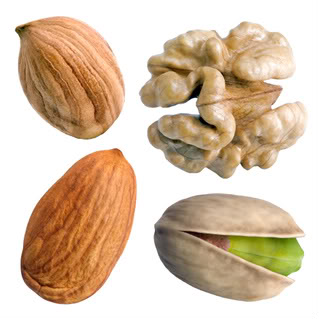 #5 - Peanuts and Tree Nuts are probably the most alarming allergens on this list because of their ability to cause severe and immediate symptoms in affected individuals.
#6 - Additives/colorings/preservatives can be allergenic in their own right. While these additives remain on the FDA’s GRAS (generally regarded as safe) list, they should be avoided by anyone wishing to make the healthiest food choices.
Check back soon to find out which sports bars are best for athletes!
Authors: Michael Kaplan, ND, Minh-Hai Tran, MS, RD and Sandi Kaplan, MS, RD
Reference Citations:
1. Mozaffarian D, Pischon T, Hankinson SE, et al. Dietary intake of trans fatty acids and systemic inflammation in women. Am J Clin Nutr. 2004; 79:606-12.
2. Mozaffarian D, Katan MB, Ascherio A, Stampfer MJ, Willett WC. Trans fatty acids and cardiovascular disease. N Engl J Med. 2006; 354:1601-13.
3. Trans fats: The Story Behind the Label. Harvard Public Health Review. Spring 2006.
4. Freeman J, Hayes, C. Low Carbohydrate Food Facts & Fallacies. Diabetes Spectrum. 2004. 17:137-140.
5. Hartman E. High Fructose Corn Syrup: No so Sweet for the Planet. Washington Post. March 9, 2008. p. N02
6. Jenkins, D, Kendall, C, Josse A, et al. Almonds decrease post-prandial glycemia, insulinemia, and oxidative damage in healthy individuals. J Nutr 2006;136;2987-92.
7. L’Hocine L, Boye JI. Allergenicity and the soybean: new developments in identification of allergenic proteins, cross reactivities and hypoallergenization technologies. Crit Rev Food Sci Nut. 2007;47(2):127-43.
8. Stolzenberg-Solomon RZ, et al. Folate intake, alcohol use, and postmenopausal breast cancer risk in the Prostate, Lung, Colorectal, and Ovarian Cancer Screening Trial. Am J Clin Nutr. 2006 Apr;83(4):895-904.
9. Stranges S, et al. Effects of long-term selenium supplementation on the incidence of type 2 diabetes: a randomized trial. Ann Intern Med. 2007 Aug 21;147(4):217-23.
10. Ericson U et al. High folate intake is associated with lower breast cancer incidence in postmenopausal women in the Malmö Diet and Cancer cohort. Am J Clin Nutr. 2007 Aug;86(2):424-43.
11. Steinberg FM, Bearden MM, Keen CL. Cocoa and chocolate flavonoids: implications for cardiovascular health. J Am Diet Assoc. 2003 Feb; 103(2):215-23.
12. Champe PC, Harvey RA. Biochemistry 2nd edition. Philadelphia: J.B. Lippincott Company, 1994. 112, 152.
13. Oku T, Nakamura S. Threshold for transitory diarrhea induced by ingestion of xylitol and lactitol in young male and female adults. J Nutr Sci Vitaminol (Tokyo). 2007 Feb;53(1):13-20.
14. Farschi HR, et al. Beneficial metabolic effects of regular meal frequency on dietary thermogenesis, insulin sensitivity and fasting lipid profiles in healthy obese women. Am J Clin Nutr. 2005 Jan;81(1):16-24
 Dr. Nicole Sundene, NMD is a licensed Naturopathic Medical Doctor at Fountain Hills Naturopathic Medicine 16719 E Palisades Blvd, Suite 205, Fountain Hills, AZ 85268.
She believes we should utilize natural medicines to treat the root cause of disease rather than just treating symptoms, as symptoms are a message of imbalance sent from the body and will persist until they are properly addressed.
For appointments please visit http://FHnaturopathic.com for more information about Naturopathic Medicine services.
©KitchenTableMedicine.com, LLC ™
How To Choose A Healthy Sports Nutrition Bar
February 9, 2009 by Kitchen Table Medicine
Filed under Diet Tips, Fiber, Kitchen Sink, Protein, Sports Nutrition, Whole Foods Diet
 Finding a truly healthy nutrition bar can be tough as I noted in my article, “Zing Bars Awarded Best Nutrition Bar 2008.”
I interviewed the makers of Zing Bars, nutritionists Michael Kaplan, ND, Minh-Hai Tran, MS, RD and Sandi Kaplan, MS, RD to help us better understand the following qualities to look for in a healthy sports bar.
What qualities should people look for when purchasing a healthy sports bar?
100% Natural Ingredients: In our opinion, a bar does not need to be 100% organic to be a healthy choice. With the rising cost of food in general, organic ingredients can sometimes strain a food budget. We recommend comfortably settling for a 100% natural bar, free of colorings, preservatives and additives.
High quality protein: Not all protein sources are as efficiently utilized by the body. There are several measurements that seek to describe protein quality. One such measurement is a protein’s Biological Value (BV). The higher the Biological Value of the protein, the more nitrogen the body can absorb, use, and retain. As a result, proteins with the highest BV promote the most lean muscle gains.
Whey protein has the highest BV value, with a relative 104 rating. Egg protein is second with a relative 100 and milk proteins rank third as relative 91. Beef and soy protein have relative BV scores of 80 and 74 respectively. Rice protein scores even lower than soy protein on the BV spectrum. However, rice protein’s gluten free, relative hypoallergenic profile solidifies its usefulness as a protein source for those looking for a vegan alternative to soy protein.
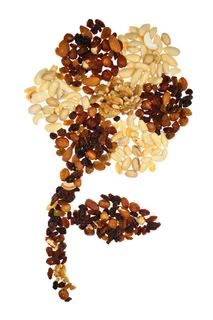 High quality fat from sources such as nuts and seeds. High quality fat is important for at least two reasons:
- Fat helps stabilize blood sugar: Nuts, when consumed with a meal or snack, significantly reduce the rate at which glucose from carbs enters the bloodstream. This means better blood sugar balance and control. Nuts are comprised predominantly of monounsaturated fats and are a rich source of phytosterols, magnesium and folic acid which are means they are cardioprotective (reduce the risk of cardiovascular disease).
- Fat helps with satiety: A meal or snack with a balanced amount of fat (with respect to carbs and protein) will help increase feelings of fullness and satiety. This can be very helpful in terms of portion control.
Fiber is a key player in any healthy food. Fiber increases satiety by adding bulk, helps to slow the absorption of glucose from the diet, sweeps away dietary cholesterol in the gut, helps to create a nourishing environment for beneficial gut bacteria and scrubs toxins from the digestive tract. This is just a partial list of the benefits of fiber.
We recommend 3 grams (or more) per bar. In our opinion, fiber really speaks to a particular food’s “Carbohydrate Quality.” We define Carb Quality as follows: First, 3+ grams of Fiber. Second, minimal use of sugar alcohols. Third, the use of low glycemic sweeteners, such as Agave nectar.
Low allergens: (see the next article in this series discussing common allergens found in sports bars - coming up soon!)
Authors: Michael Kaplan, ND, Minh-Hai Tran, MS, RD and Sandi Kaplan, MS, RD
Reference Citations:
1. Mozaffarian D, Pischon T, Hankinson SE, et al. Dietary intake of trans fatty acids and systemic inflammation in women. Am J Clin Nutr. 2004; 79:606-12.
2. Mozaffarian D, Katan MB, Ascherio A, Stampfer MJ, Willett WC. Trans fatty acids and cardiovascular disease. N Engl J Med. 2006; 354:1601-13.
3. Trans fats: The Story Behind the Label. Harvard Public Health Review. Spring 2006.
4. Freeman J, Hayes, C. Low Carbohydrate Food Facts & Fallacies. Diabetes Spectrum. 2004. 17:137-140.
5. Hartman E. High Fructose Corn Syrup: No so Sweet for the Planet. Washington Post. March 9, 2008. p. N02
6. Jenkins, D, Kendall, C, Josse A, et al. Almonds decrease post-prandial glycemia, insulinemia, and oxidative damage in healthy individuals. J Nutr 2006;136;2987-92.
7. L’Hocine L, Boye JI. Allergenicity and the soybean: new developments in identification of allergenic proteins, cross reactivities and hypoallergenization technologies. Crit Rev Food Sci Nut. 2007;47(2):127-43.
8. Stolzenberg-Solomon RZ, et al. Folate intake, alcohol use, and postmenopausal breast cancer risk in the Prostate, Lung, Colorectal, and Ovarian Cancer Screening Trial. Am J Clin Nutr. 2006 Apr;83(4):895-904.
9. Stranges S, et al. Effects of long-term selenium supplementation on the incidence of type 2 diabetes: a randomized trial. Ann Intern Med. 2007 Aug 21;147(4):217-23.
10. Ericson U et al. High folate intake is associated with lower breast cancer incidence in postmenopausal women in the Malmö Diet and Cancer cohort. Am J Clin Nutr. 2007 Aug;86(2):424-43.
11. Steinberg FM, Bearden MM, Keen CL. Cocoa and chocolate flavonoids: implications for cardiovascular health. J Am Diet Assoc. 2003 Feb; 103(2):215-23.
12. Champe PC, Harvey RA. Biochemistry 2nd edition. Philadelphia: J.B. Lippincott Company, 1994. 112, 152.
13. Oku T, Nakamura S. Threshold for transitory diarrhea induced by ingestion of xylitol and lactitol in young male and female adults. J Nutr Sci Vitaminol (Tokyo). 2007 Feb;53(1):13-20.
14. Farschi HR, et al. Beneficial metabolic effects of regular meal frequency on dietary thermogenesis, insulin sensitivity and fasting lipid profiles in healthy obese women. Am J Clin Nutr. 2005 Jan;81(1):16-24
Dr. Nicole Sundene, NMD is a licensed Naturopathic Medical Doctor at Fountain Hills Naturopathic Medicine 16719 E Palisades Blvd, Suite 205, Fountain Hills, AZ 85268.She believes we should utilize natural medicines to treat the root cause of disease rather than just treating symptoms, as symptoms are a message of imbalance sent from the body and will persist until they are properly addressed.
For appointments please visit http://FHnaturopathic.com for more information about Naturopathic Medicine services.
©KitchenTableMedicine.com, LLC ™
The Five Hidden Evils in Nutrition Bars
December 23, 2008 by Dr. Nicole Sundene
Filed under Diet Tips, Exercise, Kitchen Sink, Sports Nutrition, Sugar, Wheat Free/Gluten Free, Whole Foods Diet
 Finding a truly healthy nutrition bar can be tough as I noted in my article, “Zing Bars Awarded Best Nutrition Bar 2008.”
I interviewed the makers of Zing Bars, nutritionists Michael Kaplan, ND, Minh-Hai Tran, MS, RD and Sandi Kaplan, MS, RD to help us better understand the following unhealthy red flag ingredients commonly found in our not so healthy “health bars.”
What are the 5 Most Harmful Ingredients Commonly Found in Nutrition Bars?
1. Trans fats are listed as “partially hydrogenated” oils in a packaged food’s ingredients list. Trans fats have been shown to increase total cholesterol and contribute to heart disease. They also spur inflammation, an over-activity of the immune system that has been implicated in heart disease, stroke, diabetes, and other chronic conditions.
The good news is that as of January 1, 2006, trans fats are required by law to be enumerated in a food’s Nutrition Facts Panel. Despite ever increasing public awareness, however, trans fats still have a place on the FDA’s “GRAS” (generally regarded as safe) list so watch out for their continued use.
2. Fractionated Palm Kernel Oils are an increasingly popular ingredient in bars today. They are commonly used to help stiffen chocolate coatings that would otherwise not be solid a room temperature. This “fractionation” process dramatically raises the saturated fat content of the oil, and confers many of the same anti-melting shelf stability aspects of trans fats.
It appears that fractionated oils may be taking the place of trans fats in certain products, stepping in as public awareness about trans fats rises. While more research is needed to determine the extent of the health risks of fractionated oils, it’s clear that they confer a higher level of saturated fat and a poorer quality fat profile overall.
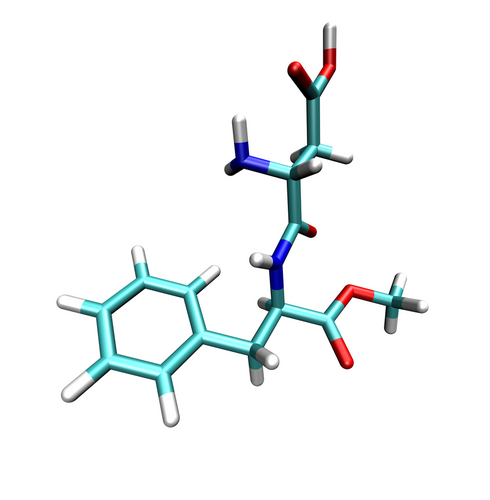
3. Sorbitol, Mannitol, & Maltitol are sweeteners known as sugar alcohols. Manufacturers of candies and many sports bars use sugar alcohols as a replacement for conventional sugar or high fructose corn syrup. These sugar alcohols taste sweet, but have less of an impact on blood sugar levels compared to traditional cane sugar. Unfortunately there are several myths and popular misconceptions surrounding sugar alcohols.
Myth 1: Sugar alcohols are calorie free. This is unfortunately false. The most commonly used sugar alcohols have between 50-75% of the calories per gram of table sugar.
Myth 2: Sugar Alcohols only slightly raise blood sugar. While it’s true that most sugar alcohols have a lower glycemic index (or effect on blood sugar) than traditional table sugar, the effect is hardly negligible.
Despite fewer calories per gram, Sugar alcohols can raise blood sugar anywhere from 50-100% of the amount expected from table sugar alone. This means that some sugar alcohols may contribute to blood sugar swings & crashes normally associated with “traditional” sugary snacks & treats.
Myth 3: Sugar alcohols have no side-effects. Untrue! Sugar alcohols are not fully digested and absorbed by the body, so some of the compounds remain in the gut and are allowed to pass to the colon; an area sugars are normally never allowed to enter.
These sugars can pull extra water into the colon via osmosis, leading to diarrhea and cramping. They can also be fermented by the bacteria that normally inhabit this area of the digestive tract, leading to increased flatulence. The “threshold” or amount required to produce this effect varies from person to person.
So, not all sugar alcohols are created equally.
4. High Fructose Corn Syrup (HFCS) is a high glycemic sweetener, equivalent to sucrose (table sugar) in the degree of sweetness and calories per gram. While the research is unclear about whether or not HFCS is more harmful to health than sucrose, it’s presence in a food usually suggests a disproportionate amount of refined carbohydrate compared to fiber, protein and fat.
While HFCS is technically “natural” according to the FDA’s guidelines, it is a heavily processed product requiring many energy intensive steps. This makes it a less than optimal choice from an ecological point of view. HFCS also propagates the use of non-organic corn. So while the debate rages on about its healthfulness for humans compared to table sugar, its negative impact on the environment is more evident.
5. Gluten sensitivity is an emerging problem among American & Europeans. Current research points out that 1% of the population have Celiac disease (a more symptomatic form of gluten sensitivity). However, evidence suggests that gluten sensitivity (with its more non-specific presentation) affects many more people. Gluten is found in wheat, barley, oats, and rye primarily and athletes with sensitive stomachs should consider avoiding gluten.
Authors: Michael Kaplan, ND, Minh-Hai Tran, MS, RD and Sandi Kaplan, MS, RD
Reference citations:
1. Mozaffarian D, Pischon T, Hankinson SE, et al. Dietary intake of trans fatty acids and systemic inflammation in women. Am J Clin Nutr. 2004; 79:606-12.
2. Mozaffarian D, Katan MB, Ascherio A, Stampfer MJ, Willett WC. Trans fatty acids and cardiovascular disease. N Engl J Med. 2006; 354:1601-13.
3. Trans fats: The Story Behind the Label. Harvard Public Health Review. Spring 2006.
4. Freeman J, Hayes, C. Low Carbohydrate Food Facts & Fallacies. Diabetes Spectrum. 2004. 17:137-140.
5. Hartman E. High Fructose Corn Syrup: Not so Sweet for the Planet. Washington Post. March 9, 2008. p. N02
6. Rubio-Tapia A, Murray JA. The Liver in Celiac Disease. Hepatology. 2007. Nov; 46(5): 1650-8.
7. Helms, S. Celiac Disease and Gluten-Associated Diseases. Altern Med Rev. 2005 Sept; 10(3):172-92
8. Miller GD, Jarvis JK, McBean LD. Handbook of Dairy Foods and Nutrition 3rd edition. National Dairy Council, 2006.
9. http://en.wikipedia.org/wiki/Whey_protein
10. Jenkins, D, Kendall, C, Josse A, et al. Almonds decrease post-prandial glycemia, insulinemia, and oxidative damage in healthy individuals. J Nutr 2006;136;2987-92.
11. L’Hocine L, Boye JI. Allergenicity and the soybean: new developments in identification of allergenic proteins, cross reactivities and hypoallergenization technologies. Crit Rev Food Sci Nut. 2007;47(2):127-43.
12. Farschi HR, et al. Beneficial metabolic effects of regular meal frequency on dietary thermogenesis, insulin sensitivity and fasting lipid profiles in healthy obese women. Am J Clin Nutr. 2005 Jan;81(1):16-24
Dr. Nicole Sundene, NMD is a licensed Naturopathic Medical Doctor at Fountain Hills Naturopathic Medicine 16719 E Palisades Blvd, Suite 205, Fountain Hills, AZ 85268.She believes we should utilize natural medicines to treat the root cause of disease rather than just treating symptoms, as symptoms are a message of imbalance sent from the body and will persist until they are properly addressed.
For appointments please visit http://FHnaturopathic.com for more information about Naturopathic Medicine services.
©KitchenTableMedicine.com, LLC ™