Whole Foods Diet
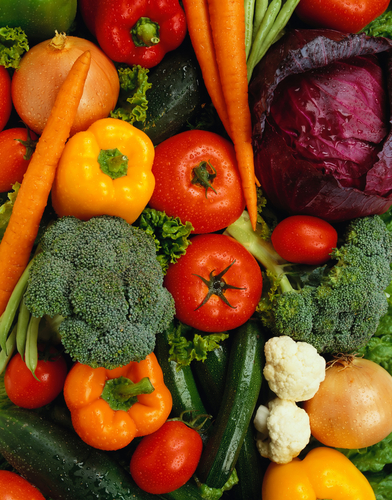 Whole foods are foods as they are found in nature.
They contain flavor and ingredients that nature intended.
They are free of artificial flavors and colors as well as added chemicals that are used to increase shelf life of processed foods.
Since whole foods have been minimally processed, they provide more natural ingredients such as vitamins, minerals, and fiber.
Food that is organic is free of chemicals, pesticides, herbicides, and fungicides.
These foods are more flavorful and tend to be more nutrient-dense than foods that are commercially grown.
FRUITS
Fruits are most flavorful and nutritious when they are eaten in season. Eat a variety of organically grown fruits to coincide with the change of seasons. Fruit selections include: apples, apricots, avocados, bananas, berries, cherries, grapes, grapefruit, guavas, kiwis, mangos, melons, oranges, papayas, peaches, persimmons, plums and pomegranates.
VEGETABLES
Vegetables are also most nutrient-dense and flavorful when organically grown and in season. It is important to include both raw and cooked vegetables in your diet. Raw vegetables are higher in vitamin, mineral, and fiber content. Cooked vegetables are easier to digest. Vegetable selections include: artichokes, asparagus, beets, broccoli, Brussels sprouts, cabbage, carrots, cauliflower, chard, collard, cucumbers, eggplants, kale, lettuce, mushrooms, parsnips, peppers, potatoes, pumpkins, radishes, rutabagas, spinach, sweet potatoes, turnips, and yams. Sea vegetables such as arame, dulse, hiziki, kombu, nori, and wakame, are good sources of minerals.
GRAINS
Whole grains contain more natural vitamins, minerals, protein, and fiber than refined grains. In addition to whole wheat, whole grains include amaranth, barley, brown rice, buckwheat (kasha), bulgur (parboiled, dried, cracked wheat), couscous (coarsely ground steamed wheat), millet, oats, polenta (coarse cornmeal), quinoa, rye, and wild rice. It is important to eat a variety of grains in your diet. This helps prevent allergies to wheat, which is the most widely consumed grain in the United States. Health food stores and a growing number of grocery stores carry products such as pasta, breads, cereals, and pancake mixes that are made from a variety of whole grains.
LEGUMES
Legumes are seeds that are grown in pods. They include beans, lentils, peas, and peanuts. They are a good source of both protein and fiber. Many nutritious products are made from soybeans including tofu, tempeh, garden burgers, and soymilk. Other beans include adzuki, black, broad (fava), butter, garbanzo (chickpeas), kidney, lima, navy, pinto, and black-eyed peas.
NUTS AND SEEDS
Nuts are most healthy in their raw, natural form. This does not include nuts that have been salted, sugarcoated, or roasted. Roasting of nuts decreases the content of minerals and B vitamins and sometimes includes added oil and fat; choose “dry roasted”. Choose nut butters that do not have added hydrogenated oils – look on the ingredient label. This process alters the monounsaturated oil in nuts forming cholesterol raising saturated fats. Pumpkin, sunflower, and sesame seeds are good sources of protein, minerals, and vitamin E.
SWEETENERS
Refined white sugar can be substituted with less refined sweeteners that contain some nutritional value. Examples include: barley malt syrup, brown rice syrup, date sugar, dried cane juice, fruit juice concentrate, honey, molasses, and pure maple syrup.
FISH
Fish is a good source of protein. It also contains various vitamins and minerals depending on the type of fish. Some fish such as, haddock, mackerel, salmon, sardines, and trout contain beneficial omega-3 fatty acids. These omega-3 fatty acids may raise protective HDL cholesterol and guard against heart disease. They also are important for proper brain, eye, hair, and skin development. Some research studies suggest that omega-3 fatty acids may also help to protect against and treat certain autoimmune disease such as rheumatoid arthritis.
MEATS/POULTRY/EGGS/DAIRY
Animal food sources are most healthy when the animals have been raised without antibiotics, added hormones and other toxins. Cage-free animals experience healthier, less stressful living environments that affect the quality of food they produce. There are a growing number of dairy alternatives. They include almond milk and cheese, rice milk, soymilk, soy cheese and soy yogurt, Brazil nut cheese, nutritional yeast, and tofu sour cream. Some non-dairy foods high in calcium include dark leafy vegetables such as kale, collards, mustard greens, and bok choy, broccoli, sea vegetables such as, arame, hijiki, and kombu, cooked dried beans, calcium-treated tofu and fortified foods with added calcium, such as soymilk, juices, cereals, and pasta.
OILS
Use monounsaturated oils such as olive and canola (rapeseed) oil for sautéing foods because they are more heat-stable. Polyunsaturated oils such as sunflower, safflower, and sesame oils can be added to food after it has been cooked or used in salad dressings. “Cold-pressed” oils are best because the slow-turning presses that crush out the oil generate little heat so that vitamin E and antioxidants are not destroyed. Heat-pressed oils are treated with petroleum-derived solvents and are bleached and deodorized. Deodorized oil is pale and very bland tasting. Oils should be stored in the refrigerator to prevent spoilage due to oxidation from heat and light. Beneficial omega-3 fatty acids are found in canola, flax, soybean, and walnut oils.
Whole Food Multis
2 for 1 Special Sale!
Sale! Whole Home Water Filter 20% Off
FREE Grassfed Beef! Get 2lbs of ground beef free...
72 Hour Emergency Rations, Disaster Pack, First Aid, Earthquake Survival Kit **SALE**
All sales and partnerships kindly support this free publication.
 Sign up for healthy news you can use! As a member of our community, you will receive fun and simple preventative medicine health coachings, whole food recipes, research, exercise, lifestyle, and stress management tips.
To receive our preventative medicine news enter your email below.
©Articles may be referenced, but not reproduced without direct written consent from Kitchen Table Medicine, LLC™. All content is under full protection by U.S. and international copyright laws. Sincere thanks for sharing our preventative medicine website with your friends and family!