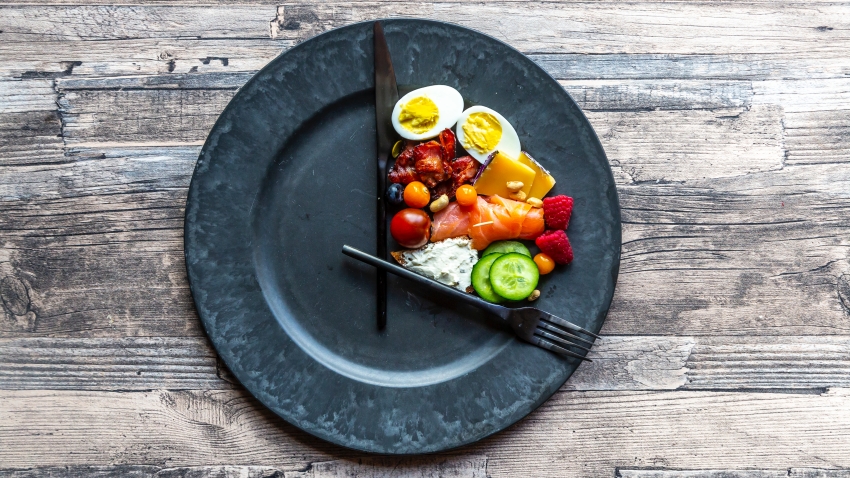
The 17 Grooviest Green Foods
March 18, 2010 by Dr. Nicole Sundene
Filed under Anti-Aging, Anti-Inflammatory, Best, Constipation, Dehydration, Detox, Diet Tips, Fruits and Veggies, Kitchen Sink, Liver Support, Olive Oil, Raw Foods Diet, Superfoods, Weight Loss, Whole Foods Diet
Comments Off
#1 Cabbage: Of course since we are celebrating St. Patties Day we MUST celebrate cabbage! Recently I went to an Irish Pub and ordered corned beef and cabbage, and was horrified to find out that the beef is “corned” because it is brined with corn sized pieces of salt!
Hold the corned beef, but keep the cabbage because it is a powerful cancer fighter thanks to the indole-3-carbinol content. This is also a great breast cancer preventative for women as it decreases the “bad estrogen” and increases the “good estrogen.”
Meaning that the estrogen known to increase reproductive cancers is eliminated.
#2 Olive Oil: I cannot speak highly enough for the virtues of using olive oil as your primary cooking oil in your kitchen. When baking or cooking at temps greater than 340F switch to canola oil. Otherwise, olive oil is a RICH antioxidant source as I stated in my article, “Olive Oil Prevents DNA Damage.” If olive oil is NOT green….it is NOT good. Read more
©KitchenTableMedicine.com, LLC ™Super Foods!
June 26, 2009 by Kitchen Table Medicine
Filed under Anti-Aging, Anti-Inflammatory, Antioxidants, Healthy Recipes, Heart Disease, Kitchen Sink, Lifestyle Tips, Memory, Pediatrics, Superfoods, Whole Foods Makeover
Introducing favorite superfoods and their recipes is an occasional feature here at the Kitchen Table. By gradually “making friends” with the most healthy foods from nature and learning how to incorporate them in to your diet you should notice a remarkable improvement in your health.
Most superfoods are simply high in anti-oxidants and thus slow down the natural destructive process of the tissues in our bodies. Eating a diet rich in antioxidants will help to prevent aging as well as a myriad of other chronic complaints and inflammation.
Other superfoods are super because they are rich in certain vitamins, minerals or other nutrients that benefit the body in a significant way.
©KitchenTableMedicine.com, LLC ™Anti-Aging Diet
May 25, 2009 by Dr. Nicole Sundene
Filed under Anti-Aging, Anti-Inflammatory, Blood Pressure, Diet Tips, Diets, Whole Foods Diet, Whole Foods Makeover
By Dr. Nicole Sundene
“If I could turn back time….” name that tune!
The fountain of youth is not that difficult to find. Really it is inside of all of us. It simply starts with making the better decisions when at all possible.
Let’s face it, nobody wants to BE old, nobody wants to LOOK old, and most importantly nobody wants to FEEL old. he bad news is that aging is just a reality of living.
The good news is that to some degree we can reverse the aging process, if not drastically slow it down through better diet and lifestyle decisions. After working eight years in patient care, two of which were spent with a dermatologist I have concluded that the best “preserved” older people are those that exercise, eat right, and have positive mental attitudes.
Botox and collagen will only take you so far, and in my opinion there is no substance that will give you that healthy youthful glow that only proper nutrition and exercise provide. Read more
©KitchenTableMedicine.com, LLC ™Why Pomegranate Juice is Wonderful
March 26, 2009 by Dr. Nicole Sundene
Filed under Anti-Aging, Anti-Inflammatory, Antioxidants, Diet Tips, Fruits and Veggies, Kitchen Sink, Preventative Medicine
When the Pomwonderful people asked me if they could send me some of their juice to taste and report on, I was thrilled because I am already a huge fan, as I mentioned in my articles on “How to Make Your Own Sports Drinks” and “Healthy Herbal Cocktails.”
Plus all my readers know how I shamelessly love free stuff.
Heck even Oprah loves free stuff.
Although I don’t typically recommend any juice in lieu of whole fruits, a few juices such as pure pomegranate, blueberry, and cranberry and such are my exceptions to that rule.
The reason is that they are magical juices chock full of antioxidants. Now, be sure to read the labels and make sure they are PURE and not diluted with apple juice or grape juice, or even worse, the evil High Fructose Corn Syrup.
Pomwonderful is 100% pomegranate juice and thus does not contain the evil HFCS.
As I discussed in my article, “Trifecta of Red Wine, Tea, and Chocolate Shown to Improve Cognitive Function in the Elderly,” we need as many flavonoids in our diets as possible because these antioxidants fight the daily damage caused by free radicals that age us.
Although I was aware that pomegranates were a potent inhibitor of cardiovascular disease and a therapeutic food for gingivitis through its antioxidant mechanism (more potent than red wine or green tea according to the ORAC). After reading the literature, I learned that it also is important in prostate health and erectile dysfunction.
Antioxidants are the key to men’s health as I stated in my diatribe, “Chocolate Chips Better than Viagra?” The key to preventing disease is drinking pomegranate juice, and eating a diet rich in whole foods and other antioxidants.
When I asked my “normie tester” aka “normal person that doesn’t typically like ‘Bastyr Fear Factor’ healthy stuff I eat”, to taste the juice for me he said, “It tasted healthy and refreshing, but still had some sweetness to it. It didn’t have that “bitter” taste to it that other pure juices sometimes have. The bottle could be bigger though.”
I informed him that eight ounces was the therapeutic dose stated in the research trials was all he needed daily to prevent cardiovascular disease, prostate problems, and erectile dysfunction he said, “Give me 16 ounces a day!”
Try my PomWonderful challenge: 30 days of 8 oz of pomegranate juice daily and let me know how you feel.
PomWonderful is the only juice company that has invested $25 million in medical research. You may find the juice to be a bit expensive but it is really worth every cent. And if you are already paying $40 a bottle for Mangosteen Juice, you should switch to Pomegranate or blueberry to save you money.
They actually make a pomegranate blueberry blend that is my personal fav.
My only complaint with Pomwonderful is that I can’t seem to find the green tea/pomegranate juice glass jars anywhere anymore and those make for the best travel jars for hot beverages, soups, and such.
My mom even came over and said, “Where did you get these great glasses?” And I replied, “Free with my Pomwonderful Iced tea!”
Pomwonderful juice is available in nearly every grocery store, and if you are looking for the fountain of youth I suggest you pick some up. This is one of my favorite healthy indulgences to recommend! It is 150 calories per 8 oz so keep in mind that this healthy “vice” doesn’t come without calories, but in my weight loss lifestyle plan I use it as the rewarding healthy indulgence that it is.
For more information about the research discussed visit: Pomwonderful.com
If you have a healthy product you would like me to taste and report on please contact us to make arrangements.
What Diet Is Best For You?
March 10, 2009 by Kitchen Table Medicine
Filed under Allergies, Anti-Inflammatory, Blood Pressure, Cholesterol, Depression, Detox, Diabetes, Diet Tips, Diets, Weight Loss, Whole Foods Diet
Dr. Nicole, what is the best diet?
The best diet is the diet that works for YOU.
The best diet is something that you can healthfully follow for the rest of your life.
The best diet for you is the diet that gives you energy, keeps your health in balance, helps you to be emotionally stable, maintains your religious or spiritual ethics and is sustainable for the environment.
With that being said, I am happy to announce that we have a variety of great diet plans to choose from and follow. If you are new to a particular diet and want some help simply leave your question or request for support in the comments section so that we may assist you with your goals.
Diets for health, wellness and weight loss:
The Weight Loss Diet
The Low Glycemic Index Diet: stay feeling full longer, by eating a diet with a high “satiety index”.
Therapuetic Diets:
Allergy Elimination Diet
Anti-inflammatory Diet
Blood Pressure Lowering Diet and Helpful Tips for Reducing Sodium
Candida Diet
Cholesterol Lowering Diet
Scientists Discover How Cranberries Prevent Bladder Infections
December 31, 2008 by Dr. Nicole Sundene
Filed under Anti-Aging, Anti-Inflammatory, Bladder Infections, Fruits and Veggies, Kitchen Sink, Research, Supplement Quality
By Rod Newbound, RN, Anti-Aging Expert
Although it’s been known for several years that cranberries can prevent urinary tract infections, up until now, the exact mechanism has remained a mystery. But in a newly published study, scientists at Worcester Polytechnic Institute say they’ve discovered the secret.
They found that virulent bacteria, like the kind that create urinary tract infections, have hair-like projections called fimbriae that attach to the wall of the bladder. Their studies showed that even low concentrations of cranberry juice created a thermodynamic energy shield that keeps these nasty creatures from getting a foothold.
No Harm To Friendly Bacteria
Because the good bacteria don’t have these fimbriae, they aren’t affected. This is important, because our bodies have billions of good bacteria that provide protection from such gut wrenching disease organisms like Clostridium difficile.
Unpublished work also shows cranberry juice has potent effects on disease-causing bacteria, but that the effect is temporary. This suggests that in order to have continuous protection; you will need to consume some form of cranberry regularly – perhaps daily.
Cranberries, a Superfood You Should Enjoy Year Round
- Cranberries are higher in antioxidants than strawberries, spinach, broccoli, red grapes, apples, raspberries, and cherries. With 8,983 total antioxidant capacity per cup, only cultivated blueberries outrank them.
- Besides being naturally high in Vitamin C, cranberries also contain calcium, folate, iron, magnesium, manganese, phosphorus, potassium, selenium, sulfer, vitamin A, vitamin B-1, Vitamin B-2, vitamin B-3, vitamin B-5, vitamin E, and zinc.
- Rich in a dozen phytochemicals (phytonutrients). Phytochemicals work in a number of different ways to prevent disease, even cancer.
- Proanthocyanidins present in cranberries are responsible for their anti-adhesion properties. In addition, these proanthocyanidins promote dental health since they inhibit the bacterial growth that causes plaque.
- A 2001 study published in the Journal of Agricultural and Food Chemistry revealed this red berry (in its pure form) contained the highest quantity of disease-fighting phenols, a type of antioxidant that is thought to reduce the risk of chronic diseases such as cancer, stroke and heart disease.
- Cranberries are also a good source of resveratrol, the component of red wine that makes it so good for you.
How to Get Your Cranberries Without Terrorizing Your Body With High Calorie Sugars
- Sugar is not only highly addictive; it’s absorbed directly into the blood stream from your stomach, which upsets the natural chemical balance of your body. In addition, sugar has zero nutrient value.
- Pure fresh cranberries have only 45 calories per cup, but when sugar is added, the result tips the scale…
- 140 calories from 1/3 cup sweetened dried cranberries. Note: Craisins (by Ocean Spray) is sweetened with sugar, but Eden Foods offers dried cranberries sweetened with apple juice. Same amount of calories, but better for you.
- 130 calories from 8 oz. of cranberry juice cocktail (sweetened with sugar)
5 calories from 8 oz. of Ocean Spray diet cranberry juice cocktail (sweetened with fruit juice and Sucralose). Note: Since research has shown Sucralose can cause the thymus gland to shrink, I wouldn’t recommend it. The thymus is important to your immune system. - 258 calories from 1/3 cup of jellied cranberry sauce
- After an exhaustive search, I finally found unsweetened dried cranberries at Purcell Mountain Farms.
Action Plan: Add the Thanksgiving fruit to your weekly diet. Try them in salads, muffins, pancakes, breads, cheese spreads, on peanut butter sandwiches, etc. You can find unsweetened cranberry juice at some health food stores.
Since it’s very sour, you can either sweeten it with honey (heat them in a sauce pan until the honey dissolves into the juice), dilute with equal parts of pure blueberry juice (blueberries prevent bladder infections likely through the same mechanism) or make cranberry vinaigrette to serve on your salads.
Rod Newbound is a 58 year old Registered Nurse who teaches his patients how to live longer and better. Stop by AntiAgingHacks.com for more great Anti-Aging Tips!
“Healthy longevity – the adventure of your life.”
©KitchenTableMedicine.com, LLC ™Huge Whole Food Multi Year End Sale!
December 10, 2008 by Dr. Nicole Sundene
Filed under Anti-Aging, Anti-Inflammatory, Antioxidants, Arthritis, Kitchen Sink, Vitamins
Hi Whole Food Friends!
Thought I would pop in and share with you that my favorite multi is on sale for about 70% off right now!
Stop by and check out this awesome sale at Whole Food Nation:
Just thought I would update everyone on the huge sale going on for just the next five days. This is a great opportunity to try this multivitamin/antioxidant/weight loss/natural healing system and see if it works for you.
A few quick answers to questions I have received about this whole food multi system:
- Yes, I recommend taking BOTH the purple and green. Start with 1 purple with breakfast and 1 green with lunch or dinner, and work up to two purples with breakfast and 2 greens with lunch or dinner.
- Yes, I recommend stocking up with this BIG year end 70% off sale. Not every supplement is the best thing for every person, but I usually recommend trying something new for about three months before deciding if it useful. At $15 bucks a pop you can easily grab three months worth and save a ton of money on this fantastic healing whole food antioxidant formula.
- Yes, The purple pills have natural metabolic enhancers that are beneficial for those wanting to lose weight, but no, you don’t have to worry that you are going to waste away on these if you are trying to put on weight, because you want to put on lean muscle mass not fat. This is a great system for athletes to protect their joints from the destructive free radicals created by intense exercise. The weight loss mechanism that seems to help me with the purple pops is that they give me a ton of awesome healthy caffeine free energy that motivates me to run around more and work out that much harder. To get the best benefit I take two purples in the morning with my pre-work out snack or smoothie.
- Yes, the green pills help to “calm” us down and that is why you are now sleeping better at night. Greens are rich in minerals especially calcium and magnesium, and most Americans do not get enough greens in their diet which is why I recommend taking a daily whole food multi for those of us that don’t eat perfectly and need a bit of damage control (I mean we do need to enjoy life every now and then right?)
- No, the whole food pops are not designed for children under the age of 14, although I plan to test them on my 11 year old golden retriever after I get the approval from his vet (have to be careful because some herbs safe for humans can kill animals so I always check with my naturopathic vet first.) This rich antioxidant formula translates in to anti-aging, and I want my senior dog to be healthy and active for as long as possible.
- Yes, the antioxidant rich formula is likely what has already improved your chronic joint pain, fatigue, and fibromyalgia. Don’t forget to take some glucosamine sulfate and omega 3 oils for your joint pain as well. The joints are “avascular” meaning that they don’t have a direct blood supply and get their nutrients via simple diffusion down a gradient. We thus need to feed the joints with a constant supply of nutrients for both prevention and treatment of joint pain, rheumatoid arthritis and osteoarthritis. It is important to decrease free radicals by increasing antioxidants in the diet so that the joints do not degrade any faster than they already do. To increase antioxidants you can try juicing, eating more raw foods, and/or take a whole food multi.
- Yes, I recommend replacing your traditional multi with a whole foods multi as you will gain all the nutrients found in nature that scientists have yet to discover. However, keep in mind that you are taking a daily dose of nourishing nutrition (which most Americans are deficient in) and not a standardized dose of specific nutrient isolates. Nutrients you specifically take to address or prevent a health condition should be taken additionally such as vitamin D for seasonal depression, calcium for osteoporosis prevention or treatment (most multi’s don’t contain enough calcium so you should already be doing this anyways), folic acid for women of child bearing age (if you are trying to get pregnant you should be on a prenatal vitamin though and this formula is not recommended for those pregnant or breastfeeding), omega 3 oils (most multis don’t contain these) and so forth. Always check with your naturopathic doctor before discontinuing a supplement you have been prescribed. With that being said, I was able to swap out the whole food pops for five other products I was taking, and have never felt better. I am all about efficiency! Yeah.
- Yes! This fantastic whole food multi system is a great way to stay energized through the winter blahs, and gear up for weight loss and your next New Year’s resolution for the new year. Now is the time to get excited and geared up for your future fitness goals.
To take advantage of this special sale visit Whole Foods Nation.
If you don’t have a New Year’s Resolution established yet how about going on a sugar free and strictly whole foods diet for 2009?
Dr. Scott Olson author of “Sugarettes” will be personally coaching us off sugar with his “30 Day Sugar Free Challenge” and I will be blogging over here about going whole foods and sugar free as well, pre-registration is FREE if you sign up before Jan 1st at www.OlsonND.com.
Related Reading:
Best Whole Food Multi 2008
Antioxidants
Weight Loss
Best Omega 3 Oil
Best Glucosamine
Best Chewable Fiber for Weight Loss
3 Reasons to Care About Excess Sugar Consumption
December 4, 2008 by Dr. Nicole Sundene
Filed under Anti-Aging, Anti-Inflammatory, Diabetes, Dr. Scott Olson, Guest Posts, Hypoglycemia, Kitchen Sink, Sugar
I hope everyone had a Happy Thanksgiving Feast and did their best. If you are still struggling to get back on the Whole Foods Wagon I have invited Dr. Scott Olson, author of Sugarettes to chat with us about why we need to care about excess sugar consumption.
Hi Dr. Scott, why is the title of your latest book “Sugarettes”?
The name of my book came about as I was talking with a group of people about how destructive I felt sugar could be.
While I was talking, I was searching for an analogy to explain how drawn to sugar we are and how it destroys our health, when it occurred to me that cigarettes and sugar shared many common traits. I first said that sugar was like a “sugar-cigarette” and then the word “Sugarettes” stumbled out of my mouth.
That stumble began the year-long journey of research to uncover the truth about sugar addiction. What I did not realize at the time I first spoke the word “Sugarettes” was just how similar sugar and cigarettes really are: Sugar is every bit as addictive and harmful as cigarettes. As smoke fills a smoker’s lungs it slowly destroys lung tissue – so slowly that it is barely noticeable. Likewise, when sugar enters our blood stream it leads to weight gain, alters our blood sugar control mechanisms, and destroys our blood vessels – all so slowly that no one notices.
Why should we care about how much sugar we are consuming?
On the surface, it looks as if nothing is wrong with the sugar we consume: we hand it out to children, it is in most of the foods we eat, and we give it as gifts or reward ourselves for a job well done… it seems perfectly harmless. Think of the images you have in your mind when you think of sugar: sweet little girls, all sorts or woodsy creatures dancing about, sunshine, rainbows… the list is endless. All those sweet images, though, hide the underlying destruction that is going on in our bodies every time we eat sugar.
Sugar causes three main health problems:
#1 The first is that sugar contributes to obesity. High blood sugar, which is the result of eating large amounts of sugar, leads to the need for the body to store that extra sugar and that storage occurs as fat. The scientific support for link between sugar consumption and obesity is growing every day. Obesity leads to an increased risk for heart disease, diabetes, stroke and some cancers.
#2 The second problem has to do with the blood sugar regulation mechanisms in our bodies. Many people know that high blood sugar is controlled by insulin. Eating high-sugar meals leads to ever-increasing amounts of insulin in the body.
This perpetually high amount of insulin can lead to a condition known as insulin insensitivity.We know the diseases cause by insulin insensitivity as metabolic syndrome and diabetes. These two diseases, in turn, lead to a whole host of other diseases such as hypertension, kidney disease, peripheral vascular disease, cataracts, neuropathy, and in extreme cases: blindness and loss of limbs (amputation).
#3 The third major problem with sugar is that it is directly toxic to the body. While the science behind this destruction is a bit complicated, essentially what the sugar is doing is forming complexes with proteins in the body called glycated proteins.
The major proteins in the body that sugar forms complexes with are the protein in our blood vessels.Sugar is effectively destroying the blood vessel system throughout the body similar to the way smoke destroys the lungs of a smoker. Glycated proteins lead to all the problems we see in diabetics and people who consume sugar on a regular basis.
The blood vessels become destroyed by these glycated proteins and stop supplying essential parts of the body with oxygen and nutrients. In the kidneys this destruction eventually leads to kidney failure, in the eyes it leads to blindness, in the legs it leads to gangrene, in the heart it leads to heart attacks, in the brain it leads to strokes and so on…
Should we care about how much sugar we are consuming?
The answer is yes.
Thanks for being a guest at my kitchen table Dr. Olson!
Sign up for the 30 Sugar Free Days challenge that starts over at www.OlsonND.com on Jan 1st.
Grab your required reading assignment Sugarettes over at Amazon.com for inspiration and yes, I am making this required reading for all Americans.
Best Multivitamin 2008
December 3, 2008 by Dr. Nicole Sundene
Filed under Anti-Aging, Anti-Inflammatory, Antioxidants, Juicing, Kitchen Sink, Multivitamin, Preventative Medicine
The Best Multivitamin for 2008 Kitchen Table Award is granted to Whole Food Nation!
Congratulations for formulating a fantastic whole food multivitamin at a reasonable price we can afford!
Today I will be discussing why I chose the whole foods “Purple and Green Pops” as the best, so that everyone can understand what key features to address while shopping for a multivitamin.
“Do I need a multivitamin?”
Everyone that doesn’t eat perfect, or is under stress, or has a chronic disease should be on some form of a multivitamin. First of all, our soil is not as nutrient dense as it once was, second of all I don’t know anyone that eats perfectly every single day, and at every single occasion, and is never under any form of stress.
Drinking alcohol, stress, and eating white refined foods actually depletes our bodies of vital nutrients.
Most importantly though a high quality whole foods multi is a great “insurance policy” that all of our necessary vitamin and mineral cofactors are always topped off for optimal biochemical functioning.
For most patients I recommend a standard wellness program that includes a whole foods multi, Omega 3 oils, enzymes, probiotics, and glucosamine for older and more active folks.
The nice thing about “Pops” whole food multi is that it comes complete with enzymes and probiotics, so my wellness program just got that much simpler. I don’t know about you, but I hate taking pills so prefer efficiency when at all possible.
Without vitamins and minerals our bodies can’t do the work they need to do each day. Most people aren’t actually deficient in one or two nutrients, most people are deficient in a myriad of nutrients because what they are REALLY deficient in is nutrition, and that deficiency of whole food nutrition is compounded by the fact that most Americans are not properly digesting their nutrients.
What features should a great whole food multivitamin contain?
- Organic and pesticide free or eco-harvested whenever possible.
- No tablets! Capsules are the best and help us avoid chemical binders and fillers.
- No food coloring! If your multivitamin has food coloring in it, it is hype, or it is garbage. Phase it out and find a food coloring free alternative.
- Minimal excipients and stabilizers. Check the labels and see if there other artificial ingredients such as food coloring. These are typically the last ingredients listed.
- A full spectrum of all the colors found in nature. We need to “eat by the rainbow” to get the full spectrum of nutrients found in nature. The most important colors being green, purple, and the yellow/oranges found in the carotenoid family.
- No synthetics or synthetic isolates. I am obviously not a fan of synthetic vitamins, as the biochemist in me knows to only trust nature and never man, but I am also against the consumption of isolated nutrients taken in high quantities. Nature intended for us to get our vitamin C from foods like oranges and broccoli, not chewable candies. Whole foods come complete with bioflavonoids that further help vitamin C work to heal and repair damaged tissues. While a synthetic vitamin can promise you 1333% of the USRDA, it can’t promise you a dose of healthy nutrition that your diet is likely lacking. We don’t just need vitamins, we need nutrition. Obviously children and pregnant women need standardized doses of specific vitamins and minerals, but the majority of us looking to prevent disease, just need a comprehensive spectrum of daily nutrition to cover up for those inevitable times that we fall off the whole food wagon.
- No plastic bottles. In an effort to reduce the amount of plastics that are added to our environment annually, I will avoid recommending products that are packaged in plastic bottles when there are better alternatives such as glass bottles, and blister packs that minimize plastic waste put in landfills.
Why are Whole Food Nation “Pops” a great choice?
- Potent antioxidants. The formulators of this product have smartly taken all of nature’s finest superfoods and placed them in to two blends. An AM energizing/weight loss/antioxidant herbal blend or “Purple Pops” and an evening calming herbal food blend found in the “Green Pops.” Antioxidants are the foundation to every healing and anti-aging program.
- What they DON’T have: No food coloring. no sugar, no synthetic product stabilizers, no binders (easily avoided by purchasing only capsules.) Regardless of what multivitamin you choose to use, you should never be taking a daily dose of these artificial chemicals.
- Natural vitamins. These are not synthetic vitamins, or even vitamins isolated from foods. These are whole food nutrient concentrates, brought to us by nature’s finest superfoods, and in the form that nature intends that we take them. With that being said be sure to take this supplement with food so that the vitamins and minerals can be properly digested and utilized.
- More than just vitamins. Do you get confused about the latest new hot nutrient that scientists have “just discovered?” Well these nutrients have existed in nature for centuries, and just because a scientist discovers them in a lab, doesn’t mean that we need to suddenly start taking them in a high dose supplement. We should be taking these healing plant pigments, cofactors and coenzymes in our food on a daily basis, and if we don’t eat perfectly we should supplement with a whole food multi, not one that contains only the vitamins that scientists are currently capable of recognizing. Twenty years ago we only recognized about twenty vitamins and minerals as “essential,” but think forward to the next twenty years. The best way to ensure you have everything in your system that is “essential” is to take a whole food multivitamin, or start juicing. Or if you really want to feel awesome-BOTH!
- Enzymes aid digestion. You aren’t just getting whole food nutrients, you are getting plant enzymes that will help you digest, break down, and absorb your food better.
- Probiotics. Acidophilus helps us digest our food, metabolize hormones and vitamins, and is killed off by antibiotic use. Most cooked and processed foods we eat are deficient in probiotics and is vital to our health that we supplement them daily or consume in yogurt, kim chee, sauerkraut, kefir and other fermented foods.
- You Need Greens! Have you had 2-3 servings of leafy green vegetables today? Greens are important because they are rich in magnesium. The chloryphyll molecule is shaped just like the hemoglobin in our red blood cells, the only difference is that an iron molecule sits in the middle of the hemoglobin ring, and magnesium sits in the center of a chlorophyll ring. This is why all green foods are particularly healing to those on the Standard American Diet (SAD), as the SAD diet is deficient in minerals such as magnesium found in green foods.
- You Need Purples! If you peruse all of my treatment plans you will see that a cup of frozen blueberries a day is recommended pretty consistently throughout, as blueberries are a featured food on the anti-inflammatory diet. In addition to fighting inflammation, purple plant pigments known as proanthocyanins are especially healing to the skin, blood vessels, and cardiovascular system. Be sure to eat a cup of purple/red/blue foods everyday!
- No Plastic Bottles! Plastics are destroying our ecosystem, and we need to use glass and paper alternatives when available.
- Capsules NOT Tablets: To form tablets natural ingredients have to be attached to binders and mechanically pressed in to a tablet which may alter their molecular stability and thus efficacy. Avoid tablets and take capsules. You will have to take a couple more capsules to equate what is super-compressed in to tablets, but it is well worth it.
- Great Environmental Shipping. My product arrived within two days, was packed in recycled boxes and recycled paper. I can’t tell you how many times I have stopped purchasing a great product because my values did not align with their shipping methods. Kitchen table only promotes companies with firm environmental efforts.
- Great Company Business Model. You know something is good when you ask to try it for free and the company is happy to send you free samples. A company confident in their product knows you will become a customer, and they were right. This is the multivitamin that I have chosen to take myself every day. I also signed up for their mailings, and couldn’t agree more with the great advice from the Harvard grads that put the whole food “Pops” together. I typically find companies that oversell annoying, but the weekly newsletters are clearly designed to educate. Really a good product sells itself, and the formulators of this whole food multivitamin are smart enough to know that.
To read more about Whole Foods Nation you can visit sign up for their free report:
or visit www.WholeFoodsNation.com
©KitchenTableMedicine.com, LLC ™Sauteed Spinach Recipe
November 3, 2008 by Dr. Nicole Sundene
Filed under Anti-Inflammatory, Antioxidants, Cervical Cancer, Depression, Diet Tips, Recipes
Today’s featured healing recipe is provided by ZestyCook.com!
Spinach is an especially healing food as it is rich in folic acid and beta carotene.
The root of folic acid comes from “foilage” and leafy greens are chock full of this nutrient shown to prevent cervical cancer and birth defects.
Folic acid also has been shown in research to make anti-depressants more effective. You will also be happy to know that it is OK to eat a little bit of fat with your vegetables. Fats paired with veggies help us better absorb the fat soluble vitamins they contain. Those on the Mediterranean Diet or Anti-Inflammatory Diet can substitute the low fat cream for olive oil.
Zesty has provides us with a SIMPLE five minute spinach side dish packed with flavour. Give this a try – you will be very glad you did! Feel free to get creative and substitute your favorite seasonal greens: Bok Choy, Swiss Chard, and Kale are also excellent healing choices.
Sauteed Spinach
Ingredients:
- 4 Cups Spinach
- 1/4 Cup Low fat Cream
- 2 cloves Garlic crushed and made into paste
- 1/8 teaspoon cayenne
- 1/8 teaspoon black pepper
- 1/4 cup pine nuts
- Handful of chopped Fresh Basil
- Organic sea salt
Directions:
- Preheat pan and add olive oil.
- Add spinach and allow to wilt down. Stirring for 1 minute.
- Add garlic, cayenne, black pepper. Stir for 2 minutes
- Add Low fat cream
- Top with Pine nuts and fresh basil
Zesty Tip: To make garlic paste, add a bit of organic sea salt to your cutting board and crush the clove of garlic on top. Then using your knife to smear the garlic back and forth into the salt mixture. The salt will help form a paste and you are ready to go.
©KitchenTableMedicine.com, LLC ™The Raw Foods Diet
October 27, 2008 by Dr. Nicole Sundene
Filed under Anti-Aging, Anti-Inflammatory, Diet Tips, Diets, Digestion, Fruits and Veggies, Raw Foods Diet, Superfoods, Weight Loss, Wheat Free/Gluten Free, Whole Foods Diet
Ever wonder what is going on with this new “Raw Food’s Diet” everyone is talking about?
Well actually the diet isn’t all that “new” it is simply a snapshot of the way our ancestors ate before the advent of factory refined foods.
Don’t worry you don’t have to be a vegetarian to benefit from raw foods eating, raw foods can and SHOULD be enjoyed by EVERYONE! And…no this is not about gnawing on a nasty raw piece of chicken or steak. I do NOT recommend the consumption of raw meats. Instead enjoy more raw fruits and vegetables fresh picked and full of nature’s abundant energy. A raw foods diet can also be done as a quick detox if you are feeling sluggish and need an easy “pick me up”.
You don’t have to go 100% raw either, you can benefit from this diet simply by eating less cooked “dead” foods and more fresh foods that are full of life.
To help you get the basics down I interviewed the mother of raw foods eating herself…Earth Mother, the author of “In the Raw”.
What is “Raw Food” eating?
Ask 10 different people that question, Doc, and you’ll likely get 10 different responses. So, I’ll tell you what “raw food eating” is for me: eating food in its natural state, not refined, not processed. That means, I consume a primarily plant-based diet, consisting of fresh fruits, vegetables, nuts, seeds and sprouts.
Do you realize that we are the only animal on the planet that cooks its food? Strange, huh? We are living beings, yet we consume food that is dead, or cooked. Nutrients and enzymes are heat sensitive and destroyed at temperatures above 118 degrees. So, 85-90% of my plant-based diet is uncooked, or raw. By choosing to eat this way, I am infusing my body with live enzymes.
What made you decide to go raw?
The short answer? I was sick and tired of feeling sick and tired, all the time.
While at the local library, a book on the “New Arrivals” shelf jumped out at me: Crazy, Sexy Cancer by Kris Carr. What possessed me to check that book out, I’ll never know, but I am so glad I did. Kris’ story of being diagnosed with an extremely rare, incurable cancer and her journey toward health and healing is so inspirational. A big part of her healing journey has been adopting a raw foods lifestyle. The back of the book is loaded with resources and I started checking out websites and other books. The more I learned about eating raw, living food, the more sold on the idea I became. It was when I read The Raw Food Detox Diet by Natalia Rose that I thought, “I can do this!”
What were the biggest challenges of adopting the raw foods diet?
It was a big change for me. BIG. I grew up in a Hungarian household, where I was weaned on chicken paprikash and stuffed cabbage. Vegetables were potatoes and corn. Not too many salads, because Dad thought “they taste green.” As I grew into an adult and began living on my own, I couldn’t be bothered with cooking. Convenience was key — get more, faster. So, I ate food in packages and racked up frequent flyer miles at the drive-thru windows. I thought the four food groups were Starbucks, cheeseburgers, fries and milkshakes.
There was the whole emotional component around food too. I’ve had to change my relationship to food. I used to live to eat. Now, I’m learning to eat to live.
What changes have you noticed in your health since switching to a raw foods lifestyle?
I’m really glad you said “lifestyle.” Diet implies something you start and then stop when you reach your goal (or fizzle out). Lifestyle, on the other hand, is the way in which someone chooses to live and reflects their beliefs and values.
The changes to my health have been amazing. Gone are the debilitating headaches, the fire-breathing dragon heartburn, the constant fatigue, the edema, the chronic depression, the joint pain…oh, and 62 pounds! My energy level is through the roof. I sleep like a baby at night. My skin is smooth, clear and radiant.
I have a mental clarity today that I have never experienced in my life. I don’t quite know how to describe it, but it feels like I have broken a long-term drug addiction. It feels almost like I was walking around before under the constant influence of alcohol, and then suddenly becoming alcohol-free. The thing is, I had already been sober for 18 years!
Who should NOT be on a raw foods diet?
Can’t think of a single person who would not benefit from incorporating more raw, living foods into their diet. But, if you do not want to feel better, strengthen your immune system, reverse the effects of aging, stop counting calories, fat grams and carbs forever, then by all means, do not eat a diet high in raw plant foods.
***Dr. Nicole pops in and says: Pregnant women and rapidly growing children should work with their doctor before continuing a strictly raw foods diet to ensure that the required amounts of iron, B12, protein, zinc, and omega -3 oils are attained. Also people with a history of disordered eating should be cautious before implementing any restrictive diet plan.
Who should benefit from a raw foods diet?
Everyone!
People have reversed heart disease, diabetes, high blood pressure, obesity, cancer, fibromyalgia, autism, depression, arthritis, and a host of other illnesses by consuming a raw, vegan diet. And the thing is, you will begin to feel the benefits almost instantly.
Really. Look, we live in a society that craves the quick fix and wants instant gratification. When you start to feel and look so much more healthy and vibrant, it’s a great motivating factor. Start where you are. Begin now.
Intimidated? Natalia Rose lays out a simple, safe program that anyone can follow in “The Raw Food Detox Diet”. It doesn’t have to be traumatic. You don’t have to change your lifelong eating habits overnight and go 100% raw or vegan tomorrow.
Can you give us a snapshot of your diet for the past 24 hours?
Sure. Let’s look at yesterday.
- 1 quart fresh juice (kale, cucumber, sweet pea sprouts, apple, ginger)
- 2 bananas
- 1/2 cantaloupe
- large salad w/raw ranch dressing (mixed greens, yellow bell pepper, cherry tomato, red onion, cucumber, avocado, dried cranberries, spicy sprouts)
- raw harvest butternut soup
- 1 quart fresh juice (purple cabbage, carrot, apple)
- Asian salad w/carrot-ginger dressing (baby romaine, baby bok choy, sugar snap peas,mung bean sprouts, fresh basil and cilantro)
- Pad Thai (purple cabbage, carrot, zucchini, young coconut, raw cashews) w/raw “peanut” sauce, served over seaweed noodles
- 2 dates
Please share your favorite recipe.
Oh gosh, only one? Keep it simple is my motto, so here’s a super easy and super delicious “pasta” dish.
Zucchini Fettuccine with Sesame Mango Sauce
- 2 zucchini
- 4 mango diced
- 1 lemon juiced
- 2 Tbsp raw tahini
- 1/4 C water
- chopped mint leaves for garnish
- black sesame seeds for garnish
Spiralize the zucchini into fettuccine noodles, using a spiral slicer or a regular vegetable peeler. To make the sauce: blend mangoes, tahini, water, and lemon juice in blender until smooth. Top the zucchini noodles with sauce and garnish with chopped mint leaves and sesame seeds.
How can people learn more about The Raw Foods Diet?
Enroll in the University of Google and go wild! Just doing a search on “raw food diet” ought to keep you busy for a while. Visit your local library and start reading. Besides Kris and Natalia’s books, I’d recommend “Rawsome: Maximizing Health, Energy and Culinary Delight With The Raw Food Diet” by Brigitte Mars. “Green for Life” by Victoria Boutenko is another great place to start.
I think besides educating themselves, one of the most important things a person who is transitioning to a raw foods diet can do is to connect with other individuals who are living this lifestyle. A wonderful cyber community of raw foodies that I belong to is Raw Fu. You’ll find loads of support from folks who have been eating this way for years and years, as well as newbies. There’s an upcoming Holliday Mini Challenge you can get involved in or sign up for the 100 Day RawFu Challenge that kicks off on January 1st!
To participate visit Raw Fu: http://www.rawfu.com/
What a great idea for detoxing after the holidays! Thanks for being a guest at my kitchen table Earth Mother! For more great tips and recipes ideas for eating raw please visit Earth Mother at: http://earthmother-intheraw.blogspot.com/.
More Raw Food Resources:“5 Simple Steps to Transition to a Raw Food Diet”, “Raw Food FAQ”, FREE Raw Food Weight Loss Report, Delicious, Simple Raw Food Recipes and Pictures
©KitchenTableMedicine.com, LLC ™Olive Oil: New Research Shows it Prevents DNA Damage
September 18, 2008 by Dr. Nicole Sundene
Filed under American Sickcare System, Anti-Aging, Anti-Inflammatory, Antioxidants, Heart Disease, Kitchen Sink, Olive Oil, Omega-6 Oils, Preventative Medicine, Research
Wow! Olive oil prevents DNA damage, how exciting.
Why should we care about this?
Because DNA damage caused by inflammation is essentially the biochemical mother of all disease.
In an article recently published in the August 2008 “Journal of American Nutrition”, researchers concluded that olive oil likely prevents cancer and aging by protecting DNA from damage.
The “phenolic compounds” in olive oil were studied and determined to inhibit the initial stages of cancer formation caused by “oxidative stress” (unstable molecules in our bodies that destroy healthy tissues resulting in inflammation and disease).
Damage to our DNA is exactly what causes both cancer AND aging, along with a myriad of other chronic conditions. The phenolic compounds in olive oil are shown to have a protective effect in vitro to our DNA. The more antioxidants we can include in our diet, the more we can PREVENT disease.
The good news about this “in vitro” or test tube study is that researchers believe that the amount of olive oil needed to prevent cancer is easily achievable in “in vivo” or real life doses!
Researchers concluded that, “Overall, these results suggest that [phenolic compounds] may efficiently prevent the initiation step of carcinogenesis in vivo, because the concentrations effective against the oxidative DNA damage could be easily reached with normal intake of olive oil.”
Hooray! What a wonderful, delicious cancer fighting treat for us to include in our diets. We already know that olive oil in the diet is important for preventing cardiovascular disease and inflammation, now we have yet another reason to make olive oil a major source of fat in our diet.
So how can you get more olive oil in your diet?
First of all, I always recommend buying extra virgin olive oil, the greener the better.
Next, keep in mind that olive oil is not good for baking as much as it is good for drizzling on already cooked foods such as breads, steamed veggies, salads, soups, and popcorn (yes it is delicious with organic sea salt and nutritional yeast).
To achieve the maximum anti-cancer and anti-aging benefits be sure to keep the temp below it’s smoking point of 350F. Best yet, avoid cooking it when at all possible.
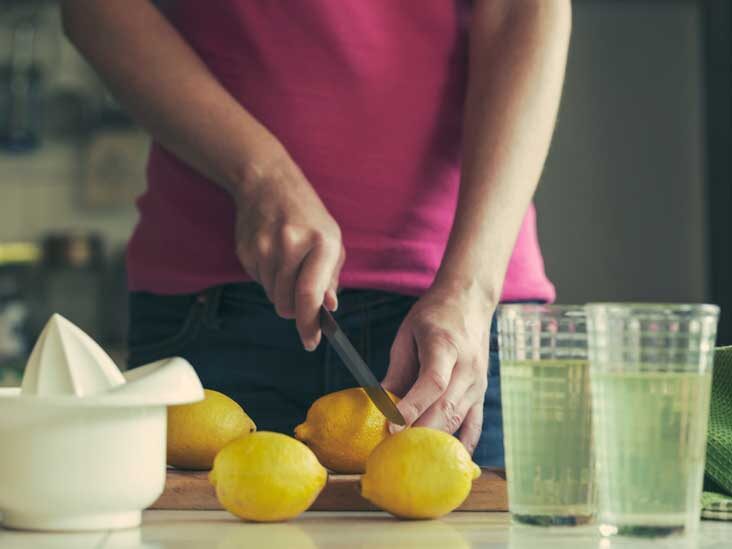
Today’s Kitchen Table Fix: Put olive oil on your bread and veggies instead of butter. Always make your own salad dressing with olive oil and lemon or balsamic vinegar.
Reference: “Oxidative DNA Damage Is Prevented by Extracts of Olive Oil, Hydroxytyrosol, and Other Olive Phenolic Compounds in Human Blood Mononuclear Cells and HL60 Cells” J. Nutr. 138:1411-1416, August 2008.
What is your favorite use of olive oil? Feel free to leave your links and ideas in the comments section.
Thanks for stopping by my kitchen table!
~Dr. Nicole Sundene
©KitchenTableMedicine.com, LLC ™Vegetarian Protein: Not just for Vegetarians
September 18, 2008 by Dr. Nicole Sundene
Filed under ADHD, Anti-Aging, Anti-Inflammatory, Anxiety, Diabetes, Diet Tips, Kitchen Sink, Nuts, Protein, Reader Questions, Vegetarian
Hi Dr. Nicole, I would like to start eating more vegetable proteins and less meat, but am not sure how to do so healthfully. Do you have any suggestions?
Eating vegetarian sources of protein at each meal is beneficial to both omnivores and vegetarians alike.
Moving towards more of a plant based diet will aid weight loss, benefit both those with diabetes and hypoglycemia by reducing the “total glycemic load” of your meal, reduces pain and inflammation, slows the aging process, reduces the toxic burden placed on your liver by eating high on the food chain, and saves the planet by eating less meat.
So what are the best forms of vegetable proteins?
Now I bet most of you are shouting “beans and rice” or “tofu” right now, and that is good, and I am VERY proud of you, but there is more to vegetarian sources of protein than meets the eye.
Whether you choose to be a full fledged vegetarian, or you decide to be just like me and eat less than one meal per day that contains animal products in it, you will benefit from the wisdom of the author of “Live Life 365″, an immensely inspiring video website that actually shows you how to be healthy.
Please welcome to the kitchen table today’s guest, Mike Foster!
So, Mike, what led you towards becoming a vegetarian?
I wasn’t always a vegetarian. Back in the day, I used to be seated right beside some of you, gnawing away on that rib bone, masticating that filet mignon, devouring a double double from my (former) favorite burger place, In-n-Out. I was an animal-eating carnivore most of my life—just like over 90% of the population. Then I had some blood work done and got a glimpse of my cholesterol levels.
Yikes!
Here’s the thing: I was never what you would call a BIG meat eater. More often than not, I was just as interested in the vegetable and salad portion of my meal as the animal protein part. And once I’d done further research about the contributing factors of high cholesterol (mine, by the way, was closing in on 300) and unhealthy weight gain—namely: saturated fats—it made perfect sense to gradually cut down on the meats. Years before I became a full-time vegetarian, I often would go days without consuming any animal protein. My palette, as well as some deeper region of my subconscious, was changing, sounding an alarm: Reduce your saturated fats or die!
Okay, Mike, you can stop with the dramatics. But it was a wake-up call, and my unhealthy cholesterol and weight gain (I was up over 200 pounds—far too heavy for my barely 5’ 11’’ frame) forced me to do something else—discover healthier eating options. More to the point: I needed to reduced saturated fats, which meant limit the consumption of animal proteins.
So without animal protein in your diet, what do you eat? How can you POSSIBLY survive without meat? (Just a little humor on behalf of all my carnivorous readers out there).
Here are some of the best sources of vegetable protein that I incorporate into my daily eating routine. Eat as much of this stuff as you can and you will not only get the necessary amount of protein into your diet, but tons of fiber (a good thing!). All without those harmful saturated fats; instead filling up with the good fats: monounsaturated and polyunsaturated fats.
NUTS
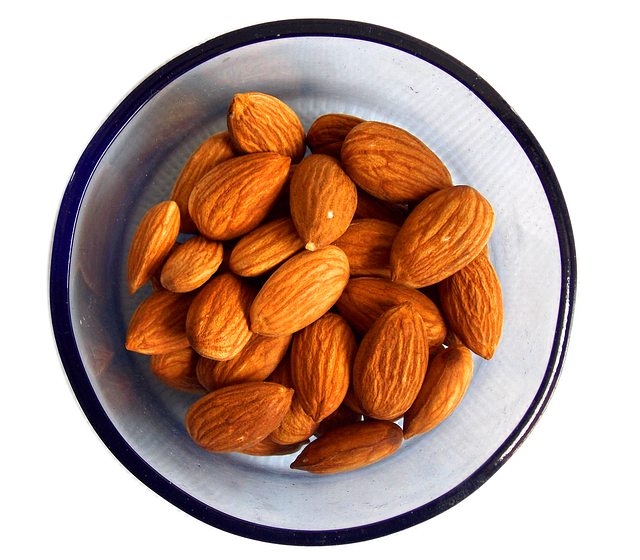
I eat nuts every day—mostly almonds, but all nuts have a decent amount of vegetable protein. In addition to almonds, eat walnuts, Brazil nuts, pistachios, even peanuts. They have anywhere from 6-8 grams of protein and 3.0 grams of fiber. I also suggest trying some of the butters. Almond butter is delicious and has 8.0 gms of protein per serving.
BEANS
I love Mexican food, and eat it at least twice a week. I’ve found that you can replace just about any of the meat dishes with healthy black beans (7.0 gms protein/7.0 gms fiber) or refried beans (be sure to check if they are made with lard, in they are, opt out). There are dozens of varieties of beans (see one of my previous blog posts, You Don’t Know Beans…or Do You?); pinto, navy, garbanzo—add them to salads or eat as a side dish. Most have around 6-8 gms of protein and about the same amounts of fiber.
And don’t forget lentils. These tasty tidbits are loaded with vegetable protein—10.0 gms. And 9.0 gms of fiber.
WHOLE GRAINS
I eat a high-protein, whole grain cereal every other day. Kashi makes excellent products. Try their Go Lean. It has 13.0 gms of protein per serving, also 10.0 gms fiber. I mix mine with their Good Friends (5.0 gms protein/12.0 gms fiber) for a vegetarian protein and fiber blast (pun intended!) The days I don’t eat whole grain cereals, I have some toasted whole grain bread (4-6 gms protein; shop around and read labels, some have more protein than others. I recommend Milton’s) with almond butter. You can see how the vegetable protein is adding up, huh?
Pastas, especially whole grain pastas, are another great source of vegetable protein. Most have at least 6-8 gms, while some go as high as 12-15 gms. Again, read labels, and you will be pleasantly surprised by all of the healthy vegetable protein options available to you.
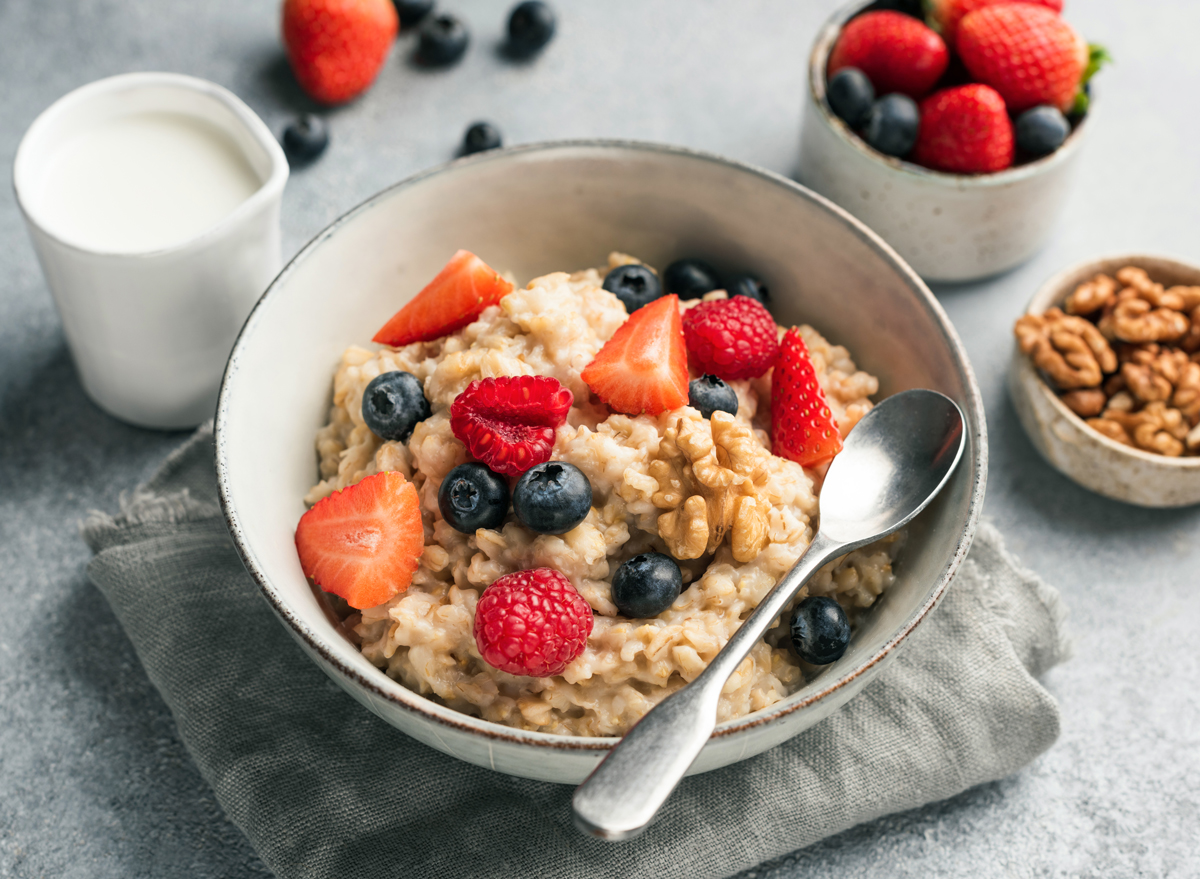
I also eat oatmeal (8.0 gms protein/ 6.0 gms fiber) every day. And wild rice will get you around 5.0 gms of vegetable protein per serving.
VEGETABLES
Not all veggies are created equal. Some have more protein than others. Here are the ones you should look for when looking to increase your vegetable protein consumption:
SOY
I eat edamame, or soybeans, (11.0 gms protein/ 6.0 gms fiber) several times a week. I like to mix in another vegetable, usually broccoli (5.0 gms protein/ 4.0 gms fiber), add a little olive oil, salt, pepper. How’s that for veggie protein? Also, soy chips are a wonderful source of protein: 6.0 gms–I like Glenny’s and Gen soy. And Dr Soy makes a tasty soy bar (11 gms protein) that I devour most days.
ALSO:
Avocado: (4.0 gms protein/8.0 gms fiber)
Peas: (5.0 gms protein/ 4.0 gms fiber)
Corn: (4.5 gms protein/3.0 gms fiber)
Lima beans: (6.0 gms protein/4.0 gms fiber)
Brussels sprouts: (4.0 gms protein/3.0 gms fiber)
Artichoke hearts: (4.0 gms protein/4.0 gms fiber)
Asparagus: (4.0 gms protein/3.0 gms fiber)
This is by no means a complete list, and a lot of it is personal preference. But, as you can see, the variety of vegetable proteins available to you are endless. And the best part—they are low in saturated fats, high in good fats, loaded with fiber, vitamins, minerals, and nutrients that contribute to a longer, happier, skinnier, healthier life.
Thanks Mike for being my guest this week at the kitchen table. How can my readers learn more about eating a healthy vegetarian diet?
As always, you can watch me talk about all of these healthy topics at my video website, livelife365.com.
If you would like to be my next guest at the kitchen table, simply contact me with a suggested health topic.
~Dr. Nicole
www.KitchenTableMedicine.com
How Can I Get Enough Calories On the Anti-Inflammatory Diet?
September 11, 2008 by Dr. Nicole Sundene
Filed under Anti-Inflammatory, Kitchen Sink, Reader Questions, Weight Gain
Question: I’ve started the “Anti-inflammatory Diet” because I’m in a LOT of pain all the time. It is to be expected because there is a family history of Rheumatoid Arthritis. I’m sure I’ve exacerbated it further with contact sports, and a 13 year career in roofing construction.
That being said, I can’t stop working, obviously. And roofing is what I know. So, a problem that I foresee, is that I NEED a high calorie intake for what I do for work. I’m definitely burning off any calories I take in from my daily activities.
To the point, do you know off-hand of any high calorie, inflammatory-friendly foods? With fruits and vegetables and fish, I would literally have to eat ALL day to keep up with a 2500 calorie a day diet.
Thanks,
Mike
Answer: Hi Mike, thanks for the great question. I can see why that would be such a concern for you being so physically active throughout the day. I would recommend that you read my article on “The Healthy Weight Gain Diet” and add those tips to my advice for eating to reduce your inflammatory load.
You can easily add more calories in to your diet by adding high quality vegetable oils such as olive oil and canola oil. Because the phenolic acids in olive oil have been shown to have antioxidant benefit this should also reduce inflammation while boosting calories. I would also add RAW nuts and nut butters to your diet liberally as they are excellent sources of protein and fat.
I would start my day with a protein shake that includes whey protein powder (I use Designer Protein) a banana, 3 tablespoons of ground flaxseeds, and some almond butter or other sort of non-peanut nut butter. Check out “Dr. Nicole’s Smoothie Recipe” to learn how to make a smoothie. A high calorie smoothie full of protein and fiber should keep you full and satisfied feeling until lunch, while also reducing your inflammatory load.
You can smear avocados on sandwiches to increase calories or enjoy them as a snack as well. Coconut milk is rich in medium chained triglycerides and thus is a delicious and healthy source of calories! Keep in mind that there are plenty of athletes out there that eat a vegan diet and are able to still participate in endurance activities. It can be done, it just takes some time to find some new things that you like!
Remember that inflammation is not just about food it is also about smoking, alcohol, stress, and other lifestyle factors. If you are concerned you may have rheumatoid arthritis you should make a visit to your family doctor so they can do some blood work to test for that, if it turns up positive they will refer you to a Rheumatologist for further evaluation.
If chronic pain is already an issue for you now, you really may want to consider what kinds of career options may better suit your future needs. Most younger guys eventually tend to burn out and have to start their own construction company so that they can have more of a position in management than in labor.
Hope that gets you started in the right direction!
If anyone else has any tips for Mike feel free to leave them below in the comments section.
Thanks for stopping by my kitchen table to ask the question!
~Dr. Nicole
©KitchenTableMedicine.com, LLC ™Heart Healthy Herbal Cocktail
July 2, 2008 by Dr. Nicole Sundene
Filed under Anti-Aging, Anti-Inflammatory, Antioxidants, Diarrhea, Fat Burners, Heart Disease, Kitchen Sink, Pain Management, Pediatrics, Recipes, Sports Nutrition, Sugar Substitutes, Weight Loss
By Dr. Nicole Sundene
With the hot summer months upon us (well not so much in Seattle today), I thought I would share my favorite herbal iced tea recipe to help you “Unleash your inner fabulosity”.
Mixing fat burning green tea with pomegranate juice is a most delicious delivery system for the heart healthy antioxidants, proanthocyanins, bioflavonoids, and polyphenols that protect our cardiovascular systems from the ravages of inflammation.
Ultimately these gifts from nature work synergistically to preventing heart disease and aging. Green tea is also a known fat burner, and can be consumed copiously by dieters for its thermogenic properties.
Ingredients:
- 8 bags of Green Tea.
- 1 cup pure Pomegranate juice (Trader Joes has a great organic one that I like).
Directions:
- Steep eight tea bags with seven cups of boiling water for about 15 minutes in a Pyrex container.
- Remove tea bags.
- Allow to cool to room temperature.
- Add 1 cup of pomegranate juice (Or to taste).
- Chill and serve over ice cubes.
- Drink several glasses daily to prevent heart disease, and increase fat burning.
- One eight ounce glass is only about 20 calories! If you are trying to get off diet soda, a Villain of the Kitchen Table, this Whole Foods cocktail should be your new best friend! Diet pop actually makes you fat, this recipe will burn fat.
Variations:
- For parties add some festive garnishes: Mint, lemon balm, lavender, fruit, and edible flowers will surely make you look like Martha Stewart gone on a health rampage. Plop a few frozen blueberries or raspberries in there as well to make it look interesting, or chop a bunch of fruit and create an herbal non-alcoholic “sangria” for your guests.
- Black tea is also high in polyphenols for those that don’t care about burning fat, you may also use Oolong, White Tea, or any herbal tea. Have fun with the ingredients you have readily on hand.
- For stress relief, grab a box of herbal stress relief tea like Celestial Seasonings “Tension Tamer” or a “Night Night” tea and enjoy iced with your favorite fruit juice.
- For diarrhea, mix heavily steeped black tea with blueberry juice. The tannins have an astringent quality on the gut that serve to stop diarrhea. For extra tannins, try a bit of cinnamon too if you like!
- Add a pinch of sea salt and you have yourself an herbal fat burning organic sports drink! For long work out sessions you may also want to increase the amount of juice in the recipe.
- For sick children, mixing pure juice and prescribed herbal teas (not caffeinated!) prevents dehydration while also treating illness. Add a pinch of sea salt for electrolytes.
If you have your own favorite herbal iced tea recipe, feel free to share it in the comments section.
Isn’t being healthy so much fun?
Thanks for stopping by my kitchen table!
~ Dr. Nicole Sundene
Naturopathic Physician
www.KitchenTableMedicine.com
![]()
Fibromyalgia and Vegan Diet
June 27, 2008 by Dr. Nicole Sundene
Filed under Anti-Inflammatory, Fibromyalgia, Research, Vegetarian
By Dr. Nicole Sundene
“Can the Kitchen Table Cure Fibromyalgia?”
When implementing the vegan diet it just might!
Research listed below shows dramatic and promising improvement for those with fibromyalgia by simply adopting a whole foods vegan diet that emphasizes increased fruits and vegetables and the elimination of all animal products such as meat, dairy, and eggs.
From my clinical experience, eating an Anti-inflammatory diet is extremely beneficial for those with chronic pain. Vegan diets are probably beneficial because they are free of the evil kitchen table culprit “arachidonic acid” found in animal fats that most traditional prescription and over the counter pharmaceutical agents work to block.
To spare you all the biochemistry blah blah blah, let’s just say that arachidonic acid becomes inflammation. By implementing an anti-inflammatory eating plan or vegan diet, those challenged by the chronic debilitating pains of fibromyalgia just might experience a dramatic increase in pain relief, as well as less overall need for using medications.
Remember that less medicines, means less side effects. Less side effects means less medicine needed to address side effects of medications. Don’t get caught up in the snowball down spiraling effect of chronic prescription drug use if you can achieve similar if not better results with diet.
The kitchen table is truly the heart of medicine. If you are chronically ill, please consider giving yourself the gift of a healthy whole foods diet!
Going vegan may just be the answer to this painful condition. At the very least do your best to eliminate McInflammation. Be sure to always check with your physician before making any changes to your diet or lifestyle.
Other researched therapeutics that may be helpful for fibromyalgia:
- Eliminate MSG, aspartame, and other “Kitchen Table Villains”.
- Allergy Elimination Diet.
- Reduce stress.
- Gentle exercise, especially swimming.
- Fish Oil
- Magnesium malate and malic acid.
Research on Vegan Diet and Fibromyalgia:
- PMID: 11093597; Vegan diet alleviates fibromyalgia symptoms.Scand J Rheumatol. 2000;29(5):308-13.
- PMID: 11602026; Fibromyalgia syndrome improved using a mostly raw vegetarian diet: an observational study.BMC Complement Altern Med. 2001;1(1):7. Epub 2001 Sep 26.
- PMID: 11508070; Vegetarian diet in the treatment of fibromyalgia.Bangladesh Med Res Counc Bull. 2000 Aug;26(2):41-7.
- PMID: 11093597; Vegan diet alleviates fibromyalgia symptoms.Scand J Rheumatol. 2000;29(5):308-13.
- PMID: 11408989; Relief of fibromyalgia symptoms following discontinuation of dietary excitotoxins.Ann Pharmacother. 2001 Jun;35(6):702-6.
- PMID: 1802495; Diet and disease symptoms in rheumatic diseases–results of a questionnaire based survey.Clin Rheumatol. 1991 Dec;10(4):401-7.
- PMID: 2049586; Primary fibromyalgia and the irritable bowel syndrome: different expressions of a common pathogenetic process.Br J Rheumatol. 1991 Jun;30(3):220-2.
- PMID: 11156742; Antioxidants in vegan diet and rheumatic disorders.Toxicology. 2000 Nov 30;155(1-3):45-53.
Thanks for stopping by my kitchen table!
~Dr. Nicole
Naturopathic Physician
©KitchenTableMedicine.com, LLC ™Anti-Inflammatory Diet
February 29, 2008 by Kitchen Table Medicine
Filed under Anti-Inflammatory, Antioxidants, Arthritis, Cancer, Cholesterol, Chronic Fatigue Syndrome, Heart Disease, High Blood Pressure, Inflammation, Injury Care, Lupus, Pain Management, Rheumatoid Arthritis, Sjogrens
Who should be on the anti-inflammatory diet? Well– just about everyone!
Anyone with arthritis, chronic pain, chronic disease, cancer, cardiovascular disease such as high cholesterol and high blood pressure, autoimmune conditions such as rheumatoid arthritis, lupus, or sjogrens, as well as those looking to slow the aging process and disease prevention will benefit from an anti-inflammatory eating plan. Eating healthy is the gift that keeps on giving!
My first day in Human Pathology class back in med school I learned about how inflammation led to cellular destruction and that cellular destruction was ultimately the root cause of disease. Little did I know at the time that it was just about everything I needed to know for treating disease. Many years later, as I watch most chronic disease clear up if not vastly improve just from the implementation of the anti-inflammatory diet, I am consistently reminded of the importance of treating the inflammatory load in the body.
To understand the detriments of inflammation on a cellular level, imagine that your body is a factory.
Now let’s pretend that the cells that make up all your tissues are simply the product of an assembly line in this factory. The factory is required to produce a certain quantity of functional cells every day, regardless if cells are destroyed or made improperly. Every time the factory loses cells, or makes dysfunctional cells, the assembly line will then need to speed up that much more in order to achieve that day’s production quota.
I’m sure you can quickly see that the faster the line speeds up the more room for error there then becomes.As the line speeds up to max capacity quality goes down and quantity of error goes up.
In order to manage the “factories” called our bodies properly we must learn how to keep the assembly line running at a nice steady consistent virtually error free rate.
So what causes these errors?
Arachidonic acid is the biochemical “mother of all evil” when discussing inflammation.
Most pharmaceutical medications as well as anti-inflammatory herbs work to inhibit the enzymes like cycloxygenase and lipoxygenase that convert this bad fat in to the inflammatory products that cause us pain, destroy our joints, and ultimately make us sick. Most physicians heavily rely on anti-inflammatory meds like “COX Inhibitors” also known as “NSAIDS” that are either prescription or over the counter pain relievers for treating a myriad of complaints. COX just stands for cycloxygenase. COX is the enzyme that converts arachidonic acid in to inflammatory products that cause us pain or make us sick.
Why depend on taking a daily drug to reduce inflammation when you can simply achieve the most of it through diet?
Arachidonic acid (AA) is the fat found primarily in animal fats. The body can still produce AA on it’s own from vegetable fats in the event that we do need some inflammation to help the healing and remodeling process that is necessary for short term illness and injury. However the body tends to REALLY overshoot when it comes to inflammation.Anyone that has had some very painful swelling from an injury can understand how unnecessary most of the inflammatory response actually is. When dealing with chronic inflammation however, we need to do the best that we can to tone down this overshooting of the inflammatory response.
Fried foods are just like throwing gasoline on the inflammatory fire.
The unstable molecules in the fried foods just contribute to the chaos.
- The best thing you can do for your long term health is to get fried foods out of your diet. Do not use butter or margarine.
- Please never use shortening!
- Olive oil should be used at all times unless cooking over 350F which then cold pressed canola or rapeseed oil should be used.
- Flax seed oil should not ever be used for cooking due to it’s low smoking point, but can be used as salad dressing, or drizzled over steamed veggies for a nutty flavor.
The other most important step is to reduce if not eliminate animal fat consumption. This is why many people do well on a vegan diet (no animal products at all). You should check with your doctor to determine if a vegan diet is the right choice for you, as it is not the easiest to follow and may not be recommended for your particular body type and metabolism. At the very least you can eliminate red meat from your diet, all processed meats like hot dogs and sausages should absolutely be avoided as the nitrates in them particularly increase inflammation, as well as the ridiculously high fat content. Eggs have a high AA content and thus are best to be avoided or consumed in moderation.
Remember: Animal fat=Inflammation.
Eat lean poultry, fish, and plenty of wild Alaskan salmon.www.ewg.org to find a list of low mercury content fish that are not endangered. Fat free organic dairy products may also be acceptable for those without severe disease.
Although consuming omega 3 fats in the form of Alaskan salmon is most optimal, I understand it is not always practical.Those with severe inflammation will benefit from adding cod liver oil or fish oil in to their diet. Check with your naturopathic doctor to determine the dose that is appropriate for you. Those with bleeding disorders and on anti-coagulant medications should not take fish oil. The reason that fish oil is so anti-inflammatory is that it competes with arachidonic acid for the same enzymes to produce opposing products.In the presence of fish oil, arachidonic acid has less raw materials to produce inflammatory products. The average daily dose of fish oil is about 1tsp to 1 tbl daily. Be sure to take it with food. I like the lemon flavored cod liver oil by Carlson in the green bottle. It can be found at any health food store.
Other substances in the diet aside from arachidonic acid can also lead to inflammation.Anytime you have food allergies or intolerances, you will have an increased level of inflammation in your body as your immune system is forced to work overtime.You can do an ALLERGY ELIMINATION DIET to determine which foods you are most sensitive to.Most patients are triggered by a favorite food. Not typically what anyone ever wants to hear, but that is why I get paid the big bucks to be the bad guy. Aside from favorite foods top inflammation offenders are: Wheat, dairy, soy, citrus, peanuts/nuts, corn, chocolate, alcohol, caffeinated beverages, bananas, and beef.
Now at this point after I recite such a list most patients will look at me and say “But Doc that is my entire diet!” which then I will be forced to respond “Well no wonder you are so sick…”It may seem tough at first, but giving up foods that make us sick means giving up disease, and ultimately being healthy is what makes us the most happy and productive. Nothing should be more important to you than your health.Especially not a silly little food! If you are having a difficult time with these changes, and demonstrating to yourself this level of care and self love, please work with a therapist to sort out the issues surrounding making the necessary health improvements.
Some patients will notice a marked improvement in their arthritis by avoiding the night shade family, some will not.
The “night shade” family is comprised of potatoes, eggplant, tomatoes, and peppers.The chemical solanine is thought to specifically cause pain in some individuals although it is not specifically researched.
You can try a 2 week elimination of the nightshade family with a re-introduction challenge as explained on the ALLERGY ELIMINATION DIET page and see if these foods are problematic or not. You will simply need to play around with all these foods that typically cause allergies and irritations and figure out which if any are causing you trouble. Typically after a week you should notice a marked improvement without that food in your diet, more severe disease may require two to three weeks without the food. Children respond faster and will typically resolve in 3 to 4 days.
Reducing sugar consumption is also key to reducing the inflammatory load.
Sugar basically “rusts” our system. Sugars in our system get stuck to healthy cells and basically “tags” them for destruction.A process called “glycosylation”.To prevent this inflammatory/aging process start with eliminating all white refined sugars and flour products like white breads, bagels, white rice, and other “evil white foods” from your diet.Find substitutes whenever possible, and enjoy your favorites judiciously. Follow the LOW GLYCEMIC INDEX DIET and learn how to appropriately pair high protein and high fiber foods with your carbohydrates to reduce the total glycemic load, which will stop your system from prematurely “rusting”.
Learn to eat more cleanly by adopting a WHOLE FOODS DIET.
Getting processed foods out of your diet is extremely important.So now that we have discussed the bad stuff in the diet that needs to go, let’s talk about the good foods that should be eaten liberally. Certain foods have magical anti-inflammatory properties. The more you can learn to use foods as medicine, the less medication you should inevitably be required to take.
Foods as medicine are great for people that already are on medications as they are less likely to have negative interactions than herbs and other natural supplements.
Please however always check with your doctor before making any changes to your health care routine.
My favorite anti-inflammatory food is BLUEBERRIES
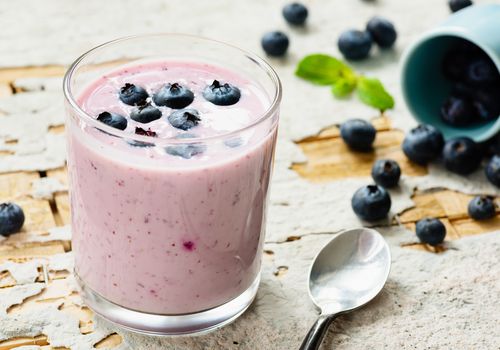
I prescribe one cup of frozen blueberries daily to all my patients with inflammation, heart disease, or diabetes. Most people are happy to add such a delicious food in to their diet, but occasionally I will have a patient balk at the cost of eating so many blueberries each month.If you are already taking medications or other supplements, you are clearly paying quite a bit for your health already so adding a superfood in like blueberries is well worth the $30 a month. You could buy a bottle of some herbal product for that same price, or you could just enjoy eating blueberries.
- Blueberries are highly anti-inflammatory and their proanthocyanin behavior is fundamentally protective to our cardiovascular system.
- In my opinion there is not a more delicious, advantageous way to improve your health than by eating a cup of frozen blueberries a day.
- I like to enjoy them as an evening snack, and let them sit out and thaw about 20 minutes before eating.
- You can also add them to smoothies or your morning cereal.
- Cooking them does not destroy their important pigments, and the freezing process actually makes these proanthocyanins more bioavailable for absorption. A rare exception to the rule that fresh is best!
Green leafy vegetables should also become your new best friend as they are an important anti-inflammatory and anti-oxidant food.
Greens are chock full of magnesium a nutrient that most of us are typically deficient in anyways, eating as many servings of green vegetables daily as possible will serve you well. A diet of brown rice, vegetables, lean meats, non-citrus fruits, water and green tea is the ultimate goal to work towards.And honestly, it is the basis of nearly every “therapeutic diet” that we prescribe for just about every disease out there. No wonder treating inflammation is so fundamentally important!
If you add in some turmeric (found in curry spice), ginger, and green tea you should do really well with reducing your total inflammatory load.
Turmeric is a natural COX2 inhibitor and is a better anti-oxidant than vitamin E. Ginger is highly anti-inflammatory as it inhibits phosopholipase which then has the dual effect of inhibiting both COX and lipoxygenase .The catechins in green tea are shown to be anti-oxidant and inflammatory modulating. These can be enjoyed as foods or taken in supplements. Again if you are on any medications please check with your physician before using any herbs or making any changes to your health care routine.
Last but certainly not least is my plug on addressing your emotional state.
Toxic emotions such as anger, depression, and excessive worry or anxiety can lead the body out of balance. A new exciting research field on the forefront is “Psychoneuroimmunology” this is the study of how our emotional state affects our nervous system and how that in turn affects our immune system.The immune system is largely responsible for most inflammation.Having a positive mind set and letting go of past issues is as important as diet in experiencing optimal wellness!
So that is my simple anti-inflammatory formula for success.
Follow the recommendations in order systematically making one change at a time, or start with the changes that will be the most simple for you to build up your confidence and energy to deal with some of the tougher ones. If you are doing all of that and still noticing symptoms after some marked improvement you should continue to work with your Naturopathic Physician or other healthcare provider to determine what other dietary modifications or alternative medicines will benefit you.
Please do drop me a comment if you have any questions!
~Dr. Nicole Sundene
Naturopathic Physician
www.KitchenTableMedicine.com
REFERENCES
“Biochemistry” Fifth Edition by Berg, Tymockzko, and Stryer. “Herbal Medicine: From the Heart of the Earth” by Sharol Tilgner, N.D. “Medical Herbalism” by David HoffmanEastwood MA. Interaction of dietary antioxidants in vivo: how fruit and vegetables prevent disease. QJM 1000;92(9):527-530 Hidaka H, Ishiko T, Furuhashi T, et al. Curcumin inhibits interleukin 8 production and enhances interleukin 8 receptor expression on the cell surface: impact on human pancreatic carcinoma cell growth by autocrine regulation. Cancer. 2002;95(6):1206-1214John JH, Ziebland S, Yudkin P, et al. Effects of fruit and vegetable consumption on plasma antioxidant concentrations and blood pressure: a randomized controlled trial. Lancet. 2002;359(9322):1969-1974. Kremer JM. N-3 fatty acid supplements in rheumatoid arthritis. AM J Clin Nutr. 2000;71:348-351.McDougall J, Bruce B, Spiller G, et al. Effects of a very low-fat, vegan diet in subjects with rheumatoid arthritis. J Altern Complement Med. 2002;8(1):71-75Seaman DR. The diet induced proinflammatory state: a cause of chronic pain and other degenerative diseases? J Manipulative Physiol Ther. 2002;25(3):168-179.Stark AH, Madar Z. Olive Oil as a functional food: epidemiology and nutritional approaches. Nutr Rev. 2002;60(6): 170-176. Kawachi I, Sparrow D, Spiro A III, et al. A prospective study of anger and coronary heart disease. The Normative Aging Study. Circulation 1996;94(9):2090-2095Kawachi I, Sparrow D, Vokonas PS, et al. Symptoms of anxiety and risk of coronary heart disease. The normative aging study. Circulation 1994;90:2225-2229. Kiecolt-Glaser JK, McGuire L, Robles TF, Glaser R. Emotions, morbidity, and mortality: new perspectives from psychoneruoimmunology. Annu Rev Pschol. 2002;53:83-107
A user friendly book I recommend on this topic is “The Inflammation Cure” by William Joel Meggs, M.D., Ph.D. if you would like to read more on the biochemistry of what I have discussed here.