Amen to the Obesity Tax, Let’s Just Call it Something Else

PhotobucketBy Dr. Nicole Sundene

Honestly, I’m not sure if the NY officials in charge of the “Obesity Tax” truly intend to call it thus, or if the media has just coined the phrase.

However, there are many more causes than just soda when it comes to obesity. And there are many more ills upon society that soda is at fault for.

Furthermore, beverages with sugar substitutes such as aspartame and splenda (sucralose) also make people fat so those should be equally taxed as the Cephalic Response created by these sweet flavored toxins makes us hungry, which makes us eat more, which makes us fatter.

Also, I would suggest that New York tax juice containing High Fructose Corn Syrup. The only thing that makes me mad about the obesity tax is that it is called the “Obesity Tax.” Why pick on people who are overweight? Poking fun at someone for being obese or “taxing them” is truly unfair and perhaps unconstitutional.

Six Better Names for the “Obesity Tax” Photobucket

#1 The Water Tax: How about just straight across the board tax all beverages that are not plain water? Water is what nature intended for humans to drink after they were weaned.

I wish it was mandatory for all vending machines to sell bottled water at a four time reduced rate than the typical vending beverage. When we see water priced the same as a fruity looking or flashy drink we immediately feel deprived if we pick water, and from a psychological standpoint we all want to get the most for our money.

Not all beverages are unhealthy, but they all still have containers that place an environmental burden on our planet and our seventh generation. I say we tax everything but water, and let water, the “pristine health beverages for all humans”, be tax exempt from this environmental fee.

Photobucket#2 The Dental Carry Tax: Why haven’t dentists spoken up on this issue? I’ll bet we could fund dental coverage (and maybe even some bling diamond grills) for all the kids in America and Africa if we taxed both sodas and refined candies. It’s not just the HFCS in sodas that is the problem; it is the acids that erode enamel, with sports drinks like Red Bull being the worst offenders.

#3 The Diabetes Tax: PhotobucketDiabetics cost the health care system $13 dollars per every $1 dollar that is spent on the average healthy person. Now I don’t need a bunch of hate mail from Type I diabetics, although you all know that you shouldn’t be drinking HFCS either, but people in America are literally drinking themselves diabetic with soda consumption.

It is not normal to drink calories unless you are getting them off your mother’s teat. For everyone else, water and herbal tea should be staples while red wine, organic coffee, and pure fruit juice can be enjoyed in moderation in exchange for their beneficial antioxidants.

Photobucket#4 The Pollution Tax: If you are purchasing a bottle that cannot be recycled or reused then the environment should have the right to tax you!

Plastic bottles in our landfills are a problem that no one within the last century has taken a seriously critical look at. Plastics have really only been on the scene since 1950 and their use has only escalated in the last few decades.

What most people don’t consider with plastics is that we have introduced a new substance into the environment, and in LARGE quantities.

Some constituents such as phthalates, BPA, and other such “xenoestrogens” are already showing carcinogenic qualities as well as issues with endocrine system disruption as their steroidal molecular structure weakly mimics estrogen and thus may be a culprit or contributor to estrogen sensitive cancers.

We are already seeing an increased percentage of females species in smaller species.  Larger species are yet to follow.  As much as I am for equal rights I don’t think that plastics are the best way for women to take over the world!

Think of all the plastic in our landfills that will inevitably break down in a thousand years. The pollution from that will likely wipe out all human existence. But that is just my biochemical and medical opinion…and what do I know after ten years of studying this stuff.

If I get to place a vote on what New York should call this tax, I vote to call it the pollution tax. We need to be drinking filtered water out of our reusable glass jars or Klean Kanteen containers. Photobucket

#5 The Bad Parenting Tax: If you are feeding your kids tons of sodas and hotdogs, and not actual whole food and balanced nutrition then you should be taxed. If you aren’t doing it that often, then you shouldn’t even notice the increased 20 cents on the beverage.

Hopefully this “parenting tax” will go towards better parent education for parents, and television programs that will both educate and inspire parents to provide more wholesome foods for children. It isn’t just about their childhood, you know?

They are going to grow up with the habits that you teach them. The habits they see in you will influence them and they are going to end up a casualty of the American Health Care Crisis, which is actually a problem caused by the food that graces our kitchen tables…or worse yet, our cars and minivans when we drive through.

Photobucket #6 The Health Care Burden Tax: Aside from the aforementioned soda consumption is also implicated in osteoporosis and heart disease.  Two GIANT burdens on the health care system.

Americans are soon to likely overtake Finland in the challenge to become the MOST unhealthy country in the world. I am not sure how it is possible that Finland is more unhealthy than us–what are they chain smoking and chugging lard for breakfast?

I’m not sure, but Barack Obama will never be able to fix the health care crisis until he fixes the crisis at every American kitchen table. What we need is not health care what we need is AFFORDABLE healthy food.  Imagine if the billions of dollars wasted on prescription meds were actually funneled in to healthy eating and nutrition programs for all Americans?

We know diet and lifestyle prevent disease. However, our cheap processed food options limit us from practicing true prevention. The Reason why our healthcare system is in crisis is that Americans eat the cheapest food they can possibly find. Is this just the case in strapped families and broke college students? No. We have CEO’s of companies feeding their kids mac and cheese from a box, hot dogs, and dinonuggets when they can easily afford better.

You are what you eat. Set the example for young children now, as at these rates likely one in three children born today will end up diabetic. Europeans shop from produce stands and local delis three times a week. Americans shop at large Warehouses to stock up on bomb shelter food monthly.

This has to change.

Con’s of the Obesity Tax:

  • Obesity is a clinical term and diagnosis and it is unfair to tax individuals and stigmatize them.
  • The money from the obesity tax will be utilized for balancing the NY state budget and will not directly go towards improving health care, helping obese people lose weight, or anything of the like.
  • Many people don’t believe taxing is the answer.  I’m Swedish so I say tax away! You can feel free to send me hate mail on this one if you wish, but I already get enough.  Trust me.

Pro’s of the Obesity Tax:

  • Makes unhealthy food products less affordable.
  • Media coverage of this tax has brought to national attention the crisis we have with soda consumption.
  • Increased awareness of High Fructose Corn Syrup.
  • Just like the cigarette tax, if it stops just one person from smoking and developing cancer then the tax is a success.  If we educate one person about drinking calories and they don’t become obese and diagnosed with Type II diabetes, then I call the “Obesity Tax” a success.

What are your thoughts on the Obesity Tax?

©KitchenTableMedicine.com, LLC ™


Best Chewable Fiber 2008

PhotobucketPhotobucket

The best fiber sources obviously come from whole food dietary sources.

However, occasionally we need a little something something to “cheat the system” and this is my favorite weight loss trick, as I have mentioned the importance of utilizing fiber for satiety and stable blood sugar in my “Favorite Weight Loss Diet of 2008″.

You should never take fiber with your vitamins or minerals as it will absorb them and defeat the purpose, however, two of these chewable fiber pills pack 4 grams of the needed 25 grams (if not more!) of recommended daily fiber. Don’t forget to take these chewable fiber pills with an eight ounce glass of water, as we never take fiber without water.

Fiber is therapeutic for those with diabetes, high cholesterol, hypoglycemia, in need of losing weight, and detoxing or in need of liver support. Fiber binds with cholesterol and toxins in the bowel and prevents the cholesterol and toxins from recirculating into our blood stream as I explained in my natural cholesterol lowering plan. Instead we eliminate the toxins and cholesterol out.

No, these chewable fibers aren’t as delicious as candy but they do satisfy the sweet tooth and come in both vanilla and chocolate Even better, they are not a psyllium based fiber, as many people do not tolerate psyllium (found in Metamucil) very well, and it can make them extremely gassy or constipated.

Most Americans only get about 9 grams of fiber each day, according to the latest studies. If you want to increase the “satiety index” (the amount of time you feel satisfied before you get hungry again) of your meal or snack and decrease the “glycemic load” as I recommend for weight loss, diabetes, and anti-aging simply have a few of these fiber pills with your meal!

I also have a few fiber pills when I am stuck in that inevitable bad eating situation, and fiber at the very least helps to mop up excess saturated fat that we consume, or when I am out running errands and want to make it home to eat instead of eating out.

I buy a bunch of these bottles and stash them everywhere: in my car, in my purse, by the fridge, etc. An ounce of weight loss prevention is worth a pound of cure and fiber is a fantastic way to manage hunger.

Between meals these fiber pills can be used as a little sweet snack. Remember they are not free of calories, and two tablets have 25 calories, but they are free of a lot of the other typical refined garbage that goes in to supplements.

Of course my purest friend Dr. Ben would recommend chewing on chia seeds as the best chewable fiber, but sometimes I just need a little something sweet to get me through the rough patches and prevent me from grabbing some McInflammation in a mad hungry hypoglycemic rage.

The Enzymatic Therapy line was established by naturopathic physician Dr. Michael Murray and is a great widely available trusted supplement brand.


©KitchenTableMedicine.com, LLC ™


3 Reasons to Care About Excess Sugar Consumption

PhotobucketI hope everyone had a Happy Thanksgiving Feast and did their best. If you are still struggling to get back on the Whole Foods Wagon I have invited Dr. Scott Olson, author of Sugarettes to chat with us about why we need to care about excess sugar consumption.

Hi Dr. Scott, why is the title of your latest book “Sugarettes”?

The name of my book came about as I was talking with a group of people about how destructive I felt sugar could be.

While I was talking, I was searching for an analogy to explain how drawn to sugar we are and how it destroys our health, when it occurred to me that cigarettes and sugar shared many common traits. I first said that sugar was like a “sugar-cigarette” and then the word “Sugarettes” stumbled out of my mouth.

That stumble began the year-long journey of research to uncover the truth about sugar addiction. What I did not realize at the time I first spoke the word “Sugarettes” was just how similar sugar and cigarettes really are: Sugar is every bit as addictive and harmful as cigarettes. As smoke fills a smoker’s lungs it slowly destroys lung tissue – so slowly that it is barely noticeable. Likewise, when sugar enters our blood stream it leads to weight gain, alters our blood sugar control mechanisms, and destroys our blood vessels – all so slowly that no one notices.

Why should we care about how much sugar we are consuming?

On the surface, it looks as if nothing is wrong with the sugar we consume: we hand it out to children, it is in most of the foods we eat, and we give it as gifts or reward ourselves for a job well done… it seems perfectly harmless. Think of the images you have in your mind when you think of sugar: sweet little girls, all sorts or woodsy creatures dancing about, sunshine, rainbows… the list is endless. All those sweet images, though, hide the underlying destruction that is going on in our bodies every time we eat sugar.

Sugar causes three main health problems:

#1 The first is that sugar contributes to obesity. High blood sugar, which is the result of eating large amounts of sugar, leads to the need for the body to store that extra sugar and that storage occurs as fat. The scientific support for link between sugar consumption and obesity is growing every day. Obesity leads to an increased risk for heart disease, diabetes, stroke and some cancers.

#2 The second problem has to do with the blood sugar regulation mechanisms in our bodies. Many people know that high blood sugar is controlled by insulin. Eating high-sugar meals leads to ever-increasing amounts of insulin in the body.

This perpetually high amount of insulin can lead to a condition known as insulin insensitivity.We know the diseases cause by insulin insensitivity as metabolic syndrome and diabetes. These two diseases, in turn, lead to a whole host of other diseases such as hypertension, kidney disease, peripheral vascular disease, cataracts, neuropathy, and in extreme cases: blindness and loss of limbs (amputation).

#3 The third major problem with sugar is that it is directly toxic to the body. While the science behind this destruction is a bit complicated, essentially what the sugar is doing is forming complexes with proteins in the body called glycated proteins.

The major proteins in the body that sugar forms complexes with are the protein in our blood vessels.Sugar is effectively destroying the blood vessel system throughout the body similar to the way smoke destroys the lungs of a smoker. Glycated proteins lead to all the problems we see in diabetics and people who consume sugar on a regular basis.

The blood vessels become destroyed by these glycated proteins and stop supplying essential parts of the body with oxygen and nutrients. In the kidneys this destruction eventually leads to kidney failure, in the eyes it leads to blindness, in the legs it leads to gangrene, in the heart it leads to heart attacks, in the brain it leads to strokes and so on…

Should we care about how much sugar we are consuming?

The answer is yes.

Photobucket

Thanks for being a guest at my kitchen table Dr. Olson!

Sign up for the 30 Sugar Free Days challenge that starts over at www.OlsonND.com on Jan 1st.

Grab your required reading assignment Sugarettes over at Amazon.com for inspiration and yes, I am making this required reading for all Americans.

©KitchenTableMedicine.com, LLC ™


Are You a Sugar Zombie?

By Dr. Scott Olson

Author of Sugarettes.

If you were a normal zombie, you would rise up out of your grave and stumble off in search of your craving: flesh. Sugar zombies, however, typically rise from their couch and go off in search of their craving: sugar. Sugar zombies yearning for sugar can sometimes only be satisfied with a pure sugary treat, but remember, certain foods act like sugar in the body (such are grains, chips, crackers, French fries and others…) and these “foods that act like sugar” are sometimes what the sugar zombie are searching for.

A funny thing about sugar zombies is that they can sometimes eat sugar even when they are not hungry and have just eaten. Do you remember going to a restaurant and having a full meal, and yet you still ordered desert? True sign of sugar zombieness.

Most people, when asked, will admit to some kind of sugar addiction and zombie-like behavior, but they often don’t realize just how strong that addiction can be, nor do they realize how much sugar can do to destroy their health.

What Science is Discovering about Zombies

Science is beginning to take sugar addiction serious. They have investigated how animals (mostly rats) act when they become addicted to sugar. Let’s take a peek inside the laboratory and see what they found out:

  • Rats who were allowed to eat as much sugar as they like, eat a ton of it. If fact, they will often eat more sugar than any other type of food. Sometimes, they become so addicted to sugar that they become rat sugar zombies and sugar is all they will eat.(1)
  • What happens when you addict rats to sugar and then take it away? Typically, they shake, tremble, become anxious and their teeth can even chatter.(2) They can also become much more aggressive. If this sounds like the symptoms of a junkie (or a zombie), you are exactly right. These typical withdrawal symptoms, show up in all sorts of other addictions, including smokers, drinkers, and drug addicts.
  • Scientists took the next step, they addicted rats to sugar, took it away and then they brought it back. Guess what happened? The rats binged on the sugar and ate much more than they previously did. If this sounds a bit like the last time you went on a diet and gained more weight than you lost, then you are a true sugar zombie. Binging when the addiction is removed and then brought back is a clear sign of addiction.(3)
  • When rats are under stress, they eat more sugar.(4) Once again, I’m guessing that this sounds a bit familiar to you? Do you eat more sugar when you are stressed?
  • Scientists have discovered that the brains of rats change when they become addicted to sugar and the changes in their brains are very similar to those of other addicts, including smokers, alcoholics and drug addicts.(5)
  • To test if a substance is really addictive, scientists will give animals the addicting substance (alcohol, drugs, nicotine…) and then give them a drug called an opioid antagonist. What the opioid antagonist does is block the brain from sensing the pleasurable aspects of the addicting substance. When opioid antagonists are given to sugar addicted zombie rats, they experience withdrawal exactly like rats addicted to morphine, alcohol or cigarettes.(6)

But are Zombies Hurt By Sugar?

Here is the real question you want to get to: You are a confirmed sugar zombie, but what is wrong with that? Well, it turns out, a lot! Sugar harms your body in three ways: it increases your weight, it leads to problems with insulin and blood sugar control, and it has a toxic effect on our blood vessels.

Let’s take a look:

  • Weight Gain: According to the scientific and medical communities sugar is really not associated with weight gain. These health professionals will tell you that sugar contributes to weight gain because it contains calories. This is true. But sugar also contributes to weight gain just because it is sugar. It works this way: Your body has certain basic energy needs and sugar (mostly glucose) is the fuel that runs your body. Once you have enough sugar-fuel for all your energy needs, your body tends to store all the extra sugar as fat (and sugar zombies eat meals that often create a large amount of extra sugar in the blood that will get turned into fat).(7)
  • Insulin Resistance: Sugar contributes to insulin resistance whenever blood sugar levels in the blood spike too high too often. When blood sugar levels in the body rise, insulin in the body also rises. Consistently high amounts of insulin in the body will eventually lead to cells down-regulating (or removing) insulin receptors; this eventually leads to a condition called insulin resistance (were the cells of the body are resistant to insulin) and diabetes. Insulin resistance does not develop when blood sugar levels are kept low.(8)
  • Toxic Effects: Surprisingly, sugar is actually toxic blood vessels in the exact same way cigarette smoke is toxic to the lungs. Sugar causes harm to the protein structure of the blood vessel walls, eventually leading to destruction. This destruction can be seen dramatically in diabetics who have kidney disease, eye disease, heart disease, tingling in hands and feet, and even blindness and loss of limbs – all due to the destruction of blood vessels. (9) This same destruction happens in sugar zombies who don’t have diabetes, only at a slower pace.

How to Break the Zombie Spell

Getting over sugar cravings is not easy, especially when you are a sugar zombie, but then getting over any addiction can be hard. Know that the efforts you make are well worth it as the destruction that sugar creates is enormous.

Try these tips to stop your zombie sugar cravings:

  • Eat more often: while this seems backwards, eating more often is much better for your blood sugar, your metabolism, and your sugar cravings.
  • Eat fruit: It is easy to overdo this, but focus on fruits that are low on the glycemic index and try to eat them after a meal where they affect blood sugar less.
  • Brush your teeth: This is a trick many people use to stop cravings and it will help your zombie smile.
  • Exercise: A simple walk is often enough to stop cravings as it gets you up and moving and away from your temptations.

Take these tips and walk away from your zombie life. Simply being aware that you are a sugar zombie will make a huge change in your life. Take your sugar craving seriously – as you would any other addiction: know that the road will be tough at times, but that you can do it. Your reward, on the other side of your addiction, is better sleep, more energy, less sugar zombie-like behavior and a healthier life.

Recommended Reading: Sugarettes

Dr. Scott Olson is a Naturopathic doctor, expert in alternative medicine, author, and medical researcher. Spurred on by his patients’ struggles with sugar addiction, he was determined to discover how addictive and harmful sugar can be and ways to overcome that addiction.

The result of that study is his book Sugarettes, which details the addictive qualities of sugar and the harm that sugar does to our bodies.

Dr. Scott also maintains a blog which highlights the latest in health and healthy living. Subscribe or stop by to check out his latest research on sugar addiction.

References:

1.Spangler R, Wittkowski KM, Goddard NL, et al: Opiate-like effects of sugar on gene expression in reward areas of the rat brain. Brain Res Mol Brain Res. 2004 May 19;124(2):134-42.
2.Colantuoni C, Rada P, McCarthy J, et al: Evidence that intermittent, excessive sugar intake causes endogenous opioid dependence. Obes Res. 2002 Jun;10(6):478-88.
3.Pelchat ML. Of human bondage: food craving, obsession, compulsion, and addiction. Physiol Behav. 2002 Jul;76(3):347-52.
4.Gosnell BA. Sucrose intake predicts rate of acquisition of cocaine self-administration. Psychopharmacology (Berl). 2000 Apr;149(3):286-92.
5.Avena NM, Rada P, Hoebel BG: Evidence for sugar addiction: behavioral and neurochemical effects of intermittent, excessive sugar intake. Neurosci Biobehav Rev. 2008;32(1):20-39. Epub 2007 May 18.
6.Avena NM, Long KA, Hoebel BG: Sugar-dependent rats show enhanced responding for sugar after abstinence: evidence of a sugar deprivation effect. Physiol Behav. 2005 Mar 16;84(3):359-62.
7.Livesey G: Low-glycaemic diets and health: implications for obesity. Proc Nutr Soc. 2005 Feb;64(1):105-13.
8.Henriksen HB, Kolset SO: Sugar intake and public health. Tidsskr Nor Laegeforen. 2007 Sep 6;127(17):2259-62.
9.Friedman EA: Advanced glycosylated end products and hyperglycemia in the pathogenesis of diabetic complications. Diabetes Care. 1999 Mar;22 Suppl 2:B65-71.

©KitchenTableMedicine.com, LLC ™


Managing Hypoglycemia

January 15, 2008 by Kitchen Table Medicine  
Filed under Hypoglycemia

The main treatment of hypoglycemia is the use of diet to stabilize blood sugar levels. All simple, processed, and concentrated carbohydrates must be avoided, while the consumption of complex-carbohydrate; high-fiber foods should be emphasized. Legumes should be consumed regularly and frequent small meals are more effective in stabilizing blood sugar levels. Eat six small meals/snacks per day.

PhotobucketInclude in your diet:
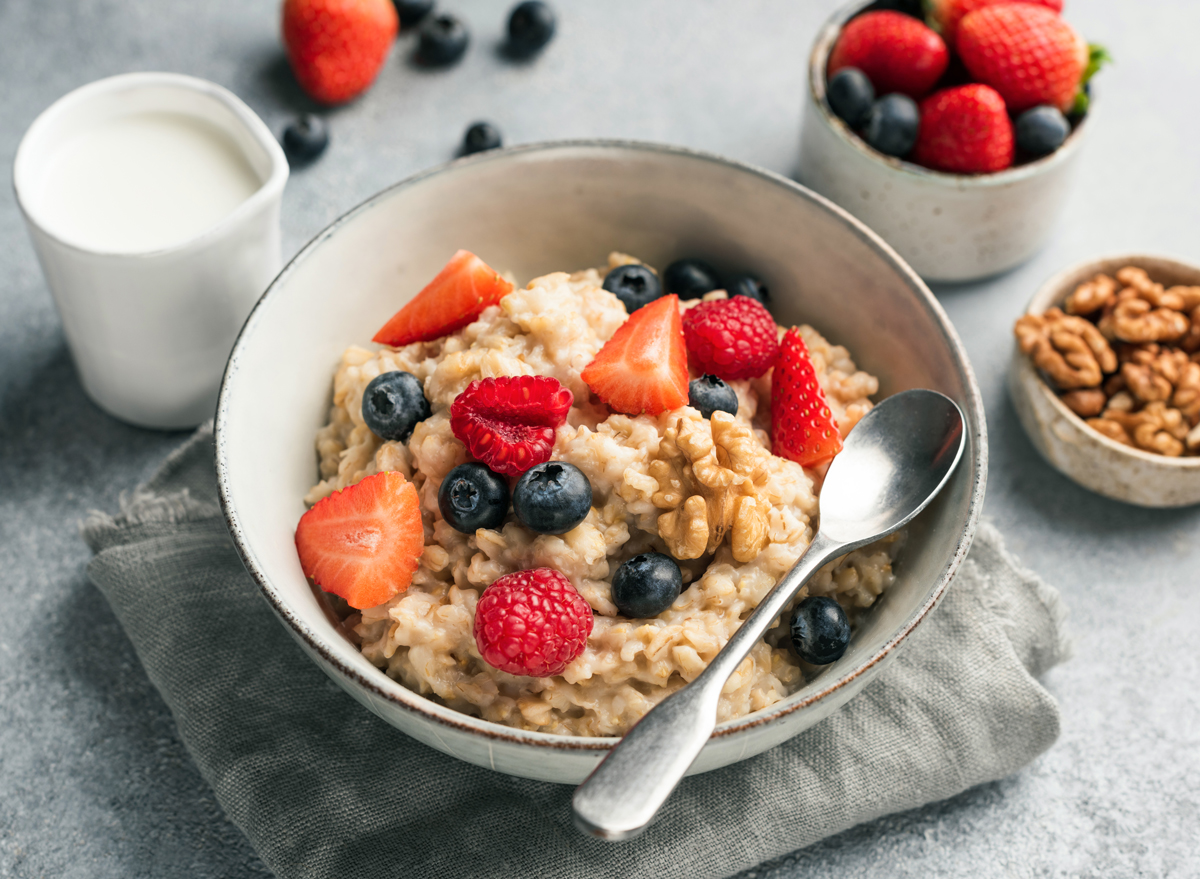
• whole grains (i.e. millet, brown rice, quinoa, wheat, amaranth, rye, barley and buckwheat)
• legumes
• fresh vegetables
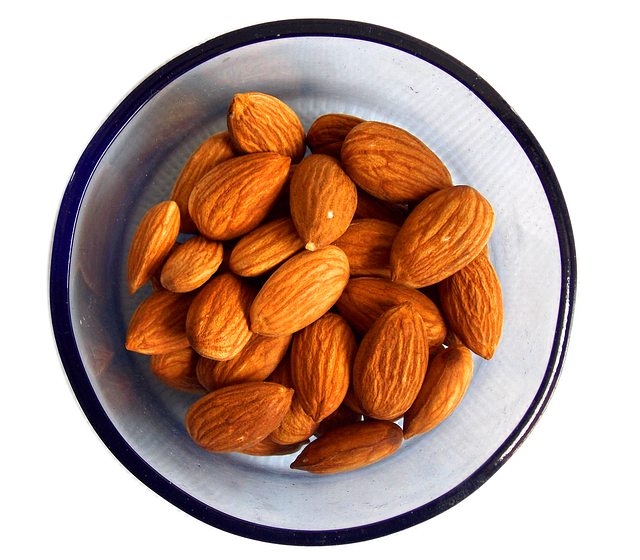
• fresh raw seeds/nuts and their butters (i.e. flax, sesame, pumpkin, almonds, hazelnuts)
• garlic & onions
• avocados
• string beans
• Jerusalem artichokes
• fruit eaten in small amounts with protein or complex carbohydrates
• unprocessed soy products

PhotobucketAvoid consumption of:
• sugar in all it’s forms i.e. fructose, sucrose, cornsyrup, molasses, honey, rice syrup etc.
• soft drinks, fruit juices and carrot juice
• excessive protein, especially red meat
• excessive salt
• white flour and products made from it
• highly refined, processed and canned foods including t.v. dinners and breakfast cereals
• tobacco
• alcohol
• caffeine (coffee, tea, chocolate, cola, drinks, aspirin, bromo-seltzer and excedrin
• Read the labels, or ask for ingredients in restaurants.

Other Helpful Ideas:
• Exercise as vigorously as you can on a daily basis
• If you are overweight talk to your doctor about a sensible plan for reducing your weight.
• If following the above instructions does not sufficiently reduce your symptoms add protein to each of the six meals/snacks you are eating.
• Other helpful ideas: learn visualization/affirmation or meditation techniques.

It is important to keep your hypoglycemia under control because unchecked hypoglycemia may exacerbate pre-menstrual tension, overtax your adrenal glands and eventually lead to diabetes.

©KitchenTableMedicine.com, LLC ™


Maintaining Acceptable Blood Sugar Levels

PhotobucketWhat are blood sugar levels?

Meals or snacks contain carbohydrates that are broken down into glucose and absorbed into the blood. When too much glucose enters the blood at one time the body may not be able to handle it. This could cause high blood sugar levels, or hyperglycemia. If blood sugar levels are too high, the body may overproduce insulin in order to get the excess glucose out of the blood stream. With the body’s attempt to adjust to high blood sugars, an overproduction of insulin could occur resulting in hypoglycemia.

Managing blood sugar levels:

Fats, protein and complex carbohydrates that are high in fiber, help to slow the absorption of glucose into the blood. Eating meals and snacks that combine these three types of nutrients will help your body to maintain normal blood sugar levels. Distribute carbohydrates evenly throughout the day. Have three meals and snacks as indicated by your nutritionist.

Other Helpful Hints:

• Physical activity will enhance blood sugar maintenance. Even a brisk walk is helpful.
• Increase consumption of whole foods, this will give you more fiber.
• Highly refined and processed foods usually contain excessive sugar and salt.
• Limit alcohol and caffeine containing beverages.
• Learn to read labels and ingredients carefully. Be aware of foods with high concentration of sugar, such as fruit juices and sodas.
• If you are overweight talk with your health care provider about a sensible plan for reducing. Losing weight will help maintain your blood sugar level.
• Unsweetened tea or coffee, or artificially sweetened beverages or sweeteners such as Nutrasweet or Sweet’n Low do not raise blood sugar levels, but they are low in nutrient value and may not be a healthy choice.
• Consult with your health care provider for other possible therapies, such as nutrient supplements, adrenal gland support, and assessment of possible allergies/food sensitivities.

©KitchenTableMedicine.com, LLC ™


Blood Sugar Control

Eat three meals and one to three snacks daily. Choose a variety of foods to help ensure the balance of nutrients for optimal health. Eating regularly and never skipping meals helps prevent low or high blood sugar. Each meal should contain sources of healthy fats, protein, and fiber along with carbohydrates. Fats, protein, and fiber are digested slowly and help stabilize blood sugar.

Read more

©KitchenTableMedicine.com, LLC ™