 Sodium, a component of table salt, is a mineral found naturally in most foods. Everyone needs some sodium but most people get much more than they need.
In some people sodium causes water retention that leads to swelling. Besides the discomfort this may cause, it can lead to high blood pressure that increases the risk of heart attack, stroke, and kidney damage.
Decreasing the amount of sodium in the diet helps reduce extra fluid and swelling which allows the blood pressure to begin to return to normal. Most Americans should consume no more than 2.4 grams (2,400 milligrams) of sodium a day. That is about 1 teaspoon of table salt a day. For someone with high blood pressure, the doctor may advise less.
Tips to Reduce Salt and Sodium
• Buy fresh, plain frozen, or canned “with no salt added” vegetables.
• Use fresh poultry, fish, and lean meat, rather than canned or processed types.
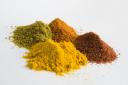
• Use herbs, spices, and salt-free seasoning blends in cooking and at the table.
• Cook rice, pasta, and hot cereal without salt. Cut back on instant or flavored rice, pasta, and cereal mixes, which usually have added salt.
• Choose “convenience” foods that are low in sodium. Cut back on frozen dinners, pizza, packaged mixes, canned soups or broths, and salad dressings – these often have a lot of sodium.
• Rinse canned foods, such as tuna and beans, to remove some sodium.
• When available, buy low- or reduced-sodium or no-salt-added versions of foods.
• Choose ready-to-eat breakfast cereals that are low in sodium.
Experiment with seasonings
thyme sage parsley Tabasco?
basil mint bay leaves vinegar
oregano rosemary chilis, cayenne fresh tomatoes
saffron curry onions lemon juice
dill fresh garlic dry mustard Mrs. Dash?
fresh ginger cumin sesame seeds, tahini Vegit?
**Consult with a medical doctor (MD) before using salt substitutes**
Foods to Avoid that are High in Sodium
Avoid the following high-sodium foods, or look for low-sodium or sodium-free versions.
Meat, fish, poultry and other high-protein foods
Salted or smoked meats and fish, bacon, ham, luncheon meats, sausage, salt pork, hot dogs, canned tuna, salmon, sardines, anchovies, meat and shrimp, Canadian bacon, corned beef, processed cheese, salted peanut butter, soy meat substitutes
Snack foods
Potato chips, corn chips, pretzels, cheese doodles, salted nuts, salted crackers, salted popcorn, party dips, Gatorade
Vegetables
Canned tomatoes, paste, sauce, and juice, olives, pickles and relishes, sauerkraut
Convenience and processed foods
TV and packaged dinner dishes, canned/frozen soups, commercial broth, Cup-a-Soup, gravy mixes, sauce mixes, stuffing, breaded entrees, bread mixes, dehydrated soups, bouillon cubes, instant and ready-to-eat cereals
Seasonings and condiments
Garlic, onion, and celery salt, meat tenderizer, steak sauce, chili sauce, soy sauce, tamari, tartar, barbecue sauce, commercial salad dressings, ketchup, seasoned salt substitutes, horseradish, prepared mustard, lemon pepper, sea vegetables
Avoid added salt when cooking and eating out
When a recipe calls for salt, cut the amount in half as a first step. Gradually reduce salt further as taste tolerance adapts.
Be aware that restaurant food is often salty- choose dishes and restaurants that provide low-sodium options and/or eat out less often
NOTE: Some prescription, and over-the-counter medications do contain sodium that may contribute to increases in blood pressure. Ask a doctor or pharmacist for the names of specific medications that may be an issue.
Sources: U.S. Department of Health and Human Services, National Institutes of Health, Your Guide to Lowering Blood Pressure, 2003 & Swedish Heart Institute, A Patient’s Guide to Heart-Healthy Nutrition, 2002
Sign up to prevent disease! As a member of our community, you will receive fun and simple preventative medicine health coachings that include: Time saving & cost saving tips on diet & exercise, how to use food as medicine, holistic answers to your latest medical questions, motivational discussions, herbal medicine making recipes, simple healthy super food recipes, green tips that save the environment, advice from our expert guests...and the latest alternative medicine research!To receive our news by email simply enter your email address below.
©Articles may be referenced, but not reproduced without direct written consent from Kitchen Table Medicine, LLC™. All content is under full protection by U.S. and international copyright laws.
Sincere thanks for sharing our preventative medicine website with your friends and family!
Popularity: 4% [?]
Other Popular Posts:
- Are you suffering from a TERMINAL case of "The I Can'ts"? (43)
- McInflammation: Are You Really "Loving It"? (36)
- Can you give up dessert? (26)
- Tell Me What is in your Shopping Cart and I will Tell You What is Wrong with You... (26)
- Who are the Villains of the Kitchen Table? (25)
- Fish Oil vs Flax Oil? The Great Debate (24)
- Welcome (22)
- What is Beauty? (22)
- I Have a Dream: 45 Years to American Health Care (22)
- 21 Free Preventative Medicine Habits! (22)











 Dr. Nicole Sundene is the editor-in-chief of Kitchen Table Medicine. A graduate of Western Washington University for her undergraduate degree, and Bastyr University for her Naturopathic Physician degree, she also spent eight years working as a Medical Assistant for the world renowned leading institute Virginia Mason Medical Center. Throughout her education she had the invaluable opportunity to work side by side with many talented physicians specializing in Family Practice, Internal Medicine, Pediatrics, Otolaryngology, Cardiology, Dermatology, Urology, and Urgent Care. Her alternative medicine education along with training at Virginia Mason combined with the many years spent talking to patients as a telephone triage “nurse” have given her a diverse perspective on health care in America.
No User Responded In This Article
Leave Your Comment Below